I have a lot of dreams
that take place in the attic
of the house where I grew up.
Or rather, they start in the attic
and then I have to climb a steep ladder,
or crawl through a tiny hallway,
or walk a long distance
in the summer heat or the deep snow,
until I find myself in a bank
filled with endless corruption,
where no one listens to me,
no matter how long or loud I shout;
or I find myself in a three-story mall
filled with every possible thing,
except for the one thing I’m looking for;
or, most often, I’m in a school
inside an enormous castle made of stone,
and I am wearing the wrong clothes,
and I can’t find my classroom
or any of my friends.
In reality,
our attic was small,
with a slanted ceiling
and wood-paneled walls.
The stairs up to the attic were steep
and covered in the same orange and yellow plaid carpeting
as the rest of the attic floor.
To the left was the mismatched bathroom,
with a stand-alone bathtub,
and a toilet, up on a podium, in the eaves.
To the right was our playroom,
where we acted out stories
and played with friends.
There were birthday parties in the attic,
and we did arts and crafts,
and tried to make movies with an old film camera.
We travelled into space from the attic,
just me and my brother,
and visited every planet we could imagine.
The attic was also our guest room,
with sofa beds that squeaked when they were opened.
Our cousins lived in the attic, one summer,
and created the circus of Nimbus the rat.
And Grandma Ida,
my father’s mother,
lived there for a summer,
just before she died,
so that Mom could take care of her.
Eventually,
the attic became our storage room.
My old cradle stood in a corner,
and the wooden toy box
that was filled with everything but toys.
We kept bags of our old baby clothes in the crawlspace,
and when I hid there,
among the soft bags of clothes,
I would fall asleep to the sound of mice
dancing on the floor around me.
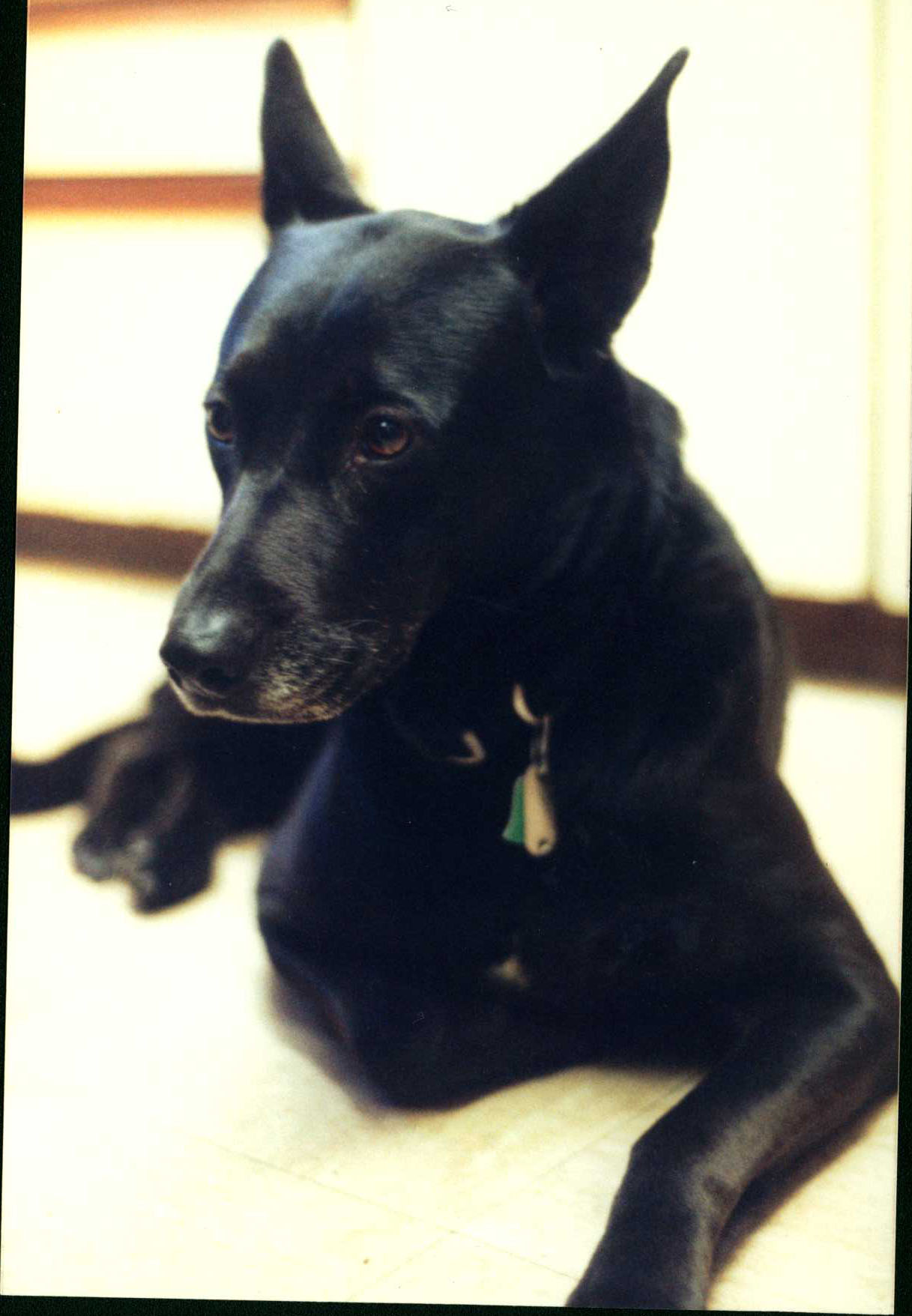
One time, Dina,
our black Labrador mix,
found a bag of my old stuffed animals
and chewed through half of them,
and brought them down to my bedroom,
unstuffed, one by one.
Papa smurf was never the same.
My memories from the attic are haphazard
and come to me out of order
and outside of time.
We could hear squirrels and raccoons in the roof,
and we could see our pool in the backyard,
and we could see the kids who walked home from school,
who threw rocks at our front door.
But more than all of that,
the attic was a place to hide.
After my father, with help, finished the attic,
putting in the carpet and the paneling
and the electricity and the plumbing,
he never returned,
as far as I know,
and that made the attic into my safe place.
In the end,
Dina, our black Labrador mix,
was the only one who used the attic,
long after the mauling of Papa Smurf was forgotten,
or at least forgiven.
She didn’t seem to mind the heat in the attic
(unless she somehow learned how to turn on the air conditioner).
She would lay out in the rays of sun,
as if she was on a beach somewhere,
imagining her own alternate worlds,
though probably not in banks or malls or schools.
In her imaginary worlds, I’m sure,
she was chasing the squirrels she could hear in the roof,
and maybe, sometimes, she even caught them.
עליית הגג
יֵשׁ לִי הָרבֵּה חָלוֹמוֹת
שְׁמִתְרַחשִׁים בָּעַלִיָת הָגָג
בָּבַּיִת שְׁבּוֹ גָדָלתִי.
אוֹ, יוֹתֵר נָכוֹן, הֵם מָתחִילִים בָּעָלִיָית הָגָג
וְאַז אַנִי צרִיכָה לְטָפֵּס בְּסוֹלֵם תָלוּל,
אוֹ לִזחוֹל דֶרֶך מִסַדרוֹן קטָנטָן,
אוֹ לָלֶכֶת מָרחֵק רָב
בָּחוֹם הָקַיִץ אוֹ בָּשֶׁלֶג הָעָמוֹק,
עַד שְׁאַנִי מוֹצֵאת אֶת עָצמִי בְּבָּנק
מָלֵא בְּשׁחִיתוּת אֵינסוֹפִית,
אֵיפֹה אַף אֶחַד לֹא מָקשִׁיב לִי,
לֹא מֶשָׁנֶה כָּמָה זמָן אוֹ כָּמָה חָזָק אַנִי צוֹעֶקֶת;
אוֹ, אַנִי מוֹצֵאת אֶת עָצמִי בְּקֶניוֹן בְּשָׁלוֹשׁ קוֹמוֹת,
מָלֵא בְּכֹּל דָבָר אֶפשָׁרִי,
חוּץ מְהָדָבַר הָאֶחָד שֶׁאַנִי מְחָפֶּשֶׂת;
אוֹ, רוֹב הָזמָן, אַנִי בְּבֵּית סֵפֶר
בְּתוֹך טִירָה עָנָקִית, עַשׂוּיָה מֵאֶבֶן,
וְאַנִי לוֹבֶשֶׁת אֶת הָבְּגָדִים הָלֹא נְכוֹנִים
וְאַנִי לֹא יְכוֹלָה לִמצוֹא אֶת הָכִּיתָה שֶׁלִי,
אוֹ אַף אֶחַד מְהָחָבֵרִים שֶׁלִי.
בָּמְצִיאוּת,
עַלִיָית הָגָג שֶׁלָנוּ הָייתָה קָטָנָה,
עִם תִקרָה מְשׁוּפַּעַת
וְקִירוֹת ספוּנֵי עֵץ.
הָמָדרֵגוֹת לְעַלִיָית הָגָג הָיוּ תלוּלוֹת
וְמְכוּסוֹת בְּאוֹתוֹ שַׁטִיחַ מְשׁוּבָּץ בְּכָּתוֹם וְצָהוֹב
כּמוֹ בְּשְׁאָר עַלִיָית הָגָג.
מִשׂמֹאל הָיָה חָדָר אָמבָּטיָה הָלֹא תוֹאֵם,
עִם אָמבָּטיָה עָצמָאִית,
וְשֵׁירוּתִים עָל דוֹכֵן, מִתַחַת לָמִרזָבִים.
מִיָמִין הָיָה חָדָר הָמִשׂחָקִים שֶׁלָנוּ,
שְׁבּוֹ הָצָגנוּ סִיפּוּרִים
וְשִׂיחָקנוּ עִם חָבֵרִים.
הָיוּ מְסִיבּוֹת יוֹם הוּלֶדֶת בָּעַלִיָית הָגָג,
וְעָשִׂינוּ אוֹמָנִיוֹת וְמָלָאכוֹת,
וְנִיסִינוּ לִיצוֹר סרָטִים עִם מַצלֵמַת סרָטִים יְשָׁנָה.
נָסַענוּ לְחָלָל מֵעַלִיָית הָגָג,
רָק אַנִי וְהָאַח שֶׁלִי,
וְבִּיקָרנוּ בְּכֹּל כּוֹכָב שֶׁיָכוֹלנוּ לְדָמיֵין.
עַלִיָית הָגָג גָם הָיָה חָדָר הָאוֹרחִים שֶׁלָנוּ,
עִם סָפּוֹת נִפתָחוֹת שְׁחוֹרקוּ כְּשְׁפָּתחוּ אוֹתָם.
בְּנֵי הָדוֹדִים שֶׁלָנוּ גָרוּ בָּעַלִיָת הָגָג, קַיִץ אֶחָד,
וְהֵם יִצרוּ אֶת הָקִרקָס שֶׁל נִימבּוּס הָחוּלדָה.
וְסָבתָא אַידָה,
אִמָא שֶׁל הָאָבָּא שֶׁלִי,
גָרָה שָׁם לְקַיִץ,
רֶגַע לִפנֵי שְׁהִיא מֵתָה,
כְּדֵי שְׁאִמַא תוּכָל לְטָפֵּל בָּה.
בְּסוֹפוֹ שֶׁל דָבָר,
עַלִיָית הָגָג הָפָך לִהִיוֹת הָמַחסָן שֶׁלָנוּ.
הָעַרִיסָה הָיְשָׁנָה שֶׁלִי עָמָד בָּפִּינָה,
וְקוּפסָת הָצָעַצוּעִים מְעֵץ,
מְלֵאָה בְּכֹּל דָבָר, מִלבַד צָעַצוּעִים.
שָׁמָרנוּ אֶת בִּגדֵי תִינוֹקוֹת הָיְשַׁנִים שֶׁלָנוּ בְּחָלָל הָזחִילָה,
וְכְּשְׁהִתחָבָּאתִי שָׁם,
בֵּין הָתִיקִים שֶׁל בְּגָדִים רָכִים,
נִרדָמתִי לְצְלִילֵי עָכבָּרִים
רוֹקדִים עַל הָרִצפָּה מִסבִיבִי.
פָּעַם אַחַת, דִינָה,
הָכָּלבָּה הָלָבּרָדוֹר הָשׁחוֹרָה הָמְעוֹרֶבֶת שֶׁלָנוּ,
מָצאָה שָׂקִית הָפּוּחלָצִים הָיְשַׁנִים שֶׁלִי
וְלָעָסַה חָצִי מִהֶם,
וְהוֹרִידָה אוֹתָם לַחַדַר הָשֵׁינָה שֶׁלִי,
לֹא מַמוּלאִים, בְּזוֹ אַחַר זוֹ.
אָבָּא דָרדָס מְעוֹלָם לֹא הָיָה אוֹתוֹ דָבַר.
הָזִיכרוֹנוֹת שֶׁלִי מְעַלִיָת הָגָג הֵם אִקרָאִיים
וְהֵם בָּאִים אֵלַיי לְלֹא סֵדֶר
וְמִחוּץ לָזמָן.
מִשָׁם יָכוֹלנוּ לִשׁמוֹעַ אֶת הָסנָאִים וְהָדבִיבוֹנִים בָּגָג,
וְיָכוֹלנוּ לִראוֹת אֶת הָבְּרֵיכָה שֶׁלָנוּ בָּחָצֵר הָאָחוֹרִית,
וְרָאִינוּ אֶת הָיְלָדִים שְׁהָלכוּ הָבַּיְתָה מִבֵּית הָסֵפֶר,
ושְׁזָרקוּ אָבָנִים עַל דֶלֶת הָכּנִיסָה שֶׁלָנוּ.
אָבַל יוֹתֵר מִכֹּל זֶה,
עָלִיָת הָגָג הָייתָה מָקוֹם לְהִסתָתֵר בּוֹ.
אַחַרֵי שְׁאָבָּא שֶׁלִי, עִם עֶזרַה, סִיֵים אֶת עַלִיָית הָגָג,
שָׂם אֶת הָשָׂטִיחַ וֹהָחִיפוּיִים
וְאֶת הָחָשׁמָל וְהָאִינסטָלָצִיָה,
הוּא מְעוֹלָם לֹא חָזָר לְשָׁם,
עַד כָּמָה שְׁאַנִי יוֹדַעַת,
וְזֶה הָפָך אֶת עַלִיָית הָגָג לָמָקוֹם הָבָּטוּחַ שֶׁלִי.
בָּסוֹף,
הָיְחִידָה שְׁהִשׁתָמשָׁה בָּעַלִיָית הָגָג
הָייתָה דִינָה, הָכָּלבָּה הָלָבּרָדוֹר הָשׁחוֹרָה הָמְעוֹרֶבֶת שֶׁלָנוּ,
הָרבֵּה אַחָרֵי הָהָרָס שֶׁל דָרדָס אָבָּא הָיָה נִשׁכַּח
אוֹ לְפָחוֹת נִסלַח.
נִראָה לִי שְׁלֹא אֶכפָּת לָה מֵהָחוֹם בָּעַלִיָית הָגָג
(אֶלָא אִם כֵּן שְׁהִיא לָמדָה אֵיך לְהָדלִיק אֶת הָמָזגָן).
הִיא שָׁכבָה בְּקָרנֵי הָשֶׁמֶשׁ,
כְּאִילוּ הִיא הָייתָה עָל חוֹף אֵיפֹשְׁהוּ,
מְדָמיֶינֶת אֶת הָעוֹלָמוֹת הָחָלוּפִיִים שֶׁלָה,
אַבַל, כָּנִראֶה, לֹא בְּבָּנקִים אוֹ בְּקֶניוֹנִים אוֹ בְּבָּתֵי סֵפֶר.
בָּעוֹלָמוֹת הָדִמיוֹנִיִים שֶׁלָה, אַנִי בְּטוּחָה,
הִיא רָדפָה אַחַרֵי הָסנָאִים שְׁיָכלָה לִשׁמוֹעַ בָּגָג
וְאוּלַי, לִפְעַמִים, הִיא אָפִילוּ תָפסָה אוֹתָם.

If you haven’t had a chance yet, please check out my novel, Yeshiva Girl, on Amazon. And if you feel called to write a review of the book, on Amazon, or anywhere else, I’d be honored.
Yeshiva Girl is about a Jewish teenager on Long Island, named Isabel, though her father calls her Jezebel. Her father has been accused of inappropriate sexual behavior with one of his students, which he denies, but Izzy implicitly believes it’s true. As a result of his problems, her father sends her to a co-ed Orthodox yeshiva for tenth grade, out of the blue, and Izzy and her mother can’t figure out how to prevent it. At Yeshiva, though, Izzy finds that religious people are much more complicated than she had expected. Some, like her father, may use religion as a place to hide, but others search for and find comfort, and community, and even enlightenment. The question is, what will Izzy find?
 rachelmankowitz