Monthly Archives: August 2025

The 18Forty Podcast

            Over the past year or so, I’ve been listening to an English language podcast by Sruli Fruchter (formerly the editor of The Commentator at Yeshiva University, now a rabbinical student in Jerusalem) as part of an educational platform called the 18Forty Project, which asks the same 18 questions (basically) of forty diverse Israeli thinkers. The goal of the podcast is to give the English-speaking world a wide and thorough understanding of where different groups in Israel stand on the issues of the day (politically, ethically, religiously), and it is a potent reminder that Israel is a democracy, rather than an autocracy; which means that all of the people have a voice, as opposed to most countries in the Middle East, where the leadership of a country (like, say, Iran) can be laser focused on one goal for 40 years (like, say, destroying Israel). These interviews also make it clear that democracy is messy, and full of compromises and disagreement, and it isn’t always rational, or linear, as we have clearly experienced in America’s democracy as well.

            The first few interviews I watched/listened to on YouTube were with Israeli journalists I knew from other venues (Haviv Rettig Gur and Yossi Klein Halevi), and I found the questions interesting, even if the answers were familiar, so I decided to look for more interviews with less well-known (to me) figures. The interviews don’t exist in a time vacuum, so an interview that took place early in the war with Hamas will have a different vibe than one that happened after the 12-day war with Iran, but because of the consistent format (those eighteen questions) you can get a pretty solid idea of where each of these thinkers would land, independent of when you meet them. Some of the 18 questions include: Is Zionism still necessary now that the state of Israel exists? Which is more important for Israel: Judaism or democracy? And, how have your views on politics and religion changed, if at all, since October 7th?

             What happened for me, over time, was that I came to trust the format, and the interviewer, despite the fact that he looks a lot like my oldest nephew (aka very young), or maybe because he seemed so familiar, which allowed me to go with him in his curiosity as he interviewed Israeli voices further and further from the center. There was one interview that stood out for me, with Rabbanit Shani Taragin, who is part of the settler movement. This woman, voicing her sincere hope that as a result of the current war she and her family will be able to return to Gaza, is far outside my comfort zone as a progressive American Jew. She and her family lived in Gaza before the disengagement in 2005, when the prime minister at that time, Ariel Sharon, following the advice of Israel’s international friends (especially The United States) ordered the Israeli army to remove all Jewish presence from Gaza, from the Israeli army bases down to the Jewish bodies buried in the ground. The goal of the disengagement was to hand over control of the Gaza strip to the Palestinians, in the hope that creating distance between the two communities would lead to peace. Unfortunately, Hamas quickly took over (through a combination of elections and killing of the opposition) which has led, clearly, to the opposite of peace.

It is practically dogma that the biggest obstacle to a two-state solution, and therefore to peace between Israel and the Palestinians, is the Jewish settlements in the occupied territories (in Gaza, before 2005, and in the West Bank/Judea and Samaria still today). This has been accepted wisdom for a very long time, even though the first small settlements only started after Israel won the 1967 war and the hoped-for land for peace deals with the surrounding Arab countries failed to take place (the answer from every Arab country at that time was a firm no, to any deal, of any kind).  Because of the lack of a peace deal, Israel remained in control of the land, and allowed some Jewish people to settle there; some wanted to return to the property they owned before the 1948 war, and some wanted to create settlements to reinforce security for the borders of official Israel, and some saw the land as an essential part of greater Israel as described in the Hebrew Bible and believed that it was God’s will that they should live there.
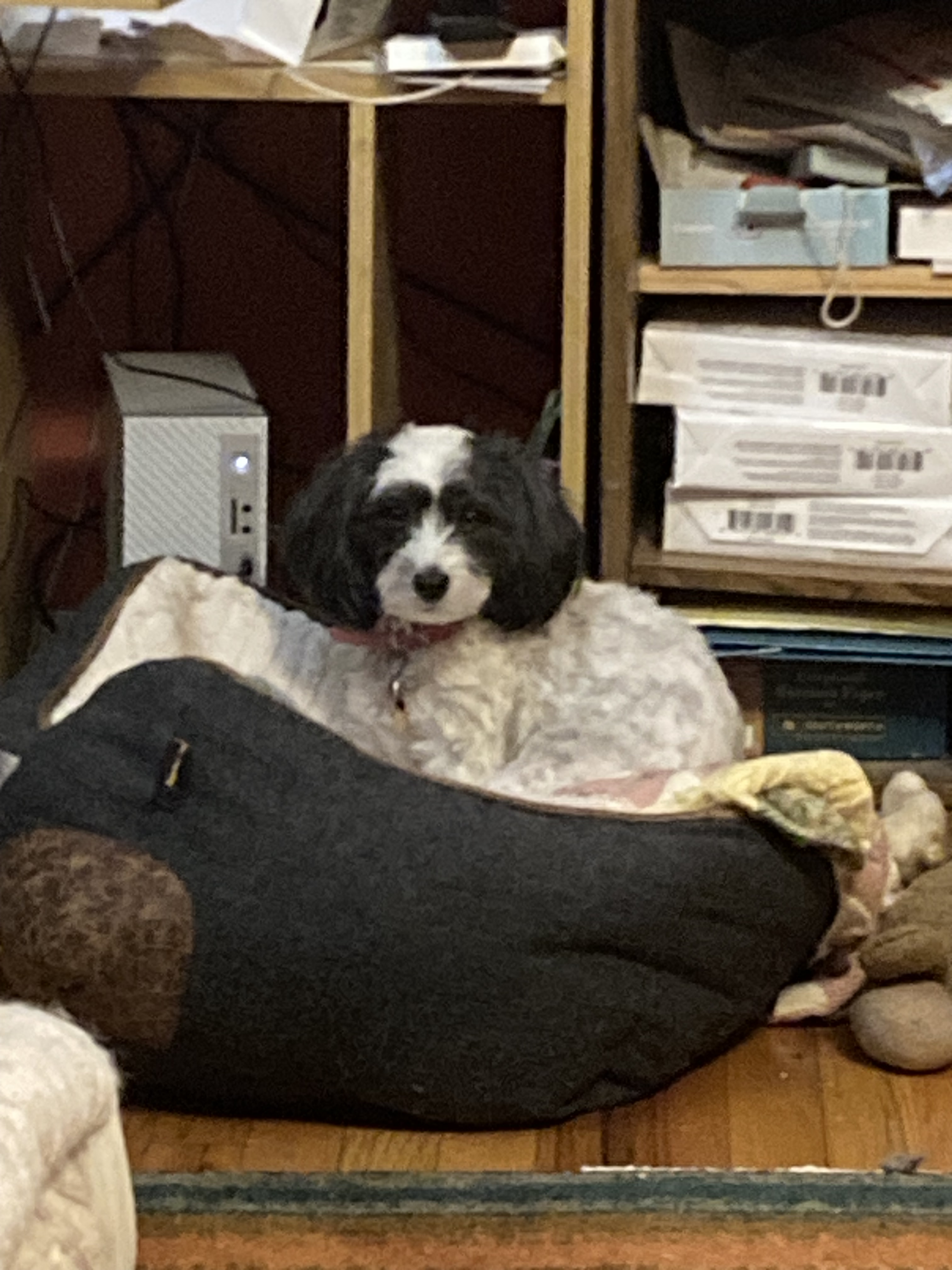
“Oy.”

Eventually, after the peace deal with Egypt, which traded the Sinai desert for peace (and specifically did not include the Gaza strip, at Egypt’s request, even though Gaza had been under Egyptian control from 1948 to 1967), when negotiations began with the Palestinians themselves (rather than with the surrounding Arab countries), the Jewish settlements in the territories became a sticking point, among others, in the discussions of a two-state solution. The other big obstacle to peace was the fact that Hamas, and other Palestinian groups, refused any offer of peace that allowed Israel to continue to exist, and used terrorism to disrupt the attempts of more moderate Palestinians to make peace with Israel. Hamas is not alone in its belief that Israel shouldn’t exist, and that the land from the Jordan river to the Mediterranean Sea belongs to the Arabs; it’s one of the slogans repeated often at pro-Palestinian demonstrations, though when translated into English it changes to “From the river to the sea, Palestine will be free.”

So, is it terrorism, or is it the settlements that prevented peace? Or something else? There is so much history here, and so much dogma, and so much misinformation and confusion, that it is all very difficult to untangle and absorb. And given all of the bad feelings about the role of the settlements in preventing peace, the idea that I would have been willing to sit down and listen to someone from the settler movement, for more than an hour, with an open mind and even compassion, was hard to imagine. But Sruli Fruchter’s gentle style, and his patience and respect, in this interview as with all of the others, allowed me to hear this woman’s often thoughtful and surprising answers. And listening to her opened a door for me, to read more articles and listen to more interviews, from Israel Unpacked and The Times of Israel and Haviv Rettig Gur, that went into more depth on the settlements and helped me to understand that there are many different groups under the umbrella of “settlers,” most of whom are non-violent, and many of whom are left wing and even secular, often living in the West Bank (Judea and Samaria) because property is more affordable there than elsewhere in Israel. The more violent segment of the settler movement, sometimes known as The Hilltop Youth, many of whom are part of the community that was forcibly removed from Gaza by Israeli soldiers 20 years ago, aim their anger and violence not only at the Palestinians but also at the Israeli soldiers who come to intervene. It gets even more complicated, because sometimes the settlers are responding to genuine acts of terror by Hamas or Islamic Jihad, and sometimes they are punishing whole villages for the acts of a few, and sometimes they are just attacking for what looks like no good reason (I’m sure they have their own reasons for who they target, but it looks chaotic from the outside). And, some Israeli soldiers sympathize with the Hilltop Youth and take the side of the settlers instead of protecting the Palestinian civilians, even when the settlers are clearly in the wrong.

Suffice it to say, the gap between the Hilltop Youth and this woman being interviewed by Sruli Fruchter, is vast, and yet, before listening to her, I would have assumed they were one and the same. And even though listening to her didn’t change my opinion about the danger of allowing Jews to resettle in Gaza, it helped me to have more compassion for the people who hope for that with all their hearts, and to have more understanding of why this conflict is as complicated and intractable as it has become.

            These interviews also allowed me to hear from Arab Israeli thinkers and activists, and far left Jewish voices, and right-wing rabbis, and historians, and former peaceniks who are now hawks, all of whom disagree with each other, vehemently, about what constitutes reality and what Israel needs to do to reach peace. I think these voices were chosen because they could do the best job of advocating (in English) for their particular points of view, so that we could have a better idea of what the war of ideas in Israel actually looks like, rather than hearing from people who just scream epithets at each other (which is as large a feature of Israeli politics as it is in America), which would set up each argument as a straw man that could easily be knocked down.

I am still confused, for myself, about what’s true, and what will or won’t work, and what’s fair, but I feel like I have a much better grasp on the range of opinions involved, and the actions that have been tried and have failed, and the hopes and prejudices that keep people engaged in the fight, than I ever had before.

            I’m not imagining that many people who read this blog post are going to watch or listen to all forty hour-plus-long interviews, but maybe one or two of them could spark someone’s curiosity and create a little more bandwidth for the understanding that this conflict cannot be solved, or judged, in a hashtag.

            I’m also hoping that the 18Forty Project decides to keep going with these interviews, maybe reaching even farther afield to the non-Israeli figures who are intimately involved in the discussions and would play a role in any potential resolution of the conflict (though I feel pretty protective of this nephew-look-a-like, so I don’t want anyone sending him to places where his safety would be at risk). For now, since the forty planned interviews have been completed, Sruli and his team have been creating something like mixtapes, a collection of a tapas platters of different voices on specific questions, cut and pasted from the already existing interviews. It’s yet another way of opening a door, so that if you watch one of the collections and hear a voice that captures your attention, you can then go and watch the whole interview and learn more.

            There are a bunch of interviews that I want to go back and listen to again myself, either because I fell asleep halfway through (don’t judge, I usually listen to these at bedtime when I can’t keep my eyes open but still need something to crowd out the silence), or because there was so much to take in that I couldn’t absorb it all in one session. There were also a few interviews that I gave up on halfway through, for any number of reasons, and I may have to push myself to sit through those again as well, just to be fair. We’ll see.
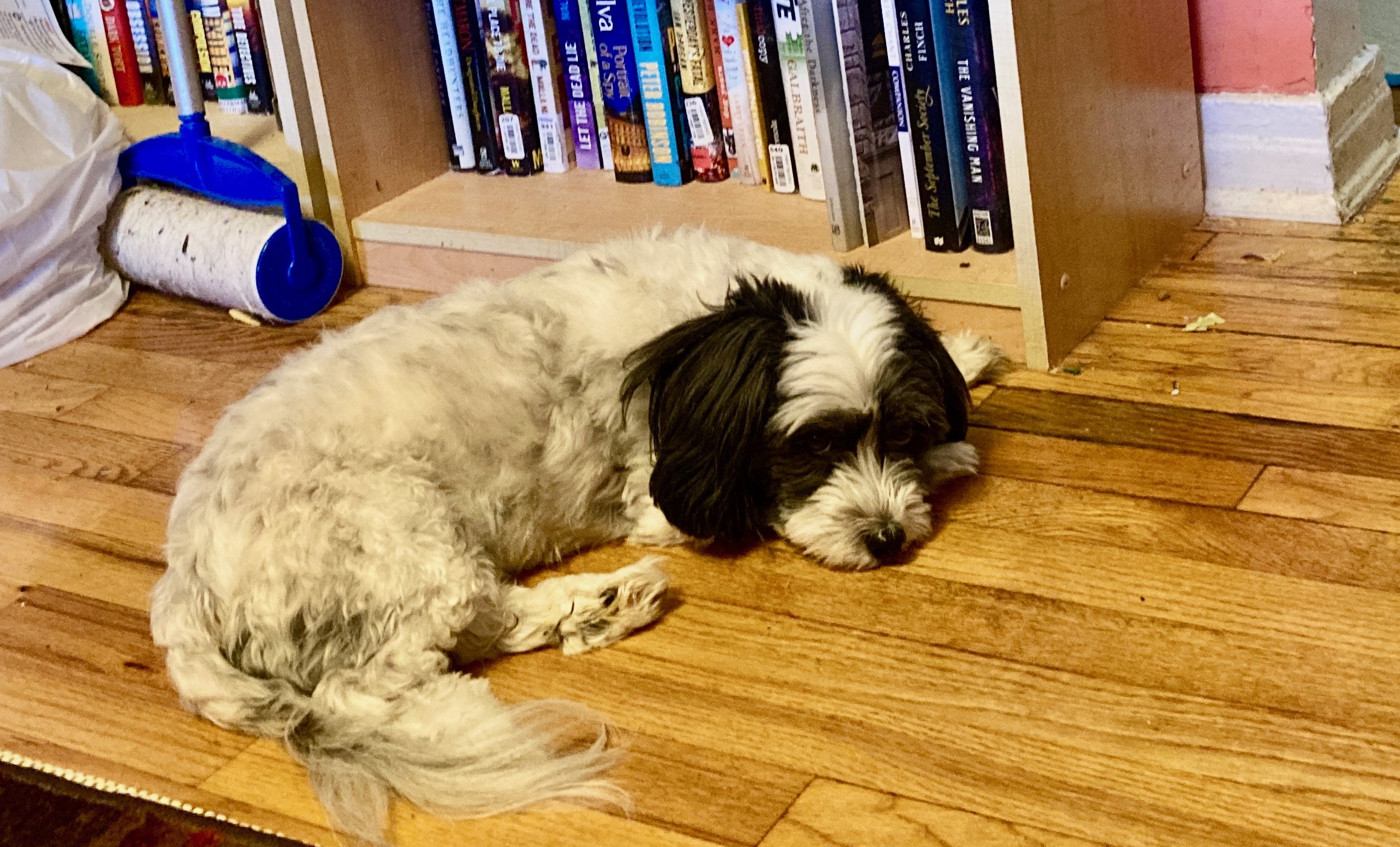
“Oy. Again.”

Some links from the series, if you’re interested in dipping a toe in:

5 Israeli Thinkers on the divides in Israeli society: https://youtu.be/_oLPQJSl49k?si=lr08TMqjvvHtEOGJ

5 Israeli thinkers on the current Israeli government: https://youtu.be/Fti-Ld6ejy4?si=QTkBHJ3n1lOlL5sL

Rabbanit Shani Taragin: https://youtu.be/p6EA8pGK3EI?si=fZbCGfR-KPX9dn7e

If you haven’t had a chance yet, please check out my novel, Yeshiva Girl, on Amazon. And if you feel called to write a review of the book, on Amazon, or anywhere else, I’d be honored.

            Yeshiva Girl is about a Jewish teenager on Long Island, named Isabel, though her father calls her Jezebel. Her father has been accused of inappropriate sexual behavior with one of his students, which he denies, but Izzy implicitly believes it’s true. As a result of his problems, her father sends her to a co-ed Orthodox yeshiva for tenth grade, out of the blue, and Izzy and her mother can’t figure out how to prevent it. At Yeshiva, though, Izzy finds that religious people are much more complicated than she had expected. Some, like her father, may use religion as a place to hide, but others search for and find comfort, and community, and even enlightenment. The question is, what will Izzy find?

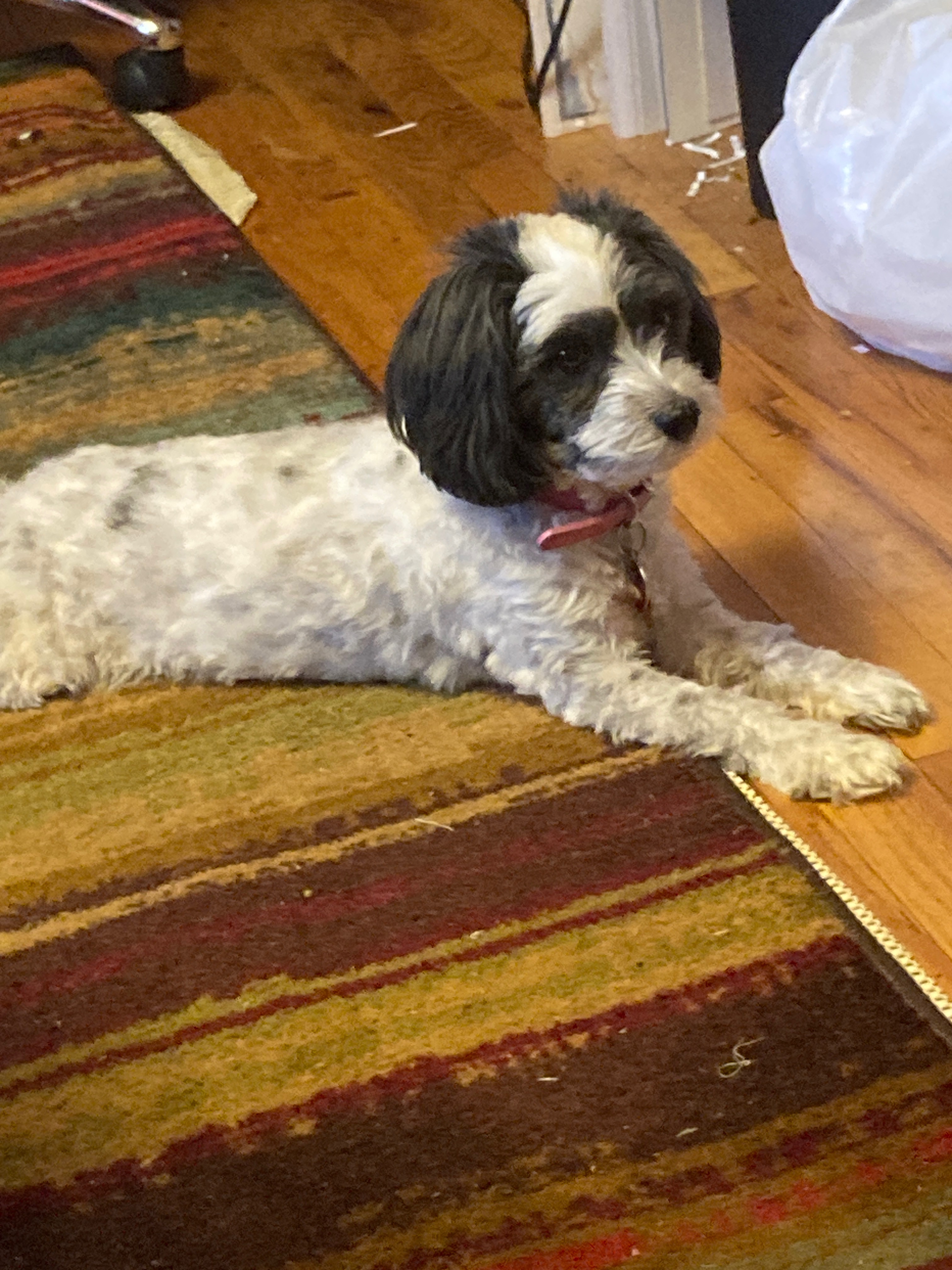
The Pizza Burn

I’ve been waiting for my appointment with the oral surgeon for most of the summer, ever since he decided that there was something he could do to deal with my recurring infections (caused by the original oral surgeries, two and three summers ago), other than more cycles of antibiotics. He’s come up with a few different explanations for the infections over time: that the screws they used for the implants way back when (three years ago) were too porous; that the original bone loss left pockets where food could get stuck; that it’s all my fault.

            I was worried that this would turn out to be yet another involved, painful, expensive procedure, but instead the doctor told me it would just take an hour or so, while they took some skin from the roof of my mouth to fill in the vulnerable area, and there would be no extra cost. And, the doctor said, the pain wouldn’t be too bad, just like “a pizza burn.”

            I haven’t had much pizza over the past eight months, since I’ve been on Zepbound and certain favorite foods have become unfriendly, but I vaguely remember burning the roof of my mouth a few times and not being traumatized by the experience.

            Most of the anxiety came before the procedure itself, of course, because it was all unknown. I was relieved when I found out that I wouldn’t need to do all of the medical checks I went through before the two big procedures, because it would be a much shorter, less involved process, and only require twilight sleep instead of full anesthesia. But I still had two months to wait and worry before the appointment, and I’m very good at anxiety.

“Me too.”

Finally, on the day itself, we had to take a car service to the doctor’s office, because I wouldn’t be allowed to drive home, and even though Mom would be with me for moral support, she can no longer drive. And, of course, I was about as anxious about the car service as the procedure itself, because I’m not so good with strangers, in small spaces, early in the morning, or ever. But when I got to the office, the doctor’s assistant welcomed me, and she has been the reliable, friendly, down-to-earth face of the practice all along, so that helped calm me down. A little. She brought me into one of the regular exam rooms, where the light fixtures are covered with happy clouds in a blue sky, which also helped. And then I had time to get anxious again while they set up around me. My x-rays were loaded onto the screen in the front of the room, making me look like a very scary alien, and then my charts came up, saying that I had been told to “aggressively waterpik” (which was news to me, because I was sure “assertive waterpik-ing” should have been good enough). And then I saw the words “arm restraints” pass by quickly on the screen, and I, of course, had to ask what that was about. It turned out they were going to be restraining my arms during the procedure, to prevent me from, I don’t know, punching the doctor or trying to scratch my nose.

            Then they took my glasses, so I couldn’t read anymore, which was a relief, and they put on the automatic blood pressure cuff, and the pulse/ox monitor, and then the oxygen mask, which made my nostrils feel cold and sore. And then came the needle. They had to use my left arm, for choreographic reasons, even though the good vein is clearly on my right arm (I get a lot of blood tests), which meant they couldn’t find a good vein in the usual places and ended up sticking the needle into the back of my left hand, which hurt more than pretty much anything else the whole day. And then there was nothing.

            I came to while they were removing the different monitors and restraints, and telling me that everything had gone well. Then they walked me to the recovery room (pretty much a closet with two places to sit) where Mom was waiting for me, and then they gave me instructions for how and when to change the gauze pads, and ice the wounded area, and let me go home.

            Half of my face was numb for the rest of the day, so I was only allowed to eat pudding (yay!) and cold soup (eh, not so much), but I wasn’t especially hungry anyway. On day two, I was allowed to rinse with medicated mouthwash and as much warm salt water as I could ever want, but no brushing or aggressive waterpik-ing, yet. And I could chew again, though I still wasn’t eating anything too complicated. By the end of day two, the pain was actually worse, and the swelling had started to kick in, but not so bad that I had to fill the prescription for opiates; I was able to make do with Ibuprofen and Acetaminophen.

            Day three was a rest day. It was sort of a delayed reaction to the procedure, as if I’d been the one doing the surgery rather than the one sleeping through it. The doctor called to check on me towards the end of the day and seemed pleased with my report. I’ll see him next week so he can marvel in person over what a great job he did (he likes to marvel at his work like that, unironically), and hopefully, once this short recovery period is over, I will be done with the infections, and maybe that will mean that I’ll feel better overall (since cyclical infections can’t be helping my overall health), though there are no guarantees.

            The thing is, I’ve been really, really tired this summer. I’m always tired, to be honest, but it has seemed worse lately, and I don’t know if reducing the frequency of infections will make much of a difference, or if whatever underlying disorder that has been causing all of my symptoms is ever going to resolve. No further diagnostic progress has been made in the past few years, despite visits to geneticists and neurologists and neuromuscular specialists and rheumatologists, etc., and all kinds of tests and treatments along the way.

            At the very least, I’d like this one procedure to have been successful, and for that to mean a somewhat less crowded year of doctor appointments ahead. Though it would be really nice to feel like a healthy person for a little while. Weird, but nice.

“Weird, but nice? Welcome to my life.”

If you haven’t had a chance yet, please check out my novel, Yeshiva Girl, on Amazon. And if you feel called to write a review of the book, on Amazon, or anywhere else, I’d be honored.

            Yeshiva Girl is about a Jewish teenager on Long Island, named Isabel, though her father calls her Jezebel. Her father has been accused of inappropriate sexual behavior with one of his students, which he denies, but Izzy implicitly believes it’s true. As a result of his problems, her father sends her to a co-ed Orthodox yeshiva for tenth grade, out of the blue, and Izzy and her mother can’t figure out how to prevent it. At Yeshiva, though, Izzy finds that religious people are much more complicated than she had expected. Some, like her father, may use religion as a place to hide, but others search for and find comfort, and community, and even enlightenment. The question is, what will Izzy find?        

Alexander Salamander

            I don’t remember if I’ve written much about my childhood friend Alex in these pages, but he was my best friend in nursery school and kindergarten, and despite being in my life for such a short time, he has retained something like heroic status in my memory, maybe because he was one of the few people to see me and accept me at that vulnerable time in my life. At some point during those same years, my family went on a camping trip by a lake and I found a salamander by the water: a plain, greenish-black creature who climbed across my child-sized hand and immediately felt like a friend. And, over time, Alex and the salamander have started to merge in my mind – not because they looked alike, but because they both symbolized friendship in its most magical form, able to treat me with kindness, and willing to spend time with me even when there was nothing to say.

“I must be very magical too.”

            I don’t remember for sure if there was just one salamander, or of I’ve merged a couple of different memories into one, but I remember seeing the salamander and thinking that he was just like me: vulnerable, curious, and alone. I also remember thinking that his feet were soft, and that he reminded me of the frogs I’d met on another camping trip, when my brother and I sat next to a pond in the rain, counting tadpoles in the water.

            When I looked up salamanders online, I found out that salamanders are amphibians, like frogs rather than lizards, and that they thrive in moist environments and hide in shadows, which is why they’ve come to represent the hidden aspects of ourselves in psychology and mythology. Most meaningful to me, salamanders are supposed to represent healing, because they can regenerate lost limbs, as well as other damaged parts of their bodies, like the heart or even part of the spinal cord, without scarring. Not only can salamanders regenerate lost limbs, they often intentionally drop their tails in order to get away from a predator, which is a skill that would have served me well when I was growing up in my father’s house.

            I like the symbolism of the salamander regenerating limbs because even though I’m not an especially adaptable person, I have been able to regrow parts of myself that I thought I’d lost along the way. It has been a painful process, kind of like the bone-regrowing potion in the Harry Potter books, but it feels magical nonetheless. I don’t remember Alex losing an arm or leg in nursery school, or regenerating it a few weeks later, but in my imagination that was something he could have done, because he seemed only half human to me, with magical powers of his own, like the ability to draw pictures of the images I saw in my head and make them real.

            There is a lot of diversity among salamanders, in color and size and shape and limbs, but the more brightly colored they are, the more likely they are to be poisonous, unlike my drab-colored, benign little friend. There are about 760 living species of salamander found in north America alone, but I couldn’t find a picture of my salamander, so maybe he was feeling shy on picture day.

            Interestingly, there’s a whole mythology around salamanders being created by fire, or impervious to fire, because they tended to live in hollowed out logs, and when those logs were set on fire, the salamanders would run out, in order to survive. But, even if they can’t withstand fire, or create it, it probably helped their survival to have these myths swirling around them, scaring people away, or inspiring their awe and support.

            Along with a reputation for healing, and surviving fiery logs, salamanders are also seen as symbols of transformation. While they can regenerate lost body parts throughout their lives, they also go through a one-time transformation, like a caterpillar who becomes a butterfly, as part of their growth cycle. But in my mind, both Alex and Alexander the salamander have remained unchanged over time, and have offered me a tremendous amount of comfort as I have grown and changed into new versions of myself that neither of them would recognize, though they might recognize something familiar around the eyes.          

If you haven’t had a chance yet, please check out my novel, Yeshiva Girl, on Amazon. And if you feel called to write a review of the book, on Amazon, or anywhere else, I’d be honored.

            Yeshiva Girl is about a Jewish teenager on Long Island, named Isabel, though her father calls her Jezebel. Her father has been accused of inappropriate sexual behavior with one of his students, which he denies, but Izzy implicitly believes it’s true. As a result of his problems, her father sends her to a co-ed Orthodox yeshiva for tenth grade, out of the blue, and Izzy and her mother can’t figure out how to prevent it. At Yeshiva, though, Izzy finds that religious people are much more complicated than she had expected. Some, like her father, may use religion as a place to hide, but others search for and find comfort, and community, and even enlightenment. The question is, what will Izzy find?
The Hidden Room

            Each year, I read Behind the Bookcase: Miep Gies, Anne Frank, and the Hiding Place (by Barabara Lowell and Valentina Toro) with my synagogue school students for Holocaust Remembrance Day (Yom HaShoah). This picture book is a retelling of the Anne Frank story, through the eyes of Miep Gies, one of the women who helped to hide her and her family from the Nazis. I love the gentle way the book introduces difficult themes to young children, and the way the pictures allow my students to connect to real people and how they feel; but I think the biggest reason why I chose this particular book, out of a pile of just-as-good books on the subject, is because the idea of a bookcase that hides a secret door has always resonated with me. Because, in the house I grew up in, we actually had a bookcase that hid a secret door.

The secret room in my house, wasn’t an attic, or a place to hide Jews, it was actually just a workroom for my mom’s home graphics business. I guess it’s possible that we could have hidden in our secret back room off of the living room, if robbers or Nazis, had entered the house, except that we rarely closed the bookcase door. Generally, it stood partly open, connecting the back room to the living room in general, which was filled with built-in bookcases on every wall, a grand piano in the corner, and a huge fireplace that we rarely used, even after the home business closed a decade later.

My father, who planned out our living room himself as part of a years’ long renovation, was a fan of hiding places and secrets in general, to the point of paranoia. I found out later that he hid all kinds of things around the house, in his sacred books, and in ceiling tiles; things he didn’t want us to find, or didn’t want to know about himself.

The deep resonance of hiding places and secret doors has stayed with me, to the point where I envision my brain as being made up of hidden tunnels and secret passageways that need to be explored and excavated. Hidden rooms show up in my dreams all the time, with lost puppies and long-lost toys and treasure troves of documents, and, you know, treasure, hidden behind secret doors and only discovered years later. Hidden rooms and crawl spaces are also a constant theme in the mysteries I like to read, including priest holes, where catholic priests were hidden from priest hunters in 1500’s England, and the hiding places used by the underground railroad in the US, that hid escaping slaves on their way to freedom, and, of course, the basements and attics and barns and holes in the wall where Jews were hidden by their neighbors during the Holocaust.

My feelings about these hidden rooms teeters between a desire to be hidden away and a desire to open every secret door to the light. I remember when I first read the Harry Potter books, I couldn’t understand why Harry hated his cupboard room under the stairs. Yes, it was tiny, and he was being treated like a pile of rags while his cousin had two bedrooms upstairs for his own use, but the idea of that tiny space, with low ceilings, and very little light, always seemed comforting to me.

There’s still so much hidden away in my memory, cordoned off because it feels too dangerous for me to look at, or held safely in isolation, where it won’t have to face the harsh light, or both at the same time. I can see shadows under the floorboards and cozy blankets piled high in corners, and I know that there’s more that I need to discover, but also that some of it can wait, while the frightened parts of me stay in their safe, warm corners a little bit longer.

The whole idea of the hidden rooms came back to me when I watched videos of Israeli families in their safe rooms, during the recent 12-day war with Iran, and I thought of the room behind the bookcase in my old house, and how useless it would have been as a saferoom, because there were tons of windows and anyone could have seen in from the outside, and bombs would have shattered those thin walls from miles away.

            My ideal of a secret room, or a safe room, would have been one that I could have accessed from the closet in my childhood bedroom. I would have been able to push the clothes aside, pull a rope that released a hidden stairway, and then I would have climbed up to my hidden room, filled with stuffed animals, and piles of books, and a freezer full of ice cream just for me, and finally, I would have felt safe.

Not my picture
“But, what about me?!”

If you haven’t had a chance yet, please check out my novel, Yeshiva Girl, on Amazon. And if you feel called to write a review of the book, on Amazon, or anywhere else, I’d be honored.

            Yeshiva Girl is about a Jewish teenager on Long Island, named Isabel, though her father calls her Jezebel. Her father has been accused of inappropriate sexual behavior with one of his students, which he denies, but Izzy implicitly believes it’s true. As a result of his problems, her father sends her to a co-ed Orthodox yeshiva for tenth grade, out of the blue, and Izzy and her mother can’t figure out how to prevent it. At Yeshiva, though, Izzy finds that religious people are much more complicated than she had expected. Some, like her father, may use religion as a place to hide, but others search for and find comfort, and community, and even enlightenment. The question is, what will Izzy find?

The Hope Muscle

            A few weeks ago, I was talking to my rabbi about the High Holiday readings (because I spell check/copy edit every year), and he told me that the clergy team at our synagogue has decided to focus on hope and comfort for this year’s high holiday services (in late September), rather than the usual emphasis on what we could be doing better, or what’s going on in the world that we need to pay more attention to. The decision was made a few months ago, when it had already become clear that people had hit their limit on pain and suffering and couldn’t take much more, and the news has only gotten worse since then.

There’s some relief in knowing that I am not alone in needing more hope, but that conversation made me realize that, actually, I still have a pretty big reservoir of hope to rely on. I’ve spent a lifetime learning how to find hope where it shouldn’t exist, and to build it up out of almost nothing. It’s like strengthening any other muscle, just that this one creates a spiritual ache from the effort, rather than a physical one. But even before I began the daily work of lifting myself up out of despair, I had a foundation of hope that came from years of being taught to think in terms of millennia, rather than centuries or decades. From lessons in Jewish history and the Hebrew Bible, I was taught to see people who lived 3,000 years ago as my family, and to see their life experiences as my own, and the lesson I learned from all of those family stories is that there is always a way forward, even if it’s difficult and messy and confusing, there is always a next step.

“I’m ready.”

            The Hebrew Bible is not full of success stories, where the heroes are perfect and everything goes their way, not at all, these are people who try, and make mistakes, and suffer from their own bad choices, and suffer from other people’s bad choices, but find a way to keep going anyway. In fact, they are always doing Teshuva (repentance or return), making amends for the stupid or selfish decisions of the past, because they believe it is possible to repair the damage you’ve done, and the damage that has been done to you.

The ancient Israelites became slaves, and spent generations in slavery, and even resisted freedom out of fear of the unknown; and they fought wars and lost a lot of them; and they worshiped other gods and got punished for it over, and over again. They lived on their own land, and lived in exile; they survived by devotion to the old traditions and by seeking out new ones. There has been no generation of Jews that got everything right, or that got to live in a world full of only light and love, and the lesson I’ve learned from all of this, is that you need hope in order to take those next steps out of despair. You need hope to continue going through the knee-deep swampy water, or to drag yourself through the desert in the blazing heat. It’s not about certainty. My ancestors rarely knew the right thing to do at every moment and never followed the recipe (or the Torah) to the letter, but they held onto the hope that if they made the wrong choice or did the wrong thing, they could always try again.

            Even though my ancient ancestors taught me all of this, my more recent ones, like my father, believed that there was a right way to do everything, and that if I was smart enough, and worthy enough, I’d just figure it out on my own. My teachers also held onto this one-right-answer idea, writing every test with the assumption that there was only one right answer to every question, and that most of my ideas were wrong. Having faith that there is one-right-answer, and that you already know what it is, meant that they didn’t need hope. They had certainty. But for me, who never seemed to know what that one right thing might be, I had to rely on the hope that something I would do, anything I would do, would turn out to be right.

At times, I’ve had to build my hope muscle out of magical thinking and imagination, and out of whatever leaves and twigs and feathers I could find; and along the way, I’ve discovered that it doesn’t matter where the hope comes from, or what it’s made of, as long as it’s there when you need it. But pick a day, for example a day when there are pictures everywhere of starving children in Gaza and it feels like everyone is lying about the situation on the ground – Hamas, Israel, the UN, the journalists – and the despair makes it hard to breathe. And even in these impossible moments, the only way I know to keep moving forward is to rely on hope, even unreasonable and unfounded hope, that somewhere up ahead there will be an oasis of peace. I just have to keep going and I will get there, someday.

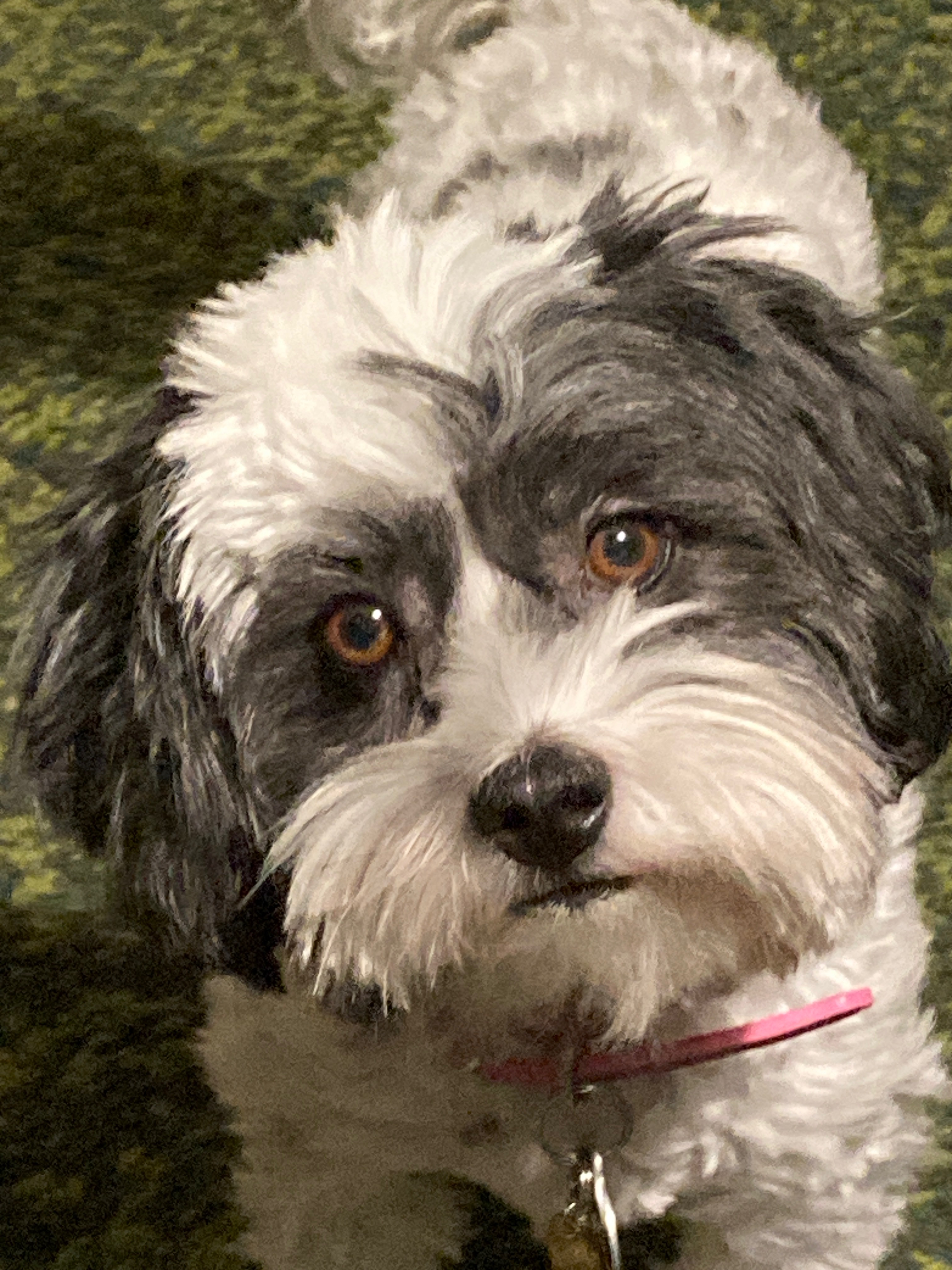
Tzipporah is waiting impatiently.

If you haven’t had a chance yet, please check out my novel, Yeshiva Girl, on Amazon. And if you feel called to write a review of the book, on Amazon, or anywhere else, I’d be honored.

            Yeshiva Girl is about a Jewish teenager on Long Island, named Isabel, though her father calls her Jezebel. Her father has been accused of inappropriate sexual behavior with one of his students, which he denies, but Izzy implicitly believes it’s true. As a result of his problems, her father sends her to a co-ed Orthodox yeshiva for tenth grade, out of the blue, and Izzy and her mother can’t figure out how to prevent it. At Yeshiva, though, Izzy finds that religious people are much more complicated than she had expected. Some, like her father, may use religion as a place to hide, but others search for and find comfort, and community, and even enlightenment. The question is, what will Izzy find?