Tag Archives: doctors

Seeing My Psychiatrist on Zoom

            Every three months or so, I see my psychiatrist for a few minutes on zoom (or Doxy, actually, a platform specifically for medical appointments), because he decided not to go back to in-person visits after Covid. He asks me how I’m doing with my antidepressant medications, and I say “fine,” and he takes notes and refills my prescriptions and makes a new appointment for three months in the future, and then we’re done. Of course, there have been times when I didn’t say I was fine, and he raised the dose of one or the other of my medications, which led to a one month follow up instead of a three month follow up, but for the most part, everything has been stable for quite a while. To fill out the four- or five-minute appointment, we tend to chat about my teaching, or my other doctors and the new medications they’ve added to my regimen, but for the most part, he asks me if I think I need to raise the dose of my meds, and I say no, and we wish each other well. But at my latest appointment, when I said a variation of my usual “I’m fine,” he said, “but what does that mean?” and I didn’t know how to answer.

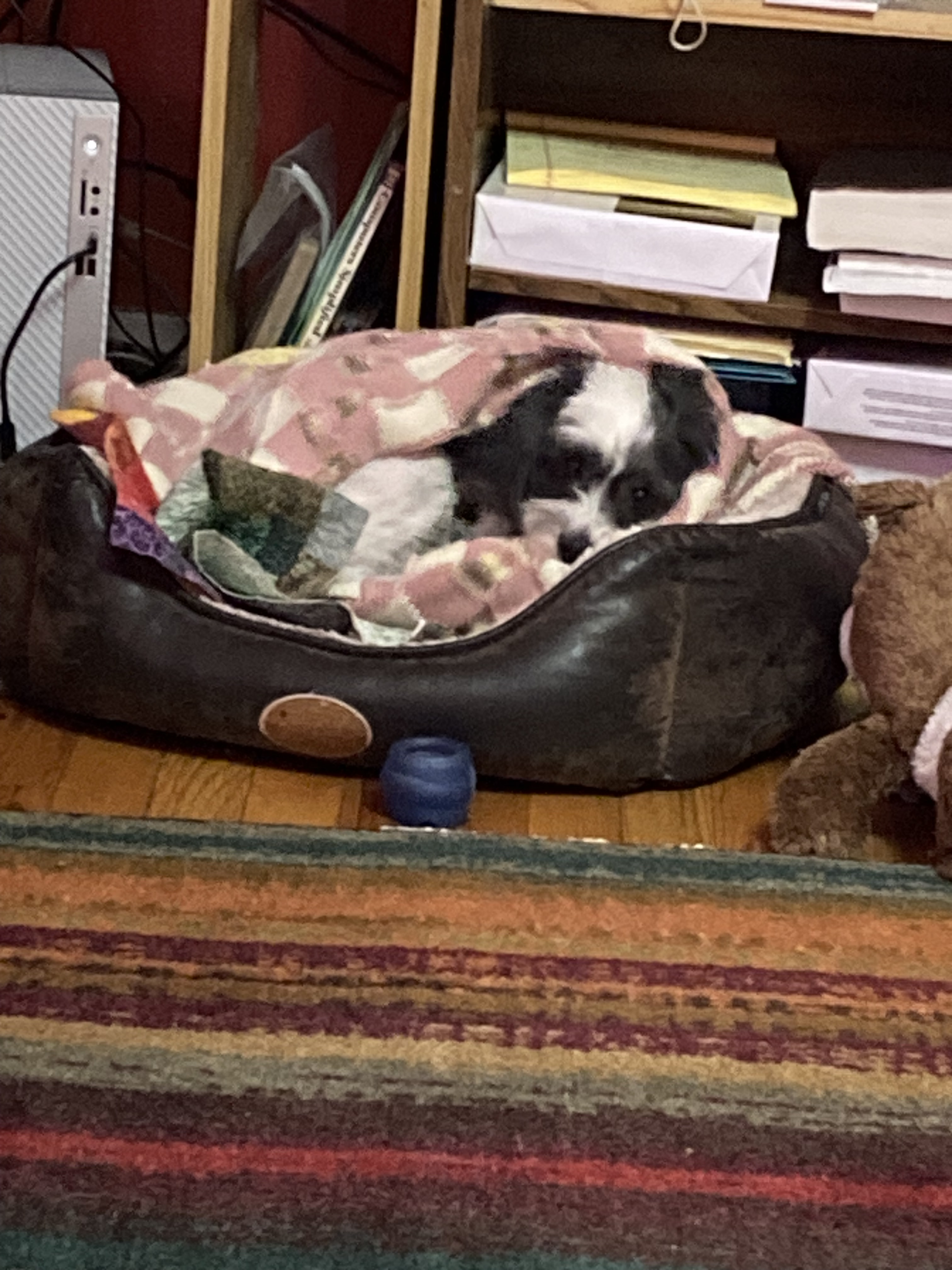
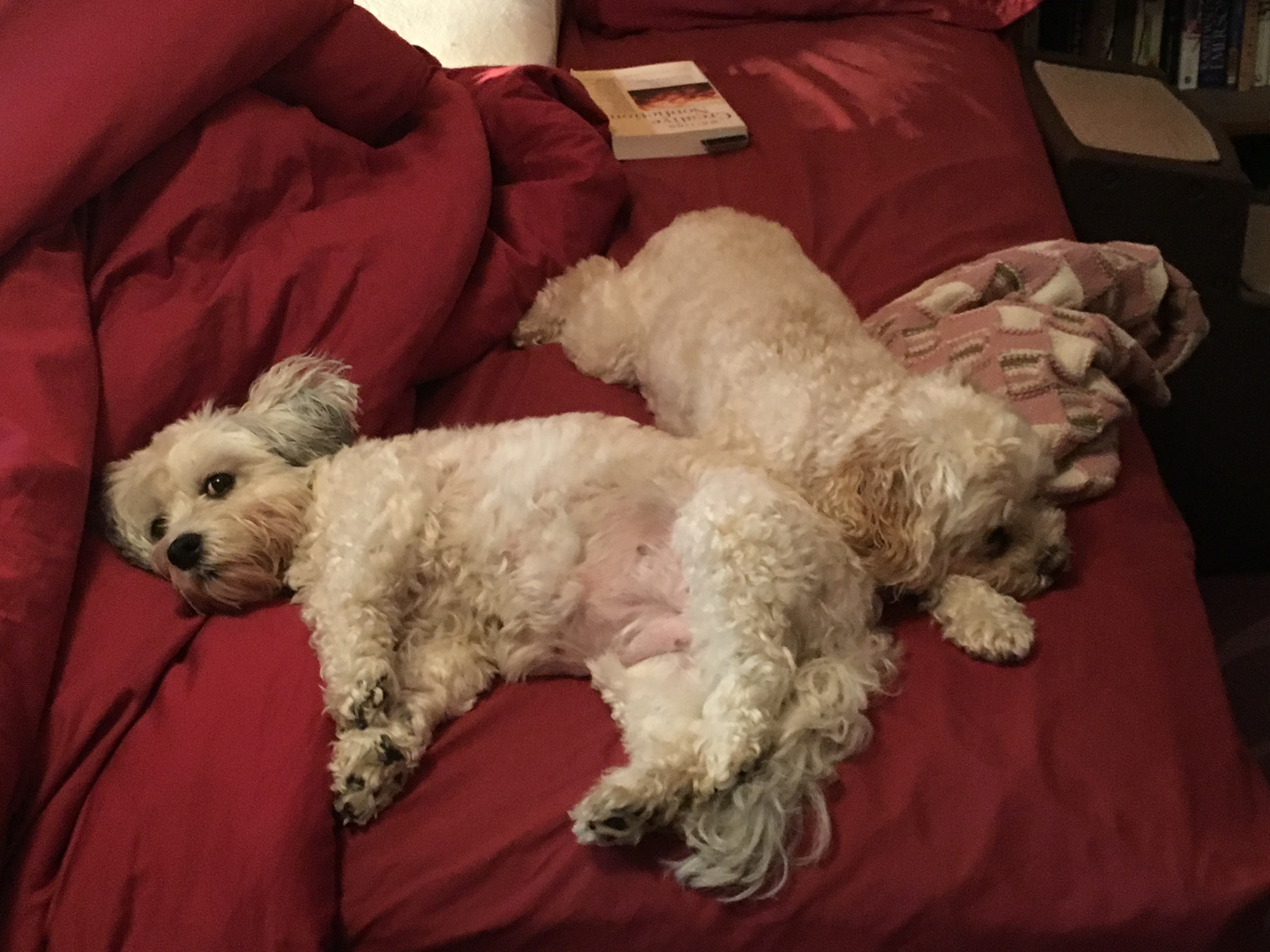
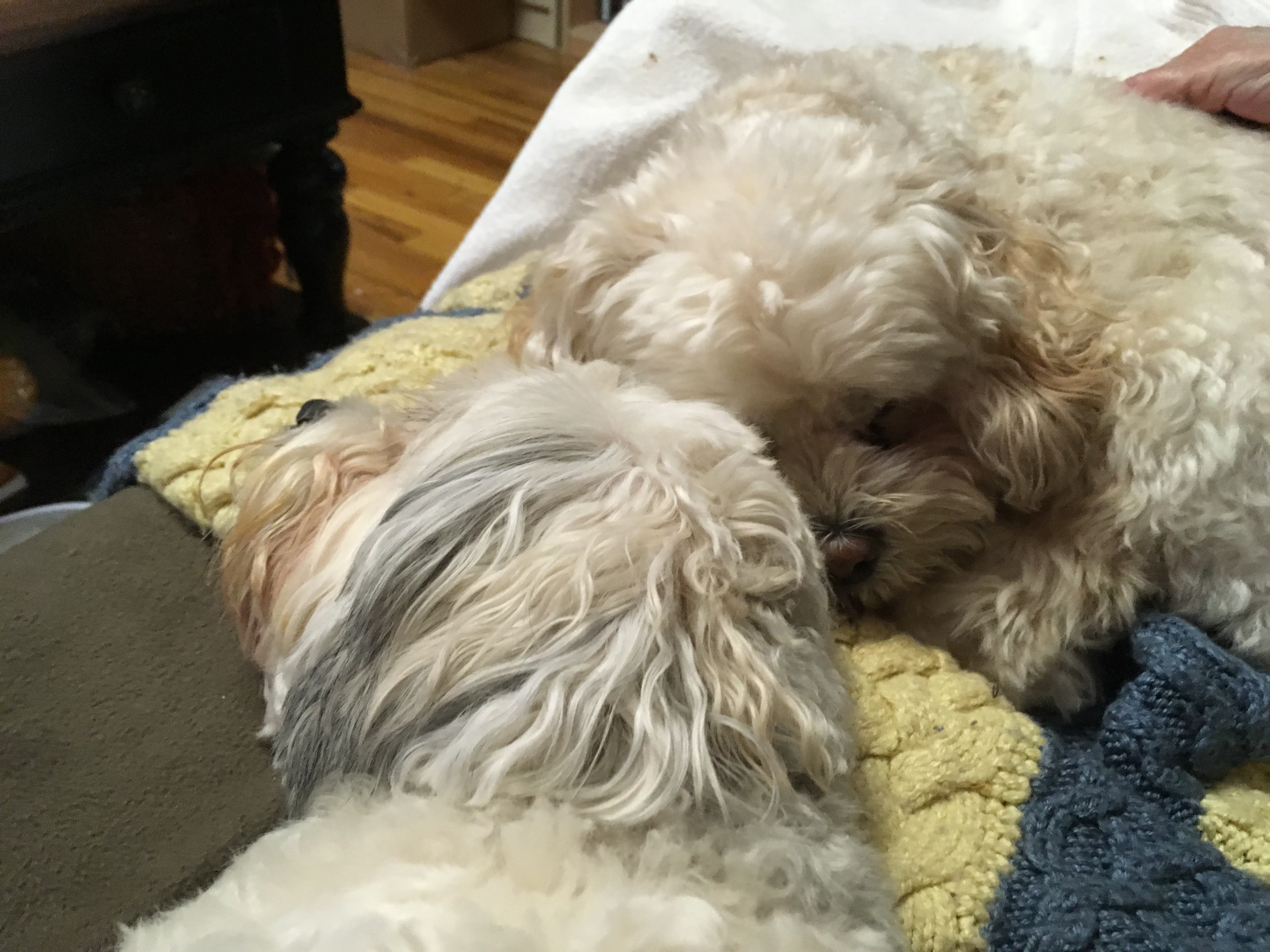
“Do you ever talk about me?”

            In the end, I must have said something reassuring, because he kept everything the same and we made the usual appointment for three months in the future, but when I closed my laptop, I wasn’t sure if “I’m fine,” was really the truth, or just something I’ve gotten used to saying. I don’t remember if I was more willing to go into details back when I actually had to leave the house for those five-minute session every three months, but there’s definitely something about the virtual appointments that encourages me to keep it simple.

            The fact is, I don’t really know if I’m on enough anti-depressant medication, or the right medication. I have no idea if this is the best my mental health can be, or if there are medications or other treatments that could make things better. The few times I’ve been willing to risk changing my medication were when I was feeling so awful that I wasn’t sure I’d be able to function otherwise.

            Antidepressant medications are a mystery, and not just to me. Doctors still don’t really understand why they work, or why one medication works for one person and not for another. It’s a lot of trial and error and guesswork, and a little too much Russian roulette for my liking. When I was first trying medications, years ago, the doctors would try a few from each family of drugs, and I had to spend weeks, and even months, dealing with weird side effects while waiting to see if something positive would happen. There was one medication that the psychiatrist (a different one) insisted on trying even though it was meant for bipolar disorder, which I don’t have, and within 24 hours I felt like I was going to jump out of a window, or at least scream until my head exploded, and I refused to take another dose. The doctor didn’t seem to think my reaction to the meds was all that bad, and he wanted me to stick with it for a least a few more weeks to see what would happen, but I felt strongly that I shouldn’t be taking a medication that made me want to kill myself and he reluctantly moved on to another class of drugs.

            Psychiatrists, and other doctors who prescribe these medications, also tend to be unusually terrible at diagnosis, because there is almost no consistency in how different doctors interpret the words of the DSM (Diagnostic and Statistical Manual of Mental Disorders), and the words used in the DSM are generally unrelated to the way patients actually experience and describe their own symptoms. Sometimes it feels like the doctors are waiting for certain magic words to be said, and don’t know what to make of the metaphors, sentence fragments, and shrugs that real people use to describe how they feel.

            To be fair, medical doctors are just as terrible at diagnosis when they don’t have hard and fast results (from blood tests or scans) to determine what’s going on inside. The pain medication I’ve been on for maybe fifteen years now (after trying a lot of different drugs meant for any number of different diagnoses) has only ever reduced the pain by half, and usually less than that; and the same is true of the psych meds: if they reduce my symptoms by half, that’s a good day.

            In an ideal world, I would sit down with each of my doctors and describe in detail how I feel (what hurts, how it hurts, what I’m struggling with, and what I’ve tried) and be answered with curiosity, understanding, respect and investigative questions to help me pinpoint and articulate my symptoms as clearly as possible. But, to be honest, that has never, ever happened. I have certainly attempted it, with dozens of doctors, but they tend not to hear what I’m saying over the noise of their own assumptions, and it ends up being easier to keep things short.

            I’ve been on my current anti-depressant medications for more than ten years now, and while they have caused weight gain and nervous system disruptions and a bunch of other side effects, they allow me to function most days, and they give me the leeway to do the therapy work that helps me move forward. And for me, to be able to say on an average day that I am fine, that I am not in a panic spiral or falling into depression or obsessing over this or that awful thing coming up in my life, is huge. It allows me to live my life each day and accomplish some of the things that matter to me, and experience joy, and even do the laundry. It may not be miraculous, but, at the very least, it qualifies as fine.

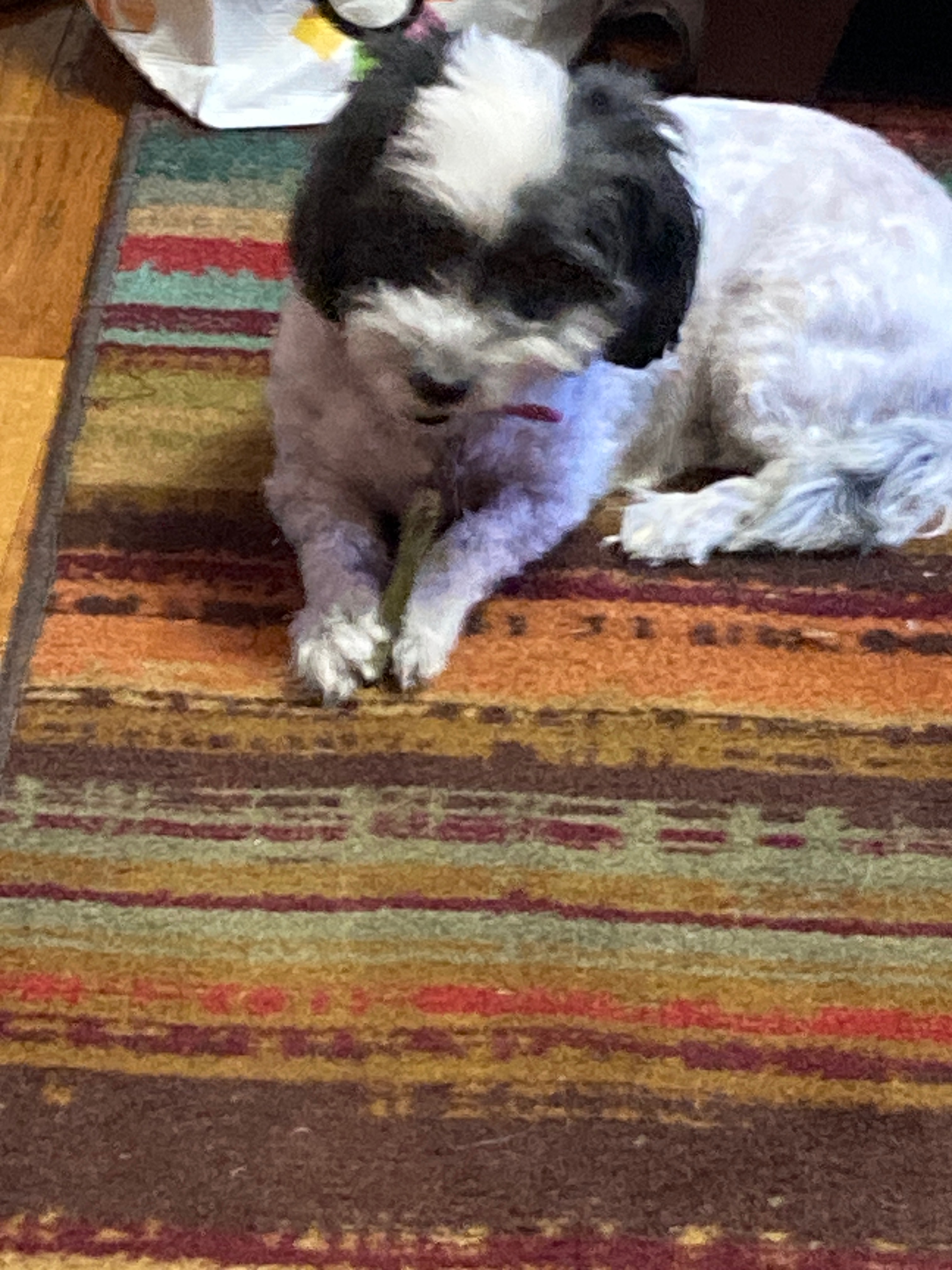
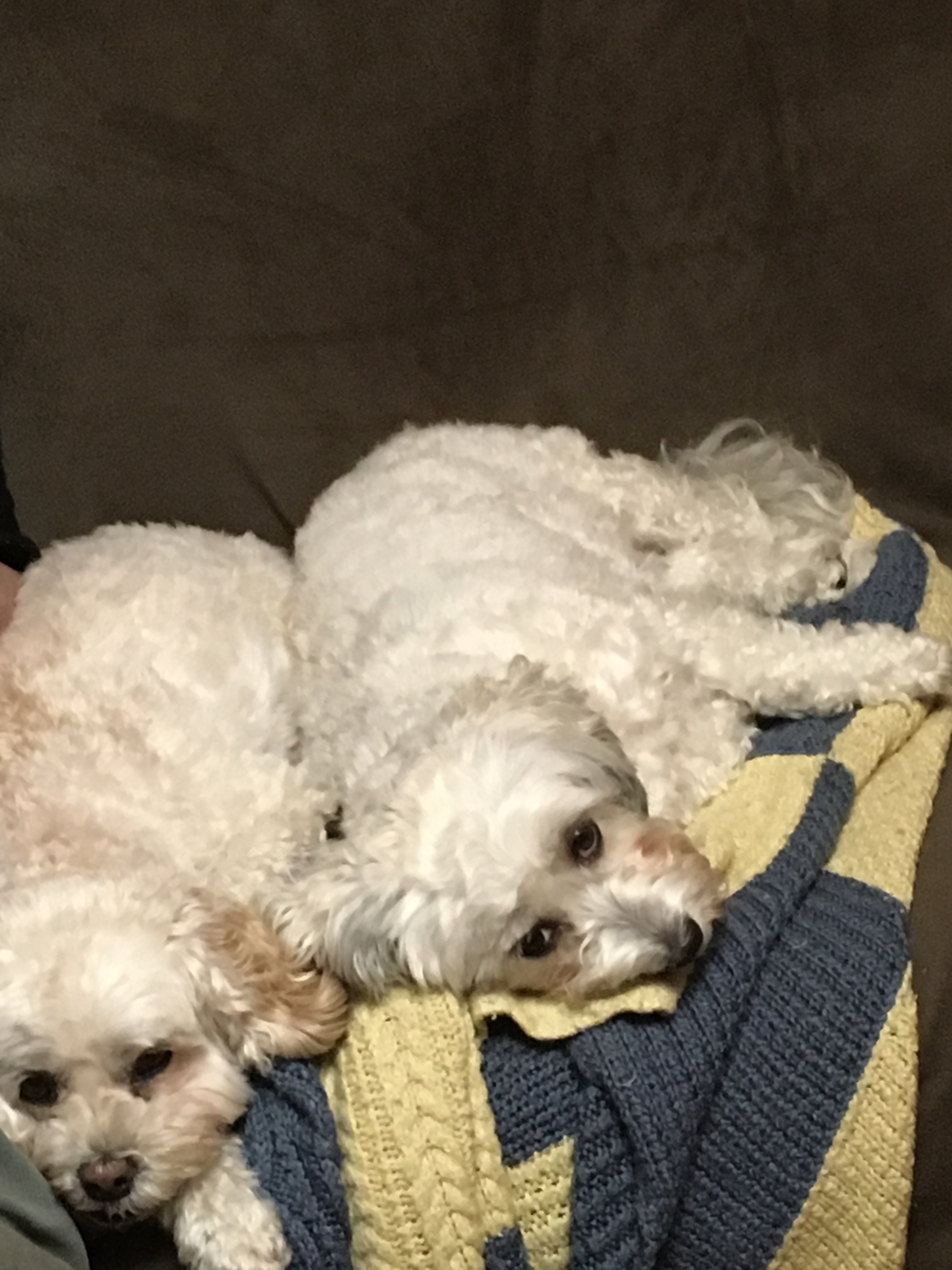
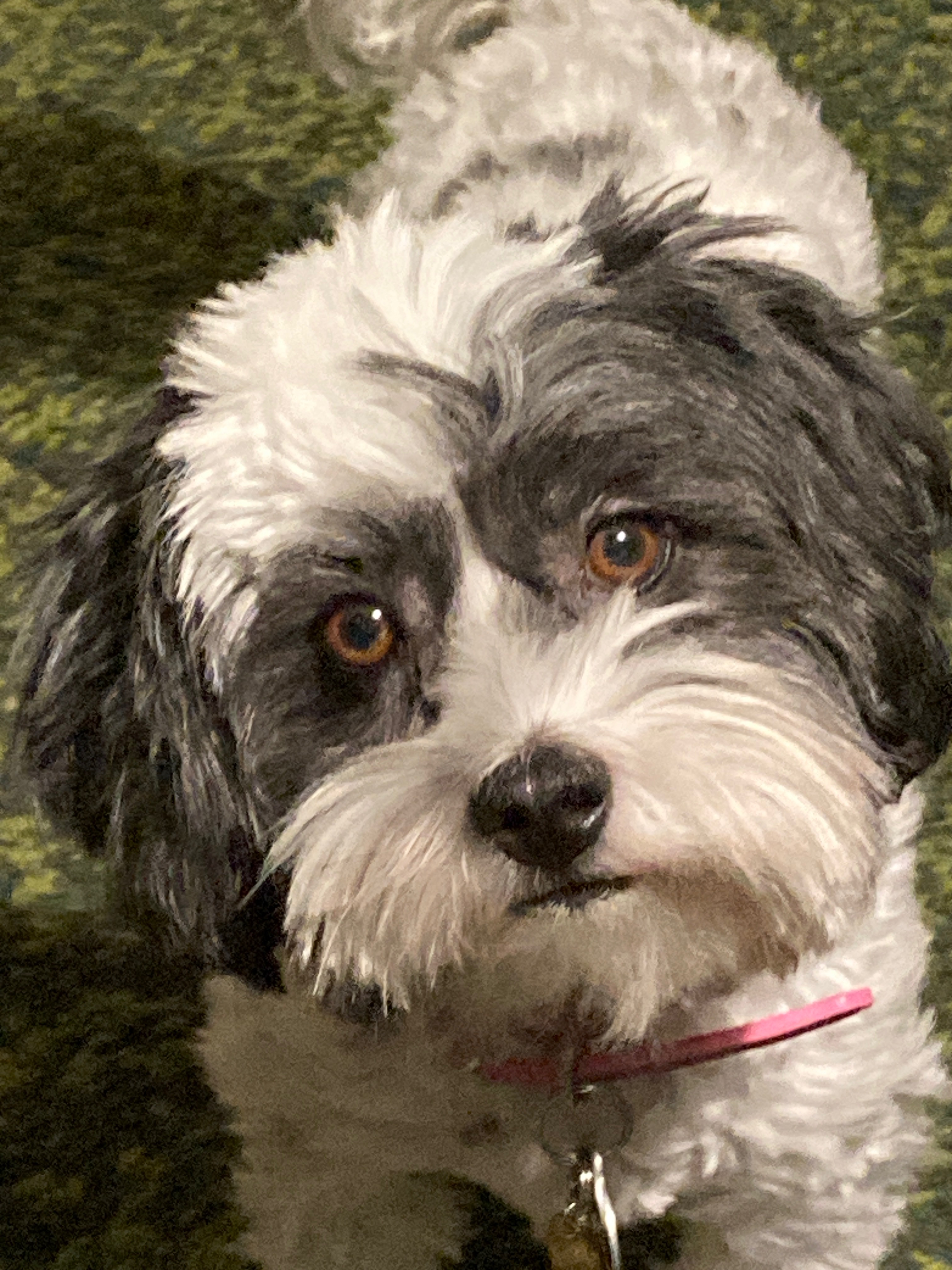
“Have you tried chicken treats? They really work for me.”

If you haven’t had a chance yet, please check out my novel, Yeshiva Girl, on Amazon. And if you feel called to write a review of the book, on Amazon, or anywhere else, I’d be honored.

            Yeshiva Girl is about a Jewish teenager on Long Island, named Isabel, though her father calls her Jezebel. Her father has been accused of inappropriate sexual behavior with one of his students, which he denies, but Izzy implicitly believes it’s true. As a result of his problems, her father sends her to a co-ed Orthodox yeshiva for tenth grade, out of the blue, and Izzy and her mother can’t figure out how to prevent it. At Yeshiva, though, Izzy finds that religious people are much more complicated than she had expected. Some, like her father, may use religion as a place to hide, but others search for and find comfort, and community, and even enlightenment. The question is, what will Izzy find?

Zepbound

            At my most recent visit to the endocrinologist (thyroid issues, etc.), the doctor told me that Lilly has decided to offer Zepbound (a variation on Ozempic) for a discounted price to patients whose insurance companies won’t cover the GLP-1 weight loss medications. The average price for these medications, in the United States, is about $1,000 a month, though in other countries they can be bought for $100 or less, which has come up in contentious congressional hearings of late. My health insurance still refuses to cover these medications for anyone without type two diabetes or a severe heart condition, and I have been waiting impatiently for them to decide to cover GLP-1 medications for Non-alcoholic fatty liver disease, which I was diagnosed with last year, but who knows when that will happen.

            Last year, the endocrinologist told me about a program that discounted Zepbound to half price, but only for people without any insurance coverage, which did not include me. But now, they are making it available to people like me who have health insurance that doesn’t cover the medications. The cost is $400 a month, which is a lot for me, but for the sake of my health I really can’t say no. My hope is that, if the Zepbound works for me, these medications will soon be covered under my health insurance and I won’t have to pay this much for long. Ideally, losing weight will improve the health of my liver and reduce the need for heart medications. I don’t think it will give me more energy, or reduce overall body pain, but you never know.

            To be completely honest, though, what I really want from this medication is to lose enough weight to feel like a normal person. Yes, I want to reduce my risk of liver and heart disease. And yes, I would love to find out that losing weight could give me more energy and allow me to actually live more of my life, but, since childhood, I have been self-conscious about my weight, and I am so tired of feeling like a mutant. I know weight loss won’t change my life miraculously, because I’ve lost weight in the past, when I was able to exercise enough to lose weight on my own. And I’m sure I will still feel uncomfortable in my body, and struggle with pain and depression and anxiety and exhaustion. But it would be great to be able to go to my doctors and tell them my symptoms and NOT have them blame everything on my weight.

            I was on a low dose of Ozempic last year, when my insurance was still allowing it, and I lost fifteen pounds. But as soon as the FDA cracked down on off label use of Ozempic, I was cut off, and within three months I’d gained the weight back. So, one, I know the meds can work, and two, I know I will have to be on them forever.

There’s a lot of fear for me around starting the Zepbound, actually. For some reason, the discounted Zepbound comes in a vial, with separate needles, instead of in pre-dosed pens, so I’m afraid it will hurt more and/or I will do it wrong. I’m afraid I won’t be able to lose enough weight to make a difference in my health, or I’ll get cut off again, because the price will go up or supplies will run out. I’m afraid I’ll be sick to my stomach for the rest of my life (though that’s not very different from how I feel now, to be honest), or that the Zepbound won’t work, or that I’ll lose the weight but I’ll look like a deflated balloon instead of looking, and feeling, healthy.

Maybe most of all, I’m afraid that having to spend $400 a month on this for the foreseeable future, on top of paying off my medical debt, will mean that I can’t really afford a new dog, with all of the vet bills and adoption fees and toys and treats involved. And going too much longer without a dog in the house feels like a risk to my mental health (and to Mom’s). It feels so unfair to have to choose between my physical health and my mental health, especially when they are so intertwined. But here’s hoping I won’t have to choose, and a little, hypoallergenic rescue dog will come along soon, and congress will decide to cover GLP-1 meds for Non-alcoholic fatty liver, and all medical debt will be wiped out, and we will all live in peace and harmony, forever and ever, amen.

A girl can dream. Right?

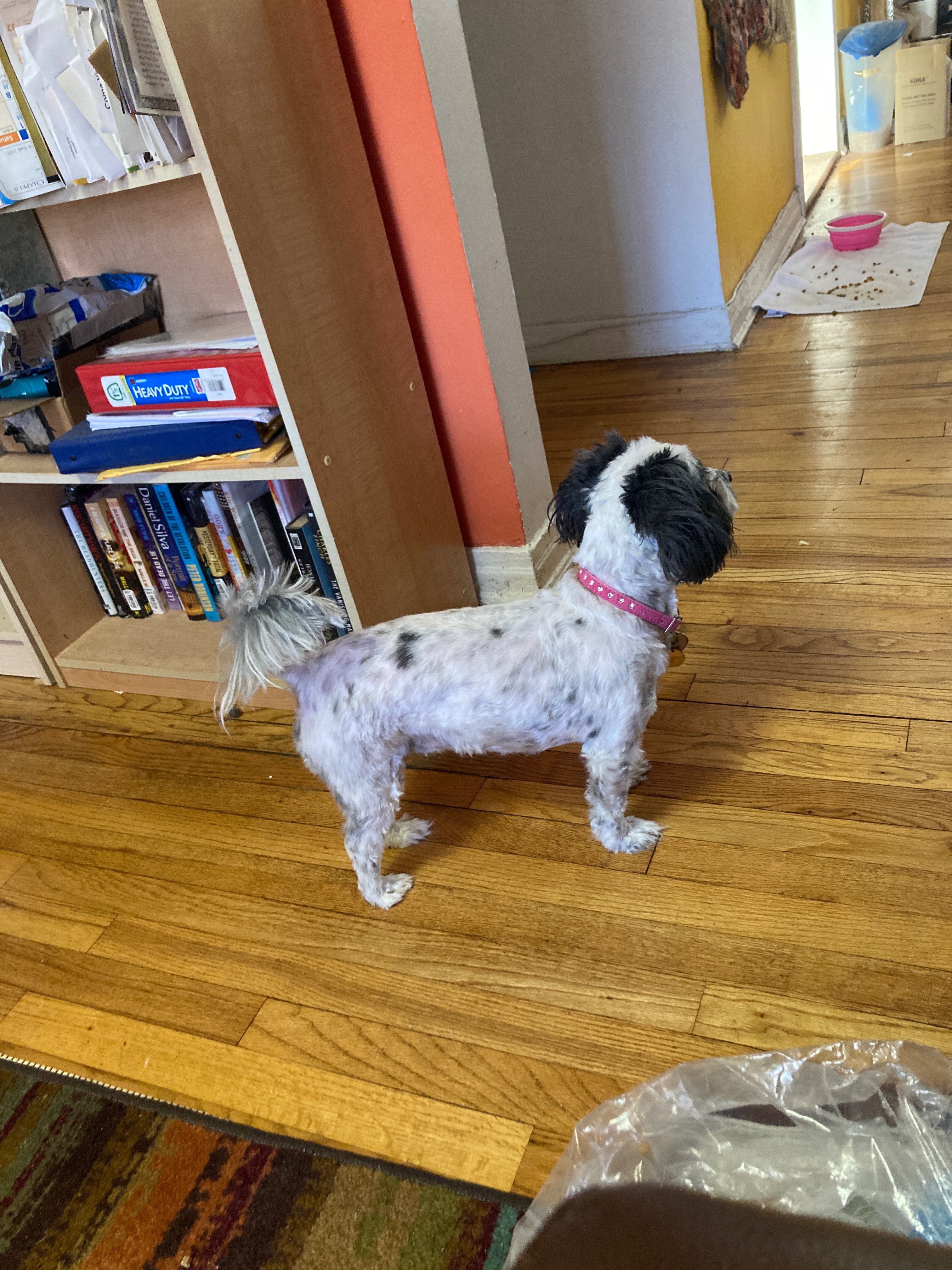
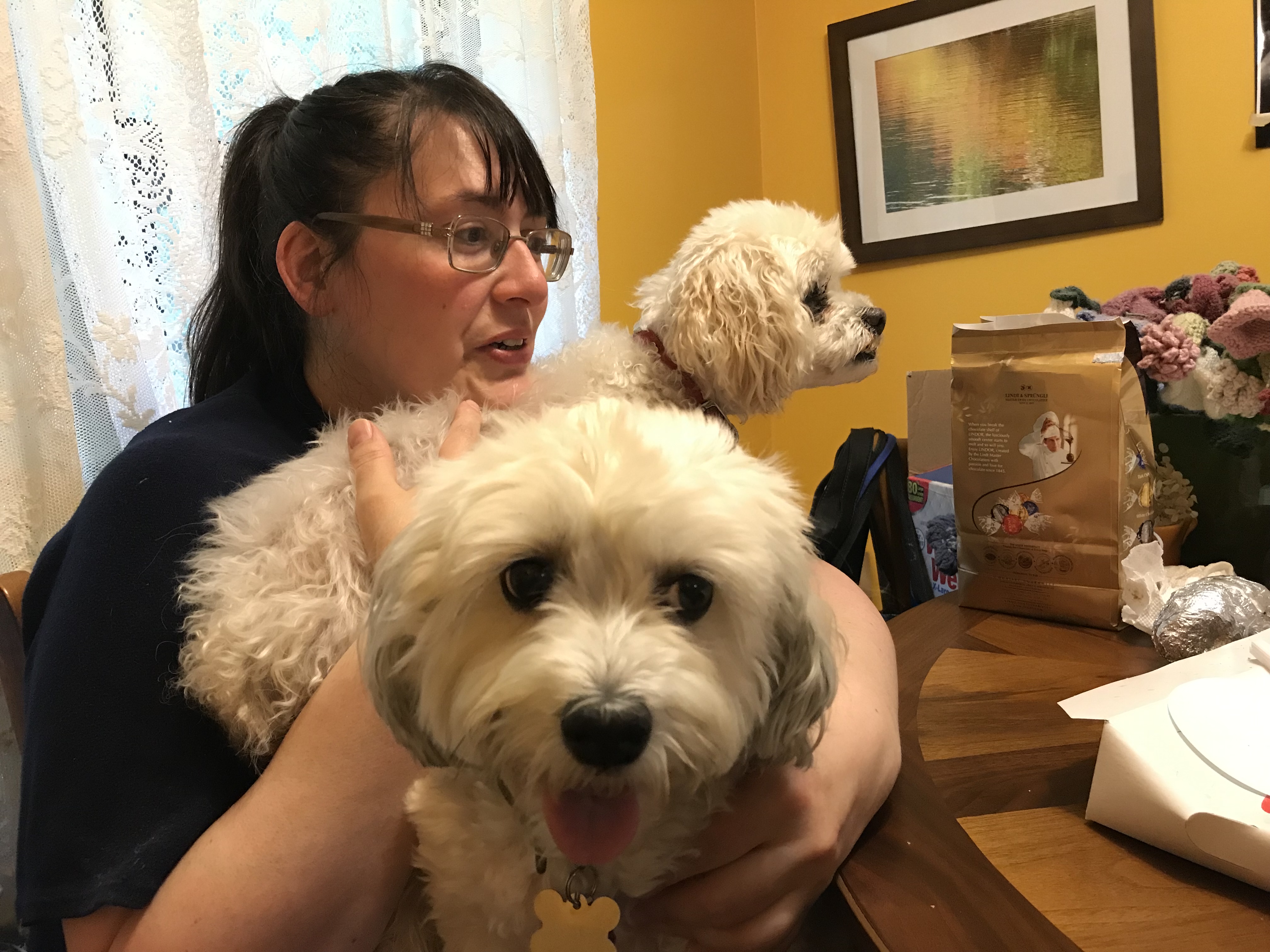
“I’ll eat whatever you’re not eating. You’re welcome.”

If you haven’t had a chance yet, please check out my novel, Yeshiva Girl, on Amazon. And if you feel called to write a review of the book, on Amazon, or anywhere else, I’d be honored.

            Yeshiva Girl is about a Jewish teenager on Long Island, named Isabel, though her father calls her Jezebel. Her father has been accused of inappropriate sexual behavior with one of his students, which he denies, but Izzy implicitly believes it’s true. As a result of his problems, her father sends her to a co-ed Orthodox yeshiva for tenth grade, out of the blue, and Izzy and her mother can’t figure out how to prevent it. At Yeshiva, though, Izzy finds that religious people are much more complicated than she had expected. Some, like her father, may use religion as a place to hide, but others search for and find comfort, and community, and even enlightenment. The question is, what will Izzy find?

The Ozempic Experiment

Two and a half years ago, I started to work with a nutritionist who specialized in Intuitive Eating. I really wanted to believe that Intuitive Eating would be the answer for me, because I was starting to believe that I would have to be on starvation diets for the rest of my life, and I knew I couldn’t live like that. The nutritionist worked with The Intuitive Eating Workbook, by Evelyn Tribole and Elyse Resch, and had a lot of experience working with people with trauma backgrounds, and autoimmune disorders, and a history of eating disorders, so she seemed like the right person to help me feel safe with food, and feel comfortable in my body, and be able to maintain a healthy weight.

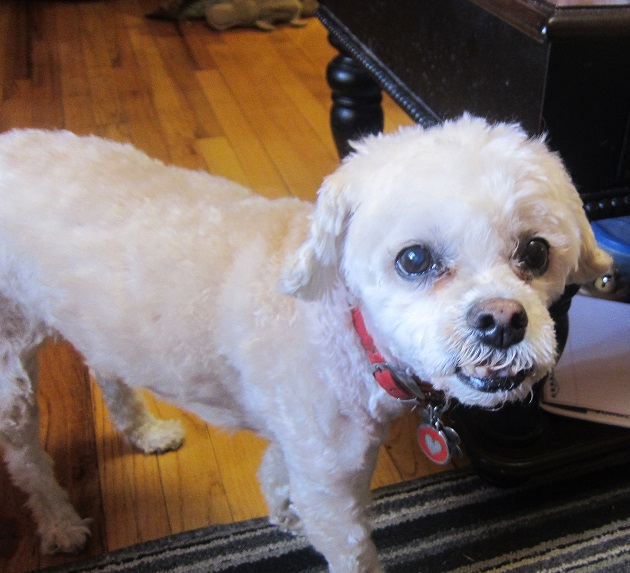
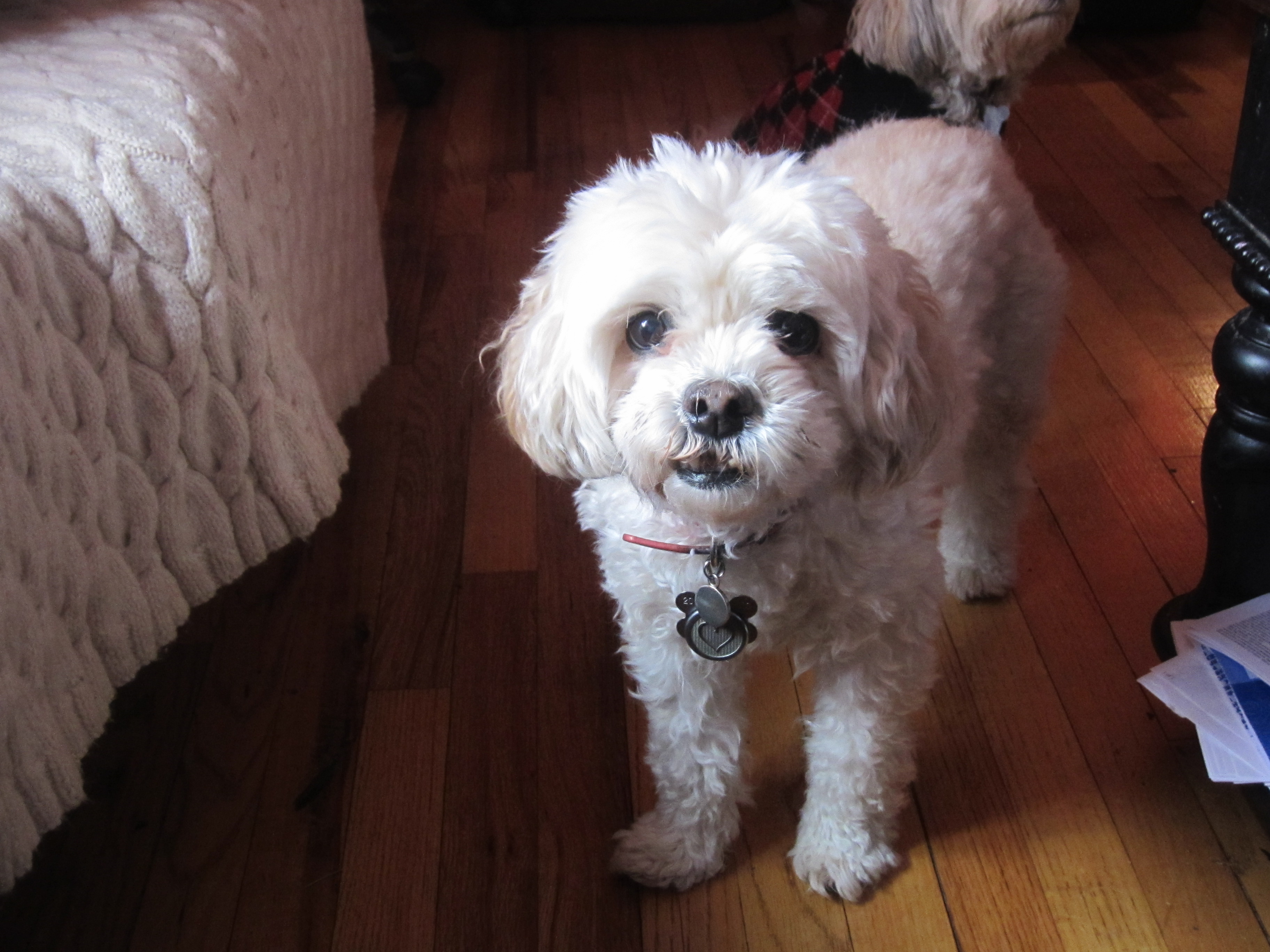
“I can help. Just give me all your food.”

We worked through all of the exercises in the Intuitive Eating Workbook together, charting my hunger and fullness levels, writing down all of my destructive thoughts around food and learning how to reframe them, and overall trying accept that dieting, or restricting food in particular, was not a good long term answer to my problems, given all of the evidence that diets lead to more eventual weight gain. I worked hard at balancing my meals, adding more protein to breakfast, and more vegetables to lunch, and more fat here and there so that I would feel full at the end of each meal. But despite all of my efforts, my weight continued to go up, a little bit at a time, until I’d gained back everything I’d lost on Weight Watchers five years before. The nutritionist said that, given all of my efforts, she was sure I would have been more successful with Intuitive Eating if only I hadn’t been suffering from so many other health problems at the same time, and I tried to believe her, and kept trying.

            And then, a few months ago, I started to get a series of out of range blood test results. First my Adrenal values were high, and the endocrinologist sent me for a CT scan of my abdomen to see if there were nodules on my adrenal glands causing the raised numbers. But my adrenals were clear, and a repeat blood test showed that my Adrenal levels were back to normal, but now my liver values were high. So I was sent to the gastroenterologist, who sent me for an ultrasound of my liver and redid the blood tests, again. The new blood tests said that my liver values were normal, but the ultrasound showed a severe nonalcoholic fatty liver, and both the gastroenterologist and the endocrinologist said that weight loss was the only currently accepted treatment for a fatty liver, and if I didn’t address it now I could end up needing a kidney transplant down the line. But after so many years of trying every diet and non-diet available, I felt hopeless, so they suggested weight loss medication. In the past, the options for weight loss medications were generally too dangerous or unreliable to be recommended by most doctors, but with recent advancements in the field there has been more hope, or at least more things to try. And after all of the doctors’ visits and variable blood test results and finding out about the fatty liver, I was desperate enough to agree to try Ozempic.

            I thought that my nutritionist would be against the whole idea of a weight loss medication, since it goes against the accept-your-body-as-it-is principles of Intuitive Eating, but she was on board immediately, for the sake of my overall health. But I still felt uncomfortable. I’d heard all kinds of the stories about the gastrointestinal side effects of Ozempic and other drugs like it, and there has been so much shame in the air around celebrities taking Ozempic, either because people think that taking a weight loss drug is frivolous or because they think it’s a sign of weak character. I was also worried that my health insurance wouldn’t cover the medication, or that I’d be one of the people who didn’t lose weight on Ozempic, or worse, that taking Ozempic would destroy my ability to enjoy eating, which I rely on heavily to get me through so many other things in my life.

“Puppy kisses help too, right?”

            But my health insurance paid for the Ozempic prescription, and I took that as a sign to move forward with it. I started at a low dose a few weeks ago, and so far there haven’t been any side effects, or any impact at all. I’m okay with taking it slowly, and building up the dose at a pace that my body can handle, but I’m still worried that as the dose goes up so will the side effects, and that even on a higher dose I won’t lose weight, since so many medications that seem to work for other people haven’t worked for me.

            But all I can do now is wait and see what happens, if the Ozempic works for me or not, and if weight loss will return my liver to a healthier state or not. In the meantime, I haven’t given up on Intuitive Eating, because even if it hasn’t changed my body, it has done a lot to change my mind, calming the noise in my head around food and weight and body type, and that relative quiet has left room for more positive thoughts to creep in. And as a result of that realization, I’ve started to adapt some of the Intuitive Eating exercises to see if they can help me create more calm in my mind around writing, where the noise has been even louder than it ever was around food.

Whatever happens, I’m hopeful that progress will continue from all of my efforts, even if I’m not sure what that progress will look like.

“We’re ready.”

If you haven’t had a chance yet, please check out my Young Adult novel, Yeshiva Girl, on Amazon. And if you feel called to write a review of the book, on Amazon, or anywhere else, I’d be honored.

            Yeshiva Girl is about a Jewish teenager on Long Island, named Isabel, though her father calls her Jezebel. Her father has been accused of inappropriate sexual behavior with one of his students, which he denies, but Izzy implicitly believes it’s true. As a result of his problems, her father sends her to a co-ed Orthodox yeshiva for tenth grade, out of the blue, and Izzy and her mother can’t figure out how to prevent it. At Yeshiva, though, Izzy finds that religious people are much more complicated than she had expected. Some, like her father, may use religion as a place to hide, but others search for and find comfort, and community, and even enlightenment. The question is, what will Izzy find?

Cricket and the Big Needle

            Cricket has kidney disease. She had a really bad day recently: she fell down the stairs when she was coming in from a walk, and had to be carried up and down the rest of the day. By the next morning, she was back to herself, climbing the stairs and eating her breakfast and barking at the UPS guy, but we took her to the vet anyway and he checked her out and took blood and the next morning he called to say it was her kidneys, but he’d need a pee sample to know if she also had an infection. I had to follow her around all day with a ladle, collecting a teaspoon of pee at a time and storing it in the fridge until we had enough to bring to the vet. Thank god, Mom didn’t take the picture she threatened to take of this particular activity. The results: no infection, but very watery pee, confirming kidney disease, so we’d have to go back to the vet and learn how to give her sub-cutaneous fluids once a day. With a very big needle.

“I hate needles!”

            Cricket only weighs 9.5 pounds now, down from her original 14 pounds, and she looks like a naked chicken from the neck down, but she still has her rebellious spirit. So as soon as I knew I would have to put a needle under her skin every day, I started searching everywhere for her muzzle. We’d never actually used it before, but we had it somewhere, just in case, because she is a biter. I finally found the muzzle hidden behind her old harnesses and winter sweaters in the hall closet, and she let me put it on her, for a moment, before she started trying to pull it off.

            At our next appointment, the vet demonstrated how to hang the fluid bag on the door, and hold Cricket still, and pull up the extra neck skin like a tent and insert the needle, and Cricket calmly let him do all of this. We watched her neck swell up like a balloon, which he said was totally normal, and then he removed the needle and pinched the skin so that the fluid wouldn’t spritz out. Then he showed me how to change out the old needle for a new one, easy peasy. By the time we got home, Cricket was feeling so good that she skipped down the lawn on her way to the front door.

            My first attempt at giving her the fluids myself, the next morning, went almost as easily as when the vet did it, even with the big needle and the bite-prone Cricket, but on the second day, she rebelled. She bared her teeth at me, and pulled away from the needle, and then she bit me, three times. I tried again later in the day and managed to get the needle under her skin and a small ball of fluid in her neck, before she bit me again.

“You bit me first!”

            On the morning of day three, we tried giving her food during the procedure, to keep her distracted, but she turned the bowl over and spread the food all over the floor and hopped over it to get away from the needle. So, in desperation, we gave her a quarter of a doggy valium, and waited. An hour later I was able to put the muzzle on her, and insert the needle under her skin, and give her the rest of the fluids she should have had the day before. The only problem was that we had no more doggy valium. So off to the vet we went to get more medication, and incidentally, to make sure it was okay for her to take it every day. It was, but even that small amount of ACE (the doggy Valium) made her stumble around and wiped her out for the rest of the day.

“It helps to have somewhere to put my head.”

            A week after starting the fluids, we took her to the vet for another round of blood tests, to see if the fluids were helping, but when the doctor called the next morning, it turned out that her kidney numbers were worse. He told us to keep doing the fluids, with some added B vitamins, and he gave us Gabapentin to try instead of the ACE, to see if the combination would give her more good days. He had no prediction for how much time she has left. He just told us to keep an eye on her eating habits, and if she doesn’t eat for three days in a row then that would mean she’s suffering and it will be time to let her go.

            We tried the gabapentin to no effect, so we went back to the ACE, but decided to give it, and then the fluids, at night, so that she could sleep it off and wake up feeling better, and that seems to be working better for her.

            I don’t have high expectations, but I’d like for her to enjoy the end of her life as much as possible, and I’d really like to have a little more time.

“Where’s the rest of the chicken?”

If you haven’t had a chance yet, please check out my Young Adult novel, Yeshiva Girl, on Amazon. And if you feel called to write a review of the book, on Amazon, or anywhere else, I’d be honored.

            Yeshiva Girl is about a Jewish teenager on Long Island, named Isabel, though her father calls her Jezebel. Her father has been accused of inappropriate sexual behavior with one of his students, which he denies, but Izzy implicitly believes it’s true. As a result of his problems, her father sends her to a co-ed Orthodox yeshiva for tenth grade, out of the blue, and Izzy and her mother can’t figure out how to prevent it. At Yeshiva, though, Izzy finds that religious people are much more complicated than she had expected. Some, like her father, may use religion as a place to hide, but others search for and find comfort, and community, and even enlightenment. The question is, what will Izzy find?

More Doctors

            For a few weeks, recently, my mother was worried about me. Okay, she’s always worried about me, but more worried than usual, because my blood pressure was high. My blood pressure has been relatively high since December, but my primary care doctor wasn’t especially worried, so I ignored it. But then I went to the gastroenterologist, to finally see about my first colonoscopy, he said I’d need an okay from the cardiologist before he could move forward; so I went to the front desk and made an appointment with a cardiologist in the same office, where the wait is approximately an hour and a half and the doctor generally ignores whatever I say.

            But while I was waiting for that appointment to arrive, my blood pressure (measured on a home blood pressure monitor), kept going up and up, especially the bottom number. And Mom said I couldn’t wait for my scheduled appointment and instead made me an appointment with her own cardiologist, for the next morning.

“I could ignore you without all the waiting!”

            I got up early and grumbled as she drove me to the doctor’s office, and then I grumbled through the tech taking my blood pressure four times, twice on each arm, and then through an especially thorough EKG, and then there was an Echocardiogram in another room and blood tests in a lab down the hall. I was exhausted from the whole ordeal, but I had to go to work afterwards, so I grumbled as much as I could at home and then switched into teacher mode on the drive to the synagogue and tried not to grumble for the rest of the day.

“Unsuccessful, Mommy.”

The next day, after tests showed I didn’t have a blood clot or heart damage, the cardiologist prescribed a diuretic and told me to call my gynecologist to see if she could change or just stop my birth control pills (prescribed for Polycystic Ovarian Syndrome and painful periods), because they could be raising my blood pressure and adding to the risk of blood clots.

            I started the diuretic the next day, and stopped taking the daily birth control pills, and after a week, my blood pressure was back to normal, but I was dizzier than usual, and in more pain and still dealing with all of the other long term issues no one has been able to explain (headaches and dizziness and exhaustion and muscle pain and intermittent walking problems and nausea and belly pain).

            Then I had to go for more blood tests and an echo stress test (which is a beast of a combination, with a treadmill and a thousand wires and a torture device rammed into my rib cage at random intervals), and I was told that my Normetanephrine and Aldosterone numbers were off kilter, both related to the adrenal glands in some way, and a possible cause for the high blood pressure, and I’d need to see an Endocrinologist and a Nephrologist for further testing. No, wait, not an Endocrinologist but a Gastroenterologist, but not the Gastroenterologist doing the colonoscopy…oy. So I had to put off the colonoscopy, which means I’ll have to go for an extra consult closer to the colonoscopy or else the insurance won’t cover it, and then there’s the new Gastroenterologist, who is hopefully the right doctor and not a miscommunication, and then I may still have to go to a Nephrologist, and who knows how many tests and appointments will come from all of that, or if I even have an issue with my adrenal glands, or if it’s at all related to the rest of my symptoms or yet another tangent.

And, yes, I know I have to do all of it, of course. But I’m so tired, and I’m in more pain than I was before, and I still have to teach, and the weather is getting warmer, which makes everything worse, and… I clearly have a whole lot more grumping to do before this is over.

Harrumph.

“Harrumph.”

If you haven’t had a chance yet, please check out my Young Adult novel, Yeshiva Girl, on Amazon. And if you feel called to write a review of the book, on Amazon, or anywhere else, I’d be honored.

            Yeshiva Girl is about a Jewish teenager on Long Island, named Isabel, though her father calls her Jezebel. Her father has been accused of inappropriate sexual behavior with one of his students, which he denies, but Izzy implicitly believes it’s true. As a result of his problems, her father sends her to a co-ed Orthodox yeshiva for tenth grade, out of the blue, and Izzy and her mother can’t figure out how to prevent it. At Yeshiva, though, Izzy finds that religious people are much more complicated than she had expected. Some, like her father, may use religion as a place to hide, but others search for and find comfort, and community, and even enlightenment. The question is, what will Izzy find?

Living at the Dentist’s office

            Lately I’ve been living at the dentist’s office, or the oral surgeon’s, depending on the week. First there were regular checkups to see how I was healing from this summer’s oral surgery, and then at about the three month mark a crack appeared in the temporary upper teeth, not visible on the outside, and, luckily, the oral surgeon had been testing out his own 3D printer this fall and made a second version of my temporary device, so it was available to be switched out for the cracked one. And after that, I had to start the process of going from a temporary implant to a permanent one, which means molds and try-ons and who knows what else.

            But in the meantime, I also had regular cleanings, and more extractions, because my bottom teeth were jealous of all of the attention the upper teeth had gotten, and I had to get a temporary tooth, called a flipper, to fill the empty space up front, so now I have to be even more careful about what I eat, so I don’t accidentally pull out the flipper and swallow it with my dinner.

“That doesn’t sound yummy at all.”

            I wish this was all as entertaining in real life as it looks on paper.

The bone and gum loss in my mouth is so premature and seems to be a big honking clue that there is some underlying systematic disease process at work in my body, but no one can explain it or tie it to a specific diagnosis. So I continue to lose my teeth, and I continue to get more and more exhausted, and nothing I try seems to be able to slow this process down, let alone reverse the damage already done.

            I’ve also had to go for blood tests, and a mammogram, and a gynecological checkup, and there’s the oral pathologist and the primary care doctor and the gastroenterologist coming up, and, of course, the continuing dental visits.

And I’m tired. I’m tired of having to spend money on my teeth, and on tests and supplements, and I’m tired of having to spend so much energy and time going to doctors and researching potential diseases and treatments, without success.

            My nutritionist mentioned that someone she knows, with similar autoimmune issues to mine, had some success with Low Dose Naltrexone (the regular dose, which is prescribed to interrupt opioid addiction, is covered by insurance, but the low dose is an off label use and therefore only available at a compounding pharmacy, and therefore not covered), so now I’m doing research online and asking my various doctors what they know about that. But I’m worried that either the doctors won’t prescribe it, or that they will and then I’ll spend more money and time on yet another possible solution and get no improvement.

And in the meantime, my micro-part-time job is getting harder to manage, and when, on top of that, an emergency comes up: like the smell of gas in the building (leading nine members of the fire department to stomp into my apartment, silencing even Cricket, and then they turned off the gas for the whole building, for two weeks, while they checked the connections in every apartment), or the toilet leaking into the apartment below us (leading to a new wax ring and therefore a new toilet and new tiling because our toilet had been set in place with concrete, for some reason), the resulting invasion of workmen makes life even harder.

“Oy.”

            But, Mom has been doing better, and has had a string of good luck with new doctors who seem to know what they’re doing and care what she has to say. And the dogs both passed their yearly checkups with flying colors, and Ellie survived yet another dental cleaning and now has fresh clean breath, and I still love my work, and have tons of good things to watch on TV, and good books to read, and good food to eat…

            And I feel like I should be celebrating all of this good fortune, but I don’t have the energy. So I keep trying new probiotics, in case the gut microbiome is the source of all disease (as Facebook keeps telling me), and I keep trying new breathing exercises and yoga poses and guided meditations, in case a calm mind really is a healthy mind (again, Facebook), and I hug the puppies, and I take my naps, and I read my mysteries. Because what else can I do?

“Bark. At everyone.”

If you haven’t had a chance yet, please check out my Young Adult novel, Yeshiva Girl, on Amazon. And if you feel called to write a review of the book, on Amazon, or anywhere else, I’d be honored.

            Yeshiva Girl is about a Jewish teenager on Long Island, named Isabel, though her father calls her Jezebel. Her father has been accused of inappropriate sexual behavior with one of his students, which he denies, but Izzy implicitly believes it’s true. As a result of his problems, her father sends her to a co-ed Orthodox yeshiva for tenth grade, out of the blue, and Izzy and her mother can’t figure out how to prevent it. At Yeshiva, though, Izzy finds that religious people are much more complicated than she had expected. Some, like her father, may use religion as a place to hide, but others search for and find comfort, and community, and even enlightenment. The question is, what will Izzy find?

Oral Surgery, finally

            After Mom’s emergency second hip surgery, to revise the hip replacement that was put in two months earlier, my oral surgery was rescheduled to late August. I already had my medical clearances in place, and all of the medications I’d need for before and after the surgery, and the oral surgeon had already given me a rundown of what to expect after surgery: like, bleeding from the nose, swelling of the sinuses, bruising on my face, and a possible lisp because the temporary (3D printed) implant would leave a small space between the device and my gums. Oh, and I wouldn’t be allowed to blow my nose, or accidentally sneeze, for three weeks, because that would make the swelling worse.

“I know how to avoid sneezing.”

            My biggest fear leading up to the surgery itself, though, was the anesthesia. The surgeon had told me that they wouldn’t decide until the day of the surgery whether I’d be getting sedation or general anesthesia. He was voting for general anesthesia, because it would make his life easier, but I thought sedation might mean I could avoid having a foreign object shoved down my throat, so I was hoping for sedation. When I finally spoke to the anesthesiologist, a few days before the surgery, she told me that I’d have a tube down my throat either way, to protect my airway, and that general anesthesia would be better for the surgeon and easier on my throat. And I’d be unconscious when she put the tube in and took it out, so that might mitigate my fear of choking. I hoped she was right.

Then she asked me, with no warning, if I had access to an adult undergarment, i.e. depends, because if not they could supply one for me when I got there. What?! She said that I might pee under anesthesia and everyone would prefer it, including me and the staff, if I didn’t leave a puddle.

Eek!

First of all, no, I don’t have adult undergarments hanging around on a shelf – except for Cricket’s adorable pink reusable diaper from her incontinence episode, which would just about fit over my hand. Second, how did no one think to mention this to me ahead of time? Or maybe they kept it quiet because they thought this would be the deal breaker. As it is, the adult undergarment became my number one preoccupation for the whole weekend leading up to the surgery – who cares about pain! What if I pee on myself?!

When I met the anesthesiologist in person, she was lovely and friendly and way too energetic for someone who was about to put me to sleep. She gave me the adult undergarment to change into in the bathroom, under my loose clothing (aka pajamas), and then I was whisked into the surgical suite, where my legs were wrapped in anti-blood clot sleeves, and monitors were attached to my fingers, and my hair was covered with a surgical bonnet so it wouldn’t get sticky (?!), and then a needle was put into the back of my hand, and then I have no idea.

I woke up in the same room, with the same people removing the things they’d attached just seconds before (though I found out later that five hours had passed). Most of my thoughts when I first woke up, strangely enough, were in Hebrew. Where’s Mom? What happened? When can I go home? I couldn’t actually speak yet, because my mouth was filled with gauze, and my throat was rough, and I had ice packs wrapped around my face, but I found myself translating everything into English anyway, as if they could hear me and answer me. The closest I came to being able to communicate was a grunt or two and a thumbs up or down, though as I was leaving in my wheelchair the surgeon decided to give me a fist bump.

I don’t really remember the trip home, except that Mom brought out her rarely-used walker and our neighbor, the nurse, to help me walk from the car up to the apartment. I spent the rest of the evening in front of the TV, changing out the bloody gauze until my mouth stopped bleeding (mostly), and going to the bathroom every twenty minutes (I couldn’t find an explanation for the excess peeing online, especially since I could barely sip enough water to take my pain meds, but it receded along with the excess bleeding).

I didn’t sleep much that first night, because my nose kept running – the surgeon said it was fluid from my sinuses, and blood, rather than traditional snot, but either way it made it hard to breathe – and I had to refreeze the ice packs for my face constantly, and my mouth hurt, and every time I moved my head it all hurt even more. I was able to take the dogs out the next morning, though, wearing a loose face mask to try and cover my swollen cheeks, but I managed to forget my house keys and had to ring the doorbell for Mom to let us back in anyway.

The pain was so much worse than I’d been expecting, so I had to give in and take some of the oxycodone I’d been prescribed, but mostly I survived on ibuprofen and ice and the coziness of my puppy pile.

To make things worse, it turned out that my Mom, who had been having trouble breathing over the weekend and assumed at first that it was just an allergy thing, went to the doctor on my first day post-surgery and started treatment for a possible case of Pneumonia. The next day she went for a chest x-ray, which ruled out pneumonia, which meant that on my second full day post-surgery I was driving Mom to the emergency room so they could rule out a blood clot. She stayed in the hospital overnight, getting all kinds of tests, and was told that she had fluid in the right lobe of her lungs and some kind of hardening of the lung tissue, which would be investigated further with a Bronchoscopy (under general anesthesia, a week later, just to keep things fun).

The next day, while Mom was still finishing up her tests at the hospital, I drove myself back to the surgeon’s office to have my temporary implant put in. By then my cheeks were starting to deflate and had turned all sorts of interesting colors, but my face mask allowed me to feel largely invisible, until I had to take it off to be examined by various assistants. There was a lot of sitting and waiting, between examinations, and then the surgeon screwed in the temporary implant, using what seemed to me like a tiny Allen wrench. He made sure to tell me not to swallow anything during the procedure, which was helpful, because when he was finished screwing everything in place there was still one tiny screw sitting on my tongue.

When I got home, I wrapped my face in ice again (they gave me a cool little headband that wraps around my head, with pockets for the ice packs, which was much more comfortable than holding ice packs on my face with both hands), and I watched the recording of my online Hebrew class a day late, so jealous of everyone on the screen. Mom came home with updates on her hospital stay and then it was nap time, for everyone, puppies especially.

“Sorry, Mommy. No room for you.”

Each day the pain and swelling has receded a bit more, and I’ve started to figure out how to chew with my new teeth, and how to deal with the temporary lisp (ignore it). The freezer is filled with bought and homemade soft foods, like soups and casseroles, and, of course ice cream, so there’s a lot to look forward to. And when the permanent implant comes, in a few months, it’s supposed to fit better than the temporary one (eliminating the lisping issue), and be made of stronger material (to allow me to eat more than just soft food), so if I can make it through the next few months with some self-esteem left, I should be okay long term.

And pretty soon, I’ll be back in front of the classroom, with no time to worry about how weird I look or sound, because the kids will have so many more important things to focus on, like: He pulled my hair! She stole my favorite pencil! Can I go to the bathroom, even though I just went five minutes ago and I’m definitely not looking for an excuse to wander around the building, please?!

Wish me luck!

“Are you going away again?!

If you haven’t had a chance yet, please check out my Young Adult novel, Yeshiva Girl, on Amazon. And if you feel called to write a review of the book, on Amazon, or anywhere else, I’d be honored.

            Yeshiva Girl is about a Jewish teenager on Long Island, named Isabel, though her father calls her Jezebel. Her father has been accused of inappropriate sexual behavior with one of his students, which he denies, but Izzy implicitly believes it’s true. As a result of his problems, her father sends her to a co-ed Orthodox yeshiva for tenth grade, out of the blue, and Izzy and her mother can’t figure out how to prevent it. At Yeshiva, though, Izzy finds that religious people are much more complicated than she had expected. Some, like her father, may use religion as a place to hide, but others search for and find comfort, and community, and even enlightenment. The question is, what will Izzy find?

The Paw Paws Are Growing

            In the midst of a lot of drama this summer (doctor visits and surgery and jury duty, oh my!), I’ve been keeping my eye on the paw paw tree for a sense of hope and stability. And it’s been working. We have eight or nine paw paw fruit on our tree, some in pairs but mostly singles, and every week they grow a little bigger as if they’re being inflated by a bicycle pump when I’m not looking.

            I don’t visit the tree each time I walk the dogs, because I follow the shade wherever I can find it and sometimes the tree is in full sun (good for the tree, bad for me, and my heat intolerance and tendency to sun poisoning), but I check on it at least once a day, and carefully duck under branches and around paw paw leaves to look at the growing fruit.

            It helps to have a calm, gradual, positive thing in my life, while I have to do a lot of things that are (way) out of my comfort zone. The paw paw tree has been that reassuring thing this summer – that, and the dogs: Ellie’s sweet, loving face when she cuddles up next to me and asks for head scratchies, and Cricket’s great joy when she sees Kevin, the mini Golden Doodle, coming her way. The good things don’t make the bad things (the news) or the scary things (surgeries) go away, but they give me the strength to keep going, and I feel so lucky for that.

If you haven’t had a chance yet, please check out my Young Adult novel, Yeshiva Girl, on Amazon. And if you feel called to write a review of the book, on Amazon, or anywhere else, I’d be honored.

            Yeshiva Girl is about a Jewish teenager on Long Island, named Isabel, though her father calls her Jezebel. Her father has been accused of inappropriate sexual behavior with one of his students, which he denies, but Izzy implicitly believes it’s true. As a result of his problems, her father sends her to a co-ed Orthodox yeshiva for tenth grade, out of the blue, and Izzy and her mother can’t figure out how to prevent it. At Yeshiva, though, Izzy finds that religious people are much more complicated than she had expected. Some, like her father, may use religion as a place to hide, but others search for and find comfort, and community, and even enlightenment. The question is, what will Izzy find?

Oral Surgery, Interrupted

            At my most recent visit with the dentist, about a month ago, I finally asked her about the oral surgeon’s recommendation that I get a full implant to replace my upper teeth – with screws in my cheek bones to stabilize it – and the dentist said it was the best option for me, despite the cost. She said that I will lose more teeth, more rapidly, in the near future, because of the progression of gum recession and bone loss. She was definite, and the hygienist, who I’ve been going to for about twenty years (she worked with my previous dentist too), agreed with the dentist’s assessment, and said that I’d be in good hands with this particular oral surgeon. My mother had also done her research, with friends in the dental field and of course on Google, and she felt that this was the right plan too. And, Mom said, as a result of my father’s death last fall she would be getting a larger social security check from now on, so, in a way, my father would be helping to pay for it.

            I was still scared, though, of the cost of the procedure and the radical nature of it; but I was more scared of not doing it, or of not doing it in time, and losing more teeth without having something to replace them.

As soon as we called the oral surgeon to say yes, the process started to move forward at high speed. The office manager at the oral surgeon’s office had to do a credit check to see if I qualified for a loan, and then I needed to go into the office to sign the loan papers, and get x-rays and a lot of pictures of my smile, and intra-oral pictures to cover every centimeter of my mouth, so that the surgery could be planned out and the temporary and permanent implants designed. The doctor’s assistant, who did all of the pictures, some even with her cell phone while I used the retractors to hold my mouth open, also gave me a rundown of what to expect after the surgery: a lot of pain (with a prescription for Percocet, just in case), and bruising on my face for ten days to two weeks, and oh yeah, it might be difficult to get used to eating and talking with the temporary implant (the permanent one would come in three months and be made of less bulky and more long-lasting materials), and I’d have to be on a soft food diet for the whole three months to protect the temporary implant, and probably not eat much at all for the first few days while my gums healed, before they could even put the temporary implant in place.

I went home with a gift bag (a Water Pik, signed loan papers, cough drops, and colorful plumes of paper), and a lot of fear. I knew I had to follow through with this, not just because of the loan papers, but because this would be my best option to feel like a viable person in the future, but I had a lot of nightmares: teeth being pulled out of my mouth with rusty plyers, monsters shoving things down my throat while I’m under anesthesia, etc.

“Monsters?”

A day or two later, I got an email from the Anesthesiologist’s office telling me what I’d need to do for medical clearance before the surgery: I’d need an EKG and blood tests and an overall exam from my primary care doctor, and an okay from a pulmonologist. But my primary care doctor didn’t have any appointments available until the week after the surgery, and it took a while before one of the schedulers at her office offered to let me see the nurse practitioner there who had an opening. And then I called the office of a pulmonologist I’d seen five or six years ago, for shortness of breath, and his scheduler said he didn’t have appointments available until October.

So, back to the primary care doctor’s office for a referral to another pulmonologist, and, wonder of wonders they had a name ready and he had an appointment available within an hour. And he was lovely. He read through my test results from five years ago, and checked my breathing, and took a short history, and gave me his okay for surgery. He told me that he’d had a similar situation where he’d needed pulmonary clearance for surgery, and they wouldn’t take his own medical word for it, so he’d gone to the pulmonologist I’d seen before (the one with no appointments until October) to get his clearance done.

            After that, I was finally able to take a deep breath. It seemed like things were going to be okay, and there were even nice people in the world who understood what I was going through, and then I got home and found a jury summons in the mail, for the week of the surgery.

            Really God? Really?!

            I had to email the jury commissioner’s office directly because the only postponement options offered online were for during the school year, and luckily they were able to give me a new date in August (by which time my bruises would, hopefully, be less visible).

            At the same time, I was preparing for the trip to the hospital in Philadelphia (which turned out to be a virtual visit at the last minute, thank God), and worrying about whether or not to take the next semester of my online Hebrew class over the summer, knowing I’d have to miss a couple of class sessions, and possibly stay off camera for a few others, what with bruises on my face and lispy, awkward speech. But the idea of not having those classes, and only having the pain to look forward to, seemed too awful, so I stuck with it. And then I needed to go for a Covid test and pick up the meds from CVS that I was supposed to start three days before the surgery, and…

And then Mom’s hip replacement popped out. Her hip had been sore for a few days, but the doctor wasn’t worried and just recommended more rest. But when I came in from walking the dog’s Saturday morning Mom said, “I have some bad news,” or something equally as understated, and she told me she could feel something protruding under the skin and she was ready to throw up from the pain. I raced around looking for the doctor’s phone number, which was probably in plain sight somewhere, and eventually found it online, and the doctor said to call for an ambulance and go to the emergency room. The dogs barked up a storm from behind my bedroom door when the paramedics arrived, but Mom was really calm and just needed some help getting her shoes on before they guided her down the stairs in a wheelchair and out to the ambulance.

“Why can’t we go with Grandma?”

The ER was crowded with Covid patients, so I wasn’t allowed to go in and had to wait for news at home. And I still wasn’t allowed to go in later in the day, after they’d decided to transfer her to the hospital in the city where she’d had the original surgery, so I had to drop off her clothes and phone charger with a very nice security guard, without seeing her at all. And then I went home and called the oral surgeon’s office and left a message (it was the weekend) telling him that I would have to postpone the surgery, which was supposed to have taken place that Thursday. And then I had to sit and wait.

Up until that moment I’d felt like I was on a speeding train with all of the doctors’ appointments and the upcoming oral surgery and jury duty and then getting Mom to the emergency room and bringing her clothes. And then the world just stopped, and all I could do was sit by the phone.

“I’ll sit with you, Mommy.”

But Mom’s second surgery finally took place mid-week, and it went well, though the surgeon sounded more humble on the phone this time around, explaining exactly what he’d done to make the hip replacement more stable. And then I heard from the oral surgeon’s office manager that my new surgery date wouldn’t be until late in August, dangerously close to the beginning of the synagogue school year (though I’m hopeful that with the latest Covid sub-variant going around, I will be able to wear a mask in the classroom and not feel too self-conscious).

Now that Mom’s home, and safe, I should be feeling better, but I’m afraid of what will happen when the world starts moving again and I have to rush to the drug store, or see doctors, or go to jury duty, or prepare for my own surgery, or go back to teaching in the fall. I feel like a stopped clock that has to be reset, and my arms will flail out of control as I start to speed forward through the hours again. But for now, there’s a calm in our house, as Cricket climbs back up onto her grandma’s bed, and even lets Ellie sit nearby (though not for long); we can all breathe a sigh of relief, knowing we are home, together, where we belong.

If you haven’t had a chance yet, please check out my Young Adult novel, Yeshiva Girl, on Amazon. And if you feel called to write a review of the book, on Amazon, or anywhere else, I’d be honored.

            Yeshiva Girl is about a Jewish teenager on Long Island, named Isabel, though her father calls her Jezebel. Her father has been accused of inappropriate sexual behavior with one of his students, which he denies, but Izzy implicitly believes it’s true. As a result of his problems, her father sends her to a co-ed Orthodox yeshiva for tenth grade, out of the blue, and Izzy and her mother can’t figure out how to prevent it. At Yeshiva, though, Izzy finds that religious people are much more complicated than she had expected. Some, like her father, may use religion as a place to hide, but others search for and find comfort, and community, and even enlightenment. The question is, what will Izzy find?

My Appointment in Philadelphia

            I had a doctor’s visit scheduled for this past week at a hospital in Philadelphia called CHOP, Children’s Hospital of Philadelphia, which is kind of embarrassing. All of the paperwork for my visit included references to “the child” this and “the child” that, and I am, of course, an adult. I worried that somehow they’d missed that detail in my medical history and when I walked into the hospital they’d be horrified that I was so tall. But, I was told that this was the place to go for a possible mitochondrial disorder, so this is where I’d have to go, no matter my age.

            This particular adventure started back in March, when I heard from the geneticist that I had some genetic variations that needed to be looked into, and she gave me referrals to a neuromuscular specialist (to check out a possible LMNA disorder, in the Muscular Dystrophy family), and to CHOP (for a possible Mitochondrial disorder). The appointment with the Neuromuscular specialist was easy to schedule, but the process of getting an appointment at CHOP took at least a month, because they had to collect all of my records from various doctors and hospitals to see if they really wanted to take on my case, and, of course, they needed pre-approval from my insurance. Eventually, they sent me a welcome letter telling me that I’d have two appointments on a Wednesday in July, one at nine in the morning with the lab, and one at ten thirty to see the head of the Mitochondrial medicine department. The idea of going to Philadelphia for a doctor’s appointment, a three hour trip each way, was already overwhelming, but to have to be there at nine in the morning?

“Don’t worry, Mommy. I can wake you up in the middle of the night if necessary.”

Mom said we could go the day before and stay over at a hotel to make things easier, but it sounded so expensive and complicated to me (Do we bring the dogs? Would Cricket actually stay calm in the hotel room while we were at the hospital? Could Cricket survive being boarded, even with her sister for company? Would we drive or take a train?), but Mom was confident that it would all work out; and it was still only April at that point, so the specific plans could wait.

            And then Mom went to the orthopedist and found out that she needed a hip replacement, immediately, and we fell into the whirlwind of pre-op testing and surgery and recovery. Even then, Mom was still convinced that she’d be well enough to make the trip to Philadelphia, so we focused on getting her well and continued to put off planning the trip.

My appointment with the neuromuscular specialist, about forty-five minutes away, came up a few weeks ago, the week after Mom’s post-surgical check up with the orthopedist (which went great!), so Mom wanted to test her strength and come with me. I drove, and held doors, and watched Mom maneuvering her cane like an oar, and Mom listened carefully to the doctor to make sure I didn’t miss anything important. The doctor was very thorough, and thoughtful, and put me through a lot of physical exercises and questions and said, eh, I don’t think you have an LMNA disorder (no muscle-wasting, no falling eyelids, and no to a lot of other things on her list), but she was optimistic about my upcoming trip to CHOP, and said she thought a Mitochondrial disorder could be a better fit for my symptoms.

I was proud of myself for managing the drive and the doctor visit, and for not being too bothered that yet another doctor and diagnosis had fallen through, but Mom was exhausted by the trip, and by the next day she’d realized, very reluctantly, that she wouldn’t be able to come with me to Philadelphia, even if we did the whole thing by train and boarded the dogs for two days. So I would be making the trip alone.

“Why can’t I go on the train with you?”

            I know it shouldn’t be such a big deal for an adult to travel to another state alone, but for me it’s a lot; both because of the inevitable physical exhaustion of the trip and because of the anxiety that floods my brain when I try to manage new situations. So Mom called CHOP for help finding a nearby hotel, and to find out how long my appointments would be so that we could plan the trip home. She made the reservation for me and printed out maps and looked into transportation options for getting from the hotel to the hospital and from the hospital back to the train station. And then we heard from the doctor’s office that, actually, I didn’t have to be at the hospital early, because they wouldn’t know which tests I’d need ahead of time. My only appointment would be at 10:30 AM with the doctor, so we re-planned the trip for a single day, starting at 5:30 in the morning, and cancelled the hotel reservation.

I ordered the Amtrak tickets and studied the schedule for the Long Island Railroad, and wrote up a packing list, and put all of my papers together in one folder. I was still worried that I’d miss something the doctor said, or miss a train, or just get lost wandering through a strange city, but even more than that, I was afraid that nothing would come of this doctor visit, like all the others, and the resulting hopelessness, on top of the exhaustion of the trip, would wipe me out. But I was determined to go anyway.

And then, the Monday afternoon before my Wednesday appointment in Philadelphia, I got a call from the hospital saying that the original doctor had to cancel, but the replacement doctor could do a virtual appointment that same morning. A virtual appointment? As in, I wouldn’t have to go to Philadelphia at all?!

“Yay!”

The woman I spoke to on the phone couldn’t explain why I was suddenly allowed to have a virtual appointment, when they’d told me two or three months earlier that it would be impossible, but I agreed to the change immediately. I couldn’t think it all through at that moment, though, because I had an appointment with the oral surgeon in an hour.

But after I got back from the oral surgeon, with thoughts of general anesthesia and swelling and bruising and 3D printed teeth swirling in my head, I started to worry that maybe CHOP had changed my appointment to a virtual one because they’d decided that I didn’t have a mitochondrial disorder, and therefore there was no point in seeing me in person.

I spent the next day canceling train tickets and looking into possible refunds (nada) and starting to finally feel the relief at not having to get on four, or was it five, or six, different trains in one day. And then I got the email with the link to my virtual doctor visit and did all of the pre-visit check-ins and I finally realized that Mom would be able to be there for my appointment after all, and so would Cricket and Ellie, and a lot of the anxiety that had built up over months finally started to dissipate.

At 9:30 Wednesday morning, I logged on, with Mom and Ellie sitting next to me and Cricket grumbling from her bed on the floor. First, I met the program director, and she was very nice and took some more family history and explained my genetic test results in more detail, saying that I had a rare mutation, as in, no one else in the database had the same mutation on that particular gene (though the database is far from complete). And then she told me about the tests they wanted to do (which I could do at home and send in), and she asked Mom if she’d be willing to get tested as well, to give them a more detailed sense of my genetic background. And then the doctor joined the visit. He did an abbreviated physical through the screen (look left and right, turn your head left and right, show your hands, back and front, and walk to and from the computer), and then he told me that it’s unlikely that I have a mitochondrial disorder, though an LMNA disorder would be an interesting possibility. But do the tests anyway, just in case.

I wasn’t surprised, though Mom and my therapist were both surprised and disappointed, having spent months telling me that this would finally be the breakthrough. For me, it was just one more doctor visit that ended with a ho hum instead of an answer, but at least I got to stay at home, in the air-conditioning, with Mom and the dogs. And it saved Cricket the trouble of having to spend the whole day worrying that I’d been captured by space aliens or enslaved by fire-breathing dragons, or whatever it is she worries about when her people are away. We were also able to celebrate her fifteenth birthday as a family and watch her eat all of her birthday hamburgers until she was well and truly satisfied (don’t worry, Ellie didn’t go hungry either).

Cricket and Ellie are my shining reminders that life can always get better, even when your body isn’t working the way you want it to, or your hair is something of a mess. They know that life will always be full of things that are worth looking forward to. Though not always hamburgers in particular.

“Why not?”

If you haven’t had a chance yet, please check out my Young Adult novel, Yeshiva Girl, on Amazon. And if you feel called to write a review of the book, on Amazon, or anywhere else, I’d be honored.

            Yeshiva Girl is about a Jewish teenager on Long Island, named Isabel, though her father calls her Jezebel. Her father has been accused of inappropriate sexual behavior with one of his students, which he denies, but Izzy implicitly believes it’s true. As a result of his problems, her father sends her to a co-ed Orthodox yeshiva for tenth grade, out of the blue, and Izzy and her mother can’t figure out how to prevent it. At Yeshiva, though, Izzy finds that religious people are much more complicated than she had expected. Some, like her father, may use religion as a place to hide, but others search for and find comfort, and community, and even enlightenment. The question is, what will Izzy find?