In the basement
In the green house
There were all kinds of tools.
My father collected them.
He taught Industrial Arts to teenagers,
And he loved to build things,
And fix things,
And take things apart,
With his own hands.
Sometimes,
We would go down to the basement to visit our father
On the steep staircase,
Stairs that always creaked.
It seemed like the stairs were warning of something.
The smell in the basement was, in large part, sawdust.
There was sawdust in every corner, and in the air.
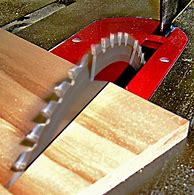
The table saw was in the middle of the room,
And the jigsaw,
And all of the handsaws in a line hanging from the ceiling.
The floor of the basement was made of concrete
And the walls were painted grey
And it all looked like a bomb shelter.
There were metal exit doors parallel to the floor
At the end of a set of additional steps
And I always thought that these doors were there to let us out
After the dust settled, after the end of the world.
There was a darkroom in the basement, to develop photos,
In black and white and color.
I didn’t like the red light in the darkroom,
Even more so the darkness itself.
And there was a corner of the basement for making bullets
With gun powder and casings.
My father had more than one gun.
Everywhere, my father had Philips head screwdrivers and
Flat head screwdrivers and wrenches and drills in every size.
He had a wood lathe and a metal lathe
And hammers and nails and an anvil screwed to the floor.
There was also a ceramics kiln and a jewelry kiln.
There were clay molds
And a printing press that had to be used carefully,
One letter at a time.
There were all kinds of things in my father’s basement,
Loud noises
And smells that burned the inside of my nose,
Smells like turpentine and sawdust and metal,
And maybe blood, or maybe that was just in my imagination.



בָּמָרתֵף
בָּבַּיִת הָיָרוֹק
הָיוּ כֹּל מִינֵי כְּלֵי עָבוֹדָה.
אָבָּא שֶׁלִי אָסָף אוֹתָם.
הוּא לִימֵד אָמַנוּיוֹת תָעָשִׂייתִיוֹת לְבּנֵי נוֹעָר,
וְהוּא אָהָב לִבנוֹת דְבָרִים,
וְלְתָקֵן דְבָרִים,
וְלְפָרֵק דְבָרִים,
עִם הָיָדַיִים שֶׁלוֹ.
לִפְעָמִים
יָרָדנוּ לָמָרתֵף לְבָקֵר אֶת אָבָּא
בְּמָדרֵגוֹת הָתלוּלוֹת,
מָדרֵגוֹת שְׁכֹּל פָּעַם חָרקוּ.
נִרְאָה שְׁהָמָדרֵגוֹת הִזהִירוּ מִמָשְׁהוּ.
הָרֵיחַ בָּמָרתֵף הָיָה, בְּגָדוֹל, נָסוֹרֶת.
הָייתָה נְסוֹרֶת בְּכֹּל פִּינָה, וְבָּאָוִויר.
הָמָסוֹר שׁוּלחָן הָיָה בְּאֶמצַע הָחֶדֶר,
וְהָמָסוֹר פָּאזֶל,
וְכֹּל מסוֹרֵי הָיָדנַיִים בְּשׁוּרָה וְתָלוּי מְהָתִקרָה.
הָרִצפָּה שֶׁל הָמָרתֵף הָייתָה עָשׂוּיָה מִמֶלֶט
וְהָקִירוֹת נִצבְּעוּ בְּאָפוֹר,
וְהָכֹּל נִראָה כּמוֹ מִקלָט.
הָיוּ דלָתוֹת יְצִיאָה מִמָתֶכֶת מָקבִילִם לָרִצפָּה
בְּסוֹף סֶט מָדרֵגוֹת נוֹסָף
וְכֹּל הָזמָן חָשָׁבתִי שְׁהָדלָתוֹת הָאֵלֶה הָיוּ שָׁם לְשָׁחרֵר אוֹתָנוּ
אַחָרֵי שְׁהָאַבָק שָׁקָע, אָחַרֵי סוֹף הָעוֹלָם.
הָיָה חֶדֶר חוֹשֶׁך בָּמָרתֵף, לִפִיתוֹחַ תְמוּנוֹת,
בְּשָׁחוֹר לָבָן וְגָם בְּצֶבָע.
לֹא אָהָבתִי אֶת הָאוֹר הָאָדוֹם בָּחָדָר הָחוֹשֶׁך,
עוֹד לֹא אֶת הָחוֹשֶׁך עָצמוֹ.
וְהָייתָה פִּינָה בָּמָרתֵף לְהָכָנָת כָדוּרִים
עִם אָבָקָת רוֹבָה וְתָרמִילִים.
הָיוּ לְאָבָּא יוֹתֵר מְאֶקדַח אֶחָד.
בּכֹל מָקוֹם, הָיוּ לְאָבָּא מִבגָרִים בְּרֹאשׁ פִילִפּס וְבְּרֹאשׁ שָׁטוּחַ
וְמִפתַחֵי בָּרגִים וְמָקדָחִים בְּכֹּל מִידָה.
הָיָה לוֹ מְחַרטֵת עֵץ וְמְחַרטֵת מַתֶכֶת,
וְפְּטִישִׁים וְמָסמָרִים וְסָדָן מוּברָג לָרִצפָּה.
גָם הָיָה כָּבשָׁן קָרָמִיקָה וְכָּבשָׁן תָכשִׁיטִים.
הָיוּ לוֹ תָבנִיוֹת חִמֵר
וְבֵית דְפוּס שְׁצרִיכִים לְהִשׁתָמֵשׁ בָּה בְּזְהִירוּת,
אוֹת אַחַת בְּכֹּל פָּעָם.
הָיוּ כֹּל מִינֵי דבָרִים בָּמָרתֵף שֶׁל אָבָּא,
רָעָשִׁים חָזָקִים
וְרֵיחוֹת שְׁצָרבּוּ אֶת הָחֵלֶק הָפְּנִימִי שֶׁל הָאָף שֶׁלִי,
רֵיחוֹת כְּמוֹ טֶרפַּנטִין וְנְסוֹרֶת וְמָתֶכֶת,
וְאוּלַי דָם, אוֹ אוּלַי זֶה הָיָה רַק בָּדִמיוֹן שֶׁלִי.
If you haven’t had a chance yet, please check out my novel, Yeshiva Girl, on Amazon. And if you feel called to write a review of the book, on Amazon, or anywhere else, I’d be honored.
Yeshiva Girl is about a Jewish teenager on Long Island, named Isabel, though her father calls her Jezebel. Her father has been accused of inappropriate sexual behavior with one of his students, which he denies, but Izzy implicitly believes it’s true. As a result of his problems, her father sends her to a co-ed Orthodox yeshiva for tenth grade, out of the blue, and Izzy and her mother can’t figure out how to prevent it. At Yeshiva, though, Izzy finds that religious people are much more complicated than she had expected. Some, like her father, may use religion as a place to hide, but others search for and find comfort, and community, and even enlightenment. The question is, what will Izzy find?
 rachelmankowitz