I only noticed that Passover was coming because I had to teach The Four Questions (Mah Nishtanah) to my students to get them ready for their family Seders. Other than that, I let all of the signs pass me by, like the shelves of Passover food at the local grocery store and the cloud-like “Mannah from Heaven” dangling from the ceiling of the social hall at the synagogue. I was not in the mood for any of it this year, honestly, with all of the doctors’ appointments (mine and Mom’s), and all of the news. I felt like my brain was already full and could not take in one more thing.
Given that, by the time the first Seder came around, and I realized that I had nowhere to go, I wasn’t really upset. I hadn’t downloaded a new Hagaddah, or planned new recipes, or found new songs to sing. I was just waiting for it to be over. Unfortunately, both synagogue school and my Hebrew classes took Passover off, so I went from feeling like I was too busy to breathe to being surrounded by silence.
We are always invited to a Seder at my brother’s in New Jersey, but it’s a long drive back and forth and neither Mom nor I were up to making the trip, though I really like the way he hands out different Haggadot (The Harry Potter Hagaddah, a cartoon Hagaddah, a Haggadah with ten commentaries on each page, etc.) so that everyone at the table has a different way of seeing the Seder, and the arguments commence. My ideal Passover celebration would probably be a model Seder with the synagogue school kids, so we could walk them through all of the props on the Seder plate in real time, like the shank bone and the roasted egg and the Matzah and the horseradish (Maror), and find new ways to tell the story of the Exodus from Egypt that really speak to them.
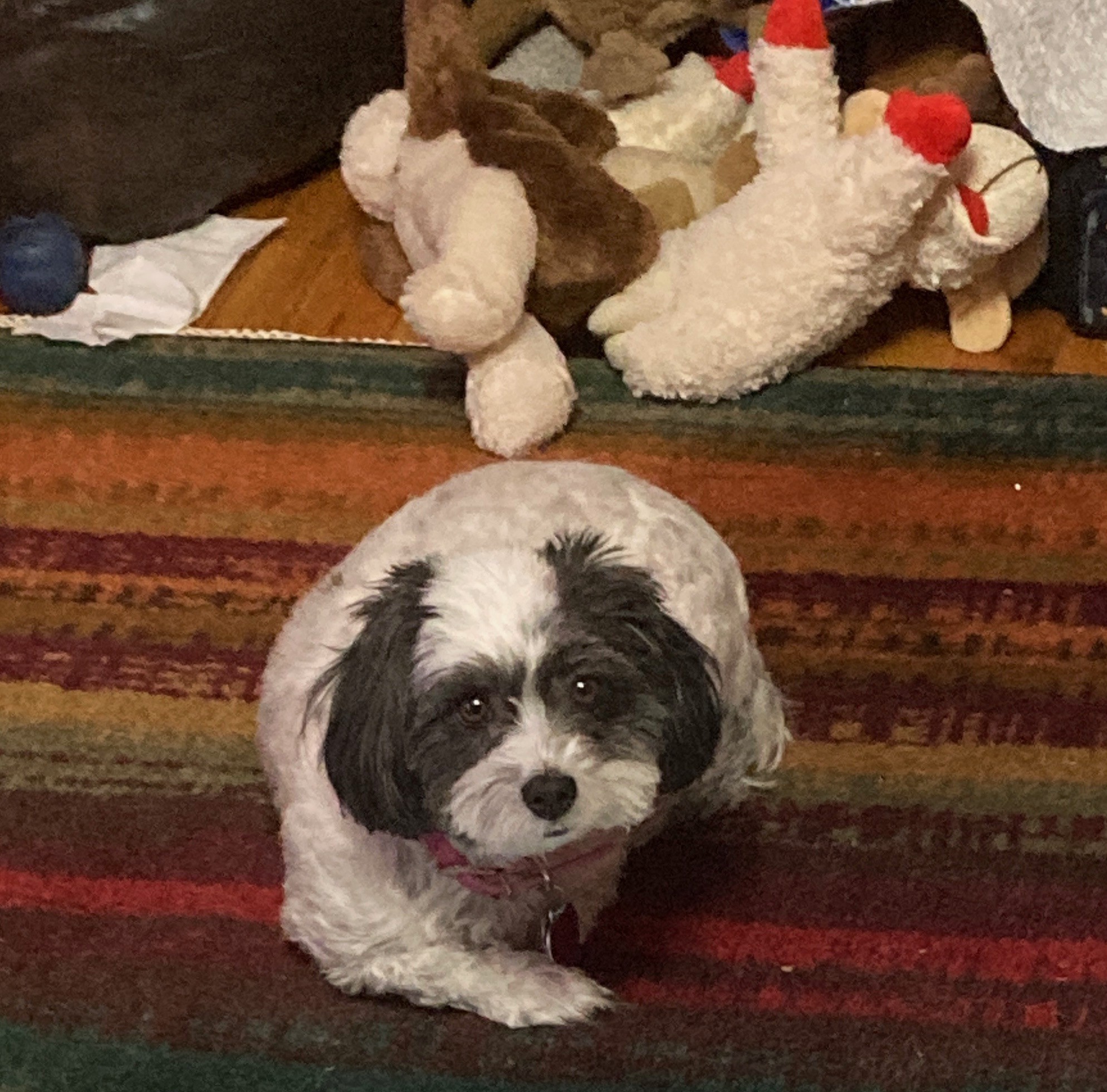
Just a note, by the way: on The Daily Show with Jon Stewart, they made a joke about how Christians get to eat chocolate eggs for Easter and Jews are stuck with a shank bone – and it was a funny bit, but misleading. The shank bone is a prop on the Seder plate; you are not supposed to eat it. If someone at your table, other than the dog, has been gnawing on the shank bone, something has gone very wrong.
I grew up in a house that took Passover very seriously. We spent weeks preparing: cleaning the whole house, removing all signs of leavened bread, changing the dishes for the week, and filling three shopping carts with food. If you spend any time with religious (or even not that religious) Jews during the week of Passover, you’ll notice a heavy emphasis on eating – both because people get bored spending a week at home with their families and because trying to avoid any particular food can make you obsessive about the food you are still allowed to eat – as any dieter will to tell you.
The fact is, I really like the idea of Passover, with the emphasis on storytelling and music and food and the symbolism of freedom and slavery. I could spend my whole life learning about the Exodous story and never be finished, so it bothers me that I don’t have time to teach my students all of the things I know about the holiday so far. I’m lucky if I can teach them how to sing the Four Questions and throw in some tidbits about the Ten Plagues and a little something about matza ball soup. This year I made them a Passover Madlibs to try and get as much of the story in as possible and maybe get them curious to learn more. In their rewritten version of Passover, they would have us drink 72 glasses of wine (instead of 4), and eat McDonald’s (instead of Matzah), and our ancestors would have faced landslides and tornadoes and chicken pox instead of the usual ten plagues.
The emphasis on teaching children The Four questions is just because that’s the one thing the kids are supposed to know about Passover ahead of time, and it’s a way to encourage them to ask more questions as the Seder goes on. So they start with the most obvious question – why is it that on every other night we eat mac and cheese or pizza for dinner but tonight you’re giving us a bland cracker and a knob of horseradish? – and that gets them thinking of the next set of questions they might have, like: why were there ten plagues? Did the plagues really happen or are they a metaphor? Why would God allow regular Egyptians to suffer in order to convince Pharoah to let the Israelites go? Why is this holiday celebrating freedom so bittersweet? Where are the happily-ever-after stories we’re used to from Disney?
The goal of the Passover Seder isn’t to come up with definitive answers, it’s to make space for questions, and to slowly help us get used to the idea that life will be filled with a lot of questions that don’t have simple answers; and if you can drink some grape juice and jump around like a frog or spray your parents with salt water along the way, it goes down a little bit easier.
And now that I think of it, maybe this is my Seder this year, this essay. It’s not the traditional format, and there’s no shank bone or horseradish (Thank God), but it’s full of the things Passover is about: questions, complaints, stories, and food. Next year in Jerusalem!
If you haven’t had a chance yet, please check out my novel, Yeshiva Girl, on Amazon. And if you feel called to write a review of the book, on Amazon, or anywhere else, I’d be honored.
Yeshiva Girl is about a Jewish teenager on Long Island, named Isabel, though her father calls her Jezebel. Her father has been accused of inappropriate sexual behavior with one of his students, which he denies, but Izzy implicitly believes it’s true. As a result of his problems, her father sends her to a co-ed Orthodox yeshiva for tenth grade, out of the blue, and Izzy and her mother can’t figure out how to prevent it. At Yeshiva, though, Izzy finds that religious people are much more complicated than she had expected. Some, like her father, may use religion as a place to hide, but others search for and find comfort, and community, and even enlightenment. The question is, what will Izzy find?

 rachelmankowitz
I’m not familiar with Jewish customs and traditions. I like the idea of eating a shank rather than a chocolate egg. A healthful option.
It’s symbolic, not meant to be eaten. You can google Seder Plate and learn the meaning of all the ingredients.
Thank you
In my home, we are vegan and use cruelty free foods for the seder plate and for our lives.
I’ve heard of beets being used instead of the Shank bone. Is that what you do?
Yes. That’s a good option for us.
Chag Pesach Sameach!
Thank you!
You just needed to talk it out, Rachel.
You’re right.
✝ oh My Do you celebrate Easter ?
I don’t celebrate Easter, just Passover.
We made a Seder this week and now we’re hiding eggs, so we do it all. Even though my grandfather was a rabbi, my mom thought we shouldn’t be deprived of other fun holidays so we did the egg hunt and we had a small tree so I could open lots of presents. Chag Sameach
I have a lot of students who celebrate both sets of holidays, and they are big fans!
I’ve never been at a Seder where everyone has a different hagaddah! That sounds like a recipe for confusion 😂 The highlight of Passover for me was my sister messaged me with funny reminders of things from childhood Seders.
The problem with my brother’s seder is that it starts late (he’s orthodox), so dinner doesn’t happen until ten or eleven o’clock at night. But if you make sure to have a snack ahead of time, the different Haggadot mean that everyone has something interesting to add to the Seder without having to prepare ahead of time. But I just love the creativity of all of the different versions, because it’s all from love, no one’s making a million dollars publishing a new Hagaddah, and yet there are tons of them.
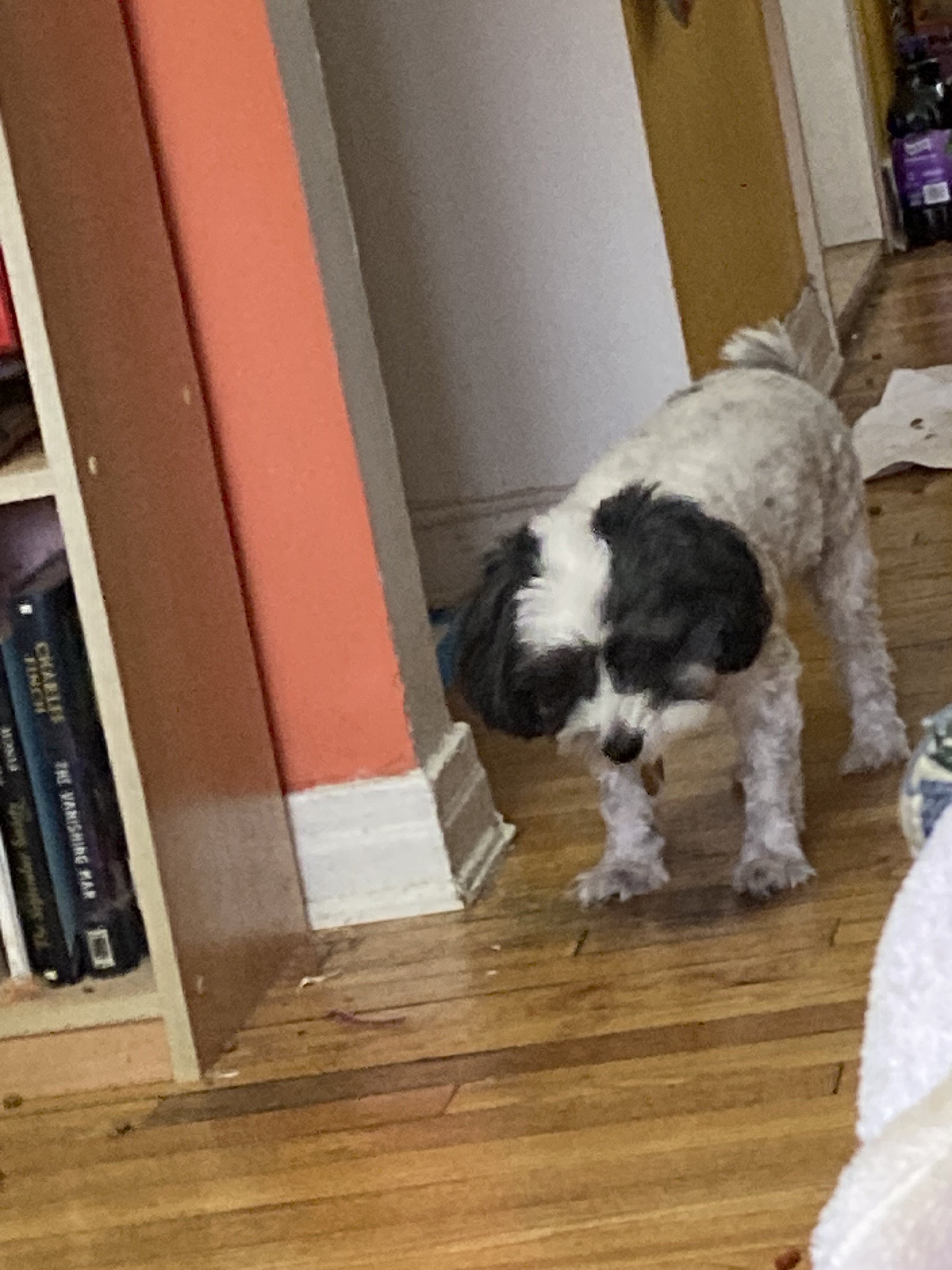
God bless you and your Mom, may you have a peaceful Seder and give Zippy the shank bone!!!
Thank you!
Growing up, my mom’s best friend who was an attorney would visit with his beautiful wife. He was Jewish, as was she. One of the kindest people and most shrewdest I met growing up. Years later in Manhattan, I would visit his grown up son and his wife in Long Island City. Wishing you happiness and good luck with “Yeshiva Girl!”
Thank you so much!
I grew up in a Methodist congregation in Iowa in the 1950s, and every year we would have a ‘Seder’ on the Thursday before Easter. The experience was meant to tell us about the history and traditions of a faith predating our own, including the power of the symbols meant to evoke the story. It’s interesting that I still remember the four questions, and that very occasionally, when something doesn’t turn out exactly like I’d hoped, I’ll mutter to myself, “Next year in Jerusalem.” Occasionally I’ve said that aloud, and had people nearby give me a curious glance!
I love that!
Just curious, what age are your students? Or are they a mixture? Love your ideas for teaching them!
I teach 7 to 12 year olds, but mostly fourth grade. I’ve learned a lot from my teenage teacher’s aides about how to keep the kids engaged but it’s a constant learning curve.
This is certainly a creative and informative way you have shared Seder.
Thank you!
Music, storytelling and food make a wonderful combination in life! Happy teaching!
Thank you!
I appreciate your interest in studying and reflecting on the Passover story forever, and I simply like the idea. It’s a story of rescue and freedom, but there are so many parts. The movement of Israel to Egypt in the first place, what happened over time and why, the calling of Moses, the roles of Miriam and Aaron, the plagues, so much suffering all around, miracles yet ending at the edge of a wilderness. Wow. Amazing. Good things and so much hardship. (Then the desert.) The student questions are terrific, and I’d like to take them up with the learners as well. I like the expression, too, so next year in Jerusalem. Shalom.
Thank you!
This is interesting, Rachel. I appreciate reading it.
Thank you!
loved this! Your brother’s Haggadah tradition is fabulous although I don’t think my traditional ( only during Passover Seder) husband would go for it! the shank bone explanation- and ending where you mention all the prices of Passover you did in the essay minus horseradish and eating shank bone ! Amen
Thank you!
You seem like a very creative teacher, Rachel! I bet your students adore you.
Thank you! Sometimes they do, sometimes they really just want to play video games and I’m getting in the way.
😃I bet! But still, they no doubt will remember you cared for them. 💞