Tag Archives: doctors

My Appointment in Philadelphia

            I had a doctor’s visit scheduled for this past week at a hospital in Philadelphia called CHOP, Children’s Hospital of Philadelphia, which is kind of embarrassing. All of the paperwork for my visit included references to “the child” this and “the child” that, and I am, of course, an adult. I worried that somehow they’d missed that detail in my medical history and when I walked into the hospital they’d be horrified that I was so tall. But, I was told that this was the place to go for a possible mitochondrial disorder, so this is where I’d have to go, no matter my age.

            This particular adventure started back in March, when I heard from the geneticist that I had some genetic variations that needed to be looked into, and she gave me referrals to a neuromuscular specialist (to check out a possible LMNA disorder, in the Muscular Dystrophy family), and to CHOP (for a possible Mitochondrial disorder). The appointment with the Neuromuscular specialist was easy to schedule, but the process of getting an appointment at CHOP took at least a month, because they had to collect all of my records from various doctors and hospitals to see if they really wanted to take on my case, and, of course, they needed pre-approval from my insurance. Eventually, they sent me a welcome letter telling me that I’d have two appointments on a Wednesday in July, one at nine in the morning with the lab, and one at ten thirty to see the head of the Mitochondrial medicine department. The idea of going to Philadelphia for a doctor’s appointment, a three hour trip each way, was already overwhelming, but to have to be there at nine in the morning?

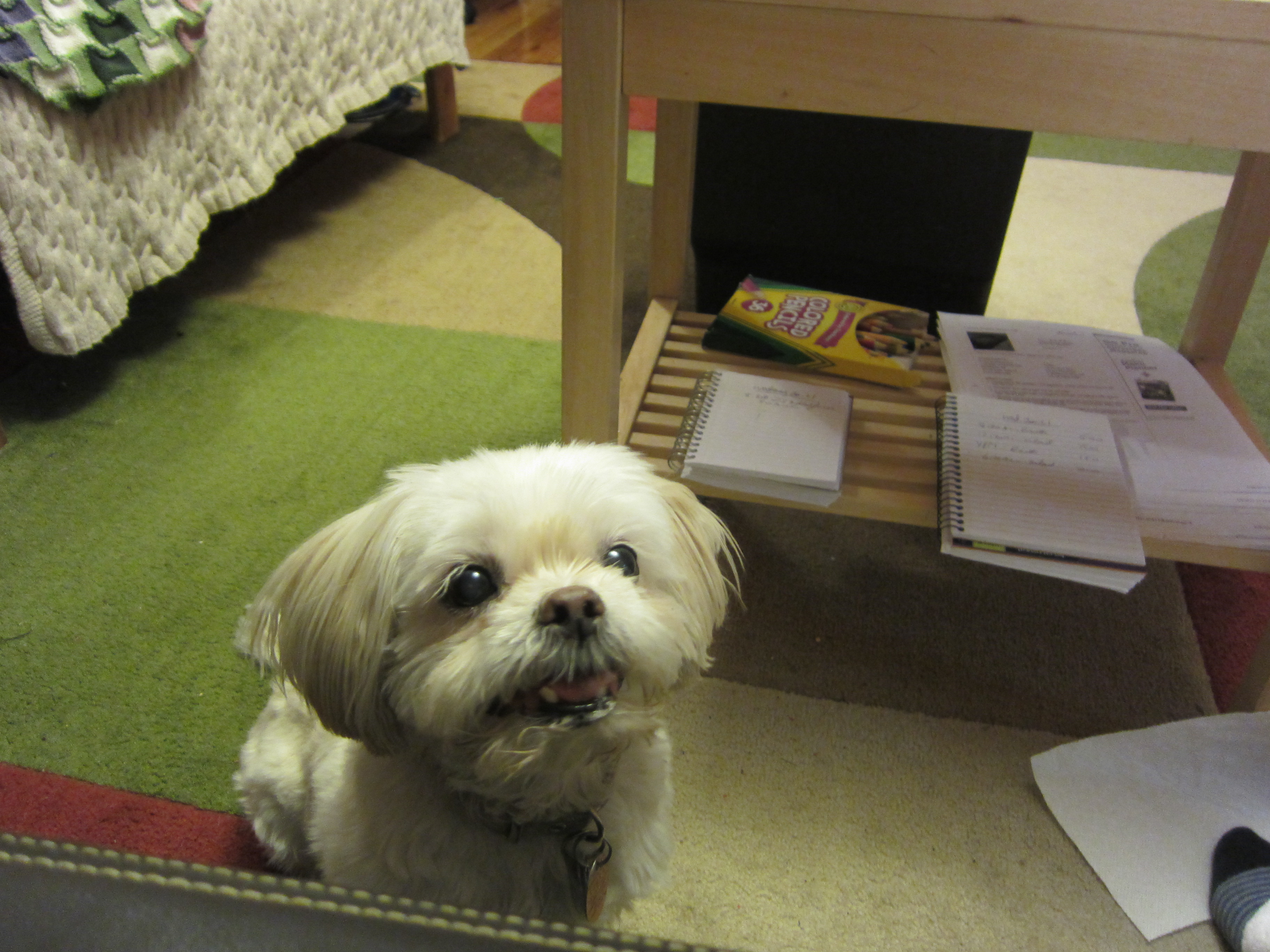
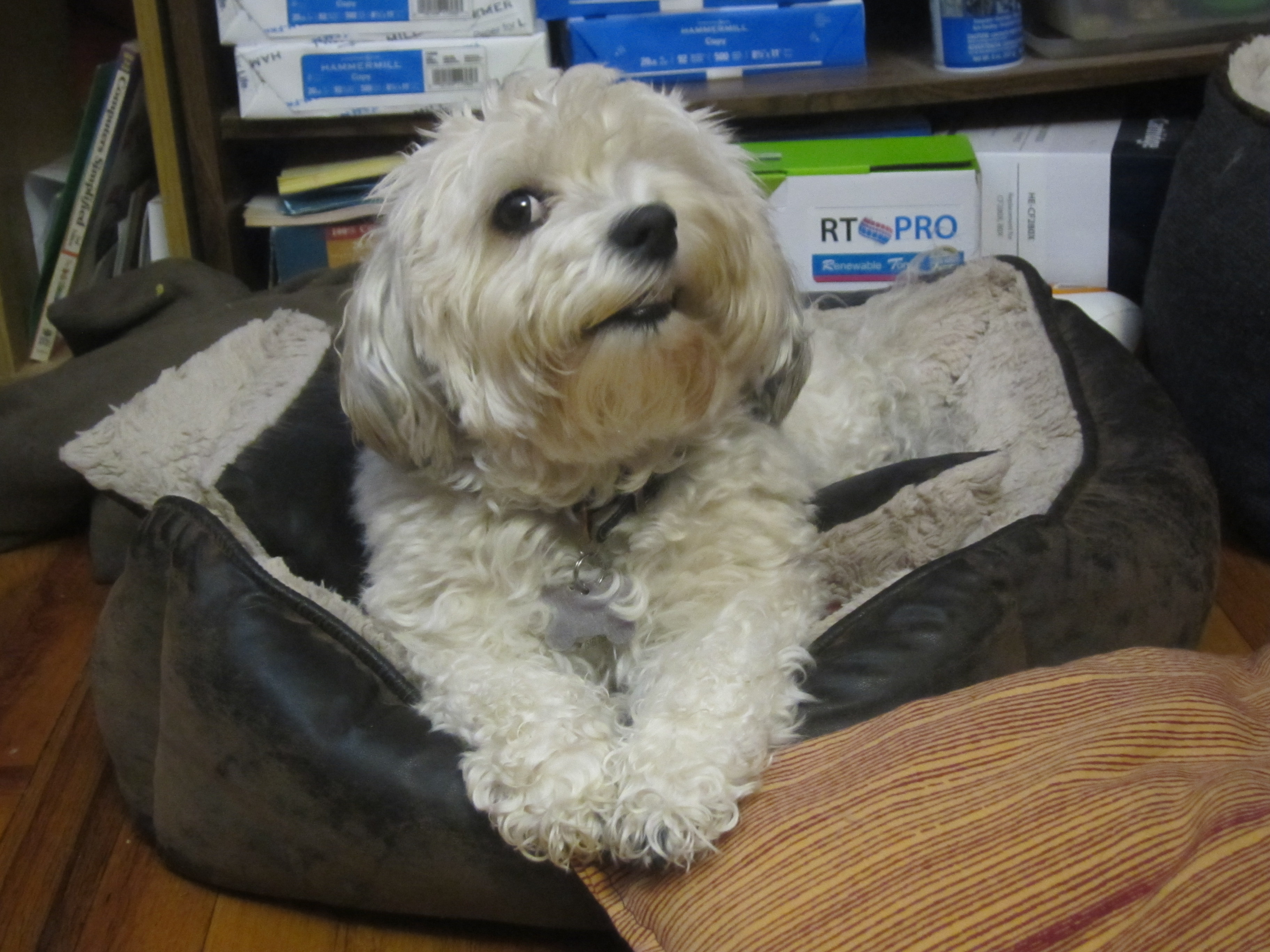
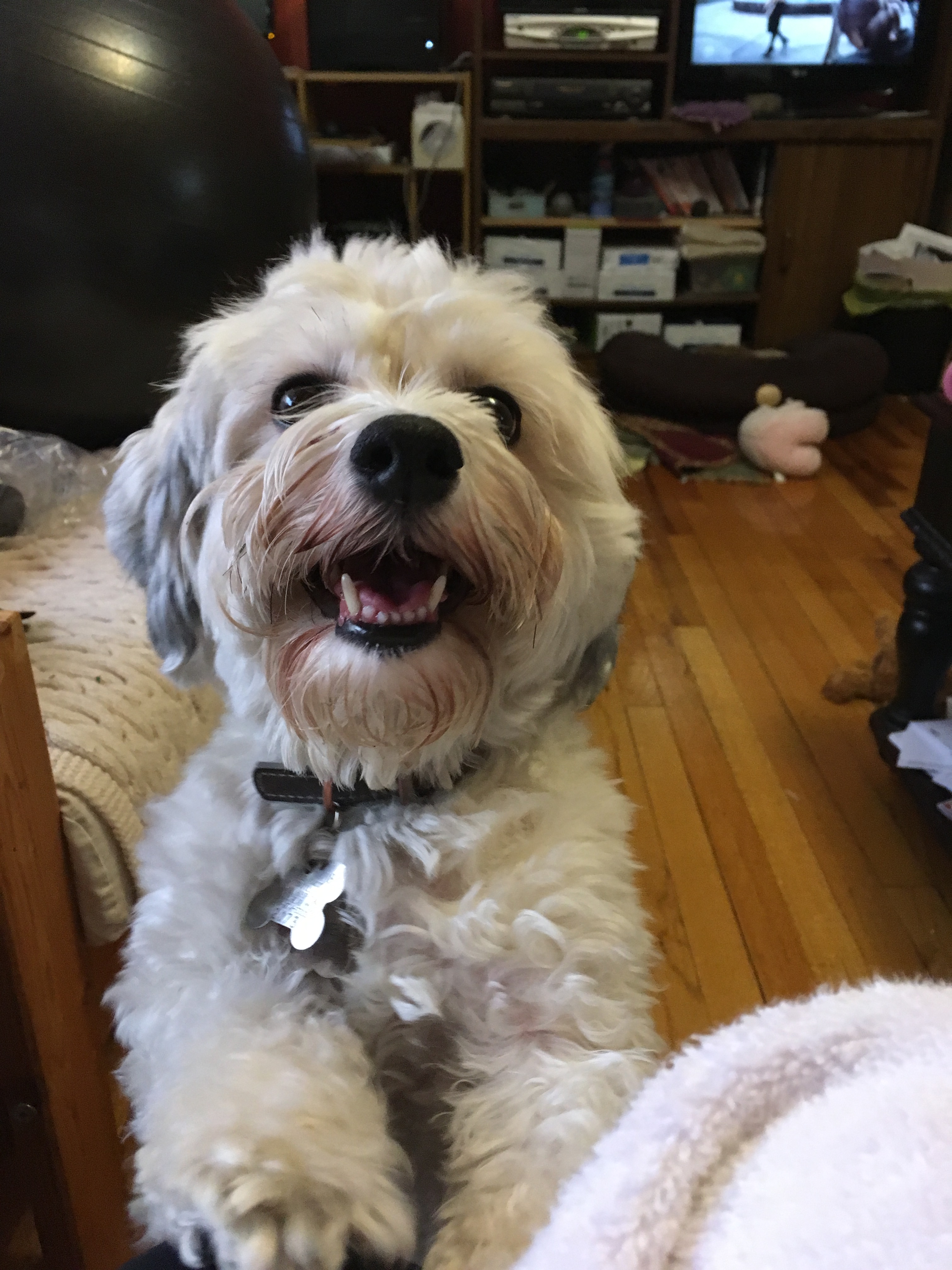
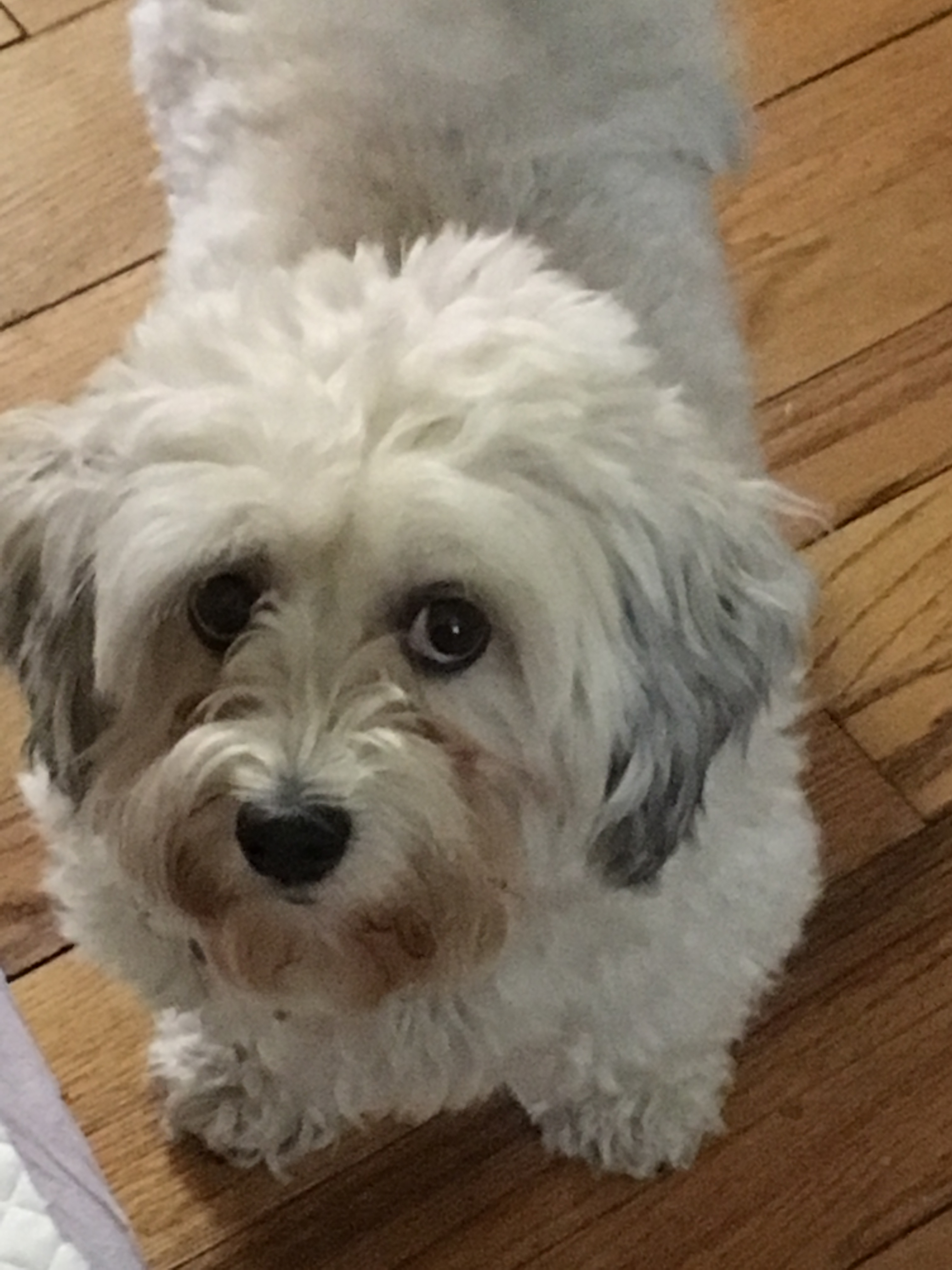
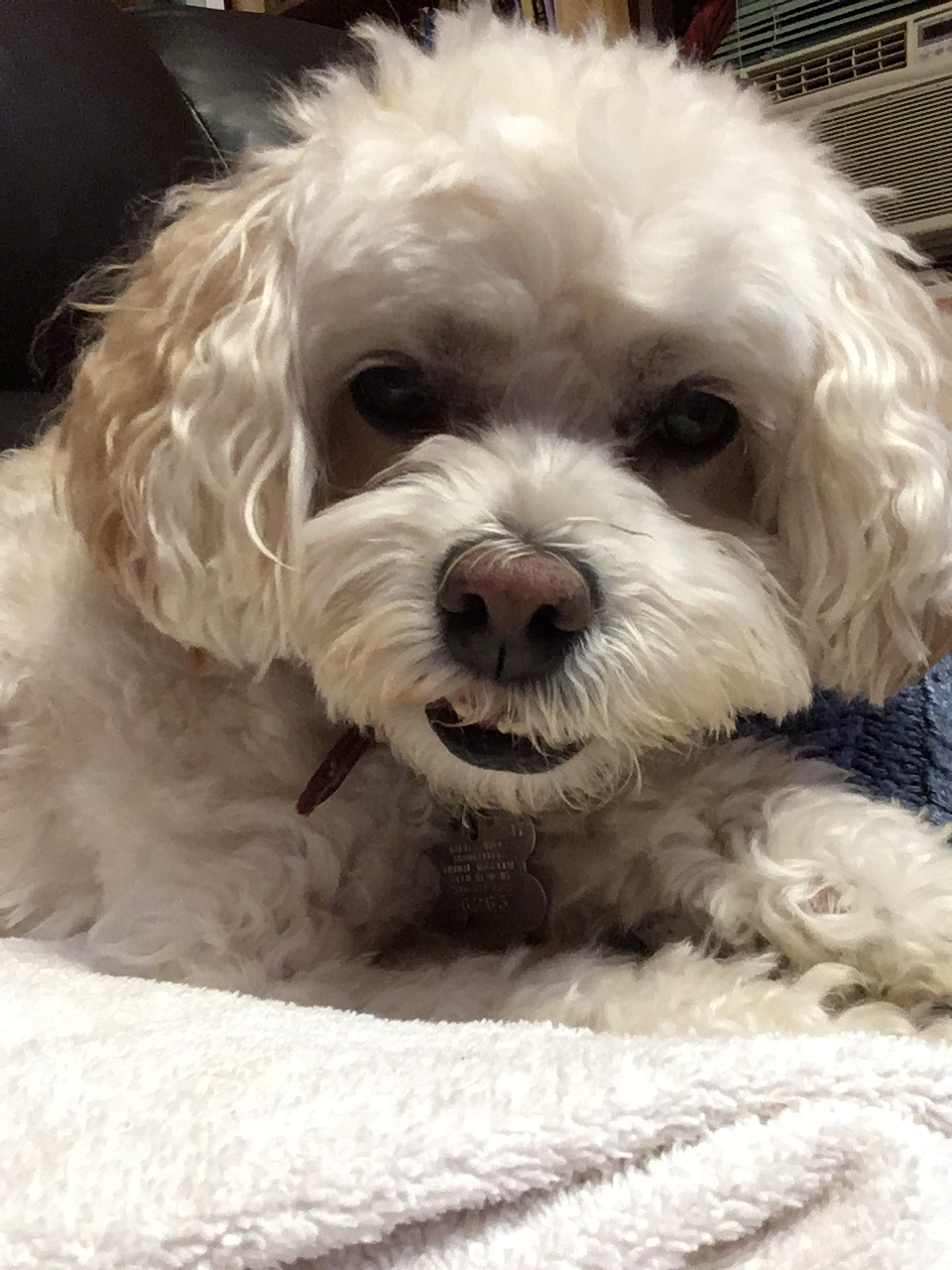
“Don’t worry, Mommy. I can wake you up in the middle of the night if necessary.”

Mom said we could go the day before and stay over at a hotel to make things easier, but it sounded so expensive and complicated to me (Do we bring the dogs? Would Cricket actually stay calm in the hotel room while we were at the hospital? Could Cricket survive being boarded, even with her sister for company? Would we drive or take a train?), but Mom was confident that it would all work out; and it was still only April at that point, so the specific plans could wait.

            And then Mom went to the orthopedist and found out that she needed a hip replacement, immediately, and we fell into the whirlwind of pre-op testing and surgery and recovery. Even then, Mom was still convinced that she’d be well enough to make the trip to Philadelphia, so we focused on getting her well and continued to put off planning the trip.

My appointment with the neuromuscular specialist, about forty-five minutes away, came up a few weeks ago, the week after Mom’s post-surgical check up with the orthopedist (which went great!), so Mom wanted to test her strength and come with me. I drove, and held doors, and watched Mom maneuvering her cane like an oar, and Mom listened carefully to the doctor to make sure I didn’t miss anything important. The doctor was very thorough, and thoughtful, and put me through a lot of physical exercises and questions and said, eh, I don’t think you have an LMNA disorder (no muscle-wasting, no falling eyelids, and no to a lot of other things on her list), but she was optimistic about my upcoming trip to CHOP, and said she thought a Mitochondrial disorder could be a better fit for my symptoms.

I was proud of myself for managing the drive and the doctor visit, and for not being too bothered that yet another doctor and diagnosis had fallen through, but Mom was exhausted by the trip, and by the next day she’d realized, very reluctantly, that she wouldn’t be able to come with me to Philadelphia, even if we did the whole thing by train and boarded the dogs for two days. So I would be making the trip alone.
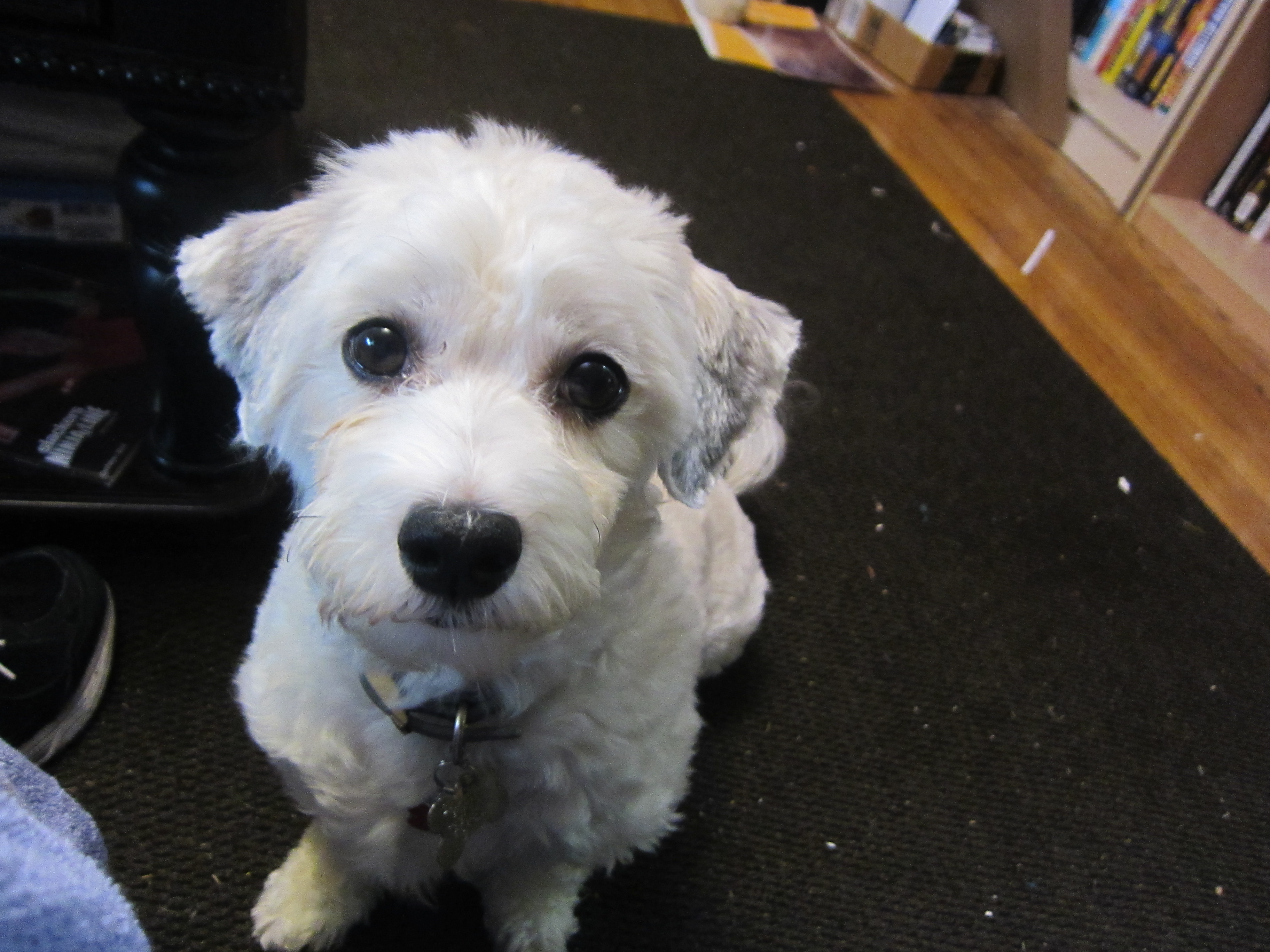
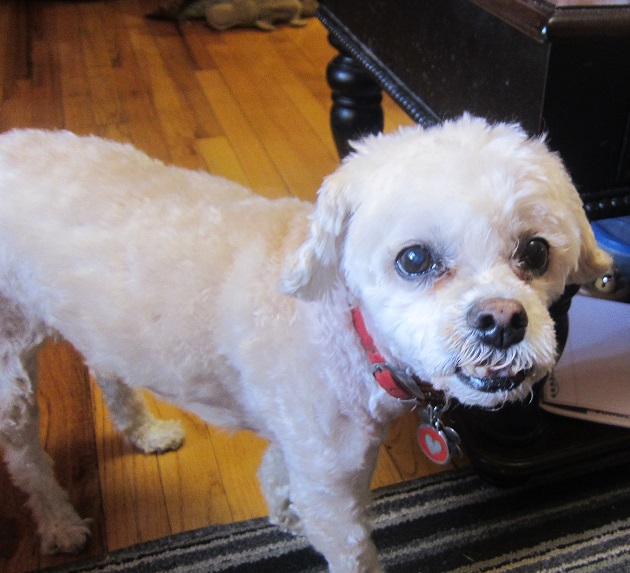
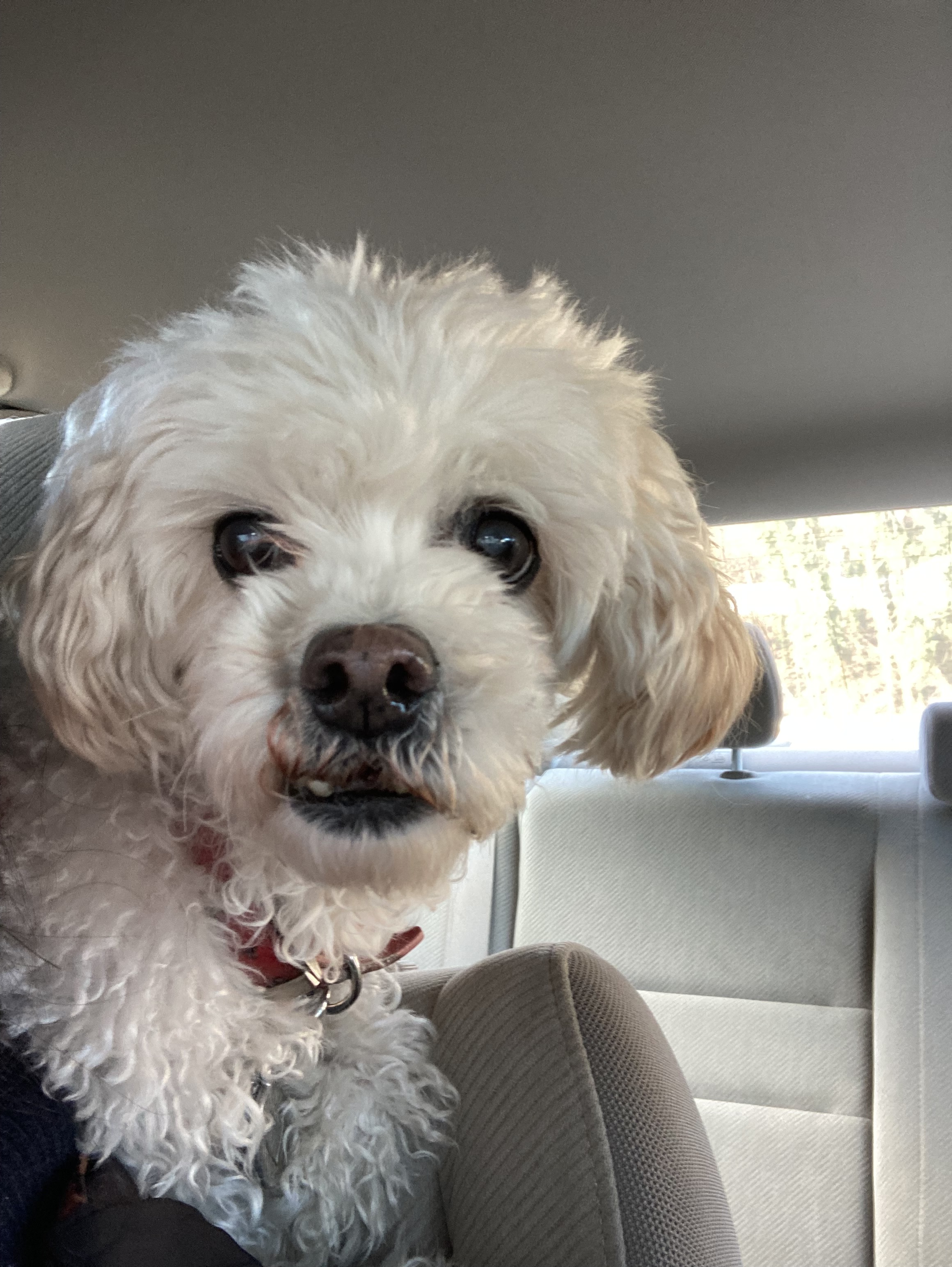
“Why can’t I go on the train with you?”

            I know it shouldn’t be such a big deal for an adult to travel to another state alone, but for me it’s a lot; both because of the inevitable physical exhaustion of the trip and because of the anxiety that floods my brain when I try to manage new situations. So Mom called CHOP for help finding a nearby hotel, and to find out how long my appointments would be so that we could plan the trip home. She made the reservation for me and printed out maps and looked into transportation options for getting from the hotel to the hospital and from the hospital back to the train station. And then we heard from the doctor’s office that, actually, I didn’t have to be at the hospital early, because they wouldn’t know which tests I’d need ahead of time. My only appointment would be at 10:30 AM with the doctor, so we re-planned the trip for a single day, starting at 5:30 in the morning, and cancelled the hotel reservation.

I ordered the Amtrak tickets and studied the schedule for the Long Island Railroad, and wrote up a packing list, and put all of my papers together in one folder. I was still worried that I’d miss something the doctor said, or miss a train, or just get lost wandering through a strange city, but even more than that, I was afraid that nothing would come of this doctor visit, like all the others, and the resulting hopelessness, on top of the exhaustion of the trip, would wipe me out. But I was determined to go anyway.

And then, the Monday afternoon before my Wednesday appointment in Philadelphia, I got a call from the hospital saying that the original doctor had to cancel, but the replacement doctor could do a virtual appointment that same morning. A virtual appointment? As in, I wouldn’t have to go to Philadelphia at all?!

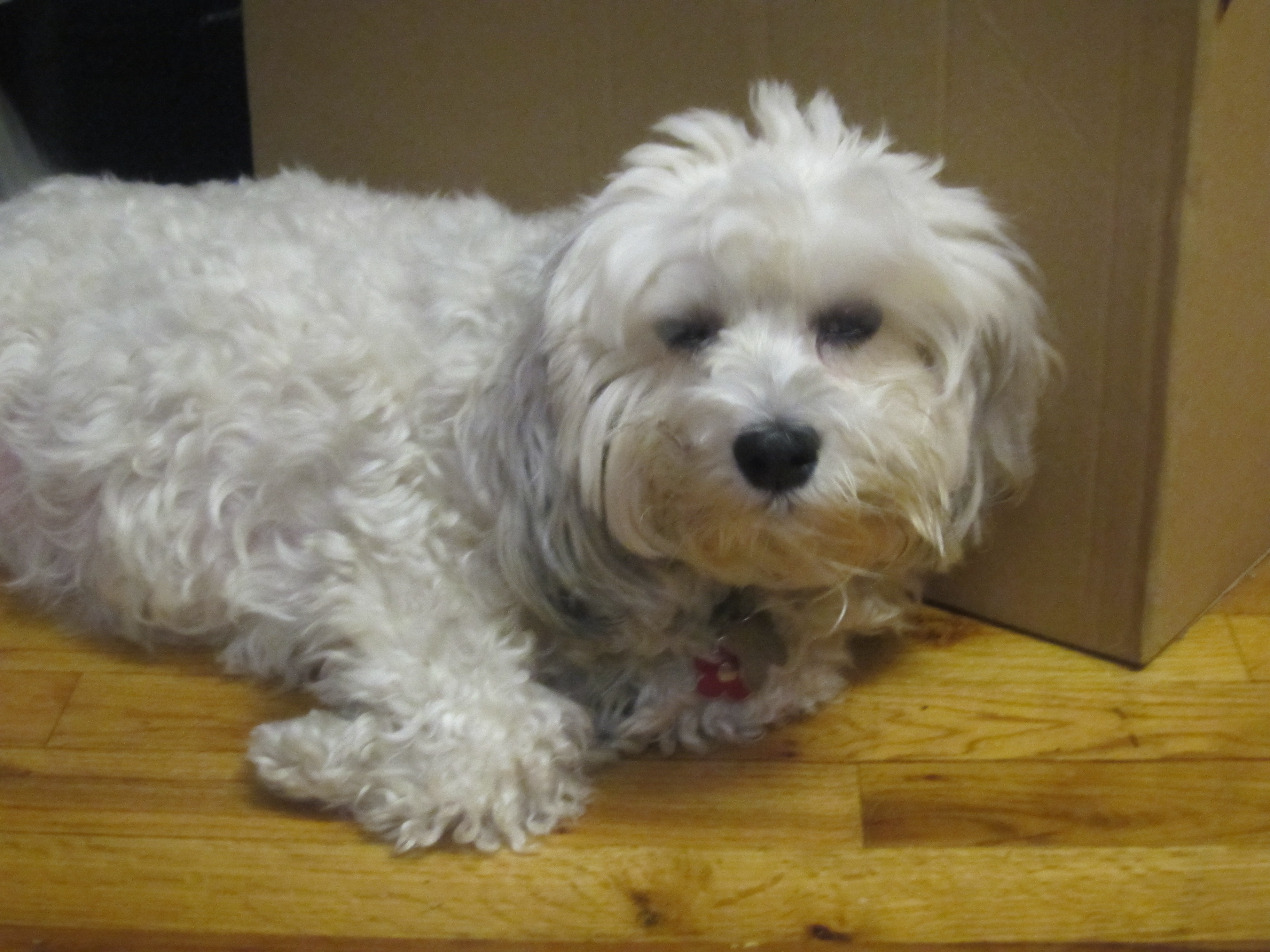
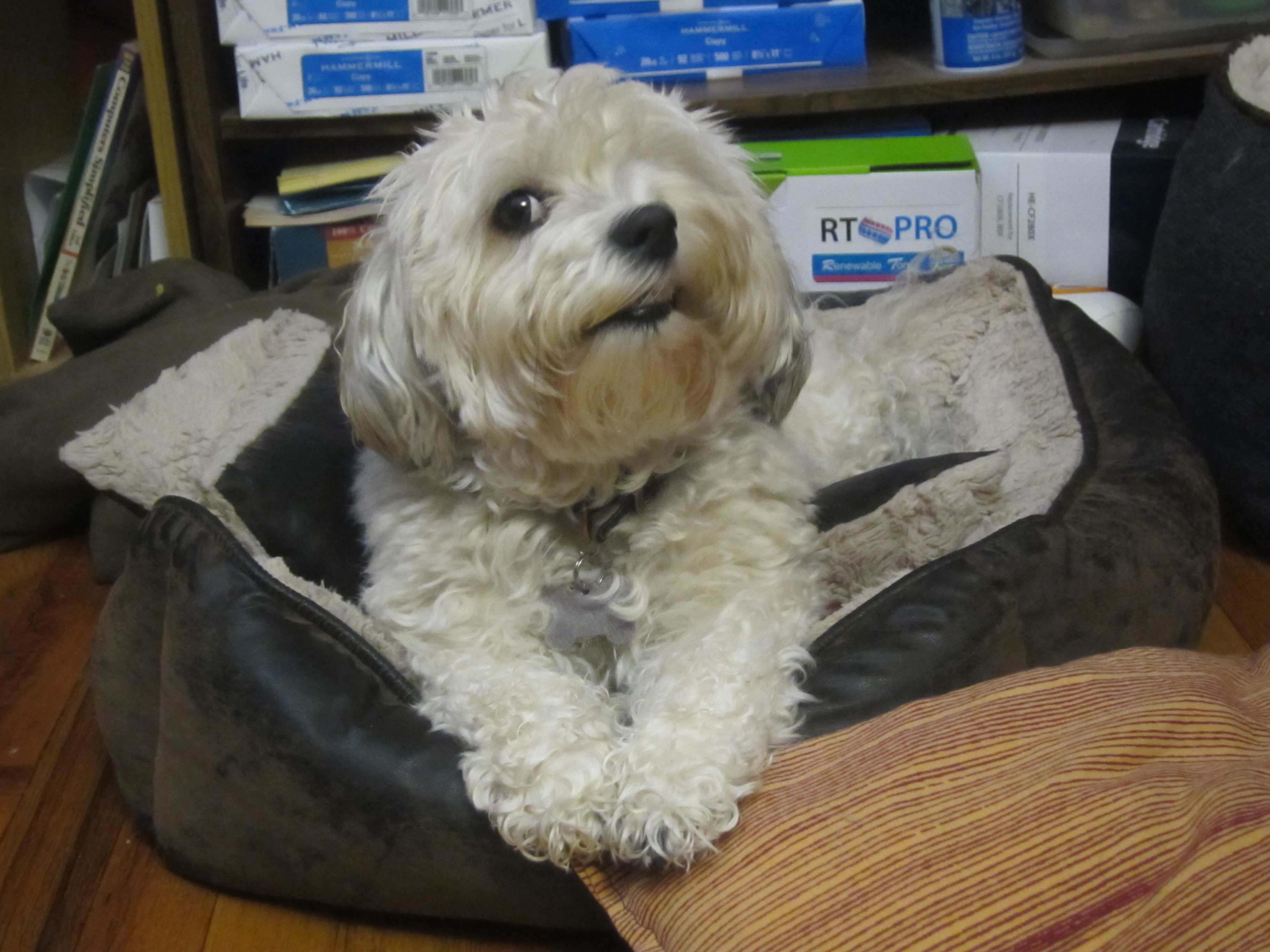
“Yay!”

The woman I spoke to on the phone couldn’t explain why I was suddenly allowed to have a virtual appointment, when they’d told me two or three months earlier that it would be impossible, but I agreed to the change immediately. I couldn’t think it all through at that moment, though, because I had an appointment with the oral surgeon in an hour.

But after I got back from the oral surgeon, with thoughts of general anesthesia and swelling and bruising and 3D printed teeth swirling in my head, I started to worry that maybe CHOP had changed my appointment to a virtual one because they’d decided that I didn’t have a mitochondrial disorder, and therefore there was no point in seeing me in person.

I spent the next day canceling train tickets and looking into possible refunds (nada) and starting to finally feel the relief at not having to get on four, or was it five, or six, different trains in one day. And then I got the email with the link to my virtual doctor visit and did all of the pre-visit check-ins and I finally realized that Mom would be able to be there for my appointment after all, and so would Cricket and Ellie, and a lot of the anxiety that had built up over months finally started to dissipate.

At 9:30 Wednesday morning, I logged on, with Mom and Ellie sitting next to me and Cricket grumbling from her bed on the floor. First, I met the program director, and she was very nice and took some more family history and explained my genetic test results in more detail, saying that I had a rare mutation, as in, no one else in the database had the same mutation on that particular gene (though the database is far from complete). And then she told me about the tests they wanted to do (which I could do at home and send in), and she asked Mom if she’d be willing to get tested as well, to give them a more detailed sense of my genetic background. And then the doctor joined the visit. He did an abbreviated physical through the screen (look left and right, turn your head left and right, show your hands, back and front, and walk to and from the computer), and then he told me that it’s unlikely that I have a mitochondrial disorder, though an LMNA disorder would be an interesting possibility. But do the tests anyway, just in case.

I wasn’t surprised, though Mom and my therapist were both surprised and disappointed, having spent months telling me that this would finally be the breakthrough. For me, it was just one more doctor visit that ended with a ho hum instead of an answer, but at least I got to stay at home, in the air-conditioning, with Mom and the dogs. And it saved Cricket the trouble of having to spend the whole day worrying that I’d been captured by space aliens or enslaved by fire-breathing dragons, or whatever it is she worries about when her people are away. We were also able to celebrate her fifteenth birthday as a family and watch her eat all of her birthday hamburgers until she was well and truly satisfied (don’t worry, Ellie didn’t go hungry either).

Cricket and Ellie are my shining reminders that life can always get better, even when your body isn’t working the way you want it to, or your hair is something of a mess. They know that life will always be full of things that are worth looking forward to. Though not always hamburgers in particular.

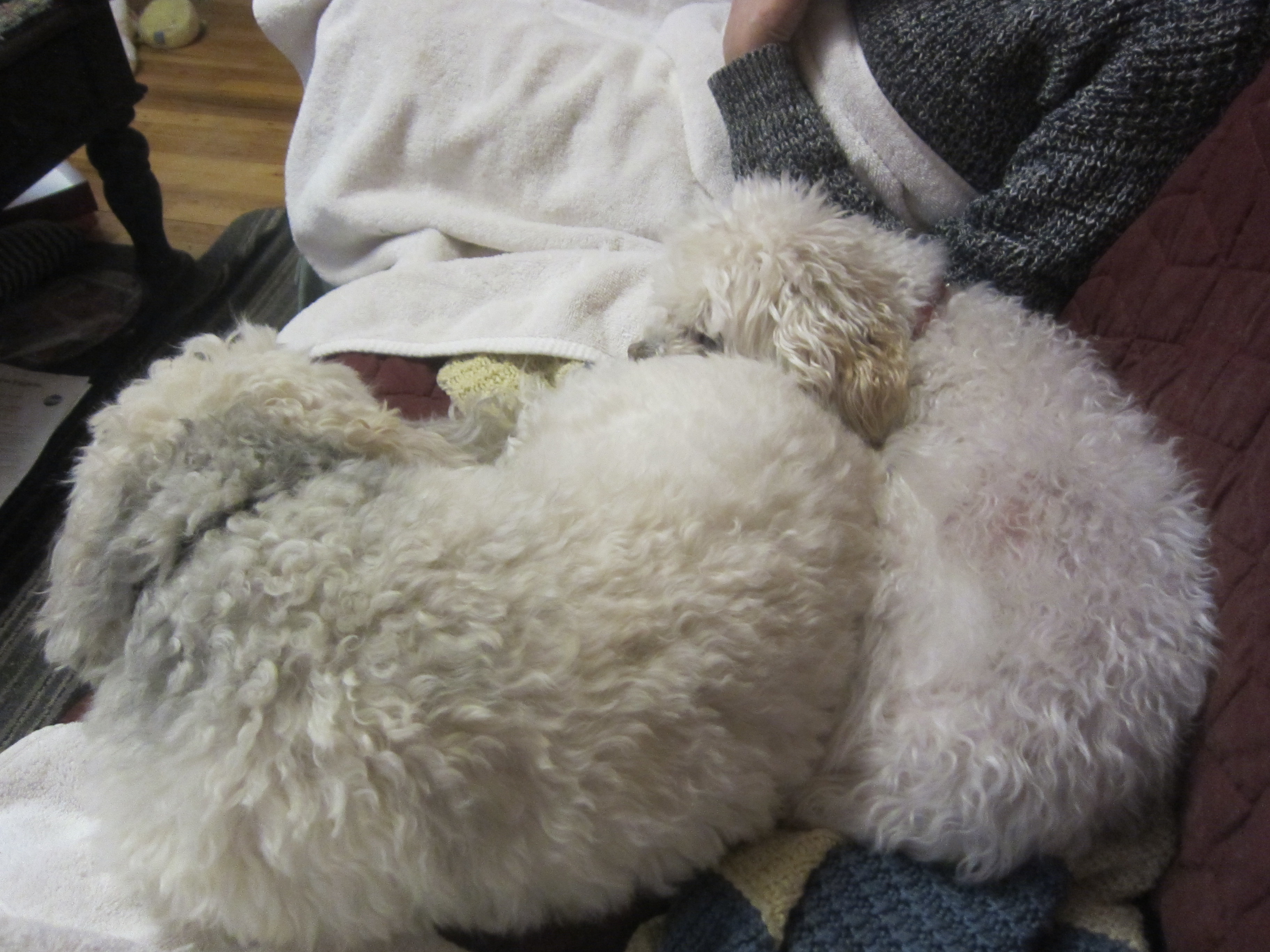
“Why not?”

If you haven’t had a chance yet, please check out my Young Adult novel, Yeshiva Girl, on Amazon. And if you feel called to write a review of the book, on Amazon, or anywhere else, I’d be honored.

            Yeshiva Girl is about a Jewish teenager on Long Island, named Isabel, though her father calls her Jezebel. Her father has been accused of inappropriate sexual behavior with one of his students, which he denies, but Izzy implicitly believes it’s true. As a result of his problems, her father sends her to a co-ed Orthodox yeshiva for tenth grade, out of the blue, and Izzy and her mother can’t figure out how to prevent it. At Yeshiva, though, Izzy finds that religious people are much more complicated than she had expected. Some, like her father, may use religion as a place to hide, but others search for and find comfort, and community, and even enlightenment. The question is, what will Izzy find?
The Importance of Teeth

            About two months ago I went to see an oral surgeon, sent by my regular dentist, to see what my options might be in treating my Lichen Planus (an autoimmune disorder that impacts the tissues of my mouth, causing gum recession and bone loss and resulting in loose teeth). I had expected my old dentist to have a plan to help me, because he’d said he had one, but then he retired, without telling me his plan, and his replacement suddenly wanted me to go to an outside expert for advice, without saying what that advice might be.

            I had no idea what to expect at the appointment, but my new dentist had praised the oral surgeon for his ability to deal with autoimmune patients like me, and she seemed to believe that he’d have better treatment options than what she could think of herself, or what my previous dentist had left behind in his notes. She made it sound like there could be a way to slow the tooth loss, and to treat the Lichen Planus more effectively than the oral pathologist had been able to manage for years now.

“Who me, skeptical?”

            So when I walked into the oral surgeon’s exam room, after a full x-ray of my mouth, and he immediately began his spiel about how he would remove all of my upper teeth and replace them with an implant that would be anchored into my cheek bones, because I don’t have enough bone for regular implants, and he doesn’t think bone grafts are stable enough, and a partial implant would be a waste of time and money, and the whole thing would cost $40,000, and none of it would be covered by my health insurance.

            I had no idea what to say, or do. I couldn’t talk to anyone in the aftermath. Even talking to my Mom just turned into hysterical crying. Mom called the dentist for an explanation of what the oral surgeon was proposing, and the dentist said that my situation was much worse than my now retired, dentist had told me, though he had noted it down in my chart. The dentist said that she would consult with the oral surgeon, and with the oral pathologist, and get back to me with an explanation of the options available.

            She didn’t call back though, and I didn’t have the courage to call her myself. I didn’t want to be on the phone with a relative stranger, crying and feeling helpless and inarticulate, especially when I couldn’t even figure out why it was all so overwhelming. I just couldn’t think at all.

“I know the feeling.”

            My therapist wasn’t really concerned. She said I should just get a denture instead, because it would cost less and be just as good. I was wearing my face mask at the time so she couldn’t see the look of horror on my face at the idea of dentures. She also expected me to be able to call the dentist and talk through the options, even though I kept trying to tell her that I couldn’t do it; that I couldn’t even pick up the phone, let alone dial the phone number or, god forbid, talk.

            But then Mom got the news that she’d have to have hip surgery (first on one hip and then, three months or so later, on the other), and I found out about two possible diagnoses that might explain my various medical issues, and I got distracted with going for more tests and making appointments with new doctors, and Mom and my therapist got excited about the possibility of my finally getting a diagnosis, and the whole question of my teeth was forgotten. Except that I kept looking in the mirror at the two precariously loose teeth, close to the front of my mouth, that could become infected or even fall out at any time, leaving me feeling like a hobo, unable to go out in public or show my face on Zoom, and with no plan for what to do.

“I make missing teeth look cute.”

I wrote down my questions for the dentist, and a long list of questions for myself about why I was getting so stuck, but then I put my notebook aside, because not only couldn’t I think of any answers, I couldn’t even stand to look at the questions.

            But now I’m getting closer to my next regularly scheduled appointment with the dentist, and I know I need to prepare myself, but it’s still too freaking hard.

            I know that the money issue overwhelms me. I feel selfish even considering this zygomatic (cheek bone-anchored) implant, which would require a student loan-sized debt, on top of my existing debt, instead of accepting the idea of a denture. I don’t even know if there is a way to borrow the money for such a thing.

            And I’m angry that this is happening, given how much effort I’ve put into taking care of my teeth, and how much effort I’ve put into trying to deal with the medical issues that caused all of this, and I am angry that my health insurance doesn’t cover dental issues even when they are directly caused by medical issues. And I am so angry that my previous dentist, who was my dentist for more than twenty years, didn’t prepare me for this in some way; didn’t even tell me to put money aside, just in case. He just kept telling me to trust him, that he’d take care of things, and that we’d make a plan when the time came. But when he announced his upcoming retirement, and I asked him about that plan, he didn’t make time for me, just sent me on to his replacement.

            And I’m angry that basics like dental care, hearing aids, and even glasses, aren’t covered by health insurance. They’ll cover the eye exam, but not the glasses that are prescribed. They’ll cover the audiologist, but not the hearing aids. And they’ll pay for my visits to the oral pathologist to treat the Lichen Planus, but they won’t cover the damage the Lichen Planus does to my teeth, or more accurately, to my gums and bone, which hold my teeth in place.

            I’m afraid of how a denture or an implant will change the way I look, or eat, or talk, or sing. And I’m afraid of being in even more debt. I’ve already paid off two masters’ degrees in writing, and I’m about halfway through paying for my third, very expensive, master’s degree in social work. And I’m afraid of losing the two loosest teeth, the ones that are visible in the front of my mouth, before I figure out what to do.

            I don’t know how to make a decision while I’m still feeling too humiliated to even ask the dentist the most basic questions.

            I guess the humiliation is at the core of all of this, as usual. But knowing that doesn’t change how overwhelming it feels. I feel guilty and worthless and small and unimportant, again and again. But it’s possible that being able to write all of this down is a sign that I’m getting somewhere. I hope.

“I believe in you, Mommy.”

If you haven’t had a chance yet, please check out my Young Adult novel, Yeshiva Girl, on Amazon. And if you feel called to write a review of the book, on Amazon, or anywhere else, I’d be honored.

            Yeshiva Girl is about a Jewish teenager on Long Island, named Isabel, though her father calls her Jezebel. Her father has been accused of inappropriate sexual behavior with one of his students, which he denies, but Izzy implicitly believes it’s true. As a result of his problems, her father sends her to a co-ed Orthodox yeshiva for tenth grade, out of the blue, and Izzy and her mother can’t figure out how to prevent it. At Yeshiva, though, Izzy finds that religious people are much more complicated than she had expected. Some, like her father, may use religion as a place to hide, but others search for and find comfort, and community, and even enlightenment. The question is, what will Izzy find?
Genetic Testing

            About a year ago I had to go to a Gastroenterologist, both because I was experiencing belly pain and nausea (still am) and because my Cardiologist was impatient for me to schedule my first colonoscopy.   The gastro took my concerns seriously and when he saw a note in my chart from a Rheumatologist saying that I have a clinical diagnosis of Ehler’s Danlos (a connective tissue disorder), he referred me to a geneticist to see what type of Ehler’s Danlos I have, because certain types can make a colonoscopy dangerous, and he didn’t want to take any unnecessary risks.

It took a while to get an appointment with the geneticist, and then it took a while for the first set of results to come back, which were inconclusive, and then it took a lot longer for a more comprehensive set of tests to be performed.

“That sounds exhausting.”

            I finally heard from the geneticist in March, and she said that there were a few genetic mutations (see, I AM a mutant!). Most of my genetic test results came back as “variant of uncertain significance,” because they’ve recognized mutations on certain genes (related to Connective Tissue disorders and mitochondrial disorders, in my case) but are not yet sure what those mutations signify. There was also a “likely pathogenic variant” on the LMNA gene, something I’d never heard of and had to google extensively. The geneticist referred me to a neuromuscular specialist to look into a possible LMNA-related disorder, and sent me for more tests see if I might have a mitochondrial disorder, based on the variants of uncertain significance, and it turned out that there was something there, so she also referred me to a hospital that specializes in mitochondrial disorders.

            I am not used to doctors taking me seriously, or even taking my test results seriously, so I haven’t quite taken in the idea that there might be a name for what I have, and doctors who are willing to try and treat it. I’m still worried that this will be another dead end and I’ll be back on the doctor roller coaster by the fall, with no validation and no treatments to show for it.

            The LMNA thing is still mostly a mystery to me (my brother, the doctor, had never heard of it), but the research I’ve read says that pathogenic variants on the LMNA gene can cause diseases like: muscular dystrophies, dilated cardiomyopathy, premature aging disorders, and a bunch of other diseases I’ve never heard of. There could be a connection between the LMNA variant I have and the scoliosis that runs in my family (on my mother’s side). There could also be a connection between some of my muscle weakness and walking problems and heart murmur and all of this, but the research I was able to find was mostly about much more serious disorders related to the LMNA gene variants and didn’t sound, overall, like what I’ve been experiencing all these years.

            My research on mitochondrial disorders came a lot closer to fitting my situation, though, with a list of possible symptoms like: exercise intolerance, muscle weakness, shortness of breath, and severe exhaustion. Type 2 Diabetes can also be a symptom of a mitochondrial disorder, and that runs on my father’s side of the family, and has always been a concern for me.

            Mitochondrial disorders cause cells to have trouble metabolizing proteins, so the body doesn’t get adequate oxygen or energy, and instead produces lactic acid and other organic acids that can be toxic to the body. If I do have this, I have a mild version (compared to children who show signs in infancy), which would explain why it’s been hard to diagnose.

            The hospital that specializes in mitochondrial disorders has already requested a lot of my previous medical records, including MRI’s and spinal tap results. I’m not sure what else they will need in order to determine a diagnosis, but the articles I’ve read have mentioned muscle biopsies as likely next steps, and they may also want me to redo scans, or even, god forbid, redo the spinal tap which sent me to the hospital last time around.

Miss Butterfly held my sock ransom until I came home

It makes sense that mitochondrial disorders are hard to diagnose, because symptoms can range from mild to severe, involve one or more organs, and can occur at any age. Symptoms can include: poor growth; muscle weakness or pain, low muscle tone, and exercise intolerance; vision or hearing problems; learning disabilities or developmental disabilities; autism spectrum disorder; heart, liver or kidney disease; gastrointestinal disorders, swallowing difficulties, diarrhea or constipation, vomiting, cramping or reflux; diabetes; increased risk of infection; neurological problems (seizures, migraines, strokes); movement disorders; thyroid problems; respiratory problems; lactic acidosis; and dementia.

            There’s also no known cure for these disorders, just experimental treatments to help reduce symptoms, including vitamins and supplements like: Coenzyme Q10, B complex vitamins, Alphalipoic acid, L-carnitine, Creatine, L-arginine; and exercise, rest and physical therapy. They also say to avoid alcohol (check), cigarettes (check), extreme temperatures (I try), lack of sleep (hmm), Stress (hmm) and MSG (which could explain why I have developed a bad reaction to the Chinese food I used to love.)

“I’ll eat your Chinese food for you.”

            So it looks like I will be spending the summer being examined again, with who knows what potential results. The geneticist also made sure to give me an appointment for next year, in case none of these diagnoses pan out. She said that the genetics field is discovering new things every day, with more sensitive tests coming soon, and more research on how gene mutations influence different diseases. So I will probably see her once a year until they are able to figure out what’s going on with me and how to treat it.

            Wish me luck!

“Good luck, Mommy!”

If you haven’t had a chance yet, please check out my Young Adult novel, Yeshiva Girl, on Amazon. And if you feel called to write a review of the book, on Amazon, or anywhere else, I’d be honored.

            Yeshiva Girl is about a Jewish teenager on Long Island, named Isabel, though her father calls her Jezebel. Her father has been accused of inappropriate sexual behavior with one of his students, which he denies, but Izzy implicitly believes it’s true. As a result of his problems, her father sends her to a co-ed Orthodox yeshiva for tenth grade, out of the blue, and Izzy and her mother can’t figure out how to prevent it. At Yeshiva, though, Izzy finds that religious people are much more complicated than she had expected. Some, like her father, may use religion as a place to hide, but others search for and find comfort, and community, and even enlightenment. The question is, what will Izzy find?
What the #@$% are Boundaries?

            My father created chaos in our house when I was little, intentionally and unintentionally, because it worked for him, but living in his house made me feel like the floor was going to drop out from underneath me at any moment. He resented closed doors, even though he wanted to keep his own door closed; and he used all of the bathrooms in the house, even when he could easily get to his own private bathroom in time, almost like a male dog marking his territory. He set the rules, and often broke them, and then yelled at us for breaking rules he’d never told us about. All of that has left me handicapped when I try to figure out what “normal” boundaries should be, and when I have the right to enforce them.

“I always enforce my boundaries. Preferably with my teeth!”

And when I realized, recently, how hard (impossible!) it was for me to set boundaries with my doctors, and limit the damage they could do with their comments about my weight and their minimization of my symptoms, I decided that I needed to do some more basic research on boundaries, and figure out what the hell they are.

            First and foremost, when I think of the word “boundaries,” I think of something like a fence or a wall, something solid and visible, but interpersonal boundaries aren’t supposed to be either. I think they’re supposed to be more like the semi-permeable cell membranes we learned about in High School Biology class, the ones that allow some molecules in and not others. But those molecules supposedly got through based on their size, rather than something more vague, and the cell walls were visible, at least under a microscope, and interpersonal boundaries just aren’t.

            Each article I’ve read seems to have a different idea of how to set interpersonal boundaries, and even what they’re good for. One said that boundaries are a way to set a clear line between what is me and what is not me. For example: my father’s feelings, needs, crimes, etc., are not my responsibility, no matter how many times he told me that they were. Another article focused on how boundaries are a way to determine which behaviors you will accept from other people, and which ones you won’t (though they didn’t explain how to not accept behaviors you don’t like, and the assumption that I can just walk away from a bad situation feels dismissive, of me). The articles also talked about different kinds of boundaries: physical, emotional, material (stuff), time, intellectual (this one was blurry to me), sexual, etc.

            My most obvious boundaries are the ones around my body, if only because my internal alarm system is so loud when my physical boundaries are crossed.

“Even I can hear it,”

I remember going to a new doctor when I was nineteen years old, probably transitioning from a pediatrician to my first official grown up doctor, and the nurse came into the exam room before I’d even met the new doctor and told me to take all of my clothes off and put on a paper robe. And I said, well, can I meet the doctor first, because I’m not comfortable taking off my clothes right now. I didn’t think I was being unreasonable at the time, or even setting a boundary, but the nurse got mad at me and brought in someone else from the office to yell at me and tell me I was being obstructive and if I didn’t take off my clothes I would not be allowed to see the doctor. So I jumped off the exam table and walked out. I didn’t choose to set a boundary, I just knew I physically couldn’t take my clothes off. I felt the boundary; though afterwards, of course, I felt guilty for being so immature and uncooperative.

            Covid’s social distancing and zoom meetings have been a godsend for me, because finally everyone else’s physical boundaries have had to be more like mine (no touching and at least three feet away, I don’t know anyone who managed the six foot distance), but I’ve also become more aware of how much less personal space other people seem to need or want, and I’m worried about how I will deal with that again once the Covid precautions end.

            I’m also a big fan of time boundaries – like the ones created by a forty-five minute session with my therapist, or an hour and a half limit for a class, but I’m not good at setting those time boundaries myself, like for phone calls or conversations that I wish were much shorter than they turn out to be.

“I think the phone should never ring.”

            I’ve been told, many times, that my boundaries are too rigid and keep me isolated from other people, but my rigid physical boundaries are there to protect me from my more blurry emotional boundaries: like my inability to recognize what’s my fault and what’s not, or what’s my responsibility and what isn’t, and my fear of telling people to stop hurting me when their weapons are words instead of hands.

            It seems like, in order to relax my rigid physical boundaries, I’ll need to learn how to say no to conversations I don’t want to have, and to believe that I have the right to my own feelings and beliefs and opinions even when someone else disagrees with me. But it all feels so uncomfortable. I struggle with navigating the gradual boundary crossings required for building friendships, because each small step closer to another person feels like I’m losing control over my boundaries completely.

I remember when we adopted Butterfly (an eight-year-old Lhasa Apso rescued from a puppy mill after many litters), and her boundaries almost glowed around her. When she was in the cage at the shelter, she was desperate for contact and outgoing, licking me through the bars of her cage, but as soon as she was taken out of the cage she was terrified and unsure where to look or what to do. She healed so much in the almost five years we had with her, but she never became like Cricket, who always needs to be physically attached to, preferably suffocating or pinning down, her people.

Miss Butterfly

Butterfly knew she had a home, and enough to eat, and a lot of love, but she was never quite sure that the people who were being kind to her one day would still be kind to her the day after that, and she seemed to wake up each morning needing to test the air, just to make sure her world hadn’t changed again. And that resonated with me. I still do that, unconsciously but consistently, every day, worrying that my good fortune is about to run out.

Ellie, who came to us from a home breeder, instead of a puppy mill, and was retired from breeding at age four instead of eight, is still unwilling to stand up to Cricket’s boundary crossings and bullying, choosing to walk away rather than fight. And I see myself in her too: the way I can be overly accommodating, at times, because I’m afraid of what will happen if I say no.

“Uh oh!”

            It’s interesting, though, that I am comfortable sharing so much of myself in my writing. It’s as if the writing itself acts as my most secure boundary, allowing me the time I need to choose what to share and what to keep to myself. If I could take a time out during a conversation, in real time, and think about what I want to say instead of saying the first thing that comes to mind, I’d feel a lot safer. But I haven’t figured out how to stop time, yet. It’s been a lifelong goal, though, and at this point I have about equal faith in my ability to develop magical powers as to figure out how to set healthy boundaries and enforce them.

“Could we have magical powers too?”

If you haven’t had a chance yet, please check out my Young Adult novel, Yeshiva Girl, on Amazon. And if you feel called to write a review of the book, on Amazon, or anywhere else, I’d be honored.

            Yeshiva Girl is about a Jewish teenager on Long Island, named Isabel, though her father calls her Jezebel. Her father has been accused of inappropriate sexual behavior with one of his students, which he denies, but Izzy implicitly believes it’s true. As a result of his problems, her father sends her to a co-ed Orthodox yeshiva for tenth grade, out of the blue, and Izzy and her mother can’t figure out how to prevent it. At Yeshiva, though, Izzy finds that religious people are much more complicated than she had expected. Some, like her father, may use religion as a place to hide, but others search for and find comfort, and community, and even enlightenment. The question is, what will Izzy find?
My Latest Symptom

            The most recent embarrassing symptom of my autoimmune/connective tissue/who-knows-what disorder was a wound on my lip that refused to heal. Actually two. The first one was on the right side of my lower lip and lasted at least three weeks, and as soon as it healed another one opened up on the left side. I can’t even explain the frustration I felt when, after less than a day with actual normal skin, a new wound opened up.

“You looked really weird, Mommy.”

            This would have been fine, though, if every time I was in the view of other human beings I was wearing a face mask, but I teach online once a week, and take a Hebrew class online twice a week, and I was supposed to record another choir video, so it was been an exercise in holding my head at funny angles, rejiggering the lights, and trying not to feel embarrassed when my still bleeding lip, or any of the many different scabbing stages, were visible. Only one of my students mentioned it, and I’m assuming that everyone else was either being polite or not actually paying attention to me (which is more likely).

“Were you saying something?”

            The oral pathologist said the lip wounds were probably caused by a combination of the Lichen Planus (an autoimmune disease that impacts the inside of my mouth and also my lower lip for some reason), and the way the face masks keep moisture in, and the steroid gel I have to use to control the Lichen Planus (which barely works, but successfully thins my skin). He wasn’t concerned, though. He was also unconcerned that there was an ulceration on the side of my tongue, and raw red skin on the inside of each cheek, and gum irritation that will lead to more and more problems in the future (his nurse joked that I should save my money for all of the dental work I will need – Ha ha! So funny!), all of which has made eating a painful experience for quite a while now. But other than that, sure, no big deal.

            The thing is, if I could just be sanguine about my symptoms and accept them as a passing experience, maybe I’d be okay. But instead, I end up feeling like these symptoms are proof that I am a disgusting and unlovable creature. I feel like a throwback to biblical times, when Miriam (the sister of Moses and Aaron) was punished with a skin disease for being a gossip. I’ve been putting off teaching my synagogue school students about Tzara’at – the skin disease Miriam, and others, were supposedly punished with for their “bad speech,” because I really don’t want to risk them thinking this lip thing is going to happen to them too. And, really, I don’t want to risk convincing myself that there’s something to that argument. I mean, if gossip caused skin disease none of us would have any skin left!

“What?!”

            As soon as my lip healed – mostly – I rushed to do my choir recordings before a new wound could open up, and I made it with one day to spare before the deadline (I really did not want to explain why I would need more time). And instead of worrying about my lip, I was able to worry about the glare on my glasses, and the break in my voice when I had to move from the lower notes to the higher notes, and the flyaway hairs escaping from all sides of my ponytail, etc., which was a relief.

            I don’t know what my next weird symptom might be, because it’s generally unpredictable, and I’m not so evolved as a human being that I can be blasé about symptoms that impact how I look. But for now, I’m going to make the most of the feeling of freedom that comes from being able to turn my head from side to side while I’m on screen, and eat salty food without fear of excruciating pain, and knowing that if I fall into the depths of despair in the next few days it will be about something other than how I look on Zoom.

“I think I look pretty good.”

If you haven’t had a chance yet, please check out my Young Adult novel, Yeshiva Girl, on Amazon. And if you feel called to write a review of the book, on Amazon, or anywhere else, I’d be honored.

            Yeshiva Girl is about a Jewish teenager on Long Island, named Isabel, though her father calls her Jezebel. Her father has been accused of inappropriate sexual behavior with one of his students, which he denies, but Izzy implicitly believes it’s true. As a result of his problems, her father sends her to a co-ed Orthodox yeshiva for tenth grade, out of the blue, and Izzy and her mother can’t figure out how to prevent it. At Yeshiva, though, Izzy finds that religious people are much more complicated than she had expected. Some, like her father, may use religion as a place to hide, but others search for and find comfort, and community, and even enlightenment. The question is, what will Izzy find?
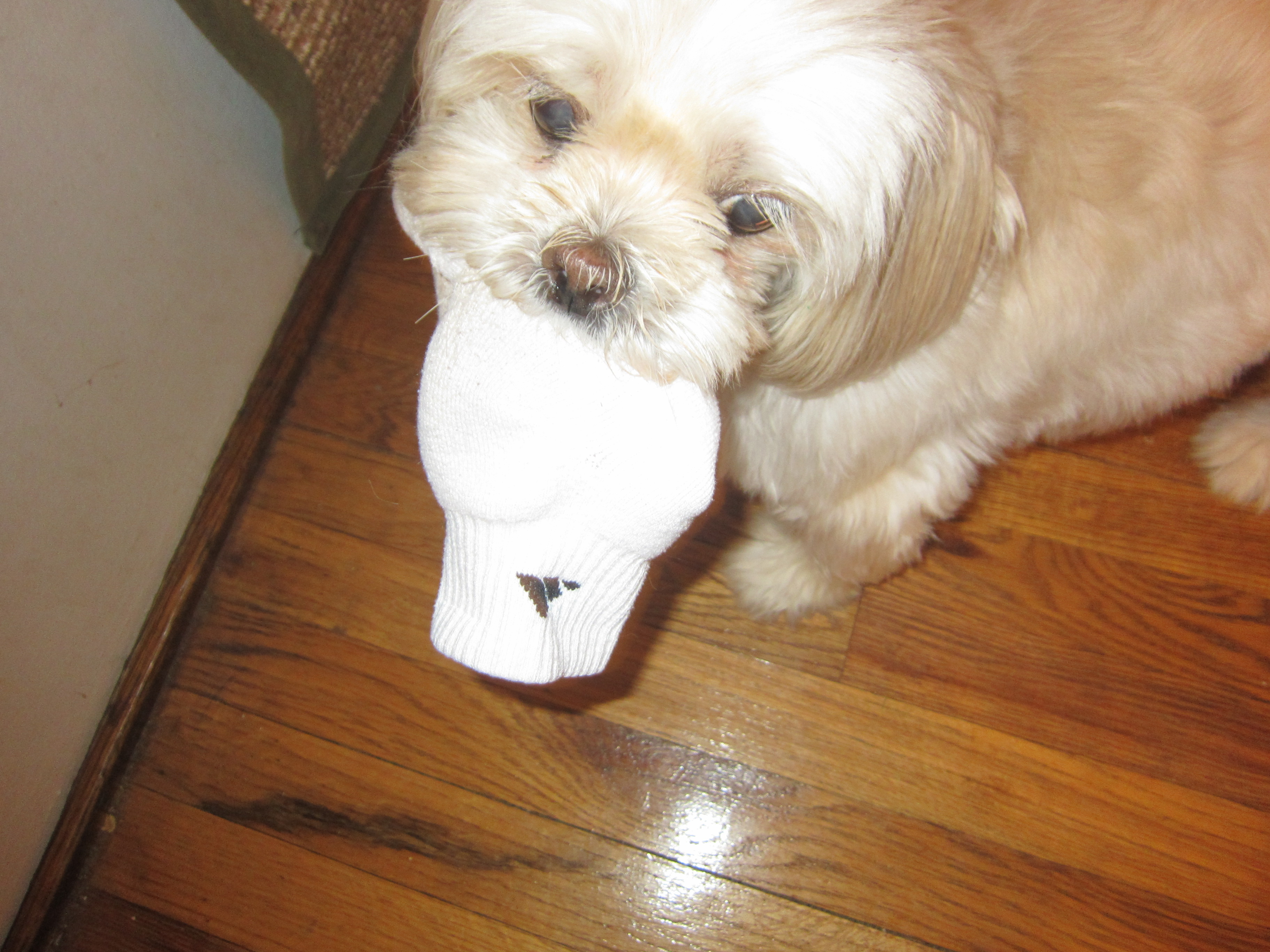
I Don’t Want To Go To the Doctor

            I got a call on the answering machine (yes, they still exist, as do land lines), cancelling an upcoming appointment with the cardiologist. And I was thrilled! It’s not that I particularly hate my cardiologist, but every time I go to a doctor, whether it’s my primary care doctor, or a rheumatologist, a pulmonologist, an endocrinologist, a cardiologist, etc., they weigh me and then tell me that my real problem is my weight, and proceed to lecture me on how to go on a diet.

“I’m not fat, I’m fluffy.”

            I have been on every diet, and read every diet book, and lost and gained weight multiple times, and now I am working on Intuitive Eating with a Nutritionist and trying to undo all of that damage, but even so, every time I see a doctor they insist that if I just ate less and exercised more it would all be fine – as if my problem is that I’ve never heard of a diet before.

            Or as if my weight is my primary medical issue, which it’s not; the added weight is a symptom of both the psychological trauma of my childhood and the medical disorders I have had to deal with as an adult (and the medications I need to take to manage both). I’ve said this to my doctors over and over and over again, but it doesn’t seem to make a difference.

            When I told my nutritionist about all of this – and about my rage at the doctors, and adults in general, who encouraged my eating disorder when I was a child, and who have continued to push me into disordered eating as an adult, without ever feeling shame or responsibility, let alone bothering to educate themselves about an alternative way to address issues of nutrition and weight in their patients – she said, well then, that should be our next project.

            Huh?

            She said, you need to practice setting boundaries with your doctors around weight, and even try to educate them about the pervasiveness of the Diet Mentality and the endless Mobius strip of weight loss and weight gain that they seem to think of as such a wonderful idea but that has actually been shown to cause more health problems than remaining steadily overweight your whole life.

            But I’ve tried, and they never listen to me, and it’s not fair, and why don’t they have to learn this in school, and why is it my job to teach them and…

            And she agreed with me, and listened to me, and said, we need to work on setting boundaries with your doctors around the subject of weight.

            But, but, but…they never learn, and they keep repeating the same things, and whenever they tell me that I should just stop eating so much I believe them and…

            Oh.

            I had the aha moment at the same time she did: the real problem is that I don’t have confidence in what I already know and have worked so hard to learn, so that when they challenge me, I give in.

“Never give in!”

            I’ve worked so hard this past year to learn how to hold my ground when the “You just need to stop eating,” and “You’re less of a person because you are overweight” messages are said by movie stars, or social influencers, or random people in my life; but when a doctor says it, the ground under my feet still gives way. I sit there feeling small and hopeless and I forget everything I know, and believe everything they tell me – that if I would just stop eating so much I’d never have health problems again.

            Depending on how brittle the doctor is in presenting their message on my weight, it can take me hours, or days, or even weeks to get back to solid ground and remember that, actually, my weight is not the problem. And diets have never been a long lasting solution even to the weight issue, never mind for my health overall.

            So what can I do to fix this? And can it be fixed before my rescheduled appointment with the cardiologist which is coming up way too soon?

            The nutritionist suggested that I remind myself that, on this subject, the doctors don’t know me better than I know myself. She said to tell them – I know you’re going to bring up my weight, but I am working with a nutritionist on Intuitive Eating and I am making progress at my own pace, and, for now, your advice is not helpful on this subject. My weight is the least of my problems, and if we can focus on the physical pain and exhaustion that make life so difficult for me, and the connective tissue and auto-immune disorders that cause the pain and fatigue, and numerous other symptoms, that would be a more productive use of our time together.

            But I’ve said all of that, or at least most of it, to my doctors, and they just talk over me. Though maybe I haven’t said it with confidence. Maybe I’ve said it with my eyes on the floor, afraid of what they would say in response, afraid of their disapproval. Because even when I’ve said “the right things” I’ve only said them once; and when the doctor, inevitably, pooh poohed it, I shut up. Because I freeze in the face of their disapproval. I forget everything I know, and I let them talk down to me and blame me without contradicting them. And, no, it’s not my responsibility to teach them, or change them. But if I could stand up for myself, maybe I wouldn’t be so negatively impacted by each doctor visit.

            But how do I get there? How do I hold onto what I know when I start to feel shaky and small? How do I convince myself that I do know my body better than they do, and that I have done the research and I’m not just believing what I want to believe because it sounds easier?

            The temptation to just cancel appointments, or to go but shut off my brain for the duration, is very deep, because I don’t feel strong enough to stand up for myself effectively.

“Yeah, let’s stay home.”

            I wish I could promise myself that next time will be better, and that I will be different. But I don’t know how to make that happen. I had hoped that writing this essay would give me the confidence to believe that I can stand up for myself, but instead it has made it clear to me how much more work I need to do.

“Oy.”

If you haven’t had a chance yet, please check out my Young Adult novel, Yeshiva Girl, on Amazon. And if you feel called to write a review of the book, on Amazon, or anywhere else, I’d be honored.

            Yeshiva Girl is about a Jewish teenager on Long Island, named Isabel, though her father calls her Jezebel. Her father has been accused of inappropriate sexual behavior with one of his students, which he denies, but Izzy implicitly believes it’s true. As a result of his problems, her father sends her to a co-ed Orthodox yeshiva for tenth grade, out of the blue, and Izzy and her mother can’t figure out how to prevent it. At Yeshiva, though, Izzy finds that religious people are much more complicated than she had expected. Some, like her father, may use religion as a place to hide, but others search for and find comfort, and community, and even enlightenment. The question is, what will Izzy find?   


Ellie’s Grey Eye

            For a few days in a row, Ellie’s left eye was a little bit red and she occasionally seemed reluctant to open it, but she’d had similar symptoms before and they usually cleared up on their own, so I wasn’t worried. The vet had given us an ointment way back when, but when we ran out we didn’t bother to get it refilled. When I saw the redness in Ellie’s eye I had it in the back of my mind to call the vet and ask if she should come in, or if we could just refill the old prescription, but it didn’t feel like an emergency.

“Really?”

            And then, at around ten thirty one night, Ellie looked up at me (to tell me that it was time to go out for the final walk of the day) and her left eye, almost all of it, was grey. It looked like a particularly opaque cataract, except that her eye had been clear just a little while before. I started to panic. My baby was going blind! She had multi-system organ failure that was showing up first in her eye! The emergency vet clinic would cost thousands of dollars I did not have, but how could I not rush her out to the car right away!

            I was freaking out.

“EEEEEK!”

            Mom went to the computer to google the symptoms while I watched Ellie dance around on her toes to let me know that she really, really, really wanted to go outside. There were a bunch of possibilities, like a sudden cataract or irritation, Mom said, so let’s wash her eye with warm salt water and see of that helps. We took the girls out for their walk, because they were now barking up a storm, but I was still freaking out. When we got back inside I made the salt water mixture and held Ellie in the bathroom sink and poured the water over her eye, over and over again, to her great frustration. I was hoping the greyness would just disappear with the water, but no such luck. At least the salt water didn’t seem to be hurting her (though she was very annoyed at getting wet and required serious treats as a reward).

            I went to sleep that night worried that I was condemning my baby to death, or at least blindness, by not rushing her to the emergency vet, but Mom said we would go to Ellie’s own doctor the next day and he would know what to do. I was not convinced. I had nightmares about stray dogs coming to my house for help with serious medical problems and I couldn’t help them. The guilt was endless and I woke up feeling like the most awful, selfish, hopeless, incapable person to ever live. And then Ellie came running into my room with a smile on her face and almost no greyness left in her eye.

            Oh Lord.

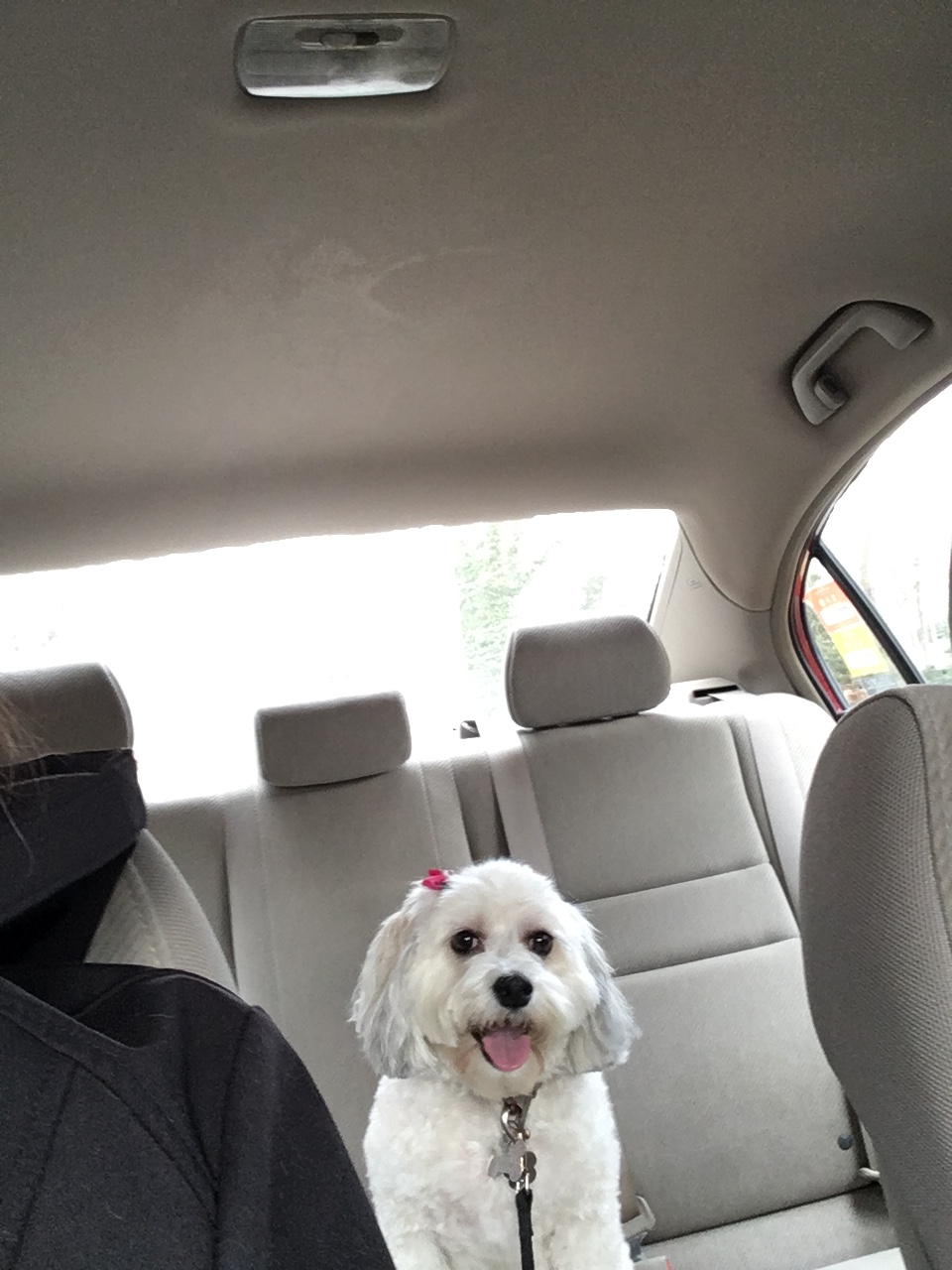
            We made the appointment with the vet anyway, and did everything we could do to distract Cricket while shuttling Ellie out of the apartment. Ellie cried in the car, but she always does that. She sits in the back seat and makes very high pitched conversation with us, to make sure we don’t forget she’s back there (when her sister is in the car with her, Cricket will climb behind my neck, in the passenger seat, to deal with her anxiety and leave Ellie in the back on her own anyway).

“Hey! Don’t forget about me!”

            By the time we’d reached the vet’s office, and the vet tech came out to get Ellie, I actually had to point out which eye was bothering her, because it was hard to see even the redness now. And then we had to sit in the car and wait. I hate this. Going to the vet is always anxiety producing (for me almost as much as for my dogs), but at least I can be there with them to give them comfort and ask questions and remind the doctor of whatever I think he needs to know. With Covid, I just have to sit in the car and wait while they steal my baby away from me.

            Eventually, the doctor came out and told me that Ellie had had a thorn in her eye (!) and he’d removed it, but there was an ulceration at the wound site and she would need eye drops twice a day, and she’d have to come back in a week to have her eye examined again to make sure it was healing. The vet has something of a hang dog face to begin with, but he looked even sadder this time, clearly upset for what my baby girl had been through; which sort of helped, but also sort of made me worry more.

            Then the vet tech brought Ellie back out to the car and, other than the yellow stain on the hair around her eye from the examination, Ellie looked fine. She was eager to get onto her own feet and get the hell out of there, and she had a lot to say about her adventure on the drive home.

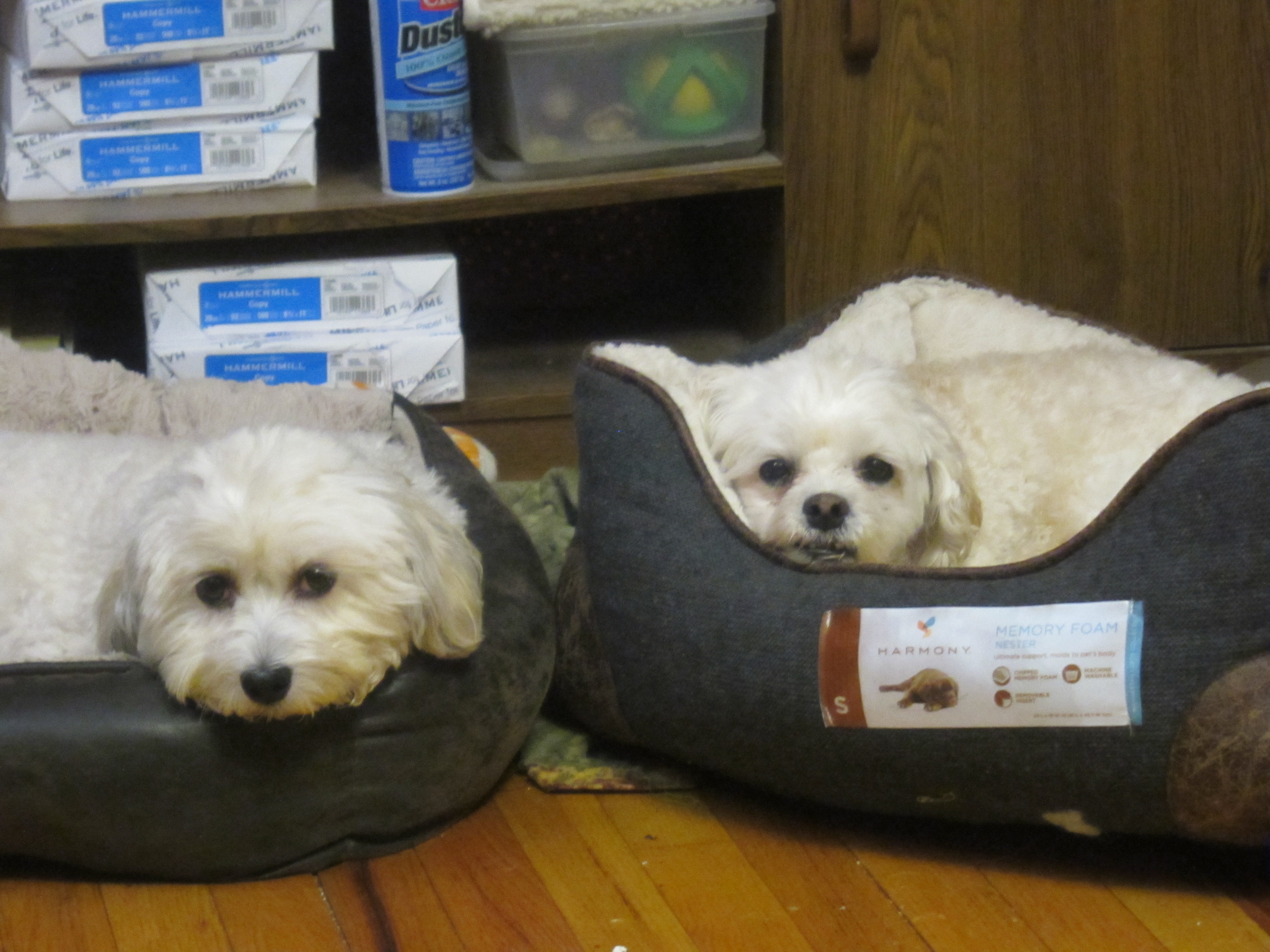
            As soon as we got home, Ellie and Cricket had a tête à tête about the vet visit (mostly Ellie reassuring Cricket that she really didn’t miss anything good), and Cricket seemed to be reassured. They both got a treat for their different traumas and then bedded down for their afternoon naps.

            My first attempt at giving Ellie her eye drops that night was not especially successful (she kept closing her eye so that the drop just rolled down her face, but I eventually figured out how to tilt her head back far enough to get the drop into her actual eye). Once she got the hang of the eye drop routine, though, she got so excited about the treat-to-come that she started to dance around before I could get the drop into her. By the end of the week I just accepted that I would never be good at this, and if it took three drops before one got into her actual eye, so be it.

            We never figured out how Ellie had gotten a thorn in her eye, but given her propensity for rolling around on the floor, bed, and ground whenever and wherever she can, it’s not a big mystery. Days after her visit to the vet she managed to get what I hope was just poop on her back (we have dead mice out there in the yard, and who knows what else I don’t what to know about), and she had to have a full bath to wash it all off, and of course treats to make it better, which meant that along with the twice daily eye drop treats she and her sister had pretty much hit the jackpot.

            We went back to the vet after a week of eye drops and he stained her eye again and there was no sign of the ulceration. I was pretty sure there wouldn’t be, because of how healthy and wide open and brown her eye looked, but we had to check and make sure.

            So now we’re back to the usual problems – with Cricket intimidating Ellie away from Grandma, and off the couch, and away from the leftovers meant for both of them. Not that any of that went away while Ellie was suffering; Cricket doesn’t believe in having mercy on an injured opponent. She takes any advantage she can get.

“Who me?”

            G’mar Chatima Tova! To another year of silliness and treats and good health for everyone!

P.S. Ellie begs for treats even while she’s sleeping

If you haven’t had a chance yet, please check out my Young Adult novel, Yeshiva Girl, on Amazon. And if you feel called to write a review of the book, on Amazon, or anywhere else, I’d be honored.

            Yeshiva Girl is about a Jewish teenager on Long Island, named Isabel, though her father calls her Jezebel. Her father has been accused of inappropriate sexual behavior with one of his students, which he denies, but Izzy implicitly believes it’s true. As a result of his problems, her father sends her to a co-ed Orthodox yeshiva for tenth grade, out of the blue, and Izzy and her mother can’t figure out how to prevent it. At Yeshiva, though, Izzy finds that religious people are much more complicated than she had expected. Some, like her father, may use religion as a place to hide, but others search for and find comfort, and community, and even enlightenment. The question is, what will Izzy find?

Blurry Vision

One of the many signs that Cricket is aging (she will be fourteen this summer) is the blueing of her eyes from cataracts. It takes her longer to recognize people at a distance, which has made her even more anxious about strangers than before, and prone to long bouts of barking at nothing. She can still see well enough for most of her tasks of daily living, but she has handed over the squirrel chasing to Ellie, content to sniff the grass and wait for larger prey of the human kind, or, you know, shadows. But really, she doesn’t seem to have any angst about it. I don’t think she’s even noticed the change in her vision. She’s pretty sure that it’s the rest of us who’ve changed while she’s stayed the same.

“I’m exactly the same. Always.”

            And then there’s me. I tend to assume that everything is my fault and I’m not trying hard enough to fix it. So when I noticed almost a year ago that my distance vision was blurrier than usual, though only on occasion, I figured I had to have it checked out. I thought, maybe, that allergies could be the cause, though I wasn’t sure why they would have worsened so much, or for so long. And since I have a number of autoimmune disorders, and a lot of extra symptoms that don’t coalesce into a diagnosis, I thought I should check with an ophthalmologist just in case this was a new symptom to worry about.

            But I kept putting it off. Because, Covid, and because I hate going to doctors, especially new ones. Except that the blurry vision was coming up more often and becoming more disruptive, so, finally, when it seemed as if New York had passed the dangerous stage of the winter Covid resurgence, I decided to call and make an appointment (or rather, to ask Mom to crowd source a good ophthalmologist among her friends and then call to make an appointment for me). I wasn’t able to get an appointment until late in May (by which time I was fully vaccinated, so, cool), because everyone else had the same idea about getting back to doctor visits after Covid.

            I have a history of eye problems, and a concomitant history of hating visits to the eye doctor and the dreaded eye drops that sting and then the dreaded eye drops that dilate and make me feel blind. Since I knew I wouldn’t be able to drive myself home after the visit, and because I was nervous, Mom came with me, but she was asked to sit outside on a bench, because only patients were allowed to sit in the waiting room, so I waited out on the bench with her until it was my turn to go in for my appointment.

“That’s anti-Grandma prejudice!”

            The first part of the visit was the most involved, with a tech taking my history and checking my vision and putting in the dreaded drops. Almost as soon as the drops hit my eyes I felt like I was ten years old again. I had Iritis as a kid and they treated it with steroid drops which I had to take twice a day, and I never got used to them. But there were also endless tests to see what may have caused the Iritis, with all kinds of drops and bright lights in my eyes and then needles shoved under my skin, and security guards holding me down so I wouldn’t run, and what seemed like gallons of vials of blood squeezed from my arms. It all came rushing back.

            After the first part of my ophthalmologist visit was done, the tech guided me down a hallway to wait in a chair for the next tech who would be photographing my eyes for their records, or something. The world was a fuzzy place and I couldn’t really see my phone well enough to distract myself, so I just had to sit there feeling vulnerable and worried. When it was my turn in front of the camera, though, the burning bright lights only lasted a few seconds for each eye, and then I was sent to another exam room to wait for the doctor, and read all of her diplomas on the walls (it’s lucky they use such big type on those things).

            The visit with the doctor was the quickest part of the day – with a look-see at my eyes and at my history and at the results of the previous tests and the photographs. She told me that my eyes were fine, with no sign of Iritis or any other disease, and there was no change in my vision. She suggested a brand of over the counter eye drops to clear up my seemingly allergy-induced blurry vision and sent me on my way.

            I had to put a sort of rolled up version of sunglasses under my regular glasses in order to tolerate the sun, and it took hours for the dilation and sensitivity to pass, but I was relieved that it was over and that I didn’t have a new disease, and didn’t need new glasses (which is just a pain in the ass); but I was also frustrated that I’d forced myself through the whole ordeal of the visit and had learned nothing new about my myriad weird symptoms.

            We stopped off at CVS on the way home, though I couldn’t see much even with the partial sunglass thingies, and they didn’t have the eye drops the doctor had recommended, so I went home and ordered them online. I was hopeful that at least I’d found an answer to the blurry vision, after all that, but when the drops arrived they didn’t help at all. So, my vision is still occasionally blurry and I get annoyed and impatient, but at least there’s no underlying problem to worry about. Maybe.         

“They have chicken treats at CVS, don’t they?”

            Even before I had the Iritis, I had ordinary vision problems. I remember distinctly being in second grade and feeling like an idiot when I couldn’t figure out what the teacher had written on the board. Some part of me understood that my eyes were to blame, but more of me was convinced that it was my brain; that I had become unteachable over the summer and suddenly I was falling behind and struggling to understand what everyone else seemed to pick up easily.

            The relief I felt when a pair of glasses actually fixed the problem was huge, but the realization that my vision could be taken away so easily remained, especially because I kept needing new prescriptions and had to wear my glasses more and more often.

            The metaphor of blurry vision has always resonated for me, though, because I so often feel like I’m not seeing things as clearly as I want to, and have to move slowly out of fear of missing a hole in the ground or a wall coming up out of nowhere. I’ve collected a lot of metaphorical injuries over the years, and a healthy dose of anxiety about all of the hidden dangers along my path. But each time I find my vision clearing on an issue, so that something that used to be fuzzy starts to seem clear, I feel such a sense of relief and calm, even if it took five, ten, or twenty years to get to that clarity. And then, of course, the blurriness comes back, on the same issue and on new ones, and I have to find my way back; it’s a lifelong task.

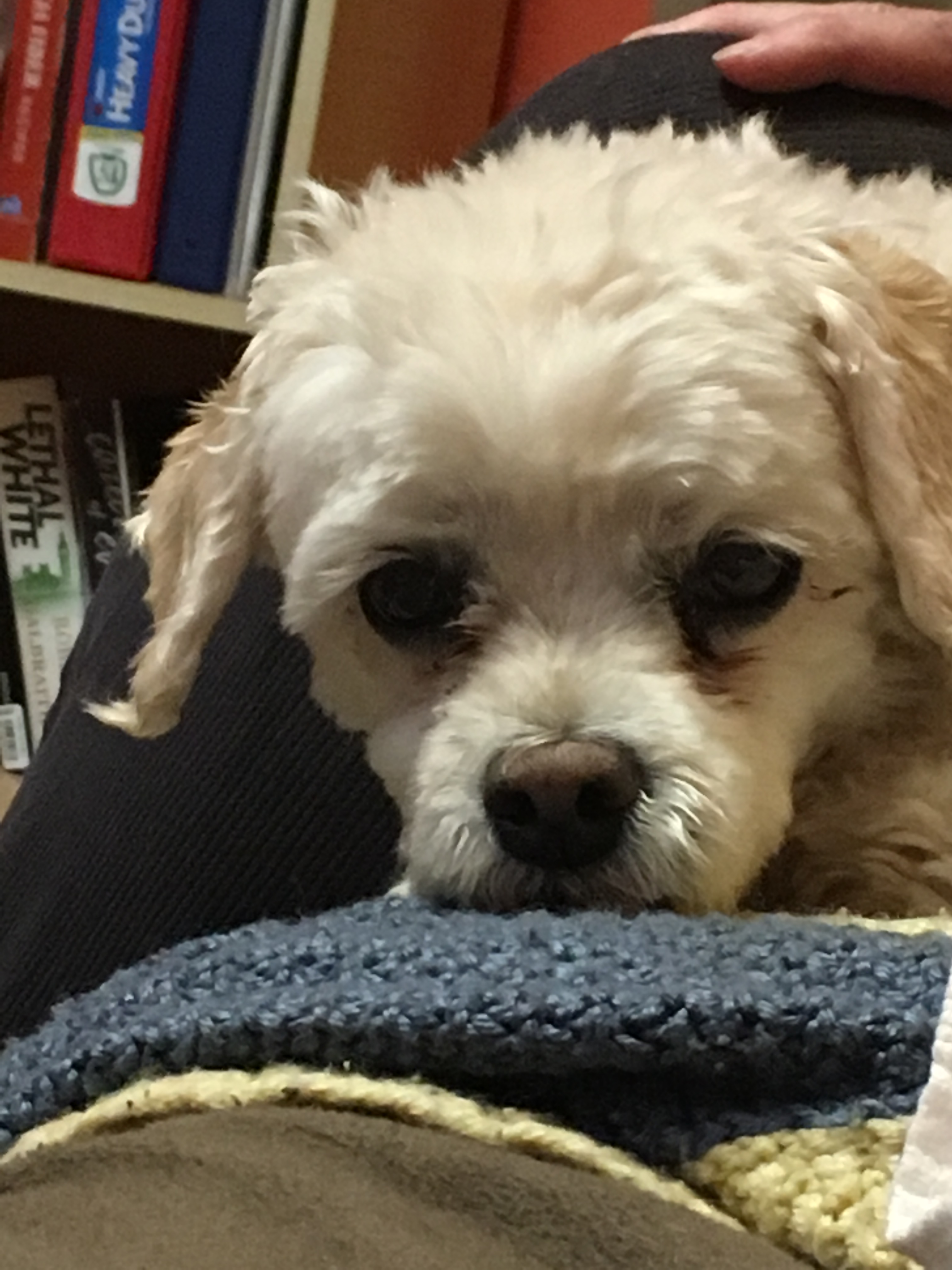
So I’m jealous of Cricket and her ability to see herself as the center of the universe and let everything else go blurry. She may not be able to see the monsters out in the forest, but she also doesn’t have to worry about them ahead of time. She only has to worry about the monsters right up close, like the mean humans who don’t share their French toast and that other dog who tries to steal all of the attention. That’s more than enough to think about on a daily basis, really. Just ask Cricket.

“Seriously.”

If you haven’t had a chance yet, please check out my Young Adult novel, Yeshiva Girl, on Amazon. And if you feel called to write a review of the book, on Amazon, or anywhere else, I’d be honored.

            Yeshiva Girl is about a Jewish teenager on Long Island, named Isabel, though her father calls her Jezebel. Her father has been accused of inappropriate sexual behavior with one of his students, which he denies, but Izzy implicitly believes it’s true. As a result of his problems, her father sends her to a co-ed Orthodox yeshiva for tenth grade, out of the blue, and Izzy and her mother can’t figure out how to prevent it. At Yeshiva, though, Izzy finds that religious people are much more complicated than she had expected. Some, like her father, may use religion as a place to hide, but others search for and find comfort, and community, and even enlightenment. The question is, what will Izzy find?

Intuitive Eating and Where I’m Struggling

             One of the basic arguments against dieting, in the Intuitive Eating Workbook is: A diet mentality is the false belief that weight loss leads to happiness. But this has always felt true to me. As a kid, I was unhappy, and I wanted to believe that there was something I could do to fix it: if I could blame all of my unhappiness and loneliness on my weight, then I could at least hope that someday I’d feel better. In reality, I have lost weight over and over again, and it has never resolved the depression or self-hatred or loneliness, and yet I’m still afraid that if I let go of the belief that weight loss will make me happy, I’m letting go of the hope that I will ever be happy.

            And it was reassuring to have a diet plan to follow. I’ve stayed on diets for months, or years, despite losing no weight at all, because the sense that I was doing the right thing made me feel better, even if it didn’t help me reach my goals.

“Two chickens a day would reassure me.”

            I crave a diet plan to tell me what to eat, how much to eat, how to prepare it, and even when to eat it. Diets feel like safe containers for someone, like me, who has learned to believe that food is dangerous and unpredictable; for someone who is overwhelmed with too many choices and who believes, fundamentally, that her body is wrong and must be controlled and limited and made smaller.

            The problem is that the diets themselves perpetuate those beliefs about the dangerousness of food and the dangerousness of my body. The diet tells me that I can’t survive without it; that I will crash and burn, and there is no alternative, except maybe for another diet. That’s why this transition to a no-diet life is so damn hard; because there is no plan, no safe container, just impossible lessons to learn, like: trust yourself, honor your feelings, respect your own body and wisdom.

            I’m no longer on a specific diet plan (Like Weight Watchers or Noom) and I’m not counting calories or avoiding carbohydrates or fats, but I still have the endless voices in my head telling me that I shouldn’t eat this and I shouldn’t eat that, and if only I lost weight I’d finally be happy. And the voices aren’t just in my own head, they’re everywhere.

“I hear them too.”

            The frustrating thing is that the research on diets has been clear: the majority of people who go on diets gain the weight back, and often gain even more than they’d lost in the first place. And it’s not just that diets don’t work, they actually create health problems, because the cycle of weight loss and inevitable weight gain is worse for the body than maintaining a weight above what the charts suggest. But no one I know actually believes the research. So, are we all in a collective delusion? And how do I escape from a belief system that is constantly reinforced?

            Doctors have been some of the worst offenders in creating shame around my weight. They have blamed any and every health issue on my weight, even when it was clearly unrelated, and they have had no interest in hearing that my health has never improved as a result of weight loss.

            I recently had to see the gynecologist for my yearly checkup, and she said that my health is good except for one thing and you know what that is. But I didn’t know, because I could think of a number of issues that are currently impacting my health. But before I could even try to answer her non-question, she said, it’s your weight. And, she said, You just need to eat less. Then she proceeded to show me what a small portion of food would look like, with her hands.

“No doctors!!!!!!”

            Aside from the fact that I probably know more about dieting than she does, and that the size of food doesn’t determine its caloric value, what she’s ignoring is that being on a diet and just eating less has taught me to feel like a bad person for eating anything.

            When I read in the Intuitive Eating Workbook that if I am hungrier on a given day then I should eat more, I was sure that that rule shouldn’t apply to me, because, of course, I would lie to myself about my hunger level, and sneak food past myself.

When the Intuitive Eating Workbook told me to respect my cravings and learn how to eat those foods when I crave them, and then to stop when I am full, I didn’t know what to do, because I was always told to do anything and everything to distract myself from cravings, and to never give in to them. I was supposed to drink water, or take a bath, or go for a run, to avoid eating the food I really wanted to eat, even if I had no interest in doing any of those things. I automatically assume that if I crave something, or even want something with any intensity, then I shouldn’t have it. I’ve read so many articles that say craving a food is a sign that it is bad for me, and that I will crave exactly the foods I am allergic to and that’s how I’ll know I’m allergic.

            But is that true? Are the things I feel most strongly about the things I should avoid? Then what am I left with? How do I decide what to do if wanting to do something is a sign not to do it?

            Who came up with this shit in the first place?

“Um, you said a bad word.”

            During this year of social distancing, a lot of people have experienced cravings for human contact, cravings so strong that they broke safety protocols to go out to parties or bars or restaurants, because the need for human contact was so insistent. Is it the craving for human contact that’s bad or the way they chose to satisfy that craving?

            My students at synagogue school often crave movement by the time they arrive after a full day of school. They crave it so much that if I don’t create a safe and productive way for them to move, they will move in whatever way they can. I can choose to create a safe environment for them to move in, or I can choose to ignore their need and leave them to disrupt the class or drive themselves crazy, but either way, the kids are going to move; not because they are bad kids, but because they are human.

“Like me!”

            Can I accept that in myself too? Can I ever find a way to give myself permission to be guided by what I want, without worrying that I’m taking the road to hell?

In a recent visit with the nutritionist she said that I was confusing taste hunger with physical hunger, because as long as the food still tasted good I still wanted to eat. Ideally, she said, the yummy taste of the food would diminish as I became full, but that has never been my experience. So we planned out a very specific sequence of actions for me to check in with my physical fullness, and my taste hunger, separately, with the commitment that I would rely on my physical feeling of fullness to tell me when to stop eating, even if the taste hunger persisted.

I want to believe that I can learn how to do this and find a healthier and happier way to eat and live, but it still feels like a fairytale; like something I want to believe in that can’t possibly be true. I still live in a world where everyone thinks they need to be on a diet, no matter what they weigh. I still live in a world where we have no realistic idea of healthy sizes for different bodies, and we judge each other based on standards that fit almost no one. How am I supposed to ignore all of that noise and suddenly learn to trust myself?

            I don’t know yet, but I will keep working on it.

“We’ll eat the leftovers. To help you.”

If you haven’t had a chance yet, please check out my Young Adult novel, Yeshiva Girl, on Amazon. And if you feel called to write a review of the book, on Amazon, or anywhere else, I’d be honored.

            Yeshiva Girl is about a Jewish teenager on Long Island, named Isabel, though her father calls her Jezebel. Her father has been accused of inappropriate sexual behavior with one of his students, which he denies, but Izzy implicitly believes it’s true. As a result of his problems, her father sends her to a co-ed Orthodox yeshiva for tenth grade, out of the blue, and Izzy and her mother can’t figure out how to prevent it. At Yeshiva, though, Izzy finds that religious people are much more complicated than she had expected. Some, like her father, may use religion as a place to hide, but others search for and find comfort, and community, and even enlightenment. The question is, what will Izzy find?

Mom’s Wrist Surgery

            The first thing I thought of when Mom told me she would be having surgery on her wrist (outpatient for Carpal Tunnel) was – who’s going to cook? I cook once in a while, but I generally don’t have the energy to do much of it, and with all of the extra chores I’d be responsible for with Mom’s right (dominant) hand out of commission, I was worried we’d starve. Or have to live on peanut butter and Jelly sandwiches, or something.
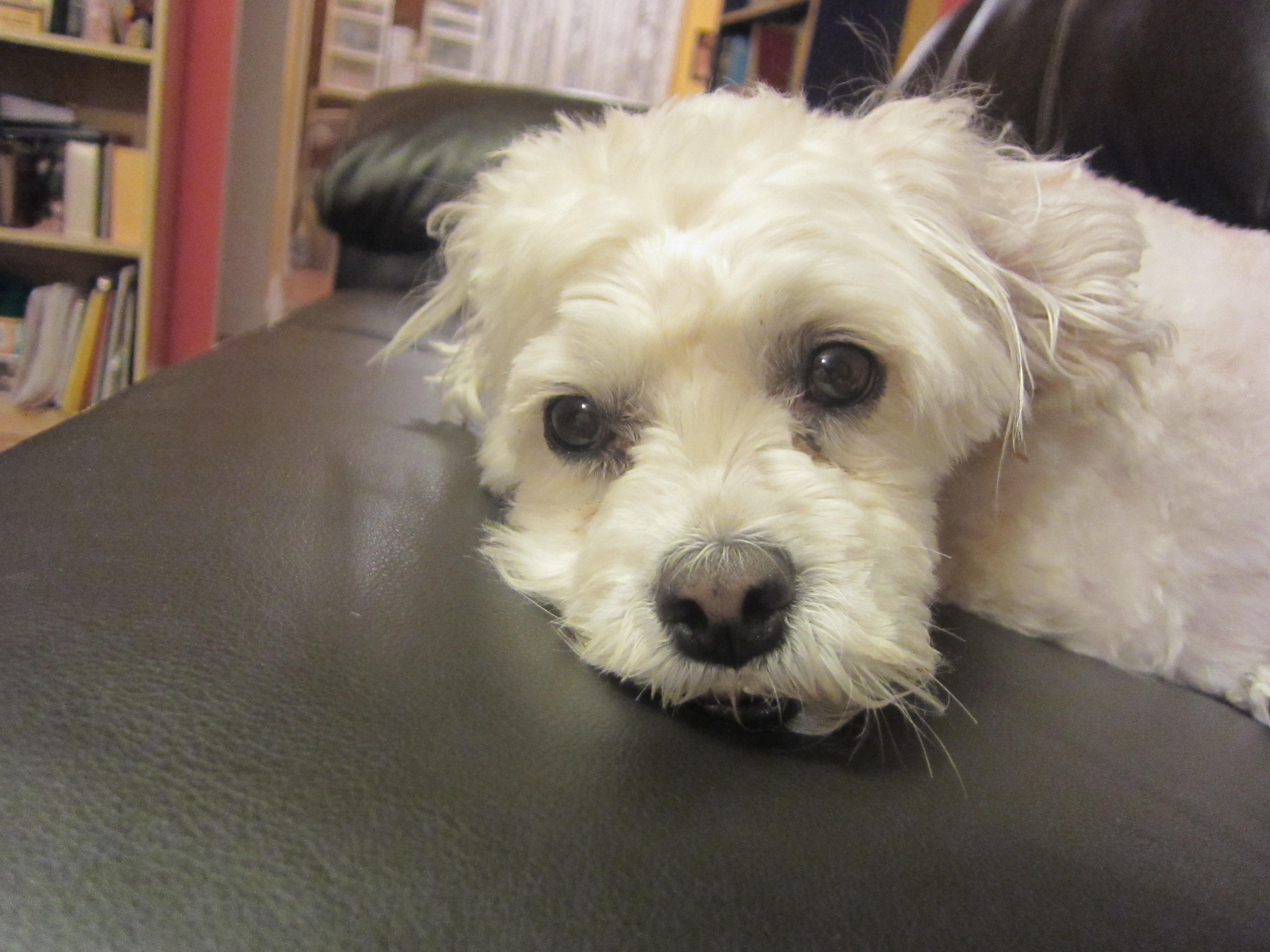
“Peanut butter sounds good to me.”

            I’m sure I was also in a panic about the risks of anesthesia, and problems with the surgery itself, and Covid, and Mommy is going to die and leave me all alone! But on the surface, mostly, I was worried about the food. And having to take the dogs out for all four walks each day, especially first thing in the morning. Ugh, and I’d have to wash dishes and fill and empty the dishwasher, and vacuum and clean, on top of doing the laundry and the food shopping as usual. Just thinking about it all was exhausting, and Mom was (selfishly) just worried about her potential pain, and how would she survive without sewing until her wrist healed. Harrumph.

            (Don’t worry, we went to the freezer section of the supermarket two days before the surgery was scheduled and loaded up on cauliflower crust pizza, and veggie stir-fry’s, and ice cream. I’m sure that’s what you were most worried about.)

            I don’t think of myself as lazy, per se, but I do get very grumpy about doing chores. Mostly I curse quietly to myself. But not always.

            Of course, as we got closer to the day of the surgery, and all of the prep work was done, we were both getting anxious about the day of: Mom about the surgery itself and the potential pain in the aftermath, and me about the driving. I always get nervous about driving to new places, or to places I haven’t been to in a while. And I would have to drive early in the morning (originally we were told she’d have to be there by 7:30, but in the end it was a more reasonable 9 AM).

            Mom has a map of Long Island (and all of New York and probably the Tristate area) tattooed on her brain; me, not so much. I drive because I have to, and I resent it. It just seems like a game of Frogger brought to life, except that I don’t identify with the frog who keeps stupidly trying to cross a busy street in the middle of traffic; instead I identify with the poor drivers who can’t dodge the enormous frog in the road, and have to feel guilty when the frog goes splat.

            But, once we got going on the morning of the surgery, I realized that I mostly knew the route. I couldn’t picture it on paper, or by the street names, but in person it looked familiar. I was sort of relieved that the Covid protocols prevented me from going into the hospital with Mom, because if I had to sit there doing nothing but worry for hours I would have been swamped with anxiety. But I also felt guilty for dropping Mom off like a package at the front door, and I worried about her the same way I worry when I have to drop one of the dogs off at the vet instead of going in with them. What’s happening in there? Will Mommy/Ellie/Cricket/Butterfly/Dina ever come out again? Why didn’t I go to medical/veterinary school so I could take care of these things myself?

“Could I go to medical school?”

            As soon as I arrived home, the dogs insisted on going out to pee again, and to sniff Grandma’s footsteps along the walkway. Cricket gave me dirty looks for the next few hours, because, clearly, it was my fault Grandma was not home, and I could never be trusted to leave the house again.

            I was too anxious to take a nap, so I worked at the computer while I waited to hear that Mom was ready to come home. Mom had said the surgery would be over by around one o’clock and that she would call to let me know when to pick her up, but I didn’t hear from anyone until after two o’clock, and the wait felt more like a week than just an extra hour. I imagined every possible disaster, including: problems with the anesthesia, accidental amputation and catastrophic blood loss, a sudden outbreak of Covid taking over the whole hospital, a bomb, a meteor, aliens…My brain can do a lot in an hour.

            But a nurse finally called and said that everything went fine and I could come in an hour or so to pick Mom up. Of course I left early, because I was afraid I’d get lost, or stuck in traffic, or something, and I called Mom’s cell phone as soon as I arrived at the front of the hospital. She was rolled out in a wheelchair ten minutes later, and I worried when the man guiding the wheelchair said that I should help her into the car and make sure she didn’t fall, as if she was much more fragile than usual, but it turned out that he was just being extra careful. Mom’s hand was wrapped to the size of an oven mitt, and she was a little tired and dizzy, but otherwise not too bad.

            When we got home I found out about more of my duties, including medicine-bottle-opener, and ice-cube-bag-filler. I got used to filling both of our ice cube trays every few hours, and then pounding them on the counter to try to make the ice cubes come out. Ice cubes are stubborn creatures, until they break free, and then they can really fly.

            After seventy-two hours I was able to drop the ice-cube-breaking and replace it with Mommy-Watching, because Mom seemed to think she could do all kinds of things with her wrapped hand that she clearly was not supposed to do, like creating power point presentations. Each day, I had to watch her more closely to make sure she wasn’t secretly carrying heavy packages or chopping vegetables. She found the whole thing very frustrating. And boring. And clearly I was the meanie keeping her from doing anything fun.

“Don’t be a meanie.”

            After ten days I drove her to her follow up visit with the doctor and, since Mom did not want me to go in to the appointment with her, I asked her to get a clear plan from the doctor for how she could gradually return to normal activities. I sat in the waiting room watching a live action Chipmunk movie that I will never be able to unsee, and eventually she came out with a much smaller bandage on her hand and a smile on her face. It seemed that the doctor had said the most wonderful thing that a doctor could say: sewing is good therapy. As soon as we got home she was on the computer telling all of her quilting friends that the doctor recommended that she spend MORE time sewing, and they all cheered.

            We still had a few frozen meals left, but Mom was eager to get back to cooking. By the next afternoon she had prepped a soup for the slow cooker, walked the dogs on her own twice, and was planning to go out and do some errands; because, where my instinct is always to rest, hers is to DO SOMETHING. I had to intervene and drive her for the errands so she wouldn’t overdo it on her first day back in action, and then I really needed a nap. Watching her do so much stuff is exhausting.

“For us too.”

            It will be a few months before her hand is back to full use, and I’m expecting many tantrums as Mom struggles to survive on only five or six hours of sewing a day. (Don’t worry, the dogs and I will do our best to avoid the living room when Mom gets grumpy. I’m sure that’s what you were most worried about.)

“Is it safe to go back to the living room yet?”

If you haven’t had a chance yet, please check out my Young Adult novel, Yeshiva Girl, on Amazon. And if you feel called to write a review of the book, on Amazon, or anywhere else, I’d be honored.

            Yeshiva Girl is about a Jewish teenager on Long Island, named Isabel, though her father calls her Jezebel. Her father has been accused of inappropriate sexual behavior with one of his students, which he denies, but Izzy implicitly believes it’s true. As a result of his problems, her father sends her to a co-ed Orthodox yeshiva for tenth grade, out of the blue, and Izzy and her mother can’t figure out how to prevent it. At Yeshiva, though, Izzy finds that religious people are much more complicated than she had expected. Some, like her father, may use religion as a place to hide, but others search for and find comfort, and community, and even enlightenment. The question is, what will Izzy find?