Tag Archives: fiction

Reassessing

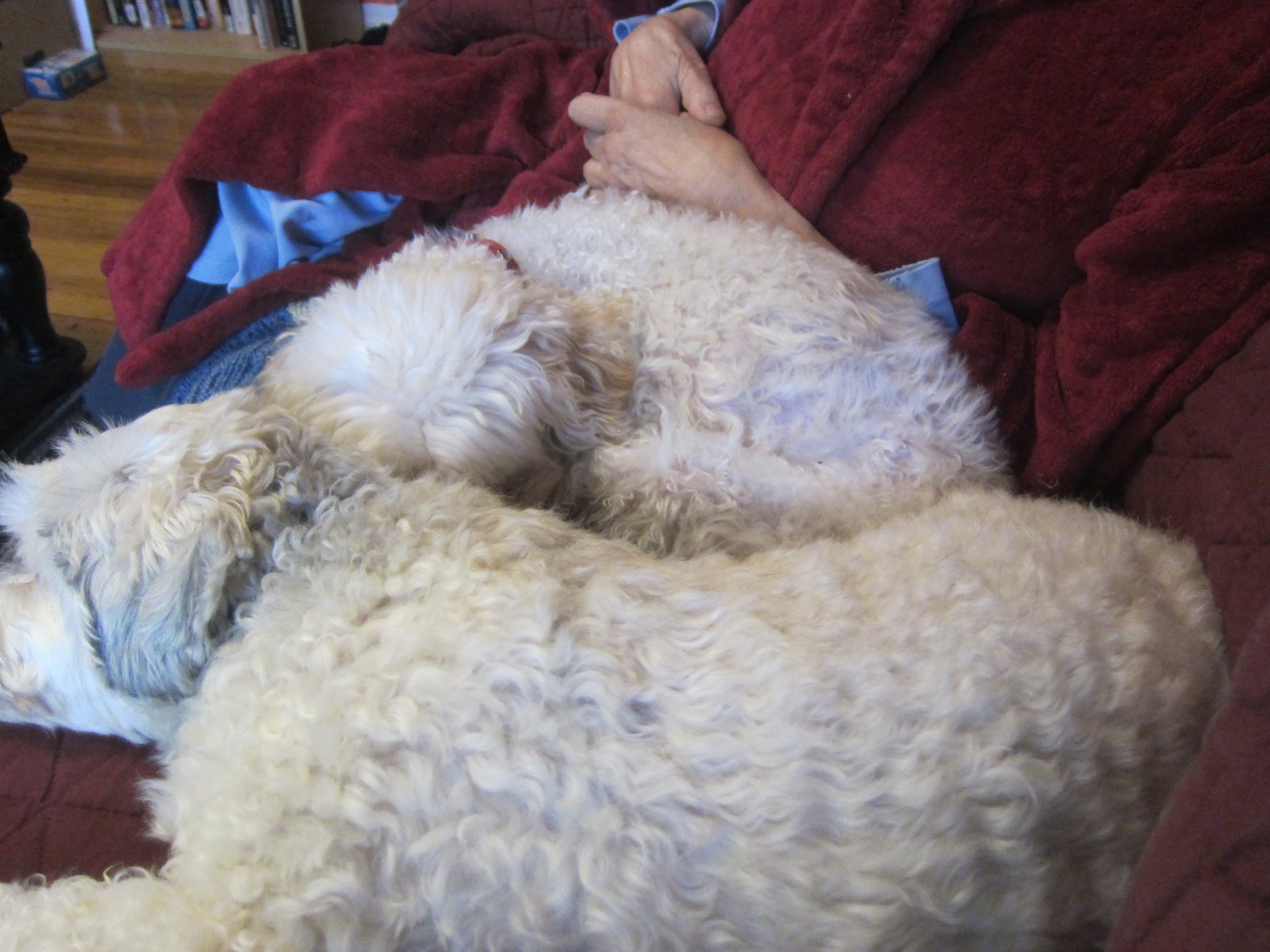
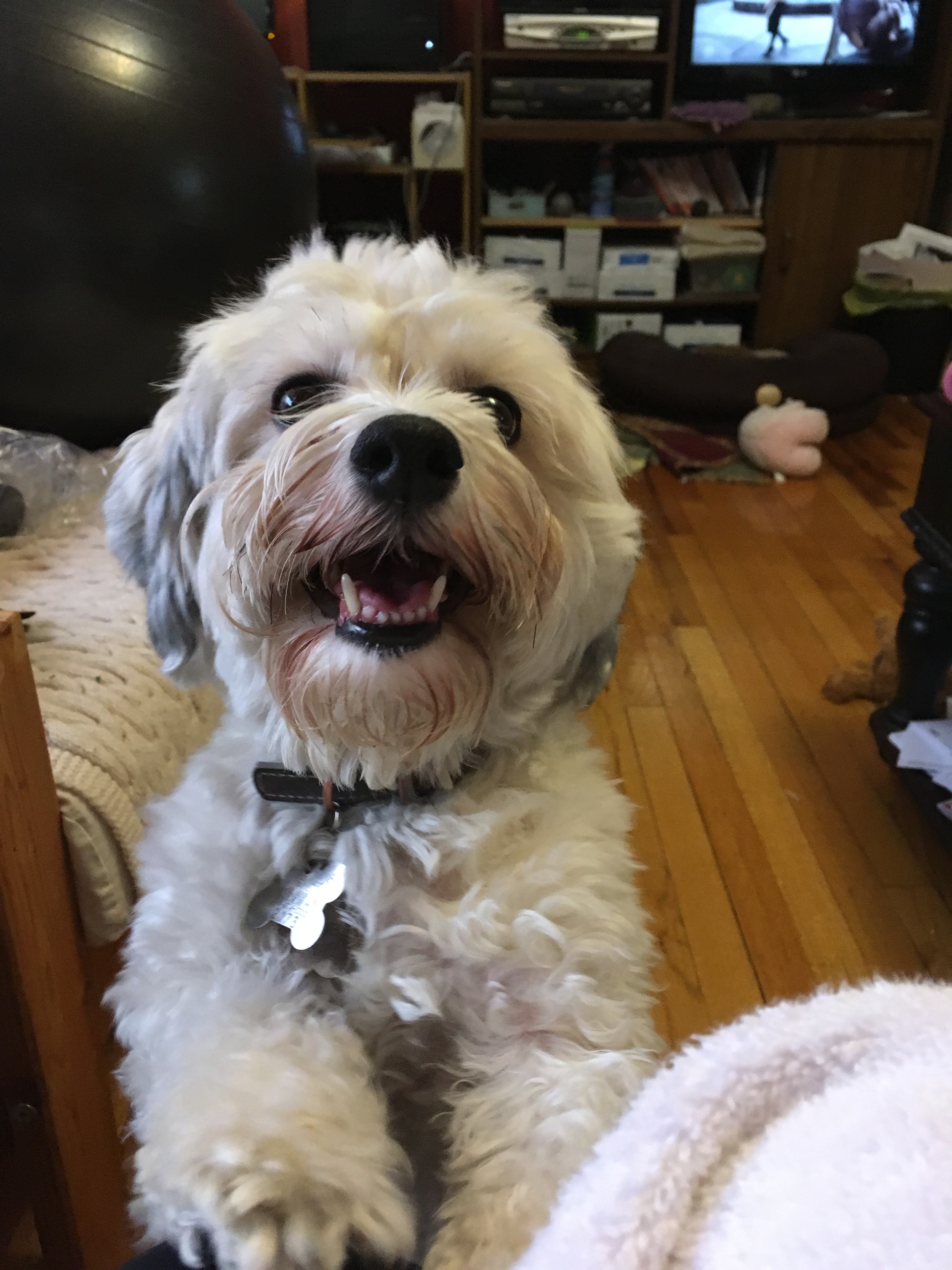
            I’ve been reading through piles and piles of notebooks, and files and files on the computer, to see which of my writing projects still spark my interest; and unfortunately, they all do. I can sort of prioritize one, or two (or five) above the rest, but it’s like trying to choose my favorite dog and having to ignore all of the others. How can you look away from that sweet, lonely, hungry little dog?! What kind of monster are you?!

            There are novel ideas in the notebooks, and novel drafts on the computer, and drafts of long essays and short essays, and children’s stories, and short stories, and mysteries, and even a science fiction story or two. And along with all of the writing projects, I also have lesson plans to write, and a ton of therapy work I still need to do in order to become the kind of functional adult who doesn’t need to crawl under the bed and hide (which hurts my back, honestly).

            This is what happens when I try to open the creaky, dusty, long-closed doors in my brain. I know I have to do this every once in a while, if only to make sure I’m not leaving something important behind, but it’s overwhelming. And, of course, there are endless internal arguments over which ideas have the best chance of getting published, and which ones will be an exhausting waste of time, and why do I have to be a writer at all when I really should be doing something more useful with my life, or at least more practical. But I’ve been a writer since I first learned how to hold one of those fat red pencils in nursery school, and if I stopped writing it would feel like I’d stopped breathing. And, really, even if it looks like I’m standing still, I am frantically kicking my feet under the surface, like a duck; and yet I judge myself only by what other people can see.

            At some point, hopefully soon, I will finish this reassessment period and be able to choose a few manageable goals to work towards and put the rest aside. And then maybe I can put off the next reassessment for a while, or at least make sure I’m better medicated by then.

“Chicken fixes everything.”

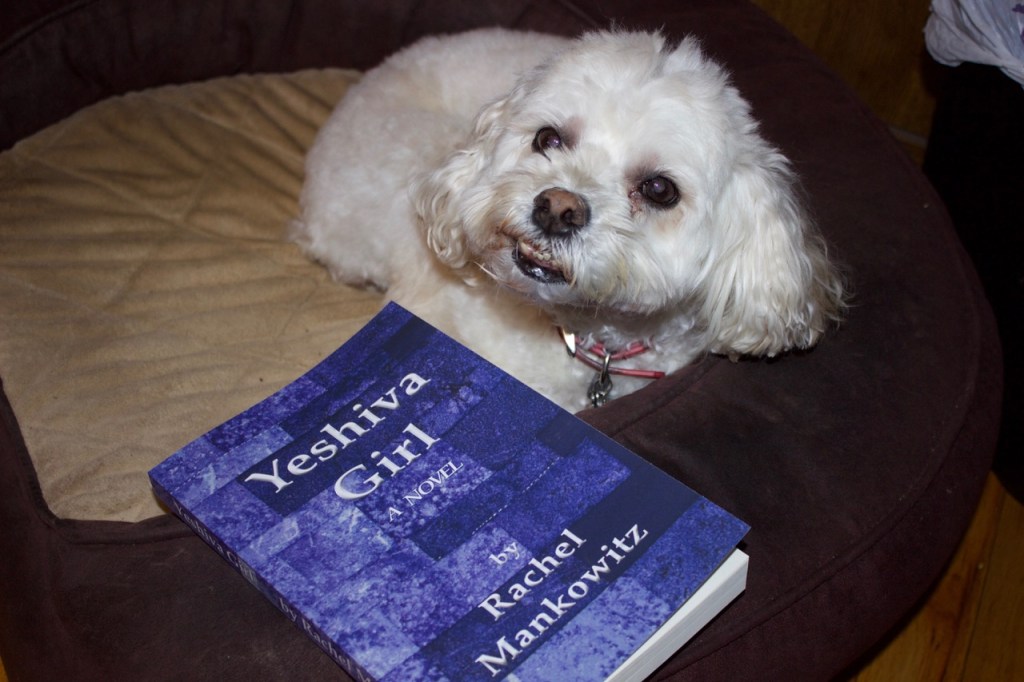
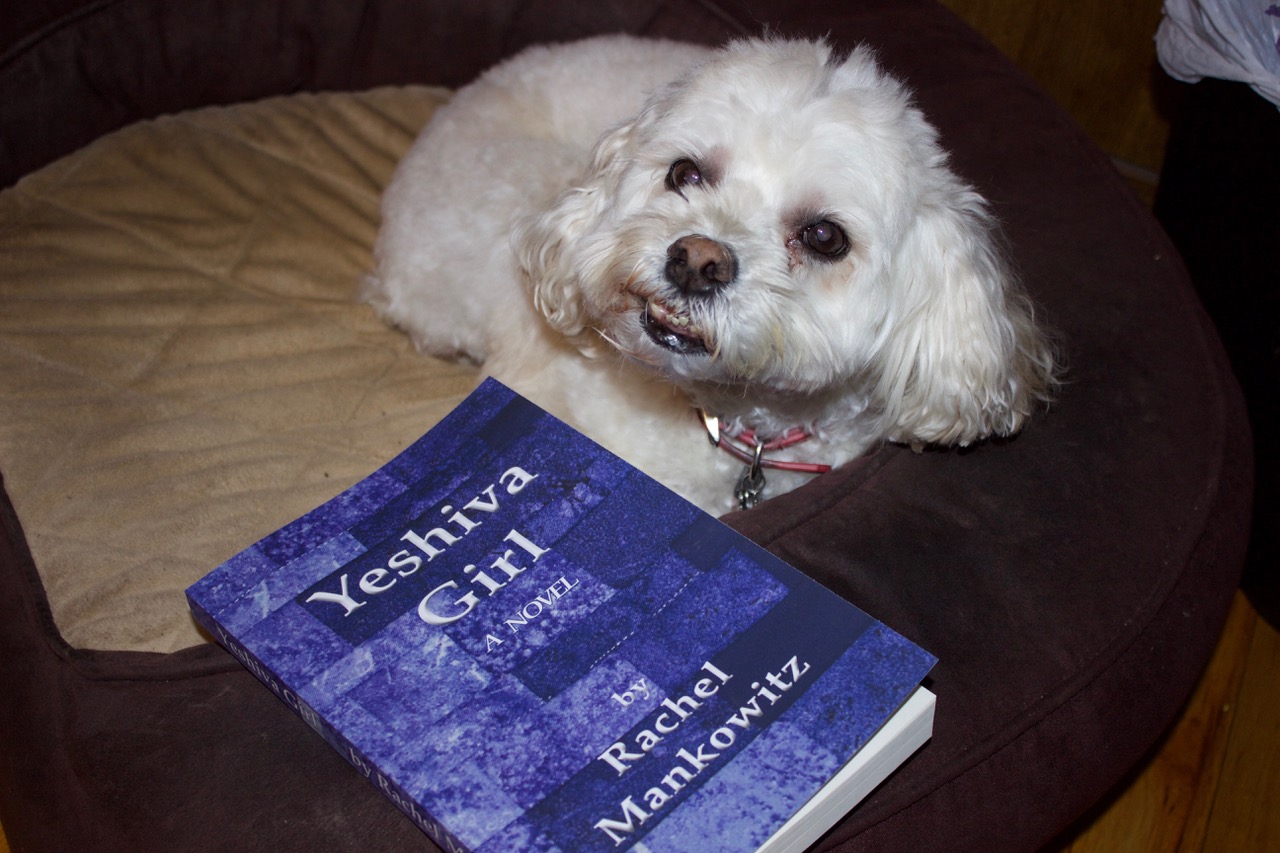
If you haven’t had a chance yet, please check out my novel, Yeshiva Girl, on Amazon. And if you feel called to write a review of the book, on Amazon, or anywhere else, I’d be honored.

            Yeshiva Girl is about a Jewish teenager on Long Island, named Isabel, though her father calls her Jezebel. Her father has been accused of inappropriate sexual behavior with one of his students, which he denies, but Izzy implicitly believes it’s true. As a result of his problems, her father sends her to a co-ed Orthodox yeshiva for tenth grade, out of the blue, and Izzy and her mother can’t figure out how to prevent it. At Yeshiva, though, Izzy finds that religious people are much more complicated than she had expected. Some, like her father, may use religion as a place to hide, but others search for and find comfort, and community, and even enlightenment. The question is, what will Izzy find?           

Sending Out the New Novel

“What are you doing now, Miss Mommy?”

            So, I finished writing a novel. It’s called Hebrew Lessons, and it’s a love story between an American Jew and an Israeli Jew, including all of the cultural divides that have to be overcome, or can’t be overcome. I’m really happy with the story, and my Beta readers gave it a thumbs up, but now that means I have to go on the agent search again, and I’m dragging my feet. The publishing world has not been an especially welcoming place for me, and I’m dreading the rejection, and the critiques, and the roller coaster of hope and disappointment that I went through last time, with Yeshiva Girl.

            But before I can even get to all of that, I have to sit down and write a query letter, and a plot summary, and research potential agents, and my brain is not letting me go there. I’ve come so close to acceptance by the literary world, but never close enough, and there’s no guarantee that this time will be any different. Part of me wants to just self-publish the novel and maybe get a few nice responses and leave it at that. Another part wishes I could hand the book off to someone else – to query agents and write a synopsis and copy edit, etc. – and move on to writing the next novel. But I’ve worked hard on this novel, and I want to give it the best chance to be read, and loved, if at all possible.

            I wish I had the self-confidence to send my work out as consistently as other people seem to be able to do, but it takes me a long time to recover between bouts, and each small step feels like hiking a mountain range. Even the tiny steps I’ve already taken to research the changes in the marketplace have been overwhelming; there has been an explosion of critiquing sites, and self-publishing companies, and writing and publishing blogs with wildly contradictory advice that have appeared since the last time I investigated all of this, and it feels impossible to figure out what’s legitimate and what’s a scam, what’s necessary and what’s irrelevant.

I don’t understand how other authors make their way through all of this chaos, but then again, the publishing world has never really made sense to me. I’ve never been able to understand the rules of the business of writing: the very specific categories each book needs to fit into, or why one author gets lauded and another can’t even get published. Despite years of effort, the mysteries of the publishing world are still mysteries to me, and yet, I can’t stop being a writer and I can’t stop wanting people to read my work. Believe me, I’ve tried. So, I guess I’m diving back into the deep, dark, possibly shark-infested waters.

Wish me luck!

“Did you say sharks?!”

If you haven’t had a chance yet, please check out my novel, Yeshiva Girl, on Amazon. And if you feel called to write a review of the book, on Amazon, or anywhere else, I’d be honored.

            Yeshiva Girl is about a Jewish teenager on Long Island, named Isabel, though her father calls her Jezebel. Her father has been accused of inappropriate sexual behavior with one of his students, which he denies, but Izzy implicitly believes it’s true. As a result of his problems, her father sends her to a co-ed Orthodox yeshiva for tenth grade, out of the blue, and Izzy and her mother can’t figure out how to prevent it. At Yeshiva, though, Izzy finds that religious people are much more complicated than she had expected. Some, like her father, may use religion as a place to hide, but others search for and find comfort, and community, and even enlightenment. The question is, what will Izzy find?           

Stuffing My Critics in a Jar

            This past winter and spring, I was busy writing something new. I had wanted to work on revisions for the second Yeshiva Girl novel, which has been in the works for way too long, or add to the draft of the synagogue mystery that I’ve also been mulling over for years, but instead a new story burbled up. By May, I had a 220 page first draft of a novel, tentatively titled Hebrew Lessons, about a young woman who takes online Hebrew classes (like me) and falls in love with her Israeli teacher (that part is fiction. Sorry). It was fun to write and also gave me a chance to think about the relationship between Jews in America and Jews in Israel, which has always been complicated, and has become even more so since October 7th.

            The problem is, now that I have to start re-reading the draft and planning revisions, I can’t make myself do it.

            While I was writing the first draft I was able to shut out the big, noisy critics in my head, for the most part, with a gentle “Shut the fuck up! But now that I’m ready for revisions I need to keep the door open to critiques, and the big, noisy, nasty voices in my head keep pushing their way in through the open door.

            Even looking in the direction of the manuscript, which is sitting on a pile of books next to my bed, brings up all of the nasties: How dare you write a story with an Israeli character when you’ve never been to Israel? What the hell do you know about love? No agent will touch a book with a Jewish character now, let alone an Israeli! Everything you write gets rejected so why waste your time? Your writing is too serious, silly, sentimental, simple, stupid, etc. You should be ashamed of yourself for thinking your voice even matters. You should be doing something more responsible, selfless, constructive, etc. with your time. If you actually finish the book you’ll have to write query letters and face rejection, and you’ll be embarrassed when people see your imagination written out on the page, like an x-ray of your inner self.

            At first I thought I just needed a few weeks away from the book to get some perspective, but then weeks passed and, if anything, the voices got louder, and nastier, and I couldn’t do anything to stop the flood.

            Eventually, an image came to mind from the first Superman movie (with Christopher Reeve), where the bad guys (General Zod and his two henchmen) are sentenced to jail and trapped in these flat/see-through boxes where they can be seen, but not heard, for eternity. And I thought, that would be awesome!

            Mom found me a jar (she collects them for art projects) and I labeled it “Unhelpful Critics” and started to fill it with slips of paper slathered with critical messages. But the voices kept coming, threatening to overflow the jar, and my resistance to reading the draft stayed just as strong.

            I’m sure that part of the problem is my inability to convince myself that it’s okay to ask to be treated with kindness, so when a critique is hurtful and I want to shove it in the jar, I worry that I’m being too easy on myself and ignoring a painful reality that I really should force myself to face. There’s also the issue that it’s been hard to separate out a specific, technical criticism (the pacing is too fast or slow, the details of the setting are too sparse or vague) from the big bad feelings that stick to every criticism and feel like a punch in the gut. It’s as if the nasty, destructive voices in my head attach themselves to even the mildest suggestions for improvement, and make it all into a toxic mess.

            But I really wanted the jar, or anything, to work, so I kept filling out these strips of paper, until I had to graduate to an oatmeal container, and then until I couldn’t capture them in words anymore, but they were still coming, constantly.

It took me too long to start to wonder why all of this pain was coming up around the novel, and yet I’ve been able to write weekly blog posts forever without being swamped this way. And I had to ask myself, why is writing fiction, in particular, bringing all of this up?

I have always loved fiction, writing it and reading it, for the way it can organize reality, and improve on it, and create safer containers for all of the experiences that overwhelm me in real life. But maybe, at least in this case, imagining a better version of my life, and myself, means facing all of the grief I feel that that isn’t my life, and the jealousy I feel that this imaginary young woman gets to live that life. There’s also, interestingly, a deep fear of the unknown, because in living vicariously through her, and facing difficulties and opportunities I’ve never faced, I’m overwhelmed with anxiety about how to solve these unfamiliar problems, in love and life and work. And I feel guilty that I don’t have the tools to protect her from that pain.

I think there’s another aspect to this as well. When I write my short essays I imagine my blog readers, who are so kind and curious and generous, and so much nicer to me than I am to myself, and that allows me to feel safe enough to write difficult things. But when I write longer things, like the novel, or something else that I expect to send out to literary magazines or agents or editors, I hear the cold, dismissive, and destructive voices I’ve faced so many times over the years, in graduate school and beyond, and those voices set off my inner critics and it becomes a wildfire.

Maybe, if I could find a way to think of the novel as a very long blog post, or just imagine my blogging friends as my primary readers, the nasty voices would step aside, or at least quiet down, but I don’t know how to make that switch. If I tell myself that I’m not going to send the novel out to be judged by the industry, then either I won’t believe it, or I’ll believe it and that will set off a whole other kind of grief, because I’m not ready to give up on the possibility of being a successful author, not yet.

            But the thing is, I really loved writing the first draft of this book, and I want to get back to that feeling, and I also want to finish the book so I can see if other people like it as much as I do. I feel like just writing this essay has gotten me most of the way there, but I’m not quite there yet, and I’m not sure what else to try.

“Curling up in a ball works for me. Just a suggestion.”

If you haven’t had a chance yet, please check out my Young Adult novel, Yeshiva Girl, on Amazon. And if you feel called to write a review of the book, on Amazon, or anywhere else, I’d be honored.

            Yeshiva Girl is about a Jewish teenager on Long Island, named Isabel, though her father calls her Jezebel. Her father has been accused of inappropriate sexual behavior with one of his students, which he denies, but Izzy implicitly believes it’s true. As a result of his problems, her father sends her to a co-ed Orthodox yeshiva for tenth grade, out of the blue, and Izzy and her mother can’t figure out how to prevent it. At Yeshiva, though, Izzy finds that religious people are much more complicated than she had expected. Some, like her father, may use religion as a place to hide, but others search for and find comfort, and community, and even enlightenment. The question is, what will Izzy find?
Why am I still struggling to write fiction?

            For a long time now I’ve been trying to be practical: I went out and got a social work degree because I thought I needed to have a practical career, and I discovered that wanting to be practical and being able to do those practical things is not the same at all; and then, or even before then, I tried to be more practical about my writing, and focus on what other people wanted me to write, instead of trusting myself and writing what I needed to write.

            I spent most of last summer working on essays about psychology and trauma, because that’s what I thought I should do, because it seemed more practical than writing fiction, and more likely to get published. But, while my therapist was somewhat happy with my efforts (nothing I write is quite how she would write it, so…), I found the writing difficult and frustrating, and alienating, and the rejections kept coming anyway.

“Oy.”

            Back when I went to school to be a writer, the message was always that there is a right way to write: there are rules you have to follow, and styles and techniques that you have to master. But four years of graduate school (two masters degrees) didn’t teach me how to be that writer, they just instilled a lot of stop signs in my brain, telling me what not to do, and who not to be (basically me). And then came all of the rejections from the publishing world, for work my teachers thought would get accepted. It’s demoralizing to be rejected both for who you are and for who you aren’t. It doesn’t leave many options.

            But it would be unfair to blame my fiction block solely on those rejections. I haven’t felt safe writing fiction for a while now, partially because of the external voices telling me that I’m writing all the wrong things, but even more so because I’ve been afraid of the truths that will come out if I allow my imagination to run free. At least with memoir writing, I only have to deal with the things I was willing and able to do in my real life; in fiction I would be opening the door to all of the forbidden thoughts: all of the dreams and ideas and impulses I’ve refused to act on.

            The thing I’ve always loved about writing fiction is that I don’t have to worry so much about the truth. I don’t have to worry if I’m misquoting or mischaracterizing someone (or capturing them exactly as they are, but as they don’t want to be seen). I can play. As a kid that meant that I could write wish-fulfillment stories, and send my characters to exciting places and give them of all the money and friends and good looks I could ever want. But even then I discovered that letting my imagination go where it wanted to go meant that other things came up too, darker things that I didn’t want to deal with. I’d try to write my version of Fantasy Island, where everything was supposed to be perfect, and monsters would start climbing up the walls and crawling out from under the beds.

“Monsters?!”

            I kept writing fiction, but I found ways to keep a lid on my imagination, listening to all of the No’s in my head, from teachers and family and friends and writing around all of those stop signs. Each story or novel took forever to write, with all of those interruptions, and the process was not fun, and I became more and more discouraged.

            But I can’t stop writing; that’s not one of the options. I want to be able to convince myself that the rejections are irrelevant, and that instead of writing what I think I am supposed to write, I should write the things I need to write. But even if I can overcome the first set of stop signs, I’m not sure I can convince myself that it’s safe to write whatever comes into my mind. I want to trust myself. I want to be ready to just write and let the chips fall where they may, but what if those chips explode in my face?

“Potato chips?”

If you haven’t had a chance yet, please check out my Young Adult novel, Yeshiva Girl, on Amazon. And if you feel called to write a review of the book, on Amazon, or anywhere else, I’d be honored.

            Yeshiva Girl is about a Jewish teenager on Long Island, named Isabel, though her father calls her Jezebel. Her father has been accused of inappropriate sexual behavior with one of his students, which he denies, but Izzy implicitly believes it’s true. As a result of his problems, her father sends her to a co-ed Orthodox yeshiva for tenth grade, out of the blue, and Izzy and her mother can’t figure out how to prevent it. At Yeshiva, though, Izzy finds that religious people are much more complicated than she had expected. Some, like her father, may use religion as a place to hide, but others search for and find comfort, and community, and even enlightenment. The question is, what will Izzy find?

The Other Door

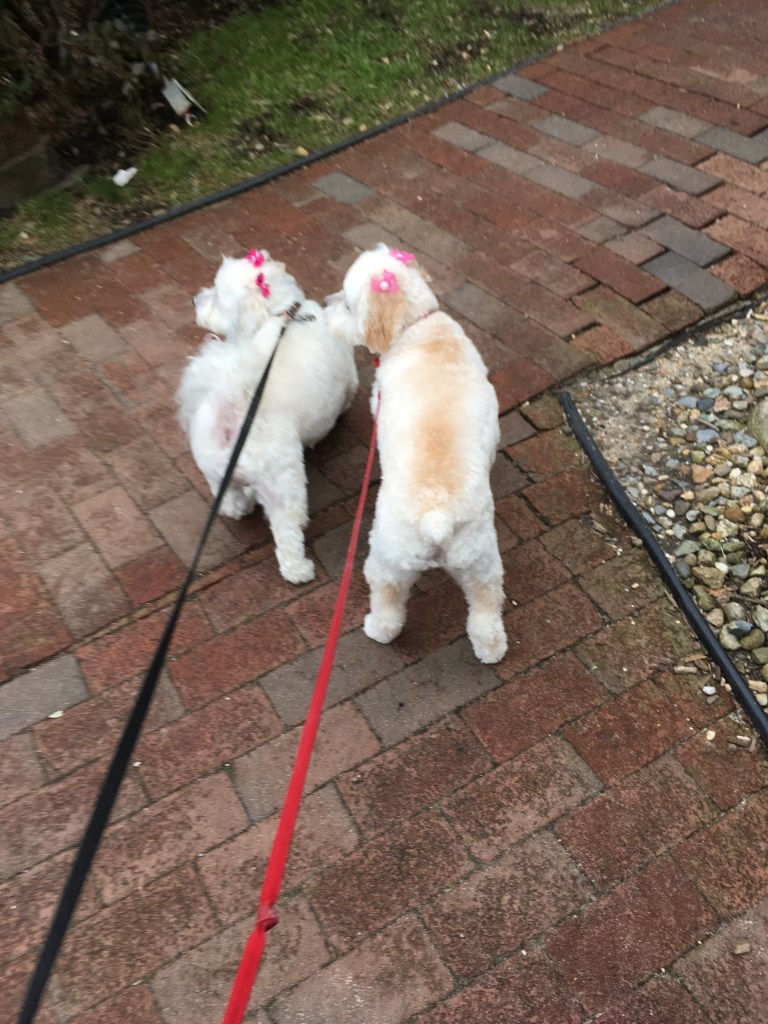
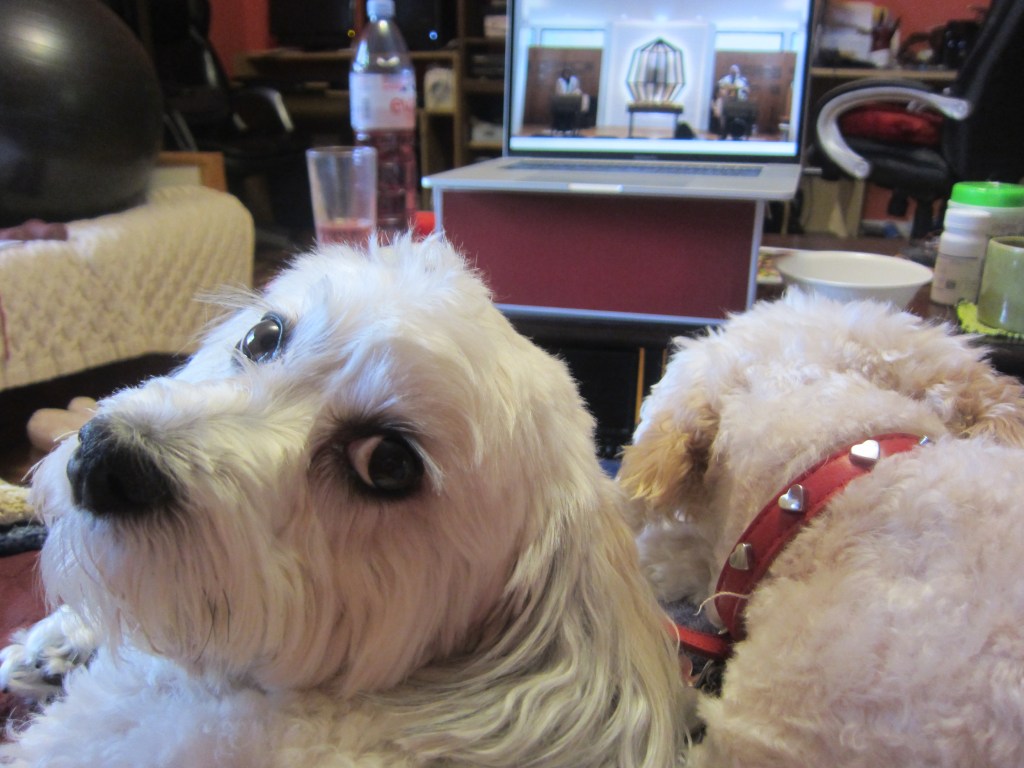
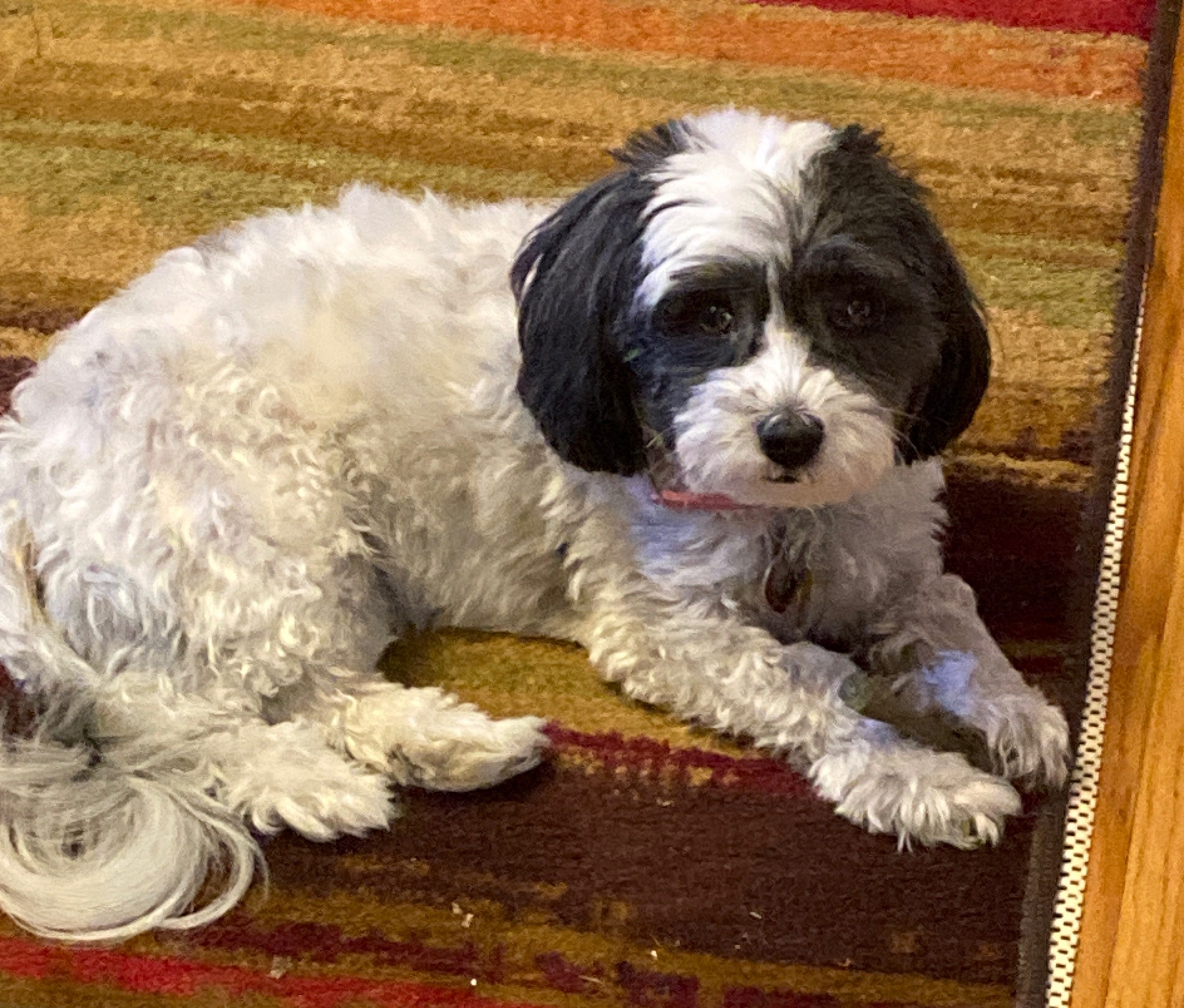
            Since the beginning of the Covid shutdown last March, the clergy at my synagogue have been hosting zooms to discuss both serious and unserious topics, to maintain our social connections from home. Sometimes I can’t make it to a session with the Rabbi or the Cantor, but it’s reassuring to know they’re always there and always coming up with something interesting to talk about. Ellie comes to every zoom, sitting on my lap, while Cricket sleeps in her bed next to me.

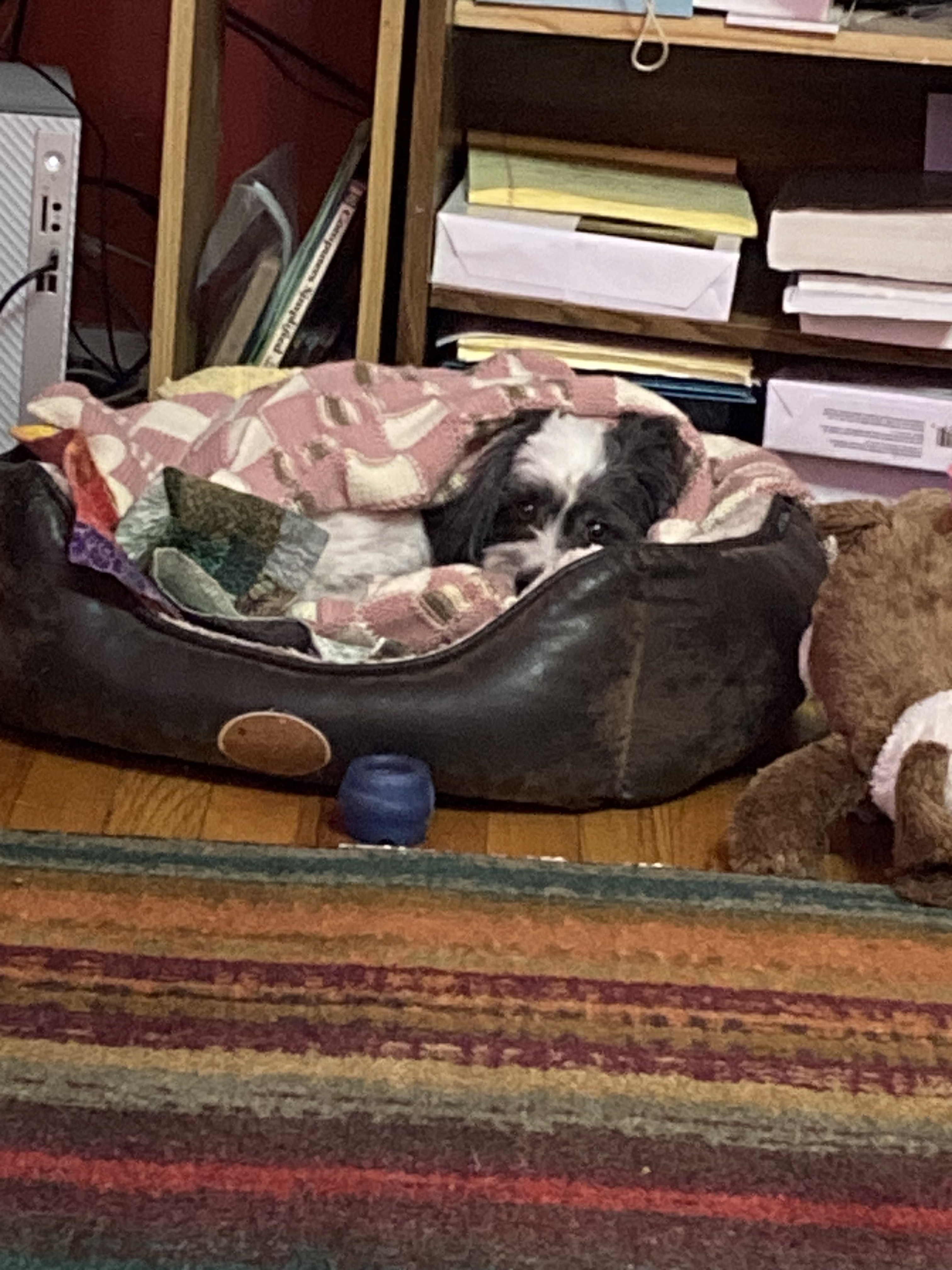
The one time Cricket came to Zoom

A few weeks ago, at one of our clergy connections, the Cantor was asking us how our idea of time has changed during the pandemic. He looked into references to time in biblical and Talmudic sources, but to me it seemed obvious, as in so many other areas, that dogs are the secret to mental health in general and to structuring time in particular; having to take the dogs out four times a day – marking breakfast, lunch, dinner, and bedtime – has kept me on a regular schedule all year, despite not always remembering which day it is.

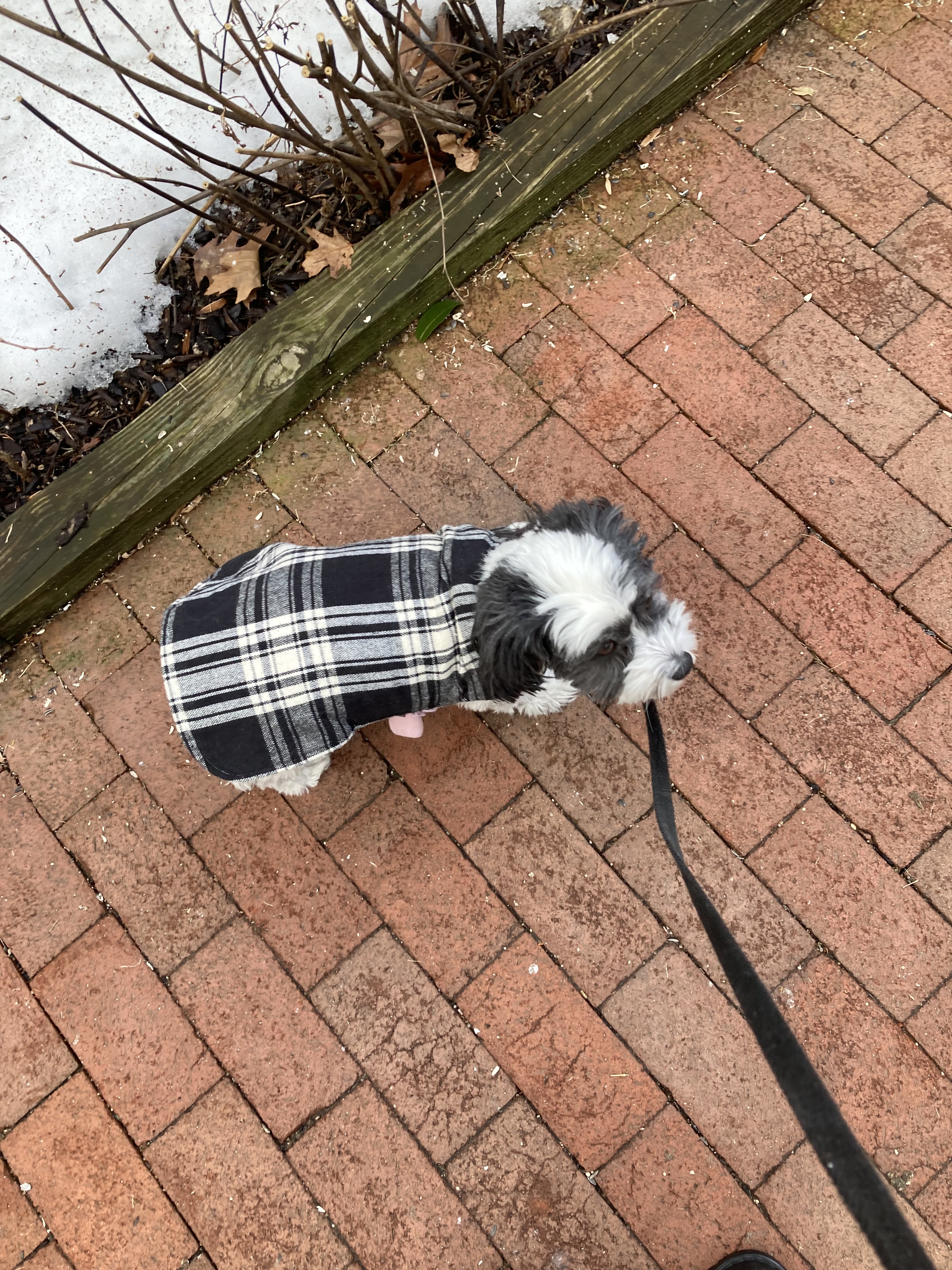
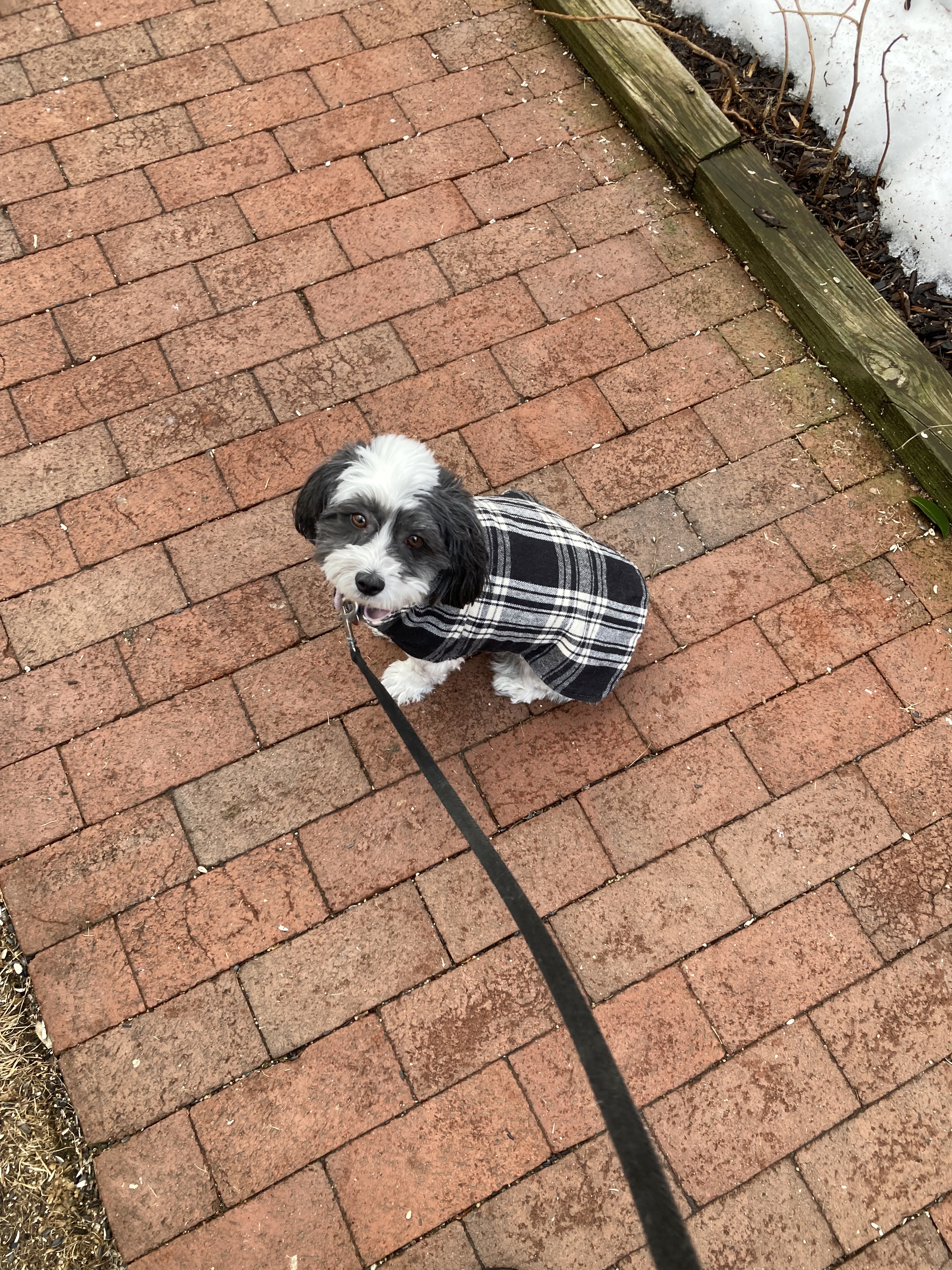
“I’m ready to go again!”

            The dogs even make sure we stay aware of the seasons, because they don’t believe in skipping walks on cold days or rainy days or hot days. In reality, they do have preferences, but until they get to the front door and see and feel the weather for themselves, they are always confident that it’s beautiful outside. Often, when I open the door and the front steps are covered with snow, or rain and wind are aiming themselves straight at us, the dogs look up at me as if I’ve betrayed them, I told the group, and the Cantor said, yes, they want the other door.

What?!

Our cantor is a big fan of science fiction, so he would be the one to see that connection, but it sounded so right.

Is it possible that my dogs actually believe that I am choosing this snowy/rainy/windy world on purpose, just to annoy them? Of course it’s possible! They want the door that opens to the outside world that’s warm and smelly and rich with sounds, none of this weather business, and they are convinced that I could get that for them, if I wanted to. Mean Mommy.

“That’s my line.”

            Of course, this idea sent me cruising down a rabbit hole and I mostly missed the rest of the discussion about the nature of time. I was too preoccupied with the possibility that we could choose a different door and get a different world. If it were possible, would I choose the door to our world, or to somewhere else? I don’t know. There’s something reassuring about not having a choice, and having to make do with what reality brings. I love the Harry Potter books, and the idea of magic wands and magic words, but, too much magic could mean that there would be no rules and no consequences to our actions, or to anyone else’s. How would we learn how to adapt to other people and take responsibility for our behavior, if when one world gets tough we could just choose another door? Would there be infinite other doors? How would we know which one to choose? If we could choose the more pleasant, easy world, would that lead to a happier life?

            It’s a truism that reality is stranger than fiction, and often more frustrating and chaotic, but it can also be more interesting and definitely more varied than what we could imagine for ourselves. The desire for alternative facts, and the belief that all news is fake if it’s not what we want to hear, have become prominent (again) over the past few years. And I understand it. I understand finding reality overwhelming and incomprehensible and wanting it to be something different, something more comfortable and less challenging.

            But isn’t that what fiction is for? We get to read and write stories about what’s behind that other door, as a way to escape reality, but also as a way to reshape how we understand our realities, and find ways to cope with them, and tame their chaos. When we return to the real world from the fictional one we can feel rejuvenated, and use the knowledge and insight we’ve gained from our trip through that other door to make our real lives better.

            This is just a thought experiment, unless you know something about alternate dimensions existing in our world that I am not privy to. But sometimes it helps to think through these impossibilities, like if we’d choose to live forever, or what we’d do if we won the lottery, in order to appreciate the value of the world we actually have.

            Except, does this thought experiment really lead to more contentment with the here and now? I wonder if Cricket and Ellie would find such joy in a breezy spring day, full of smells and sounds to explore, if that’s what they experienced every day. And I think, probably yes.

            But we’ll never know for sure. Right?

If you haven’t had a chance yet, please check out my Young Adult novel, Yeshiva Girl, on Amazon. And if you feel called to write a review of the book, on Amazon, or anywhere else, I’d be honored.

            Yeshiva Girl is about a Jewish teenager on Long Island, named Isabel, though her father calls her Jezebel. Her father has been accused of inappropriate sexual behavior with one of his students, which he denies, but Izzy implicitly believes it’s true. As a result of his problems, her father sends her to a co-ed Orthodox yeshiva for tenth grade, out of the blue, and Izzy and her mother can’t figure out how to prevent it. At Yeshiva, though, Izzy finds that religious people are much more complicated than she had expected. Some, like her father, may use religion as a place to hide, but others search for and find comfort, and community, and even enlightenment. The question is, what will Izzy find?

Who do I want to write for?

            A friend in the blogging community (Elizabeth at Saved by WordsElizabethslaughter.com) suggested that I could think about who I’m writing for when I’m writing something other than a blog post, since I’ve been struggling to want to work on anything other than blog posts.

            In a lot of ways, my writing feels automatic to me, because I’ve been doing it my whole life. I spent a huge part of my childhood telling myself stories, about trips to other planets and alternate families and happier endings to my own life stories too. As I got older, I wrote poems and songs and stories and novels. I would write to organize my thoughts, and to remember what I was thinking, because I forget things so quickly. I wrote down dreams in order to remember them, and then to process what they might mean. When I started the blog I quickly found that it was a satisfying way to connect with actual people. I didn’t have to tell my stories only to myself anymore, or send my words out into the ether to be judged, or ignored.

“Don’t worry. I still judge you.”

            Over the past eight years that I’ve been blogging I’ve come to realize that my favorite thing about writing is hearing back from readers, knowing that my writing has been read and heard and processed and responded to. The feeling of satisfaction I get when I see that people really feel something in response to my words is so much better than getting an “A” in school (which is still pretty nice). And I’m loathe to waste my writing on literary magazines who will just reject my work after a year-long waiting period, when instead I could post something today and get responses from thoughtful readers within hours.

            But I still want to be a professional writer; the kind that gets paid. And I still want to write longer form essays and fiction. I LOVE fiction. I love the freedom it gives me to change the stories of my life into something more hopeful, or to live out a completely different life from my own.

            The problem is, when I think about writing professionally I start to feel distant from myself, remembering all of the rejection letters and the critiques and the endless questioning of how I write and what I write about and who I write for and the underlying, persistent, mantra telling me that my voice doesn’t matter and won’t sell; my writing is too literary, or too commercial, or too serious, or too lighthearted, or too plot driven, or too character driven, or too emotional, or too intellectual. But when I sit down to write for the blog I remember the comments I received on the previous blog posts, and the encouragement and kindness and investment of my readers.

“Bloggy people are awesome!”

            There’s that, but there’s also something else. When I’m working on longer projects, my writing voice varies. I don’t have any conscious awareness of trying to fit a style while I’m writing, or any conscious control over how the words come to me, but when I read over the draft, days or weeks later, I can see how my writing was influenced by my intended audience, or by my preconceptions of who they would want me to be.

            I wish I could write everything the way I write for the blog, trusting that my readers will care about me and respect me and engage with the subjects I care about. I want to be able to write from where I am at this moment in time, instead of trying to guess what other people will want to read at some moment in the future. And I want to challenge myself to write the different things that interest me, the long essays, and the children’s stories, and the mysteries, and the Young Adult novels, and the memoirs.

            And I would love to see my books on library shelves, in hardcover, with beautiful reviews on the back cover; and I’d love to win awards and make a living from my writing, and be interviewed about my work.

“I can interview you, Mommy. First question: Where are my treats?”

            But I don’t trust that the larger audience will embrace me and accept me the way my blog readers have, and I think I’ve learned to stop myself from writing the things that could force me to face those rejections again, even though I want to write these things.

            If only I could quiet the voices that recite all of the rejection letters to me when I sit down to write, and replace them with the voices that are kind and thoughtful week after week. Maybe then I could be prolific again, or at least feel free to write everything that matters to me.

“Just keep writing about us, Mommy. That’s the most important thing.”

If you haven’t had a chance yet, please check out my Young Adult novel, Yeshiva Girl, on Amazon. And if you feel called to write a review of the book, on Amazon, or anywhere else, I’d be honored.

            Yeshiva Girl is about a Jewish teenager on Long Island, named Isabel, though her father calls her Jezebel. Her father has been accused of inappropriate sexual behavior with one of his students, which he denies, but Izzy implicitly believes it’s true. As a result of his problems, her father sends her to a co-ed Orthodox yeshiva for tenth grade, out of the blue, and Izzy and her mother can’t figure out how to prevent it. At Yeshiva, though, Izzy finds that religious people are much more complicated than she had expected. Some, like her father, may use religion as a place to hide, but others search for and find comfort, and community, and even enlightenment. The question is, what will Izzy find?         
Alumni Day

            I graduated with my MFA in fiction thirteen years ago, and I’ve never been to any of the Alumni events held by the school. First of all, it’s too expensive to fly to North Carolina and stay in a hotel and pay tuition. Second, I’ve been busy with other things for the past few years: taking psychology classes, then working on my MSW, and now teaching. But, to be honest, even if I could have made the time, or afforded the trip, I was too scared to go. I didn’t want to face people who had made more of their writing careers, or their teaching careers, or their editing and publishing careers than I had. I can barely keep my ego ticking as it is, and I was afraid that going back into that environment with so little to show for myself might crush me.

“You’re so melodramatic.”

            This year, because of Covid, the alumni programming was planned for Zoom, or something like Zoom. It would just be for one day, and free, and easy to get to, but I was still reluctant to go. I was afraid that I wouldn’t know that many people, and I was afraid that I would see people I did know, and didn’t really want to see again, but most of all, I was afraid that I would fall into a shame spiral, comparing myself to other people and how brave they are, and how persistent they’ve been, and how confident they are about their right to be heard. I was also afraid that the intellectual snobbery thing – we write literary fiction – would leak all over me and make me feel shitty, and my ego strength would return to where it was when I was in that school, and I would fall off an emotional cliff.

Given all of that, it was hard to understand why I was even considering going to this thing. It felt like some perverse way of testing myself, to see if I’ve changed in the past fifteen years. But I also felt guilty for not pushing myself to go to any of the previous years’ events, and missing out on the possibility that someone or something at one of those reunions could have helped me build my writing career. I don’t think I’ve ever really healed from the writing workshops in graduate school: the jealousy, the demeaning quality of the criticism, the conformity of the standards, the daily reality that everything is a competition for scarce resources… That’s why when I run writing workshops now, I try hard to make them therapeutic and welcoming and non-competitive, because my own experiences in writing workshops were so much the opposite.

            But then there was the boy. I think of him as a boy because we were both so immature when we met in graduate school. He’s off on his own track now, married with kids and a good job, and I’m still me. I wanted to see him, but only if he was going to smile at me and be happy to see me; I didn’t want to see him if he was going to pity me, or look down on me. And I didn’t even know if he would be there.

            Maybe most of all, I wanted to see if this one day return to graduate school could help me restart my confidence around trying to get published. I’ve been steely-eyed about making sure I get a blog post written each week, no matter what other responsibilities come up, but I haven’t been as strong-willed in the past few years about working on and sending out my other writing projects.

            It’s just so freaking hard to ignore the rejections.

“I accept you, Mommy!”

            I finally filled out the registration form for the Alumni event, thinking I could still decide not to go at the last minute. I chose a few sessions to go to, and gave myself permission to leave sessions early, or go to more of them, depending on how things went.

            I woke up early on Alumni day, well, earlier than I wanted to, and went to my first event in the living room. The timing of the first session was lucky, because I had my regular phone call with my therapist scheduled for right afterwards. That safety net was reassuring. I flipped through multiple screens looking for faces I might recognize, and then I checked the participants list. I saw a few familiar names from the school Facebook group, but not many from my time in the program, so I took a break for a few minutes, paced the floor, watched some terrible news, and then went back to the computer for a reading by one of the graduates from my time who’d been more successful than me. And I survived. The therapy break right afterwards was a relief, though, and then there was a writing workshop that felt more like a literature class, which is not my thing, and then I slept through a panel I’d wanted to go to, on book promotion, because I was exhausted from all of the zooming by then.

“Can I go back to sleep?”

            To make up for missing the Book Promotion panel, I forced myself to go to the first few minutes of the final event, an Open Mic, despite not having it on my to-do list ahead of time. I actually tried to stay for a while and support my fellow alumni but I couldn’t seem to sit still anymore, and I wanted to start writing this blog post, because I couldn’t really be sure what the day had meant to me until I could look at it in squiggles on the page.

             I was disappointed not to see the boy; maybe he’d gone to one of the sessions I’d skipped, or maybe he was too busy, or maybe he was just as afraid of returning to graduate school as I was, or maybe he was afraid of seeing me. And I was disappointed that I didn’t recognize many of the other alumni on the screen, and that my impulse to send out my work was still in snooze mode. I was disappointed that Alumni day hadn’t turned out to be a great step forward in my life, or a chance to confront deep dark old wounds, or get a great idea for a new book, but, the good news was that I didn’t fall into a shame spiral either. I’d given it a try, and then I’d listened to my discomfort and my own point of view, and I let myself shrug it off. That wouldn’t have been possible fifteen years ago, or ten, or even five. I was able to hear the old thoughts pass through my mind – you’re not trying hard enough to fit in, you’re not the right kind of writer, you don’t deserve success because you don’t know how to give people what they want – and I picked up each old thought like a Daddy Long Legs in the bathtub and I set it aside. And that was it.

            It was an anticlimactic experience, but, in its way, it was a significant step forward for me. I said yes to something that scared me, I gave it a try, and then when it didn’t work out, I was able to just let it go. And then I took the dogs out for a walk, wrote the first draft of this blog post, and watched a Hallmark movie, or two. Not such a bad day after all.

If you haven’t had a chance yet, please check out my Young Adult novel, Yeshiva Girl, on Amazon. And if you feel called to write a review of the book, on Amazon, or anywhere else, I’d be honored.

            Yeshiva Girl is about a Jewish teenager on Long Island, named Isabel, though her father calls her Jezebel. Her father has been accused of inappropriate sexual behavior with one of his students, which he denies, but Izzy implicitly believes it’s true. As a result of his problems, her father sends her to a co-ed Orthodox yeshiva for tenth grade, out of the blue, and Izzy and her mother can’t figure out how to prevent it. At Yeshiva, though, Izzy finds that religious people are much more complicated than she had expected. Some, like her father, may use religion as a place to hide, but others search for and find comfort, and community, and even enlightenment. The question is, what will Izzy find?         

I Miss Going to the Library

            I used to go to the library at least once a week, to browse the videos, or check out new books, or pick up a few crossword puzzles from the research librarian’s desk. There was usually a book or two that had to go back to the library, or a book someone told me I had to read, and, once there, I could always find something on the recommended-book cart, or in the seasonal display where they set out books on different themes, like biographies of athletes for the Olympics, or scary stories for Halloween, or beach reads for the summer, or political thrillers for election day.

            But I haven’t been to the library since the world shut down in March. Sometime early in the summer, I think, my local library began to allow pick up and drop off of books: you could order a book online and they’d call when it was ready and schedule a time for you to pick it up. But I haven’t done that. At first I didn’t need any books, because I still had a pile of paperbacks that I had, coincidentally, ordered right before the shutdown (there was a mysteries series I was binging and I couldn’t find the earliest books in our local library system). But when those books ran out, I still didn’t think of browsing for library books online.

            I can’t seem to browse for fiction online. Non-fiction is easier, because I either know which author I want to read, or I’m looking for research books on a specific topic and my expectations for great art or entertainment are limited, especially because I read non-fiction a few pages at a time rather than in a binge, the way I tend to read fiction.

“Is fiction another word for chicken?”

            The other reason I didn’t go looking for books at the library is because I’ve been re-reading a lot of the books on my shelves for a while now, in an attempt to see which ones I don’t really need anymore, so that I can make room for new books. A project I thought would take a few months has turned into years, because to do the project justice, of course, I’ve had to re-read each book from beginning to end before deciding to let it go.

            Most of the fiction in my life lately comes in the form of movies and television, and that’s been fine, but at some point, I really will need my local library to open back up. I’ll need to wander past the shelves of books and let a cover catch my eye, or trigger my memory of an author I read years ago and lost track of. I’ll need to see a pile of books waiting to be shelved and remember a book I’ve long wanted to read and never got around to. I’ll need to see cover art to give me a hint about what kind of book the author, or her publisher, thinks she’s written. Is it a cozy mystery? An intellectual tome? A romance? A fantasy? Or maybe I’ll just be in a blue mood, and any book with a blue cover will suddenly glow at me and call out for my attention (I’ve found some really good surprises that way over the years, and a lot of crap too. It’s not a perfect system).

“Can I eat your book now?”

            There’s something to be said for having a book with a time limit. A two-week book has to be read right away, even if you have a lot of work to do, which gives the reading more urgency and importance. A pile of three- or four-week books feels like a luxury at first, but then starts to cause anxiety and turns into an emergency by the end of the second week of leisurely meandering through the first book on the pile.

            I wonder, now that I think of it, if it’s only my local library that’s still closed. Maybe in other parts of the country, or other parts of Long Island, they left their libraries open the whole time, or opened them sooner than in my town. I think bookstores must have reopened by now, but I rarely go, because a new hard-cover book is way too expensive for me, unless I’m absolutely sure I will love it.

            Luckily, the dogs haven’t been lacking for “reading” material. They get their stories by sniffing the grass in the backyard, and that local library never closed, even in the early days of the Covid shutdown when people were afraid to go outside. The girls have never had to wear a mask that could block their ability to sniff, and they’ve never had to avoid familiar places in order to practice social distancing. Their lives have been pretty idyllic, actually. The only activity that’s been delayed, for them, is a yearly visit to the vet.

“When I say run, we run!”

            It’s probably a good thing for me that the library is still closed, though. The temptation to wander, and touch all of the books, would be too strong. I would forget about Covid and meander too close to someone without a mask, or, even more dangerous, I’d find a pile of books and fall into a wormhole and forget to come back out in time to teach my students, or walk the dogs. And I know two dogs who just wouldn’t stand for that. They don’t understand why I can’t sniff the grass for stories the way they do, and I have to say, it’s one of the many disappointments of being born human.

“Being a dog IS better, Mommy.”

If you haven’t had a chance yet, please check out my Young Adult novel, Yeshiva Girl, on Amazon. And if you feel called to write a review of the book, on Amazon, or anywhere else, I’d be honored.

            Yeshiva Girl is about a Jewish teenager on Long Island, named Isabel, though her father calls her Jezebel. Her father has been accused of inappropriate sexual behavior with one of his students, which he denies, but Izzy implicitly believes it’s true. As a result of his problems, her father sends her to a co-ed Orthodox yeshiva for tenth grade, out of the blue, and Izzy and her mother can’t figure out how to prevent it. At Yeshiva, though, Izzy finds that religious people are much more complicated than she had expected. Some, like her father, may use religion as a place to hide, but others search for and find comfort, and community, and even enlightenment. The question is, what will Izzy find?

I Am Struggling with the Sequel to Yeshiva Girl

For years I thought I had a solid draft of the second Yeshiva Girl book tucked away, just waiting for the first book to be published so I could neaten it up and publish it soon after. But last year, when I opened the file on my computer and looked at the draft, I was underwhelmed. It was a mess. There were at least three competing versions of the story running around, all incomplete. I had added to, and revised, the file over the years without remembering most of what I’d done.

001

“Like I forget that I already ate breakfast?”


Reading through what I had, finally, I realized that I was still undecided about where the book should even be set, in time or space. Parts were set in high school, parts were set in college, parts were set in Izzy’s grandparents’ house, and parts were set in a skating rink.

One of the dangers of writing autobiographical fiction is that it’s hard to know which details from real life to keep, and which ones to change. The second Yeshiva Girl book will have to be even less memoir than book one, because I made such a point of giving Izzy a soft place to land in book one, something I didn’t have in real life.

003

Happy girl!

I want Izzy to have a better life than I’ve had, with love and children and professional success, but I don’t want to downplay the impacts of trauma, because I know better. I want to find a way to let Izzy struggle, so that other survivors can be validated and recognize their own struggle in hers. I want people to know that child abuse, of every kind, leaves deep scars, and that expecting victims to recover on their own, without support, is unrealistic. That’s just not how humans work. But, I still want Izzy to have a happier life than I’ve had. That’s why I gave her a living grandfather, even though my own grandfather died when I was eight years old. And I want to play that out for her, how having that safe place at age sixteen makes a difference in her life, but also, I want to show that it won’t be a magical cure either.

132

“I prefer magic, Mommy.”

It feels like there are at least ten ways to write the second book, and I almost need to write out all ten in order to feel like I’ve done the work and gotten as much as I need to get out of the process of writing it. In the end, that’s what I did with the first book. I was satisfied with what was on the page because I’d had the chance to write, and delete, every other possible version of the story.

One of the decisions I have to make is about using flashbacks. I have been told, too many times, about the danger of telling stories in flashback. I had a fiction teacher in graduate school who was fierce about the things we shouldn’t use in our writing. Like, no dreams, no flashbacks, and no stories about girls getting their periods.

I really think the second Yeshiva Girl book would benefit from flashbacks, so that I can set the book further in the future without losing good details from the in-between years. And I want to use dreams. I have found dreams to be incredibly vivid in their ability to show how things feel.

IMG_1068

“Like when I catch the squirrel?!”

Also, for my own wish fulfillment, I want Izzy’s father to go to jail, or die, or get some fair comeuppance, because my real father did not. I joke that God sent at least ten plagues his way, but none of them worked. The fact is that he has never acknowledged his guilt, or responsibility, for anything.

067

“Grrr.”

It’s these endless inner conflicts that keep getting in my way, but they are also the reason why I need to write this book in the first place. I’m just not sure how to speed up the work, so that I’ll still have time to write everything else I need to write before I run out of energy. Or time.


YG with Cricket

If you haven’t had a chance yet, please check out my Young Adult novel, Yeshiva Girl, on Amazon. And if you feel called to write a review of the book, on Amazon, or anywhere else, I’d be honored.

Yeshiva Girl is about a Jewish teenager on Long Island, named Isabel, though her father calls her Jezebel. Her father has been accused of inappropriate sexual behavior with one of his students, which he denies, but Izzy implicitly believes it’s true. As a result of his problems, her father sends her to a co-ed Orthodox yeshiva for tenth grade, out of the blue, and Izzy and her mother can’t figure out how to prevent it. At Yeshiva, though, Izzy finds that religious people are much more complicated than she had expected. Some, like her father, may use religion as a place to hide, but others search for and find comfort, and community, and even enlightenment. The question is, what will Izzy find?


The Book is Ready


51wewbfuz5l-_ac_us218_-e1543031950131.jpg


I’ve spent many years trying to publish my first novel, Yeshiva Girl, through the traditional publishing route: sending it out to agents, and then watching as my agent collected rejections for me, and then sent it out again, and again. I had hoped that the #MeToo movement would be a sign that the world was ready for Izzy, but the rejections kept rolling in. Izzy has a story to tell that I think a lot of people can relate to, in one way or another. And, fundamentally, I didn’t want her to be alone on a shelf anymore, I want her to be out in the world, so I decided to self-publish on Amazon.

Yeshiva Girl is about a Jewish girl on Long Island named Izzy (short for Isabel). Her father has been accused of inappropriate sexual behavior with one of his students, which he denies, but Izzy implicitly believes that it’s true. Izzy’s father decides to send her to an Orthodox yeshiva for tenth grade, out of the blue, as if she’s the one who needs to be fixed. Izzy, in pain, smart, funny, and looking for people she can trust, finds that religious people are much more complicated than she had expected. Some, like her father, may use religion as a place to hide, but others search for and find comfort, and community, and even enlightenment.

I want to thank my brilliant and talented Mom, Naomi Mankowitz, for the beautiful cover design and page layout for the book, and for every day of love and support throughout my life. And, of course, I need to thank every dog who has passed through my life and taught me about unconditional love and healing. And thank you to all of you, for your support and encouragement for me through the blog, and for inspiring me to take the leap into self-publishing!

me and the girls

We’re sort of ready for the leap.


Please check out my Amazon page and consider ordering the Kindle or Paperback version (or both!) of Yeshiva Girl And if anyone feels called to write a review of the book on Amazon, I’d be honored.