Tag Archives: mystery

Wasn’t I Going to Write a Mystery This Summer?

Wasn’t I Going to Write a Mystery This Summer?

            My plan for the summer included writing the first draft of my mystery novel, finally, after years of thinking about it and plotting it out. Everyone I talked to said it sounded like a great idea, and of course I should pursue it, and it would be so much more fun than all of my other writing ideas, which are, let’s face it, pretty depressing. So, I wrote out my list of open questions about the plot and the characters and who was getting killed and who was doing the killing, and I printed out worksheets with one prompt per page (so it wouldn’t be too overwhelming), and I got through the first few pages and then…nothing. I also bought a few (used) copies of How-to-write-a-mystery books, and I read half of one chapter of one book and then that petered out too. Which is, I guess, my brain’s way of telling me that it’s not the right time for the mystery yet.

“I think you need a nap.”

But I’m not sure what to work on instead. Most of the summer, and for a long time before that, to be honest, the writing that has come most naturally to me has been memoir essays, for the blog and otherwise, but does that mean I should be writing a memoir? Because I still don’t really believe that I can write a whole memoir, or get it published, and I’ve also been thinking about a bunch of other projects that have been on hold for one reason or another, and I’m asking myself how much memoir and how much fiction is the right balance for me at this moment. How much of my own pain can I tolerate? And how much fiction do I need to infuse into my life to make it bearable? I once had a non-fiction teacher who said that all writing is 80% true and 20% fiction, whether you choose to call it a novel or a memoir, which sounded both jaded and possibly true to me at the time, but then a lot of memoir writers got caught outright lying, so… Honestly, I’ve always believed that full-length memoirs only work when people are writing about suffering and struggles and vulnerability that they have already overcome, and therefore I should write fiction until my life works out, and then I can write a memoir if I really want to. I’ve also never been much of a memoir reader, even when literary memoirs were at the top of the best seller lists, and they say that you should write the book you want to read, which is why I thought I should write a mystery in the first place. So, I’m confused.

            My therapist used to tell me that my problem was stubbornness. She believed that I was choosing not to write the kinds of things that would get published, and choosing not to do all of the other things that normal people do – because of my ideals. And I would love to be able to take credit for that, but it’s bullshit. I spent a lot of time trying to figure out academic writing, until I finally had to accept that a PhD thesis would probably kill me. And I took classes in poetry and TV writing and playwriting and fiction and non-fiction and on and on and I tried to figure out what was getting published and how to write it, I just wasn’t successful. So, sitting there in therapy and being told that I was being stubborn, and a perfectionist, when I knew that’s not what was going on, left me feeling like I couldn’t be trusted to know myself, or know anything. If no one believes you are who you say you are, are you still you?  

            I love writing the blog. I love writing essays, period. I always have. In college, I used to write essays for my teachers, not for credit, just to try out my ideas and process what I was learning in class. But when I sent my essays out to literary magazines, and my short stories and poems and novels, they were rejected over and over again. And I figured, first of all, if I’m going to be rejected, I’d rather it be for something that isn’t 100% me, thank you very much. And second, I can’t really fix who I am to make myself more palatable and marketable, but I can make things up, so better to stick with fiction. Except, I don’t know what to fix in fiction anymore either. I really don’t know what makes one story/novel/memoir/artist successful and another an also-ran.

I’ve been watching the auditions from The Voice Israel on Youtube and most of the people who don’t get a chair to turn, sound (to me) just as talented as most of the people who do. It has so much to do with what each judge can relate to, in that moment, on that day. And that sucks. If I can be just as talented and work just as hard as another writer, but because their stars align and mine don’t, they are successful and I am not – where does that leave me?

            And I guess I’m thinking, maybe there is no “right” answer. Maybe there is no type of writing that will automatically be successful, and I’m not stubbornly avoiding the correct path, and I don’t need to browbeat myself into becoming a totally different kind of writer, because it wouldn’t make a difference.

            Ideally, I would have a plan going forward. I would work on one project at a time, research the perfect agent/publisher/audience for it, become wildly successful, and then move on to the next one. But my brain doesn’t work that way, and trying to twist myself into shapes that don’t fit me is both really uncomfortable and clearly a waste of time. So, what does that mean? I have no idea. I guess it means that I should write what I’m up to writing, when I’m up to writing it, and ignore as many of the insistent shoulds as I possibly can, except that ignoring those voices in my head is not one of my natural talents either. Basically, I’m getting my writing done, if I’m learning about myself and the world around me and I’m doing the best I can, maybe that is enough for now.

“Have you considered chicken treats? They’re like magic.”

If you haven’t had a chance yet, please check out my novel, Yeshiva Girl, on Amazon. And if you feel called to write a review of the book, on Amazon, or anywhere else, I’d be honored.

            Yeshiva Girl is about a Jewish teenager on Long Island, named Isabel, though her father calls her Jezebel. Her father has been accused of inappropriate sexual behavior with one of his students, which he denies, but Izzy implicitly believes it’s true. As a result of his problems, her father sends her to a co-ed Orthodox yeshiva for tenth grade, out of the blue, and Izzy and her mother can’t figure out how to prevent it. At Yeshiva, though, Izzy finds that religious people are much more complicated than she had expected. Some, like her father, may use religion as a place to hide, but others search for and find comfort, and community, and even enlightenment. The question is, what will Izzy find?
The Crow

There was a crow here the other day. I’m used to the cardinals and the starlings and the wrens and the sparrows and even the blue jays coming to the living room window and looking in, expecting snacks. I was not ready for this galumphing black bird to, basically, fall out of the sky and land on the window ledge with a thump. He, or she, seemed to move in slow motion, which made sense, being at least three times the size of any other bird in sight, and not especially agile.

After a moment of confusion (those hard landings are jarring when you’re not prepared), the crow lifted its wings, and in slow motion again, galumphed off to somewhere else, out of my view.

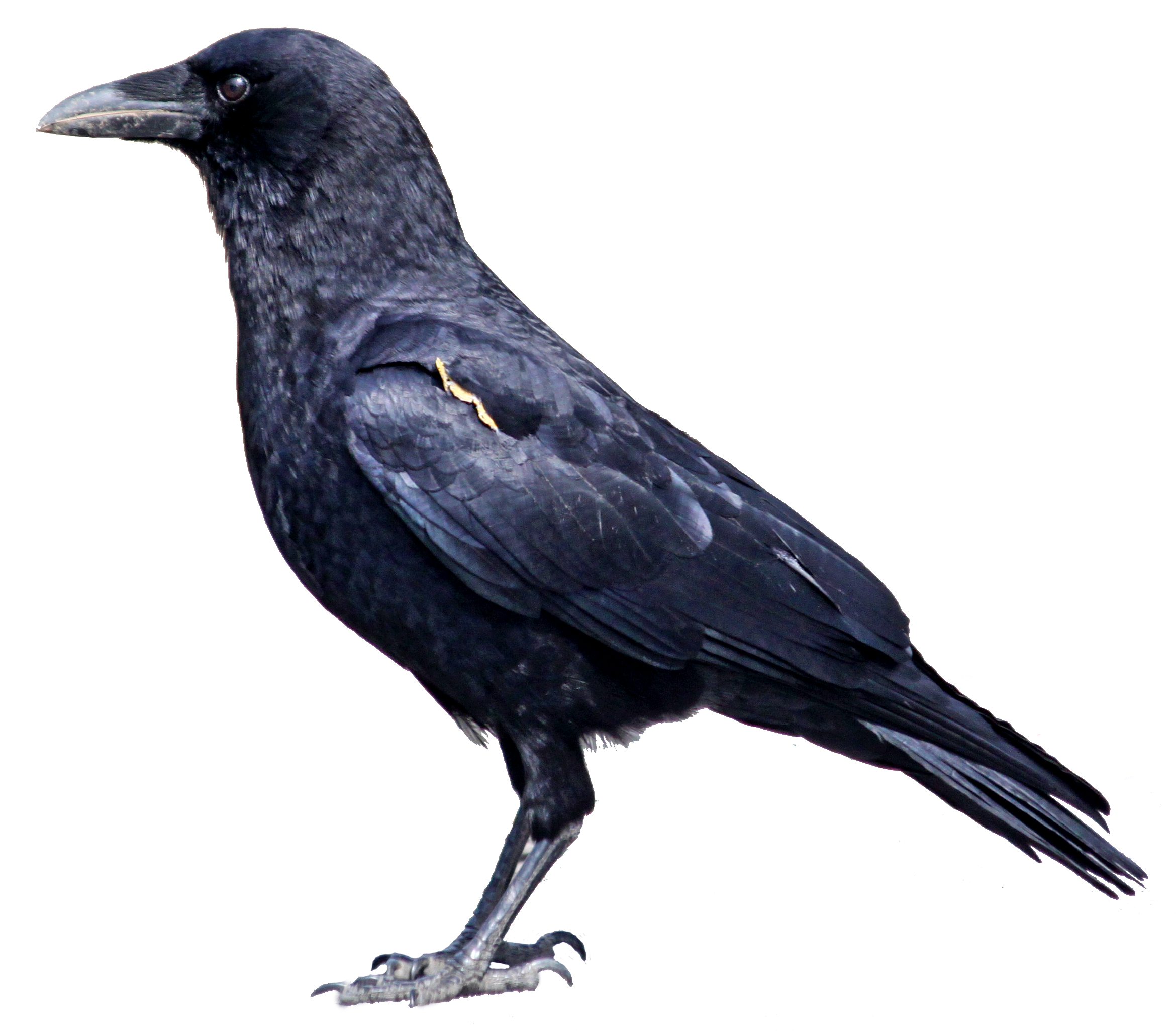
crow

(not my picture)

I always think of birds, and flying in general, as inherently graceful. I think if them catching the wind and stretching their wings like ballerinas. But the crow was nothing like that. It was awkward, and slow, and sort of human. I felt a kinship with it, because that’s probably how I would fly, if I could fly.

I haven’t seen the crow again, which makes me even more curious about that strange visit. Of course I had to google crows. One fun fact, crows have very good memories for human faces, and can really hold grudges. If one particular human does a crow wrong, the crow will share the story with all of his friends, and the whole community will hold the grudge, and recognize that particular human face forever.

It’s as if crows invented Twitter.

One of the articles I read explained that a group of crows is called a Murder because if one crow dies, the rest will come together to figure out who or what killed their friend. They’re like the detectives of the bird world! I’d like to think that my visiting crow was out on an investigation. Maybe he thought I was harboring a criminal on my window ledge (probably one of the blue jays. Those guys are assholes).

I just wish the crow would come back to visit. I could offer him some tea, and maybe a ginger snap or two, and he could sit down and to tell me how the mystery ends.

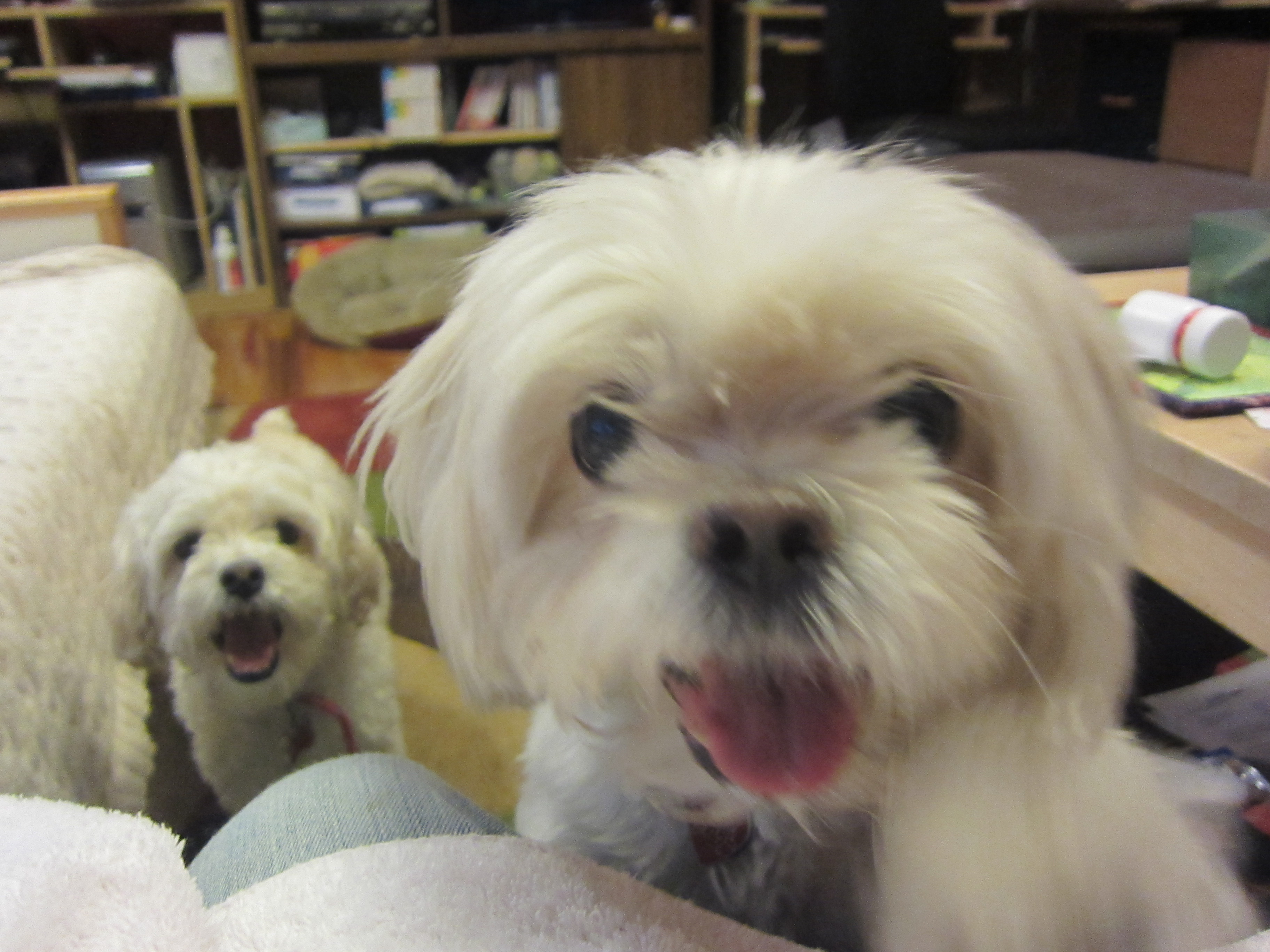
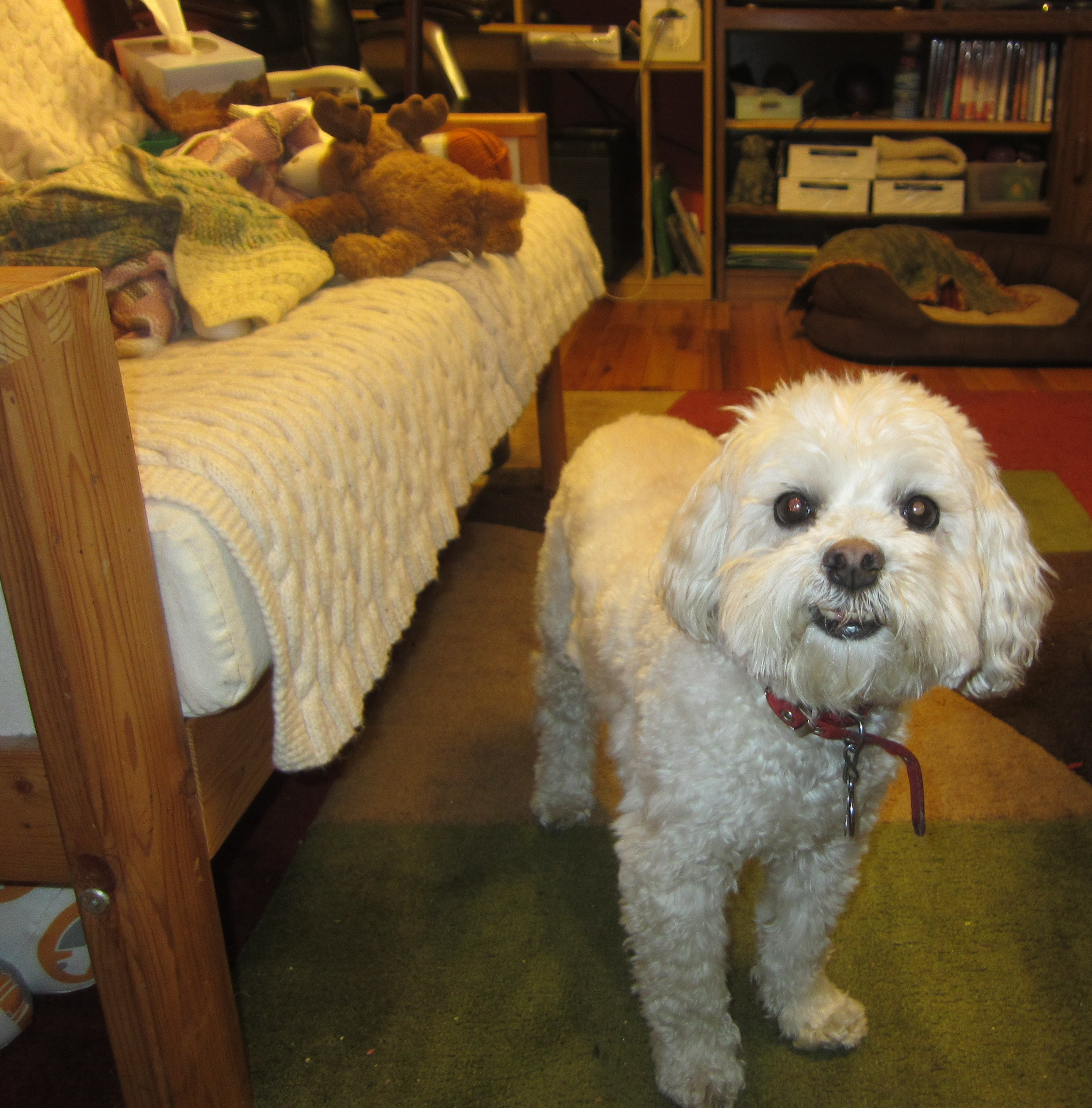
Cricket is waiting impatiently. For the cookies.

015.jpg

“Cookies?”

The Social Work Detective


I keep thinking about writing a mystery novel with a social worker as the protagonist. I never took a class in forensics or criminalistics (they weren’t offered at my schools), but I think one of the things that draws me to social work is the craving to be a detective; to find out the mystery of the person or family or couple sitting in front of me, telling me they have no idea what went wrong. My protagonist would be curious about everyone she meets, though, so I’d have to be careful to try to limit her focus to the people who are pertinent to the particular case at hand, or else the book will be never ending.

In real life, death and destruction, or any kind of physical pain or gore, horrifies me, but in a novel, murder calms me down. Maybe murder mysteries have the same paradoxical quality as Ritalin or caffeine: calming a hyperactive mind with a stimulant. The intensity of murder, in a novel, helps me to focus on one thing at a time, instead of on the thousands of priorities running through my mind: I need to lose weight, pay off my student loans, do my homework, find a second dog, get to work on time, keep up with friends, fix the world, and find the right outfit to wear on Thursday.

But would it be as calming to be the writer of the mystery instead of the reader? Would I have to do a ride along with the local police in order to get the details right? Would it be a cozy or a thriller? Would I have to kill off characters I like? Or worse, make one of my favorite characters into the murderer?

IMG_1860

Cricket, with the trowel, in the garden.

I don’t even know why I’m trying to plan a new novel right now, given all of the work I have to do for school. I feel swamped this year. The work seems harder and more all-encompassing, and the stakes seem to be higher too. But, it’s not so much that I want to write a mystery, it’s that my mind goes there on its own. Some part of my brain is always working on story ideas, and coming up with plot points and character names. Taking the time to put it all down on paper at least gives me some sense of order for these random thoughts, so that they don’t think they have to repeat themselves, endlessly, out of fear of being forgotten.

IMG_0510

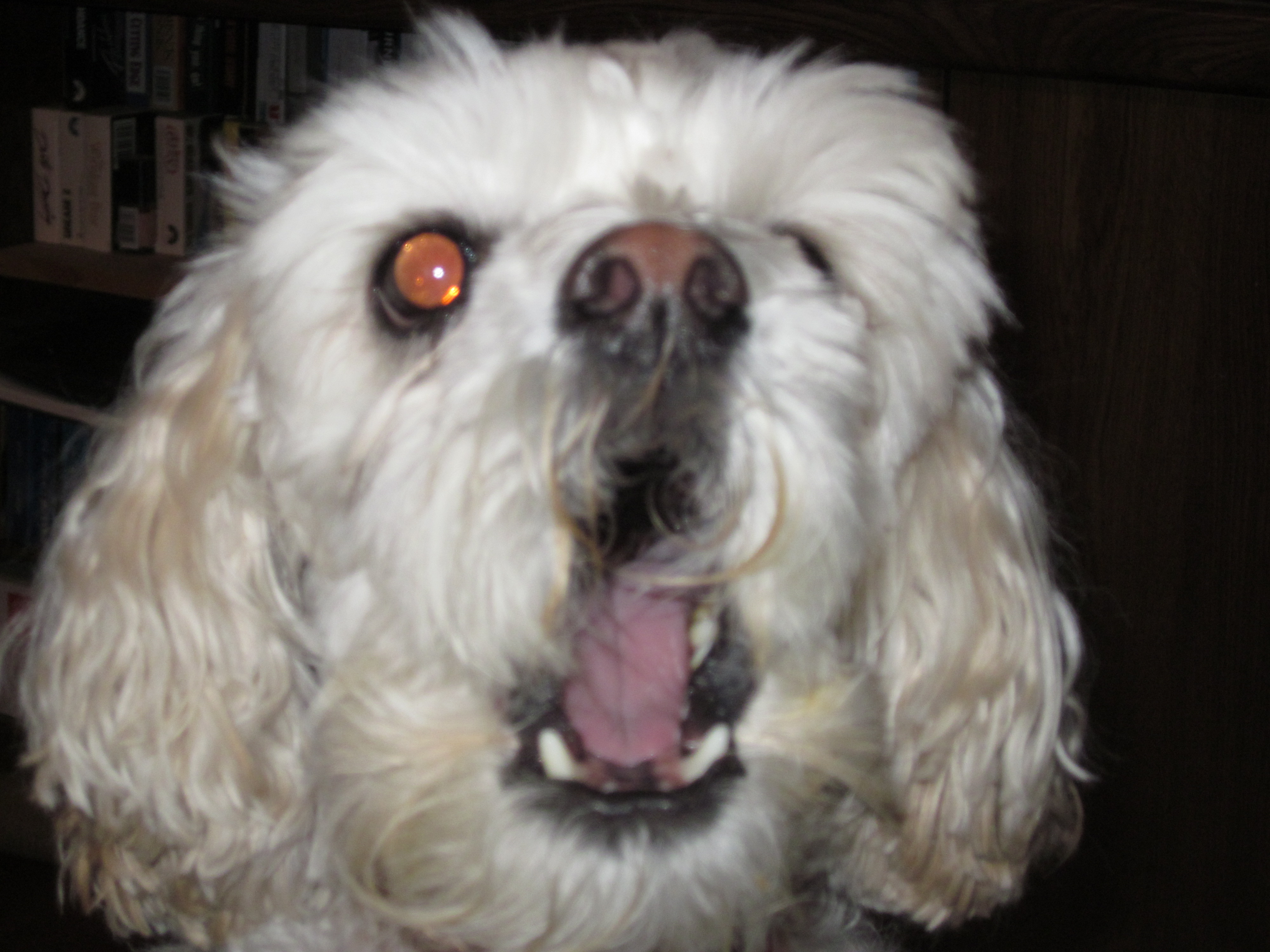
“Listen to me!!!!!!”

The only thing I know for sure about my social work mystery is that there would have to be a dog in the book. This isn’t a social worker thing, just a me-thing. I would feel bereft trying to write a whole novel, or even a short story, without a dog in it. Cricket is auditioning for the role, but I’m worried she’d want to be the protagonist herself.

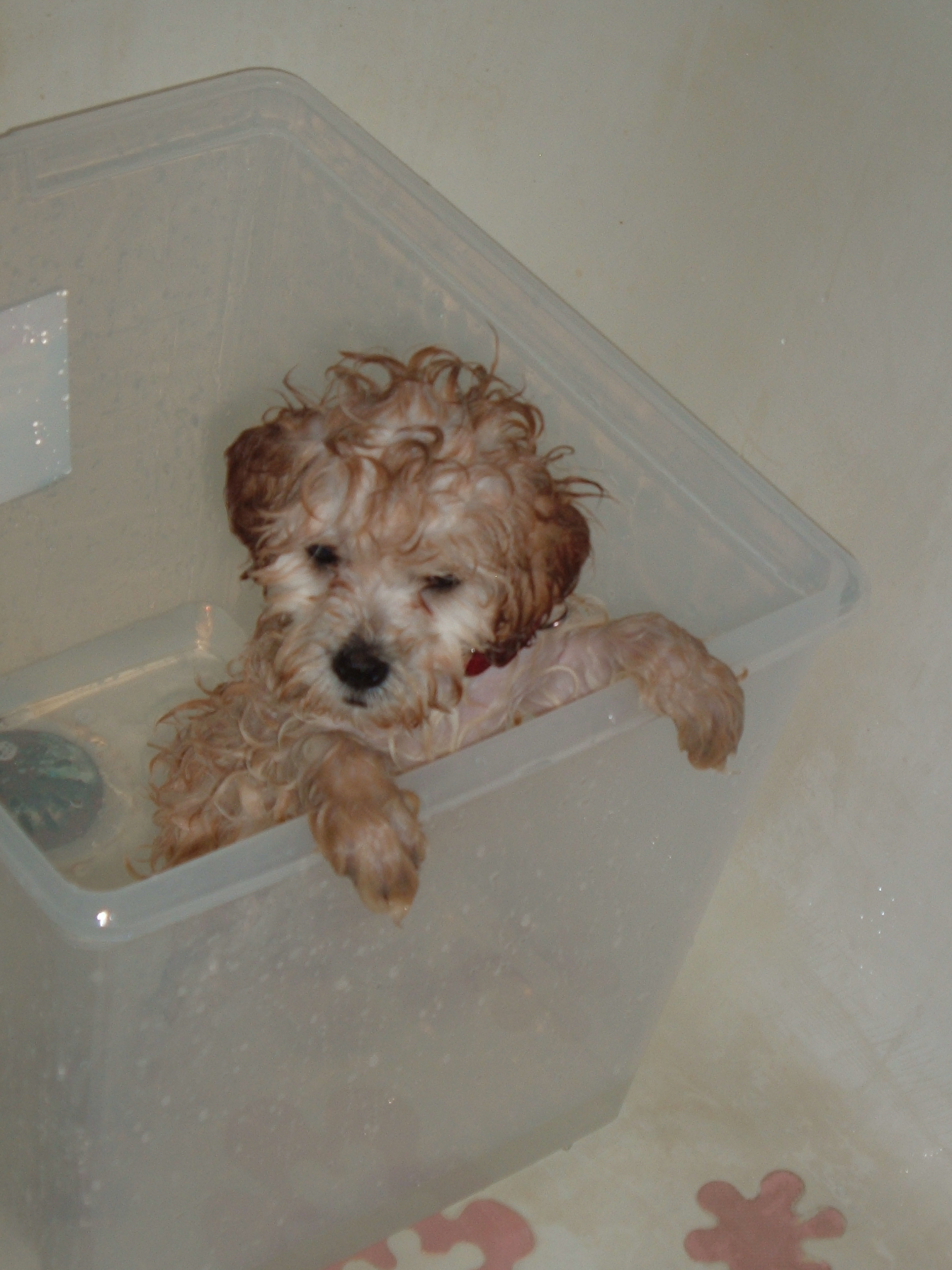
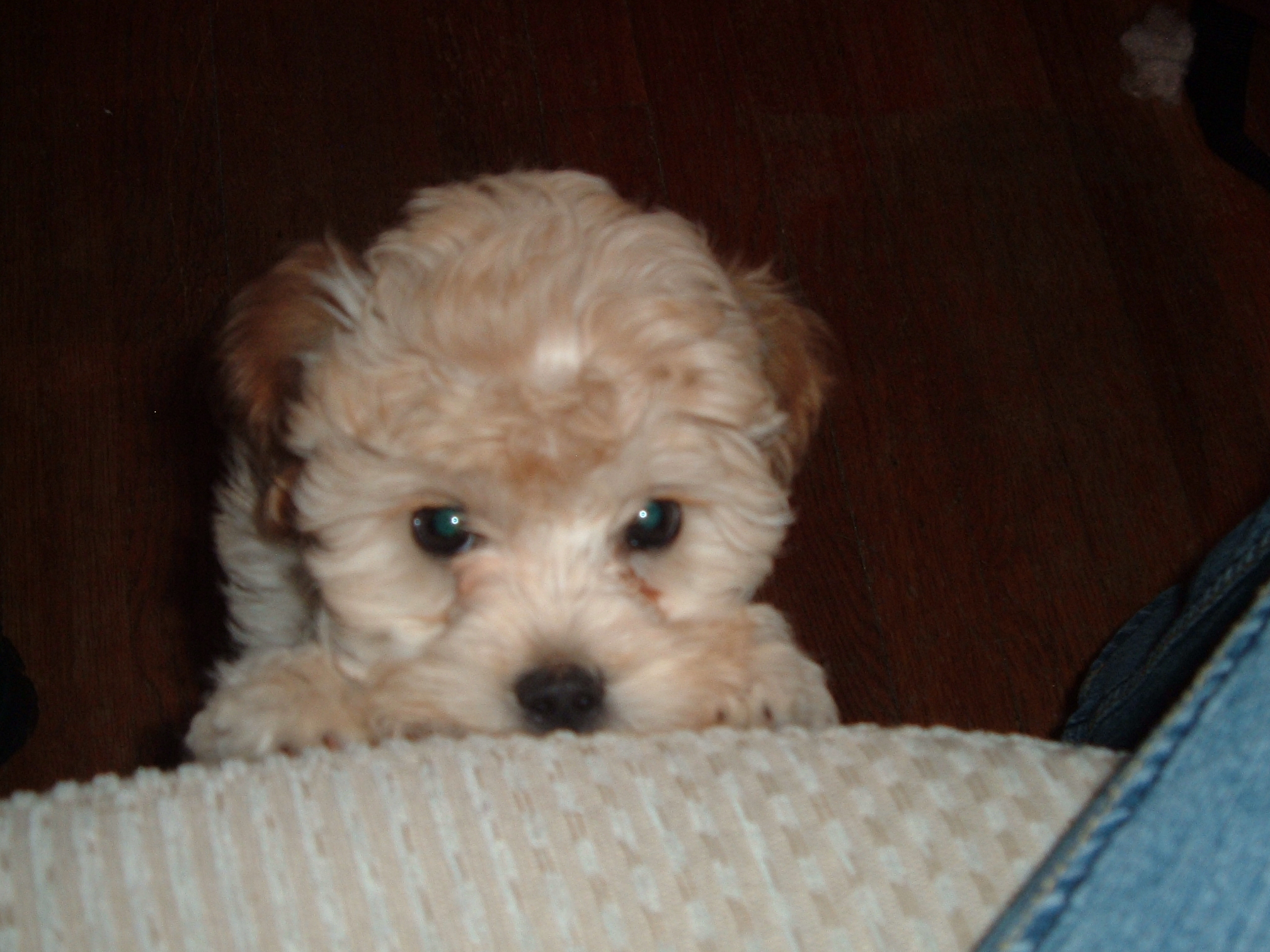
puppy in November 005

“I am always the star of the show.”


I Want To Write A Mystery


My second master’s program was mostly on-line with two one-week residencies on campus per year, but that one week was so packed with intrigue and drama and mental illness; it was like setting up and taking down a circus tent, twice a year. I’ve been thinking about writing a mystery set there, because the campus becomes like a small town, with a lot of viable suspects and a ticking clock. The characters are vivid and verbal and often jealous and unpredictable. And then there’s the irony of setting a mystery in an environment where they look down on genre writing, and mysteries in particular.

"Can we come too?"

“What?”

But I struggle with mystery plots in the same way I struggled with chess as a kid. My father expected me to learn the strategy just by watching him play, and expected me to be a grand master within a few days, maybe a week. I felt stupid for not being able to think three moves ahead; I didn’t understand why one piece was more valuable than another, or why each piece had different rules; and I felt an undeniable empathy with the pawns, because they were small, like me, and easily sacrificed.

Despite reading endless mysteries, and reading endless books on how to write mysteries, I do not even know where to start. I went through a severe addiction to Rex Stout and Agatha Christie that has never really ended, I just ran out of new material to feed it. Lately I’ve been reading Deborah Crombie, Jacqueline Winspear, Rhys Bowen, Jonathan and Faye Kellerman, Donna Andrews, Henning Mankell, J.K. Rowling as Robert Galbraith, Louise Penny and Charles Todd. I want to be Sherlock Holmes, with a nicer disposition. But so far, my brain has not rewired itself into puzzle-solving-mode.

My other possible mystery setting is my synagogue. I’d love for the sleuth to be an eighty-year-old woman, or a middle-aged rabbi, or both of them together. And the senior citizens in the bible study class (retired doctors, and lawyers, and teachers, and social workers) could help decipher the clues. But I worry it might seem as if I’m writing about specific people, and that could get me into trouble.

"Uh oh."

“Uh oh.”

My mystery would, of course, have to have a dog in it. Even a fictional dog calms me down, reduces my stress level, and reminds me about what’s important and what isn’t. There could be a German shepherd who is more wayward puppy than officious guard dog (I couldn’t train even a fictional dog to be well behaved. I just don’t have it in me); there could be a yapping Yorkie biting at the criminal’s ankle to slow him down; or a sweet Great Dane sitting by her dead owner’s side; or a black Lab sniffing for clues and finding the murder weapon under a pile of leaves.

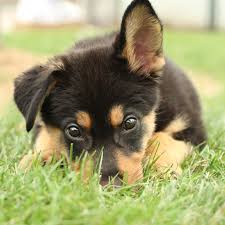
This is not my picture, but I'd love to put this puppy in a novel.

This is not my picture, but I’d love to put this puppy in a novel.

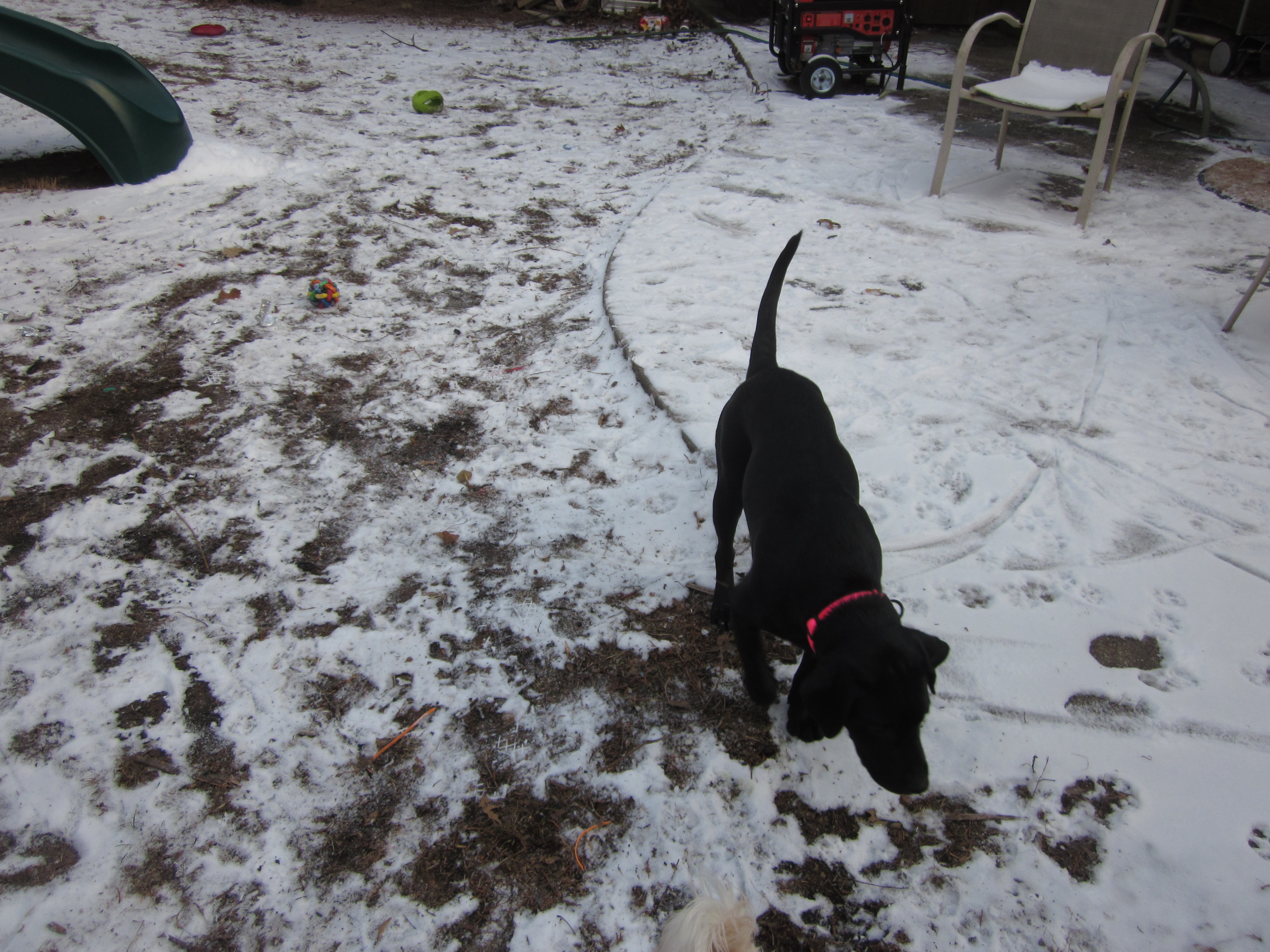
Lilah the Black Lab, and my niece, is an expert sniffer!

Lilah the Black Lab, and my niece, is an expert sniffer!

I used to think about using Cricket as my detective and writing a children’s mystery. Cricket would make a wonderful Sherlock Holmes; she’d even look good in the hat. She has all of the characteristics of the irascible, obnoxious detective who doesn’t get along with other people, but she would be a terrible police dog, not at all reassuring to the populace.

Detective Cricket is on the job!

Detective Cricket is on the job!

Detective Cricket is always looking out for danger!

Detective Cricket is always looking out for danger!

Detective Cricket is, um, easily distracted.

Detective Cricket is, um, easily distracted.

I’d love to write a detective like Jessica Fletcher in Murder, She Wrote. I’ve watched every episode of that show, at least three times. She is smart and stands her ground, but she’s had many disappointments in life, including never having children of her own, like me. She’s unassuming and uncool, and has to stand her ground against people who don’t believe her, but she doesn’t doubt herself or what she saw, or what she deduced. She’s friendly with everyone but doesn’t mind confrontations when necessary.

My detective would not be quite like that. She would need to take naps, first of all, and she’d have trouble with heights, and social anxiety. She’d have to sit down a lot, and maybe she’d need a driver. So, a female Nero Wolfe, but, again, with a nicer disposition.

Detective Cricket and deputy Butterfly, ready for anything.

Detective Cricket and deputy Butterfly, ready for anything.