Tag Archives: synagogue

Ta-Nehisi Coates and Yom Kippur


My Rabbi came up to me after services in September, a week before the high holidays, to ask if I would be willing to do one of the readings for Yom Kippur afternoon. I think they’d run out of volunteers to take part in the services, so he threw up his hands and asked me.

He brought me to the synagogue library, where he had lined up all of the poems on the table, in the order in which they would be read during the Yom Kippur afternoon services. He had a piece in mind for me, a poem by Marge Piercy that looked very long. He said I could read the Marge Piercy, or really, I could choose whichever one I wanted. I started to read through a couple of the other pieces and he laughed at me, because I’d read all of them a few times over when I helped with the proofreading a few weeks earlier, but, my memory’s not so good.

I glanced across the table and saw the Ta-Nehisi Coates piece and just grabbed it, because that was the one, of everything I’d read, that echoed for me. I felt the same way with that piece as I’d felt when I asked if I could adopt Butterfly, and the woman at the shelter said yes. You mean, you don’t have to save her for someone more worthy?!

IMG_1916

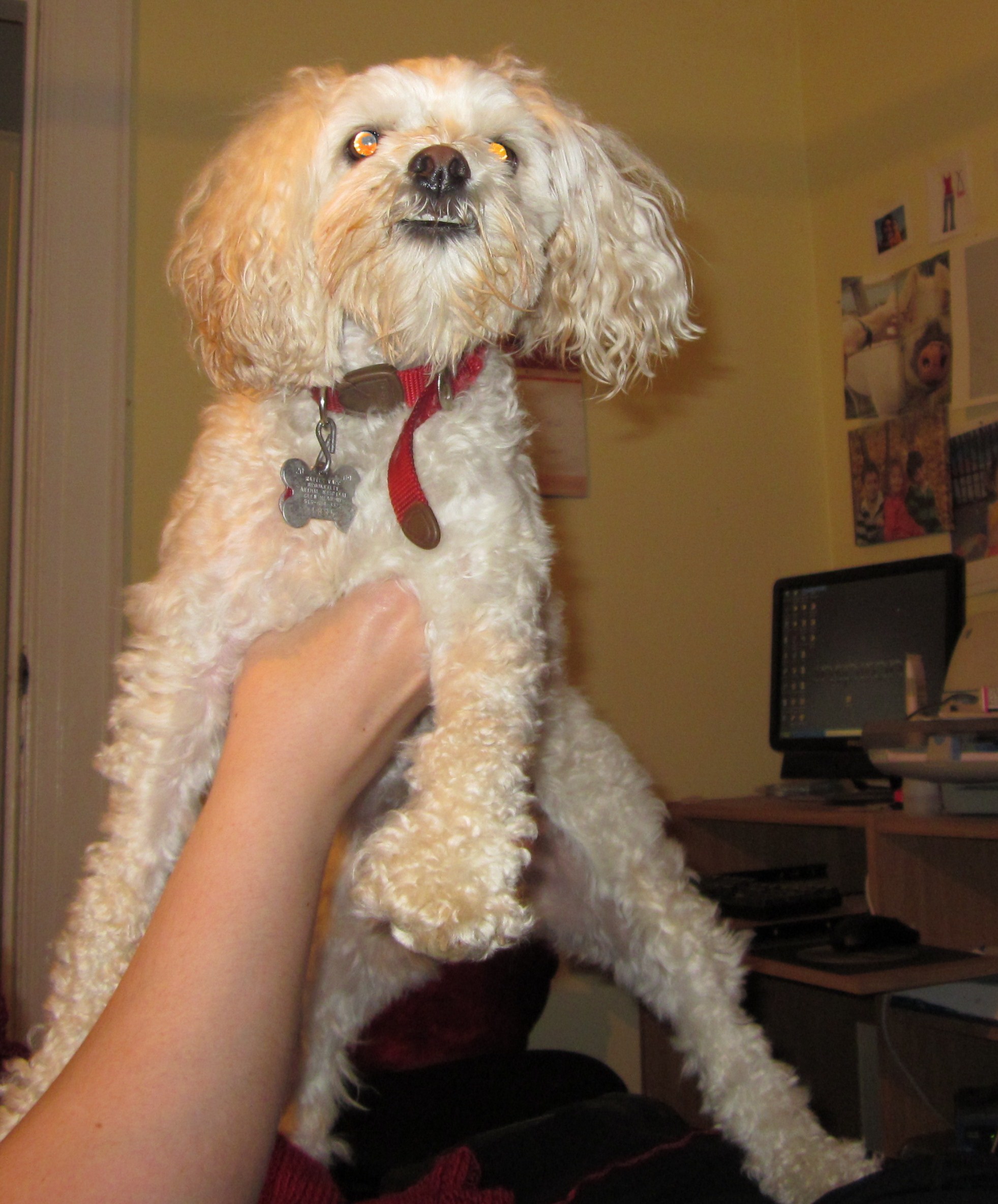
My Butterfly.

After I’d made my choice, the rabbi told me that it would be part of something called the “Martyrology.” I’d never heard of a Martyrology before, and he described it, or at least this iteration of it, as a focus on what it is like to be Black in America right now. A young (white) man from our synagogue came up with the idea, and he was bringing two friends to speak about their experiences, and congregants (including me) would read three poems, to echo their message, and fill out the ceremonial quality of the event.

The rabbi said it might be cheesy, but I stuck to my choice.

It took me about three seconds after leaving the library to realize what I’d just agreed to – reading in public, dressed up, in heels, at the podium, in front of a crowd (the whole sanctuary, plus the social hall behind it, was filled for that service by the way, and if I’d known that ahead of time there would have been vomiting).
IMG_0321

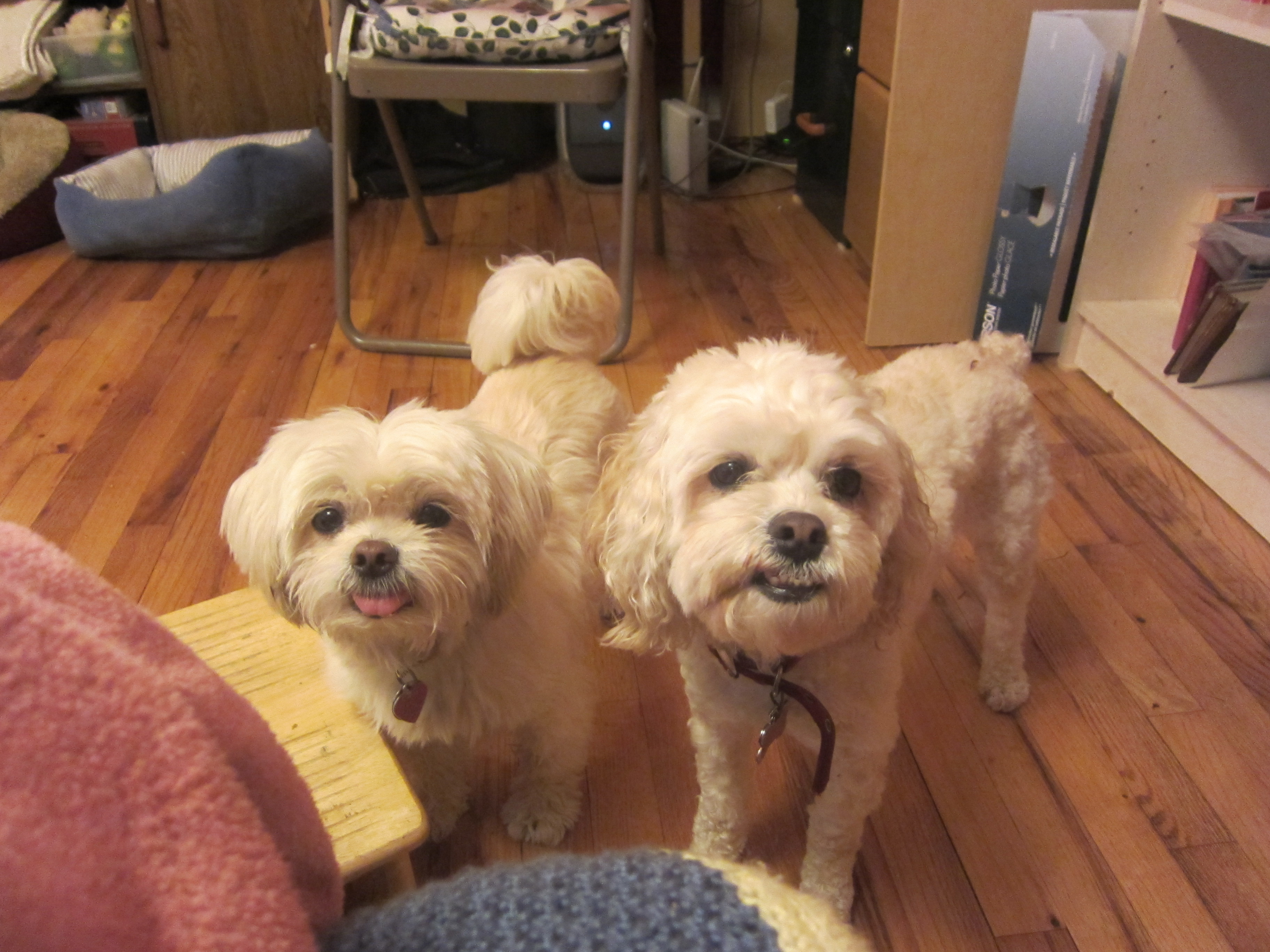
“Mommy, you look ill.”

IMG_0325

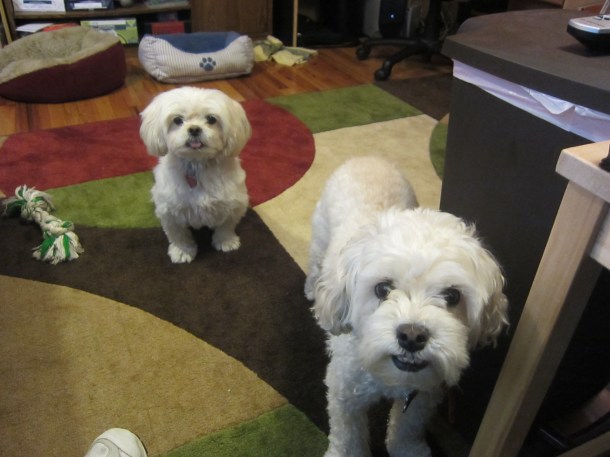
“Are you gonna puke?”

At the same time, we had a weekly assignment in my Human Rights and Social Justice class (for social work school), to write a journal entry about the assignments and readings and anything else going on with us each week related to social justice. It was an opportunity to complain to our teacher, or consider new ideas, or confide internal conflicts or limitations or prejudices where no one else could read it.

My teacher was an African American man, with two young daughters, so when I knew I would be reading a piece from Ta-Nehisi Coates’s book, Between the World and Me, I wrote to him about my concerns, that I was usurping this story in some way, or misrepresenting it. I felt guilty in particular for taking this full-throated rant about race, and applying it to my own experiences, which are not about race at all. And I wanted permission to read it anyway, from a black man who could stand in for Ta-Nehisi Coates in a pinch. The teacher wrote back to me and told me to go for it, and be loud!

I read the two or three paragraphs to myself, and then to the dogs out loud, every day leading up to Yom Kippur, because I was terrified of reading in public, but also because reading it made me feel better. To write a book to your son, even if it is also a book to the world, is a way of saying – you matter. I would tell this story only to you. I have told this story only to you over and over again. I would spend years of my life talking to you and sharing with you even if no one else ever heard me, because this love between us deserves that level of effort and care and communication.

IMG_0347

Reading to the girls. Clearly they are fascinated.

The words, and the fact that I could hear them out loud in my own voice, were soothing. They reached into corners of my mind and body that are usually ignored. When I read the line “It is truly horrible to understand yourself as the essential below of your country,” I felt it deep in my bones. I don’t think this is necessarily how other people see me, but it is how I see myself: as subterranean. And I’ve taken the same comfort in the “struggle to understand” as Ta-Nehisi Coates has taken. I’m a writer because I need to be, because I have to struggle with how I see the world and myself every day.

The reality of the Martyrology was so much more powerful than I’d expected. First, the young man from the congregation spoke about how he’d grown up on Long Island, in a largely white town and largely white school and largely white synagogue, and it wasn’t until he went to the city for college that he met people whose experiences of the world were really different from his own. But it was the two speakers themselves, confronting us with the ways people like us have ignored them and mistreated them, which made the deepest impression on all of us. Everyone in the synagogue stood up and clapped when they were done, in the middle of the service, on Yom Kippur afternoon.

I was barely a blip in the program, but it meant a lot to me. Maybe people assumed I was just reading for Ta-Nehisi Coates, who for some reason could not make it to our Yom Kippur services on Long Island, but really, I was speaking or me, for the parts of me that have been ignored, mistreated, and pushed aside; the parts of me who rarely get to speak up in public, and be heard.


Ta-Nehisi Coates. (2015) Between the World and Me, New York: Spiegel and Grau.

How The Writing Workshop Turned Out

I was so proud of myself. I went a million miles out of my comfort zone to set up the writing workshop on aging at my synagogue. I wrote a heartfelt proposal and sent it out for people to read. I presented the proposal in person in front of 20 or 30 people, and got an extraordinarily positive reaction, and six people signed up for my theoretical workshop on the spot. I sent emails and coordinated, and negotiated, and scheduled, and got furiously to work planning my first workshop session, and five people showed up – only two from the original list. But five people was good, and people talked and wrote and stayed for an hour longer than I expected. The next time there were four people, and the time after that only two, plus me.

After three sessions, I took February off from the writing workshop – because so many people were snow birds escaping the winter in New York, and because I wanted to be a snow hermit and hide in my apartment. The anxiety I felt before each class was debilitating, even though the classes themselves were a lot of fun. I could barely move on a Wednesday after a Tuesday workshop. Three naps instead of one, and a long list of self-recriminations about things I should have said, and shouldn’t have said. I spent the extra time reading for, and planning, new lessons for the rest of the sessions. I drafted and revised and cut and pasted until the writing prompts and the writing samples came together in perfect symmetry to get to the heart of a subject within an hour and a half. I talked up the workshop at the next Engaging with Aging meeting, and to whoever asked at other events.

Me, napping.

Me, napping.

Me, trying to reach out.

Me, trying to reach out.

And when we came back from break, there were three students, then two, then just one, my mom, my loyal mom. People asked for my forgiveness for missing classes, for forgetting, and overscheduling, and having bridge at exactly that time and day. Intellectually, I knew they weren’t rejecting me, or saying anything about the quality of my work or what I had to offer. I knew that I’d done a good job, planning lessons and prompts and being supportive and gentle and only pushing a tiny bit when I knew someone was ready to go a step further. But how can you be a teacher without students?

Butterfly wants to help.

Butterfly wanted to help.

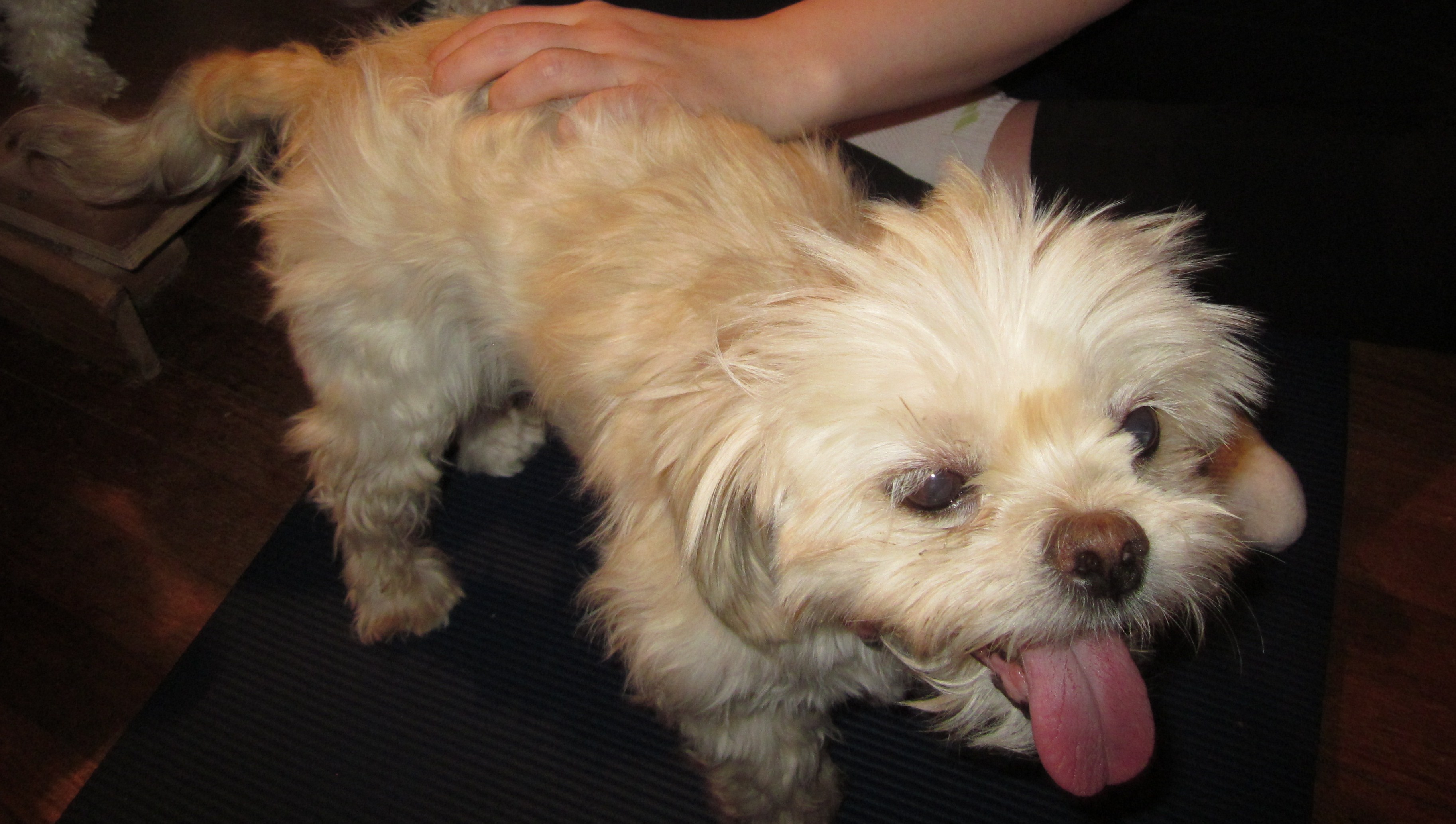
Even Cricket felt bad for me.

Even Cricket felt bad for me.

These are good, solid, interesting people, with stories to tell and a lot of strength and survival skills and knowledge to share. And yet, the idea of waking up in the morning and choosing to go to a class where you will have to write about yourself, as if you matter, as if someone else should care what you think, no, that they can’t do.

One woman told me that what her sixteen-year-old grandson wanted for his birthday was for her to write down something about how she and grandpa got together and stayed together all those years. And I thought, wow, what a lovely and loving thing for a sixteen-year-old boy to ask for, and she thought, Oy, can’t I just give him money?

I ended the writing workshop in April, a month earlier than expected, and people kept asking me if I would start it again in the fall, maybe on a different day, at a different time, for a wider audience. I was tempted to try again, but also gun shy. I didn’t want a repeat of that experience of sitting in a big empty room, staring at the clock, hoping someone, anyone, would show up. Maybe if I could have brought Butterfly with me, to sit on my lap and calm me down while I stared up at the clock, but she sheds, which means she’s not hypoallergenic and therefore I’d be treifing up the library at the synagogue for people with dog allergies. And Cricket, the non-shedding dog, would be barking and growling, and scaring the nursery school kids into cowering under their tiny tables in the classroom next door.

A bark to scare small children

Cricket has a bark to scare small children

All hair all the time

Butterfly is all hair all the time

I went to the next Engaging with Aging meeting, after the end of the workshop, because I’d gone to all of the previous meetings. I sat and listened as the discussion wandered and flailed. They needed some way to disseminate information, to share the advice they’d gathered from each other, and from the social worker at the Jewish Community Center. But how?

I didn’t mean to speak up. Words just started coming out of my mouth. Why not write up personal stories, about how you’ve dealt with a particular aspect of aging, what you learned, what you struggled with, where you went for help, and put it in the newsletter, or on the website. Maybe telling stories in order to help someone else is going to make it easier for people to open up. Within minutes, I had volunteered to interview, edit, and encourage people to get their stories down on paper. I’ve never been a journalist. I’ve done very few interviews. How did this happen?

So, this is what I’m doing next. I am not at all comfortable out here on this cliff, but it’s an opportunity to do something new, and something satisfying, that might actually help people. Wouldn’t that be great?

Cricket thinks so.

Cricket thinks so.

Why We Need A Canine Co-Rabbi

Google image of a Rabbinical dog. What do you think?

Would this little guy make you want to go to synagogue? (not my picture)

Almost from the beginning of my time at the synagogue three years ago, I’ve been talking to the rabbi about dogs. I don’t remember how it started. Maybe I brought in a picture of Butterfly and Cricket right after we adopted Butterfly from the shelter, maybe it was because I’d heard about his dog, who’d died just a few years before we arrived, and was well known by the congregation, playing a role in rabbinical stories over her long tenure as canine in residence. And maybe it’s because, going to the rabbi’s house for a new members evening, I noticed that pictures of the dog were as prominent as pictures of his daughters, meaning, she was family.

"We are family!"

“We are family!”

He made it clear that he wants a smallish dog, but not too small, hypoallergenic, because he always has people at his house and doesn’t want anyone to get sick, and she has to be a girl. He has two daughters, so he knows he gets along well with girls, but maybe he also wants to avoid the marking and humping young male dogs can do. I did not ask.

I gave him a list of hypoallergenic, or supposedly hypoallergenic, dogs, and we went over it, a year and a half ago.

Talking about dogs is a neutral zone where I can offer the rabbi my attention and concern, without feeling like I’m invading his privacy. There’s such a strange dynamic with teachers and rabbis and therapists, where you create a bond and naturally want to know more about them, but their privacy is meant to be protected, and it feels like I am puffing myself up imagining that I know anything or have the right to care about whether or not he has a dog.

Once a year, dogs play a role in the ritual life of the congregation when they come to the pond on Rosh Hashanah. The ritual of Tashlich is about tossing our sins into the water to let go of them and start the new year fresh. At our synagogue we toss birdseed instead of the traditional bread, which supposedly chokes the birds. I guess the dogs are invited, because with all of the goose poop, no one will notice if they pee or poop on the grass.

"Where should we pee?"

“Where should we pee?”

But once a year is not enough if we want the dogs to get to know each other and develop their own roles in the congregation. We need a rabbinical dog to lead the rest of the dogs in finding their place in the community, whether it be helping kindergarteners learn to read, helping bar and bat mitzvah kids practice in front of a friendly congregation, or offering help to dogs who need it.

We need a rabbinical dog, a small, well trained, friendly, hypoallergenic dog, who can walk through the crowd offering consolation and sweetness and reminders of dogs at home. Just like a rabbi is often a stand in for the good parent you either had or needed.

The rabbinical dog could sniff each congregant’s dog, have private meetings with those in need of further consultation, and maybe plan a few more events during the year for the sake of dog/human families who otherwise have to go to shul without half of the family.

"Why can't we go with you?"

“Why can’t we go with you?”

I think the only real problem with dogs in the synagogue, other than peeing on the carpet, is that there is often food, especially cake and cookies and chocolate. We are in great danger of setting up the oneg on Friday night, going into services, and coming back an hour and a half later to an empty buffet table and sick dogs.

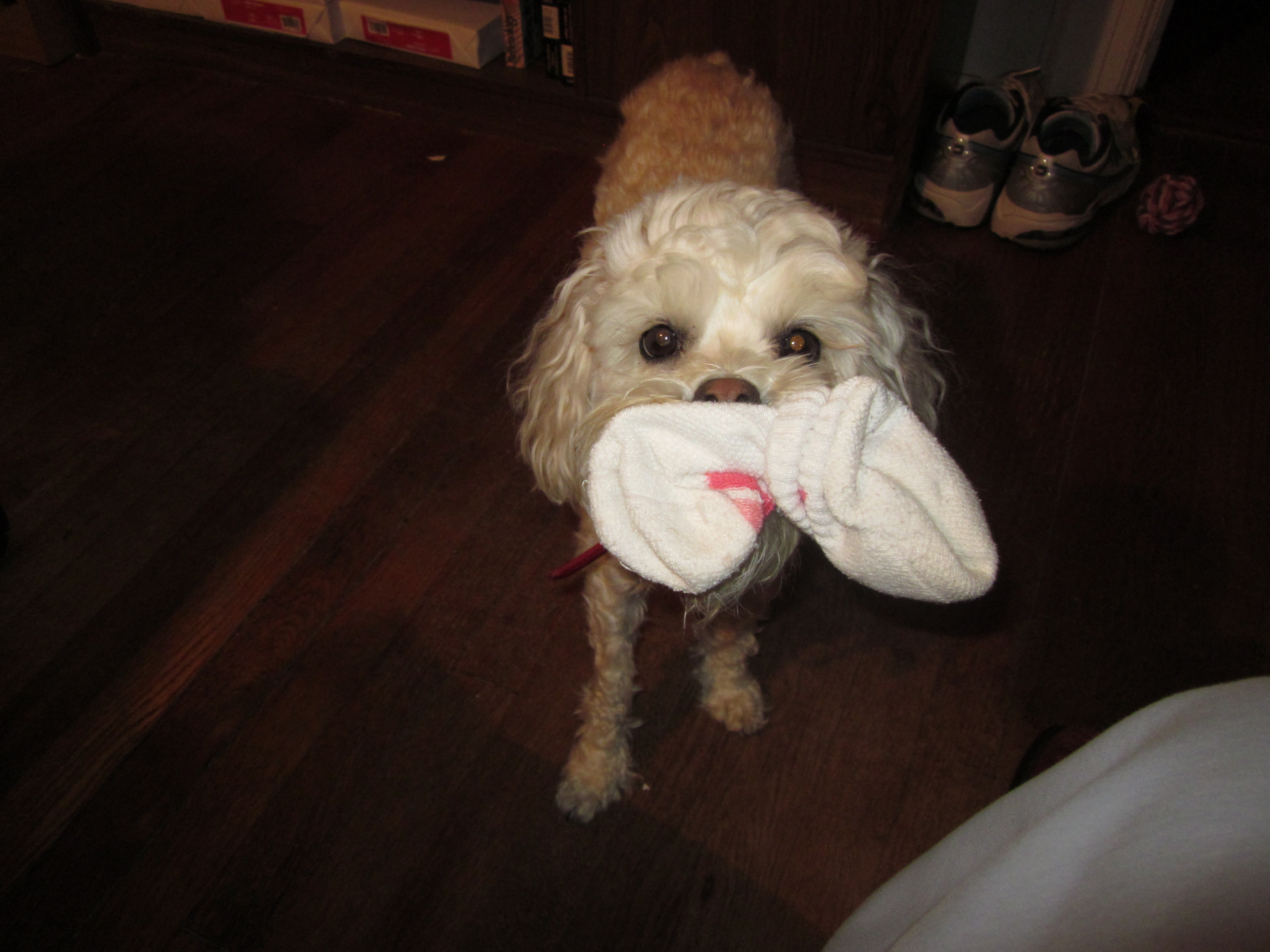
Butterfly is always hungry.

Butterfly is always hungry.

But Cricket might need some Pepto Bismal.

But Cricket might need some Pepto Bismal.

The Adult Bar and Bat Mitzvahs


My synagogue, periodically, runs an adult Bar and Bat Mitzvah class. Mostly women take the class, because it is mostly women who missed out on the chance to have their own Bat Mitzvah back when they were 12 or 13. The current class has about 13 people in it, ranging in age from early forties to early eighties. There’s one man and the rest are women.

The one man in the Bar and Bat Mitzvah class is a non-Jew. He and his Jewish wife have a son in the Hebrew school and are very involved in the synagogue, and he started the classes as an opportunity to better understand the religion his wife loved and his son was learning in school. He took Hebrew language classes, and learned the prayers and history and philosophy, and gradually, through his own process, he decided that this was his community, that he would convert and become a Jew. But the fact is, he could have decided otherwise, and that would have been okay too, with the rabbis, with his wife and son, and with the community at large (for the most part).

The work he put into this, not knowing for sure how it would turn out, is what I respect so much, rather than the outcome. There’s something about having two years set aside, with teachers and fellow students and a set goal that everyone values, that I really want for myself. Graduate school was sort of like that, but more expensive. I’d love to have a two year program to learn how to deal with Cricket, with a group of peers going through all of the same difficulties. There’s a cocoon-like feeling to it, this group of people struggling towards the same goals and overcoming difficulties together, in a non-competitive environment. It’s the non-competitive-ness that appeals to me most, the idea that everyone is supposed to succeed, not just the cream of the crop. They don’t come out of this program with a degree, but I think it must be life changing, like my Bat Mitzvah was for me.

"My turn!"

“My turn!”

"I am so well trained!"

“I am so well trained!”


I loved my Bat Mitzvah. The ceremony itself, anyway. I didn’t love my party, or having my grandmother stay over in my room so that I had to sleep on the floor. I didn’t love my father spending months trying to convince me not to have a Bat Mitzvah at all, and the rabbis at my school complaining about the music and dancing planned for the after party on Saturday night. But I loved leading a whole Saturday morning service from beginning to end. I loved reading the Torah and chanting the Haftorah. I loved having my own congregation for a couple of hours.

My current congregation.

My current congregation.

There are four separate Adult Bar and Bat Mitzvah services being done, once a month throughout the winter, with three or four students running each, with the three clergy members there to preside and help. And their families come: grandchildren fly in from across the country; ninety-year-old mothers come from nursing homes to finally see their daughters Bat Mitzvahed; children and siblings and cousins and friends are all invited. And the rest of the Adult Bar and Bat Mitzvah students come to show their support, along with a few of us from the rest of the congregation, though not many. I went to the first of the four services, because one of the women asked specifically, and it was beautiful.

I didn’t grow up in a Reconstructionist synagogue. I didn’t even know what Reconstructionism might be. It sounded like a lot of work – like maybe we’d be building and tearing down houses every week. I’ve only been to this one Reconstructionist synagogue, so I can’t be sure if it is representative of the whole movement, but what I do know is that it is about being open minded, but rigorous. If you are going to adopt a ritual, or get rid of one, you should do your research, understand the history, understand your own reasons for your decision, and take the community into account before you proceed.

The only thing wrong with the synagogue is the prejudice against dog participation. There are no Bark-Mitzvahs, no dog-naming ceremonies, no doggy choir for the high holidays. Clearly, this is the next necessary level of innovation for the Reconstructionist movement. I’d bet more people would come to the Adult Bar and Bat Mitzvah services if dogs were invited to participate. I’m just saying, it’s something for the membership committee to think about.

Butterfly wants this outfit in pink.

Butterfly would look great in this outfit, in pink.

"Um, I'm not so sure about that, Mommy."

“Um, I’m not so sure about that, Mommy.”


The Writing Workshop on Aging


I started a writing workshop on aging at my synagogue. I didn’t plan to do this. I just went to a meeting on aging because it looked interesting. I had the idea that this could lead to visiting people at the hospital, or reading to patients at nursing homes, and could count on my application for graduate school. My ideal would be to walk dogs at the animal shelter, but I don’t think they’d count that as social work. I could be wrong.

So I sat in the meeting and listened. Stories flooded the room: of women at sea after the death of a spouse of fifty years; women manipulated by insurance companies while signing papers at the hospital; women looking for help for their parents; women wondering how to help their friends. The meeting was very low on men.

I took notes and listened and felt the chaos roll over me.

The decision at the end of the first meeting was to have a second meeting, and a third, and a fourth if necessary, until some ideas could start to coalesce.

I went home, exhausted, and fell asleep, and then went on with my life, writing for the blog, going to class, writing my research paper, studying math for the GRE (because not only did I forget every bit of math learned in high school, but I have even lost my short term math memory and I forget it all over again each day.)

I don’t remember looking over my notes from the meeting. I just thought about one of my synagogue friends, recovering from back surgery, and I thought about my great aunt Ellen and the interviews I did with her a few years back to try and catch some of her magic on paper, and I thought about the short memoir my grandfather started before he died, giving us a glimpse into his childhood. Bits and pieces of the stories people had told me over the past few years of Friday nights at synagogue started to bubble up. I wrote a few notes to myself about people whose stories I’d want to read, but told myself it was just a passing idea, and I’d never have to follow through and actually talk to people.

I’ve learned so much from keeping a blog and writing memoir. It forces me to really deepen into my life, to settle into the crevices of it, and not just feel like I’m a character in my own imagination. I feel like I am taking good care of myself by writing about my life, instead of letting the moments disappear into the ether. I especially like that I have a chronicle of my dogs’ lives. I don’t worry that I will forget important things about them, the way I did with previous dogs. It felt so painful to forget things about Dina and Delilah, as if I was disrespecting them, and the value of their lives to me.

Delilah the Doberman

Delilah the Doberman

Dina, pensive.

Dina, pensive.

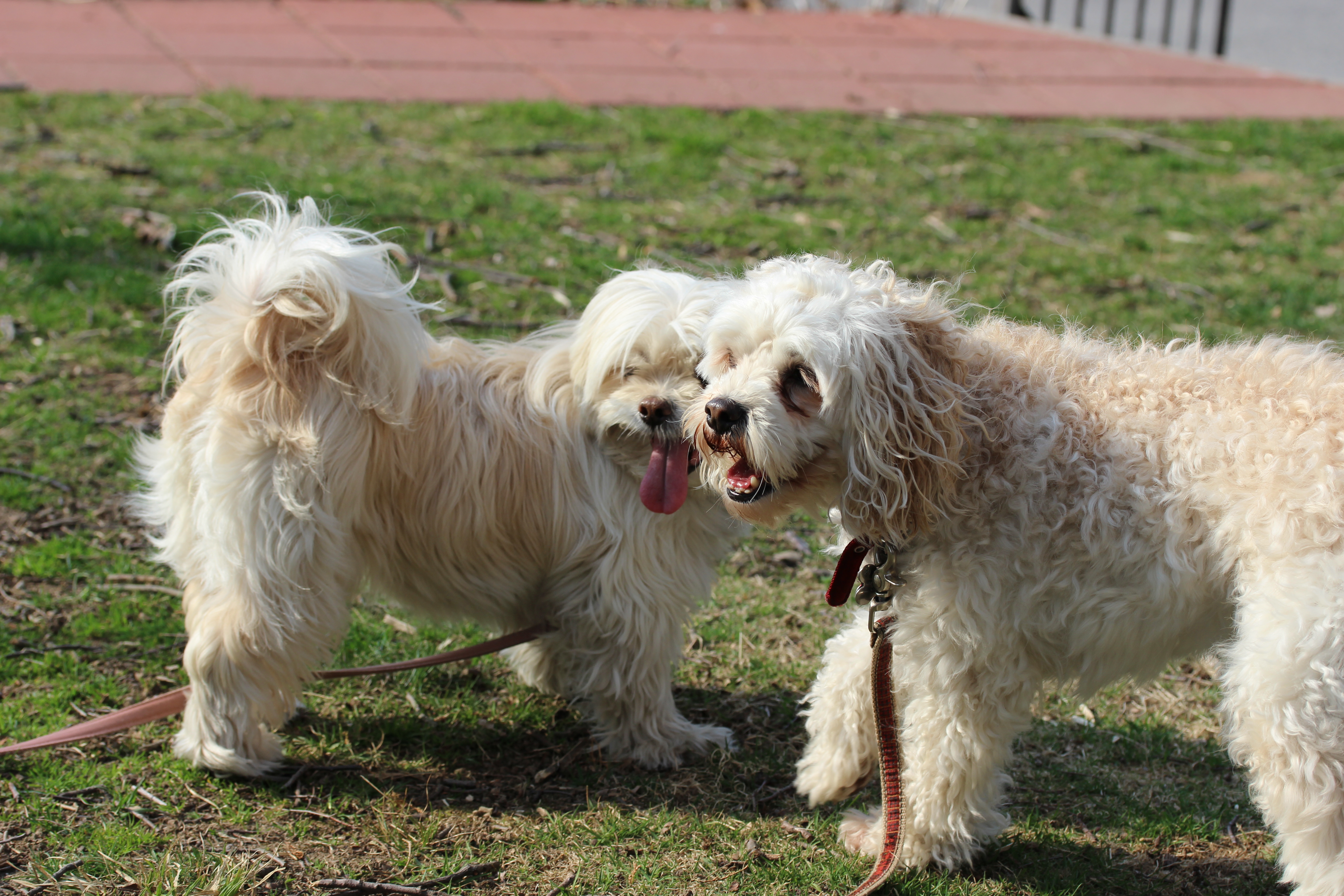
Butterfly and Cricket

Butterfly and Cricket

I found myself writing notes for an idea of a Friday night service where people read their own stories to the congregation. And I thought about how I could make that happen, or at least help people to write some of their own stories down.

I wrote a proposal, feeling very self-conscious and a bit like I was walking into a black hole from which I would never be able to return. I would be shunned from my synagogue. They’d hate me for thinking I was so special that I could teach anyone how to write; they’d resent me for thinking I had anything to offer. I could barely breathe.

I sent the proposal to the woman who runs the aging meetings, and she loved it! And then she sent it to the social worker helping the congregation, and she loved it too. And when I read it to the group in person at the next meeting, face turning purple, hands shaking, I got applause, and six people signed up to take a writing class with me on the spot.

I think I could be good at this, but I’m still terrified. Every step forward feels like jumping from one cliff to another. I’m thinking about how to help people who have trouble seeing, or trouble with arthritis so that writing or typing is difficult. I’m thinking about how to help people who are not natural writers, but would be great interviewees. I’m thinking so much that I have little pieces of paper floating around my room like confetti. Butterfly is loving that.

Butterfly even listens with her tongue!

Butterfly, full of joy!


Synagogue Dogs

            I wish that my dogs could participate at my synagogue. Yes, Cricket is obstreperous and barky and disruptive, but I’d like to believe that there is something in the music of prayer and the solemnity of the service that would help calm her and give her some relief, the way it does for me. The Rabbi and Cantor at my synagogue like to sing harmonies. I think that was the clincher for me when we visited the synagogue last year and decided to join, the way the music was like a conversation between the two of them.

            It would be nice to have an acknowledgment that dogs are members of our families, especially for people like me who don’t have children, or husbands or wives. We get left out of community rituals that would allow us to feel more whole and welcome.

And sometimes, I just feel like I want Butterfly to be sitting on my lap, so I won’t feel so strange to myself in this strange place that isn’t home. She would be my therapy dog, for when I start to twitch and shake and feel self conscious about being in public.

Butterfly, in silent prayer.

Butterfly, in silent prayer.

 Butterfly’s presence would calm and relax the people around her, except for the occasional stress peeing. And then there would be one less place my dogs would be barred from going. It’s already painful for them that they can’t go to the supermarket.

            My synagogue is Reconstructionist and one of their prime directives is to be inclusive of all kinds of people. People, but not dogs? They’ve broken down barriers for intermarried couples and gay couples and women in leadership. Shouldn’t there be some way to break the prejudice against my dogs?

At Friday night services, people wear casual clothes. I started out wearing black dress pants and high heeled boots, because I thought I should, but now I wear jeans and sneakers. There is an aging population at services and they are very accepting of each other’s limitations. They understand the need to be there instead of alone. This is the kind of place that could welcome dogs.

            I would have loved there to be a service to welcome Butterfly into our family. I picture something like the Lion King scene where Simba is introduced to the community, raised up high. I would have liked the Rabbi to hold Butterfly up on the pulpit and say a blessing over her and announce her name to the congregation.

Butterfly's naming pose

Butterfly’s naming pose

When Cricket is sick, it would be nice to be able to go to synagogue and say a public prayer for her recovery. There’s something powerful about putting aside privacy to ask for help from the community, as if we are tapping into an electrical system where everyone’s energy is pooled together.

Cricket is less amenable to being raised in the air

Cricket is less amenable to being raised in the air

On Purim, when we read the story of Esther and use a noise maker, called a grogger, to blot out the name of the bad guy in the story, Haman, the dogs could participate. My dogs, especially Cricket, could be living noisemakers. There could be a whole Hebrew school class for the dogs, to train them for their big day, when they can stand up as a barking choir, and blot out the name of the enemy who tried to harm their humans.

But most of all, I think dogs could bring something unique to a house of worship, because they are not of any particular religious or ethnic persuasion. A Golden Retriever could just as easily, and happily, live with Jews or Muslims or Christians or Buddhists. Dogs are not biased towards one religious group or another. A dog’s presence in the synagogue could be a reminder of the basic spirituality we all share, the God-sense we are all trying to tap into, rather than the specific religion we use to get us there.

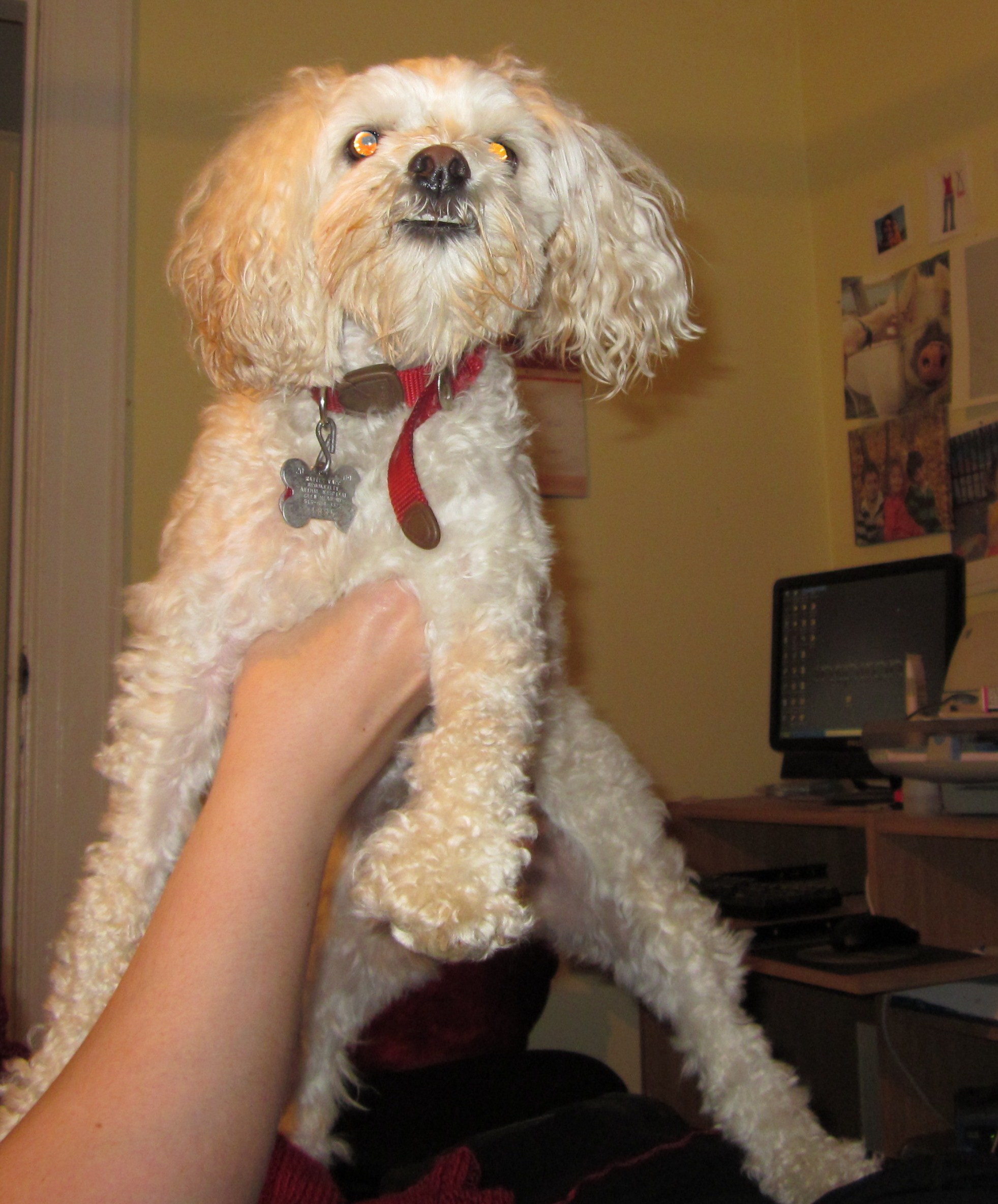
My synagogue-ready dogs

My synagogue-ready dogs