Monthly Archives: November 2024

What is there to be thankful for this year?

            For some reason, Thanksgiving has never been my holiday. Maybe it’s because of that one extreme rabbi at my high school who called this secular American holiday a Shanda (a shame/a scandal), and yelled at us to avoid eating even one turkey sandwich; or maybe it’s because I can’t resonate with a holiday that’s all about gratitude when I’m used to Jewish holidays, where we grump at least as much as we celebrate; but most of all, it’s probably because the Thanksgiving-themed TV shows and movies I watched when I was growing up were all about the torture of family get-togethers, as opposed to the Christmas movies, which were full of romance and joy and candy and toys.

            As for the events of the day itself: I’m not a parade person, or a football person, or a dog show person; and I’m really, really not a turkey person.

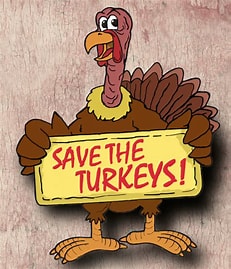
            I saw a meme on Facebook recently that suggested we stop eating turkey for Thanksgiving and switch over to brisket, and while I’m sure it was created either by a Save-the-Turkeys group or by the Cattlemen-of-America, I wasn’t upset by the idea. Trying to cook even a small turkey for just me and Mom would mean eating turkey sandwiches for the next month, and even though I’ve been told that there are ways to cook a turkey to make it taste better, I’m pretty sure that’s just fantasy fiction.

            Of course, Thanksgiving’s big claim to fame, other than turkey and a now-controversial origin story, is that it’s a day for expressing gratitude (it may only be a coincidence that Thanksgiving comes a few weeks after election day each year, when people are still stewing over those results). And for me, Thanksgiving is a time when I feel compelled to remind people that there is such a thing as toxic positivity, and that forcing gratitude out of grumpy people is just cruel. But, of course, I am also extremely vulnerable to peer pressure, so I end up searching through my life for the things I can be grateful for every year anyway. So, this year:

            I’m glad that I was able to start writing poems again, and that I actually finished two drafts of my new novel (the third draft is taking its time); and I’m thrilled that I returned to online Hebrew classes this past summer with renewed joy and inspiration; and I’m grateful that I’m still able to teach, and that I have wonderful students again this year; and I’m grateful for my thoughtful friends and loving family.

But, of course, all of that hopeful, positive energy inevitably stirs up memories of all of the things I’m not grateful for: I keep getting older, and so does Mom; doctors still have no idea what’s wrong with me, but the copays keep coming in larger and larger doses; Israel is still at war and there are still 101 hostages being kept in Gaza (alive or dead, no one seems to know); and then there’s the fact that a majority of voters in the United States chose a predatory criminal as our president, despite mountains of evidence of his crimes, against our country, and against women in particular.

            So, yeah, it’s a mixed bag. My hope is that I will be able to survive the next month of teaching, by relying on Christmas movies and French murder mysteries to keep me going, and then I will be able to rest and recover over winter break. My plan, then, is to watch as little news as possible, and write as much as possible, and start the new year with my feet solidly on the ground and my heart filled with (some) hope.

            We’ll see how it goes.

p.s. Someone arrived the day after Thanksgiving and is waiting to be introduced to everyone. Next week.

If you haven’t had a chance yet, please check out my novel, Yeshiva Girl, on Amazon. And if you feel called to write a review of the book, on Amazon, or anywhere else, I’d be honored.

            Yeshiva Girl is about a Jewish teenager on Long Island, named Isabel, though her father calls her Jezebel. Her father has been accused of inappropriate sexual behavior with one of his students, which he denies, but Izzy implicitly believes it’s true. As a result of his problems, her father sends her to a co-ed Orthodox yeshiva for tenth grade, out of the blue, and Izzy and her mother can’t figure out how to prevent it. At Yeshiva, though, Izzy finds that religious people are much more complicated than she had expected. Some, like her father, may use religion as a place to hide, but others search for and find comfort, and community, and even enlightenment. The question is, what will Izzy find?
The Choir

In my head there is a large choir

full of cacophony

and also harmony, sometimes.

I have all kinds of voices in my choir,

from too high to too low,

from too loud to too quiet,

from chaotic to orderly,

and everything in between.

I’m still not used to singing with my choir.

I don’t know how to train it

or coordinate it

or control it the way it needs.

There is no one conductor.

There is no one composer.

And there is no silence.

But there are moments

that sound beautiful to me.

And there are notes that I am happy to hear,

even just once in my life.

Maybe one day,

soon or in the future,

my choir will be able to create the beauty

and the complexity

and the hope

that lives in my imagination.

That is my prayer.

המקהלה

בָּרֹאשׁ שֶׁלִי יֵשׁ מַקְהֵלָה

מְלֵאָה בְּקָקוֹפוֹנִיָה

וְגָם הַרמוֹנִיָה, לִפְעָמִים.

יֵשׁ לִי כֹּל מִינֵי קוֹלוֹת בָּמַקְהֵלָה שֶׁלִי,

מְגבוֹהוֹת מִדַי לְנְמוּכוֹת מִדַי,

מְחָזָק מִדַי עַד שָׁקֶט מִדַי,

מְכֵּאוֹטִי לְמְסוּדָר,

וְכֹּל מָה שְׁבֵּינֵיהֶם.

עוֹד לֹא הִתרָגָלתִי לָשִׁיר עִם הָמַקְהֵלָה שֶׁלִי.

אַנִי לֹא יוֹדַעַת אֵיך לְהִתאָמֵן אוֹתָה

אוֹ לְתָאֵם אוֹתָה

אוֹ לִשׁלוֹט בָּה כּמוֹ שְׁצָרִיך.

אֵין מְנָצָחָת אָחַת.

אֵין מָלחִינָה אָחָת.

וְאֵין שֶׁקֶט.

אָבָל יֵשׁ רְגָעִים

שְׁנִשׁמָעִים לִי יָפִים.

וְיֵשׁ צלִילִים שְׁטוֹבִים לִי לִשׁמוֹעַ,

אָפִילוּ רָק פָּעָם בָּחַיִים.

אוּלַי יוֹם אֶחָד,

בְּקָרוֹב אוֹ בָּעָתִיד,

הָמָקהֵלָה שֶׁלִי תוּכָל לִיצוֹר אֶת הָיוֹפִי

וְהָמוּרכַּבוּת

וְהָתִקוָוה

שְׁחַי עָכשַׁיו רָק בָּדִמיוֹן שֶׁלִי.

זוֹ הָתפִילָה שֶׁלִי.

If you haven’t had a chance yet, please check out my novel, Yeshiva Girl, on Amazon. And if you feel called to write a review of the book, on Amazon, or anywhere else, I’d be honored.

Yeshiva Girl is about a Jewish teenager on Long Island, named Isabel, though her father calls her Jezebel. Her father has been accused of inappropriate sexual behavior with one of his students, which he denies, but Izzy implicitly believes it’s true. As a result of his problems, her father sends her to a co-ed Orthodox yeshiva for tenth grade, out of the blue, and Izzy and her mother can’t figure out how to prevent it. At Yeshiva, though, Izzy finds that religious people are much more complicated than she had expected. Some, like her father, may use religion as a place to hide, but others search for and find comfort, and community, and even enlightenment. The question is, what will Izzy find?

Post-Election Malaise

            Each day since Donald Trump won the presidential election in the United States, I have been feeling worse and worse. At first, I was just surprised and couldn’t really take it in. I was prepared for the vote counting to take days, and I was prepared for court cases, and threats, and acts of violence, but I was not prepared for him to win.

            I think I forgot, or blocked out, a lot of his first term. I remembered enough to never want to go through it again, but I forgot the feeling of chaos that dominated the news cycle, where it felt like Trump was actively trolling us with his cabinet picks. This time around already seems more unhinged than last time (Matt Gaetz for Attorney General? RFK Jr. for Secretary of Health and Human Services?).

            I know there are people who want to think of this as just another election, where one side won and the other lost. And I know there will be a lot of minimization and denial in response to the fear that so many, including me, are feeling. But this isn’t normal. In response to Trump’s win, some young men decided to tell young women – Your body, my choice – as if it was a joke, or worse, as if they really believe that to be true.

            I feel this like a knife aimed at my throat and my belly and my heart, not like an intellectual puzzle to be worked out. I am worried, especially, because I rely on disability and Medicare to make my life possible, and I don’t know what impact this new administration will have on those programs. I also don’t know what will happen with student loans under Trump (mine were put into a form of forbearance under Biden, but the $10,000 left of my debt was not officially erased).

            And then there are the criminal cases against Trump that are being closed down by the Department of Justice, because once he is President again, he can’t be prosecuted for his crimes. And that will, certainly, embolden Trump in his extra-legal tendencies going forward, as will the supreme court’s wide-ranging decision on presidential immunity for acts done in office.

I grew up in a home run by an unpredictable, predatory, and manipulative man, and I am not feeling good about the next four years. I felt the calm of the Biden years in my bones, when there were days, and even weeks, when I didn’t have to think about politics at all, and I don’t know how my body and mind will respond to the return of the chaos.

            I wish, given all of this, that the Democratic party, and the pundits, would stop blaming each other for the loss, and instead focus on how to safeguard our rights as much as possible moving forward. There is room for analysis of what went wrong, and why, but not with the vitriol and self-righteousness that’s filling the airwaves at the moment. Some people believe that the Democratic party lost because it was too hoity toity, or because it didn’t come up with enough policies to help the working class, or it was too progressive, or too moderate, or didn’t reach out to men enough, or didn’t reach out to people of color enough. But my sense, then and now, was that people did the best they could with the understanding they had of the voting public at the time. They were just wrong.

            From what I could see, Donald Trump’s campaign set out to discourage people from voting: by creating distrust in government overall, by telling people that their votes wouldn’t make a difference, by cutting legal voters from the rolls at the last minute and limiting the number of polling places in populated areas, and by openly threatening that if people voted for the Democrats there would be violence in the streets. The fact is, Trump won this election with around the same number of votes he had in the last election, when he lost to Biden. His coalition didn’t grow. If he picked up a few new people (Arab and Latino men, for example), he lost others (former Republicans who saw the January 6th insurrection, or any number of other events, as the final straw.). But for some reason, none of the pundits want to acknowledge that what Donald Trump said and did actually impacted the outcome of the election; they’d rather blame Kamala Harris, or Joe Biden, or this or that miscalculation by someone else. But what if there was no Democratic candidate who could have beaten Trump at this moment in history? Can we tolerate knowing that?

            And now, with the reality of Donald Trump as our next president, are there lessons we could be learning about why his messages resonated so deeply with some people, and about how we can better meet those people where they are when explaining our goals in the future? Can we turn away from the back biting, blame, and guilt and consider some paths forward? There have been some thoughtful, and possibly helpful hypotheses for why Trump was able to win: some people say that the underlying cause of Trump’s win is the growth of the far-right media landscape, which often eschews main stream journalistic values (aka doesn’t care about validating facts before publishing them); some say that the problem is with the main stream media itself, which claims objectivity even though reporters often have their own unacknowledged biases; some say that our problem is a lack of education in civics, which would allow people to be better prepared to judge political actors for themselves, and also to feel some agency and confidence when engaging with our political system. All of these things sound possible to me, and all of them lay out paths forward for good work to be done by well-meaning, hard-working, and creative people.

            One of the things that bothered me, endlessly, in the lead up to election day, was the number of Democratic activists who believed they were accomplishing something by sending out postcards reminding people to vote (I received two or three of these, after I’d already voted by mail), or who went knocking on doors in neighborhoods where they didn’t actually live or know anyone personally (as if I would ever answer the door to a stranger, let alone listen to their political spiel). Busy work in politics, it seems to me, is just as much of a waste of time as it is in the classroom. And busy work that actively annoys people? That’s even worse.

            As a teacher, I believe in the power of education to create change, and as a writer I believe in the power of storytelling to reach people in ways that slogans can’t. For example, I learned more about LGBTQ issues, and took them in more fully, by watching TV shows and movies that humanized gay and trans people, than I ever learned from an ad campaign. Show me someone I can relate to, who is impacted by this or that societal wrong, and you have a much better chance of getting me involved than if you yell at me and insist that my views change to match yours, just because you say you’re right.

            I believe that we can make lasting societal change by investing our time and energy in telling those stories and allowing people to change their own minds, but it has been, admittedly, very hard to focus on those hopeful, long term paths forward in the face of the firehose of news about what’s coming next in the short term.

            What will happen to efforts to prevent climate change? Or to improve accountability among the police? Or with immigration? Will the Republicans finally put through the immigration bill they wrote with the Democrats last year, and then tanked when Trump told them he needed the border issue for the election? Or will they insist on changing the deal, but be unable to agree among themselves over what changes to make? Or will our immigration system remain an unmitigated disaster for the foreseeable future, just to give Republicans something to campaign on in 2026?

            When Trump’s promised Tariffs go into place, will some of his newfound voters regret their choice? Or will they believe the spin Trump puts on all of it (it must be Biden’s fault, you’re not seeing what you think you’re seeing, if you were stupid enough to be conned you deserve to be screwed – that was one of my father’s favorite mantras).

            And I assume tax cuts, for corporations and the super wealthy, will be a priority and will lead to all kinds of cuts in the social safety net, though it’s hard to know what the new congress will be able to pass, even with a Republican majority in the senate and the house, given the history of disagreements among the Republicans themselves. Trump will certainly be able to load the supreme court, though, and the rest of the federal court system, with young conservative judges who will determine the course of justice in this country for decades to come.

            I am frightened of Donald Trump, and of all of the things he has promised to do, and of all of the things he will do that I can’t predict, or even imagine. And I am afraid of how his second presidency will further darken our public discourse, and create even more fragmentation among us; but I want to believe that there are things we can do to prevent all of that, or at least some of it.

            As I learned way back when, and still believe, Democracy is the best of all of the imperfect systems of government that we have available to us, because it requires us to be more engaged with each other. It doesn’t require us all to agree; if anything, what it requires is for all of us to feel like we belong at the table, hashing out our differences and finding ways forward that we can all live with.

            I’ve found so much solace in writing this blog, and hearing from people who take the time to engage with me, or just to let me know they hear me and I am not alone. We all need that kind of connection and respect in our lives. We all need to hear and be heard, to feel seen and cared about, and to feel an obligation to someone other than ourselves that will keep us going even when our own inspiration and motivation is low.

We still have a Democracy today, even with Donald Trump’s openly authoritarian aspirations, and we need to make the most of it. We still have power, and responsibility, and we can still make sure that our voices are heard. It will be harder, and we (and definitely I) will have some awful days, but we are not alone in any of this. We can help each other get through to the other side, no matter who we voted for. If we choose to.

If you haven’t had a chance yet, please check out my novel, Yeshiva Girl, on Amazon. And if you feel called to write a review of the book, on Amazon, or anywhere else, I’d be honored.

            Yeshiva Girl is about a Jewish teenager on Long Island, named Isabel, though her father calls her Jezebel. Her father has been accused of inappropriate sexual behavior with one of his students, which he denies, but Izzy implicitly believes it’s true. As a result of his problems, her father sends her to a co-ed Orthodox yeshiva for tenth grade, out of the blue, and Izzy and her mother can’t figure out how to prevent it. At Yeshiva, though, Izzy finds that religious people are much more complicated than she had expected. Some, like her father, may use religion as a place to hide, but others search for and find comfort, and community, and even enlightenment. The question is, what will Izzy find?        

Dominos

Everything seems like a game of dominos to me.

One mistake leads to another,

and mistakes lead to intentional responses,

and one thing causes another and another,

but when we see the dominos fall

we can never remember the domino that started it all,

and that it was a mistake,

and that there were many choices throughout this process.

We only remember the last thing,

the crisis,

the violence,

or even the death,

and we are sure we know who is to blame,

the only one,

who is responsible for all of it.

No one believes it starts with them.

And no one wants to be

the only domino to fall.

When all the damage is done,

and the accidents are forgotten

and the responsibility is assigned

and the punishment given,

the story ends.

But only until the story begins again.

דוֹמִינוֹס

הָכֹּל נִראָה לִי כְּמוֹ מִשׂחָק דוֹמִינוֹס.

טָעוּת אַחַת מוֹבִילָה לְאַחֶרֶת

וְטָעוּיוֹת מוֹבִילוֹת לְתגוּבוֹת מְכָוָונוֹת,

וְדָבָר אֶחָד גוֹרֵם לְאַחֵר וְאַחֵר.

אַבַל, כְּשְׁאַנָחנוּ רוֹאִים אֶת הָדוֹמִינוֹס נוֹפלִים

אָנַחנוּ אָף פָּעַם לֹא זוֹכרִים אֶת הָדומִינוֹ שְׁהִתחִיל אֶת הָכֹּל,

וְשְׁזֶה הָיָה טָעוּת,

וְשְׁיֵשׁ בָּתָהָלִיך הָזֶה הָרבֵּה בְּרֵירוֹת.

אַנָחנוּ רָק זוֹכרִים אֶת הָדָבָר הָאָחָרוֹן,

הָמָשְׁבֵּר,

הָאָלִימוּת,

אוֹ אָפִילוּ הָמָוֶות,

וְאַנָחנוּ בְּטוּחִים שְׁאַנָחנוּ יוֹדעִים מִי הָאָשָׁם,

הָיְחִיד,

שְׁיֵשׁ לוֹ אַחְרַיוּת עַל הָכֹּל.

אַף אֶחָד לֹא מָאָמִין שְׁזֶה הִתחִיל אִיתָם.

וְאַף אֶחָד לֹא רוֹצֶה לִהִיוֹת

הָדוֹמִינוֹ הָיְחִיד שְׁלִיפּוֹל.

כָּאָשֶׁר כֹּל הָנֶזֶק נָעַשֶׂה,

וְהָתְאוּנוֹת נִשׁכָּחוֹת

וְהָאַחרַיוּת מוֹקצִית

וְהָעוֹנֶשׁ נִיתֵן,

הָסִיפּוּר הִסתָיֵים.

אָבָל, רָק עַד שְׁהָסִיפּוֹר מָתחִיל מְחָדָשׁ.

If you haven’t had a chance yet, please check out my novel, Yeshiva Girl, on Amazon. And if you feel called to write a review of the book, on Amazon, or anywhere else, I’d be honored.

            Yeshiva Girl is about a Jewish teenager on Long Island, named Isabel, though her father calls her Jezebel. Her father has been accused of inappropriate sexual behavior with one of his students, which he denies, but Izzy implicitly believes it’s true. As a result of his problems, her father sends her to a co-ed Orthodox yeshiva for tenth grade, out of the blue, and Izzy and her mother can’t figure out how to prevent it. At Yeshiva, though, Izzy finds that religious people are much more complicated than she had expected. Some, like her father, may use religion as a place to hide, but others search for and find comfort, and community, and even enlightenment. The question is, what will Izzy find?

Zepbound

            At my most recent visit to the endocrinologist (thyroid issues, etc.), the doctor told me that Lilly has decided to offer Zepbound (a variation on Ozempic) for a discounted price to patients whose insurance companies won’t cover the GLP-1 weight loss medications. The average price for these medications, in the United States, is about $1,000 a month, though in other countries they can be bought for $100 or less, which has come up in contentious congressional hearings of late. My health insurance still refuses to cover these medications for anyone without type two diabetes or a severe heart condition, and I have been waiting impatiently for them to decide to cover GLP-1 medications for Non-alcoholic fatty liver disease, which I was diagnosed with last year, but who knows when that will happen.

            Last year, the endocrinologist told me about a program that discounted Zepbound to half price, but only for people without any insurance coverage, which did not include me. But now, they are making it available to people like me who have health insurance that doesn’t cover the medications. The cost is $400 a month, which is a lot for me, but for the sake of my health I really can’t say no. My hope is that, if the Zepbound works for me, these medications will soon be covered under my health insurance and I won’t have to pay this much for long. Ideally, losing weight will improve the health of my liver and reduce the need for heart medications. I don’t think it will give me more energy, or reduce overall body pain, but you never know.

            To be completely honest, though, what I really want from this medication is to lose enough weight to feel like a normal person. Yes, I want to reduce my risk of liver and heart disease. And yes, I would love to find out that losing weight could give me more energy and allow me to actually live more of my life, but, since childhood, I have been self-conscious about my weight, and I am so tired of feeling like a mutant. I know weight loss won’t change my life miraculously, because I’ve lost weight in the past, when I was able to exercise enough to lose weight on my own. And I’m sure I will still feel uncomfortable in my body, and struggle with pain and depression and anxiety and exhaustion. But it would be great to be able to go to my doctors and tell them my symptoms and NOT have them blame everything on my weight.

            I was on a low dose of Ozempic last year, when my insurance was still allowing it, and I lost fifteen pounds. But as soon as the FDA cracked down on off label use of Ozempic, I was cut off, and within three months I’d gained the weight back. So, one, I know the meds can work, and two, I know I will have to be on them forever.

There’s a lot of fear for me around starting the Zepbound, actually. For some reason, the discounted Zepbound comes in a vial, with separate needles, instead of in pre-dosed pens, so I’m afraid it will hurt more and/or I will do it wrong. I’m afraid I won’t be able to lose enough weight to make a difference in my health, or I’ll get cut off again, because the price will go up or supplies will run out. I’m afraid I’ll be sick to my stomach for the rest of my life (though that’s not very different from how I feel now, to be honest), or that the Zepbound won’t work, or that I’ll lose the weight but I’ll look like a deflated balloon instead of looking, and feeling, healthy.

Maybe most of all, I’m afraid that having to spend $400 a month on this for the foreseeable future, on top of paying off my medical debt, will mean that I can’t really afford a new dog, with all of the vet bills and adoption fees and toys and treats involved. And going too much longer without a dog in the house feels like a risk to my mental health (and to Mom’s). It feels so unfair to have to choose between my physical health and my mental health, especially when they are so intertwined. But here’s hoping I won’t have to choose, and a little, hypoallergenic rescue dog will come along soon, and congress will decide to cover GLP-1 meds for Non-alcoholic fatty liver, and all medical debt will be wiped out, and we will all live in peace and harmony, forever and ever, amen.

A girl can dream. Right?

“I’ll eat whatever you’re not eating. You’re welcome.”

If you haven’t had a chance yet, please check out my novel, Yeshiva Girl, on Amazon. And if you feel called to write a review of the book, on Amazon, or anywhere else, I’d be honored.

            Yeshiva Girl is about a Jewish teenager on Long Island, named Isabel, though her father calls her Jezebel. Her father has been accused of inappropriate sexual behavior with one of his students, which he denies, but Izzy implicitly believes it’s true. As a result of his problems, her father sends her to a co-ed Orthodox yeshiva for tenth grade, out of the blue, and Izzy and her mother can’t figure out how to prevent it. At Yeshiva, though, Izzy finds that religious people are much more complicated than she had expected. Some, like her father, may use religion as a place to hide, but others search for and find comfort, and community, and even enlightenment. The question is, what will Izzy find?