I Wrote a Poem in Hebrew

            It started as a song. I was in my car (on the way to yet another doctor’s appointment) and singing harmony along to some of the Israeli songs on my playlist, and I started to think about how I could write a song specifically for an alto (like me) where the harmony line becomes the melody of the song. But I was too busy driving to record what I was singing, and by the time I got to the doctor’s office and tried to record the tune on my phone, I’d forgotten most of it. But while I was in the waiting room, and then waiting again in the exam room, I wrote down some of the lyrics that had come to mind while I was singing, and the words kept coming, all in Hebrew.

            By the time I got home from the appointment, I had four or five pages of potential lyrics, but no music to sing them to, and no idea how to get the music back. I decided to keep working on the lyrics anyway, shaping them into verses and a chorus and a bridge, in the hope that the melody would come back to me; but I found myself writing a poem instead, without any strict rhymes or rhythms. And after ten or fifteen drafts, and some help from Google Translate, I ended up with a poem I was happy with, about returning to my online Hebrew classes after a year away.

            It took me a while to get up the nerve to send the poem to my current Hebrew teacher and ask for her corrections, though. I felt self-conscious about presuming to write a poem in Hebrew, and embarrassed to share what had turned out to be an ode, and kind of emotional and squishy (AKA not cool).

            My teacher made a few corrections to the Hebrew, but mostly she just showered me with praise. She told me how meaningful it was to her, after teaching through the past year in Israel, to see that her work was paying off and reaching people at such a deep level. She also asked if she could send it to some of her friends, who also teach at the school, and I jumped up and down for a while before I could calmly type back, Sure. It took me a few more days to get up the nerve to ask her if I could send the poem to our WhatsApp group, to share it with my classmates, but when I finally sent it I got some very nice responses, and I felt great for a whole minute, maybe even two!

            Then, of course, the letdown kicked in and I thought, ugh, I’ll have to keep writing poems in Hebrew to keep getting this much attention, and each poem will have to be better than the one before it or else they’d get bored and, really, over it. Or, maybe I could send the poem to new people, so they could be impressed, and then I wouldn’t have to write a whole new thing. And I thought, Aha! The blog! But, most of my readers are not fluent in Hebrew, so I would have to translate it, but I could also include the Hebrew, so they could be impressed in theory, if not in fact.

            And as I started to translate the poem I realized that, except for a few details, this poem could just as easily be about the blogging world, and the kindness and curiosity and love we share here, in this place that doesn’t quite exist in the real world, but is very real, for us.

            So, thank you for being such amazing, passionate, and compassionate people, and I hope you like the poem.

            Hinei! (Here it is!)

An Ode to Citizen Café Tel Aviv

A year ago, I thought I was done with this,

I thought I’d finished learning Hebrew

After two years in the Zoom rooms.

Maybe, I thought, this is my Hebrew

And it can’t improve anymore.

And so, I closed the door on this world.

But,

I still dreamt about the zoom rooms

That existed outside of space, or

I worried,

That didn’t exist in reality at all.

Those zoom rooms were closed to me for almost a year,

And what a year,

In which the world shattered into many little pieces.

I watched the news and said to myself,

Maybe the whole world is different from what I imagined

And there’s nowhere to go for comfort.

Finally I understood

That I missed the zoom rooms

That exists outside of space or that I’d imagined completely,

But,

I’d lost the key

Or I’d lost the path to the rooms

Just when I needed them the most.

I missed all of the weird sentences,

About the beach and the traffic in Tel Aviv,

And about Ross and Rachel from Friends

And about Beyoncé the queen.

I missed all of the speed dating questions that we answered in the rooms,

And I missed this place where love is in the air,

Love of languages, love of food, love of music and laughter,

Love of the land of Israel and the Jewish people.

And so I decided to return

Even if these rooms only exist in my imagination,

Because I remembered that here everyone believes in this world that we create together.

This world isn’t perfect, I know.

Here everyone speaks Hebrew with a different accent,

And they don’t agree on a lot of things.

One man believes in every word of the Torah, and one doesn’t believe in anything.

One woman believes in world peace, and one thinks it’s impossible.

But,

In these rooms, all that matters to us

Is to learn from each other and to support each other

And to create a different world,

A world filled with kindness and curiosity.

That’s why we’re here

From Barcelona, and New York, and Berlin,

And Tel Aviv, and Jerusalem, and London,

And Argentina, and Toronto, and Arizona

To create a beautiful world together,

With all of our words and all of our love.

And because of this, our world, which exists outside of space, is real

For us and for always.

עוד (או אודה ל)סיטיזן קפה תל אביב

לפני שנה, חשבתי שמיציתי את זה,

חשבתי שסיימתי ללמוד עברית,

אחרי שנתיים בחדרי הזום.

אולי, חשבתי, זאת העברית שלי

והיא לא יכולה להשתפר עוד.

ואז, סגרתי את הדלת לעולם הזה.

אבל,

עדיין חלמתי על חדרי הזום

שהיו קיימים מחוץ לחלל, או

דאגתי,

שלא היו קיימים במציאות בכלל.

חדרי הזום האלה היו סגורים לי כמעט שנה,

ואיזו שנה,

שבה העולם התנפץ להרבה חלקים קטנים.

צפיתי בחדשות ואמרתי לעצמי,

אולי כל העולם שונה ממה שדמיינתי

ואין לאן ללכת לנחמה.

סוף סוף הבנתי

שהתגעגעתי לחדרי הזום

שקיימים מחוץ לחלל, או שדמיינתי לגמרי.

אבל,

פספסתי את המפתח

או פספסתי את הדרך לחדרים,

פשוט כשהכי הייתי צריכה אותם.

התגעגעתי לכל המשפטים המוזרים,

על הים והפקקים בתל אביב,

ועל רוס ורייצ׳ל מחברים,

ועל ביונסה המלכה.

התגעגעתי לכל השאלות הספיד דייטינג שעשינו בחדרים,

והתגעגעתי למקום הזה שבו אהבה נמצאת באוויר,

אהבת שפות, אהבת אוכל, אהבת מוזיקה וצחוקים,

אהבת מדינת ישראל והעם היהודי.

ואז החלטתי לחזור,

אפילו אם החדרים האלה רק קיימים בדמיון שלי,

כי זכרתי שפה כולם מאמינים בעולם הזה שאנחנו יוצרים ביחד.

העולם הזה לא מושלם, אני יודעת.

פה כולם מדברים עברית עם מבטא אחר,

ולא מסכימים על הרבה דברים.

איש אחד מאמין בכל מילה בתורה, ואחד לא מאמין בכלום.

אישה אחת מאמינה בשלום עולמי, ואחת חושבת שזה בלתי אפשרי.

אבל,

בחדרים האלה כל מה שחשוב לנו

זה ללמוד אחד מהשני ולתמוך אחד בשני

ולהמציא עולם אחר,

עולם מלא חסד וסקרנות.

בגלל זה אנחנו פה

מברצלונה, וניו יורק, וברלין,

ותל אביב, ויורשלים, ולונדון,

וארגנטינה, וטורונטו, ואריזונה

ליצור עולם יפה ביחד,

עם כל המילים שלנו, וכל האהבה שלנו.

ובגלל זה העולם שלנו, שקיים מחוץ לחלל, הוא אמיתי

לנו ולתמיד.

If you haven’t had a chance yet, please check out my Young Adult novel, Yeshiva Girl, on Amazon. And if you feel called to write a review of the book, on Amazon, or anywhere else, I’d be honored.

            Yeshiva Girl is about a Jewish teenager on Long Island, named Isabel, though her father calls her Jezebel. Her father has been accused of inappropriate sexual behavior with one of his students, which he denies, but Izzy implicitly believes it’s true. As a result of his problems, her father sends her to a co-ed Orthodox yeshiva for tenth grade, out of the blue, and Izzy and her mother can’t figure out how to prevent it. At Yeshiva, though, Izzy finds that religious people are much more complicated than she had expected. Some, like her father, may use religion as a place to hide, but others search for and find comfort, and community, and even enlightenment. The question is, what will Izzy find?

Can I Make Things Happen?

            In a previous post I mentioned that I was putting the idea of what I want out into the universe, and ever since then I’ve been debating with myself over whether I really believe in this concept or not. I want to believe in it. I want to believe that by putting my dreams into words and speaking them outloud I can create some sort of alchemy that will bring these dreams to life. But then I worry that this is all “magical thinking,” which has always been a soft spot of mine, and something I’ve been told is somewhere in mental illness territory.

Logically, I can argue that you have to articulate your dreams in order to reach them, at least as a first step on the journey, because if you don’t know what you want you can’t work towards your goals. And I can also argue that telling other people what you hope for can be practical, both because they may have connections or advice to help you reach your goals, and because having friends remind you of your goals can keep you on track. And, if you strip away the wishful thinking part of the whole thing, it’s reasonable to assume that if you focus more on the things you really want in your life, you will start to notice the small opportunities you might have missed before, and therefore have more chances to reach your goals.

            But, I don’t think that’s what I really mean when I think about the power of putting an idea out into the universe, or “manifesting” as it seems to be called today. What I’m really hoping for is that God, or the universe, will give me what I want without me having to do anything.

            Early in life I learned about a version of God that actively does these kinds of things for us: pushing water out of the way so that my ancestors could cross the Sea of Reeds, or sending locusts to convince Pharaoh to let our people go. I loved this vision of God, but it was hard to hold onto it in the face of a much more disappointing version of reality. Then I was taught that even though God hears our prayers, and they are therefore never wasted, sometimes, for whatever reason, God’s answer is no; and we should trust that when God says no to our requests that means the best answer was no, even if we will never understand why. This has never been a satisfying idea for me, if only because I don’t really trust authority figures to judge what’s best for me. Even God.

And then, in college, I learned that it is reasonable to doubt that God has a plan as such and is choosing winners and losers, or even has a role in our everyday lives. Instead, I should see God in the Aristotelian way – as the unmoved mover, the one who got the ball rolling but then stepped back and left us to our own devices. And therefore we have to make our own fate, and fight and scrap for everything we want and never wait for luck to kick in.

            So, I’m split. I believe, deep in my heart, that there are powers and connections at work in the universe that exist despite my inability to see them. But I also believe, almost as deeply, that believing in such things is ridiculous.

Recently, my mother underwent a heart procedure where they were supposed to insert clips on her mitral valve in order to mitigate the damage to the valve, which was causing fluid to regurgitate into the left ventricle. She has had mild to moderate damage to her mitral valve forever, but a recent test showed that the damage had reached the severe stage and therefore needed to be addressed surgically.

Except, the procedure was unsuccessful. It’s not that the clips were unable to adequately close the holes in the mitral valve but that the doctor was unable to even deploy the clips in the first place, because of changes in Mom’s anatomy caused by her scoliosis. The doctor also discovered two other important things during this failed procedure: one, because of these changes in her anatomy the open heart surgery that would have to be performed to fully replace her mitral valve would be contraindicated (aka too dangerous), and two, the damage to the mitral valve isn’t actually so severe and therefore can be managed with medication.

After reading up on “manifesting,” I started to worry that my fears about the open heart surgery had caused this procedure to fail. I was asking God to make sure we didn’t have to do the open heart surgery, or anything that could put my mother’s life at risk, and what if, in response, God said, Okay, we’ll just stop it all right here. The logical part of my brain says that God didn’t do any such thing, and that this was going to be the outcome no matter what I thought or prayed for. But if that’s true, doesn’t that mean that my prayers are a waste of time in every case?

In the research I did on “manifesting,” I came across different interpretations of the idea. One said that having any negative thoughts causes negative things to happen, so, it really is all my fault. Another said that if you do affirmations a thousand or so times a day, you will draw your goals closer to you, with your vibrations. The most practical interpretation I read, though, said that the point of all of the thinking and hoping and focusing on your goals is to get you to start thinking of actions you can take towards your goals, and to encourage you to notice more opportunities than you otherwise would. There is still some magic implied in this interpretation, along the lines of “God helps those who help themselves,” but it’s a kind of magic I can almost believe in.

The reality is, you can argue for almost any world view you want to, and find plenty of evidence for your choice, but there will always be loose threads left unexplained, because we don’t, and can’t, know the whole picture. We are all guessing, or at the very least, interpreting the data we ourselves have access to as if that’s all the data that exists.

So, do I believe that I can manifest my dreams by saying them out loud? Maybe. I don’t know.

For now, I’m going to hope that the doctors can find the right combination of medications to help Mom manage her mitral valve, and allow her to have the energy to do more of the things she loves, for many years to come. And I’m going to keep looking at the stuffed puppy dog sitting on top of my computer screen, and hope that the real life version of him will arrive someday soon. I don’t know if God listens to my hopes and prayers, but I know that it feels good to put it all into words, and saying my dreams outloud makes me feel like I’m taking steps to make the world into the kind of place I can live in, just by imagining that it already is that place. We’ll see where it takes me.

If you haven’t had a chance yet, please check out my Young Adult novel, Yeshiva Girl, on Amazon. And if you feel called to write a review of the book, on Amazon, or anywhere else, I’d be honored.

            Yeshiva Girl is about a Jewish teenager on Long Island, named Isabel, though her father calls her Jezebel. Her father has been accused of inappropriate sexual behavior with one of his students, which he denies, but Izzy implicitly believes it’s true. As a result of his problems, her father sends her to a co-ed Orthodox yeshiva for tenth grade, out of the blue, and Izzy and her mother can’t figure out how to prevent it. At Yeshiva, though, Izzy finds that religious people are much more complicated than she had expected. Some, like her father, may use religion as a place to hide, but others search for and find comfort, and community, and even enlightenment. The question is, what will Izzy find?
Grandpa’s Memoir

            Recently, I realized that while I had typed up all of my grandfather’s letters back and forth with his father (despite many of my great grandfather’s responses being in Yiddish and broken English) and my grandmother’s travel diaries (listing all of the things she hated about each country she visited) and all of the children’s stories my grandfather had written for his grandchildren, or at least the ones that I could find, I hadn’t typed up his forty some odd page memoir, even though I was sure I had. We’ve had copies of his handwritten memoir forever, and maybe that’s why I assumed it had been typed up or at least scanned into the computer at some point, but no.

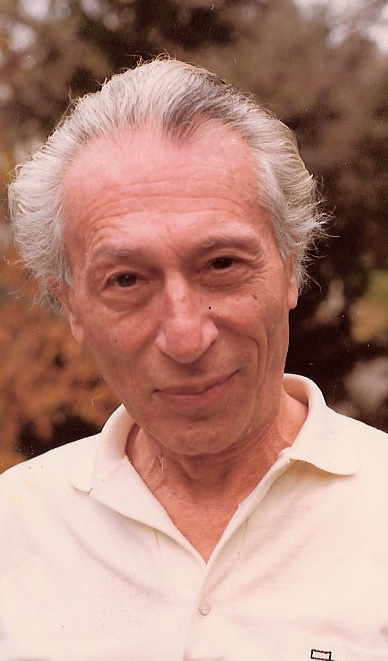
Grandpa’s memoir

            So, since I’m on summer break from work, I decided to type the memoir and give myself the opportunity to hear my grandfather’s voice once again.

            I had four grandparents, of course, but my father’s parents were both difficult people with not-so-great English who were unlikely to write down their thoughts in any language. And my mother’s mother, who wrote quite a lot, was not the most generous soul, so reading through her poems and essays, can be, at the very least, claustrophobic.

            But my mother’s father was a writer (as well as a teacher) and towards the end of his life he decided to sit down and write an account of his childhood, specifically for his grandchildren. He wrote, early in the pages, that he wished he’d had such an account from his own grandparents, and so he wanted to make sure to do that for us.

            For the past few weeks, whenever I’ve had time, and energy, I’ve been sitting in front of the computer transcribing a few pages of my grandfather’s handwriting – hearing his unique voice and how he played with punctuation (a dash here, a comma there, often both at the same time) and how he often repeated words for emphasis, like hard hard, for very hard, or much much, for very much. Interestingly, I’ve noticed this same pattern in Modern Hebrew, where le’at le’at (or slow slow) means very slowly, and maher maher (or fast fast) means very quickly.

            I was sure I remembered everything important from having read the memoir years ago, but of course there were so many things I’d forgotten: like his descriptions of the outhouse behind the tenement across the street, and how lucky his family was to live in a tenement that had two indoor toilets per floor; or his description of all of the wonderful food his mother made for holidays, or the deep anxiety she lived with year round and that was finally echoed by everyone else during the High Holidays; and there were all of the stores he accompanied his mother to, when he was only four years old, because his English was better than hers; and the way he described his childhood synagogue on Yom Kippur, where the Cantor would close the windows, to avoid catching a cold from the breeze, leaving many people struggling with the heat, and fainting from the combination of the heat and the hunger from fasting.

            My grandfather was a wonderful storyteller; I’ve always known that. And he had strong feelings about the ways his childhood orthodoxy no longer fit him as he grew up and began thinking through his Judaism for himself. And I knew that he loved language and food and his family. None of the information or the wisdom in these pages is new to me, but I am so grateful for the opportunity to dawdle over these pages again and to take my time as I type (because I am a very slow typist) and visit with him again.

Grandpa

            In the midst of the typing, my great aunt Ellen, my grandfather’s baby sister, died at the age of one hundred and eight. She had outlived the rest of her siblings by decades, taking on the mantle of family elder and family glue. And with her death it feels like a whole generation is disappearing at once, except for all of the memories they’ve left behind, including this memoir my grandfather wrote just a few years before he died. These forty short pages are giving me a chance to have conversations with him that we never got to have when he was alive, and I am so grateful to have these words to help keep his memory alive, and the memory of his baby sister whom we loved very much, and, who, as a result, we will never really lose.

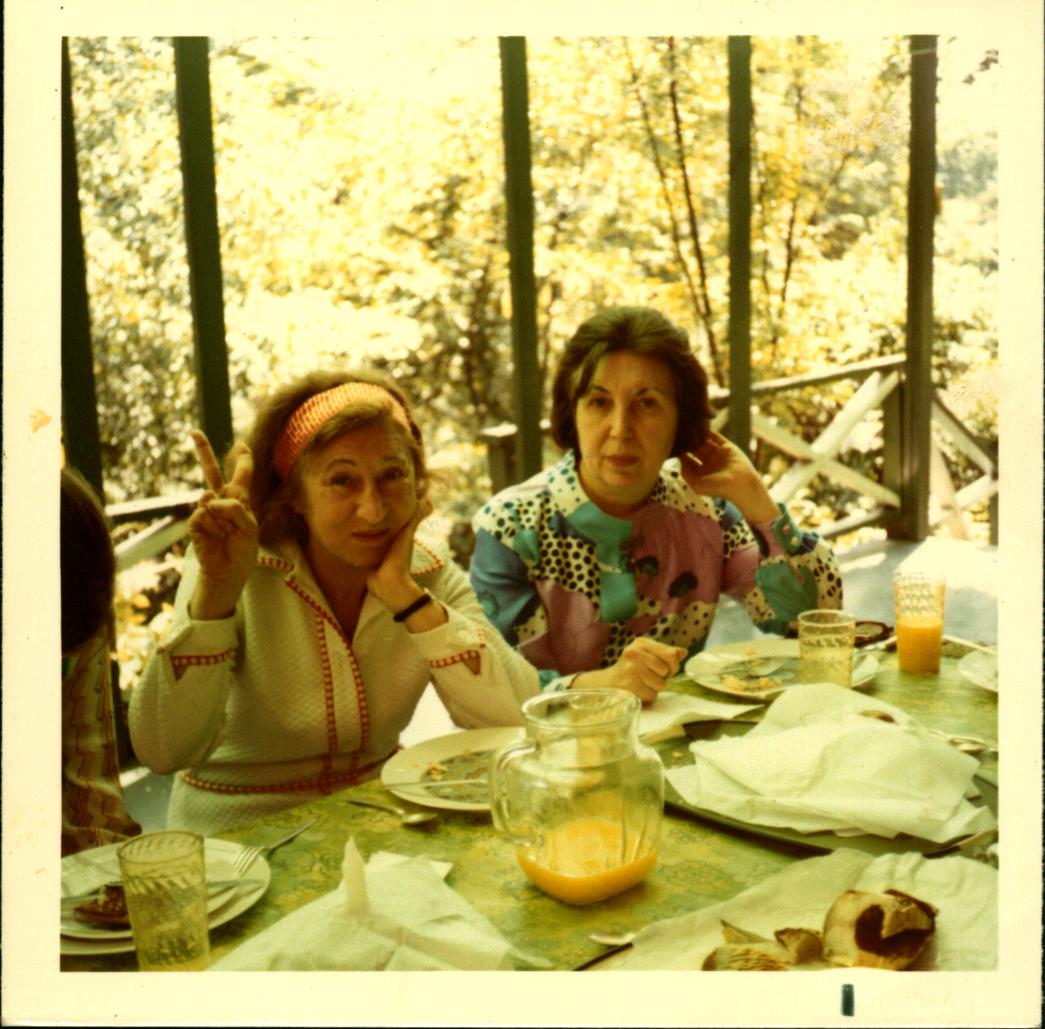
Ellen (right) with her sister Susie

If you haven’t had a chance yet, please check out my Young Adult novel, Yeshiva Girl, on Amazon. And if you feel called to write a review of the book, on Amazon, or anywhere else, I’d be honored.

            Yeshiva Girl is about a Jewish teenager on Long Island, named Isabel, though her father calls her Jezebel. Her father has been accused of inappropriate sexual behavior with one of his students, which he denies, but Izzy implicitly believes it’s true. As a result of his problems, her father sends her to a co-ed Orthodox yeshiva for tenth grade, out of the blue, and Izzy and her mother can’t figure out how to prevent it. At Yeshiva, though, Izzy finds that religious people are much more complicated than she had expected. Some, like her father, may use religion as a place to hide, but others search for and find comfort, and community, and even enlightenment. The question is, what will Izzy find?
Back in Hebrew Class

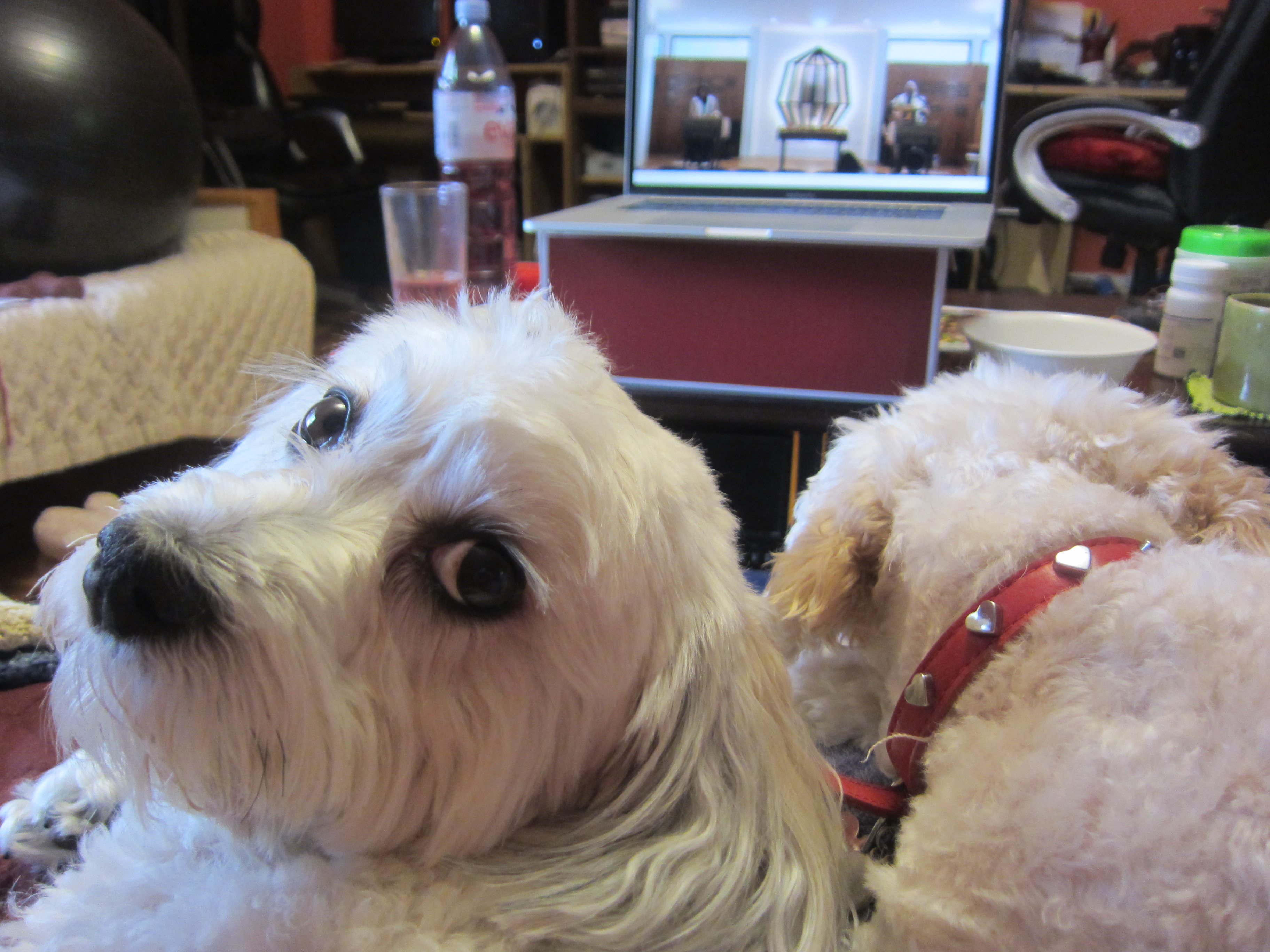
            I’m back in my online Hebrew classes and it is such a relief. I didn’t realize how much I missed this imaginary place, this zoom class that exists somewhere outside of space and which I can get to without leaving my apartment. After almost a year away – and such a year – I feel so much gratitude to be back.

            Up until the moment class started, though, I wasn’t sure how I would feel. I was already feeling guilty for spending the money on this instead of on ten other things that seemed more important, and I felt needy and silly for wanting to be taught instead of teaching, and I felt ridiculous for not having been to Israel yet after so many years of wanting to go.

            And then, because I was out of practice with the time difference between New York and Israel, I thought the class started at 2:30 PM and was surprised when I checked my email and found out that the class had already started, at 1:30, and I was late. I still had to set up my computer and brush my hair and change my shirt (I wear my pajamas all day every day when I’m not at work) and log into the new learning system the school had created while I was away, and by the time I finally popped up on screen I was fifteen minutes late.

            But I was fine. No, better than fine.

            The class (or the screen) was full and there were some familiar faces, but mostly the faces were new to me, including the teacher. And yet I was able to keep up, and my Hebrew was much closer to the tip of my tongue than I’d feared. We didn’t talk about the news, much, instead we focused on the things we could control, like how to be kind and generous with each other and leave room for making mistakes. I’m a big fan of being treated like a big puppy dog when I make mistakes, instead of hit over the head with a hammer.

“No ouchies for me!”

            During my first week back in class I went to every practice group I could get to, which ended up being more than I’d gone to in the two years I’d spent in the program before. I wanted to challenge myself, socially and with my Hebrew, to get back into the stream as quickly as possible. And I didn’t realize until afterwards how easy it was, compared to even a year ago, to manage the social anxiety and fear of the unknown that comes with the practice groups – especially in week one when I had no idea who my teachers or fellow classmates would be. In our regular classes things are more predictable: you get a class list ahead of time, and an introduction from your teacher, and that’s your group for the semester. But in practice groups we’re dropped into breakout rooms with random strangers to discuss random topics and then we’re being tested on things we’ve learned in previous semesters, generally using vocabulary I forgot long ago.

I don’t think I’ll be able to do this many groups every week, both because I have doctors’ appointments coming up and other things I need to get done this summer, but I’d really like to work harder this summer than in the past and push myself and my Hebrew as far as possible.

            Except, despite all of the progress I’ve made on my mental health, somewhere around the third or fourth practice group the negative voices in my head returned: Why am I such a loser that I have to pay people to spend time with me and laugh at my jokes, why is everyone else so much more impressive and successful than me, why does everyone else get to be married and have children and travel around the world and have so much more energy and good health than me?

            I’m not sure why the negative voices were on pause for the first few days, but at least that gave me a few moments to revel in the joy of being back in class. But then the avalanche of pain made me realize that this was probably why I’d decided to stop taking classes last year. I thought, at the time, that I had run out of ambition to learn more Hebrew, but I think it was more that the classes were bringing up too much internal noise that I couldn’t handle and couldn’t drown out.

            The anxiety I used to be so focused on, around making mistakes and saying the wrong thing, seems to have been hiding a much deeper pool of anxiety around all of the things I want to have in my life and believe I can’t have. Being in class seems to bring up so much longing – to go to Israel, to have more friends, to be more successful in my career, and to be in love – and when all of that longing comes up to the surface, my deeply felt belief is that none of that is possible for me.

            In the past, when these feelings overwhelmed me, my answer was to turn off the faucet altogether, usually without realizing what I was doing. But now, it seems like my brain is telling me that I am ready for more, or should be, and therefore it’s time to let me know that I want more; but I still feel like the things I long for are impossible, and I don’t know why my brain believes I’m closer to ready.

            So, in the midst of seeing real progress, and feeling real joy, I’m also feeling awful at the same time, and it sucks. I’m so frustrated by how long it takes to make progress in my life, and how often I have to stomp the brakes to avoid falling off cliffs that seem to come out of nowhere. I wish I knew how long each step forward would take, and which goals would actually be reachable, because then I could plot it all out on a calendar and be comforted that it’s all going to happen when it needs to happen; but instead I have no idea what will be possible next week, let alone next year.

            My brain remains mysterious to me, and I don’t understand what it is about Hebrew in particular that has opened this door for me, but I am committed to continuing to go forward in whichever ways feel possible. So I will make as much of this summer of Hebrew as possible, enjoying the laughter and the challenges and the friendships, and I will also try to make sense of the pain and confusion that come along with them. And I will keep trying to remind myself that this is what progress looks like and feels like, for me, even if I wish it could be different.

“Hiding is always a good idea.”

If you haven’t had a chance yet, please check out my Young Adult novel, Yeshiva Girl, on Amazon. And if you feel called to write a review of the book, on Amazon, or anywhere else, I’d be honored.

            Yeshiva Girl is about a Jewish teenager on Long Island, named Isabel, though her father calls her Jezebel. Her father has been accused of inappropriate sexual behavior with one of his students, which he denies, but Izzy implicitly believes it’s true. As a result of his problems, her father sends her to a co-ed Orthodox yeshiva for tenth grade, out of the blue, and Izzy and her mother can’t figure out how to prevent it. At Yeshiva, though, Izzy finds that religious people are much more complicated than she had expected. Some, like her father, may use religion as a place to hide, but others search for and find comfort, and community, and even enlightenment. The question is, what will Izzy find?

The Flowers on the Pawpaw Tree

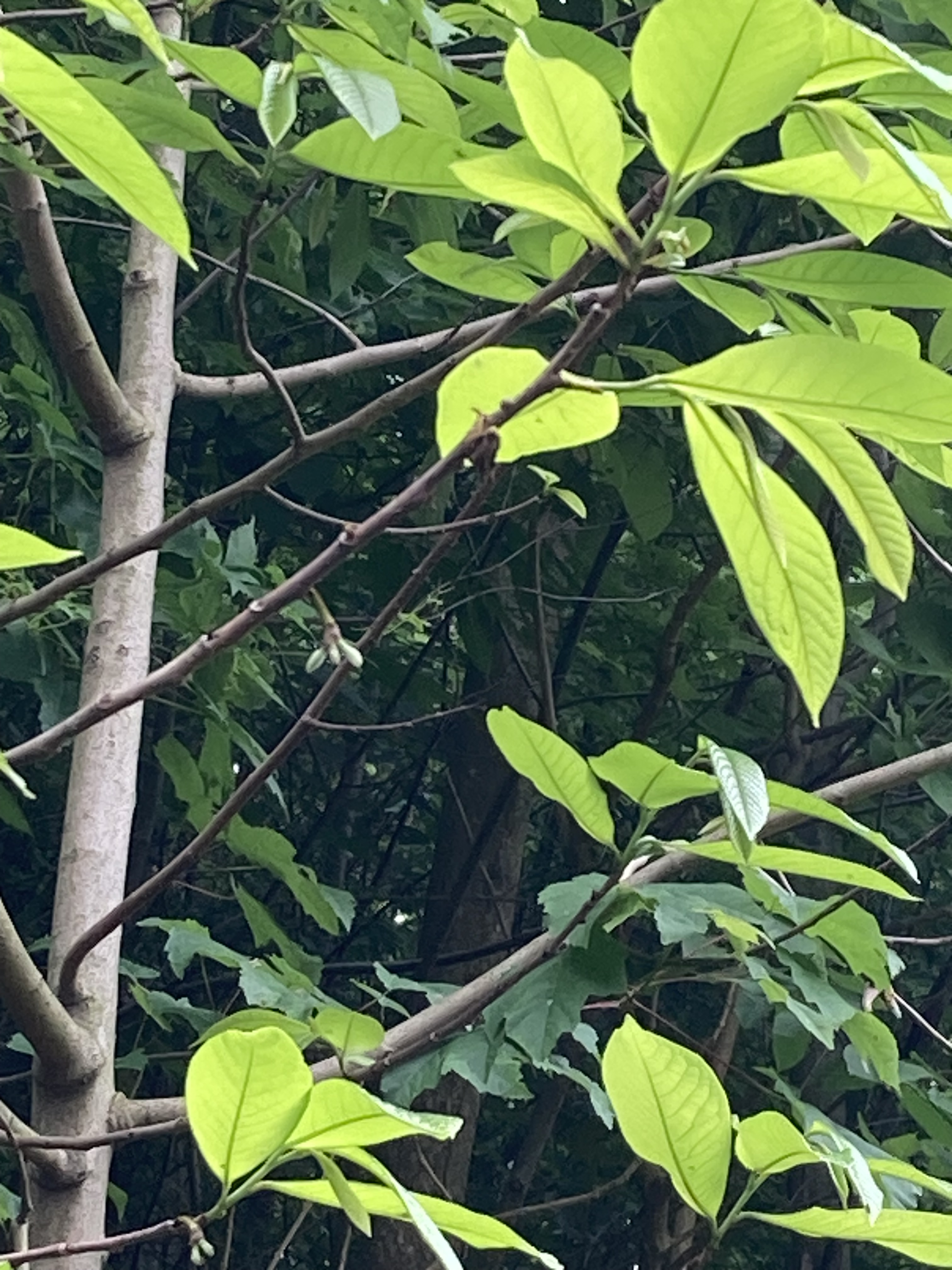
            The Pawpaw tree has flowered again. Actually, some of the flowers have already bloomed and fallen away, exposing the tiny fruit getting ready to grow. There’s endless inspiration in watching this pawpaw tree go through its cycle of life and death and renewal each year. In the winter, when all I can see is the bare tree with no leaves or buds or fruit or flowers, it would be easy to imagine that there is no life left, but I know better. I know that spring always comes again.

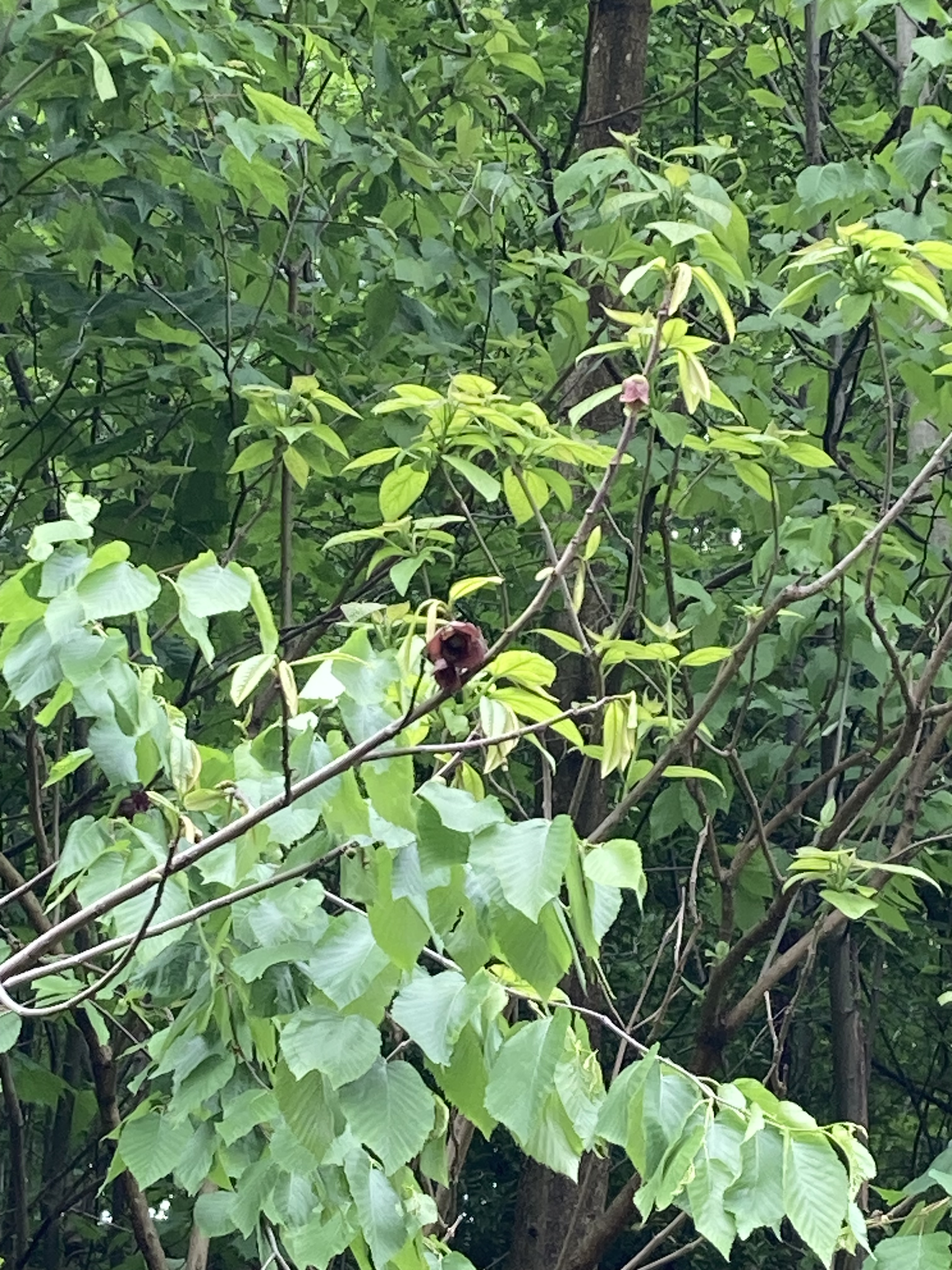
The reddish brown pawpaw flowers
Can you see the three little fruits in a clump?

            When Cricket died in October, I put her collar around the trunk of the pawpaw tree, not because I thought she might come back to life herself in the spring, but because I hoped her life would be an inspiration to the tree, to keep growing. Ellie’s collar was added in December and in a way it made the tree seem more whole, because now it had both the quiet joy of Ellie and the loud vibrancy of Cricket to help it along.

This picture was taken in December, when the Pawpaw tree was still sleeping.

            I don’t know why this small gesture has been so meaningful to me, but every time I see their collars there on the pawpaw tree I feel a sense of comfort and reassurance. I still hear the dogs in the apartment all the time, and I see shadows and imagine that one of them is running past my door. It still surprises me how solid these memories feel, of all of the dogs and people I’ve loved and lost. It’s not that “I see dead people,” but I feel their presence in my mind and in my heart in a way that is so much more substantial than the words “ghost” or “spirit” would suggest.

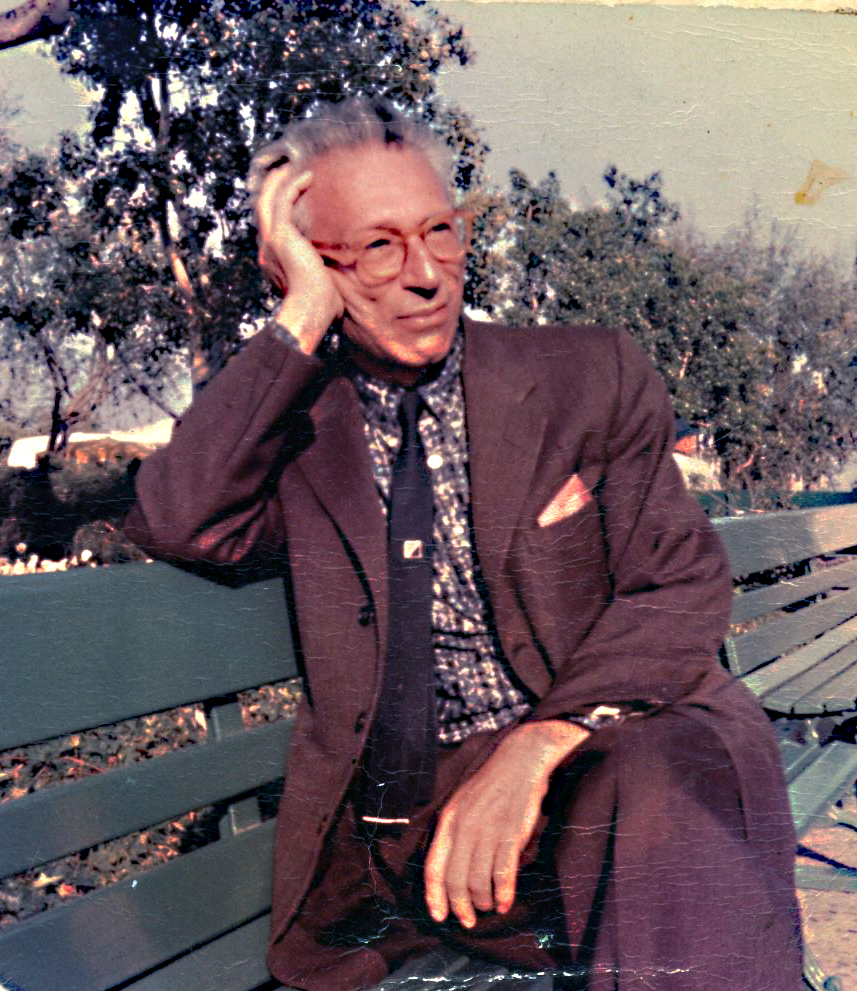
            My grandfather, who died when I was eight years old, is still a daily presence in my life: his smile and his laugh and the strength of his attention bolster me through so many difficult days. The same is true of some of the less positive characters from my past too, unfortunately, but there’s at least reassurance in knowing that my memories remain a part of me, and none of that time was wasted.

Grandpa

            However temporary nature may be, with flowers blooming and wilting, and dogs coming into my life and passing away, I know that I will never really lose them. It all remains. And I think that’s a gift, even if at times a bittersweet one.

We’ll always be here, Mommy.”

If you haven’t had a chance yet, please check out my Young Adult novel, Yeshiva Girl, on Amazon. And if you feel called to write a review of the book, on Amazon, or anywhere else, I’d be honored.

            Yeshiva Girl is about a Jewish teenager on Long Island, named Isabel, though her father calls her Jezebel. Her father has been accused of inappropriate sexual behavior with one of his students, which he denies, but Izzy implicitly believes it’s true. As a result of his problems, her father sends her to a co-ed Orthodox yeshiva for tenth grade, out of the blue, and Izzy and her mother can’t figure out how to prevent it. At Yeshiva, though, Izzy finds that religious people are much more complicated than she had expected. Some, like her father, may use religion as a place to hide, but others search for and find comfort, and community, and even enlightenment. The question is, what will Izzy find?
What I’ve Learned So Far

            With the end of the synagogue school year I always try to take stock of what I’ve learned, and what I need to hurry up and learn over the summer to be prepared for next year’s challenges. This has been a hard year, personally (with the loss of the dogs) and globally, but I’ve learned that I have to find hope, even if I have to manufacture it out of nothing, or else I won’t be able to function.

            My biggest take away from this year is that I love working with these kids, from the youngest to the oldest, from current students to kids I never taught but met along the way. And I love finding out that I made a difference in their lives; even a small one, even just as a contact point, a place where they feel safe being themselves.

            I feel like I’ve been doing a child development observation project for the past five years and I keep learning more and more about what works and what doesn’t work for different kids, and I keep learning the humility that comes with being wrong over and over again. And I find that I don’t mind being wrong and making mistakes (unless those mistakes are pointed out to me endlessly and highlighted in neon, then not so much).

            One of my favorite things is when I meet kids who are clearly being parented well, kids who are their full selves and self-aware and able to accept their own limitations and seek help when they need it and seek out challenges that allow them to grow. Of course, I identify more with the kids who are struggling, who are frightened or insecure or unable to even express the chaos that’s going on inside of them. But I love all of them.

            And now that I’ve been here a while, some of the kids I worked with at the beginning are now teenagers, and some of the teenagers who helped in our classrooms are now young adults, and they still come back to check in and update us on how they are doing. I can especially relate to the way the teenagers and young adults are trying to figure out who they are, because I’m still working on that project myself. I watch as they try on different identities and personas and philosophies and I try to be patient when they are insufferably overconfident or simplistic or combative about their newly discovered truths.

The one area where I’ve been struggling to be patient, though, is when what the kids are trying on is a new worldview wherein Israel is the cause of all evil. A lot of the students who are protesting on campuses are not lifelong supporters of Hamas, or even especially well-educated about the Middle East and the plight of the Palestinians in Israel and the surrounding Arab countries. Most of them are just kids who are trying out new ideas to see how they fit, and they are energized by the communal atmosphere of the encampments and the belief that they can be completely right about something and their parents can be completely wrong. Most of these kids, given time and education, will not be supporters of terrorism, or of any of the other political ideologies they have been flirting with in college, and what I’m learning is that my job as an adult with the honor of interacting with them is to educate, and to listen, and to support. I do not need to pretend that I am convinced by their sudden certainties about the world, nor do I need to argue with them, but I can’t abandon them either.

This is an encampment I might even join
(not my picture)

            I know from my own experience that certainties can help manage the extreme anxiety that comes with having no idea what the future will bring. They are still trying to figure out how to do their own laundry and yet they’re expected to plan out their whole lives: career, finances, life partners, belief systems, etc. The job of their teachers is to open new doors of thought, and present the available knowledge with a good dose of skepticism, and suggest questions worth asking, and teach a tolerance for uncertainty, but a small percentage of professors seem to see their role as becoming gurus who expect their students to swallow their ideologies whole.

With a Professor like this, I’d listen to whatever he had to say. (not my picture)

            I would have done better with less certainty from the adults in my life when I was in school. I needed my teachers to ask me questions and offer me compassion and patience, and then, gently, to introduce the complications to my black and white view of things. I didn’t need their admiration anywhere near as much as I needed their interest and curiosity in who I was and how my mind worked.

This was me all through school. Different hair.
(not my picture)

            I’ve been reminded all over again this year how important it is to be an accurate mirror for my students. Unconditional positive regard only works when it is based in the reality of the child or young adult in front of me. If an oppositional, argumentative class clown is praised for being well-behaved when he isn’t, that’s not helpful. He wants to be seen as he is. He’s being oppositional for a reason and if I ignore his reality I’m not helping him.

            It’s a relief to have the summer off so I can recharge and focus on my writing and focus on myself, but this year especially I know I am going to miss my students, so I will make an extra effort to carry them with me, as a totem, to remind me of how much there is to look forward to in the future.

But first, a really long nap.

This is not my picture either, but it looks just like me.

If you haven’t had a chance yet, please check out my Young Adult novel, Yeshiva Girl, on Amazon. And if you feel called to write a review of the book, on Amazon, or anywhere else, I’d be honored.

            Yeshiva Girl is about a Jewish teenager on Long Island, named Isabel, though her father calls her Jezebel. Her father has been accused of inappropriate sexual behavior with one of his students, which he denies, but Izzy implicitly believes it’s true. As a result of his problems, her father sends her to a co-ed Orthodox yeshiva for tenth grade, out of the blue, and Izzy and her mother can’t figure out how to prevent it. At Yeshiva, though, Izzy finds that religious people are much more complicated than she had expected. Some, like her father, may use religion as a place to hide, but others search for and find comfort, and community, and even enlightenment. The question is, what will Izzy find?
The Next Phase

            My allergies have kicked in big time, and the most likely culprit is all of the maple trees right outside my window and the thousands of seed pods they send raining down to the ground. The wheezing came out of nowhere one day last week: I heard this strange sound, like someone crying or screaming from a distance, and it took me a while to realize that the sound was coming from my own throat. Somehow all of the allergens have chosen to bypass my nose, and mostly my eyes, and lodge themselves in my throat where I inconveniently need oxygen to breathe. Sleep has been tough, and the allergy meds I take day and night are not helping much, but it is sort of fun to sound like Darth Vader every once in a while; it breaks up the monotony. Not that there’s been much monotony lately, to be honest.

I wonder if the mask would help me breathe better (not my picture)

            This past week Mom and I went to see a cardiac surgeon to find out the next steps for dealing with her damaged mitral valve. I was very nervous about the appointment, we both were, in large part because there was so much we didn’t know. We spent about four hours at the hospital on Monday and met with the cardiac surgeon and then with his colleague who specializes in cardiac interventions other than surgery, and the plan going forward is to have a minimally invasive procedure (sort of a combination of an angiogram and an endoscopy with mitral valve clips thrown in), in the hope that clipping the mitral valve (rather than replacing it) will be enough to mitigate the damage. The doctor explained that at this point about fifty percent of the fluid leaving Mom’s heart through the mitral valve is going into the left ventricle, which is stretching it out of shape and wreaking havoc. The clips will close the holes in the mitral valve, at least partially, to redirect the fluid to where it belongs. This less invasive procedure will only require one overnight stay in the hospital (as opposed to a week in the hospital and then two weeks in a rehab facility after the full surgery), and recovery will be minor.

            But there’s something so un-reassuring about the image I have in my mind of the mitral valve clips: I keep seeing tiny wooden clothespins, like the kind that hold laundry on the line so it won’t blow away in the wind, but the doctors say it’s worth a try and could reduce the symptoms of fatigue, shortness of breath and heart palpitations to a more manageable level. The problem is that Mom’s mitral valve isn’t just damaged in one place, it’s more like Swiss cheese, so there’s a fifty/fifty chance that the doctor will go in to do this procedure and on the spot decide it’s not working and we will have to go ahead and schedule the full heart surgery after all.

(not my picture)

            I feel a little better knowing the steps involved in all of this, even if we end up having to go the full surgery route after all. The worst part was not knowing and leaving it all to my imagination, which is vivid. The doctor made sure to say that the chance of death from the minimally invasive procedure is about 1%, which is close to the risk from, say, going for a walk on a spring day. The full surgery’s risk is at about 5%, which is higher, but not high. I’d prefer zero risk and full recovery, but I understand that I’m being unreasonable.

            The cardiac surgeon was pretty optimistic about the success of the full surgery, and said we could just go ahead and do that if we wanted, but as soon as he used the words “heart lung machine” in describing the surgery I came close to having a heart attack myself, so I’m happy that we’re starting small. The ultimate decision to try the less invasive procedure first, of course, was Mom’s, but I think a small part of her was disappointed that she wouldn’t get to stay in a hotel (pardon me, a hospital) for a few weeks, with room service and house cleaning and varied and interesting company.

I think this is more evidence that Mom has reached the second phase of retirement. The first ten years were about making up for lost time, doing all of the projects and trips and socializing she didn’t have time for while she was still working, and the next phase looks like it’s going to include more pampering and siestas. I guess I’ll need to look into getting the co-cop to agree to a pergola in the backyard, and maybe a hammock, so Mom can get her moments of nature and her rest at the same time. If all goes well this summer, this second phase of Mom’s retirement could be even longer than the first, and filled with good health and relaxation, and time to build more happy memories with her grandchildren. And a dog. There really needs to be a dog.

Not my dog, but just sending this image out into the universe

If you haven’t had a chance yet, please check out my Young Adult novel, Yeshiva Girl, on Amazon. And if you feel called to write a review of the book, on Amazon, or anywhere else, I’d be honored.

            Yeshiva Girl is about a Jewish teenager on Long Island, named Isabel, though her father calls her Jezebel. Her father has been accused of inappropriate sexual behavior with one of his students, which he denies, but Izzy implicitly believes it’s true. As a result of his problems, her father sends her to a co-ed Orthodox yeshiva for tenth grade, out of the blue, and Izzy and her mother can’t figure out how to prevent it. At Yeshiva, though, Izzy finds that religious people are much more complicated than she had expected. Some, like her father, may use religion as a place to hide, but others search for and find comfort, and community, and even enlightenment. The question is, what will Izzy find?

The Return of the Panic Attacks

            I thought I was done with panic attacks. It’s not that I was free of anxiety or depression, but for a long time now I’ve felt like I could handle the difficult things that came up without shattering into a million pieces or becoming paralyzed, but something changed in the past few weeks. I’m pretty sure it started when I tried a new Rheumatological medication (Methotrexate), which was meant to lessen my overall body pain and allow me to exercise more, but instead made me even more exhausted and exacerbated my pre-existing depression and anxiety.

At first, I had no idea where the extra depression was coming from: was it from thinking about adopting a new dog? From watching the news? The exhaustion of doctor visits? Discovering that weight loss medication would remain out of reach? I don’t remember now what finally made me believe that it was the Methotrexate that was sending me into the deep dark, but after weeks of worsening depression I decided to stop taking it and see if things improved, and, gradually, I started to feel better and able to think and write and plan and hope again.

            When I called the Rheumatologist to tell her what was going on, she said to wait a few weeks before trying the next medication, which shouldn’t have any of those side effects, and since I wanted to believe her and finally see some improvement in the overall body pain that has seriously restricted my life, I agreed.

            But since I’d been taking the Methotrexate weekly, instead of daily, the timeline for it to leave my system was very slow, and in the meantime, I had my first panic attack: a small one, at Whole Foods. I used to have food panic all the time, because of the thousands of different diets I’ve been on, and because of old conflicts around keeping kosher, but after years of working on Intuitive Eating a lot of that noise had calmed down. Except, at Whole Foods (a ridiculously high priced store that rarely has the things I need, but always has fun stuff I want), I got all mishkebobbled by the prices and the choices and I had no idea what to buy. Eventually, I chose a few small things and got out of there as quickly as possible. It was only a small echo of my old panic attacks though, and I was mostly okay.

            The second panic attack, also small, also happened around food, this time at the enormous supermarket near my house. I blamed it on Passover, because there was a large section of Passover foods that made me feel like I should buy jars of borscht and boxes of cake mix and cans of chocolate chip macaroons that I would never eat. But, again, the panic passed quickly, and when the effects of the Methotrexate finally wore off I thought I was stable enough to try the second rheumatological medication.

            And then the car battery died. This had happened once before, because one of the lights above the driver’s seat goes on accidentally at times and if I don’t notice it right away, and don’t drive the car for a few days, by the time I get back to the car the battery is dead.

            This time it happened when I needed to take Mom for a medical procedure, an endoscopic ultrasound of her heart (called a TEE), but the car wouldn’t start and there was no one around to help, and instead of being able to problem solve, or even think, I panicked. Mom told me that she would call a cab, and then call AAA or the maintenance men at our co-op to help me charge the battery, and the idea that I would have to interact with strangers scared me so much that I left my mother and my pocketbook in the car and race-walked back to the apartment to curl up on my bed and hide.

            Mom called me from the parking lot a few minutes later to say that the cab was on its way, and that the maintenance men would be able to help with the car in about half an hour, but in the meantime I should come back outside and get my pocketbook, because it wouldn’t be safe to leave it in the car. She didn’t seem to be upset with me, or to understand that I was curled up on my bed in an altered state, but I couldn’t think for myself so I did as I was told and went out to the car for my pocketbook. I was able to give Mom a hug just as the cab arrived, and then I walked back up to the apartment, resumed my curled up position, and cowered in my room.

            There was a knock at the door a while later and I jumped out of bed and put on my jacket and answered the door on automatic pilot; some part of me was able to function enough to make chit chat and ignore the bad jokes about my lack of car knowledge. When the guys said I should drive the car around for ten or fifteen minutes before turning it off (and then on again), I did as I was told, even though my pocketbook, with my driver’s license, was still upstairs.

To fill the time, I decided to do a practice drive to the hospital where Mom was having her test done, to make sure I’d know where to pick her up later, and I got stuck in traffic for forty minutes, worrying the whole time that the car would stop suddenly or that I’d get into an accident and have no identification on me. But I made it home safely and turned off the car and waited a few minutes, as I’d been told, and then turned the car back on, successfully (which meant I wouldn’t have to call the maintenance guys again, which was good because I didn’t have their phone numbers). While I was still in the car, taking my first deep breath in more than an hour, Mom called from the hospital to ask if the car was working, because they’d been delaying her procedure until she could assure them that I would be able to pick her up when it was over, and I spoke to the nurse on the phone and reassured her that I would be there on time.

            I survived the rest of the afternoon on automatic pilot and picked Mom up from the hospital and got her home safely. I felt awful for having had a panic attack when she needed me, and really scared that this would be my new normal, but most of all I was exhausted and needed sleep. When I woke up from my nap a few hours later I started to wonder if there might be a connection between starting the second rheumatological medication the night before and this latest, much more significant, panic attack. But my brain was telling me that I was always this useless, and I couldn’t come up with a convincing argument to fight back.

Two days later, Mom and I went to a dog rescue event, because my therapist had suggested (insisted) that I go, and because the depression was getting so dark again that I didn’t have the energy to think for myself. We got the address of the rescue event wrong, twice, but finally found it by following the crowd of cars. Once we’d parked and walked over to the row of tents and tables advertising all of the different rescue organizations, I was overwhelmed by all of the noise and people and dogs, and I couldn’t make sense of what I was supposed to do or where I was supposed to go.

We eventually found an enclosure filled with many small and hypoallergenic dogs, along with some full-sized Poodles and Golden Retrievers and a horse-sized Siberian Husky. But none of the volunteers seemed to know how their adoption process worked, or which dogs were still available for adoption, and no one knew about age and weight and health status, except that all of the dogs were probably around three years old and had been rescued from dog meat festivals in Asia (that’s hard to type, let alone to say out loud).

There was a little black poodle mix who was already on one of the rescue’s leashes outside of the enclosure, but when I asked about him a very possessive older woman glared at me and said she was considering adopting him, which seemed to mean he was off limits. Then we saw a little butter-colored dog who looked like the perfect size for us, but another woman had picked him up and held him tight while she looked for a volunteer to help her with the adoption; when she finally found the volunteer-in-the-know it turned out that that dog was already spoken for by someone else. I was getting more and more overwhelmed by the confusion and heat of the day and part of me wanted to leave (or escape), but part of me felt like it was my job to stay there and tough it out.

Finally, one of the volunteers asked me if I’d like to meet one of the dogs and I looked around and saw a little white dog who looked very much like Butterfly, and I chose her. I held her for a while and she was very calm, to the point where she didn’t even make eye contact or react to much of anything. When I put her down on the ground though, she freaked out at a noise I couldn’t hear and almost strangled herself trying to get out of her leash. The volunteer put her back into the enclosure with the other dogs and she sat down against the fencing, near where I was standing, and seemed to calm down again. She wasn’t the dog I was looking for, especially because she looked so much like Butterfly and was triggering all of the old grief and responsibility, rather than the love, but I couldn’t untangle my feelings or get myself to leave her behind in the chaos either. Mom finally found someone who could explain the adoption process, including the $2,000 adoption fee, which is basically what it would cost to buy a puppy from a breeder, and by then the Butterfly look-alike was sitting patiently on a little girl’s lap, so we took a brochure and finally walked away.

The whole time we’d been near the enclosure I’d been beyond thinking, unable to figure out what I wanted to do or what I thought I should do, except that I knew I should adopt all of the dogs, including the big dogs, because what kind of monster leaves a dog behind just because of money or because the world is tilting, or for any other clearly not-good-enough reason. As we got further away from the dogs I started to be able to hear my own thoughts a little more clearly, but I still felt sick and dizzy and angry and confused. I was able to drive home safely, but hopelessness and the long list of things that were wrong with me was rushing through my mind and refused to shut up.

Hours later, on Mom’s prompting, I looked up the side effects for the second rheumatological medication, and depression and anxiety were at the top of the list, despite the doctor’s assurances that this medication would not be a problem, so I emptied the rest of the pills from my pre-filled weekly pill box and crossed my fingers.

            It took a couple of days for the worst of the hopelessness to wane, but in a way the damage had already been done. I’d forgotten how bad things could get, and now it was right in the front of my mind. It didn’t help that the day after the rescue event Mom got the results of her TEE and told me that she would probably need surgery to repair or replace her mitral valve (her fourth surgery in three years).

I’m frustrated that these medication trials, which were supposed to help me function better, sent me so close to the brink; and I’m frustrated that this is how it’s been with so many medications over the years; and I’m angry that the one medication that was helping (Ozempic) was taken away; and I’m angry that the doctors still have no name for what’s wrong with my health, let alone any solutions.

            But at least I can think again.

I called the Rheumatologist to tell her that I wouldn’t be trying the third medication on her list, at least not right now, because I needed to be in the best frame of mind possible to help Mom through her surgery, and the expected three months of recovery.

Only time will tell if the panic attacks were solely caused by the rheumatological medications, or if, with enough stress, they will return. I’m trying to be hopeful that I’ll be able to handle everything that comes my way this summer, but part of me is worried, remembering how bad it can get. Another part of me, though, is remembering Cricket’s insistent strength, and Ellie’s insistent belief in me and my strength, and holding those memories as close as possible, to inspire me and help me through.

If you haven’t had a chance yet, please check out my Young Adult novel, Yeshiva Girl, on Amazon. And if you feel called to write a review of the book, on Amazon, or anywhere else, I’d be honored.

            Yeshiva Girl is about a Jewish teenager on Long Island, named Isabel, though her father calls her Jezebel. Her father has been accused of inappropriate sexual behavior with one of his students, which he denies, but Izzy implicitly believes it’s true. As a result of his problems, her father sends her to a co-ed Orthodox yeshiva for tenth grade, out of the blue, and Izzy and her mother can’t figure out how to prevent it. At Yeshiva, though, Izzy finds that religious people are much more complicated than she had expected. Some, like her father, may use religion as a place to hide, but others search for and find comfort, and community, and even enlightenment. The question is, what will Izzy find?
Listening to Israeli Music in the Car

            When Mom and I bought our Subaru Crosstrek last summer, the car salesman demonstrated how to link an iPhone to the car’s computer in order to answer phone calls hands free. But as soon as Mom’s phone was linked to the car’s computer, a podcast or a phone call or a voice mail came bursting out of the speakers at us, and we had to press every button in the car before we could finally make it stop. And as a result we decided, as we often do, that this latest technological advance was not for us.

            But then, a few months ago, when I was listening to music on my phone in the car because I was tired of hearing the same Olivia Rodrigo and Taylor Swift songs on the radio over and over, I noticed that the battery was low and plugged my phone into the car charger, and suddenly my Spotify account was playing over the car’s speakers. And it was wonderful! So now, as soon as I get into the car, I put my phone on the car charger and open my Spotify app and my music fills the whole car instead of just the cup holder next to me.

            Of course, I still pay attention to the news, but only when I feel like I have the energy to deal with it because trying to make sense of the different narratives of what’s going on in the Middle East (and here), as reported by different outlets through varying lenses feels like trying to untangle a pile of fishhooks. But listening to Israeli music, with a playlist that has ballooned to over 300 songs, has become my sanctuary. Especially when I’m on my way to school to teach my students, listening to Israeli music instead of news about Israel helps me get into a mindset where I can have hope for the future, so I can be the person I need to be for my students.

            Alas, I only have a free Spotify account, which means I can only listen to my playlist on shuffle, and I still have no idea how Spotify decides to shuffle the songs. Luckily, even though my Israeli music playlist is ridiculously long, it is filled with songs I really like, so even if the shuffle decides I need to hear the same song on the drive to and from work, or jumps from one style of music to a very different style of music, it’s all good. And there’s actually something comforting about having the app choose which song to listen to next, because it makes me feel like I’m not really alone in the car; like there’s a tiny DJ in there, somewhere, keeping me company and telling me everything’s going to be alright.

Four songs on a theme:

David Broza - It'll be Alright – Hebrew with English Subtitles https://youtu.be/qtI7h5A9eEQ?si=EHnP_sG13WAKC92E
Yasmin Moellem – It Will Be Good - Hebrew https://youtu.be/qvdQ4mGMVkg?si=8SnxkJslFPMKPUfv
Cafe Shahor Hazak - It Will be Okay – Hebrew https://youtu.be/PQp2a_yunmM?si=KWPCfyJyFLvq0qbU
Lior Narkis – In the end it will be Okay – Hebrew https://youtu.be/SNsBoZLyIAk?si=Q3lf1MrHvXShQdwY
David Broza
Yasmin Moellem
Cafe Shahor Hazak
Lior Narkis

If you haven’t had a chance yet, please check out my Young Adult novel, Yeshiva Girl, on Amazon. And if you feel called to write a review of the book, on Amazon, or anywhere else, I’d be honored.

            Yeshiva Girl is about a Jewish teenager on Long Island, named Isabel, though her father calls her Jezebel. Her father has been accused of inappropriate sexual behavior with one of his students, which he denies, but Izzy implicitly believes it’s true. As a result of his problems, her father sends her to a co-ed Orthodox yeshiva for tenth grade, out of the blue, and Izzy and her mother can’t figure out how to prevent it. At Yeshiva, though, Izzy finds that religious people are much more complicated than she had expected. Some, like her father, may use religion as a place to hide, but others search for and find comfort, and community, and even enlightenment. The question is, what will Izzy find?
The Four Sons

            As part of our preparation for Passover this year, my students and I looked at different elements of the Haggadah, the book used to guide the Passover Seder. We tried to figure out the mysteries of the ten plagues (What’s so terrible about frogs? Why do you need Lice and locusts? What does it mean that God hardens Pharaoh’s heart against letting the Israelites go and yet also sends plague after plague to convince him to let them go? Does this mean that God wants to cause Pharaoh pain? And if so, why must all of the Egyptians suffer along with their leader?); and we looked at the objects on the Seder plate (does anyone actually eat the parsley dipped in salt water? Couldn’t we just substitute pickles for the green vegetable and the salt water, all in one convenient package?); and, why is the Seder so freakin’ long?

I bought a roll of these stickers for my students last year. Lice was a favorite.

            But the part that always gets to me most is when we read about the four sons (the wise, the wicked, the simple, and the one who doesn’t know how to ask) and how the rabbis recommended we answer their questions.

            There are many reasons to find fault with this section of the Hagaddah, but first and foremost my reasons are personal: my father always chose for me to read what the wicked son had to say. He thought it was hysterical that every year he could call me evil in front of guests and get away with it. But having read that passage so many times has focused my attention on the question: what’s so wicked about the wicked son wondering what this whole Exodus story has to do with him?

            I’ve seen dozens of revised versions of the four sons: changing it to the four children to include the other half of the population; renaming the wicked son to the rebellious child; and imagining the four children as four parts of all of us.

            I actually love the idea that the rabbis thought to add a section to the Hagaddah where we are told to look at the children at the table and try to figure out how to answer their questions. It’s just that the rabbis gave terrible advice, and their method of categorizing the children is both vague and judgmental and still doesn’t really help us figure out what to say to them.

            Earlier in the Seder, the youngest child recites the official Four Questions, chosen by the rabbis long ago and usually answered before Passover even begins by your friendly neighborhood synagogue school teacher. Why Matza? Because the Israelites had to rush to bake bread the night they escaped from Egypt and the bread had no time to rise, or because we used to rely on sympathetic magic at this time of year to encourage the harvest, and preventing the bread from rising was a way to reserve all of the fecundity for the crops. Why bitter herbs? Because slavery is bitter. Why dip a green vegetable in salt water? Because the green vegetable (often parsley) represents spring and the salt water reminds us of the tears of our ancestors. Why do we recline at the Seder? Because free people are able to relax while they eat and somehow don’t mind the resulting heartburn.

            The recital of those four basic questions is supposed to be the beginning, and not the end, of the questions people ask at the Seder, and in the same way I wish we could portray (at least) four different kinds of children at our Seders in a way that would inspire us to be more curious about the actual children in our lives and to come up with ways to spark their imaginations.

            What if instead of labeling the child who agrees with us as wise, and the one who disagrees as wicked, we could listen to them long enough to figure out the who behind the concerns they are bringing up?

            In that spirit, I asked my students which children they would choose if they were writing the Hagaddah today, and they had a lot of ideas. They thought about the depressed child and the bored child, the discombobulated child and the hungry child, the happy child and the lonely child, the frightened child and the curious child, the constipated child (too much Matza), the self-absorbed child, and the brave child. And really they could have gone on and on. What they didn’t do was to describe the children in the judgmental and external ways the rabbis had done. They focused on who the child is to him or herself: she feels sad, he feels uncomfortable, she’s shy around so many strangers, and he wants to see what happens if he feeds horseradish to the cat.

             The central obligation at the Passover Seder is not to eat Gefilte fish or hide the Afikomen, but to re-tell the story of the Exodus, because we recognize the power of this story to help us find meaning in our lives: to teach us to have hope even in dark times, to learn how to stand up to bullies, to remind us that we can ask for help and that we should help others on the journey when we can. This yearly retelling also teaches us to remember our own individual traumas, and name them, and embrace the ways they have made us who we are today. If we pretend that life is beautiful all the time we won’t search for new ways to solve our problems and will remain stuck in Egypt. The mantra to “never forget” has been associated with the Holocaust in modern times, but the lesson is thousands of years old and stems from the Exodus story and the command to retell it. Our ancestors knew the power of memory and the need for storytelling to help us shape those memories into life lessons.

The Israelites are never portrayed as perfect people in the Hebrew Bible, they are intentionally portrayed as human and flawed so that we can see ourselves in them and learn the lessons they learned from their lives. The four children can be seen as part of this tradition too: the one who complains all the time (Manna? Again?!), the one who is always jealous of someone else’s share (why does Moses get to be in charge all the time?), the one who is afraid to cross the sea (why does everything have to be so difficult?), and the one who has the faith to take the first step and lead the rest to freedom. They are all part of the same whole; they are us.

Splitting of the Sea, from Chabad.org
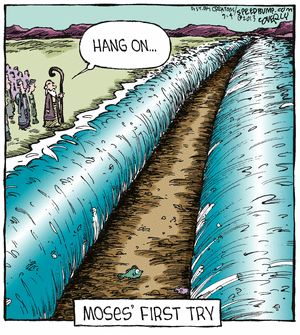
Moses’ first try, from The Jew In You

If you haven’t had a chance yet, please check out my Young Adult novel, Yeshiva Girl, on Amazon. And if you feel called to write a review of the book, on Amazon, or anywhere else, I’d be honored.

            Yeshiva Girl is about a Jewish teenager on Long Island, named Isabel, though her father calls her Jezebel. Her father has been accused of inappropriate sexual behavior with one of his students, which he denies, but Izzy implicitly believes it’s true. As a result of his problems, her father sends her to a co-ed Orthodox yeshiva for tenth grade, out of the blue, and Izzy and her mother can’t figure out how to prevent it. At Yeshiva, though, Izzy finds that religious people are much more complicated than she had expected. Some, like her father, may use religion as a place to hide, but others search for and find comfort, and community, and even enlightenment. The question is, what will Izzy find?