A few weeks ago, on one of the coldest days of the winter so far, a bird came into the apartment. This happens sometimes. Mom keeps a bag of birdseed in her room to feed the neighborhood birds, and she uses the slight open space next to the air conditioner as a sort of take-out window. And sometimes, especially on very cold days, a bird will finish eating and take that extra step and come inside. We’ve had birds come to visit for an hour, or an afternoon, or a day or more. They’re usually too fast to be caught, flying across the living room to the bookcase in the hall, and then the light fixture in the dining room, and the refrigerator in the kitchen, eventually making their way back out the same way they came in.
But this bird was different. He was a kind of dove, grey and white, larger and slower and much more frightened than the other birds had been. Mom was able to catch him right away, but before showing him the way out she wanted to show him to me. She brought him into the living room, and when she relaxed her grip, just a little, he flew from her hands up to the curtain rod by the window. After a few moments of rest, as we watched, he stepped away from the curtain rod to fly away, and instead hit his head on the ceiling, over and over again. He kept flapping his wings and propelling himself up and down, caught in a strange loop, until he was finally able to break the pattern and reach the safety of the curtain rod again.
It was awful to watch each time he made a new attempt. I screamed, and Mom tried to catch him, and I covered my eyes in horror as I heard his wings beating against the ceiling again and again. When I opened my eyes, I noticed that there was blood on the ceiling, little dots of red where he’d done his latest dance, and when I looked up at him, standing there on the curtain rod, I could see blood on the feathers of his head. We kept trying to convince him to let us help him, but he was terrified and couldn’t think straight and couldn’t trust anyone; and I could relate.
I left the room at some point, to rest, or escape, and by then he was resting too, standing on the curtain rod, facing the wall. When I came back into the room after my nap, hours later, it was quiet and I assumed he’d escaped on his own, like all the other birds. And then I looked up. There were red dots spattered across the ceiling, from one side of the room to the other, marking every attempt he’d made to escape, and every time he’d found the ceiling where he expected to find sky. He wasn’t standing on the curtain rod anymore, though, and he wasn’t on top of the bookcase in the hall, or the light fixture in the dining room, or the refrigerator in the kitchen. And then I saw him, one foot on the sewing machine, flapping his wings, falling in slow motion down to the floor.
Mom wrapped him in a piece of fabric and carried him to the window in her room and set him down on the ledge next to the air-conditioner. I was afraid that if he took a step, he would just fall, but he was able to fly and landed on the cold ground in the backyard, stunned, but breathing. And when we checked later, he was gone, hopefully because he was able to fly away on his own.
I’d like to believe that he made his way home after that, where his wound could be tended with loving care, and he could consolidate his new life lessons – about accepting help when you need it, and taking a breath when the strange dance of panic starts to take over – but these lessons are so hard to learn.
“Tell me about it.”
The window in Mom’s bedroom is now kept closed, though the birdseed is still placed on the windowsill each morning for whoever needs it. These bird visitations had always seemed like a gift in the past, but this one made it clear that wild birds are not meant to live indoors, even for a little while. They need space to fly. Or a helmet. A helmet would be great.
“I want a helmet too!”
If you haven’t had a chance yet, please check out my novel, Yeshiva Girl, on Amazon. And if you feel called to write a review of the book, on Amazon, or anywhere else, I’d be honored.
Yeshiva Girl is about a Jewish teenager on Long Island, named Isabel, though her father calls her Jezebel. Her father has been accused of inappropriate sexual behavior with one of his students, which he denies, but Izzy implicitly believes it’s true. As a result of his problems, her father sends her to a co-ed Orthodox yeshiva for tenth grade, out of the blue, and Izzy and her mother can’t figure out how to prevent it. At Yeshiva, though, Izzy finds that religious people are much more complicated than she had expected. Some, like her father, may use religion as a place to hide, but others search for and find comfort, and community, and even enlightenment. The question is, what will Izzy find?
In the immediate aftermath of the arson attack on Mississippi’s largest synagogue, there were calls for donations to help them replace their lost Torah scrolls, presumed lost in the fire. And even though later reports said that some of the scrolls had been saved, including the one that survived the Holocaust, I was intrigued by the power a Torah scroll seemed to hold over the Jewish imagination. The fact is, in order to have a congregation, you need ten people and a Torah scroll; you don’t need a building. I wasn’t surprised by the idea that the Torah holds value; the Hebrew Bible overall is seen as the word of God, after all. But the sacredness of the scroll itself, as an object, has always confused me. Aren’t we expressly prohibited from worshipping images of God (idols/statues/graven images, etc.)? Shouldn’t that mean we would avoid worshipping proxies too?
An open Torah scroll (not my picture)
The prohibition against worshipping idols, or any other physical representations of God, was meant to separate out the Ancient Israelites from their polytheistic neighbors, who prayed to many different idols as part of their daily lives. It was also meant to teach us that God is something other than human, other than animal, other than anything that can be represented in a concrete way. And yet, we have all of these objects – the Torah scroll, the mezuzah, the Shabbat candles, the ark that holds the Torah scrolls – that act as supports, like a child’s pacifier or teddy bear, to fill the missing space.
We don’t do a weekly Torah service in my congregation, unless there’s a bar or bat mitzvah to celebrate, so most of my recent experiences with the Torah service come from singing with the choir on the high holidays. The choir has specific songs to sing for the two Torah processions, before and after the reading of the text, and I have always stood with the rest of the choir, turning like a sun dial to follow the Torah on its journey. I didn’t even realize I was doing this, until I returned from Israel with stories of the women at the Western Wall backing away so as not to turn their backs on the wall as they left, and the younger rabbi at my synagogue said that we do the same thing with the Torah, following it with our eyes and never turning our backs on it. And I realized that I must have done this hundreds of times, without realizing it and without knowing why. It reminds me of stories about Crypto Jews who, generations after converting to Catholicism, still lit Shabbat candles in the closet each week, without knowing why. There are still so many things like this, both in Jewish practice and in my life overall, where I do what I’m trained to do, what feels “normal” to me, without knowing why, and without consciously choosing to do it. And I thought I should take a look at it.
Every Torah scroll is written on specially prepared animal skins, using hard-to-find ink, by a scribe who has been trained for years (often after finishing rabbinical training as well), and each parchment (piece of animal skin) is then carefully sewn to the next until the whole scroll is attached to wooden rollers. The Torah scroll includes only the first five books of the Hebrew Bible (the prophets and writings don’t get the same treatment), and the scribe is required to copy it exactly, including the mistakes that have been collected over time (letters that seem to have been written incorrectly, words that no one knowns the meaning of after so much time). In Ashkenazi synagogues (Jews of Eastern European descent), the Torah is then covered in a velvet dress, with silver crowns and a breast plate for adornment. In Sephardi synagogues (Jews of Middle Eastern and Spanish descent), the Torah scroll is often kept in a metal or silver (bejeweled) container, almost like armor.
An Ashkenazi Torah, dressed (not my picture)
A Sephardi Torah, dressed (not my picture)
There’s pomp and circumstance to the Torah service itself, especially on Shabbat and holidays, as the Torah is taken from the ark, placed gently in someone’s arms and paraded down the aisle of the sanctuary. There is even a custom of kissing the Torah as it passes by. Some people kiss their prayer book, or Tallit (prayer shawl), and then touch that to the Torah, and some touch the Torah with their prayer book or Tallit and then kiss that, to bring the holiness of the Torah to their own lips.
During Covid, most people stopped kissing the Torah for fear of spreading germs, and that reminded me of the sermon my childhood rabbi gave at my brother’s bar mitzvah. This was during the height of the AIDS epidemic, when there was a lot of panic and not a lot of clear information about how the disease was spread, and our rabbi decided to make his sermon about the risk of spreading AIDS through kissing the Torah. He didn’t talk about the pain of those in our congregation who might be suffering with AIDS, or losing family members to the disease, nor did he discuss the incomplete (at that time) science around transmission risk, instead, he focused on the “disgusting” habit of kissing the Torah and managed to insinuate that there was some connection between my brother, who was carrying the Torah for the day, and the transmission of AIDS.
My thirteen-year-old brother was too busy trying to remember his Torah portion, and say hi to his friends in the sanctuary, to pay much attention to the rabbi, Thank God, but the sneer on his face and the anger he had towards my father (for challenging his religious authority, not for being an abusive son of a bitch) stuck with me.
I don’t know if I stopped kissing the Torah because of that sermon, or if it was just part of my overall discomfort with the choreography of prayer and being told what to do, but it worries me that I could still be reacting to that old slight, even unconsciously, rather than acting out of real understanding and deliberate choice. I also don’t bow when we are supposed to bow, and I don’t shake the lulav and etrog on sukkot, and I don’t kiss the mezuzah on the front door of my apartment, though I do make sure to have one. But I always turn my body to follow the path of the Torah on its journey around the sanctuary, sometimes even standing on my tippy toes to see the Torah over the crowd, as if the Torah scroll is a member of the latest boy band, and we are all tripping over each other just to touch his sleeve. But the reality, for me, is that the Torah scroll, and the ark, and the Shabbat candles, and many of the other ritual objects that are so familiar to me from a lifetime of use, offer me some kind of comfort; maybe simply because there’s value in having an object to hold my awe, especially when the only other container available, God, is theoretical, or at the very least, untouchable.
“That’s like when you gave me a fake puppy, with a heartbeat, so I wouldn’t feel so alone.”
If you haven’t had a chance yet, please check out my novel, Yeshiva Girl, on Amazon. And if you feel called to write a review of the book, on Amazon, or anywhere else, I’d be honored.
Yeshiva Girl is about a Jewish teenager on Long Island, named Isabel, though her father calls her Jezebel. Her father has been accused of inappropriate sexual behavior with one of his students, which he denies, but Izzy implicitly believes it’s true. As a result of his problems, her father sends her to a co-ed Orthodox yeshiva for tenth grade, out of the blue, and Izzy and her mother can’t figure out how to prevent it. At Yeshiva, though, Izzy finds that religious people are much more complicated than she had expected. Some, like her father, may use religion as a place to hide, but others search for and find comfort, and community, and even enlightenment. The question is, what will Izzy find?
On the 12-hour flight back from Israel, I managed to watch 14 of the 15 episodes of the Pitt, a medical show starring Noah Wyle. My brother is an emergency room doctor, and he was actually in medical school back when Noah Wyle played a medical student on ER, so I spent many years following Noah Wyle’s storylines to try to understand what my brother was going through. And now, here’s Noah Wyle again, many years later, running an ER, just like my brother.
The Pitt is set in a trauma center in Pittsburgh (hence the name of the show, referencing both the city and the feeling of being in the pit of hell). The show is set in real time, with each episode covering an hour of a 12-hour shift (spoiler, there are 15 episodes, so, this doesn’t end up being such a normal shift), which allows us to sit with each decision the doctors have to make: when can I pee? Do I believe what the patient is telling me? What do I say to a grieving parent? How do I convince someone to follow my medical advice against their own instincts? What do I do when a colleague disagrees with my decisions?
The show uses a lot of medical jargon that I don’t understand, but the emotional situations are clear and overwhelming, and I sat there wondering how these doctors were still working after two or three hours, when I already needed a nap. The only time we spend outside of the hospital, in the whole series, is at the beginning and the end of the shift, as Dr. Robby (Noah Wyle’s character) listens to music to help him transition from one part of his life to the other; the claustrophobia we feel from staying closed up in the hospital helps us to understand the all-consuming nature of the job.
My brother has never talked much about his work, even though he’s a natural storyteller (with a very dark sense of humor). In fact, he’s always seemed kind of confused by my interest, even suspicious about why I would ask him so many questions (it has been my lot in life, as a little sister, to be told again and again how very annoying I am). So, this marathon viewing of The Pitt felt like a chance to catch up with my brother, and have some conversations with him in my imagination that would never happen in real life.
The little sister I remember being
The little sister he remembers
My flight ended about forty-five minutes too soon, and I didn’t get to see the final episode of the 15, but when I got home, I found out that TNT, one of the basic cable channels, was showing The Pitt in three-episode installments, each Monday night. I spent the next few weeks rewatching all of the episodes I’d seen on the plane, with mom this time, leading up to the final episode neither of us had seen yet.
When I told my brother about my watch party, he didn’t seem as annoyed as usual. He said he’d seen the show, and actually liked it, certainly more than most of the other medical shows on TV. He even told me about a contest at one of his medical conferences, where the winner got the chance to spend a day with Noah Wyle (sadly, he didn’t win). Back when he was in medical school, and I was watching episodes of ER to try to understand him, there was more of a disjunct – yes, Dr. Carter was at a similar point in his career, and the show did a lot of realistic medical stories, with all of the jargon and the latest technology, but there was also a lot of soap opera (not as soapy as Grey’s Anatomy, but enough), so when I’d try to identify my brother in those storylines, and figure out what he would have been thinking, and where he would have struggled, there weren’t a ton of parallels. But with The Pitt, it’s different.
The emotions in the Pitt are kept, almost aggressively, under control. It takes until the 13th hour for Dr. Robby to break, and even then he manages to pull himself back from the brink and get back to work quickly – not because he’s all better, or because he’s learned something, but just because he has to, because it’s his job and people are relying on him. There’s no attempt by the writers to pretend that this kind of resilience is a good thing, just that it’s what he has to do.
The show does an incredible job of showing how impossible these jobs are (doctors, nurses, social workers, EMTs, administrators, and pretty much everyone else in the hospital), and the amount of guessing they have to do, and the lack of adequate resources, and the lack of perfect answers to many of the problems that come up. There’s a sense that the doctors are expected to do the impossible, and not be impacted by the anger or grief or pain of their patients. And they make a point of showing the doctors disagreeing on what to do, on medical interventions and on ethical problems, so that we have to sit with the reality that it isn’t always clear who’s right and what the best course of action might be.
There’s something profound, for me, in the fact that Noah Wyle is now playing a Jewish character, and (spoiler) actually recites the Shma to himself at one point. It’s a small thing – and it’s not like they’re celebrating Chanukah in the middle of the ER – but it makes the show feel that much more connected to my brother, and to me.
Of course, TNT decided to air the first season of The Pitt in November and December for a reason: the second season is now airing on HBO Max (a paid streaming service). It’s a very good marketing technique, because I’m actually considering a subscription, just to see the show’s second season without having to wait for my next trip to Israel.
One reassuring thing has been that, while my brother works in emergency medicine, he doesn’t tend to work in trauma centers like the Pitt, so even if he faces a lot of the same issues as Noah Wyle’s character, it’s not at the same unrelenting pace, or with the same level of chaos. At least, that’s what my mom was telling herself, and me, as we watched the series week by week, and that helped both of us sleep a little easier at night.
“How can you sleep?! Where are my chicken treats?!”
If you haven’t had a chance yet, please check out my novel, Yeshiva Girl, on Amazon. And if you feel called to write a review of the book, on Amazon, or anywhere else, I’d be honored.
Yeshiva Girl is about a Jewish teenager on Long Island, named Isabel, though her father calls her Jezebel. Her father has been accused of inappropriate sexual behavior with one of his students, which he denies, but Izzy implicitly believes it’s true. As a result of his problems, her father sends her to a co-ed Orthodox yeshiva for tenth grade, out of the blue, and Izzy and her mother can’t figure out how to prevent it. At Yeshiva, though, Izzy finds that religious people are much more complicated than she had expected. Some, like her father, may use religion as a place to hide, but others search for and find comfort, and community, and even enlightenment. The question is, what will Izzy find?
On the final night of Chanukah, during the communal candle lighting ceremony on Zoom, my rabbi asked us to think about what light we might want to bring into the New Year, and I already had an answer: I want to sing more. I tend to sing alone in my car at this point, but he didn’t specify that the light had to be for other people.
“Mommy! We are not outdoor people!”
I’ve been thinking about singing more since choir practices over the summer, when I noticed that I was struggling to make it through each session, always running out of air too soon. But I couldn’t figure out how to make myself sing more, when there were so many reasons why I didn’t feel comfortable doing it. And then I started bingeing Glee videos on YouTube, which led the algorithm to send me all kinds of videos about singing, and somewhere along the way I saw an ad for an app called Simply Sing, offering me a one-week free trial, and I decided to try it. To be honest, I expected it to be a dud, but I hoped that it would at least encourage me to sing a little bit each day and start to build a habit.
This is what the icon looks like on my home page
I hid in my bedroom and took the fan out of my window for my first practice, just in case someone could hear me. The first thing the app wanted me to do was to find my vocal range. They told me to hum my lowest note, and read something in my regular speaking voice, and shout to get someone’s attention, and once the math was done the app had decided that I was, of course, an alto, which felt judgy. Back when I took voice lessons in college, my teacher told me that I’m a mezzo soprano, with an extension, but that was after a lot of practice, and this was after a couple of shouts and buzzes, so I tried not to feel like I’d fallen too far behind.
The next task was to try a warm up: two minutes of singing the same short phrase over and over, gradually going a step higher each time. It was actually fun, and the female voice telling me what to do was encouraging, so I kept going. She told me to choose a song to learn, and sent me to a list of recommended songs. There were locks next to all of the songs that were above the Basic or Easy levels, but there were still plenty to choose from. I think I started with Every Breath You Take (the Police), or Give Me One Reason (Tracy Chapman), songs that were already familiar. The next thing the app told me to do was to sing the lowest and highest parts of the song, to see if they fit comfortably in my range or needed to be adjusted up or down. I earned points for finding the right key for each song, and then I earned points for reading the lyrics out loud, which was much more embarrassing than I expected it would be; maybe because lyrics rely heavily on their music to make them make sense.
Then it was time to learn the whole song, except, they didn’t show me the music, or break the song into manageable pieces, or coach me through it, they just had a vocal track playing, and the lyrics placed higher and lower on the screen to show their relative pitch. I could go over each song a hundred times if I wanted to, and change the key each time, but I could only earn points for one run-through, and one attempt at singing the song on my own with the vocal track muted. It felt kind of like doing Karaoke, and it bothered me that I didn’t earn more points for practicing more, and it bothered me that I couldn’t see the actual notes (so I could go and play them on a keyboard, at my own pace). The app did grade me on how closely I matched the notes and the rhythm of the song, though, which was something. And the collection of songs was good enough, especially as I earned more points and opened the locks next to more and more of the songs.
screenshot from the app
screenshot from the app
I wasn’t learning everything I wanted to learn, but I was practicing at least thirty minutes a day, much more than I would have done on my own, so I decided to sign up for a one-month subscription after the free trial ended. The gamification of the app meant that as I earned more points, I could access new lessons: singing in chest voice, and singing in head voice, correct breathing technique, and pacing, etc. Too quickly, though, I ran out of new lessons to earn with my points, and I finished opening all of the locked songs, and the app stopped counting my points altogether, meaning that the gamification part of the experience was mostly over.
But I still had a new warm up each day, and plenty of songs left to learn, and each day that I was able to get a practice done felt like an accomplishment. I kept putting more and more songs on my wishlist for the future: More Than a Feeling (Boston), The Story (Brandi Carlile), Defying Gravity (from Wicked). I was still closing my bedroom door, and taking my fan out of the window for every session, and I was noticing all kinds of problems with my voice that I couldn’t name, or ignore, but I tried to remind myself that the goal wasn’t to become a professional singer, just to enjoy singing again.
“I would really enjoy having more chicken treats.”
In the meantime, I was still bingeing Glee videos on YouTube, hoping to be inspired by the fun they seemed to be having as they sang together, and trying not to compare myself to them, if at all possible. And then my Glee binge extended to watching Lea Michele and Jonathan Groff in Spring Awakening, and then Jonathan Groff and Daniel Radcliffe and Lindsey Mendez in Merrily We Roll Along, and then all of the Glee kids who’d ended up on Broadway (like Darren Criss and Alex Newell and Kevin McHale), not to mention the Broadway stars who had guest starred on Glee (like Idina Menzel and Kristen Chenoweth) and then just Broadway stars in general, like Aaron Tveit and Gavin Creel and Bernadette Peters and Christian Borle and Audra McDonald and on and on and on.
I worried that obsessively listening to amazing singers was going to discourage me too much, but I was still practicing every day, and each day when I opened the app, it made sure to tell me more of the benefits of singing: it raises your endorphins! It improves respiration and circulation! It encourages you to express yourself! It encourages you to sing with other people (fat chance)!
Of course, my old issues kept bubbling up: the competition theme (you need to be the best singer in the world in order to have the right to sing at all); the expert theme (you need to master sight reading and dynamics and vocal placement in order to even begin to practice effectively); the alienation theme (if you don’t fit in with other singers – and I was watching a lot of interviews of performers that made it clear I would not have been their cup of tea – then you have no right to sing); and, the waste of time theme (spending time on this, or anything else, with no hope of earning a living from it, is selfish and stupid).
My brain was swirling with noise, and I couldn’t figure out how to drown it out, but at the same time I was noticing that singing certain songs felt cathartic, even therapeutic, either because the words of the song expressed something I needed to say, or needed to hear, or because the music tapped into places in my voice that I couldn’t find on my own. Singing Sittin’ on the Dock of the Bay with Otis Redding, felt like singing with a friend who really knew me. And I thought about an interview I’d seen with Jonathan Groff, where he said that a lot of the roles he’s played have been like therapy for him, helping him work through something that he wasn’t able to work out on his own.
But I was getting more and more frustrated by the limitations of the app, wishing there were more steps in the learning process for each song, and then more steps to help me figure out how to deal with all of the noise in my head. And I knew that I wasn’t ready to seek out live human beings for help, so I went to the app store to see if there might be other singing apps that could offer more support. So far, none of the ones I’ve found has been as good for me as Simply Sing, but I’ll keep looking. And there are always YouTube videos to teach me more breathing exercises and vocal warm ups and vocal techniques. And now I’m seeing ads from all kinds of voice teachers who specialize in posture or mixing chest voice with head voice, or building breath capacity; all things I want to work on, eventually.
These are all tentative steps, but I’m reminding myself that that’s how I started with Hebrew too, and with teaching and writing and therapy. All of the best things, for me, seem to be made of a long series of small, tentative steps, usually without having any idea where those steps will lead. So, I’m doing my best to take it one practice at a time, and I’m looking forward to finding out where these small steps might lead me.
“I’m not taking one more step, just so you know.”
If you haven’t had a chance yet, please check out my novel, Yeshiva Girl, on Amazon. And if you feel called to write a review of the book, on Amazon, or anywhere else, I’d be honored.
Yeshiva Girl is about a Jewish teenager on Long Island, named Isabel, though her father calls her Jezebel. Her father has been accused of inappropriate sexual behavior with one of his students, which he denies, but Izzy implicitly believes it’s true. As a result of his problems, her father sends her to a co-ed Orthodox yeshiva for tenth grade, out of the blue, and Izzy and her mother can’t figure out how to prevent it. At Yeshiva, though, Izzy finds that religious people are much more complicated than she had expected. Some, like her father, may use religion as a place to hide, but others search for and find comfort, and community, and even enlightenment. The question is, what will Izzy find?
I slept well going into day eight of the trip, our official rest day in Modiin, and we took our time over breakfast, letting the day start slowly. Our first little excursion was to the ruins of the oldest known synagogue/temple found in Israel, basically because it was only a few minutes away. There were signs with a little cartoon character named Modi to guide us up to the site, and of course, I managed to trip over myself on the way. My legs just refused to fully come back online. We had to sit down to rest and recover once we got to the ruins, and I was appreciating how the remnants of the walls of the temple were so conveniently placed for sitting, when I heard people coming and turned to see a whole group of seminary girls walking up the path.
This is Modi
My friend asked if we should leave, but they invited us to stay and hear the presentation with them. In among all of the 19- and 20-year-old girls, wearing dark blue sweaters and long pleated skirts despite the warm weather, was one diminutive man in a long back coat, and yet this largely unassuming Chasidic looking man, wearing pants that didn’t quite meet his worn black sneakers, transformed into an old-time storyteller as soon as he started to speak.
The talk was all in Hebrew, and I was pretty sure I must be missing some important words at first, because it sounded like he was talking about a time capsule, or space aliens, until I realized that he was talking about the first Aliyah of the Ethiopian Jews to Israel in the 1980’s. I was still pretty sure that I was misunderstanding something, though, because I couldn’t figure out what the rescue of Jews from Ethiopia had to do with an ancient Temple ruin in Israel, but it turned out that he was comparing this very old community of Jews, who had been cut off from the main stream of Judaism for more than two millennia, to a time capsule that had allowed us to be teleported back in time to before the destruction of the second temple in Jerusalem. Those Ethiopian Jews, who had trekked across the dessert for weeks in order to be airlifted out of civil war and famine in Africa, had maintained an ancient form of Judaism where they still had priests (called Kesim) instead of rabbis, and animal sacrifices, and didn’t celebrate Hanukah or Purim, holidays that were only added to the calendar in the rabbinic period.
I teach my students about the Ethiopian Jews every year, among other Jewish communities around the world, and especially about the difficulties they faced when they came to the modern state of Israel and had to prove their ancestry, and fight against the orthodox rabbinate in order to maintain their own ritual practices, but this was a whole different way of seeing them; not as poor relations being saved from famine, or as new immigrants struggling to fit in, but as a gift of memory and tradition that could strengthen our whole people’s awareness of the past.
The frame of the story did its job, and we were successfully transported back to ancient temple times, when this ruin was a sacred building, and the high priest, dressed in magnificent robes, was in charge of the daily sacrifices. I could almost smell the Reiach nichoach, the pleasing odor (kind of like barbecue) of the sacrifices, and see the grandeur of the temple, even though all I could really see was a stone floor, with broken walls, and a man in a too big black coat sweating in the heat of the day.
Our storyteller told us that this spot where we were sitting was, the experts were 90% sure, most likely the site where the high priest Matityahu, the father of the Maccabees from the Hanukah story, had served, and therefore the starting point of the rebellion of the Maccabees against Antiochus and the Syrian Greek army. These seminary girls had clearly been brought to this place, at this time, for a reason: to find a connection to the Hanukah story that they could feel deep in their bones and hold onto throughout the holiday, to the lighting of the last candle. And there I was, by accident, in a place that otherwise would have looked like just another pile of rocks to me, inspired right along with them.
There’s some queasiness around the story of the Maccabees for liberal Jews, like me, because they weren’t just fighting against outsiders, but also against the Hellenized Jews who welcomed a loosening of the strictures of Jewish practice. And yet, these images of Matityahu in his priestly robes and the sense of the history imbued in this place was palpable for me too. And then he broke the spell, and returned to being the shy, unassuming man in a sea of women, telling the girls that they could take the opportunity to pray in this holy space, or to read psalms, or to just stand and take it in. All of the girls seemed to have prayer books on them, stuffed into hidden pockets in their skirts, I guess, and they began to silently read and shuckle and pray with kavanah (intention), like they really meant it. The storyteller wandered off, though, to allow the girls some privacy to absorb, or create, the holiness they needed from the ruins.
My friend and I quietly left the temple, first to see the ancient Mikva (the ritual bath) next to the temple ruins, where they would have cleansed their bodies before entering this sacred place, and then following the little Modi signs back down the hill to the car. We could still see the storyteller in the distance, looking awkward and alone again as he paced back and forth, waiting for the girls to be ready to leave.
After that, we met up with my friend’s husband at a local café that specialized in Sabich (eggplant, hard boiled eggs, chummus, etc., in a pita), to continue my education in Israeli food, and then we walked along the main street of Modiin, stopping to look at all of the stickers to honor fallen soldiers. These stickers had been ubiquitous throughout my visit, at the train station, on store windows, on the walls of buildings, but until now I hadn’t known what they really were. My friend’s husband explained that each sticker, with a smiling picture of a young person and a quote, was designed by the families of the fallen soldiers, so that people could get to know their lost loved ones and share in the wisdom they’d lived and learned in their short lives. I’d known about the posters of the hostages, of course, the ones that got ripped down over and over in New York and that were no longer needed now that the final living hostages had been returned from Gaza, but I hadn’t known about the stickers.
When it was time for my friend’s husband to get back to work, we dropped him off and headed to the mall to find a bookstore. A friend of mine from my Hebrew classes had gone to Israel the year before, and one of her favorite souvenirs had been Agatha Christie books translated into Hebrew, so when we’d decided to stay in Modiin for the day a bookstore was one of the first things on my to-do list. We were waved through by the security guard, as we drove into the underground parking lot, and my friend explained that it was his job to make sure we weren’t bringing weapons into the mall. Given that he’d barely looked at us, and certainly hadn’t checked in the backseat or the trunk of the car, he didn’t seem to be doing a very good job.
Everything in the mall was relatively new, even the floors of the parking lot still shined, but once we got inside it was a mall like any other, with free standing escalators to torment me as we went up, up, up. I held onto the railings for dear life each time, keeping my eyes closed for as long as possible and breathing a sigh of relief when we returned to solid ground. But when I opened my eyes, I could almost believe I was back on Long Island, with the kiosks selling candy, and that one store that sells every kind of tea, and so many clothing stores with English names. The only way you could tell that we were in Israel was that some of the stores’ signs were in Hebrew.
And then we reached the bookstore. It had actually been a long time since my last visit to a bookstore, given my Amazon fixation, but books are addictive, no matter the language, and once I was inside my eyes glazed over. I could find classics of Israeli literature over here, and translations of American bestsellers over there, and board games and stationery and gifts here and there and everywhere. I started collecting hardcover children’s books (Curious George in Hebrew!) like they were candy, and eventually had to force myself to put a few back so I wouldn’t fall over from the weight of it all. On my way to the cash register to pay for everything, I finally found the Agatha Christie books in Hebrew and had to add a few to the top of my pile, of course. I don’t know what happened exactly; it was like a switch flipped in my brain and after a week of looking at all kinds of potential gifts and souvenirs and always thinking twice, I stopped thinking altogether and just kept grabbing things. My friend said it was the first time she’d seen me so happy the whole trip (which I hope wasn’t really true, but books do have a unique effect on me).
High from my purchases, our next stop was a bakery a few stores down, called Roladin, famous for its sufganyiot (the donuts that take over the country for Hanukkah each year), and I chose a bunch of different donuts, with various fillings and icings and toppings, to bring back to her family.
In the meantime, we picked up her husband and younger son, who had recently gotten his driver’s license. They have a crazy system in Israel, where you have to take an extraordinary number of driving lessons, from a professional, that you pay for, before you can even take the driving test, and then once you have your license, you still have to practice a certain number of hours with an adult in the car before you can qualify to drive on your own. So all week, my friend’s son had been begging his parents for any chance to practice driving, and I’d watched each of them return from these rides looking traumatized, but it turned out that he was actually a very good driver, much better at managing the roundabouts than I would have been, and he only struggled once, when his parents gave him conflicting instructions for how to correctly back up into their parking space.
We celebrated his achievement by cutting each of the donuts into five equal pieces, so we could each try every flavor. My favorite was pistachio, but that was expected, since pistachio reminds me of my grandfather and therefore always tastes best to me. Other favorites were the cookies and cream, and the caramel. After that, the kids had about ten more activities each, and I vegged out until it was time to have dinner and go to bed. I fell asleep listing all of the things I would need to bring with me on my next trip to Israel, and all of the things I now knew I could leave behind, and when I woke up the next morning, I realized that I’d automatically assumed that I would be coming back to Israel, soon.
Day nine started early, because it was going to be a long drive north to the kibbutz where their older daughter was doing her national service for the year. My friend had invited her husband along, mostly so that he could do the driving, but also because we were visiting their two oldest children, so, it only seemed fair. The further north we went, the more farmland and undeveloped land we passed, and the longer we went without seeing a McDonald’s sign. If getting to Caesarea by public transportation was inconvenient, getting to the kibbutz was pretty much impossible without a car, and my friend told me that a lot of the kids in the area hitchhiked, either standing on the side of the road with a hand out, or more often, using an app for Tremping. I was sure I’d misheard, because it sounded like she was calling her daughter a “tramp,” like, a loose woman, or like an old-time hobo jumping on cargo trains, carrying a stick and a dream, but it turned out that the Hebrew word Tremp comes from the German Trampen, and just means hitchhiking.
I can’t think of anyone I know in New York who would be okay with their kids hitchhiking, but in Israel it seemed to be considered normal, and my friend had had to adapt, to the point where her kids kept trying to convince her to stop and pick up random young people from the side of the road, to pay back all the rides that had been given to them.
When we arrived at the kibbutz, I finally met their older daughter again (the last time I’d see her was when she was a little girl, chasing my dog, Butterfly, around a field in Upstate New York, and happy to be chased in return). I’d seen pictures of her over the years, of course, but seeing her in person, and hearing her voice, was like flashing back to high school and seeing my friend as a young woman all over again; the same casual confidence, the playful glint in her eye, and a very strong tendency to give side eye. She had recruited one of older members of the kibbutz to give us a tour, and as he offered us fresh dates (the favored crop of the kibbutz), he showed us entrances to the old shelters, which hid underground rooms the size of a ballfield, and then he took us to a model of the original kibbutz layout, and told us stories about the early years. When my friend and her husband mentioned that they’d been dreaming about moving north, the old man made it clear that they don’t accept new members over age forty at this particular kibbutz, and I got a chance to see that my friend is still an expert at giving side eye herself.
The model of the kibbutz from its early days
We ate lunch at a small café at the kibbutz next door, and my friend’s husband said that he’d actually lived at this second kibbutz for four months when he first moved to Israel, and he could still hear echoes of the older members yelling at him to stay off the grass.
As we drove back to the first kibbutz to drop their daughter back at work, she leaned over and pointed out a mountain in the not-too-far distance and told me, “That’s Jordan.” Good thing Israel isn’t at war with Jordan, anymore, because there’s barely a breath between the two countries at that point. She also made a valiant effort to try to recruit me to convince her parents to stay until ten or eleven o’clock at night, so she could catch a ride home with them after work, but suffice it to say, her campaign was unsuccessful.
The date trees that are ubiquitous in this area
Jordan, not too far in the distance
Once she was safely offloaded, we drove further north to pick up their eldest at his school and then went to the more touristy kibbutz where his girlfriend worked, right on the Kineret (the Sea of Galilee). We sat outside, on all-weather couches, and watched the sun set on the water, listening to American eighties music and watching the Christian touring boats go out to see where Jesus had walked on water. I hovered in and out of the conversations around me, leaving father and son to compare German and Israeli beer, and mother and son to discuss family vacation dates, without my help. And then it was time to leave. We dropped their son off at the Moshav where he was living and headed south again, stopping once to pick up some barbecue for dinner (brisket and chummus and sauces in something like pizza dough, tasty but challenging to eat in the back seat of a moving car). I closed my eyes at some point, so the trip back to Modiin seemed much quicker than the trip north that morning.
One of the touring boats, at sunset on the Kineret
By the time we got back to their apartment, I had just enough energy left to take a shower, pack what I could pack, and get ready for bed. At some point overnight, I heard later, their older daughter had arrived, using the Tremping app successfully, and fell asleep in her younger sister’s room, since I was still occupying hers.
Everyone was very busy the next morning, so it was just me and my friend in the car on the ride to the airport. She came with me as far as she was allowed – which was a good thing, because I managed to trip over myself again trying to organize my bags. She made sure I was safely on the security line, and upright, before giving me a hug and heading off to manage the rest of the day’s activities.
I remembered to take my computer (which I had not used at all) out of my bag for the security check, and showed my electronic boarding pass and passport to everyone who asked, and then I wandered through the duty-free stores, filling the last few spots in my bag with packages of Krembos and baklava to bring home to Mom.
Once again, the staff rejected my electronic boarding pass at the El Al counter, but they replaced it quickly with a paper boarding pass, and then we had to wait on line while they hand checked everyone’s bags. I had a nice moment with the security guy, vibing over the Krembo packages in my bag (ayn al Krembo/there’s nothing like Krembo), but when I struggled to reclose my suitcase fast enough, he got snippy with me, telling me to drag my open bags to the side before trying to close them. A nice older woman helped me repack my bags, and unruffle my feathers, and I made my way onto the plane.
This time, when the entertainment screen asked for my preferred language, I chose English, and managed to watch 14 of the 15 episodes of The Pitt to fill the 12-hour flight (more about that in another post, I think). It was a little after six pm when we arrived at JFK, and when I switched my phone back to its regular American carrier and texted Mom, she was already on her way with the car service (thank god, because if I’d had to navigate my way out of JFK on my own, after a 12 hour flight with no sleep, I would have curled up in a corner of the airport and cried).
The ride home was quick and painless, and Tzipporah was right there in her bed when I walked into the apartment, as if I’d never left. It was a relief to be back home, and back to my regular routines (laundry, food shopping, teaching, combing a reluctant puppy dog), but part of my mind was still back in Israel, wondering what everyone was doing, and which salatim they were having for Shabbat dinner.
Even a month later, I still feel like I have one foot on Long Island and one foot back in Israel, and I keep thinking of more places I want to visit on my next trip: like Haifa, and Mitzpe Ramon, and maybe next time I’ll have the emotional fortitude to visit the memorials in the Gaza envelope area for the people who were killed on October 7th, though maybe not. All I know for sure is that I want to go back. Not right away; I need to rest and recover first, and save up money for the next set of adventures. But soon.
“Bring me some Shawarma next time, and maybe I’ll let you go. Maybe.”
If you haven’t had a chance yet, please check out my novel, Yeshiva Girl, on Amazon. And if you feel called to write a review of the book, on Amazon, or anywhere else, I’d be honored.
Yeshiva Girl is about a Jewish teenager on Long Island, named Isabel, though her father calls her Jezebel. Her father has been accused of inappropriate sexual behavior with one of his students, which he denies, but Izzy implicitly believes it’s true. As a result of his problems, her father sends her to a co-ed Orthodox yeshiva for tenth grade, out of the blue, and Izzy and her mother can’t figure out how to prevent it. At Yeshiva, though, Izzy finds that religious people are much more complicated than she had expected. Some, like her father, may use religion as a place to hide, but others search for and find comfort, and community, and even enlightenment. The question is, what will Izzy find?
As usual, my self-consciousness came roaring back on Sunday morning, day six of my Israel trip, as I checked my reflection in the mirror and judged every little thing about my face and my clothes and my hair: I should have lost more weight, bought new clothes, and come up with a whole makeup routine before daring to leave my house, let alone travel to a whole other country.
The plan for the day was to go north to Caesaria, which meant that my friend had to drive again, whether she liked it or not, because public transportation to the area isn’t convenient. It was no longer raining; in fact, the sun was brighter than it had been during the whole trip up to that point. Our first stop was a beach next to the ruins of a Roman aqueduct, with beautiful views of the water. A few people were actually swimming, even though there was no lifeguard in sight, but I wasn’t tempted; swimming generally requires bathing suits, and no matter how brave I was trying to be, wearing a bathing suit would have been ten steps too far.
Aqueduct beach
My friend is a history buff, and she’d taken her kids to all kinds of historical sites around the country and knew her way around, so after the aqueduct we visited a refurbished mosaic from the Byzantine era, which used to be the floor of a rich man’s house, and then she showed me the completely natural outcropping of rocks, organized in a half circle, where she and her kids sat together to eat lunch a couple of years earlier.
The Bird Mosaic
The big destination, though, was the national park at the harbor ruins. Caesaria was built by King Herod, when Judea became a Roman province and the capitol was moved north from Jerusalem. A large school group was already visiting when we arrived, with the same bored looks as the groups at the Kotel, except that this group of kids spoke Arabic, and my friend told me that all Israeli schools do these day trips to historical sites around the country, they just choose different places to visit based on the makeup of their student body.
We found a kosher restaurant by the water, where the food was fresh and delicious and the cats were watching us like we were a movie. The waiters eventually brought out the fish leftovers for the cats to eat, which temporarily distracted them from watching us, but only for a little while. Inspired by the bravery of the cats, once we were finished eating, I decided to try to walk through the ruins to look at the mosaics and the ancient mikvah and the works of art scattered here and there. I made it as far as the beginning of the hippodrome (basically a long running track for ancient horses), and for the first time on the whole trip, I started to have trouble. I was actually surprised that it had taken so long to kick in, honestly. I’d been taking all of my medications, plus extra pain killers, but by day six my body was starting to rebel, and my legs, especially, just didn’t seem to be able to hear my instructions as clearly as before.
“Are you finished with that?”
“Did you know that I like food?”
We took a break from walking to visit the little on-site museum, where they showed a movie about the building of Caesaria and all of the family drama behind the scenes (attempted murder, treason, death sentences, etc.), and then we looked at some of the relics that had been collected in the area, and some multi-media exhibits. I know I was supposed to be fascinated by all of this, but, honestly, my favorite part of the day so far was the cats.
I still wanted to experience as much as possible, though, so my friend suggested that instead of trying to walk all the way across the hippodrome to the famous amphitheater (which is still used today for outdoor concerts), we could go back to the car and drive down to the other end. Unfortunately, by the time we’d reached the other entrance we discovered that they had just closed the gates for the afternoon. If I’d been up to walking the length of the hippodrome, we would have made it to the amphitheater in time, but driving over and entering through a different gate was not going to be allowed. My friend was disappointed for me, and while she tried to find a manager who might let us in, I wandered around to avoid having to talk to anyone, and I noticed a shop called The Dreydel House. Immediately, I realized that I’d actually seen it before, in a video in one of my classes, years ago. I’d thought about that video, and the artisan who made ceramic dreidels and dreidel-adjacent paraphernalia, when we were planning the trip, but since I couldn’t remember where it was located and wasn’t even really sure if it was real, I’d left it off my to-do list; and yet here it was. My friend came back from her mission, still frustrated that they wouldn’t let us in, and met me over by the storefront, where, it turned out, the Dreydel House was closed for the day too. I guess it makes sense that a shop run by one guy, filled with all kinds of things he has to make himself, wouldn’t have a lot of open hours per day. But, harrumph.
From the Dreydel House website
Our next stop was a nearby resort town called Zikhron Yaakov, which was the site of one of the first new settlements of Jewish immigrants in Palestine. In 1882, a group of Jewish pioneers from Romania bought land to build an agricultural moshav. A year or so later, when they were inevitably struggling to make a go of it, they received funding and support from Edmund de Rothschild and renamed the town in honor of his father.
The first Israeli winery was also established in Zikhron Yaakov, and there were still a number of wineries nearby, but I’m not a wine person so we decided to visit the historic city center instead, where there was a pedestrian mall filled with restored historic buildings and boutiques. We stopped in to look around in a little store that sold crafts made by local female artists, and then we ate some gelato in the café next door as the sun went down, and then it was time to head home.
I don’t know if it was the long drive, or the more obvious signs of my vulnerable health, but my friend and I started sharing more and more personal stories, things that hadn’t gone right for each of us, ways that we were struggling; discussions we wouldn’t have known how to have back in high school.
Despite that, I was still too shy to ask if I could do a load of laundry when we got back that night. I was thinking that I would try to work up the courage over the next few days, or just, you know, wear dirty clothes, when my friend asked if I wanted to do some laundry and showed me how to use her washer and dryer, brought with her from the States way back when and still working away.
The next morning, freshly dressed in my warm-from-the-dryer favorite shirt, I was ready to attempt our next adventure: taking the train back to Tel Aviv to visit Old Jaffa, the original port city where most of the Jewish immigrants had arrived in Ottoman era and then Mandate Palestine. While we were waiting for our train, we listened to someone playing the piano, really well, and then he popped up and ran for his train, another traveler just like us.
The obligatory piano in the middle of the train station
Once we arrived in Tel Aviv, we took a bus down to the beach and then walked up, up, up to Old Jaffa. The sun was bright and I could feel my arms starting to burn, despite the SPF 60 I’d slathered on that morning, and every morning of the trip. I also I noticed that I needed to sit down even more frequently than the day before, and that there were an enormous number of steps to climb. When we reached the clock tower plaza, we sat down to rest, again, and met a friendly dog. I was really tempted to just stay there for the rest of the day and commune with the dog, but we had an agenda, so I forced myself up to my feet while my friend checked her phone for directions to Shuk HaPishpashim, the famous local flea market.
Jaffa Clock Tower
My new friend
I needed to sit again when I saw all of the steps ahead of us, some going up and some going down, and no clear signs telling us which ones to take, and while I was resting, a random guy asked my friend to watch his double-parked car. He seemed to be helping his girlfriend move, though each box they carried looked like it was about to fall apart and had been filled willy nilly at the last second, so I’m not sure if she was leaving an apartment, or an art studio, or just stealing someone else’s stuff, but I didn’t have the brain power to think about it.
My friend dutifully called out to them when the police arrived, because his car was blocking an already narrow street, and with her pre-warning he was able to talk his way out of a ticket. When he came back to thank her, my friend asked him how to get to Shuk HaPishpashim and he said “just go straight,” as did the next three people we asked, but the roads in the area went every which way but straight, so it took us a while to find our way. We passed a bunch of small art galleries and antique shops, and dogs out walking their people, and even a shop that specialized in refurbishing old doors, until we finally found the covered section of the shuk.
Loud music was playing over the loudspeakers as we walked through small aisles where vendors had their goods laid out on the ground: broken doll parts, and old shoes, and other random things that made me grateful that I was up to date on my tetanus shots. Eventually we reached the more permanent storefronts, where you could buy board games and Persian rugs and all kinds of souvenir knick knacks. I was tempted by the small drums and bangles and other middle eastern musical instruments, but I’m not a good shopper and couldn’t choose just one thing. It was a relief when we left the shuk and found a kosher restaurant for lunch. We ordered as many Salatim (salads and spreads) as they could fit on our table and did our own taste tests, comparing and contrasting the eggplant with the beets with the tomatoes with the chummus. As we were sitting there, I finally got to hear my first Muezzin’s call of the trip. There are mosques all over Israel, but this was the first time we’d been in an Arab neighborhood at the right time to hear the call to prayer. I’d heard the Muezzin’s call in tons of videos, but there was something special about hearing it in person and knowing that people all around me were hearing the same voice.
On the train back to Modiin, struggling to keep my eyes open, I realized that I had burned my arms but good. I used to get sun poisoning every summer at sleepaway camp, but it had been a long time since I’d done such a number on myself. What with the burns, and the walking, and seeing so many things in such a short time, I was truly wiped out by the time my friend’s husband picked us up from the train, and he looked at me like he was worried they’d have to drop me off at a hospital. He and my friend had a quiet conversation once we got back to the apartment, and I magically received a cup of hot cocoa, and one of the real Strauss-brand Krembos that had finally arrived in the local stores, and curled up on the couch to recover.
Krembo (not my picture)
There was something really lovely about being able to witness a good, working marriage on this trip. I didn’t grow up in a home with a good relationship at its core, so watching my friend and her husband negotiate their different strengths and weaknesses, and manage the insistent demands of their different children, and their houseguest, while still finding time to just be a couple, was reassuring. I loved that they insisted on doing the New York Times Spelling Bee together every day, no matter what (they diverge on the other word games: she does the crossword, like my mom, and he does the Wordle). There was a comfortable, lived in quality to their home, and their relationship that made it clear that they’d had all of the inevitable fights along the way, and weathered them, and had decided over and over again that it was worth all the trouble. There was also something magical to me in seeing how their family had taken shape over the years; even though the kids were mostly strangers to me before this visit, they were also really familiar, each echoing aspects of my friend’s personality and mannerisms and way of being in the world.
I had clearly hit a wall, though, sitting there on their couch, losing track of time and struggling to find words, in English or in Hebrew, so my friend suggested that we stay in Modiin for the following day, instead of heading back to Jerusalem or wherever else. That would give me a chance to rest up before our big trip north on Wednesday, to see the Kineret (the sea of Galilee) and the kibbutz where her older daughter was spending the year. In the meantime, we ate our Krembos, and probably had dinner at some point, and then I went to bed early for the first time the whole trip, out of words but feeling warm and safe and cared for.
“I saw that dog. I refuse to look at you.”
If you haven’t had a chance yet, please check out my novel, Yeshiva Girl, on Amazon. And if you feel called to write a review of the book, on Amazon, or anywhere else, I’d be honored.
Yeshiva Girl is about a Jewish teenager on Long Island, named Isabel, though her father calls her Jezebel. Her father has been accused of inappropriate sexual behavior with one of his students, which he denies, but Izzy implicitly believes it’s true. As a result of his problems, her father sends her to a co-ed Orthodox yeshiva for tenth grade, out of the blue, and Izzy and her mother can’t figure out how to prevent it. At Yeshiva, though, Izzy finds that religious people are much more complicated than she had expected. Some, like her father, may use religion as a place to hide, but others search for and find comfort, and community, and even enlightenment. The question is, what will Izzy find?
Friday morning, day four of my trip to Israel, I woke up to my friend’s son practicing guitar and singing This Land Was Made for You and Me, because he’s been taking guitar lessons from a relative in the States. His other practice song was Skip to my Lou, and I’m pretty sure I have the same guitar book somewhere.
It was already drizzling, which just reinforced the plan to stay close to home for the day. Our first plan was to go to a local ceremony naming a path in the city after a fallen soldier, but when we got to the school building where the ceremony was taking place, the crowd had already overflowed out of the auditorium, into the lobby and beyond. Reassured that the family would feel the community’s support, we sent our best wishes through neighbors, and walked back to the car, and on the way back across Modiin, my friend showed me the black fabric covering a new street sign that would tell the young man’s story. A large number of the young people in Modiin had served in the army during this war, either as regular army or in reserves, so these ceremonies were, unfortunately, not uncommon.
One of the first things I’d mentioned to my friend when we started planning this trip, was that I wanted to go to a real Israeli supermarket at some point, so after we dropped her husband back at their apartment, we headed out to the local supermarket. The main shopping for the week had already been done, so we didn’t go to the big supermarket down the road, but this one reminded me of the little supermarket in my own neighborhood on Long Island, which happens to carry a lot of Israeli products. The only big differences were that the majority of brand names were written in Hebrew, even if the typestyle and packaging was the same as in the United States, and, next to the frozen chicken and turkey and ground beef, there was also a quarter of a goat. I don’t usually see goat at my supermarket, but maybe I haven’t been looking carefully enough.
We made sure to pick up more of the fake Krembos, since they still didn’t have the real Strauss brand in stock, and then we got a few other staples: eggs, seltzer, crackers, etc., nothing too big because this shopping trip was mostly for research purposes.
I’d either forgotten how outgoing my friend is, or I’d missed a lot, because I was amazed at how many people she seemed to know everywhere we went, and how easily she made conversation with people here and there and everywhere. She kept telling me that her older daughter is the social butterfly of the family, but clearly, she learned it from somewhere.
After bringing the groceries home, our next event on the schedule was a small outdoor concert, part of a free music festival taking place that weekend in Modiin. The concert was billed as “Kabbalat Shabbat,” which is part of the traditional Friday night services, and it has become popular in Israel to bring religious and secular Jews together early on Friday afternoons, to sing together and welcome in Shabbat, before Shabbat officially begins. Doing it early in the day means that you can play instruments, which aren’t allowed in orthodox synagogues on Shabbat. Because of the rain, the concert was relocated to a school gymnasium, and we found seats near the front just as the show was starting. The small band was made up of four young men: a drummer, a guitarist, one guy on multiple woodwinds, and the bandleader, playing a Persian stringed instrument called a Kenchen that looked like a backwards sauté pan, with strings attached.
(I don’t know these two ladies, but they seemed to be enjoying the music as much as I was)
a closer look at a Kenchen, not my picture
They played a few traditional Kabbalat Shabbat songs from the Friday night service first, songs that you would hear at almost any synagogue around the world, and then they branched out into Israeli songs with religious themes (songs from Chanan Ben Ari, and Akiva, and Meir Ariel), most of which I knew well and could sing along with. It felt surreal to be sitting in a gym in Israel, singing along with an Israeli crowd, and just like that moment in the Carmel Market when everyone sang and danced together, I felt the magic here too. The fact that the whole concert was in Hebrew, including the patter between the songs, might have been alienating a few years ago, but now, with all of the Hebrew classes and obsessive listening to Israeli music, it barely registered that I was in another country.
At the end of the concert, which came way too fast, my friend jumped up to thank the musicians and see if they knew some of the same people as her older son, a drummer and a sound engineer in training, but I hung back, as usual. I’ve always been in awe of musicians, especially since my attempts to learn piano and guitar (and ukulele and recorder) have not been very successful, so the idea of talking directly to these magical people was more than I could manage. I mean, I could travel across the world, and speak a foreign language, but making actual conversation was just pushing it.
When we returned to the apartment, the cleaner was already there helping to get the house ready for Shabbat, and chatting to any and everyone in rapid-fire Hebrew, so I escaped to my room to hide, and/or to get myself ready for Shabbat. I tried to remember everything I’d learned from sleepovers way back when about how to manage in an orthodox house on Shabbat, about which lights to leave on (since you aren’t supposed to turn lights on or off during the holiday), and what to wear, and what to say, but I was sure I’d forgotten some of the rules along the way, and I was anxious and self-conscious and, basically, hiding out seemed like a reasonable choice.
We’d planned to go to Friday night services at the synagogue around the corner, but what with getting the house and ourselves ready, my friend and I missed the Kabbalat Shabbat section of the service, which, given the concert we’d been to that afternoon, worked out just fine.
It had been a long time since I’d been to a synagogue with a mechitza (a divider between the men’s section and the women’s section), and at their shul there were even separate doors to enter the men’s section and women’s sections, and I’m pretty sure I would have walked in the wrong one if I’d been on my own. A lot of the children in the congregation, boys and girls, were sitting with their fathers in the men’s section, but even so, it was hard to find any free seats in the women’s section. At my synagogue, we struggle to get a good crowd on a Friday night, unless there’s a special event going on, but here, on a regular Friday night, the whole town seemed to have shown up to pray, or at least to see and be seen.
The rabbi gave a short talk, in Hebrew, and I was able to understand about 80% of what he said. My friend’s synagogue is filled with olim (immigrants) from English speaking countries, but the rabbi is Israeli, so even if most of the chatting among the congregants is in English, they’re all sufficiently fluent in Hebrew to understand and appreciate what the rabbi was saying. I also noticed that whereas at my synagogue everyone follows the cantor carefully, here they had lay people leading services, and since everyone knew the prayers so well they didn’t bother to sing in unison.
When the service was over, we threaded our way through the sudden crowd, passing a few men with guns on our way out of the synagogue, regular congregants acting as de-facto security guards. It was hard to hear anyone in particular over the hum of neighbors wishing each other a Good Shabbos, but I followed my friend religiously, and was relieved when we found our way out of the crowd for the short walk home in the cool night air.
We had the Israeli equivalent of a traditional Shabbat dinner, with chicken matzo ball soup and challah and grape juice (like we do in the States) and salatim (salads and spreads), very much not like we do it in the States. My friend’s husband, who made most of the salatim, insisted that I try the olive tapenade (I’m not an olive person), and the herring (bad memories of herring in cream sauce from my childhood), but my favorites were the chummus, and the roasted onion dip, and the eggplant. My Mom is allergic to eggplant, so I was reveling in the chance to try every different version of eggplant as a main part of the meal.
We stayed up late chatting, and watching my friend’s youngest daughter practice for her upcoming dance performance, and then run through every TikTok dance she could remember offhand, before going out to see her friends at the local park. There’s a degree of comfort and safety for kids in Israel that just doesn’t exist in New York. I’m sure things are different in different towns, and maybe Modiin is unique, but the idea that my mom would have been comfortable letting me walk over to the park to meet friends at ten o’clock at night, confident that I would be safe, just didn’t compute.
I woke up relatively early the next morning, now that my jet lag was wearing off, but I was relieved that my friend and her daughter didn’t want to go to synagogue for morning services. We hung out in the living room, relaxing, until her husband came back from shul to help set the table for the weekly kiddish. They have a group of friends in their neighborhood who make kiddish together every Saturday after services, with snacks and grape juice and wine, and kibbitzing. The men gathered around the table (aka the food) to discuss American politics, even though only half of them are originally from America, and the women gathered on the couches to discuss just about anything but politics, thank you very much. I felt self-conscious in the one skirt I’d brought with me, but it helped that everyone showed up in various states of rain-soaked-ness, since it had started to pour outside. A bunch of the members of the kiddish group were also invited to (or hosting) the lunch we were going to, so the conversation continued through the short walk over to their neighbor’s house, and then at a long table set up down the center of the dining room, kids at one end and adults at the other. The discussion of politics morphed into a review of popular movies and TV and books, all in English, as we ate all of the delicious food spread out across the table (though the kids hogged the pickles, which was not very nice of them. Harrumph).
One of the topics of discussion was the relatively recent phenomenon among young modern orthodox Jews to get piercings and tattoos. We’d actually had discussions at my own synagogue about the old rumor that you couldn’t get buried in a Jewish cemetery if you had a tattoo or piercing, which turned out to be just a rumor, and we’d even read some of the rabbinic responsa (mostly written by modern orthodox rabbis) that said that as long as you’re not tattooing an image of a foreign god on your arm, you’re ok. I found out that, in Israel, often as a post army celebration, groups of soldiers will go out and get matching tattoos, or a helix, a cuff on the upper part of the ear. One of the men at the table said that his two sons, one finishing regular army service and the other finishing reserve duty, coincidentally both went and got a helix, on the same day, without having told each other ahead of time. My idea of what it meant to be orthodox was changing moment by moment, as I met each new person and realized that the existence of a Jewish State really did make room for a wider variety of religious expression.
I hit my socializing limit somewhere along the way, long before everyone else did (they’re better trained for this sort of thing), but everyone was friendly and welcoming and, given that orthodox Jews don’t watch TV or use the computer or phone on Shabbat, spending the time chatting with friends turned out to be a great way to fill the hours. In Israel, it was as if Shabbat was an essential part of their week, rather than an extra obligation, the way it tends to feel among liberal Jews in the U.S. The sense I got in Modiin, but also from things I’ve heard from secular Israelis, is that Shabbat in Israel is a whole vibe. Transportation is limited throughout the country from Friday night to Saturday night (though I think public transportation is still available in Haifa), but it’s more than just not having anywhere else to go: there’s a basic culture of taking the time to spend with friends and family on Shabbat that’s just taken for granted. Kids come home from the army or national service or college, or just from wherever they’re working and living during the week, to spend time with their parents and visit their friends. It’s something they can rely on and look forward to each week, no matter what else is going on in the world.
Shabbat was over early, given the early sunset this time of year, so we’d made plans to see another friend of ours from high school who lived about thirty minutes away in a more religious area. I was anxious to see her, and self-conscious, worried she’d be annoyed at me for wearing my jeans, or that we’d have nothing in common anymore, but there was no reason for concern, because she was as sweet and bubbly and welcoming as she’d been in high school, and the three of us spent a really nice time going through our old yearbook, reminiscing about all of the people we could remember, and even the ones we couldn’t remember very well at all.
And then, even though it was past my friend’s regular bed time, she decided that we would go to one more free concert. There was a cover band doing classic Israeli rock songs from the 70s and 80s at a small auditorium, and we found seats right up front by the speakers. Every Israeli member of the audience (aka not me) knew all of the songs by heart, and danced and sang along; and even though I only knew one of the songs (Yoya), the band was so good, and the energy was so infectious, that I found myself singing and dancing with everyone else, from the little children to the great grandparents. The songs seemed to capture a time in all of their lives that was simpler, and more hopeful, and the chance to travel back there with them felt like a gift.
The Band
It was still raining a little bit by the time we left the concert, but we were buzzing with the joy of the whole thing and barely noticed the outside world. My friend often told me over the years that she felt like there was a big gulf between the people who grew up in Israel and those, like her, who had arrived as adults, because of the musical memories she’d missed out on; but this concert, and the whole trip so far, was making me think that a lot of that gap had begun to fill in over time.
I was exhausted from the long day of socializing, and the singing and the dancing, but also excited for the next day and the next adventure, knowing already that whatever it was would be worth the effort.
If you haven’t had a chance yet, please check out my novel, Yeshiva Girl, on Amazon. And if you feel called to write a review of the book, on Amazon, or anywhere else, I’d be honored.
Yeshiva Girl is about a Jewish teenager on Long Island, named Isabel, though her father calls her Jezebel. Her father has been accused of inappropriate sexual behavior with one of his students, which he denies, but Izzy implicitly believes it’s true. As a result of his problems, her father sends her to a co-ed Orthodox yeshiva for tenth grade, out of the blue, and Izzy and her mother can’t figure out how to prevent it. At Yeshiva, though, Izzy finds that religious people are much more complicated than she had expected. Some, like her father, may use religion as a place to hide, but others search for and find comfort, and community, and even enlightenment. The question is, what will Izzy find?
The plan for day two of my Israel trip was to go back to Jerusalem, by train this time, and focus on Mahane Yehuda (the big shuk/market in Jerusalem). My friend’s husband helped me figure out how to use the moovit app on my phone to pay for the ticket, and then he drove us to the train station and sent us on our way. It took me a minute to get used to the app, and to having to put my bag (and myself) through airport-style scanners as we entered the train station, but the train ride itself was comfortable and fast, and my friend was in charge of telling me where to go, so I didn’t have to think too hard.
The transition to the light rail from the train just required us to go outside and open the moovit app again, and then wait a few minutes for the train to appear in the middle of the street. Every seat was filled, even though we were far from rush hour, so we stood by the doors and held on for dear life. I was fascinated by the announcements, written and spoken, in Hebrew, Arabic, and English every time, and the passengers being such a wild mix of people: a girl in a sports bra and sweat pants, next to a man in a black coat and hat, next to a woman with a head covering and long skirt, next to a woman in a hijab; all just getting on with their to-do lists.
When we got off at the stop for Mahane Yehuda, we took a few moments to breathe before diving back into the crowds. I took a picture of a store called “English Cake,” because the sign in Hebrew next to it also sounded out the words “English Cake” in Hebrew letters. There was so much English, everywhere. Once we entered the shuk, there were so many storefronts, and alleyways going in every direction, that it was a bit overwhelming. There were, of course, other tourists like me, but there were also native Jerusalemites, and groups of soldiers in training, and older people rolling shopping baskets through the crowd, and couples doing the family shopping. There was no one type of person in the shuk – people spoke different languages, dressed in every different way, and each one moved at their own unique pace.
We stopped at one of the fruit stalls to get a smoothie (Mango Tango), because I was low on sugar and already a bit dizzy from the heat of the day (not too hot by Israeli standards, but much warmer than it had been when I’d packed my suitcase in New York). And once I was sufficiently cooled down and sugared up, our first priority was to go to Marzipan bakery. The one thing my brother and nephews had agreed on in their recommendations for where to go in Israel, was that I needed to try the chocolate rugelach at Marzipan bakery; everything else, even the Kotel, was an afterthought. The bakery was relatively small compared to American shops, but big enough to hold an enormous number of cakes and cookies and customers. Along with all of the rugelach, in multiple flavors, there were sufganyiot (donuts for Hanukkah), and cheesecakes, and cookies, and all manner of other wonderful looking things. But I was committed; I needed to try the rugelach or else I wouldn’t be able to return home, so I chose a box with pistachio, chocolate, and chocolate hazelnut varieties, with enough to bring back for my friend’s kids as a bribe, since I was stealing their mom’s attention for days on end.
We found a little park nearby, a few steps away from the shuk, where the cats had already congregated, waiting for us and the rest of the human visitors to stop by with snacks. I had to try a chocolate rugelach first, because that’s the classic, and I discovered that what makes these rugelach so special is that they are incredibly moist, and sweet. The ones I’m used to in New York, which are very good, are made with a soft cookie-like dough and filled with things like chocolate, apricot, or raspberry jam. These, on the other hand, were like a cross between a regular rugelach and baklava, because they are basically marinated in sugar syrup, before and after baking. One was my limit, though, and then I needed to drink a lot of water to chase it down. While I communed with the local cats (I was missing my dog a lot already), my friend volunteered to take a picture for a family on a day trip to Jerusalem. My friend was able to guess which part of Israel they’d come from, just by the way they dressed, but for me it was all still a mystery. She’d told me once that you could tell which town a boy came from by the style of kippah (yarmulke) he wore, but it would take me more than one visit to start to see all of the variations.
Once we were sufficiently rested and hydrated, we headed back into the shuk to find actual lunch-like food. My friend’s older daughter had given us instructions for how to find the best kosher places in the shuk, but we got lost anyway, and wandered through the alleyways, past enormous mangoes, and bright red pomegranates, and every kind of baklava and halva and knafe (another middle eastern dessert), until we found the little storefront for Halaty, where they specialized in chicken schnitzel on a challah roll, plus five or six sauces. We got one sandwich, cut in half, and since neither of us likes spicy food, we only sampled four or five of the sauces. I have no idea what they all were, but they were mostly yummy, except for one sour lemon sauce that was really not my thing.
As we ate our sandwiches, a tour group came by, with the leader wearing a microphone and speaking in rapid, incomprehensible Hebrew while sandwiches were handed out across the group. I was relieved to be sitting at one of the few tables, chewing at my own pace, instead of having to rush along with a tour group, trying to hear the tour guide over the crowd. I was also starting to wonder if my Hebrew really wasn’t that good after all, since I couldn’t make out a word the tour guide was saying, but my friend said that she was having trouble hearing anything over the noise of the shuk too, so at least we were in it together.
We continued on our way, past Moroccan sweets in every color, and breads and cheeses and fruits and vegetables. When we had finally hit our limit, on walking and noise and choices, we found a place to sit at an outdoor café, with umbrellas for shade over each table. No one seemed to mind that we were taking up space without ordering anything, so we were able to relax and focus on all of the people bustling around us.
A couple passed by wearing their rifles like forgotten guitars bouncing against their backs. I’d been warned ahead of time that I would see a lot of soldiers carrying guns, but I hadn’t realized that so many of them would be out of uniform. It turned out that they had to carry their rifles with them, even on leave, because they weren’t allowed to leave their guns home unattended. We also saw girls dressed in sweaters and long pleated skirts, despite the heat, and my friend told me they were seminary girls, studying for the year in Jerusalem before starting national service. And then there was a young mom carrying her baby in her arms, while her husband (I assumed) pushed the baby carriage, filled with plants.
In the middle of all this, two police officers arrived on motorcycles. They stopped by the side of the café and almost immediately they were deep in conversation with a group of young men in t-shirts and shorts, also carrying rifles over their shoulders. It looked like the young men were getting a ticket for some reason, and I was fascinated by the idea that these young men with guns, were casually accepting tickets from police officers, with no sign of danger. But after a while we saw another group of young people arrive to talk to the police officers, and we realized that they were all participating in some kind of scavenger hunt. They seemed to need a paper signed by an officer in order to move on to the next challenge on their list, and the police officers seemed to be happy to play along.
The streets in Jerusalem are so skinny that most people were walking, or riding bikes or scooters, or motorcycles like the police, or taking the light rail like us, rather than driving cars. And there was something magical about the whole scene; like we were outside of time and the normal parameters of modern city life, with young men flying by on their scooters, their tzitzit waving behind them.
As the light started to fade, we made our way back to the light rail, and then to the train back to Modiin. For some reason, I hadn’t realized that the days would be just as short in Israel as they are in New York at this time of year. Somehow, I’d thought the heat would make the days longer, but as we reached Modiin, we caught one of the most beautiful sunsets I’ve ever seen.
Our chauffeur (my friend’s husband) picked us up from the train station, in between pickups and drops offs of the kids, and we started to make our plan for the next day: Tel Aviv and the Carmel Market (Shuk HaCarmel), to compare and contrast one shuk with another. My next big accomplishment was taking a shower, and then we had dinner and rugelach, and my friend and I stayed up late talking, even though we’d been talking all day long.
Of course, overnight my self-consciousness/anxiety came roaring back, and I was critiquing the clothes I’d brought with me (too plain, too shapeless, too warm, etc.), and I was worried about Shabbat coming up (I hadn’t spent a Shabbat at a religious person’s house in a very long time, and I was sure I’d forgotten some of the rules along the way and would do something stupid or offensive without meaning to). But I shook it off the best I could, and let my friend’s husband make me breakfast (I’m so generous!), and then we headed into Tel Aviv, driving this time instead of taking the train. We passed so many McDonald’s signs along the way that it was hard to believe we weren’t in New York, but the road signs were in English, Hebrew, and Arabic, so we were clearly still in Israel. After a few trips around the neighborhood, my friend was able to find a tiny parking lot around the corner from the shuk, and we headed off on our next adventure.
Shuk HaCarmel/Carmel Market felt less crowded than Mahane Yehuda, if only because the alleyways were wider, so there was more room to move. There was yet another scavenger hunt going on, and this time we got to see it from the beginning as a large group of youngish people were divided into three teams. They seemed more like a work group this time, since there were no obvious guns, but I didn’t have the nerve to ask.
There were more clothing and tchotchke stalls at Shuk HaCarmel than I’d seen in Mahane Yehuda (though it’s possible I’d missed some of the meandering alleyways in Jerusalem the day before), and I was surprised by how few places in the shuk were kosher enough for my Modern Orthodox friend to eat at. I’d always thought one of the reasons to live in Israel was to make it easier to be Jewish overall, and it certainly is a lot easier, but in a country where 20 percent of the population isn’t Jewish, and even among the Jewish population at least half are not religious at all, and the rest have multiple/conflicting ideas for the right way to be Jewish, I should have known it would be more complicated.
We stopped at one stall to watch the process of spiral cutting a baking potato, and then deep frying it, like one long curly French fry, and then we gawked at all kinds of touristy stalls, filled with t-shirts and jewelry and other kitschy things. The crowd in Tel Aviv seemed to be more homogeneous than in Jerusalem: mostly young to middle-aged, mostly wearing t-shirts and jeans or shorts, with fewer overtly religious people, and fewer older people. Somewhere along the way, I also realized that I wasn’t seeing all of the beggars I’d seen in Jerusalem, but there were still a ton of babies. It’s one of the things you notice right away in Israel, after the stray cats: babies are everywhere. There’s a lot of encouragement to have children in Israel, with socialized medicine, and free public schools, and healthcare that covers fertility treatments, etc., but it’s more than that: children are welcomed almost everywhere, at any age, and no matter how independent they become as they grow up, they are always expected home for Shabbat.
I was enjoying the window shopping, and the people watching, and then we arrived at the Malawach stand my friend’s daughter had recommended, situated at a little intersection in the shuk. Israeli music was playing from the speakers, and when a popular old Israeli dance song came on (Od Lo Ahavti Dai), the whole crowd started to sing along, and a group of women automatically created a circle to do the dance, as if their bodies couldn’t help it. The circle dissolved just as quickly as it had formed, but that moment, when everyone just stopped to sing and dance together, was magical. The Malawach guy refused to cut one sandwich in half for us to share this time, so I had to take a whole one for myself. Malawach is a layered, fluffy, Yemeni bread, filled with much more oil than your standard pita, and rolled up in each Malawach there were hardboiled eggs and tomatoes and chummus, and maybe some other things I don’t remember, and it was possibly the best thing I’ve ever eaten.
Eventually, we left the shuk and walked over to Rothschild Blvd., a wide-open street with space to sit and relax, or ride a bike or a scooter, down the middle of the divider. My friend had looked up the address for my online Hebrew language school for me, because I’d said that I might want to see it in person, but I was dragging my feet. My social anxiety is no joke, and I was trying to come up with as many excuses as possible not to visit the school, and potentially have to make a fool of myself, but my friend dragged me into the building, and up to the right floor, where the offices for the school were located in a shared workspace (they look so much bigger in the pictures!). Luckily, no one was in the offices at the time, so I didn’t have to come up with anything brilliant to say, and yet I could still say that I went there and did that. Check!
After that accomplishment, we headed back to the car, and then spent the next hour and a half in the famous Tel Aviv traffic. Traffic has become one of the enduring topics of the sentences they teach us in Hebrew class (Pkok, in Hebrew. It’s also really fun to say), so, I got to check yet another important Israel experience off my list. Though, lesson learned, if we decided to go back to Tel Aviv, we’d take the train.
But honestly, I didn’t mind the long drive. One, because I didn’t have to do the driving, and two, because it gave us more time to talk. It’s been a long time since my friend and I have been able to spend an extended period of time together, the way we used to do in high school. On her visits to the states, we tend to get a couple of hours to chat, which barely scratches the surface, but spending all of this time together let us get to all of the conversations we’d missed out on over the years: the deeper truths, the background information, the assumptions we’d made about each other, and the questions we’d never asked. And somewhere along the way, I started to realize that even though visiting Israel was my stated goal, seeing my friend and getting to know her again was the real joy of the trip.
When we got back to Modiin, I was introduced to yet another Israeli staple: Krembo. Except, the store where my friend’s husband had been shopping didn’t have the real Strauss brand Krembo in stock, they only had something called Membo. Krembo is iconic in Israel: with a cookie base, a ton of soft meringue filling, and covered with a thin layer of chocolate. It’s what a Mallomar might be like, if it were three times the size and much much fluffier. Even the Membos were impressive, though I was assured that the real Krembo was even better.
Krembo (not my picture)
We were still finishing the rugelach, to go with the Membos, and then we had hamburgers and French fries for dinner, which the kids actually ate on their way to and from different activities, and as I failed to stuff one more French fry into my mouth, it was a relief to know that Shabbat was coming, which meant we had an excuse to stay close to home for the next two days. There was still so much to see and do, but I was ready for a break from all of the walking and traveling and sight-seeing. The weather was also starting to shift into their version of winter (the rainy season), and I was looking forward to some cooler air, and the rain, and the chance to rest and start to process everything I’d seen so far.
“When is my mommy coming home?”
If you haven’t had a chance yet, please check out my novel, Yeshiva Girl, on Amazon. And if you feel called to write a review of the book, on Amazon, or anywhere else, I’d be honored.
Yeshiva Girl is about a Jewish teenager on Long Island, named Isabel, though her father calls her Jezebel. Her father has been accused of inappropriate sexual behavior with one of his students, which he denies, but Izzy implicitly believes it’s true. As a result of his problems, her father sends her to a co-ed Orthodox yeshiva for tenth grade, out of the blue, and Izzy and her mother can’t figure out how to prevent it. At Yeshiva, though, Izzy finds that religious people are much more complicated than she had expected. Some, like her father, may use religion as a place to hide, but others search for and find comfort, and community, and even enlightenment. The question is, what will Izzy find?
From the beginning, it was something of an out of body experience. I took a car service to the airport, waving goodbye to Mom in the parking lot of our co-op, chatting with the driver about all manner of things (gardening, mothers, compression socks, and, of course, traffic at the airport). When I arrived at Terminal Four at JFK, I was immediately overwhelmed: people were rushing in different directions and there were no clear signs, that I could see, telling me where to go. I had already checked in online, so I was pretty sure I didn’t need to stop at a check-in kiosk, but beyond that I was lost. I asked a man in uniform (hopefully he actually worked there), and he directed me to a woman who was checking boarding passes. I showed her my electronic boarding pass and she let me through, and then I had to show my electronic boarding pass (AKA my phone) to two more women as I followed the crowd around cones and other obstacles onto the security line. I tried to do exactly what everyone else on the line was doing, showing my passport, lugging my carry-on and my personal bag into the gray buckets and pushing them towards the scanner, but I must have missed some of the instructions because my personal bag was pulled aside and I had to wait on another line until they could hand check it, and tell me that I was supposed to have taken my laptop computer out before putting the bag through the scanner. Live and learn.
“You should have stayed home with me.”
When they sent me on my way, I still wasn’t sure where I was supposed to go next. People were wandering in a bunch of different directions, and signs listed different lounges and gates and floors, but nothing said: this is the way to EL AL. I followed an elderly couple to the elevator, which said “to all gates,” and followed them in, and, luckily, when the doors opened there was finally a big screen listing the destinations and flight times and gates, and I found my flight on the list and followed the arrows to my gate. At least, I thought I was following the arrows in the right direction. I walked past endless toy stores and candy stores and restaurants and people waiting at other gates for other planes, but I couldn’t find my gate. Eventually, I found another nice man in a uniform (this time I was pretty sure he worked for the airport, or at least for one of the airlines), and he directed me to go back to where I’d started and then keep going in that direction. Finally, after walking through what felt like the whole airport, I found my gate and sat down in the waiting area – two hours before boarding was set to begin. They say to get to the airport three hours before your flight, just in case.
I spent the next two hours people watching, and texting with Mom. There were casually dressed couples (jeans and t-shirts like me) carrying babies, and Haredi men in long back coats with special boxes to carry their hats, and Yeshiva boys in khakis and polo shirts and black suede kippot studying and eating together at a work table. There were also enough other solo female travelers to make me feel less conspicuous than I’d expected, and people reading actual hardcover books like the one hiding at the bottom of my bag while I stole a few last looks at my phone. At some point, there was a group of men on the other side of the waiting area saying the afternoon prayers, and then ten minutes later, after sunset I assume, another group gathered to say the evening prayers, and then our flight was called to start boarding.
I showed my electronic boarding pass to the woman guarding the line to board the plane, but she said, “Oh no, I will not look at that. You need a paper boarding pass.” Luckily the line at the EL AL desk was short, and I only had to go through a short security interview (Do you understand Hebrew? Are you sure? Why are you going to Israel? Where are you staying?), and then they scanned my passport, and handed me my paper boarding pass and sent me through to the plane.
The last flight I’d been on was years earlier, and barely two hours long, so I was anxious about the 11-hour flight, without Wi-Fi and with no one to talk to. When I found my seat, a nice man (no uniform this time) helped me lift my carry-on suitcase into the overhead compartment, and then I discovered that my personal bag didn’t actually fit under the seat in front of me, the way all the videos said it would, and there was no more room in the storage compartments, so I was going to have to sit with my legs on an angle for the whole flight. At least I had an aisle seat, though. I’ve been watching Stephen Colbert do his Colbert Questionnaire for a very long time, so I knew I was supposed to get an aisle seat, rather than a window seat, to avoid having to climb over someone else to get to the bathroom.
I felt some panic just before takeoff, thinking about every possible thing that could go wrong on the trip, and feeling trapped because getting back home would be so much harder midair, but it passed, eventually. I watched my seatmate to find out how to use the entertainment system in front of my seat, and I found a bunch of Israeli TV shows, in Hebrew, which I hoped would help me acclimate to all of the Hebrew I’d be hearing in Israel. I ended up finding a really interesting interview show and watched episode after episode: with an Israeli actress, a past Minister of communications, a former head of Mossad, an Arab Israeli reporter, a comedian who specialized in doing impressions (including of Netanyahu), and the current head of the opposition in the Knesset. We were served dinner about an hour into the flight, and I had to watch my seatmate to figure out where to find the folding tray table hidden in the armrest, but I never figured out how to turn on a light to be able to read my book once the overhead lights were turned down.
They served breakfast about an hour before we landed in Israel, and at that point, a lot of the men on the plane got up to pray the morning prayer, even though it still felt like the middle of night to me.
I’d heard horror stories about people being pulled from the security line and interviewed by customs officials for hours upon landing at Ben Gurian airport, but when we landed, I barely had to wait on line before my passport was checked and I was sent on through. Then I followed a big family through the maze of hallways until I finally reached the arrivals lounge, where I had just enough time to switch my phone to my temporary Israeli telephone number before my friend arrived to pick me up.
I hadn’t slept at all on the plane, but somehow, I wasn’t tired, so she drove us straight to the Western Wall (The Kotel) in Jerusalem. I’d been promised that I would feel inspired just entering Jerusalem, and that being at the Kotel (the only outer wall remaining after the destruction of the Second Temple in 70 CE) would be profound, but as we walked through the alleyways of the old city, past endless groups of Israeli school children on day trips with their teachers, and groups of soldiers in training, also on day trips with their teachers, I didn’t feel much of anything.
Don’t those kids look inspired?!
It was a long walk on hard stone, down steps and around corners, until we were at the Kotel, and my first impression of this ancient holy place was, eh, it’s kind of dinky. I mean, it’s a wall, with some greenery growing out of it, and pieces of paper stuck in every crevice, but it didn’t glow or anything, and no great voice called down from the heavens telling me that I was home. I’d been warned that I would need to wear a skirt to go to the Kotel, and that there were women guarding the entrance who would insist on wrapping me in a scarf to cover my pants, but it turned out those women were out for the day, or distracted, and I was able to walk in wearing my jeans and t-shirt from the plane. The women’s section was significantly smaller than the men’s section, but one of the men had already climbed up to peer over the divider to see what the women were doing.
There were plastic chairs set up for us to sit in, but many more women were standing right up against the wall, holding their prayer books and shuckling back and forth. A lot of the women wore long skirts, and elaborate scarves wrapped multiple times around their heads, and prayed with great feeling, but I just sat there and watched. I was fascinated by a pigeon with a peg leg. I don’t actually know if he actually had a peg leg or if he was just missing his foot, but he walked like a pirate and kept scanning the ground for crumbs. A little boy nearby was carrying a bag of snack chips, even though my friend told me you weren’t supposed to bring food to the area, so the bird was on the right track.
I didn’t feel like praying, or writing a note to shove into the wall. I’d always imagined that there would be a notepad and pen set up nearby, and ladders, so you could put your note into a crevice away from public view, but no. The notes were all homemade and folded into tiny shapes in order to fit into the tiniest spaces in the wall, and you had to really look closely in order to see them. The most interesting thing, to me, was the way many of the women would back away from the wall as they left, and when I asked my friend about it, she said it was a sign of respect, because you shouldn’t turn your back on God. For my own safety, I didn’t risk the maneuver myself, because I was sure I would trip over my feet, or a spare child, so I walked out facing forward while my friend walked out backwards. I hope God understands.
On our way back up the steps, I finally saw my first Israeli cats (they have stray cats everywhere) and took a picture to send to Mom as my first missive from the holy land. Then we wound our way back through the alleyways, passing little shops and food stalls and tour groups, and many men and women carrying paper cups, asking for money. They didn’t look like the unhoused people I used to see in the subway in New York, more like this was their job and they were proud of it. I could picture them finishing a long day of begging for money from strangers and returning home to their modest Jerusalem apartments to put their feet up and watch TV. At one point, there was a cat stretched out on a low wall, next to a discarded paper cup, but he didn’t make a move to ask for spare change. He seemed confident that someone would feed him eventually.
I’d read all about Jerusalem Syndrome, and how so many people went crazy and started to think they were God just because they were breathing the air in Jerusalem, but I guess I’m immune. I should have known that I wouldn’t be a good candidate for delusions of grandeur.
After visiting the old city, we drove around Jerusalem while my friend played tour guide. She’d lived in Jerusalem when she first made Aliyah, in her 20’s, so it was all very familiar and homey for her. She drove us through the different neighborhoods and past the Israel museum and the Knesset and the Supreme court and the National Library – everywhere a bus tour would have taken us – and then she pointed out the hotel where she’d had her wedding (which I missed, of course), and the neighborhood where her parents were living, though they were out of the country at the moment. And as we drove around Jerusalem, and then out towards her home, my friend and I started to catch up. We’d seen each other every few years when she came to visit family in the States, and of course we’d chatted through email and then WhatsApp, but this was, already, the most time we’d spent together in years, and I started to remember why we became friends in the first place: no matter how shy and anxious and out-of-body I felt, she was able to make to me feel seen and heard and comfortable. I’d been worried that I would feel like a burden, or that we’d have nothing to say to each other, but she was doing everything she could to let me know that I was welcome, and that she was looking forward to our next adventure.
When we arrived in Modiin, about thirty minutes outside of Jerusalem, it was still light out, and I was surprised to find that the city looked suspiciously like White Plains, NY – with all of the newness and crispness of an upper middle-class enclave. It’s a very young, planned city, so it doesn’t have the tiny alleyways of Jerusalem, or the crowded streets, and the wide-open spaces made it easier to breathe.
First view of Modiin
My friend’s four-bedroom apartment was huge, and in the process of being cleaned by her Yemeni Israeli house cleaner, whose rapid-fire Hebrew was matched by my friend’s equally rapid-fire Israeli-accented Hebrew – all too fast for me to follow. Of course, I knew that my friend spoke Hebrew – I mean, she’d lived in Israel for decades – but I hadn’t realized she would sound like someone who’d been born there. Up until that point, and on all of our visits in the States, we’d only spoken to each other in English.
I was set up in her older daughter’s room (since she was away doing national service), and, as I unpacked I, of course, fell back into my out-of-body, what-am-I-doing-here state of mind. I was trying to hide from the cleaning lady, who was busy mopping the living room floor with what looked like a squeegee, because she’d already asked me ten or fifteen personal questions, in Hebrew, about my career and family and where my friend and I knew each other from, and I was afraid the questions were going to get steadily more intrusive. I checked my email and found out that I’d received another rejection from one of my agent queries, which I guess is better than the silence I was getting in response to most of the others, but it didn’t feel great. I focused on unpacking and getting my bearings, and when the house cleaner was finished my friend introduced me to the two kids who were still living at home, and her husband (who I’d met briefly a few times over the years) and the family rabbit, Choo, who spent most of his time meditating in his cage, or wandering out in the yard, on the look out for stray cats so he could rush back to safety at any moment.
Choo, the rabbit
I don’t remember what we ate for dinner that first night, or what I did or said for the rest of the evening, until it was time to go to bed. I’d been awake for something like 36 hours by then, but I was still too keyed up to sleep, so when everyone went to bed, I went to my room and watched hours of Glee videos on my phone, spending some time with Cory Monteith, the lead actor on Glee, until his untimely death from an accidental overdose. For some reason he felt like a good friend, even though I’d never met him. It was an odd sensation, to find so much comfort in someone I didn’t even know, and who was no longer around, as if my brain was able to manufacture this reassuring presence to help manage my anxiety.
Eventually, I fell asleep, and slept well. I woke up late the next morning when my friend knocked on my door, after already having done the laundry and emptying and filling the dishwasher and sending the kids off to school and getting a few hours of work done. I washed and dressed quickly, took my meds, ate some breakfast, and, with a few more deep breaths, I was ready to start day two.
“Wait, all of that was just day one? This is going to take forever.”
If you haven’t had a chance yet, please check out my novel, Yeshiva Girl, on Amazon. And if you feel called to write a review of the book, on Amazon, or anywhere else, I’d be honored.
Yeshiva Girl is about a Jewish teenager on Long Island, named Isabel, though her father calls her Jezebel. Her father has been accused of inappropriate sexual behavior with one of his students, which he denies, but Izzy implicitly believes it’s true. As a result of his problems, her father sends her to a co-ed Orthodox yeshiva for tenth grade, out of the blue, and Izzy and her mother can’t figure out how to prevent it. At Yeshiva, though, Izzy finds that religious people are much more complicated than she had expected. Some, like her father, may use religion as a place to hide, but others search for and find comfort, and community, and even enlightenment. The question is, what will Izzy find?
It started a few weeks ago, when I mentioned Glee in a class (Talking Shpilkes), and talked with my students about the way they used to use mashups in the show, combining two songs from different genres to bring something new out of the combination. A student asked me for concrete examples, and I dutifully typed Glee into the search bar on YouTube, but was interrupted by the dismissal bell. I forgot all about it, but the YouTube algorithm remembered, so among the videos about places to visit in Israel, and Israeli music, and instructions on how to pack for an international trip, I started to see a few songs from Glee here and there. I had watched Glee when it aired originally, about fifteen years ago, and enjoyed it a lot, but I hadn’t spent much time thinking about it in the interim. So, I thought, I’ll just watch one video, one song, to remind myself of what the show was like, especially because I couldn’t remember which songs they’d used for mashups, and I was starting to worry that I’d imagined the whole thing. Almost immediately, I fell into a black hole of Glee videos: the top 100 songs on Glee, and then the top 200, and then the best mashups, and the saddest songs, and the best duets, and on and on.
Each day, I assumed I’d watched as many videos as I could stand, and I’d just watch one more, and then the binge would start all over again. I tried to understand I was getting so sucked in, especially when I couldn’t even find full episodes of the show, just short clips of the musical numbers. I thought the timing of the binge might be significant, because here I was watching scenes from a show about high school the week before a planned visit to Israel to see my best friend from high school. There was also something about the way the actors sang and danced full out, every time, pushing the emotions out to their fingertips, that was cathartic for me; because that’s how life feels, even if it doesn’t look that way from the outside. Each song seemed to crack me open and tap into emotions I’d long ago learned to contain, or repress.
On Glee, as opposed to in my real life, they were able to find the right songs to express everything that needed to be said, and watching one performance after another, I felt like I was connecting to those lost or hidden parts of myself. But while watching these “kids” (the actors were mostly in their twenties) perform was cathartic, it was also bittersweet, because all of the old expectations and comparisons came rushing back; all of the feelings of not being good enough or talented enough or brave enough. And I remembered the anxiety that came with performing, too; it wasn’t just a little stage fright for me, it was crippling.
I did my best to overcome my fears. I took voice lessons, and I went to a musical theatre camp. I wrote my own songs and poems and plays. I used to sing and dance in the halls in elementary school, and for a long time I would dance around the kitchen while Mom was making dinner, telling her about my day. But when I tried to perform in public, the anxiety got in the way.
And then, as I continued to watch more and more videos from Glee, I started seeing the videos about the death of Cory Montieth, the male lead on the show. I don’t even remember how I reacted at the time of his actual death during the run of the show, but now it was tapping into my grief at all of the things I’d lost, or never had in the first place. I started to think that if I just watched one more video, Cory would come back to life. Or maybe it was a mistake, and Cory Monteith didn’t actually overdose, they got it wrong, and he was still alive, somewhere. But each time I watched, the tribute episode replayed, and no amount of watching or hoping could bring him back to life.
I couldn’t understand why his death was hitting me so hard, so many years later, or why the reality of his death was so hard for me to accept. I didn’t have the same reaction to his co-star Naya Rivera’s accidental drowning a few years after the show ended.
In a way, Finn, Cory Monteith’s character on the show, may have represented that one person I was waiting for, the man who would make me feel acceptable and loveable, and the grief at never having found him, and never having found that feeling of acceptance internally. Or he could represent someone who was willing to try and fail; because he wasn’t one of the musical theatre prodigies on the show, competing for the number one spot. He was just loving the work, and putting everything he had into it. He was the cast member I would have wanted to know, and hang out with. It would have been a joy to make him laugh. And yet, he must have been struggling, fighting old demons, all along.
After he died, from an accidental drug overdose just before shooting for the fifth season was supposed to begin, it became clear that he had been the heart of the show. He must have been such a relief to be around, after the constant competition and backbiting of the showbusiness life many of them had been living since childhood. He was the one who made Glee accessible, and made the audience feel like we could be part of things, even if we didn’t have Lea Michele or Amber Riley’s voices. And he was having so much fun!
Finn (Cory) and Rachel (Lea) on Glee
I don’t think Finn resonated for me the first time I watched Glee, ten to fifteen years ago. I would have been much more focused on the Lea Michele/Amber Riley rivalry, or the love story between the teachers, Mr. Shue and Miss Pillsbury. But it all hit differently this time. And my favorite moments weren’t about the best vocals, or the most dramatic or comedic scenes, it was all about the duets between Cory and Lea Michele, and the way he seemed to love and respect her (you can see it in the show, and in interviews. It pours off of him). While there were a million things the other cast members could do that he couldn’t, his great talent seemed to be his ability to create believable relationships. He made each relationship on the show feel real, and heartfelt, and reliable. And then he died.
There’s been a lot of behind the scenes gossip about Lea Michele (the female lead on the show and his real-life girlfriend), about how she treated other actors disrespectfully; that she was a bully, or even a racist. My own sense was that she was very much like her character on the show: single-minded about her goals in life, and unaware of how her behavior impacted other people. And then Cory died, and she shut down. It seemed like a lot of the worst stories about her came from those years, after his death. And I kept thinking about how much Cory seemed to love her, and how Jonathan Groff (her best friend and another extraordinary triple threat Broadway actor) loves her, and how she can sing in a way that breaks my heart open, and it made me want to give her the benefit of the doubt.
Also, watching some of the behind-the-scenes videos of Ryan Murphy (the creator of the show) made me think that a lot of the drama among the actors came from the way he led them at the time. He created a beautiful, if imperfect show, that inspired an enormous amount of people to be more fully themselves, but he often did it through manipulating and exposing his actors’ inner lives, unintentionally causing harm.
The genius of the show is also the most painful thing about it: it feels real. It’s a heightened, melodramatic, glorious, and heartbreaking trek through the growth process, and inadvertently, it created a vivid picture of how grief can shatter people. They did their best to wrap up the show neatly, but at the heart of it all is the reality that the story didn’t get to finish; the dramatic arc broke when Cory died. And something about that brokenness just kept sticking with me and echoing.
I thought the binge, and the resonance, would end once I got to Israel, with so much to see and feel, but it continued. And one thing I realized, as my high school friend and I spent hours traipsing across Jerusalem and Tel Aviv, and reminiscing about the past and catching up on what we’d missed over the years, was that my friend also has a talent for relationships, just like Cory Monteith. She has the ability to make all kinds of people feel comfortable and welcome. She is full of curiosity, and open about her own struggles, and generous to a fault with her time and attention: offering to take a picture for the group of tourists at Caesaria; offering to watch a guy’s double-parked car while he helped his girlfriend move in Old Yafo/Jaffa; willing to take in an old friend for more than a week and show her around Israel.
I wish I could say that I’ve unraveled the whole Glee mystery for myself, and figured out what I need to learn from it, and figured out how to tolerate knowing that this man I never knew really is gone, but that would be a lie. It will take me a while to process the impact of my Glee binge, and the impact of the Israel trip. But don’t worry, I’ll get to the details of the trip in my next blog post, with plenty of pictures, and maybe I’ll even get some things figured out. Eventually.
There are so many more, but these should get the binge rolling.
If you haven’t had a chance yet, please check out my novel, Yeshiva Girl, on Amazon. And if you feel called to write a review of the book, on Amazon, or anywhere else, I’d be honored.
Yeshiva Girl is about a Jewish teenager on Long Island, named Isabel, though her father calls her Jezebel. Her father has been accused of inappropriate sexual behavior with one of his students, which he denies, but Izzy implicitly believes it’s true. As a result of his problems, her father sends her to a co-ed Orthodox yeshiva for tenth grade, out of the blue, and Izzy and her mother can’t figure out how to prevent it. At Yeshiva, though, Izzy finds that religious people are much more complicated than she had expected. Some, like her father, may use religion as a place to hide, but others search for and find comfort, and community, and even enlightenment. The question is, what will Izzy find?
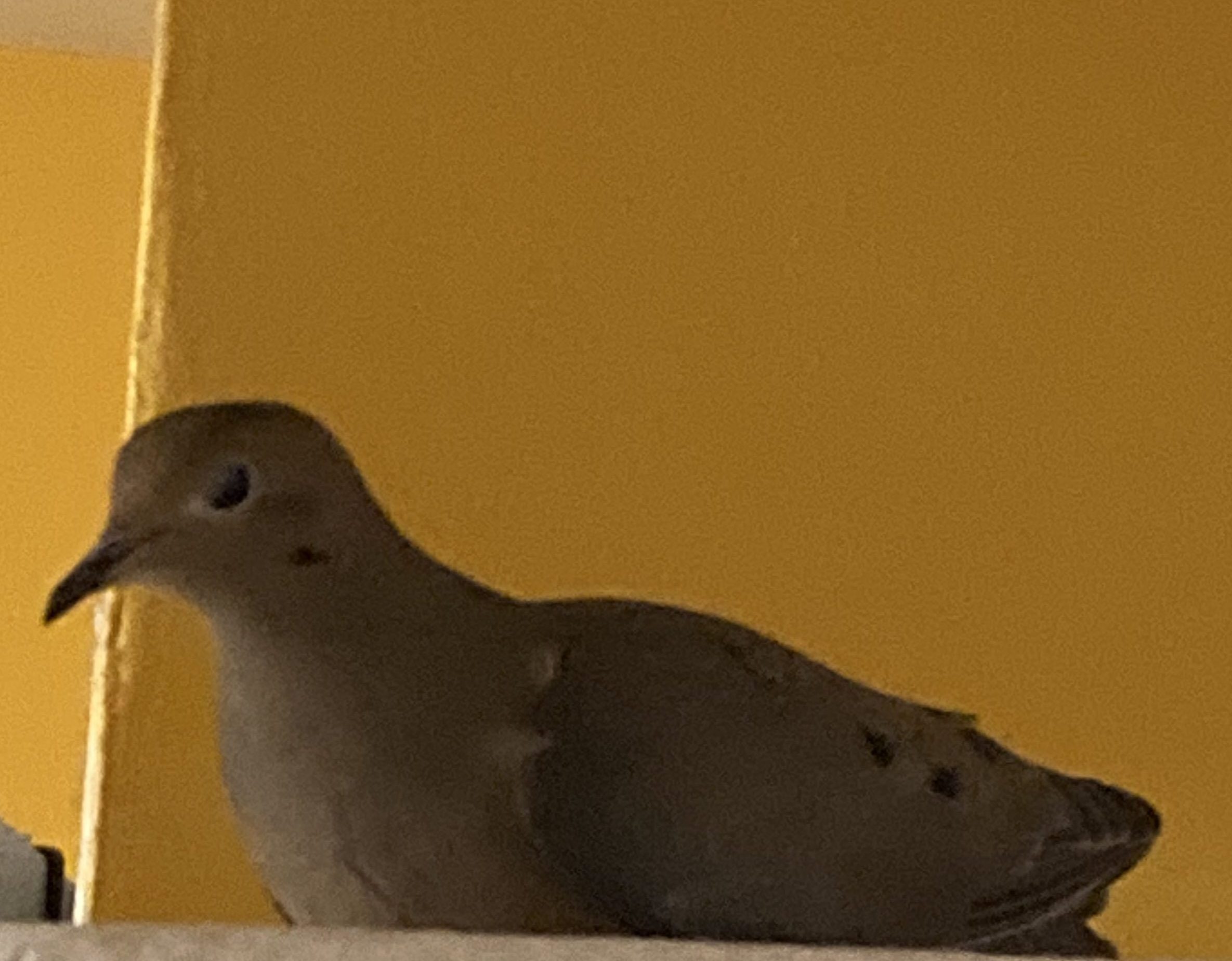
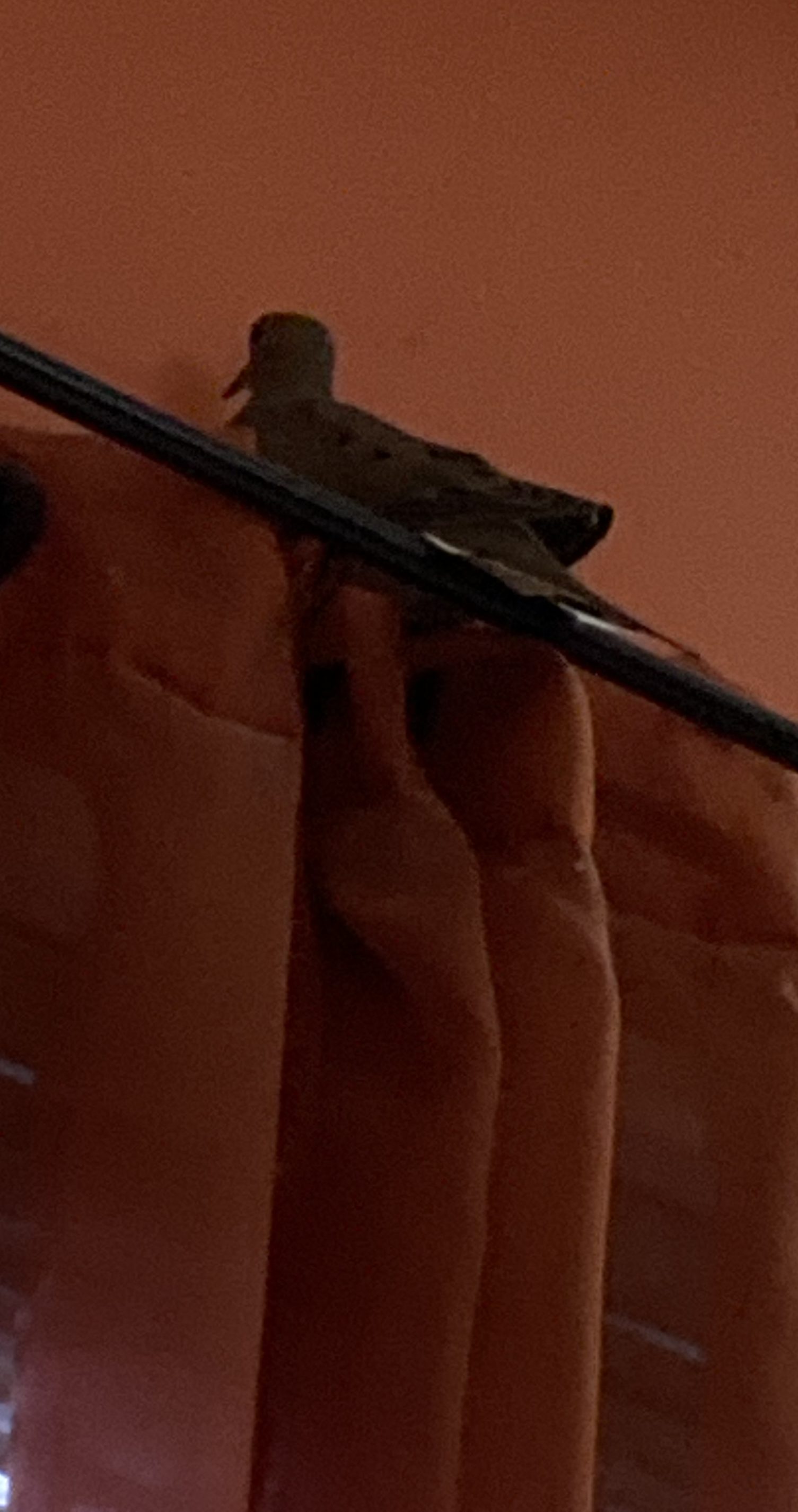
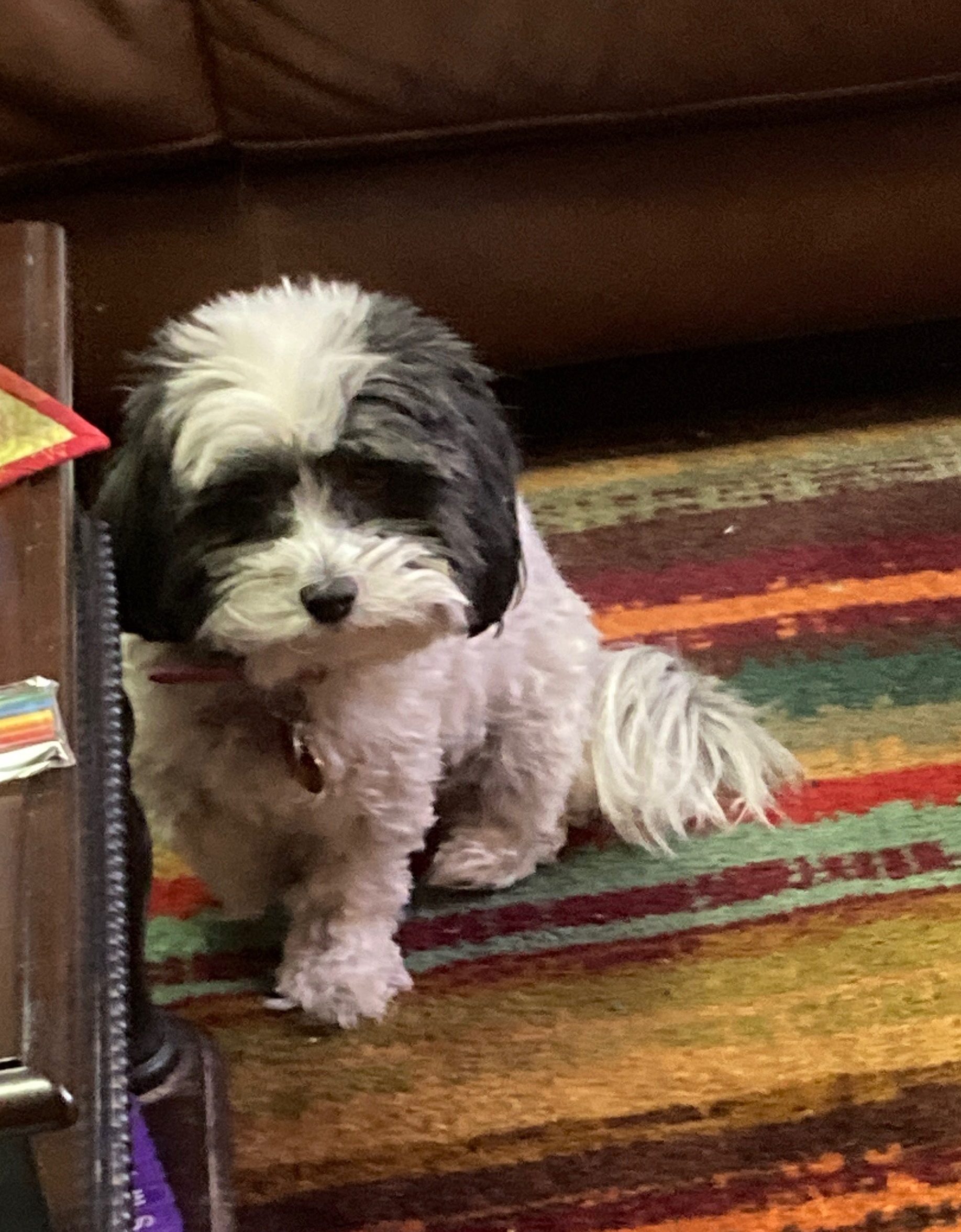
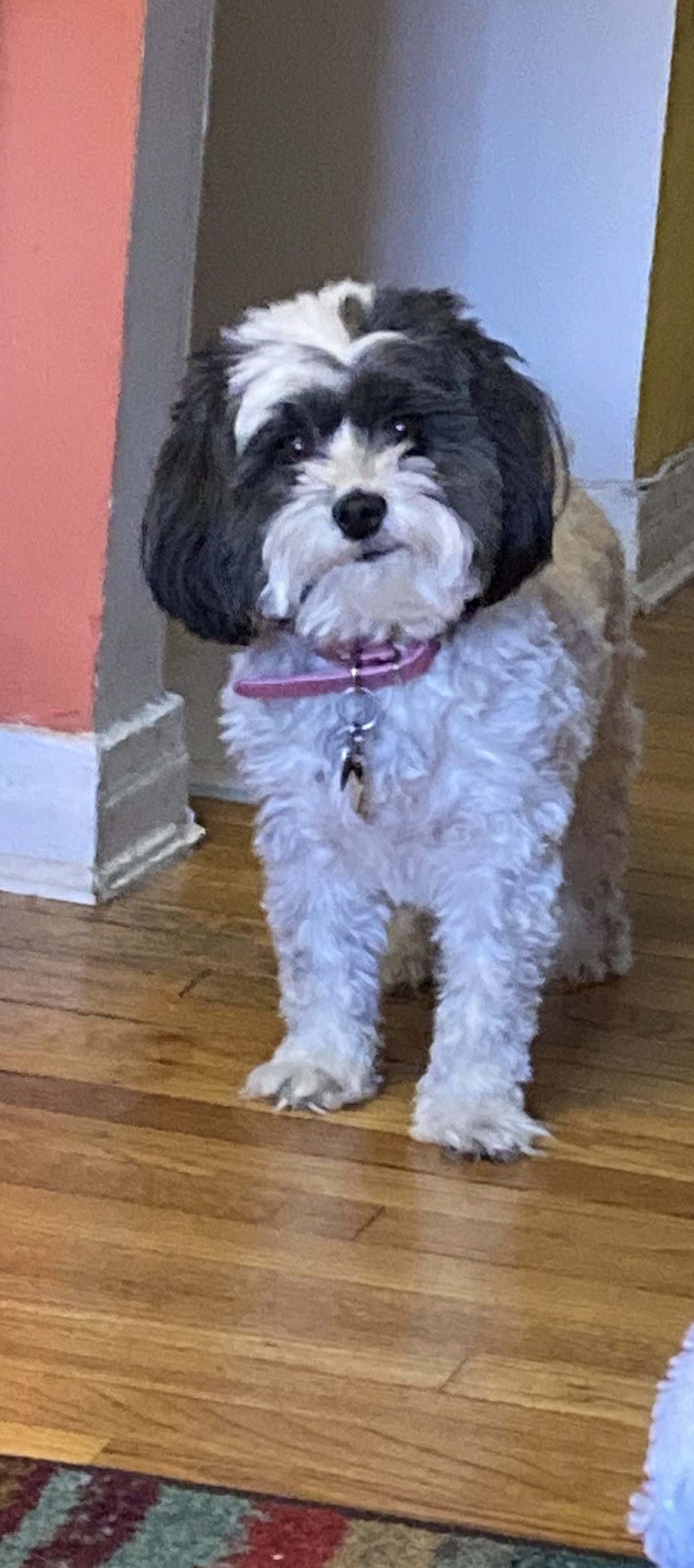
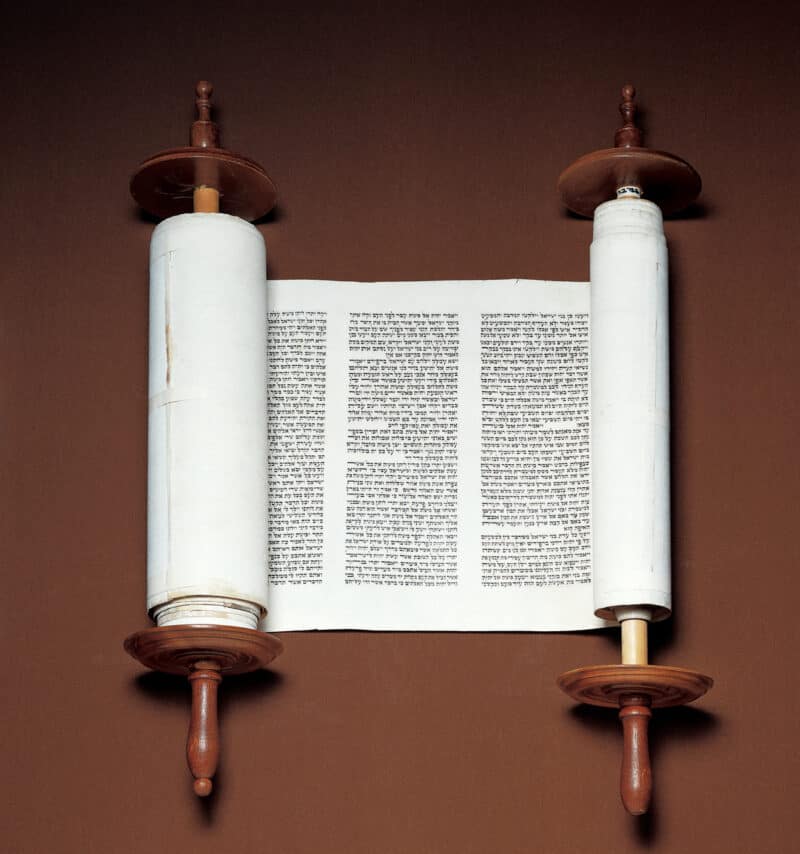
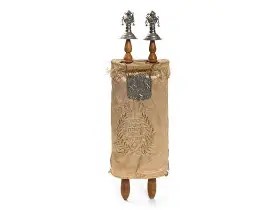
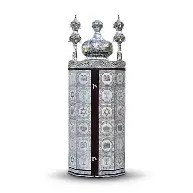
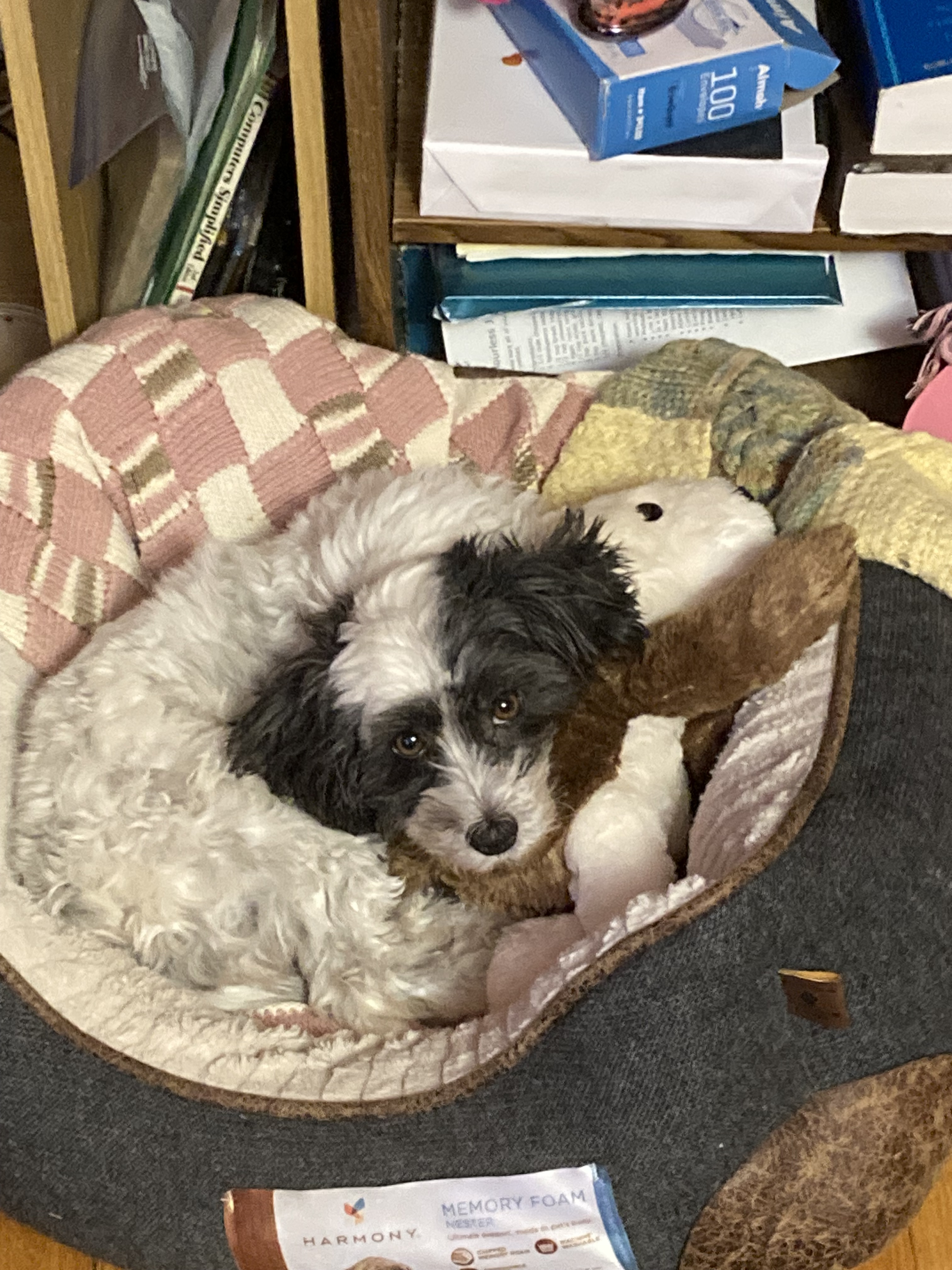






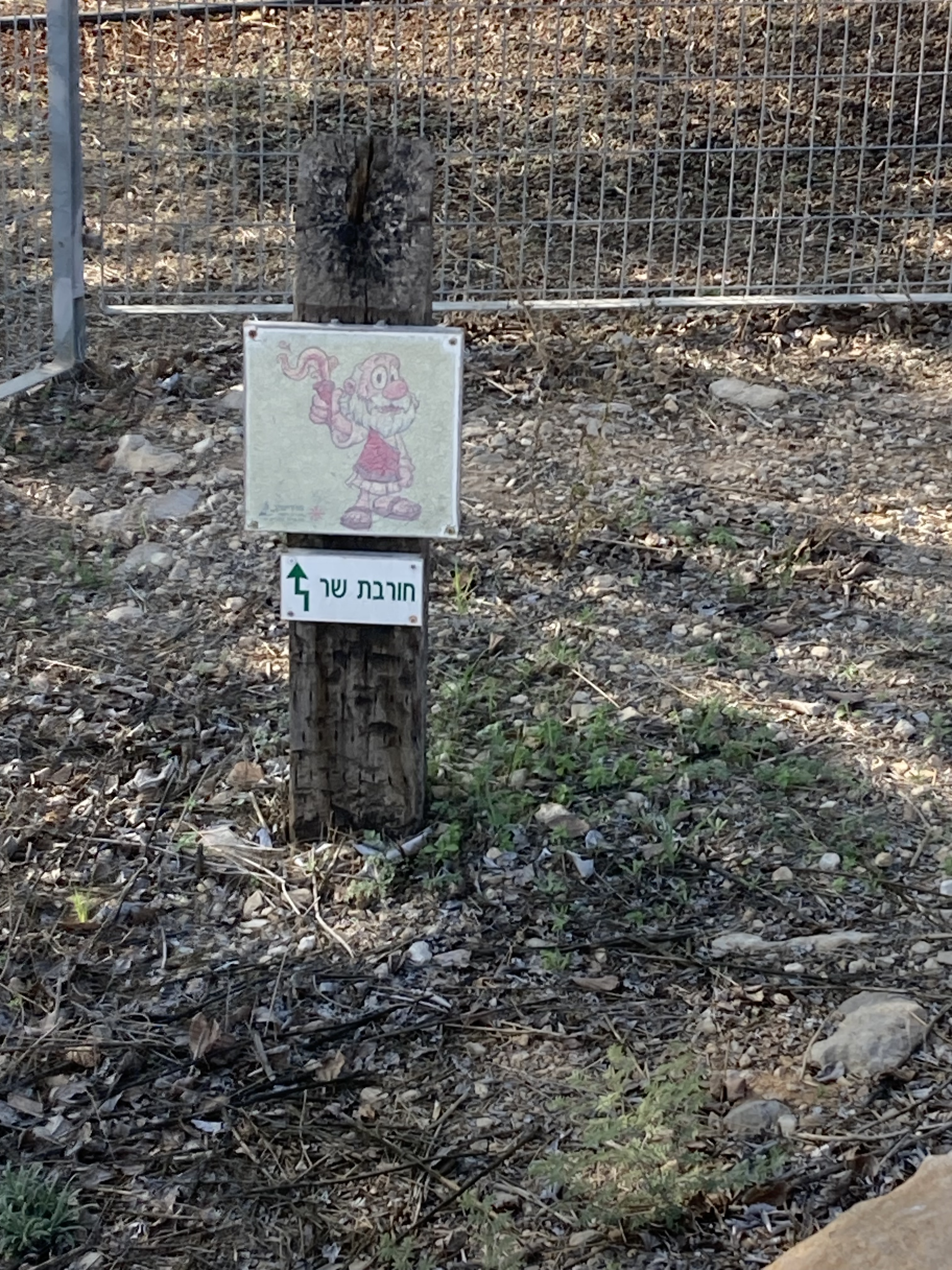
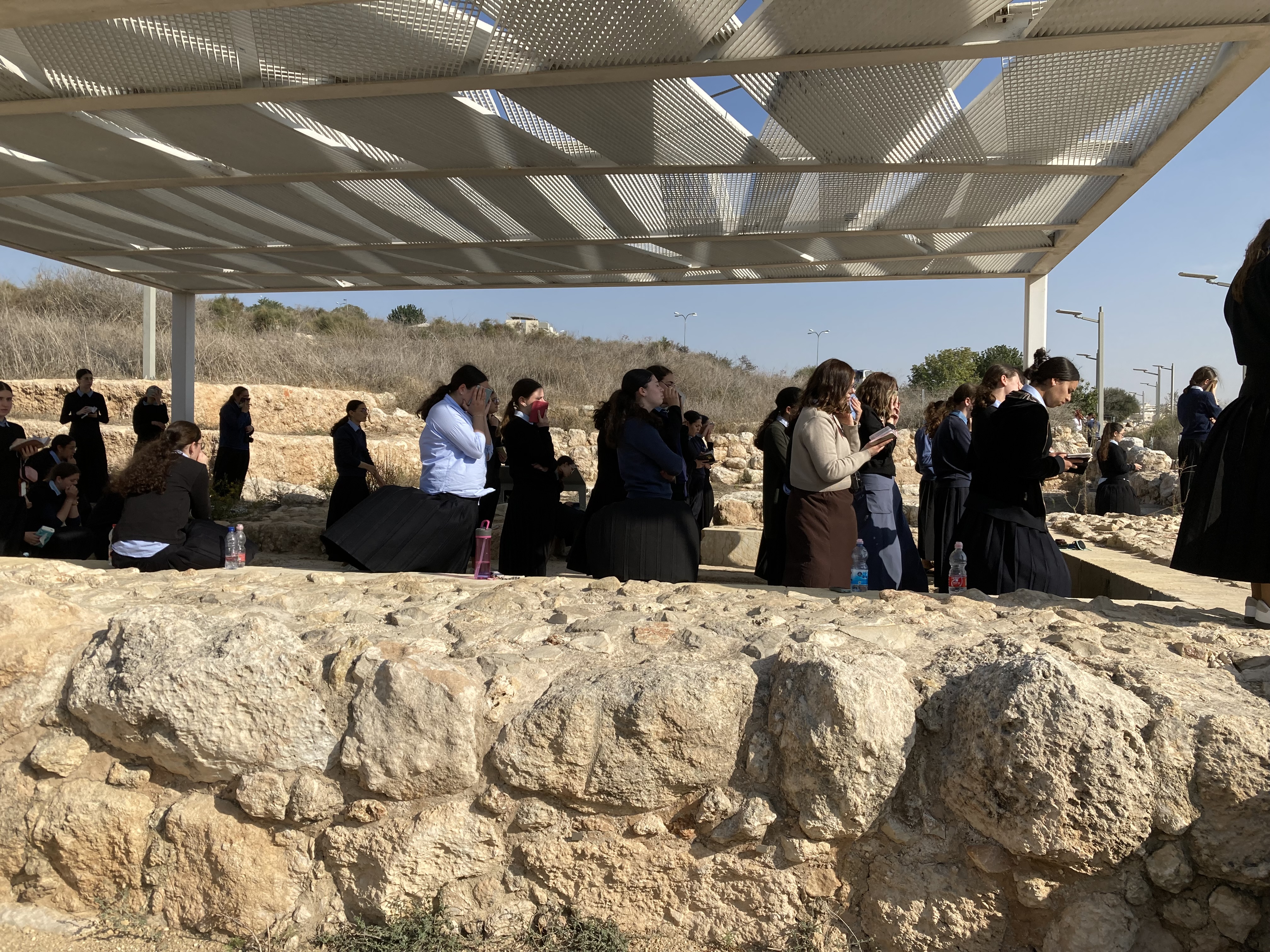

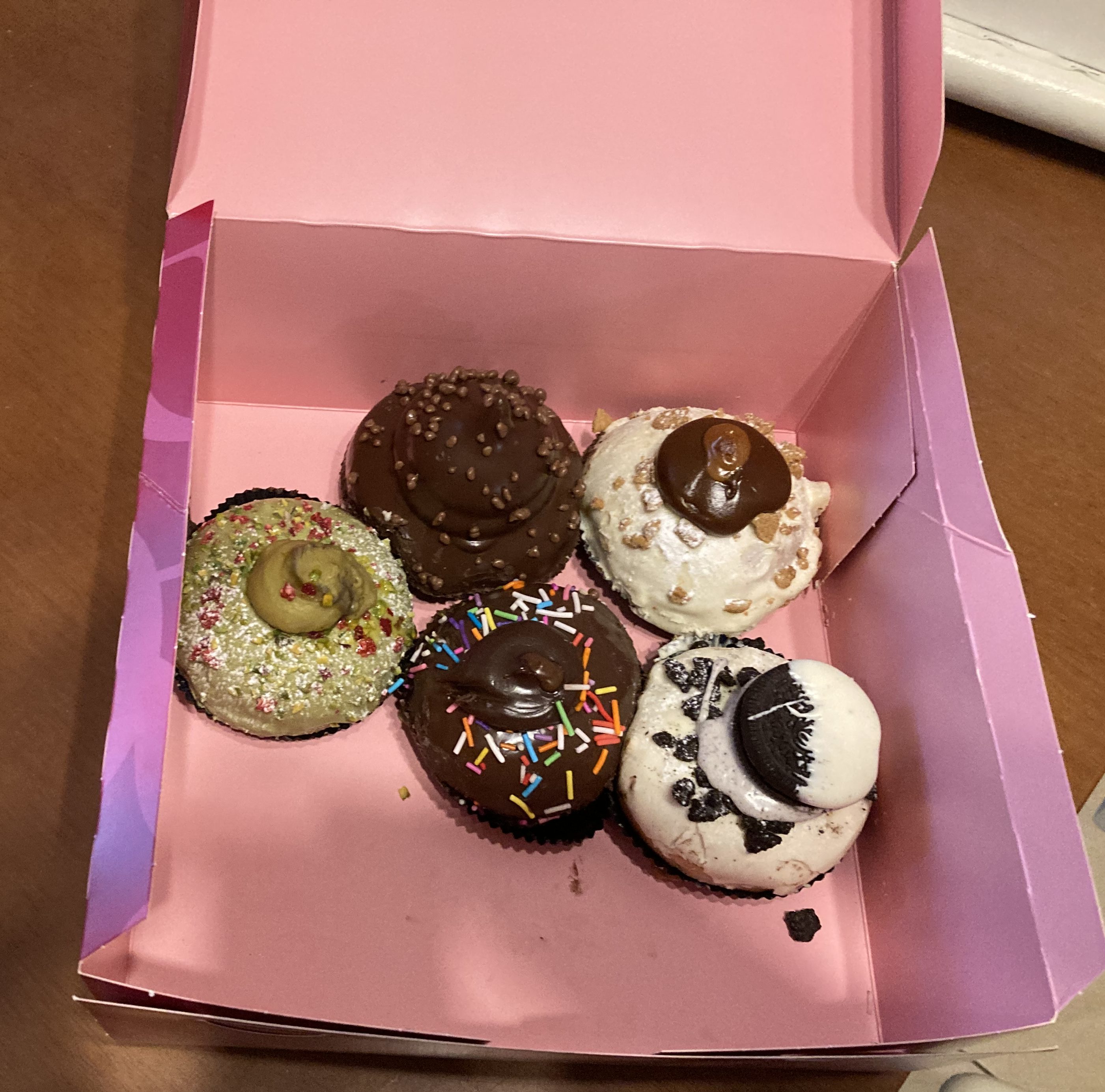
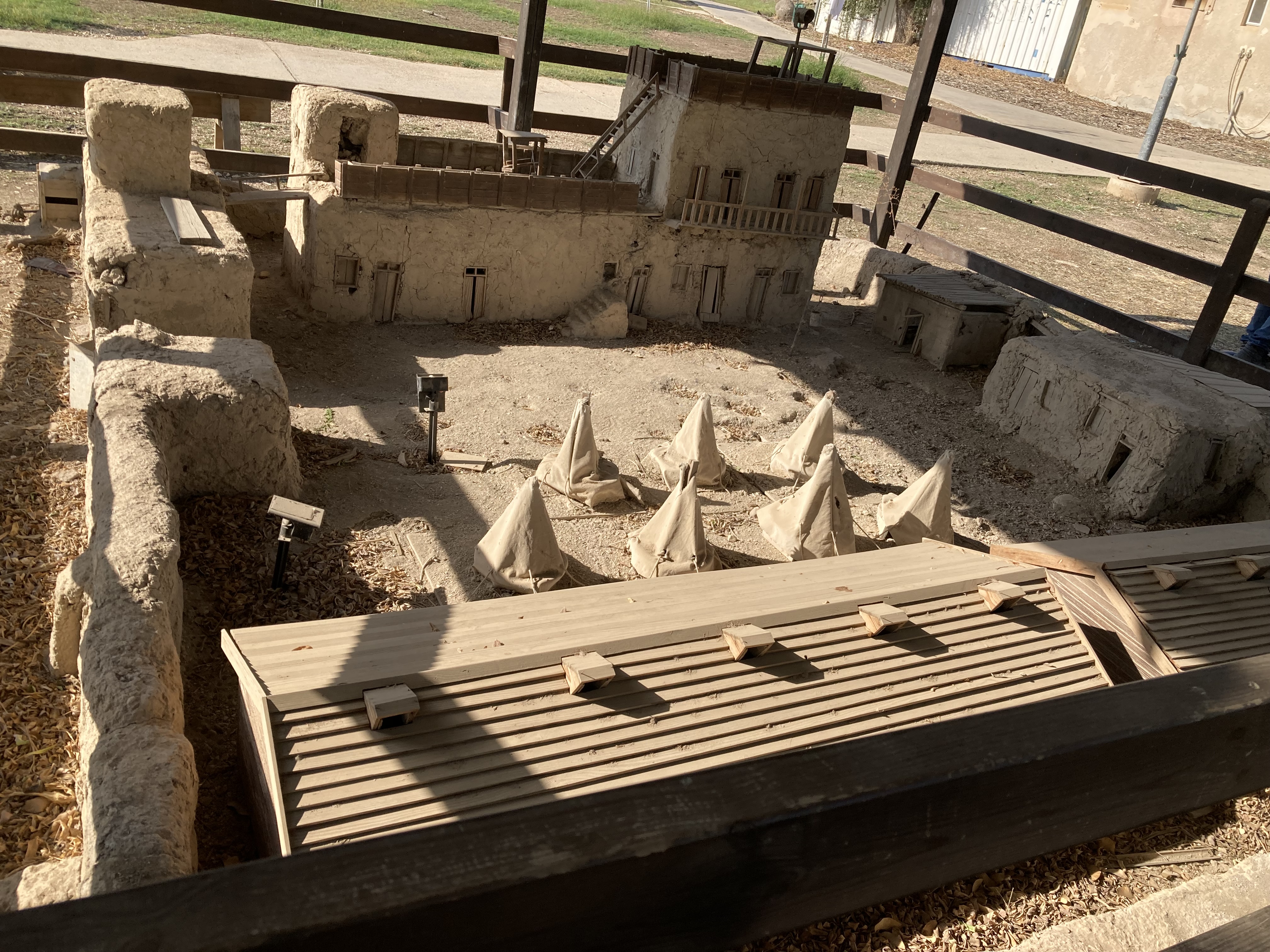
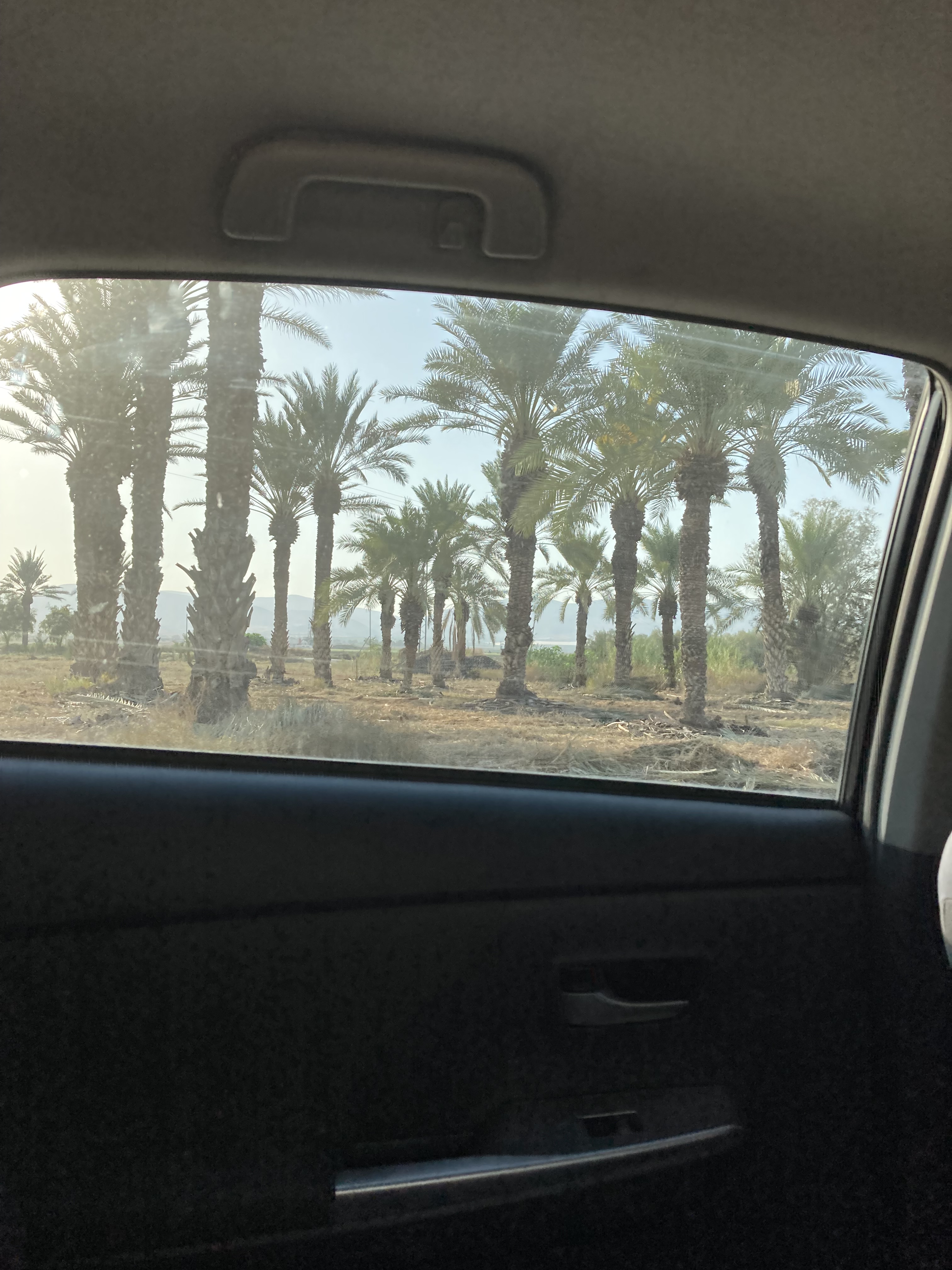
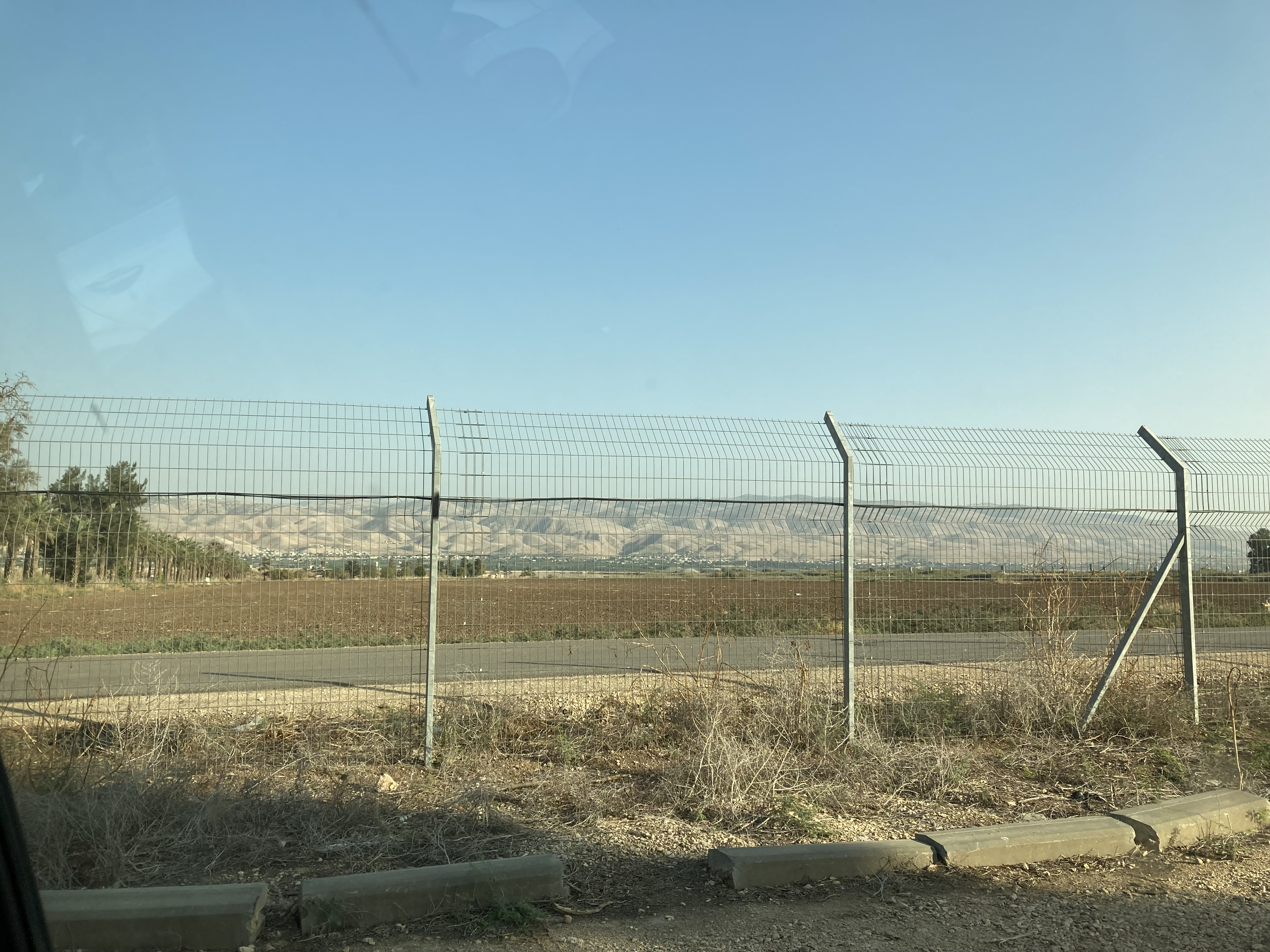



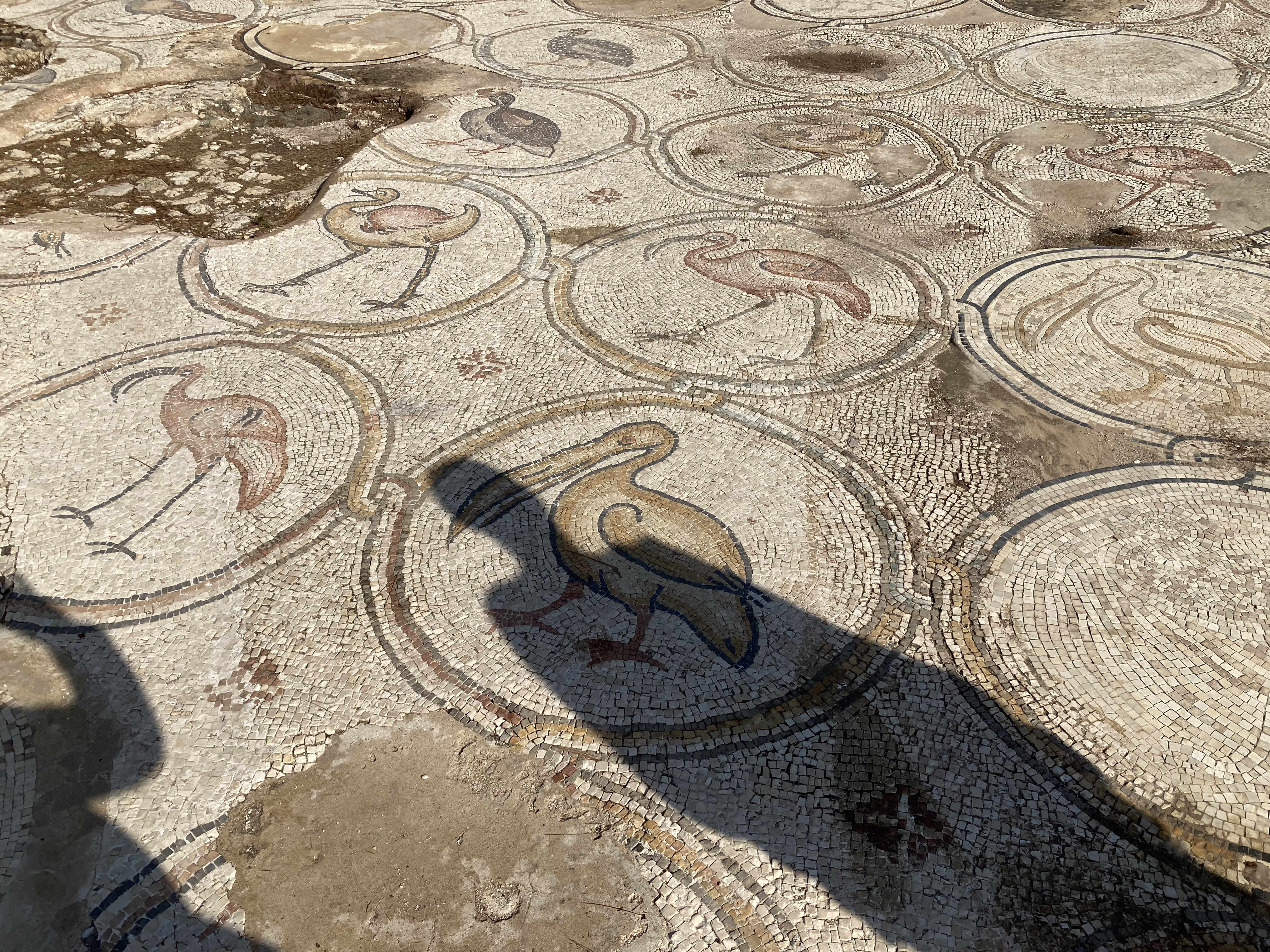


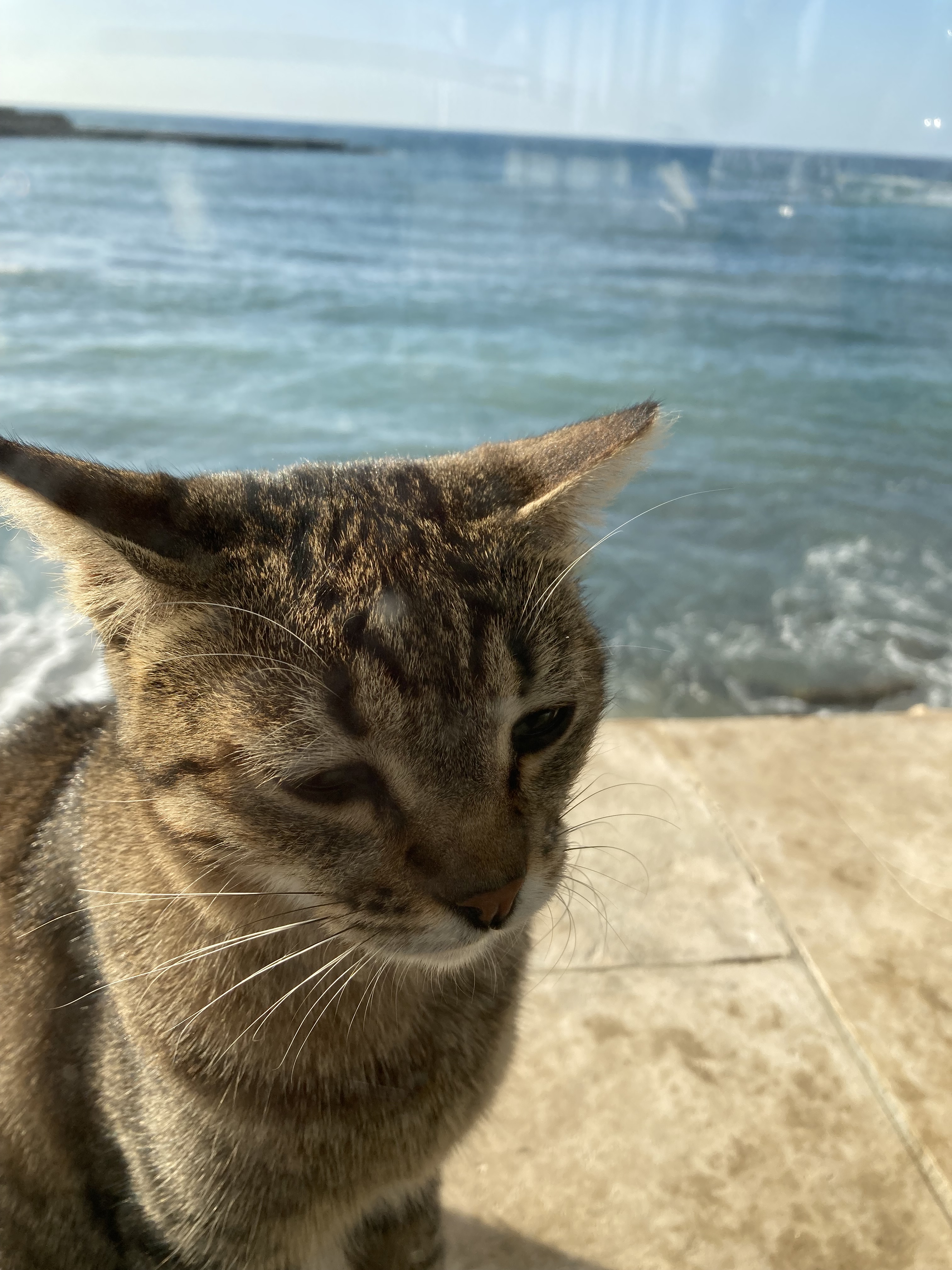



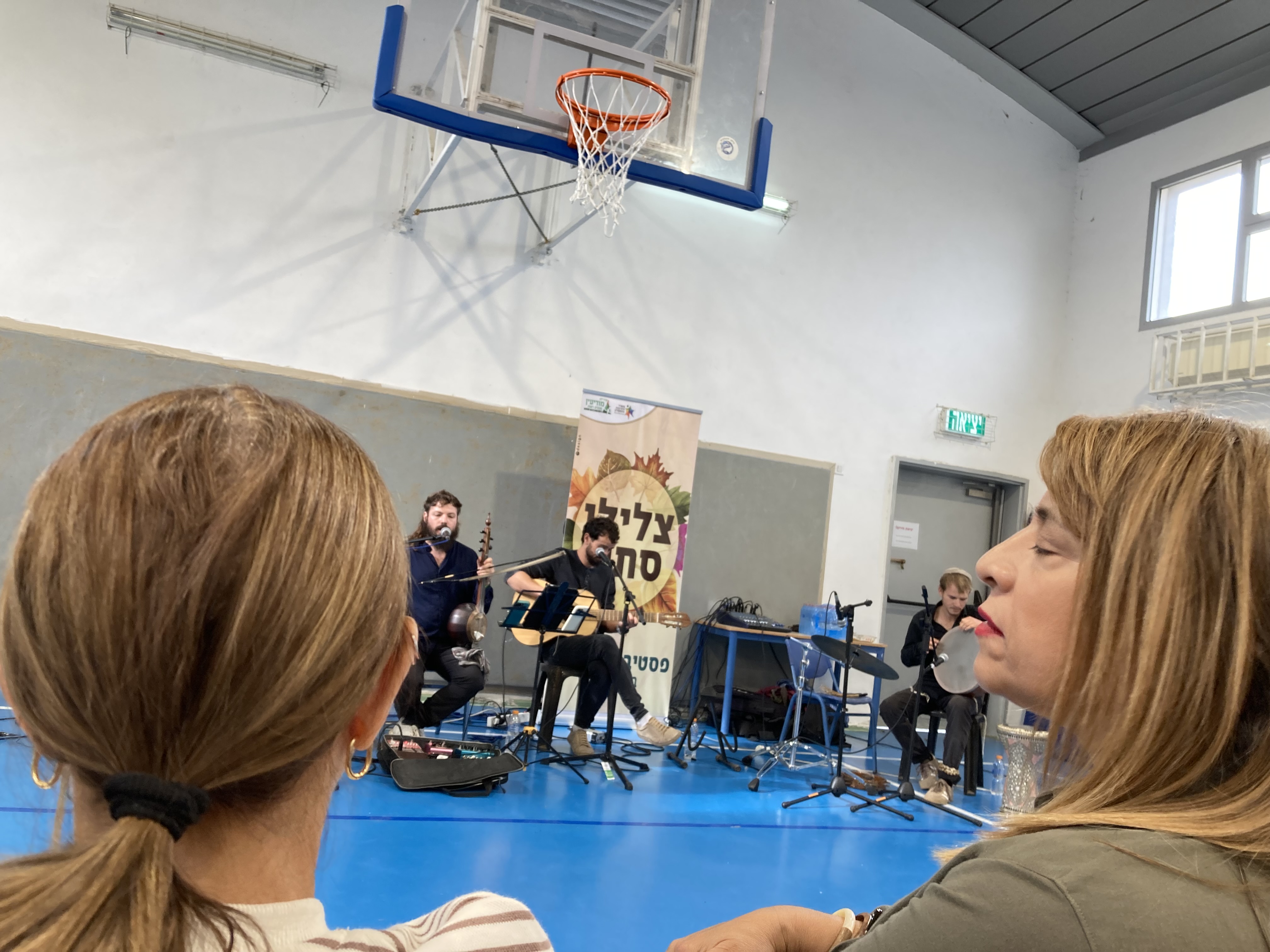
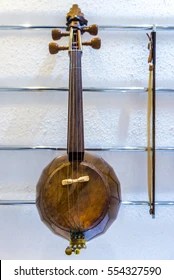
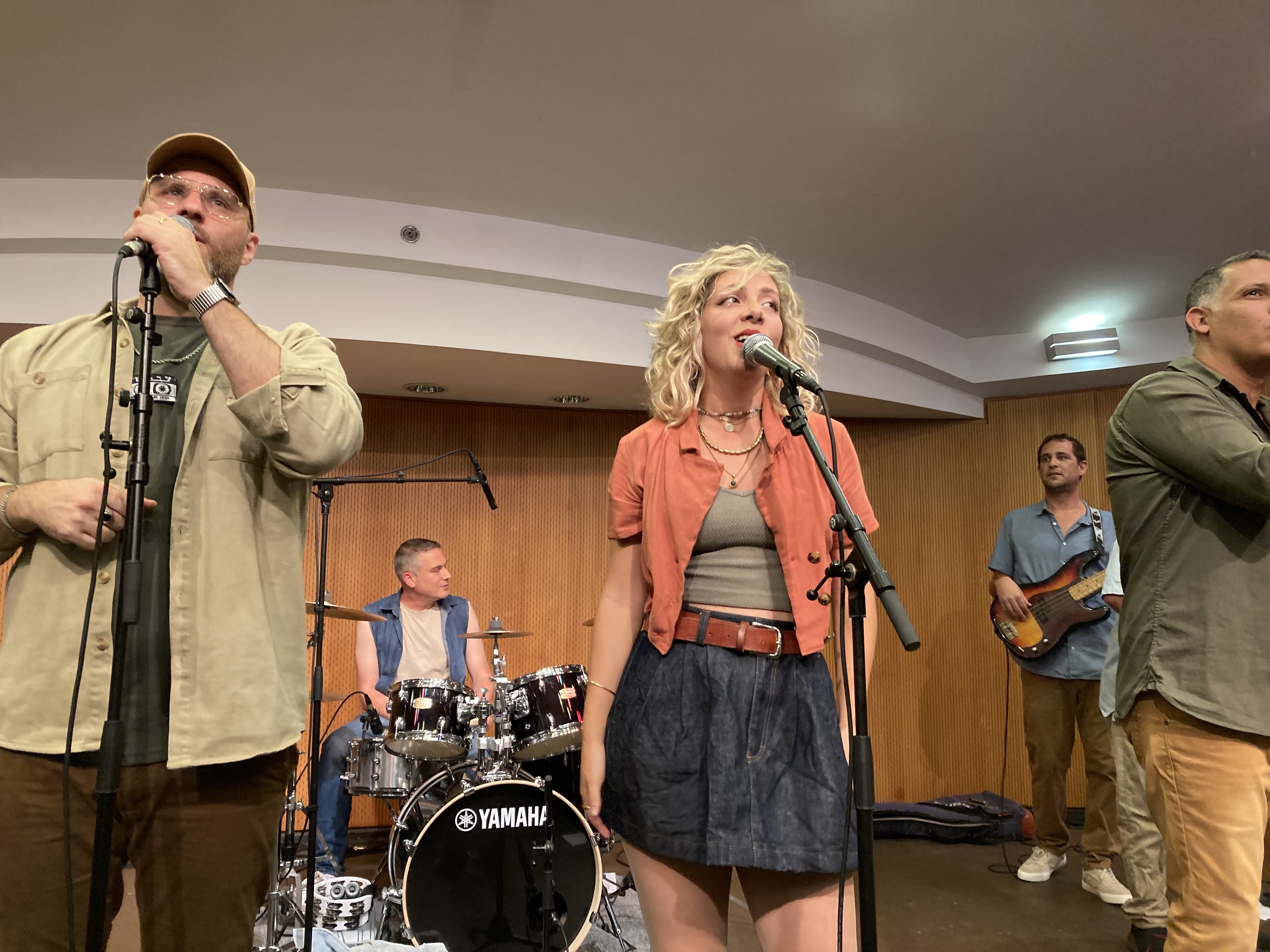
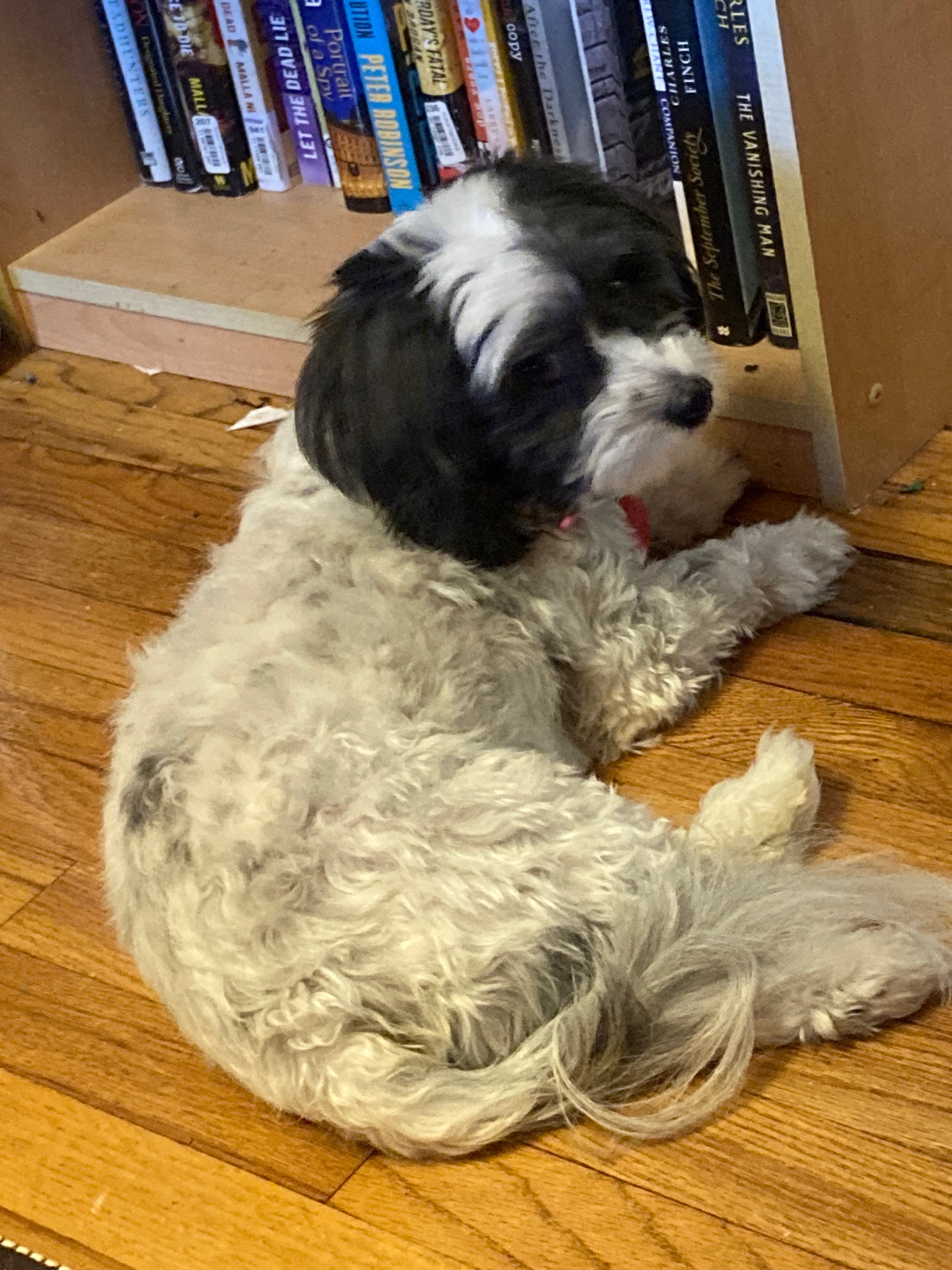


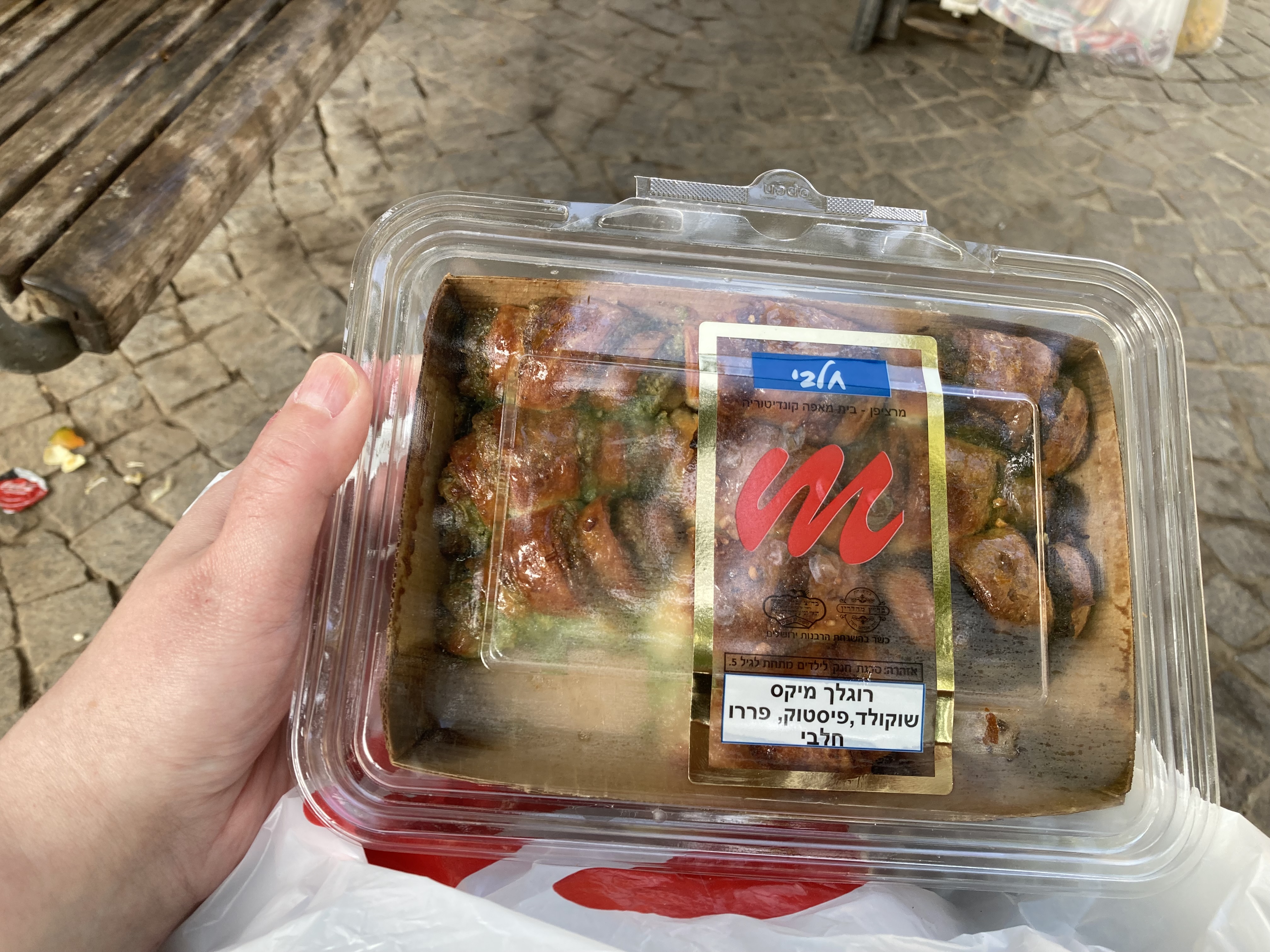
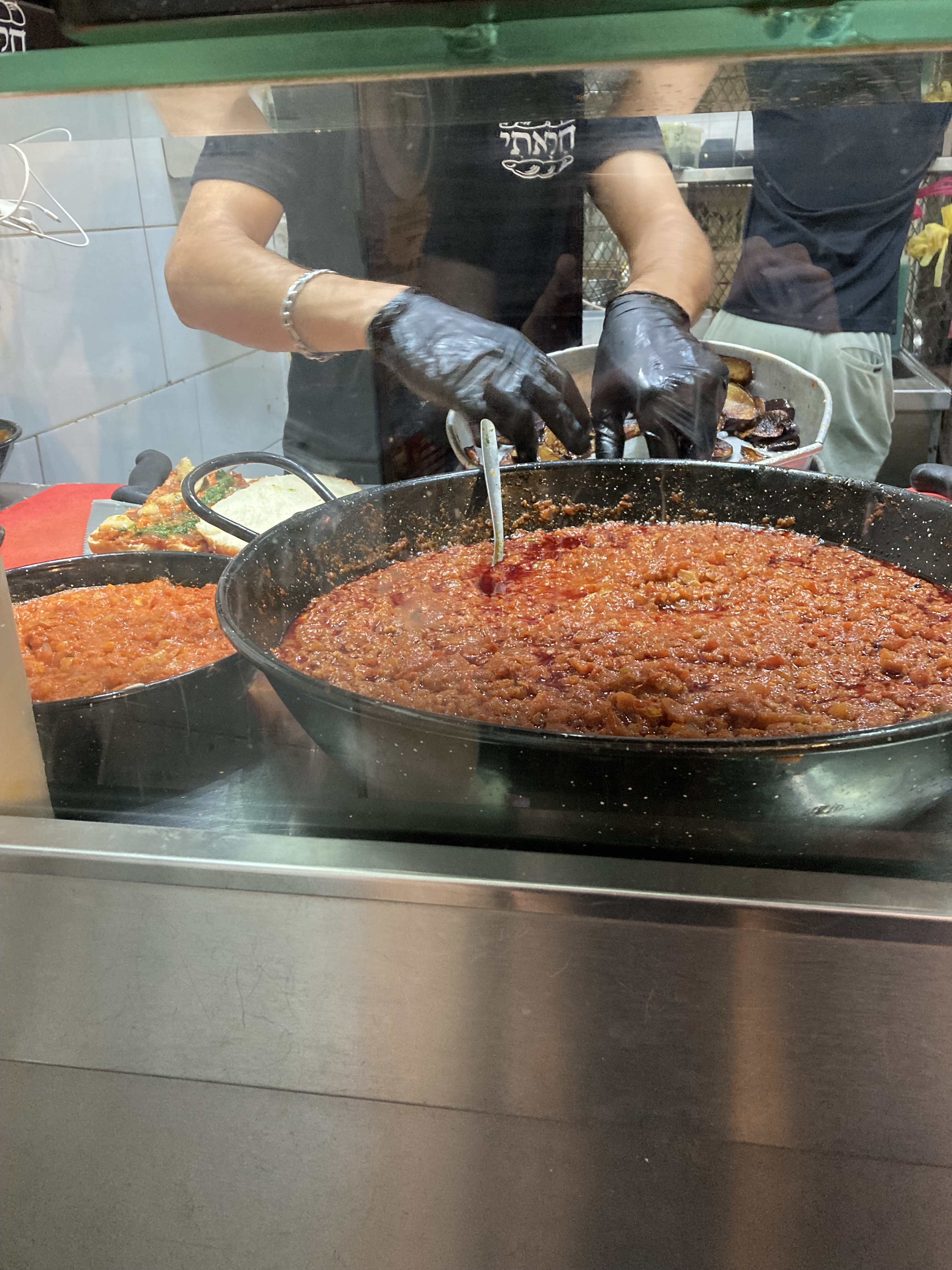



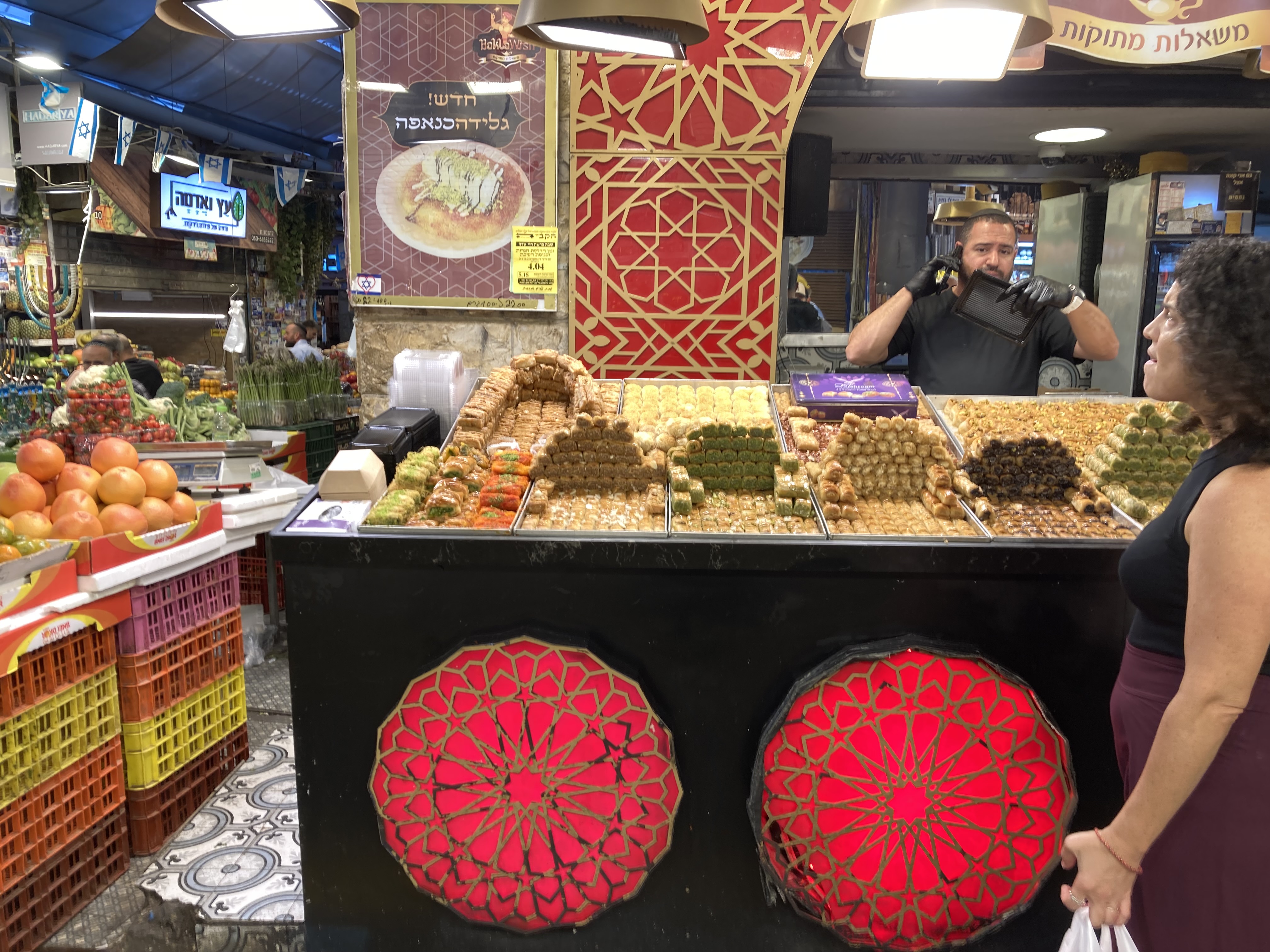
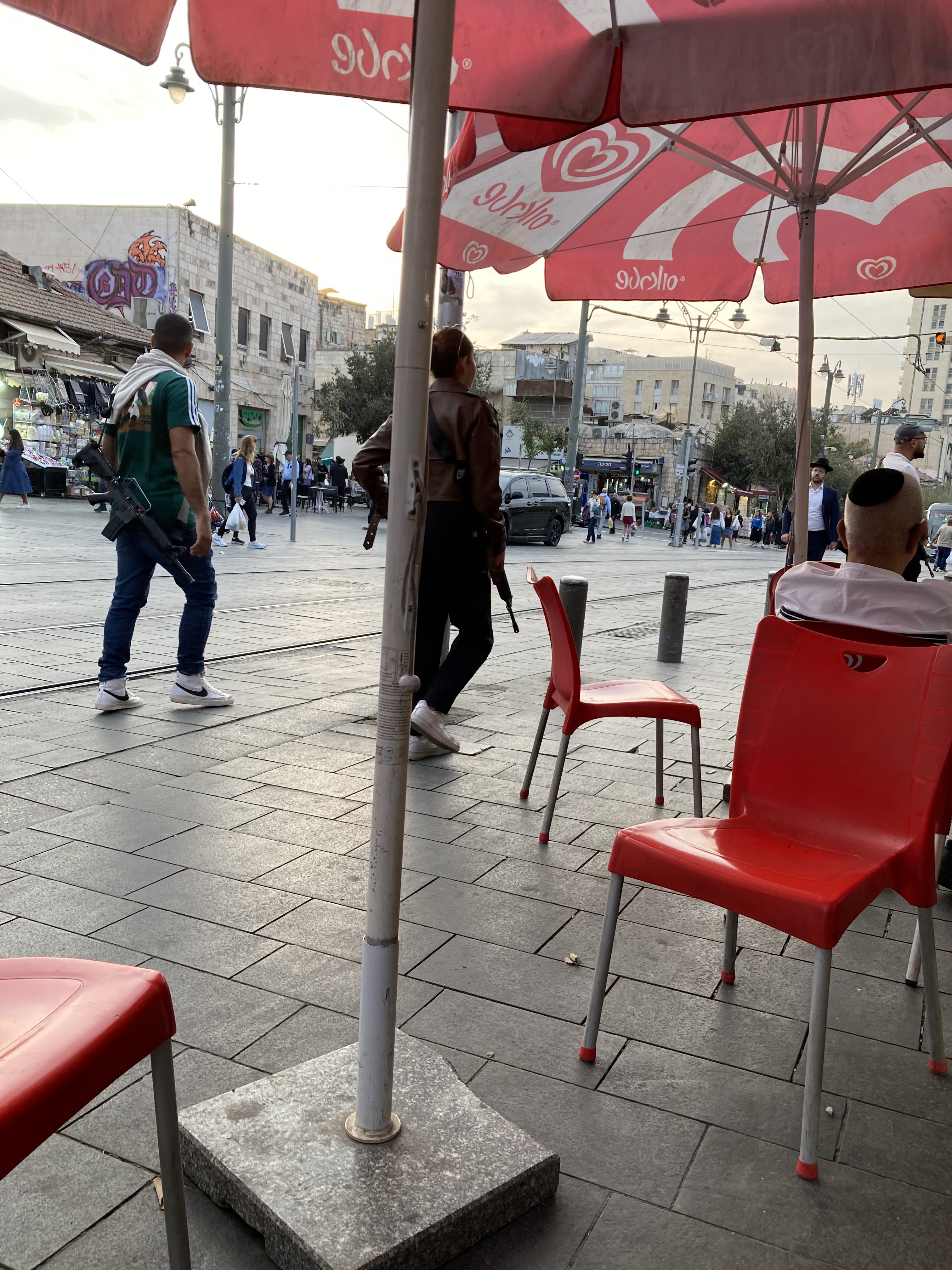


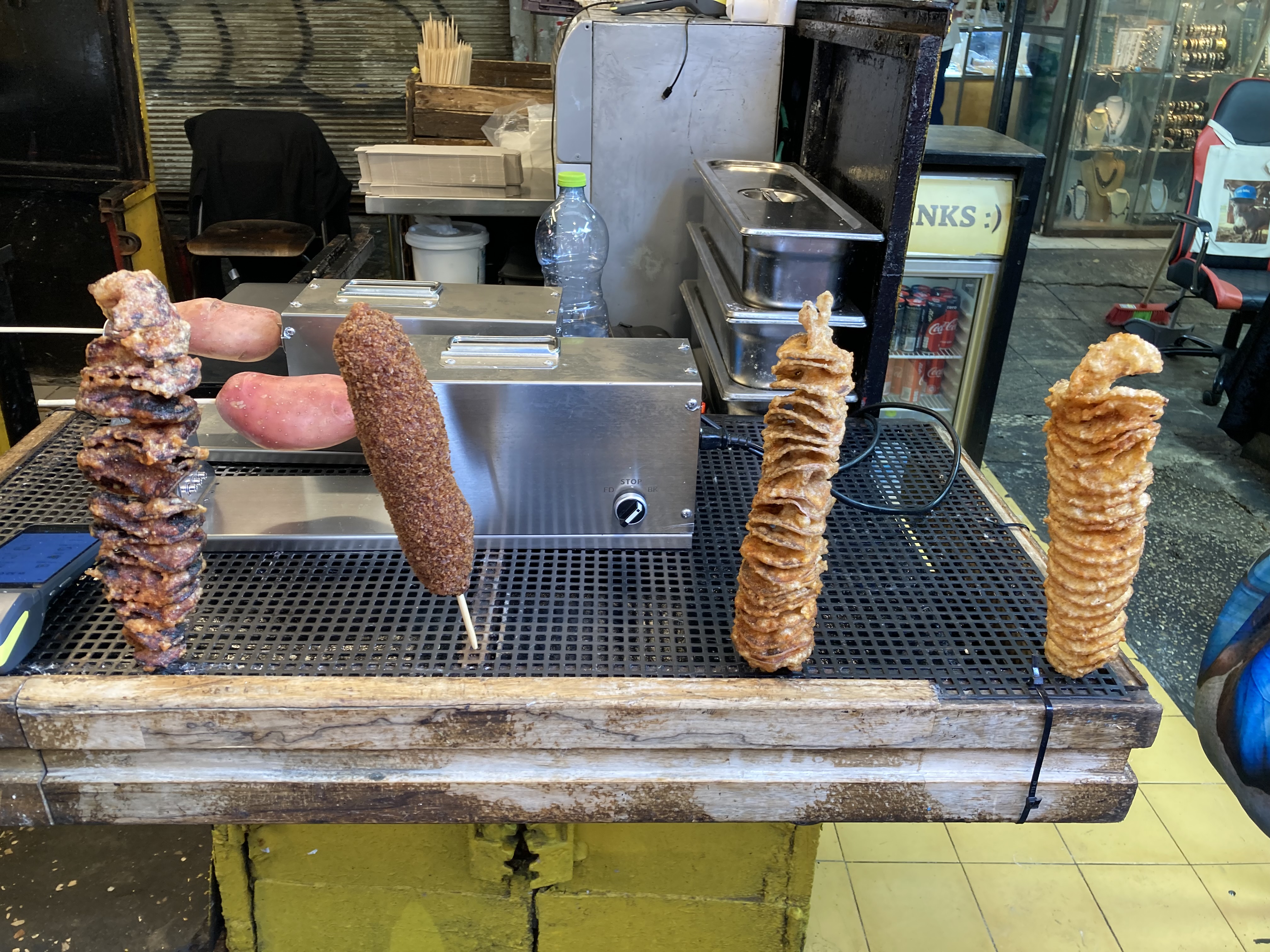


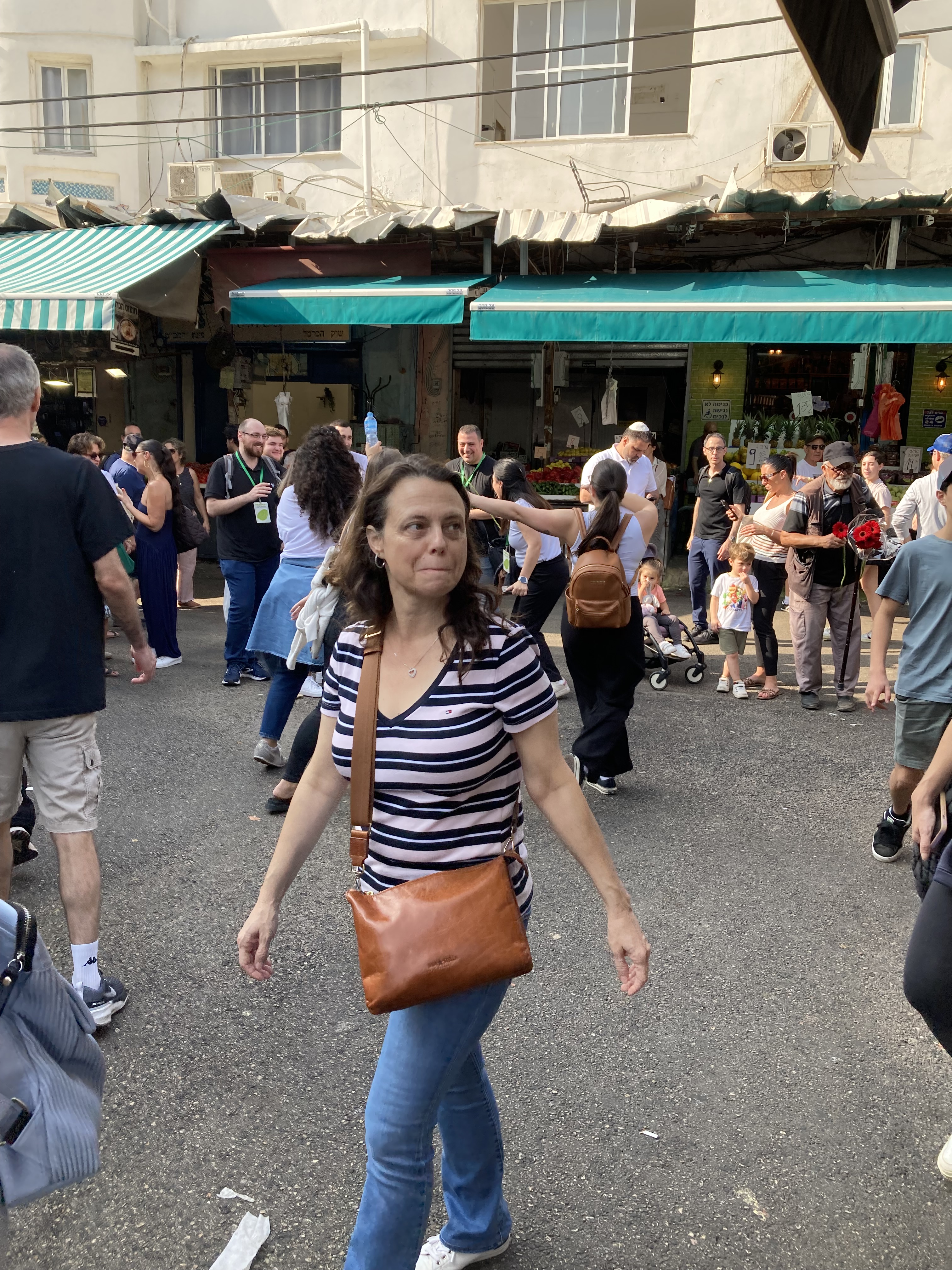

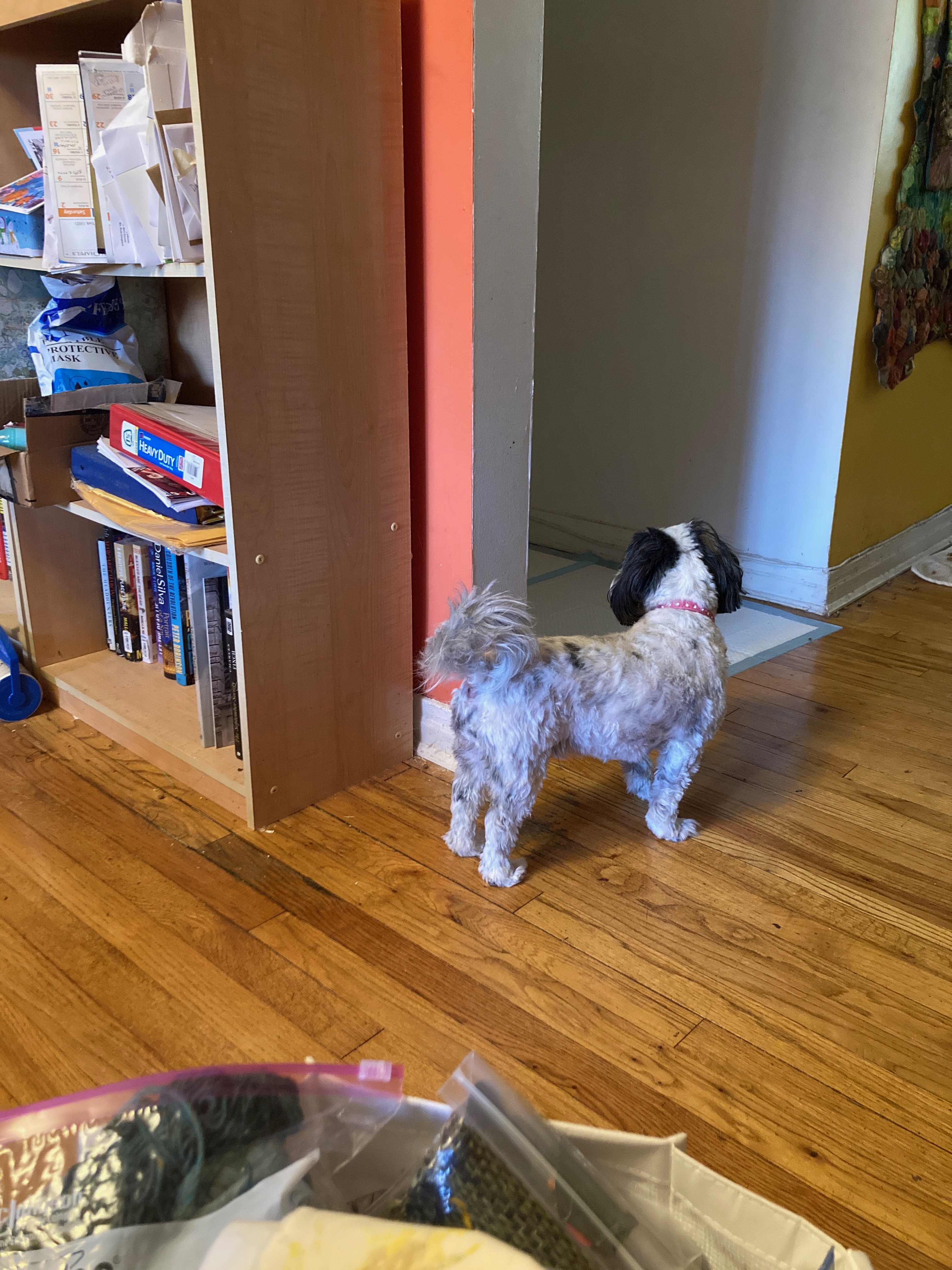


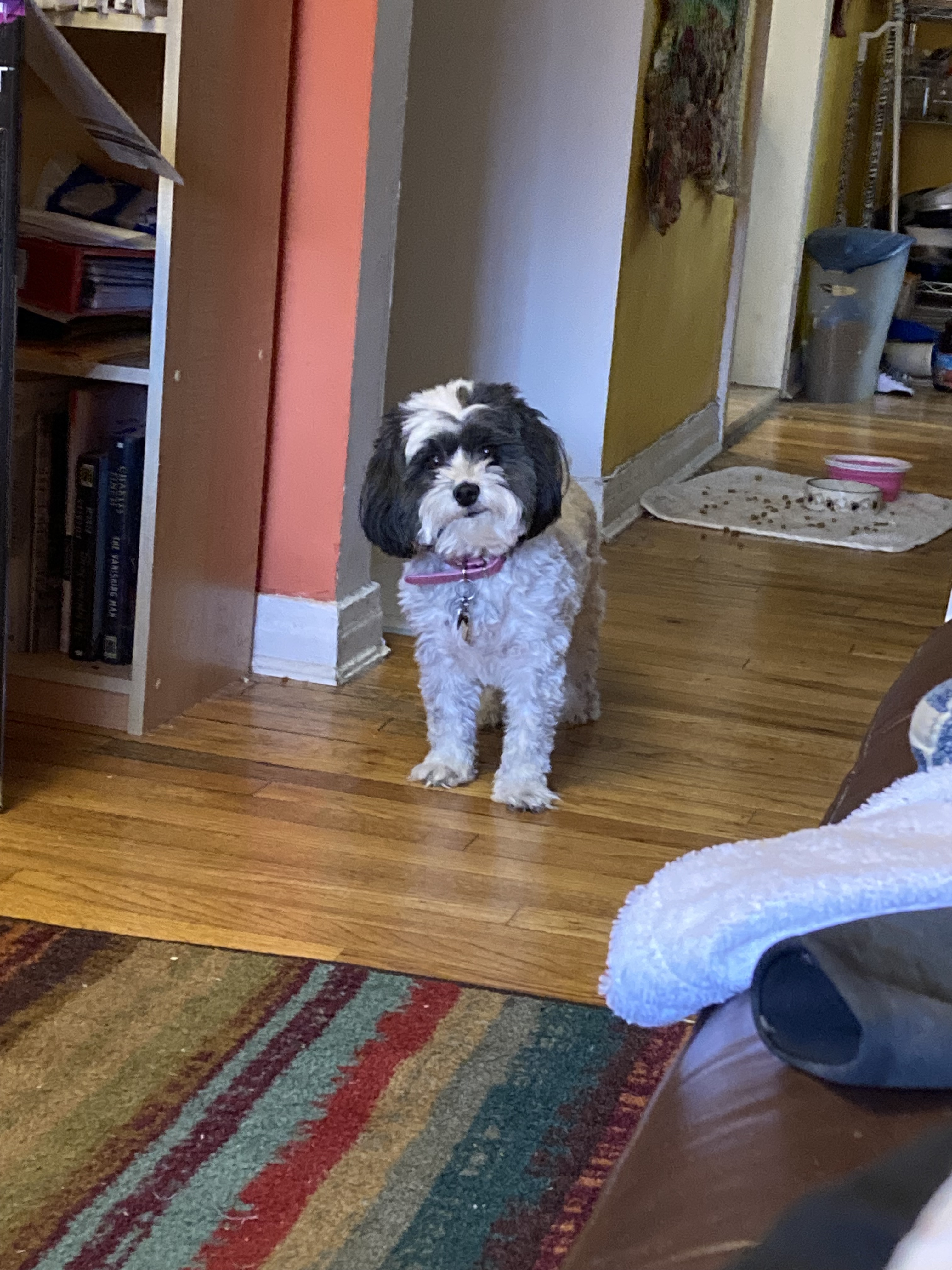


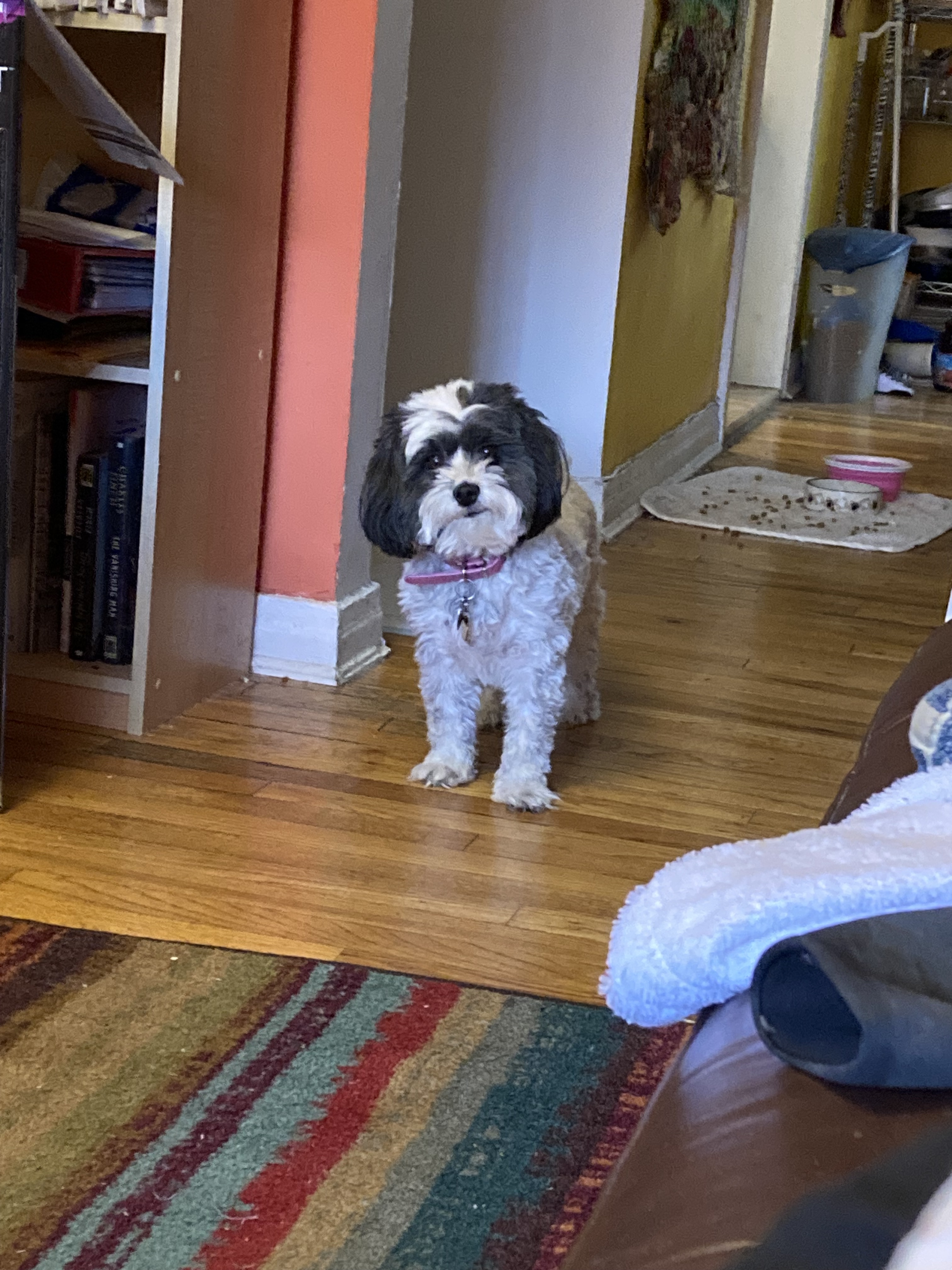
 rachelmankowitz