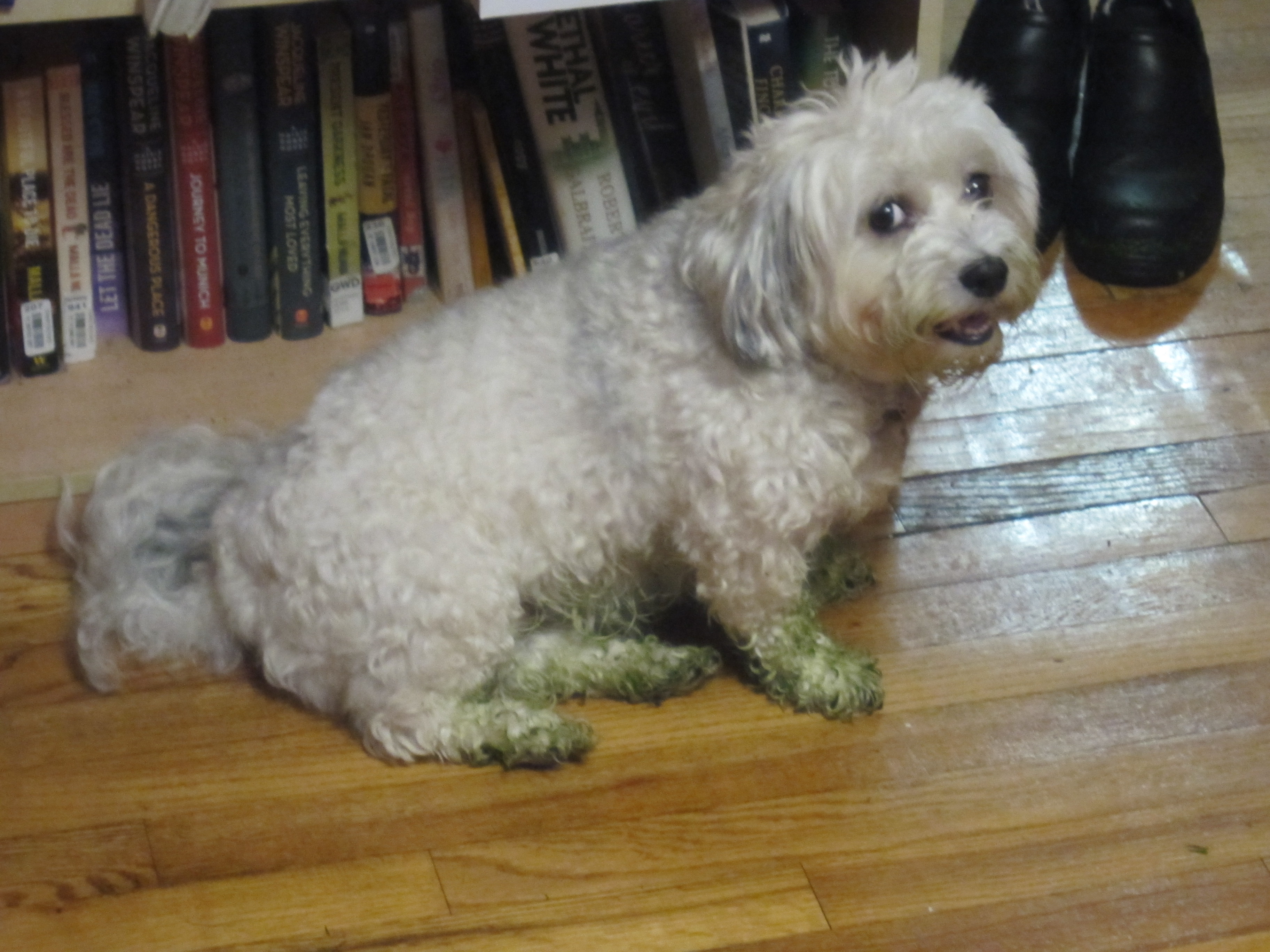
Intuitive Eating and Where I’m Struggling

             One of the basic arguments against dieting, in the Intuitive Eating Workbook is: A diet mentality is the false belief that weight loss leads to happiness. But this has always felt true to me. As a kid, I was unhappy, and I wanted to believe that there was something I could do to fix it: if I could blame all of my unhappiness and loneliness on my weight, then I could at least hope that someday I’d feel better. In reality, I have lost weight over and over again, and it has never resolved the depression or self-hatred or loneliness, and yet I’m still afraid that if I let go of the belief that weight loss will make me happy, I’m letting go of the hope that I will ever be happy.

            And it was reassuring to have a diet plan to follow. I’ve stayed on diets for months, or years, despite losing no weight at all, because the sense that I was doing the right thing made me feel better, even if it didn’t help me reach my goals.

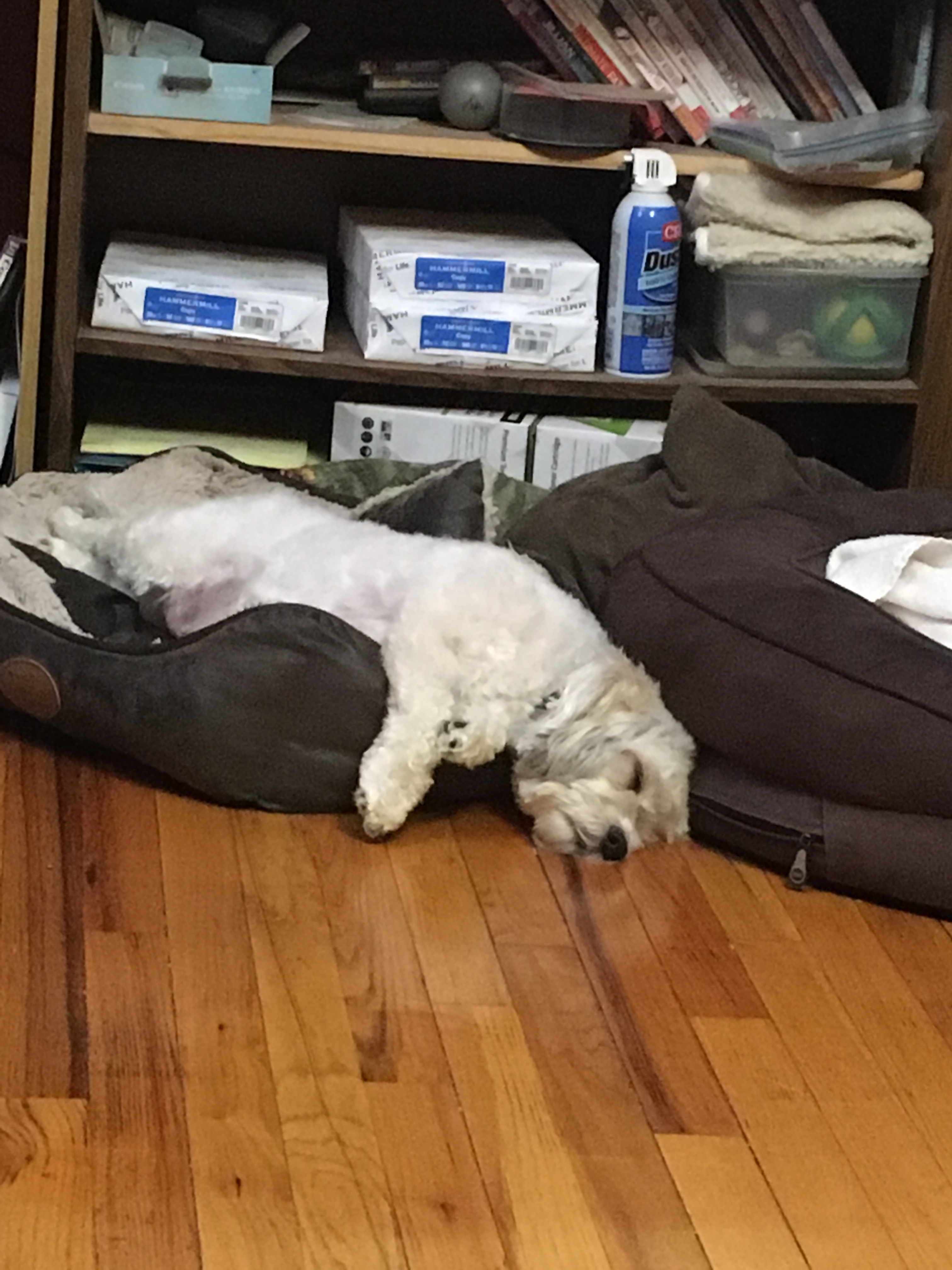
“Two chickens a day would reassure me.”

            I crave a diet plan to tell me what to eat, how much to eat, how to prepare it, and even when to eat it. Diets feel like safe containers for someone, like me, who has learned to believe that food is dangerous and unpredictable; for someone who is overwhelmed with too many choices and who believes, fundamentally, that her body is wrong and must be controlled and limited and made smaller.

            The problem is that the diets themselves perpetuate those beliefs about the dangerousness of food and the dangerousness of my body. The diet tells me that I can’t survive without it; that I will crash and burn, and there is no alternative, except maybe for another diet. That’s why this transition to a no-diet life is so damn hard; because there is no plan, no safe container, just impossible lessons to learn, like: trust yourself, honor your feelings, respect your own body and wisdom.

            I’m no longer on a specific diet plan (Like Weight Watchers or Noom) and I’m not counting calories or avoiding carbohydrates or fats, but I still have the endless voices in my head telling me that I shouldn’t eat this and I shouldn’t eat that, and if only I lost weight I’d finally be happy. And the voices aren’t just in my own head, they’re everywhere.

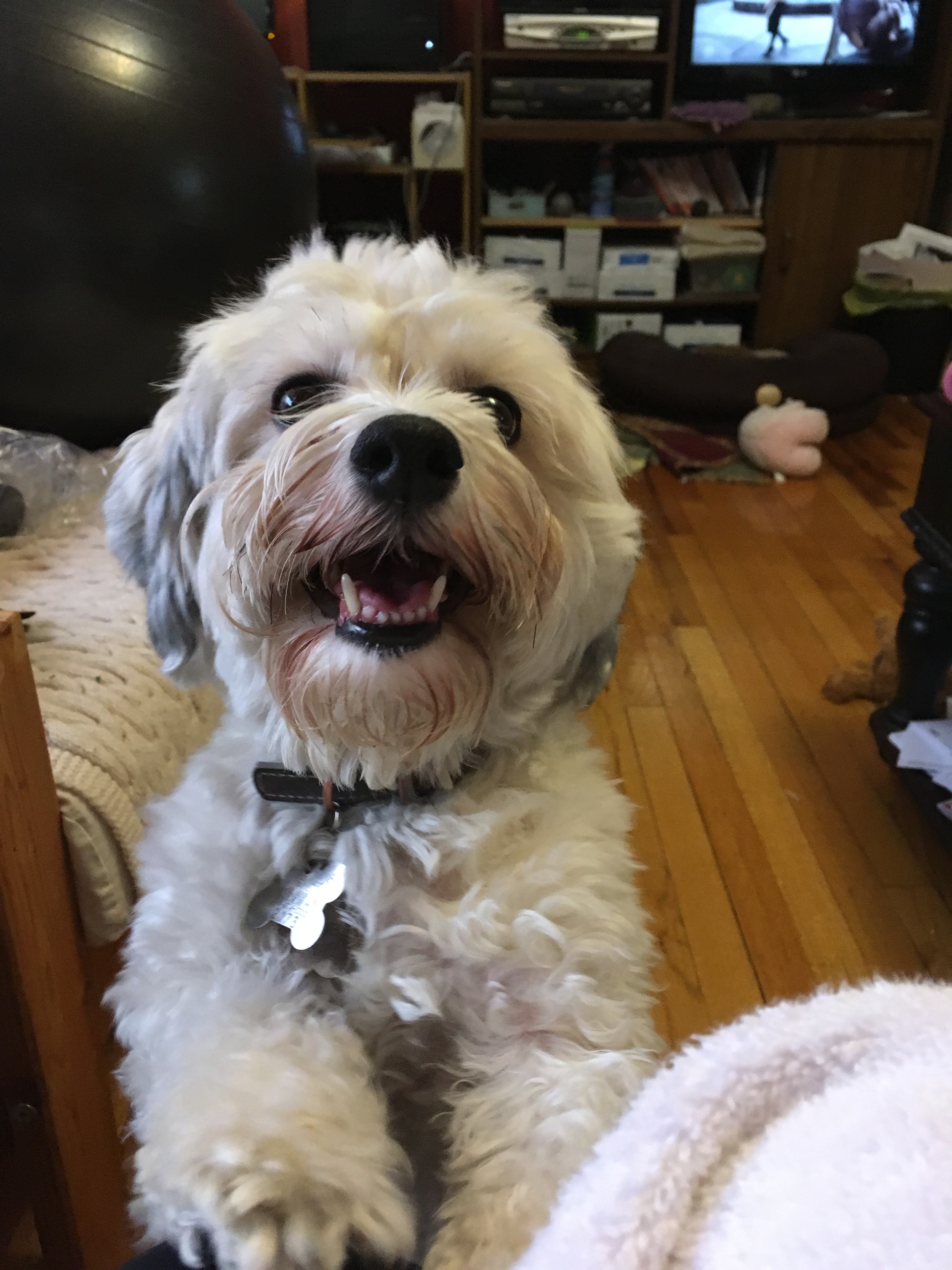
“I hear them too.”

            The frustrating thing is that the research on diets has been clear: the majority of people who go on diets gain the weight back, and often gain even more than they’d lost in the first place. And it’s not just that diets don’t work, they actually create health problems, because the cycle of weight loss and inevitable weight gain is worse for the body than maintaining a weight above what the charts suggest. But no one I know actually believes the research. So, are we all in a collective delusion? And how do I escape from a belief system that is constantly reinforced?

            Doctors have been some of the worst offenders in creating shame around my weight. They have blamed any and every health issue on my weight, even when it was clearly unrelated, and they have had no interest in hearing that my health has never improved as a result of weight loss.

            I recently had to see the gynecologist for my yearly checkup, and she said that my health is good except for one thing and you know what that is. But I didn’t know, because I could think of a number of issues that are currently impacting my health. But before I could even try to answer her non-question, she said, it’s your weight. And, she said, You just need to eat less. Then she proceeded to show me what a small portion of food would look like, with her hands.

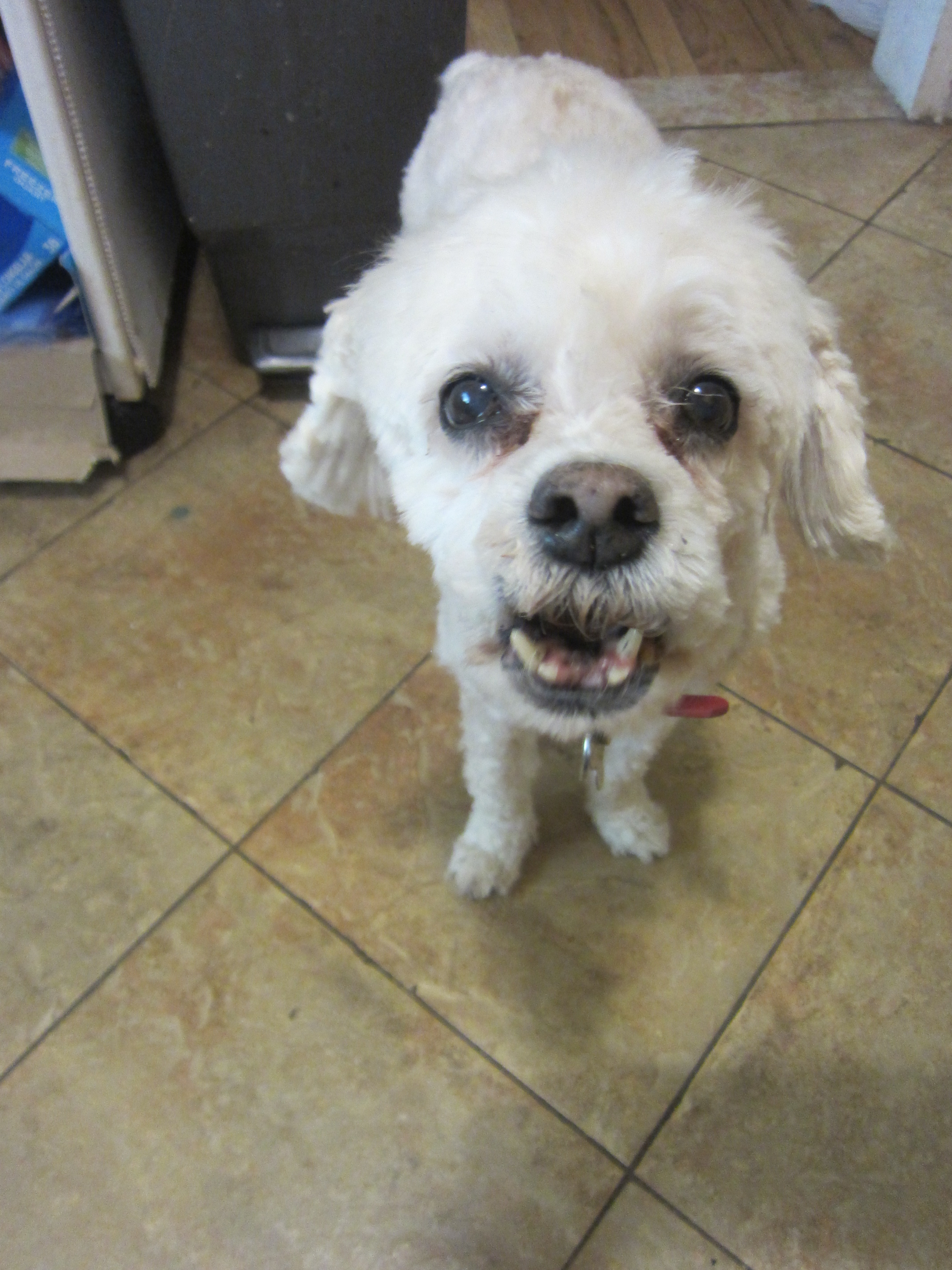
“No doctors!!!!!!”

            Aside from the fact that I probably know more about dieting than she does, and that the size of food doesn’t determine its caloric value, what she’s ignoring is that being on a diet and just eating less has taught me to feel like a bad person for eating anything.

            When I read in the Intuitive Eating Workbook that if I am hungrier on a given day then I should eat more, I was sure that that rule shouldn’t apply to me, because, of course, I would lie to myself about my hunger level, and sneak food past myself.

When the Intuitive Eating Workbook told me to respect my cravings and learn how to eat those foods when I crave them, and then to stop when I am full, I didn’t know what to do, because I was always told to do anything and everything to distract myself from cravings, and to never give in to them. I was supposed to drink water, or take a bath, or go for a run, to avoid eating the food I really wanted to eat, even if I had no interest in doing any of those things. I automatically assume that if I crave something, or even want something with any intensity, then I shouldn’t have it. I’ve read so many articles that say craving a food is a sign that it is bad for me, and that I will crave exactly the foods I am allergic to and that’s how I’ll know I’m allergic.

            But is that true? Are the things I feel most strongly about the things I should avoid? Then what am I left with? How do I decide what to do if wanting to do something is a sign not to do it?

            Who came up with this shit in the first place?

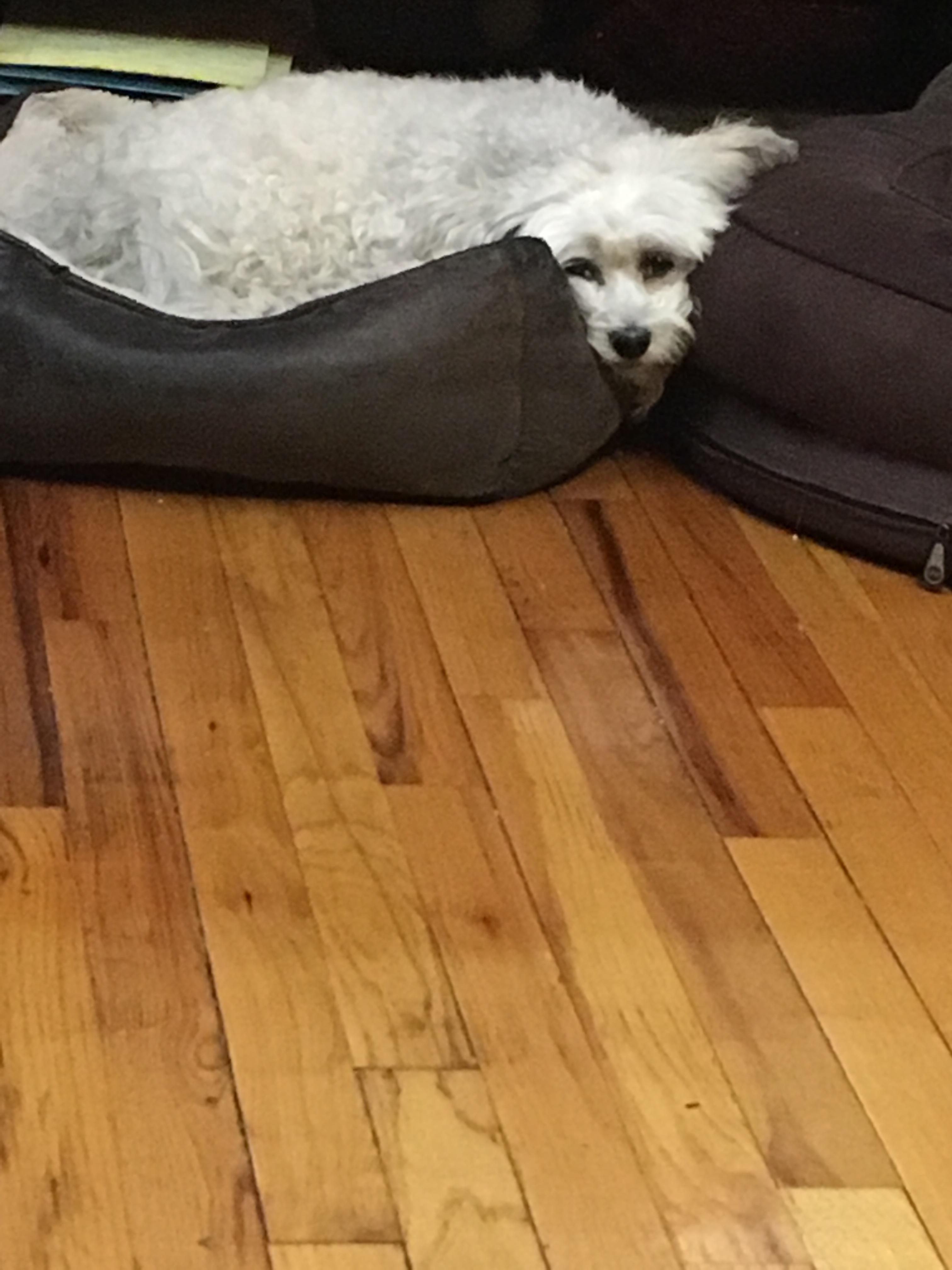
“Um, you said a bad word.”

            During this year of social distancing, a lot of people have experienced cravings for human contact, cravings so strong that they broke safety protocols to go out to parties or bars or restaurants, because the need for human contact was so insistent. Is it the craving for human contact that’s bad or the way they chose to satisfy that craving?

            My students at synagogue school often crave movement by the time they arrive after a full day of school. They crave it so much that if I don’t create a safe and productive way for them to move, they will move in whatever way they can. I can choose to create a safe environment for them to move in, or I can choose to ignore their need and leave them to disrupt the class or drive themselves crazy, but either way, the kids are going to move; not because they are bad kids, but because they are human.

“Like me!”

            Can I accept that in myself too? Can I ever find a way to give myself permission to be guided by what I want, without worrying that I’m taking the road to hell?

In a recent visit with the nutritionist she said that I was confusing taste hunger with physical hunger, because as long as the food still tasted good I still wanted to eat. Ideally, she said, the yummy taste of the food would diminish as I became full, but that has never been my experience. So we planned out a very specific sequence of actions for me to check in with my physical fullness, and my taste hunger, separately, with the commitment that I would rely on my physical feeling of fullness to tell me when to stop eating, even if the taste hunger persisted.

I want to believe that I can learn how to do this and find a healthier and happier way to eat and live, but it still feels like a fairytale; like something I want to believe in that can’t possibly be true. I still live in a world where everyone thinks they need to be on a diet, no matter what they weigh. I still live in a world where we have no realistic idea of healthy sizes for different bodies, and we judge each other based on standards that fit almost no one. How am I supposed to ignore all of that noise and suddenly learn to trust myself?

            I don’t know yet, but I will keep working on it.

“We’ll eat the leftovers. To help you.”

If you haven’t had a chance yet, please check out my Young Adult novel, Yeshiva Girl, on Amazon. And if you feel called to write a review of the book, on Amazon, or anywhere else, I’d be honored.

            Yeshiva Girl is about a Jewish teenager on Long Island, named Isabel, though her father calls her Jezebel. Her father has been accused of inappropriate sexual behavior with one of his students, which he denies, but Izzy implicitly believes it’s true. As a result of his problems, her father sends her to a co-ed Orthodox yeshiva for tenth grade, out of the blue, and Izzy and her mother can’t figure out how to prevent it. At Yeshiva, though, Izzy finds that religious people are much more complicated than she had expected. Some, like her father, may use religion as a place to hide, but others search for and find comfort, and community, and even enlightenment. The question is, what will Izzy find?
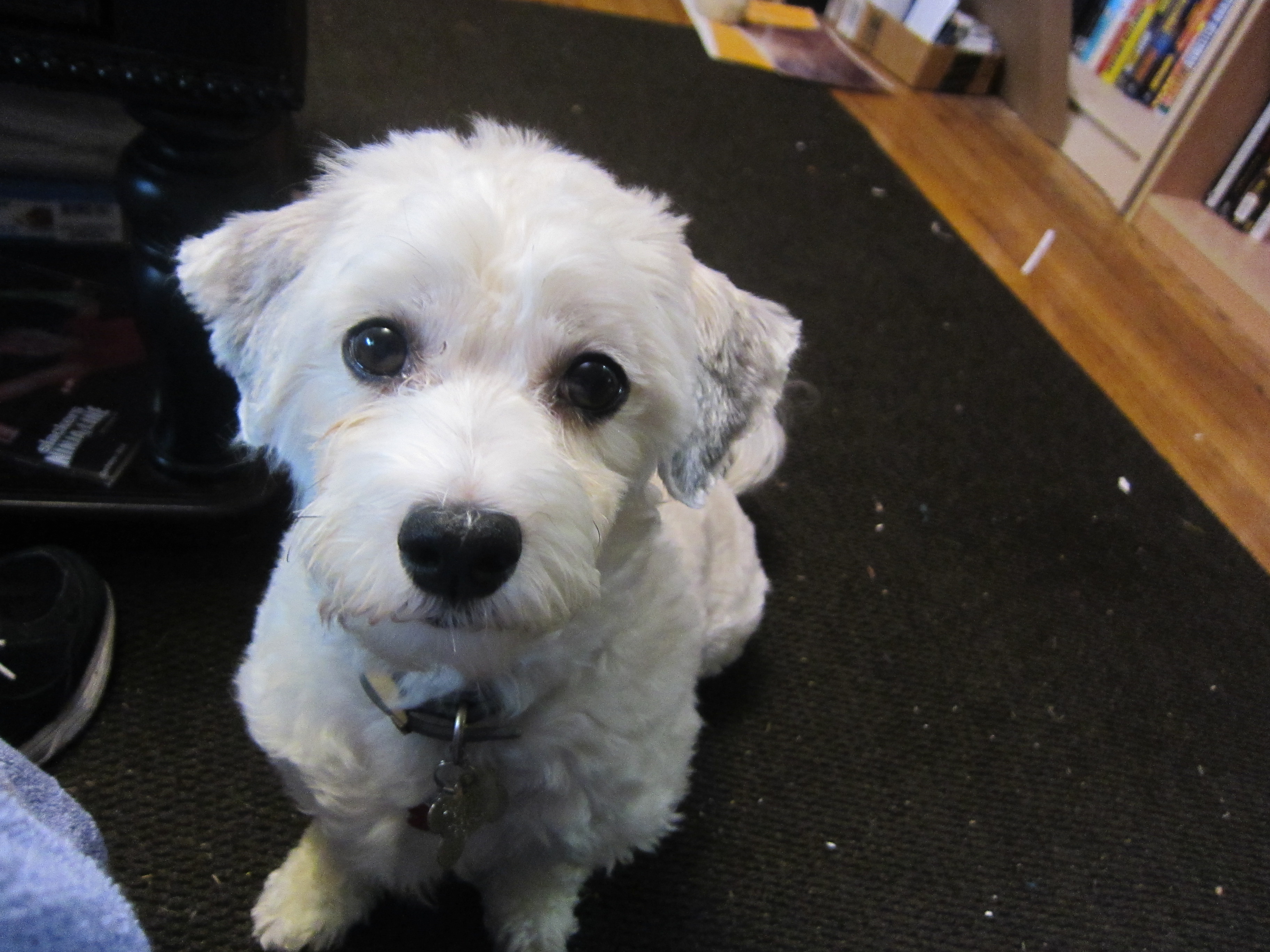
On Loneliness

            Loneliness is a lifelong state of being for me. I was a lonely child, because I couldn’t share my world with anyone. I loved my big brother, but there were so many things he refused to hear, refused to say, refused to see. I loved my best friend, but she didn’t love me back. She tolerated me, she accepted my presence, but she didn’t understand me and didn’t want to. I thought that was my fault, by the way, because I wasn’t rich enough or pretty enough or clever enough, but, and this is something I’ve only recently figured out, it wasn’t about me; which doesn’t solve anything, or heal anything, for either of us, but it’s true.

            I loved my parents, but my mom was deep underwater, in an abusive marriage. And my father. Well. His idea of love was loyalty and control in only one direction. He was a bruised and broken child himself, who never healed, or ever tried to.

            I lived in this kaleidoscope of broken people, always moving around each other, never fitting together into a whole. And at school, even though the other kids didn’t know any of this, they knew. They knew that I bothered them, upset them, and scared them, just for being me: for being nice to people who hurt me; for helping people who looked down on me; for showing everything on my face that they were able to hide and thought should be hidden.

            I learned, over time, how to act like I was normal, or something like it. But there was still something too honest about me, and it hurt people to look at me, and so they hurt me, as if I’d done it on purpose; as if my sadness was an attack on their otherwise peaceful lives.

            I’ve worked hard to make connections with people, and to chisel away at the loneliness, but it is still there, and still informs everything I do. It makes me more desperate to have my say and to be heard; and it makes me more sensitive to the pain of others; and it makes me more frightened, of everyone, because I know how badly they can hurt me.

“I would never hurt you, Mommy.”

            In a way, isolation has been my way to protect myself from having to feel too much of the loneliness at once, because the feeling is most profound when I am closest to other people.

            I don’t know if any of this is true for other people, or for what percentage of other people. I know that some people use their loneliness to excuse acts of emotional and physical violence against others. I know that some people use loneliness to spur active and crowded lives. But most people don’t talk about their loneliness in public. Most people act as if they are fine; and even if I can imagine that there’s something behind the mask, I can’t presume to know what that is, and so my loneliness persists.

“I never hide my feelings behind a mask.”

            Loneliness is probably the echo underneath everything I write and everything I do – and it hurts, a lot. It doesn’t resolve. It doesn’t dissolve. It doesn’t disappear. There are other feelings that persist from my childhood, like shame and fear and guilt and physical pain, but loneliness is the most pervasive; it’s the one that follows me everywhere I go, even when I am otherwise happy and well.

            I don’t know why I wanted to write about this. Maybe because I’m starting to wonder if the loneliness will ever recede; and to wonder if I’m perpetuating the loneliness, even causing it, without any idea of how to stop.

            We have these ideas about healing – that it can be fast, and complete, and willed into fruition – but none of that tracks with my experience. Some wounds don’t heal, or fade, and sometimes we have to accept that our lives will always hold the shape of that pain.

I haven’t reached that level of acceptance, though. I still want the fairytale, with the happily ever after ending. I want, most of all, to be whole.

If you haven’t had a chance yet, please check out my Young Adult novel, Yeshiva Girl, on Amazon. And if you feel called to write a review of the book, on Amazon, or anywhere else, I’d be honored.

            Yeshiva Girl is about a Jewish teenager on Long Island, named Isabel, though her father calls her Jezebel. Her father has been accused of inappropriate sexual behavior with one of his students, which he denies, but Izzy implicitly believes it’s true. As a result of his problems, her father sends her to a co-ed Orthodox yeshiva for tenth grade, out of the blue, and Izzy and her mother can’t figure out how to prevent it. At Yeshiva, though, Izzy finds that religious people are much more complicated than she had expected. Some, like her father, may use religion as a place to hide, but others search for and find comfort, and community, and even enlightenment. The question is, what will Izzy find?

The Carolina Wren(s)

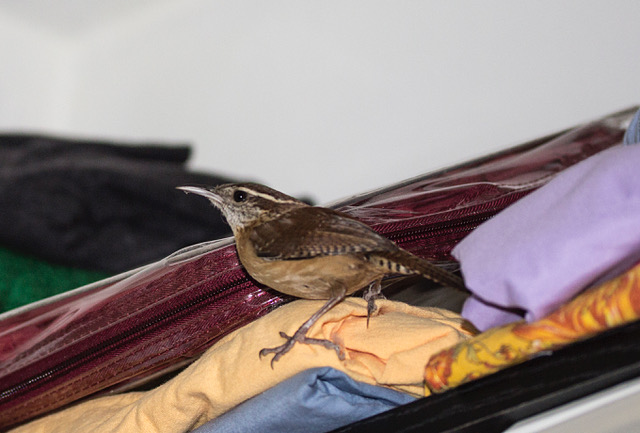
            For the past few years, ever since my Mom’s friend Olivia died one January, a Carolina Wren has taken to visiting the apartment over the winter. The first visit, within days of Olivia’s death, felt like a spiritual visit from Olivia herself, to let us know that she was okay, and to say goodbye. When the wren (or a different wren) returned the next year, it seemed like Olivia was checking in on us, and letting us know that her spirit was flying free.

“This is my good side.”

            This year has been different. A Carolina Wren has come into the apartment four or five times already, usually on the coldest, snowiest days. She (I always assume she’s a she) sometimes stays overnight, flying from one room to another, sampling the kibble, taking a bath in the water bowls, singing a few songs, leaving poop on the curtains and then heading out.

            The dogs never seem to mind the visits, even when the little bird is singing full out or flying over their heads.

“Go ahead. Eat as much kibble as you want.”

            On her third visit this winter, in the middle of a snowstorm, a second Carolina Wren came in with her. I don’t know if it was her mate (he was a little fatter than she was), or another bird, curious about where she kept escaping to when everyone else was freezing. Our Carolina Wren did not seem to appreciate the company. The bigger bird perched on the top of my bookcase while the little one did gymnastics on the curtain rod, and tried and failed to land on a bare lightbulb, and two-stepped her way down the curtain in my room. Finally the bigger bird decided to leave, but our little Wren stayed a while longer.

“Does this color make my foot look big?”

During her next visit, when I was practicing the alto part for a choir recording, she decided to sing with me. She didn’t sing the tune I was singing, she sang her own, but she sang it in answer to me and along with me, insistently; maybe trying to figure out why I was singing the wrong song. Her voice was much bigger than mine, despite her tiny size, and it filled the whole apartment. There wasn’t much harmony between her song and mine, but there was a magic to it anyway. There was communication and echoing and solidarity and questioning; and it was beautiful.

            It reminded me of how my old black lab mix, Dina, would hear us singing at Friday Night dinner and add her howl to the song. I found out that if I hit certain notes, usually higher up in my register, it would set her off. And even if we weren’t singing the same song, we were singing together; and even if it didn’t sound right, it sounded like love.

My Dina.

            I don’t know what it means that the Wren is visiting us more often, or even if it’s the same Wren each time. Maybe we’re listed on the Wren-airbnb site; maybe she’s looking for a nest, or for nesting materials (we have an enormous collection of fabric scraps); maybe she needs a respite from her mate and we seem friendly enough; or maybe there really is some communication between the spirit and bird worlds, and old friends are coming to visit in bird form. I’m not an expert on the afterlife, or on birds, but it’s nice to be visited, and it was nice to have someone to sing with in person, in this year of social distancing.

“I can play while you sing, Mommy.”

If you haven’t had a chance yet, please check out my Young Adult novel, Yeshiva Girl, on Amazon. And if you feel called to write a review of the book, on Amazon, or anywhere else, I’d be honored.

            Yeshiva Girl is about a Jewish teenager on Long Island, named Isabel, though her father calls her Jezebel. Her father has been accused of inappropriate sexual behavior with one of his students, which he denies, but Izzy implicitly believes it’s true. As a result of his problems, her father sends her to a co-ed Orthodox yeshiva for tenth grade, out of the blue, and Izzy and her mother can’t figure out how to prevent it. At Yeshiva, though, Izzy finds that religious people are much more complicated than she had expected. Some, like her father, may use religion as a place to hide, but others search for and find comfort, and community, and even enlightenment. The question is, what will Izzy find?

A Purim Spiel

            The last thing we did in person at my synagogue last year, before the Covid shut down, was the Purim Spiel. Everyone was crowded into the sanctuary, with congregants of all ages singing from the “stage.” A few days later, the world stopped, but we had no idea that we’d be living on Zoom for an entire year, or more, and that our next Purim Spiel would be presented entirely on Zoom.

            I’d never seen a Purim Spiel (or even heard of one) before coming to my current synagogue nine years ago, but it turns out that they have been a Jewish tradition for centuries. A Spiel is a play (from the German/Yiddish) and a Purim Spiel is a comic version of the story from the Book of Esther that we read each Purim, with a lot of leeway for modern interpretations, humor, music, and especially satire. Many politicians and Very Important People have been lampooned in Purim Spiels across the world.

“Am I a Very Important Person?”

            At our synagogue, the Cantor writes the Purim Spiel each year, usually adapting popular songs to fit the Purim story: there was a Star Wars version, a Wizard of Oz version, a Billy Joel Extravaganza, etc. Once a year, it’s a chance for doctors and lawyers and teachers and children to get up on stage and sing their hearts out to an audience filled with every age group, including children dressed as unicorns and cowboys and princesses.

“That will never happen to me.”

            The goal of the Purim Spiel is to provide a catharsis and to give us a chance to laugh, and after the devastations of Covid and the economy and politics this year, we really need that. It will be easier to take a deep breath and move into the more sober tone of the Biden years after getting what we’ve just been through out of our systems, and then we can wash our hands of it, as much as that’s possible.

            Purim isn’t a major holiday on the Jewish calendar, unlike Passover or Rosh Hashanah. It’s very likely that the holiday of Purim was instituted by the rabbis to give Jews something Jewish to celebrate at this time of year instead of being drawn into the celebrations of their neighbors. Purim may have been based on an ancient pagan festival, celebrating Marduk and Ishtar, two of the important pagan gods of the ancient Near East, with the names changed only slightly to Mordechai and Esther.

            The story of Esther, considered by most scholars to be historical fiction, rather than history, highlights one of the major themes in Jewish life across Millennia: anti-Semitism, the baseless hatred of Jews because they are “the other.” But in this story the Jews win, because Esther, a Jew who hides her Jewish identity, becomes queen of Persia and is able to thwart an attempted genocide of the Jewish people. It’s a court intrigue, with all of the misunderstandings and frivolity and devious plans and feasting and blood lust you can imagine. The main characters are the King (silly and gluttonous), his first wife Vashti (smart and rebellious), his new wife Esther, her uncle/cousin Mordechai who encourages her to play her role to save her people, and Haman, the Grand Vizier and the bad guy.

            Imagine if, instead of going along with Hitler’s Final Solution, German leaders had listened to Jewish voices and turned around and killed Hitler and his henchmen instead – that’s the Purim story. It’s a fantasy, and a welcome one for a people who have often been the targets of prejudice and genocide and need at least one day a year to imagine what it would be like to turn things around.

Like if I sent You to the groomer?”

            The original commemorations for Purim were more sober and serious and focused on the formal reading of the Book of Esther; the custom of masquerading in costumes and the wearing of masks probably originated among the Italian Jews at the end of the fifteenth century. But whether it was originally intended as a party or not, the playfulness and laughter and blurred boundaries of Purim feel essential now.

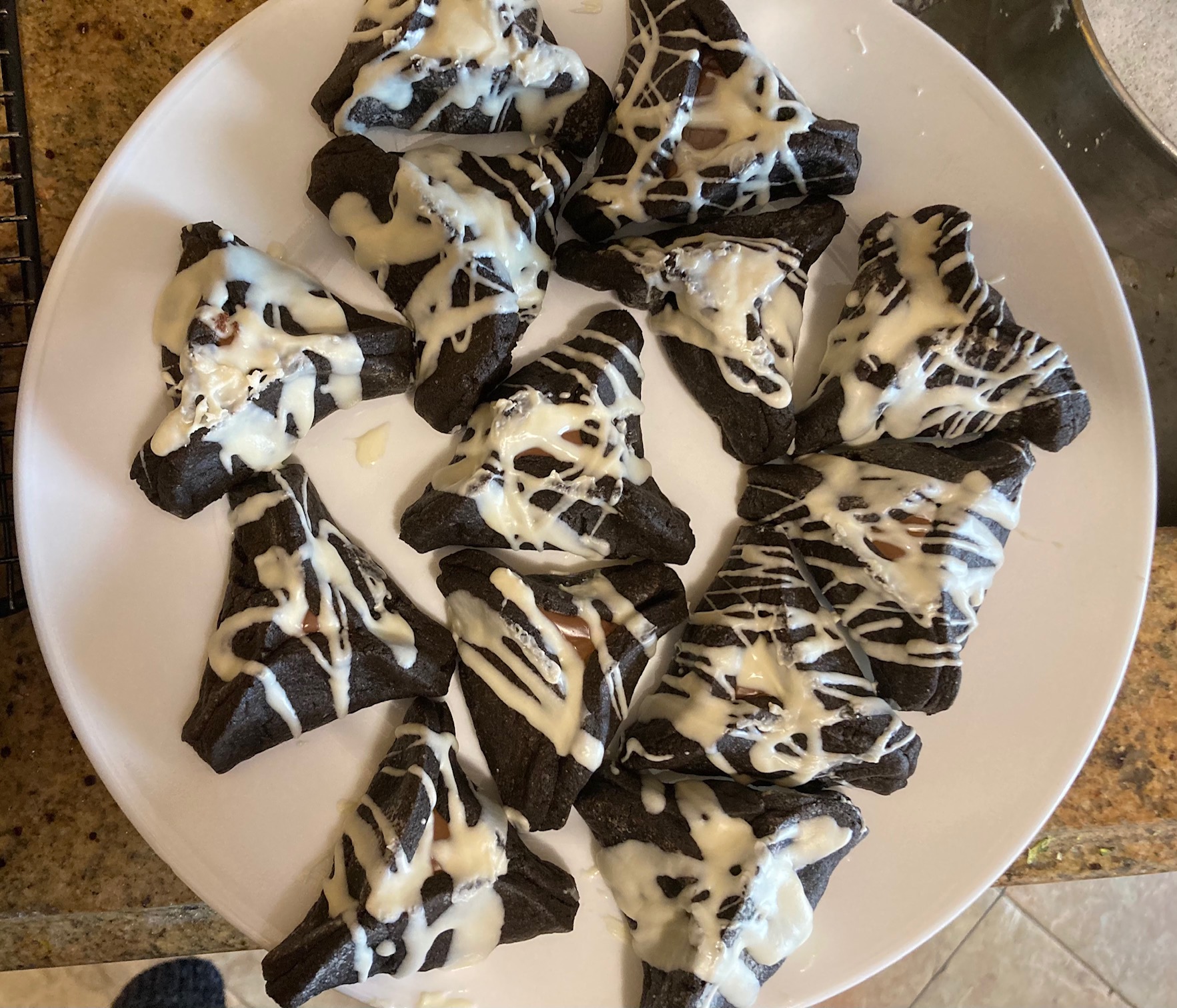
            Usually our synagogue also has a Purim carnival for the kids, with games and rides and a costume parade, and Hamantaschen to eat, but that will not be possible this year. Hamantaschen were another late addition to the holiday, based on a German cookie called a Mahn-tash or poppy pocket, filled with sweet poppy seed paste. Hamantaschen are three-cornered cookies filled with sweet (or even savory) fillings, meant to resemble Haman’s three-cornered hat.

Triple Chocolate Hamantaschen (recipe from MyJewishLearning.com)

            For adults, Purim is also a time for drinking. The tradition is to drink until you don’t know the difference between cursed be Haman (the bad guy) and blessed be Mordechai (the good guy), maybe to let us know that feasting and drinking, and taking on the role of power, can make us into the bad guys if we’re not careful. We tend to learn these lessons best by acting them out, rather than just learning the theory, so this holiday is a low risk way to try out being one of the bad guys (with a mask), or to lose track of your moral rectitude for a moment (with alcohol), and re-learn the lesson that you need certain rules in place in order to be the person you want to be the rest of the year.

The masks and costumes are always fun, but resonate even more deeply this year. Many people who have been outsiders to society know how it feels to wear a mask in order to fit in, but we’ve all experienced the way masks can obscure aspects of who you really are, for better or worse, this year. Our Covid masks allow, or require, us to obscure who we are, and especially how we feel. I have masks for synagogue school, made by Mom, covered with chocolate chip cookies, or butterflies, or birds, or dogs, instead of plain surgical or black masks, because I can’t smile with a mask on and the colorful and playful fabrics can do that for me, even if I don’t feel like smiling underneath.

My Masks

            So this year the Purim Spiel was on Zoom, with wine and Hamantaschen optional, and without the music (because group singing on Zoom is heinous), but it still gave us a chance to act out our revenge fantasies, and laugh at ourselves. If nothing else, Jewish history has taught us that we can adapt to new circumstances, and make the best of what we have, as long as we continue to tell our stories and search for meaning, together.

“Where are the cookies?”

If you haven’t had a chance yet, please check out my Young Adult novel, Yeshiva Girl, on Amazon. And if you feel called to write a review of the book, on Amazon, or anywhere else, I’d be honored.

            Yeshiva Girl is about a Jewish teenager on Long Island, named Isabel, though her father calls her Jezebel. Her father has been accused of inappropriate sexual behavior with one of his students, which he denies, but Izzy implicitly believes it’s true. As a result of his problems, her father sends her to a co-ed Orthodox yeshiva for tenth grade, out of the blue, and Izzy and her mother can’t figure out how to prevent it. At Yeshiva, though, Izzy finds that religious people are much more complicated than she had expected. Some, like her father, may use religion as a place to hide, but others search for and find comfort, and community, and even enlightenment. The question is, what will Izzy find?

Mom’s Wrist Surgery

            The first thing I thought of when Mom told me she would be having surgery on her wrist (outpatient for Carpal Tunnel) was – who’s going to cook? I cook once in a while, but I generally don’t have the energy to do much of it, and with all of the extra chores I’d be responsible for with Mom’s right (dominant) hand out of commission, I was worried we’d starve. Or have to live on peanut butter and Jelly sandwiches, or something.

“Peanut butter sounds good to me.”

            I’m sure I was also in a panic about the risks of anesthesia, and problems with the surgery itself, and Covid, and Mommy is going to die and leave me all alone! But on the surface, mostly, I was worried about the food. And having to take the dogs out for all four walks each day, especially first thing in the morning. Ugh, and I’d have to wash dishes and fill and empty the dishwasher, and vacuum and clean, on top of doing the laundry and the food shopping as usual. Just thinking about it all was exhausting, and Mom was (selfishly) just worried about her potential pain, and how would she survive without sewing until her wrist healed. Harrumph.

            (Don’t worry, we went to the freezer section of the supermarket two days before the surgery was scheduled and loaded up on cauliflower crust pizza, and veggie stir-fry’s, and ice cream. I’m sure that’s what you were most worried about.)

            I don’t think of myself as lazy, per se, but I do get very grumpy about doing chores. Mostly I curse quietly to myself. But not always.

            Of course, as we got closer to the day of the surgery, and all of the prep work was done, we were both getting anxious about the day of: Mom about the surgery itself and the potential pain in the aftermath, and me about the driving. I always get nervous about driving to new places, or to places I haven’t been to in a while. And I would have to drive early in the morning (originally we were told she’d have to be there by 7:30, but in the end it was a more reasonable 9 AM).

            Mom has a map of Long Island (and all of New York and probably the Tristate area) tattooed on her brain; me, not so much. I drive because I have to, and I resent it. It just seems like a game of Frogger brought to life, except that I don’t identify with the frog who keeps stupidly trying to cross a busy street in the middle of traffic; instead I identify with the poor drivers who can’t dodge the enormous frog in the road, and have to feel guilty when the frog goes splat.

            But, once we got going on the morning of the surgery, I realized that I mostly knew the route. I couldn’t picture it on paper, or by the street names, but in person it looked familiar. I was sort of relieved that the Covid protocols prevented me from going into the hospital with Mom, because if I had to sit there doing nothing but worry for hours I would have been swamped with anxiety. But I also felt guilty for dropping Mom off like a package at the front door, and I worried about her the same way I worry when I have to drop one of the dogs off at the vet instead of going in with them. What’s happening in there? Will Mommy/Ellie/Cricket/Butterfly/Dina ever come out again? Why didn’t I go to medical/veterinary school so I could take care of these things myself?

“Could I go to medical school?”

            As soon as I arrived home, the dogs insisted on going out to pee again, and to sniff Grandma’s footsteps along the walkway. Cricket gave me dirty looks for the next few hours, because, clearly, it was my fault Grandma was not home, and I could never be trusted to leave the house again.

            I was too anxious to take a nap, so I worked at the computer while I waited to hear that Mom was ready to come home. Mom had said the surgery would be over by around one o’clock and that she would call to let me know when to pick her up, but I didn’t hear from anyone until after two o’clock, and the wait felt more like a week than just an extra hour. I imagined every possible disaster, including: problems with the anesthesia, accidental amputation and catastrophic blood loss, a sudden outbreak of Covid taking over the whole hospital, a bomb, a meteor, aliens…My brain can do a lot in an hour.

            But a nurse finally called and said that everything went fine and I could come in an hour or so to pick Mom up. Of course I left early, because I was afraid I’d get lost, or stuck in traffic, or something, and I called Mom’s cell phone as soon as I arrived at the front of the hospital. She was rolled out in a wheelchair ten minutes later, and I worried when the man guiding the wheelchair said that I should help her into the car and make sure she didn’t fall, as if she was much more fragile than usual, but it turned out that he was just being extra careful. Mom’s hand was wrapped to the size of an oven mitt, and she was a little tired and dizzy, but otherwise not too bad.

            When we got home I found out about more of my duties, including medicine-bottle-opener, and ice-cube-bag-filler. I got used to filling both of our ice cube trays every few hours, and then pounding them on the counter to try to make the ice cubes come out. Ice cubes are stubborn creatures, until they break free, and then they can really fly.

            After seventy-two hours I was able to drop the ice-cube-breaking and replace it with Mommy-Watching, because Mom seemed to think she could do all kinds of things with her wrapped hand that she clearly was not supposed to do, like creating power point presentations. Each day, I had to watch her more closely to make sure she wasn’t secretly carrying heavy packages or chopping vegetables. She found the whole thing very frustrating. And boring. And clearly I was the meanie keeping her from doing anything fun.

“Don’t be a meanie.”

            After ten days I drove her to her follow up visit with the doctor and, since Mom did not want me to go in to the appointment with her, I asked her to get a clear plan from the doctor for how she could gradually return to normal activities. I sat in the waiting room watching a live action Chipmunk movie that I will never be able to unsee, and eventually she came out with a much smaller bandage on her hand and a smile on her face. It seemed that the doctor had said the most wonderful thing that a doctor could say: sewing is good therapy. As soon as we got home she was on the computer telling all of her quilting friends that the doctor recommended that she spend MORE time sewing, and they all cheered.

            We still had a few frozen meals left, but Mom was eager to get back to cooking. By the next afternoon she had prepped a soup for the slow cooker, walked the dogs on her own twice, and was planning to go out and do some errands; because, where my instinct is always to rest, hers is to DO SOMETHING. I had to intervene and drive her for the errands so she wouldn’t overdo it on her first day back in action, and then I really needed a nap. Watching her do so much stuff is exhausting.

“For us too.”

            It will be a few months before her hand is back to full use, and I’m expecting many tantrums as Mom struggles to survive on only five or six hours of sewing a day. (Don’t worry, the dogs and I will do our best to avoid the living room when Mom gets grumpy. I’m sure that’s what you were most worried about.)

“Is it safe to go back to the living room yet?”

If you haven’t had a chance yet, please check out my Young Adult novel, Yeshiva Girl, on Amazon. And if you feel called to write a review of the book, on Amazon, or anywhere else, I’d be honored.

            Yeshiva Girl is about a Jewish teenager on Long Island, named Isabel, though her father calls her Jezebel. Her father has been accused of inappropriate sexual behavior with one of his students, which he denies, but Izzy implicitly believes it’s true. As a result of his problems, her father sends her to a co-ed Orthodox yeshiva for tenth grade, out of the blue, and Izzy and her mother can’t figure out how to prevent it. At Yeshiva, though, Izzy finds that religious people are much more complicated than she had expected. Some, like her father, may use religion as a place to hide, but others search for and find comfort, and community, and even enlightenment. The question is, what will Izzy find?
Sketchnoting and Visual Learning

            We had a professional development session for synagogue school – on Zoom – to teach us a technique called Sketchnoting. The broad purpose of the session, I think, was to open our minds to different methods of teaching, and different ways to encourage our students to express their own thoughts. And for people who process information best through visuals, and especially through pictures, the Sketchnoting method is probably a huge step forward in learning and comprehension.

            But for me, it was torture.

“Me too.”

            It took me years to learn how to read menus and recipes, because of the way the words are presented on the page, and I have never been able to read a comic book or a graphic novel from beginning to end without wanting to throw it out the window. I’m sure this qualifies as a learning disability of some kind, but it was never diagnosed or addressed in school, and I worked around it well enough that no one seemed to notice.

            But sitting there during the professional development session, staring at the computer screen and trying to make sense of a series of little pictures meant to represent words, drove me nuts. I wasn’t the only one who struggled, thank God, or else I would have (naturally) assumed it was all my fault, for being so hard-headed and stiff-necked and whatever else is wrong with me. The teacher of the class even acknowledged that learning how to translate words into pictures is much harder than recognizing the meaning of pictures drawn by someone else (though I found that difficult too).

“Oy.”

            After a general introduction to what Sketchnoting looks like on the page (simple drawings, separated by boxes, often modified with one or two descriptive words), we did an exercise where the teacher gave us a word (in this case the word was “idea”) and asked us all to draw a picture of the word on a post-it note. My first thought was a lightbulb, but I can’t draw a lightbulb, and I don’t understand why a lightbulb is supposed to represent an idea, so I rejected that one. Then I tried to draw a cloud, because I was thinking about the Platonic ideals and how there’s supposedly a perfect version of each idea, somewhere, like maybe in heaven, but I couldn’t draw a cloud either; my best attempt looked more like an ameba.

And then I drew a tree – a very simple, curly-headed tree – because trees have been on my mind lately, and because I never have just one idea; I tend to have a core idea that branches out in dozens of directions. So a tree fit the word idea, for me.

            All of this took place in twenty seconds. And when I held up my post-it note to the camera, the teacher picked it out of everything on the screen and said, disbelieving, is that a tree? He didn’t ask why I would draw a tree, or what made a tree my best representation of the word idea. He just told us that whenever he does this exercise the majority of people draw a lightbulb, and a significant minority draw a word bubble over the head of a person, and this is proof that we actually do share a common visual language that most people will understand. Except for Rachel, of course.

“Oh, Mommy.”

            If I’d gone with my first idea and drawn even a terrible lightbulb, I would have fit in fine, but I wouldn’t have been satisfied with my work. I would have been disappointed in myself, because even though I know enough about popular culture to know that, at least in the United States, a lightbulb is often used to represent an idea, that’s not what it represents for me.

            But I felt guilty for rocking the boat. I didn’t realize, until after the exercise was over, that the teacher had been trying to prove a point about the universality of certain images. I thought I was supposed to be creative and imaginative, and I’d clearly misunderstood the purpose of the exercise.

            The teacher went on to tell us that you can use Sketchnoting to capture the deeper meaning of an essay or a lecture or a YouTube video. He said that you’ll be able to remember more of the lecture if you can sum up key ideas in pictures instead of words. But I couldn’t do most of the exercises he gave us, because I couldn’t think of pictures to draw to represent specific concepts, and even when I could think of something, I couldn’t draw it fast enough.

            Before the teacher himself had come onto the Zoom, my boss did a warm up exercise with us, asking us to describe how we each take in information. She called on me first, and I should have been able to guess that she was asking if we are visual, auditory, or kinesthetic learners, or some variation on that idea, but instead I was flummoxed, because I didn’t know what she was looking for. I don’t know, I said, I take in information in a million different ways.

“I take in information through my nose and my belly.”

            I wasn’t trying to be difficult. I only understood that she was (probably) asking the visual/auditory/kinesthetic question in the aftermath, though no one else really answered in those terms either. But it felt like a microcosm of how I respond to the world overall: with confusion. I know some part of it is because I want to be different, but a lot of it is that I can’t figure out what kind of answer people are looking for and I don’t make the assumptions they expect me to make. I generally have the “right” answer in my back pocket, but I have ten other answers in there too, and I don’t know which one to choose.

            I remember a psychology class where the teacher had us go through a stack of Rorschach cards and describe what we saw. She had a list of scores for each possible interpretation and most of the students in the class fit nicely into the pre-set answer groups, and then there was me. She called my answers “creative,” because I saw things like a group of monkeys in space suits riding bicycles, instead of a butterfly, or a lion. She couldn’t score my answers and just shrugged when I asked what that might mean.

“Harrumph.”

            But, I’m learning that it’s not that I’m bad at all kinds of visual learning, it’s that my mind sees more possibilities than other people see, and I have to ask a lot of extra questions to narrow down what someone else expects me to see. It makes me difficult. And it makes my life difficult. And people assume I’m doing it on purpose, just to be different. And I don’t know; maybe I am.

            But is that so bad?

            When I look at my students, I don’t see anyone who fits neatly into the predetermined learning categories. I see a lot of unicorns. And maybe I’m seeing things in them that no one else sees; but it’s there. And, yes, they can be trained to see the world in a rigid, conventional way; or most of them can. But I’m unlikely to be the teacher who asks that of them. I’d rather have a room full of unicorns, even if that makes them more challenging to teach, because that’s what makes the work so much fun.

“I’m a unicorn too, right?”

If you haven’t had a chance yet, please check out my Young Adult novel, Yeshiva Girl, on Amazon. And if you feel called to write a review of the book, on Amazon, or anywhere else, I’d be honored.

            Yeshiva Girl is about a Jewish teenager on Long Island, named Isabel, though her father calls her Jezebel. Her father has been accused of inappropriate sexual behavior with one of his students, which he denies, but Izzy implicitly believes it’s true. As a result of his problems, her father sends her to a co-ed Orthodox yeshiva for tenth grade, out of the blue, and Izzy and her mother can’t figure out how to prevent it. At Yeshiva, though, Izzy finds that religious people are much more complicated than she had expected. Some, like her father, may use religion as a place to hide, but others search for and find comfort, and community, and even enlightenment. The question is, what will Izzy find?

Who do I want to write for?

            A friend in the blogging community (Elizabeth at Saved by WordsElizabethslaughter.com) suggested that I could think about who I’m writing for when I’m writing something other than a blog post, since I’ve been struggling to want to work on anything other than blog posts.

            In a lot of ways, my writing feels automatic to me, because I’ve been doing it my whole life. I spent a huge part of my childhood telling myself stories, about trips to other planets and alternate families and happier endings to my own life stories too. As I got older, I wrote poems and songs and stories and novels. I would write to organize my thoughts, and to remember what I was thinking, because I forget things so quickly. I wrote down dreams in order to remember them, and then to process what they might mean. When I started the blog I quickly found that it was a satisfying way to connect with actual people. I didn’t have to tell my stories only to myself anymore, or send my words out into the ether to be judged, or ignored.

“Don’t worry. I still judge you.”

            Over the past eight years that I’ve been blogging I’ve come to realize that my favorite thing about writing is hearing back from readers, knowing that my writing has been read and heard and processed and responded to. The feeling of satisfaction I get when I see that people really feel something in response to my words is so much better than getting an “A” in school (which is still pretty nice). And I’m loathe to waste my writing on literary magazines who will just reject my work after a year-long waiting period, when instead I could post something today and get responses from thoughtful readers within hours.

            But I still want to be a professional writer; the kind that gets paid. And I still want to write longer form essays and fiction. I LOVE fiction. I love the freedom it gives me to change the stories of my life into something more hopeful, or to live out a completely different life from my own.

            The problem is, when I think about writing professionally I start to feel distant from myself, remembering all of the rejection letters and the critiques and the endless questioning of how I write and what I write about and who I write for and the underlying, persistent, mantra telling me that my voice doesn’t matter and won’t sell; my writing is too literary, or too commercial, or too serious, or too lighthearted, or too plot driven, or too character driven, or too emotional, or too intellectual. But when I sit down to write for the blog I remember the comments I received on the previous blog posts, and the encouragement and kindness and investment of my readers.

“Bloggy people are awesome!”

            There’s that, but there’s also something else. When I’m working on longer projects, my writing voice varies. I don’t have any conscious awareness of trying to fit a style while I’m writing, or any conscious control over how the words come to me, but when I read over the draft, days or weeks later, I can see how my writing was influenced by my intended audience, or by my preconceptions of who they would want me to be.

            I wish I could write everything the way I write for the blog, trusting that my readers will care about me and respect me and engage with the subjects I care about. I want to be able to write from where I am at this moment in time, instead of trying to guess what other people will want to read at some moment in the future. And I want to challenge myself to write the different things that interest me, the long essays, and the children’s stories, and the mysteries, and the Young Adult novels, and the memoirs.

            And I would love to see my books on library shelves, in hardcover, with beautiful reviews on the back cover; and I’d love to win awards and make a living from my writing, and be interviewed about my work.

“I can interview you, Mommy. First question: Where are my treats?”

            But I don’t trust that the larger audience will embrace me and accept me the way my blog readers have, and I think I’ve learned to stop myself from writing the things that could force me to face those rejections again, even though I want to write these things.

            If only I could quiet the voices that recite all of the rejection letters to me when I sit down to write, and replace them with the voices that are kind and thoughtful week after week. Maybe then I could be prolific again, or at least feel free to write everything that matters to me.

“Just keep writing about us, Mommy. That’s the most important thing.”

If you haven’t had a chance yet, please check out my Young Adult novel, Yeshiva Girl, on Amazon. And if you feel called to write a review of the book, on Amazon, or anywhere else, I’d be honored.

            Yeshiva Girl is about a Jewish teenager on Long Island, named Isabel, though her father calls her Jezebel. Her father has been accused of inappropriate sexual behavior with one of his students, which he denies, but Izzy implicitly believes it’s true. As a result of his problems, her father sends her to a co-ed Orthodox yeshiva for tenth grade, out of the blue, and Izzy and her mother can’t figure out how to prevent it. At Yeshiva, though, Izzy finds that religious people are much more complicated than she had expected. Some, like her father, may use religion as a place to hide, but others search for and find comfort, and community, and even enlightenment. The question is, what will Izzy find?         

Intuitive Eating, Continued

            I’m making progress on my journey to Intuitive Eating. I’ve tried a bunch of different exercises in the Intuitive Eating Workbook, with varying levels of success. The first really helpful exercise was keeping a Hunger Journal, which I did for a few weeks. I was often at “desperately hungry” before I would let myself eat, but the nutritionist said no, eat sooner, eat before the hunger becomes unpleasant, because if you wait too long you’ll be so distracted by the intensity of the need to eat that you won’t notice when you start to feel full.

            I still struggle with this, because it feels like a competition, and if I eat before I’m starving to death then I lose. But I’m getting a little better.

“Sure you are, Mommy.”

            The biggest challenge after that was figuring out when to STOP eating. And I hadn’t reached the chapter on fullness yet, so I had no idea what to do. The next time I had a Zoom meeting with the nutritionist she said, if you’re struggling to figure out fullness then why don’t we just jump ahead to that chapter in the book?

            Jump ahead? Skip a chapter that an author put in that exact order for a specific reason?

            Yes. Of course, the nutritionist said. This is about your journey with food. If fullness is on your mind, then that’s what we should turn to.

            Sometimes being a compulsive ‘A’ student gets in my way. Who am I kidding? It always gets in my way. And even after I jumped ahead in the workbook, only skipping one chapter, I felt guilty and worried. What if, without that missing chapter, the whole experiment falls apart? What if everything is riding on the specific magic of the order of the exercises and I’m ruining it?

            Oh Lord.

            But, I took the risk and started the fullness chapter anyway. The first exercise asked me to stop each meal with one or two bites of food left on the plate, to check on my feelings of fullness. A few times I waited ten minutes, to see if I was still hungry, and then ate the last two bites anyway, but most of the time I found that I didn’t need the last two bites as much as I thought I did (the dogs really enjoyed this exercise!). I told myself that if I was hungry again in half an hour, after giving away those last two bites, I could eat again, and most of the time I didn’t need to.

“We’re ready whenever you need us.”

            The next exercise I tried was eating with my left (non-dominant) hand, to see if that would help me slow down and pay more attention to my fullness signals along the way. It was an interesting experience, but mostly it just made a mess and strained my left wrist, so I moved on.

            Then I read the section about removing distractions while eating, and found that my most persistent distraction during meals is TV – because I always eat in front of the television set. And when the book told me to try not eating with the television on, I rebelled. I was just not ready for that kind of horror, and since this is my journey I get to decide what I’m ready to try, and that is not it.

            The next exercise I chose to do was another journaling exercise to chart fullness levels, every half hour after eating (lasting two hours overall). The goal was both to force myself to check in on my fullness levels throughout the day, and to pay attention to how long the feeling of fullness lasted after different meals. I discovered that the full feeling I got from salads doesn’t last long at all, but trail mix lasts for hours. That doesn’t mean I’m going to stop eating salads, but I’m going to think about how to fill out the meal with more protein and fat next time, so that the feeling of fullness can last longer.

            I still feel sad when I realize that I’m full before I’ve finished eating everything on my plate. It’s disappointing to find out how much less food I need to eat than I want to eat. I’m discovering that the distance between emotional satisfaction and physical fullness is still a pretty big gulf, and I’m not sure how to fill it.

            Ellie has a similar issue, but she relies on me to limit her food intake, so that she doesn’t eat something that makes her feel sick, or she doesn’t eat so much that she can’t fit through the door. She always thinks she needs to eat more than I think she needs to eat, but once she can shake off the emotional hunger, she’s ok. She just needs my help. Most often that means some belly scratches, or a walk, or some time spent playing or napping. I need to figure out how to take as good care of myself as I take of Ellie.

“I love you, Mommy, but I’m still hungry.”

            There’s still a lot more to learn about Intuitive Eating and how much and what kinds of food my body needs, but it’s a relief to have made some progress and to see a path forward. I even managed to lose the two pounds I gained during the first part of this experiment. We’ll see if that trend continues.

            Fingers crossed.

“Our fingers don’t cross, Mommy.”

If you haven’t had a chance yet, please check out my Young Adult novel, Yeshiva Girl, on Amazon. And if you feel called to write a review of the book, on Amazon, or anywhere else, I’d be honored.

            Yeshiva Girl is about a Jewish teenager on Long Island, named Isabel, though her father calls her Jezebel. Her father has been accused of inappropriate sexual behavior with one of his students, which he denies, but Izzy implicitly believes it’s true. As a result of his problems, her father sends her to a co-ed Orthodox yeshiva for tenth grade, out of the blue, and Izzy and her mother can’t figure out how to prevent it. At Yeshiva, though, Izzy finds that religious people are much more complicated than she had expected. Some, like her father, may use religion as a place to hide, but others search for and find comfort, and community, and even enlightenment. The question is, what will Izzy find?
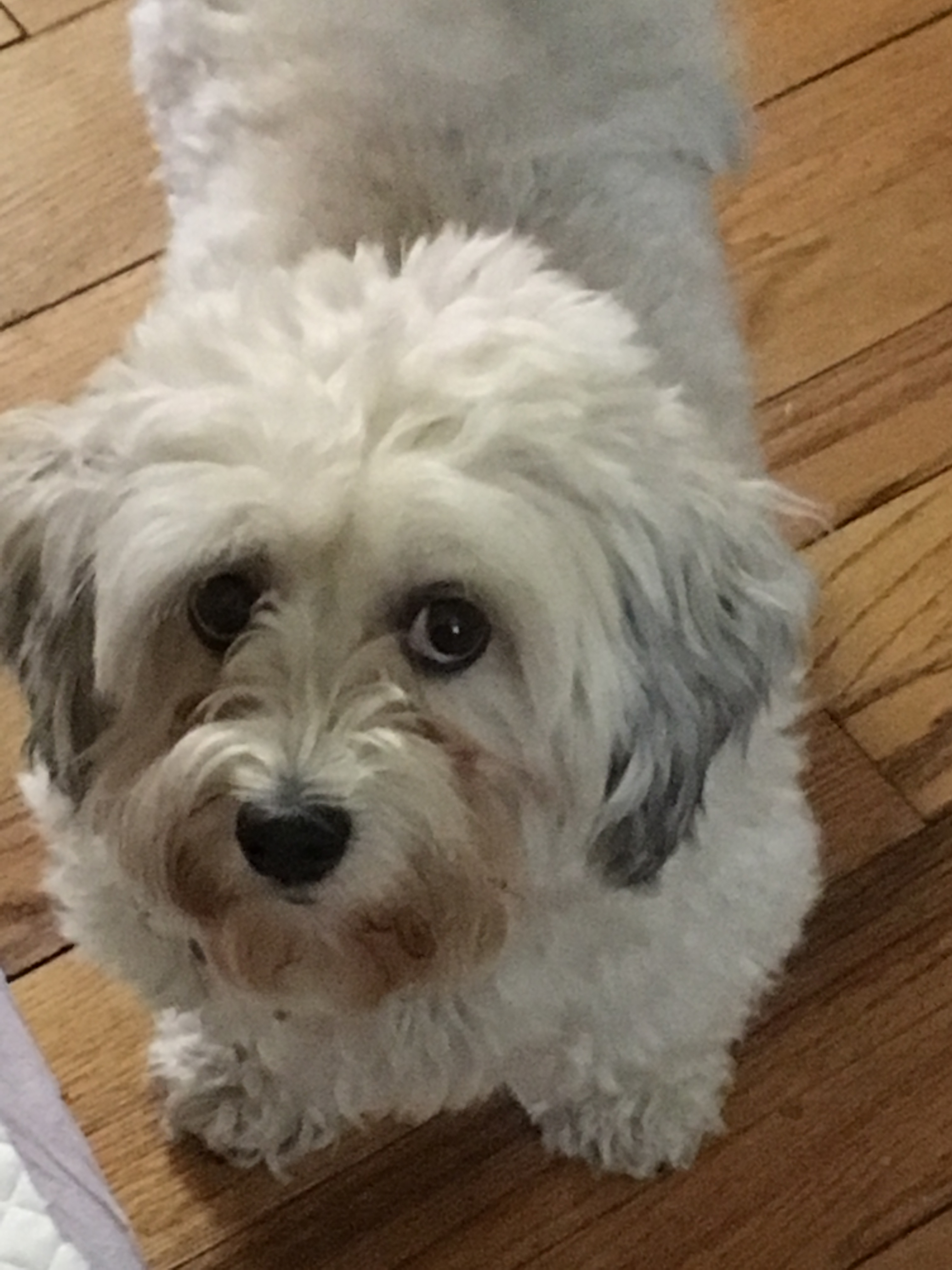
The New Year of the Trees

            On the evening of January 27th, 2021, and through the next day, Jews around the world will celebrate Tu Bishvat, the New Year of the Trees. Historically, this was an agricultural festival celebrating the emergence of spring in the land of Israel. Here in the Unites States, where we’re still in the deep freeze, Jewish children will celebrate the holiday by eating fruits and nuts that grow in Israel (like olives, dates, grapes or raisins, figs, pomegranates, Etrogim (citrons), apples, walnuts, almonds, carob, and pears.)

“We’re Jewish children too!”

            When I was a kid in Jewish Day School, a platter of dried fruit and nuts was brought to each classroom, and it was the only time during the year that I would see actual carob, rather than carob chips masquerading as chocolate chips. The idea that we were brought food in our classrooms was meant to show us the specialness of the day (and it did! It really did!), because after Kindergarten the whole idea of snack time had disappeared as completely as nap time, and food in the classroom was verboten.

(a picture of a Tu Bishvat platter I found online)

This year, because of Covid, we won’t be able to share food in our synagogue school classrooms, or have our usual Tu Bishvat Seder in the synagogue, where we tend to celebrate by dipping dried fruit into a rapidly diminishing bowl of melted chocolate. Instead, this weekend, the kids at my synagogue will have a Zoom chocolate chip cookie baking lesson, and the adults will sing Tu Bishvat songs on mute and learn about the history of Jews and chocolate.

We won’t have synagogue school classes again before Tu Bishvat, so this past week I sent my students home with a list of fruit and nuts to choose from, and a copy of the two blessings they may want to say. The first blessing is a simple blessing over the fruit itself:

            Blessed are You, Lord our God, Ruler of the universe, who creates the fruit of the tree.

The second blessing is the shehechiyanu, a blessing we say whenever we experience something new, or newish. We say this blessing on Tu Bishvat if the fruit or nuts we choose to eat is something we’ve never had before, or haven’t had for a while. As a kid, this blessing was always said over the weird Carob thingy on the platter, which looked nothing like the carob chips in my trail mix.

(I found this online too, but I can’t remember how to eat it.)

But over time I’ve come to realize that the shehechiyanu blessing is much more interesting than it sounds, because it doesn’t just say thanks for this new thing. Instead, it says:

Blessed are You, Adonai our God, Sovereign of all, who has kept us alive, sustained us, and brought us to this season.

So, it’s not just about celebrating the new thing; it’s about celebrating the fact that we survived long enough to experience this new thing. It allows us to acknowledge all of the work and suffering and fear and luck it has taken for us to get to this moment, and to bless all of it.

“Don’t be ridiculous.”

We inaugurated a new president here in the United States this week, and even though the celebration was muted by Covid, and the threat of violence, the feeling of renewal and relief was palpable, and we could say a shehechiyanu for that too. We have so much recovering to do in the United States, and around the world, and most of us have had a hard time seeing anything to be thankful for lately. But the shehechiyanu blessing reminds me that everything we’ve been through to get here is part of the blessing of this moment.

It’s easy to celebrate new plants and trees and fruit when they come up in the spring, but what if we can also bless the planting of those seeds, and the turning of the soil, and the worry that nothing will grow, that comes before the spring?

I’m not a gardener, but my mother is, and this is the time of year when she starts looking through seed catalogs and sometimes starts new seedlings in biodegradable containers, so that they can begin to grow and build strength before the ground is warm enough to support them. This trust that spring will come, and the awareness that we have a role to play in planting the seeds, is part of the process of getting to spring.

One of Mom’s indoor seedlings

So, maybe this is exactly the right time for Tu Bishvat and the New Year of the Trees, here and in Israel and everywhere else. Maybe we can say the Shehechiyanu and bless the fact that we are planting our seeds, even in the winter, even with our fear and doubt still in place, because we choose to believe that, in time, something beautiful will grow.

“I’m ready to help. Again.”

If you haven’t had a chance yet, please check out my Young Adult novel, Yeshiva Girl, on Amazon. And if you feel called to write a review of the book, on Amazon, or anywhere else, I’d be honored.

            Yeshiva Girl is about a Jewish teenager on Long Island, named Isabel, though her father calls her Jezebel. Her father has been accused of inappropriate sexual behavior with one of his students, which he denies, but Izzy implicitly believes it’s true. As a result of his problems, her father sends her to a co-ed Orthodox yeshiva for tenth grade, out of the blue, and Izzy and her mother can’t figure out how to prevent it. At Yeshiva, though, Izzy finds that religious people are much more complicated than she had expected. Some, like her father, may use religion as a place to hide, but others search for and find comfort, and community, and even enlightenment. The question is, what will Izzy find?
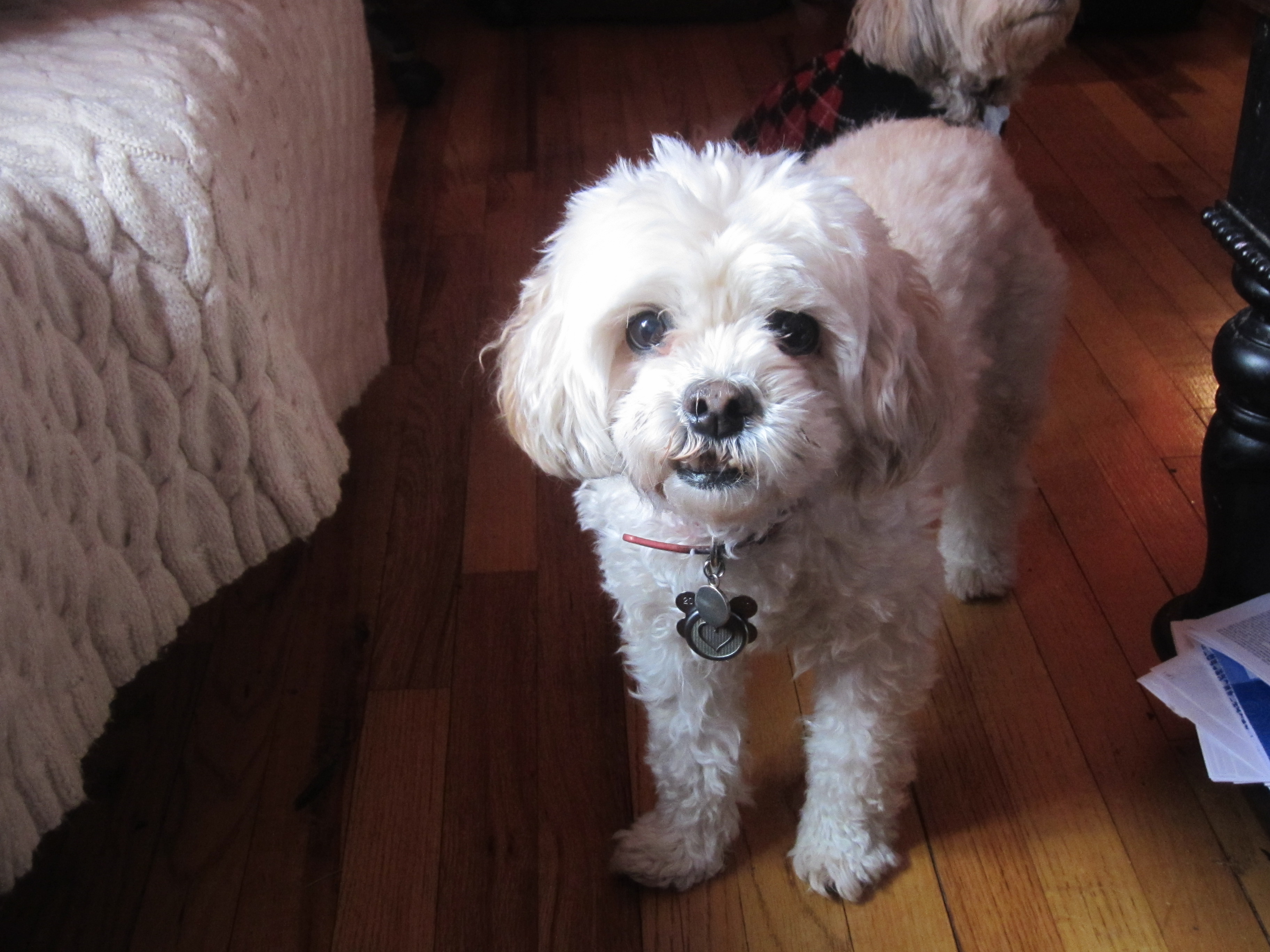
Waiting for the Vaccine

            Last weekend, my boss sent out a text to all of the teachers in the synagogue school with a phone number to call in order to get on the waiting list for the Covid vaccine in our area. The peer pressure to call right away was enormous, with all of the dings on my phone as texts came in from other teachers who’d been on hold for fifty minutes, fifty-five minutes, seventy minutes…

“Can we go for our walk first?”

            I put it off for a little while, because I was busy doing something else, and because I hate making phone calls, and waiting on hold brings up all of my social anxiety because I’m afraid I’ll forget what I called to say by the time someone finally answers. But I finally did it. I sat on hold for eighty minutes, getting other work done that didn’t require too much attention, keeping a notebook close by to remind me what information I meant to convey and why I was even calling to begin with.

“Oy.”

            I felt awkward when I finally got through, because I always feel awkward on the phone. I’m afraid I’m going to misunderstand the questions asked of me, or lie unintentionally, or get myself in trouble in some way. My biggest fear with this particular call was that, as an after school Hebrew teacher, I shouldn’t really be identifying myself as a teacher, because I’m not all that essential, even though I do teach kids in person once a week, just not every day.

            I ended up chatting with the operator, a mom from Florida with a seven year old son in virtual classes, for ten minutes. She told me about her son’s second grade teacher, who had also taught her two older kids, and usually decorated the classroom but this year she couldn’t, but she’d managed to adapt to teaching online and she is saving my life. I asked if she could put my mother on the waiting list too, because Mom is over seventy-five and therefore also in group 1B, and she asked if my mom has any pre-existing conditions, other than boredom. I told her that Mom is busier than I am, with all of her Zoom groups, and that my great aunt (105 years old) is keeping busy too, but she just got her appointment, and the operator said that once this is over we should all go on a cruise to celebrate, because it’s been such a trying time for the older people who haven’t been able to hang with their girls all year. Then she told me about a time she went to the store and suddenly felt naked, and realized she’d forgotten her mask in the car.

            Basically, I made a new friend. And I was proud of myself for having done the grown up thing, the responsible thing, and signed me and Mom up on the waiting list for the vaccine. I was so relieved and proud of myself that I actually felt like I deserved my three hour nap in the aftermath (usually I still take the nap, but I feel guilty about it).

“Naps are ALWAYS good.”

            By Monday, though, the teacher text chain was buzzing again. Individual teachers had found different websites where you could actually make appointments to get the vaccine. Try here! No, try here! But hurry! Hurry!

            But, what was my ninety minute ordeal for over the weekend? What about my big grown up accomplishment? Was I really supposed to sign up in a whole new location? Then someone texted that we’d need proof that we’re teachers, and would our paystubs be enough? I hadn’t even thought about that.

            The dings from the texts just kept coming, so I went to one of the websites, but when it asked if I was a teacher it specifically asked, are you a P-12 teacher or do you work in a school district, and I wasn’t sure how I was supposed to answer. There was no option for after school Hebrew school, and I knew I didn’t work in a school district, but did I qualify as a P-12 teacher? I had no idea.

            I was so afraid of getting into trouble that I didn’t finish the form, even though the website link had been sent by my boss, who certainly knows what kind of teachers we are. I was afraid of jumping ahead in line before it was really my turn. And I was afraid of getting an appointment at a distant vaccination site and finally getting there and handing over my pay stub and being told, in front of the real essential workers, that I was a fraud.

            But I also felt guilty for NOT pushing to get the vaccine appointment, because I was failing in my duty to be a responsible adult and get vaccinated as soon as possible, to protect my students and fellow teachers, and Mom, and everyone I come in contact with.

“Am I going to get sick too?”
“Don’t be silly.”

            Once Mom woke up from her nap, I told her about the website and the question that tripped me up and she said, Duh, of course you’re a P-12 teacher. Well, she probably didn’t say “Duh,” but I heard it anyway.

            A few hours later I got an email from the original waiting list, telling me where to go to make an appointment (a different website than either of the ones mentioned on the text thread), but all of the appointments were taken and I was told to keep checking in case new appointments were added.

            It’s not clear to me why this is being run as survival of the fittest (or most persistent), rather than genuinely being organized by the priorities already set in place. Why are there still health care workers who haven’t been vaccinated yet? Why was the age range lowered to sixty-five, rather than seventy-five, at the last minute, if we’re still so low on doses and appointments? Will the list of people who end up with appointments even resemble the original priorities stated by the CDC? Or will it prioritize the people with the right contacts or the most patience, and free time, to sit on hold?

            I’m told that in other states, where they’re struggling to convince people to take the vaccine at all, you can just walk in at the last minute without an appointment. I’ve also heard that only five hundreds doses were sent to Long Island to begin with, which would explain why it’s so hard to get an appointment out here in the first place.

            Meanwhile, the reports on Covid cases and Covid deaths are now in horror movie range, with over four thousand deaths in one day, and hospitalizations continue to rise so that in a few weeks the four thousand a day number will seem miniscule.

            And people are still refusing to wear masks in crowded indoor spaces (Congress people?! Police officers?!) And there are new, more contagious Covid variants, and forget about the insurrection at the Capitol building, and constant threats of more violence there and at state capitols across the country.

            Why can’t I just hide in my room until it’s over? My fellow teachers keep ding ding dinging with new vaccine locations, and cancelled appointments, and my email and Facebook feed are full of the hurry hurry hurry, but I’m not up to fighting for my spot in line. Except, I’m worried that, the way things are going, we will all be infected with the latest Covid variant which will inevitably make us into zombies, all before we get enough doses of vaccine on the Island. But that’s crazy, right? I mean, we’ll all be fine. Right?

“Uh oh.”

If you haven’t had a chance yet, please check out my Young Adult novel, Yeshiva Girl, on Amazon. And if you feel called to write a review of the book, on Amazon, or anywhere else, I’d be honored.

            Yeshiva Girl is about a Jewish teenager on Long Island, named Isabel, though her father calls her Jezebel. Her father has been accused of inappropriate sexual behavior with one of his students, which he denies, but Izzy implicitly believes it’s true. As a result of his problems, her father sends her to a co-ed Orthodox yeshiva for tenth grade, out of the blue, and Izzy and her mother can’t figure out how to prevent it. At Yeshiva, though, Izzy finds that religious people are much more complicated than she had expected. Some, like her father, may use religion as a place to hide, but others search for and find comfort, and community, and even enlightenment. The question is, what will Izzy find?