What is there to be thankful for this year?

            For some reason, Thanksgiving has never been my holiday. Maybe it’s because of that one extreme rabbi at my high school who called this secular American holiday a Shanda (a shame/a scandal), and yelled at us to avoid eating even one turkey sandwich; or maybe it’s because I can’t resonate with a holiday that’s all about gratitude when I’m used to Jewish holidays, where we grump at least as much as we celebrate; but most of all, it’s probably because the Thanksgiving-themed TV shows and movies I watched when I was growing up were all about the torture of family get-togethers, as opposed to the Christmas movies, which were full of romance and joy and candy and toys.

            As for the events of the day itself: I’m not a parade person, or a football person, or a dog show person; and I’m really, really not a turkey person.

            I saw a meme on Facebook recently that suggested we stop eating turkey for Thanksgiving and switch over to brisket, and while I’m sure it was created either by a Save-the-Turkeys group or by the Cattlemen-of-America, I wasn’t upset by the idea. Trying to cook even a small turkey for just me and Mom would mean eating turkey sandwiches for the next month, and even though I’ve been told that there are ways to cook a turkey to make it taste better, I’m pretty sure that’s just fantasy fiction.

            Of course, Thanksgiving’s big claim to fame, other than turkey and a now-controversial origin story, is that it’s a day for expressing gratitude (it may only be a coincidence that Thanksgiving comes a few weeks after election day each year, when people are still stewing over those results). And for me, Thanksgiving is a time when I feel compelled to remind people that there is such a thing as toxic positivity, and that forcing gratitude out of grumpy people is just cruel. But, of course, I am also extremely vulnerable to peer pressure, so I end up searching through my life for the things I can be grateful for every year anyway. So, this year:

            I’m glad that I was able to start writing poems again, and that I actually finished two drafts of my new novel (the third draft is taking its time); and I’m thrilled that I returned to online Hebrew classes this past summer with renewed joy and inspiration; and I’m grateful that I’m still able to teach, and that I have wonderful students again this year; and I’m grateful for my thoughtful friends and loving family.

But, of course, all of that hopeful, positive energy inevitably stirs up memories of all of the things I’m not grateful for: I keep getting older, and so does Mom; doctors still have no idea what’s wrong with me, but the copays keep coming in larger and larger doses; Israel is still at war and there are still 101 hostages being kept in Gaza (alive or dead, no one seems to know); and then there’s the fact that a majority of voters in the United States chose a predatory criminal as our president, despite mountains of evidence of his crimes, against our country, and against women in particular.

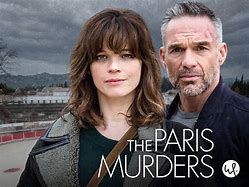
            So, yeah, it’s a mixed bag. My hope is that I will be able to survive the next month of teaching, by relying on Christmas movies and French murder mysteries to keep me going, and then I will be able to rest and recover over winter break. My plan, then, is to watch as little news as possible, and write as much as possible, and start the new year with my feet solidly on the ground and my heart filled with (some) hope.

            We’ll see how it goes.

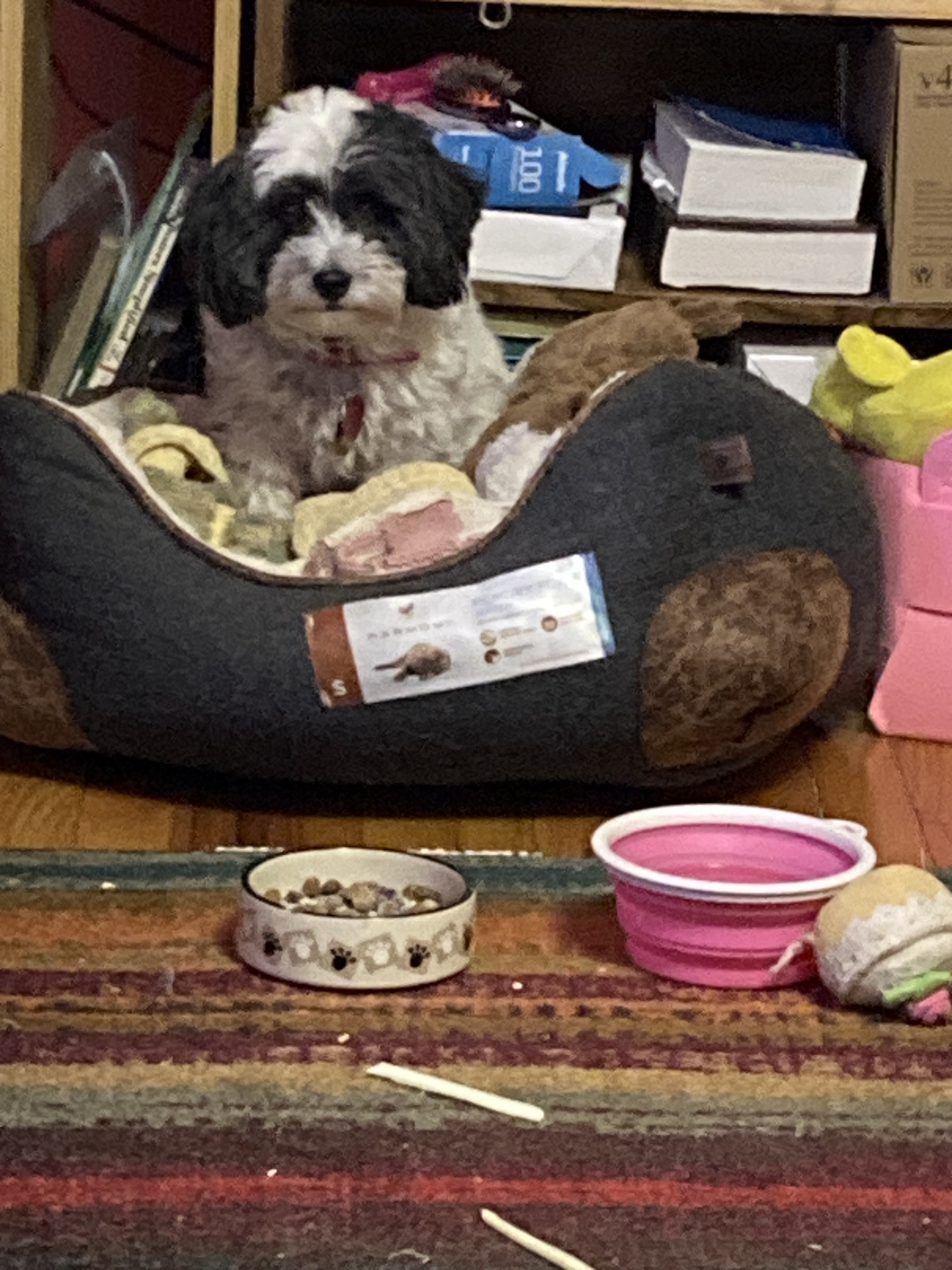
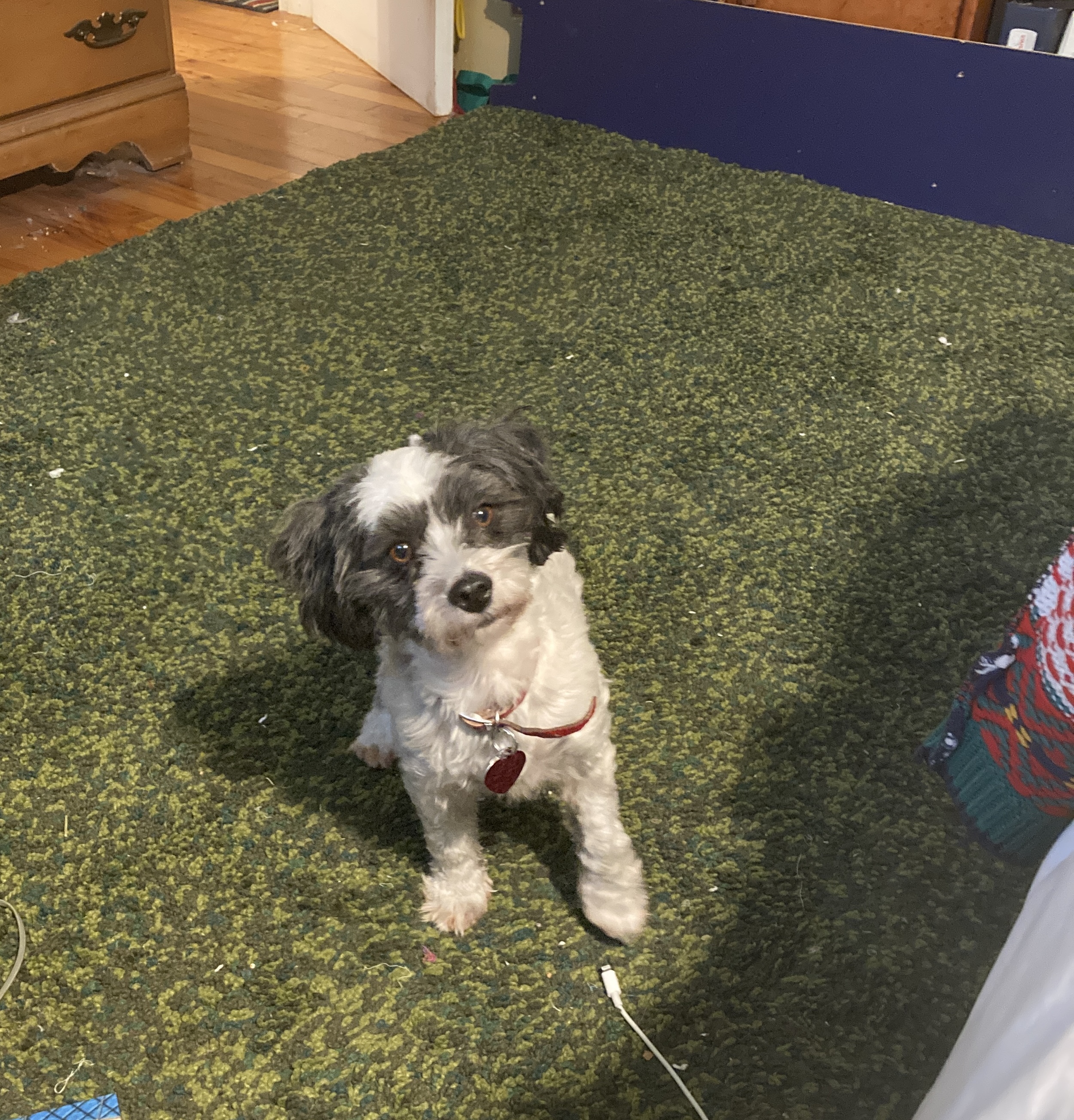
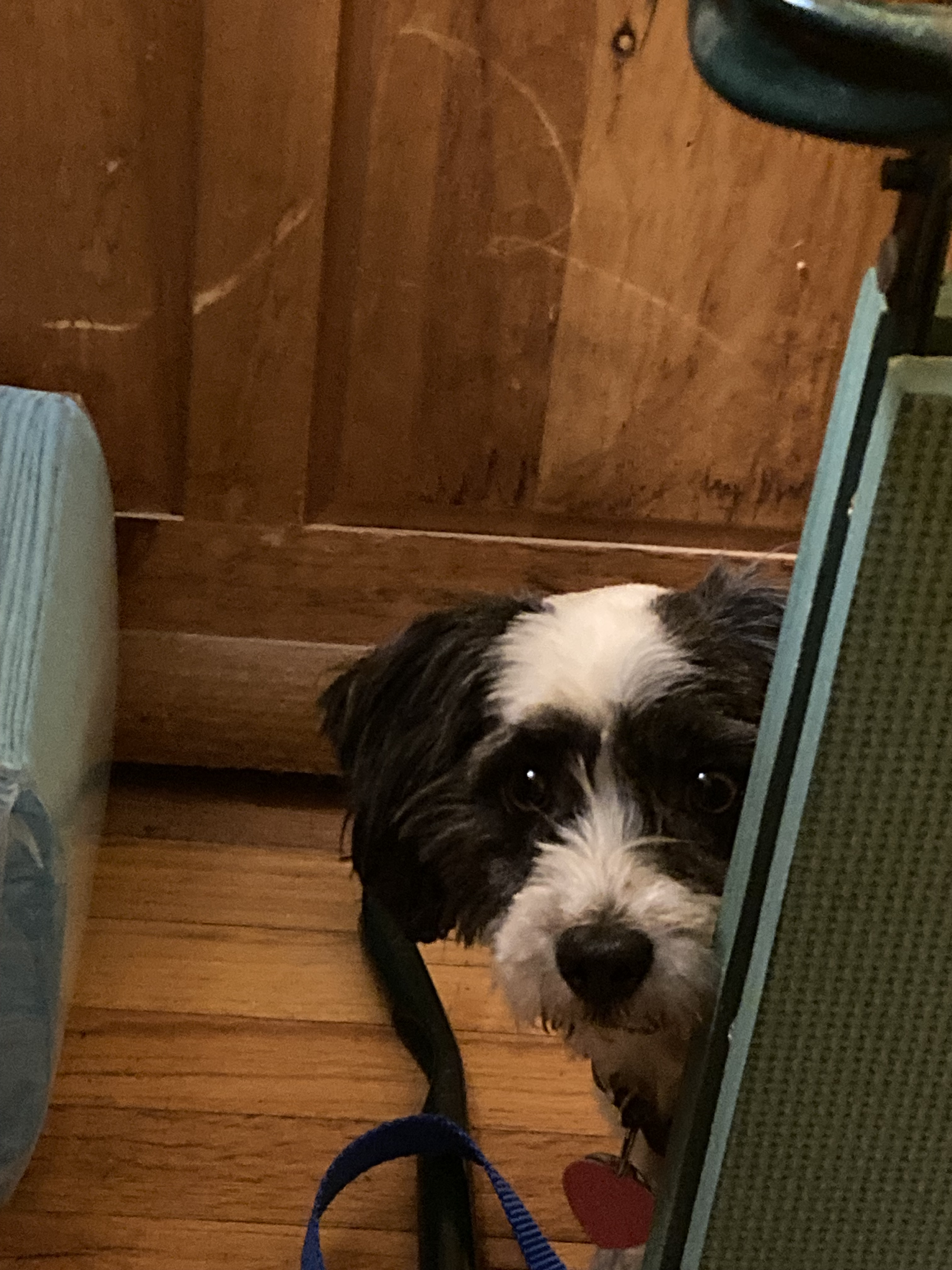
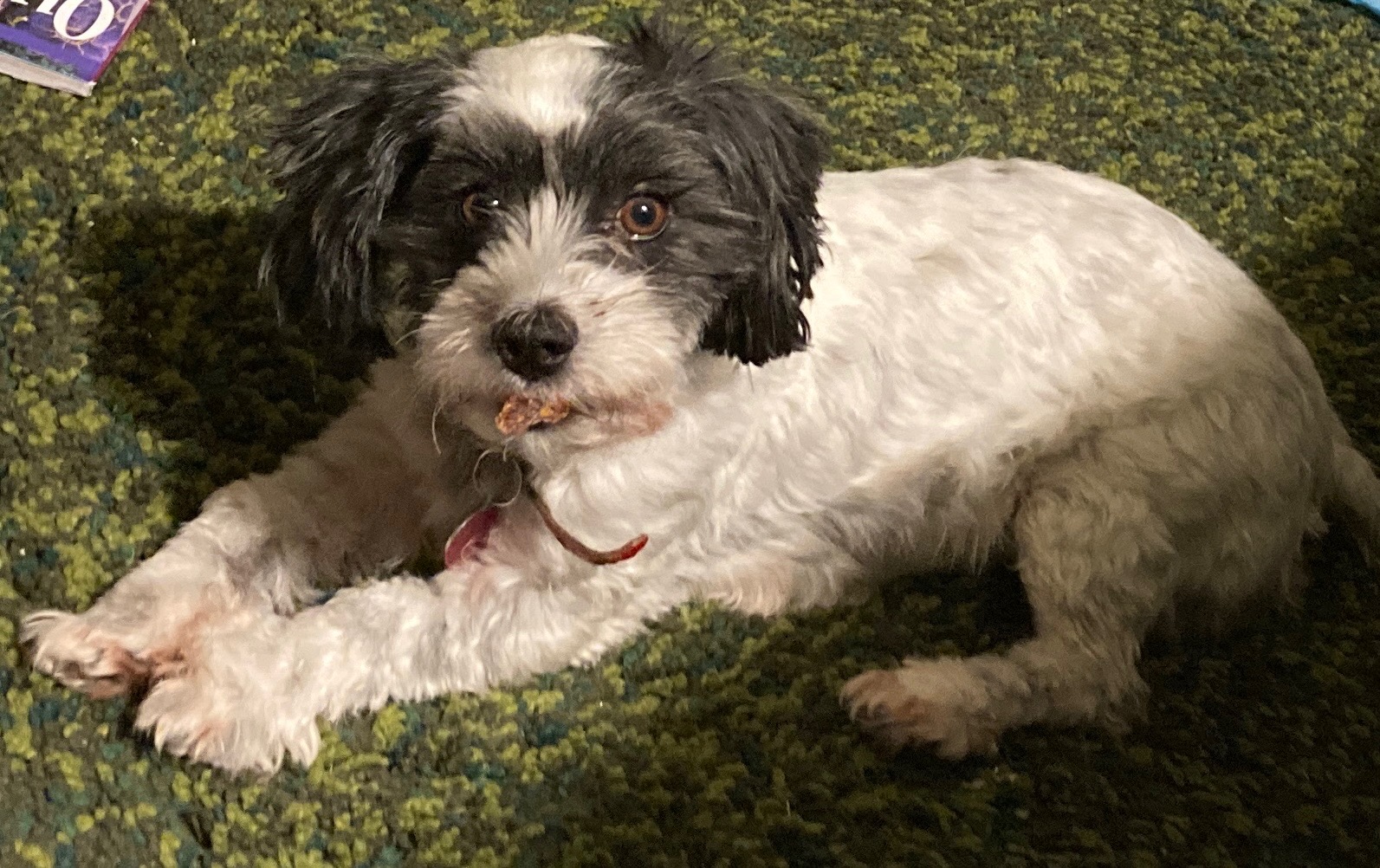
p.s. Someone arrived the day after Thanksgiving and is waiting to be introduced to everyone. Next week.

If you haven’t had a chance yet, please check out my novel, Yeshiva Girl, on Amazon. And if you feel called to write a review of the book, on Amazon, or anywhere else, I’d be honored.

            Yeshiva Girl is about a Jewish teenager on Long Island, named Isabel, though her father calls her Jezebel. Her father has been accused of inappropriate sexual behavior with one of his students, which he denies, but Izzy implicitly believes it’s true. As a result of his problems, her father sends her to a co-ed Orthodox yeshiva for tenth grade, out of the blue, and Izzy and her mother can’t figure out how to prevent it. At Yeshiva, though, Izzy finds that religious people are much more complicated than she had expected. Some, like her father, may use religion as a place to hide, but others search for and find comfort, and community, and even enlightenment. The question is, what will Izzy find?
The Choir

In my head there is a large choir

full of cacophony

and also harmony, sometimes.

I have all kinds of voices in my choir,

from too high to too low,

from too loud to too quiet,

from chaotic to orderly,

and everything in between.

I’m still not used to singing with my choir.

I don’t know how to train it

or coordinate it

or control it the way it needs.

There is no one conductor.

There is no one composer.

And there is no silence.

But there are moments

that sound beautiful to me.

And there are notes that I am happy to hear,

even just once in my life.

Maybe one day,

soon or in the future,

my choir will be able to create the beauty

and the complexity

and the hope

that lives in my imagination.

That is my prayer.

המקהלה

בָּרֹאשׁ שֶׁלִי יֵשׁ מַקְהֵלָה

מְלֵאָה בְּקָקוֹפוֹנִיָה

וְגָם הַרמוֹנִיָה, לִפְעָמִים.

יֵשׁ לִי כֹּל מִינֵי קוֹלוֹת בָּמַקְהֵלָה שֶׁלִי,

מְגבוֹהוֹת מִדַי לְנְמוּכוֹת מִדַי,

מְחָזָק מִדַי עַד שָׁקֶט מִדַי,

מְכֵּאוֹטִי לְמְסוּדָר,

וְכֹּל מָה שְׁבֵּינֵיהֶם.

עוֹד לֹא הִתרָגָלתִי לָשִׁיר עִם הָמַקְהֵלָה שֶׁלִי.

אַנִי לֹא יוֹדַעַת אֵיך לְהִתאָמֵן אוֹתָה

אוֹ לְתָאֵם אוֹתָה

אוֹ לִשׁלוֹט בָּה כּמוֹ שְׁצָרִיך.

אֵין מְנָצָחָת אָחַת.

אֵין מָלחִינָה אָחָת.

וְאֵין שֶׁקֶט.

אָבָל יֵשׁ רְגָעִים

שְׁנִשׁמָעִים לִי יָפִים.

וְיֵשׁ צלִילִים שְׁטוֹבִים לִי לִשׁמוֹעַ,

אָפִילוּ רָק פָּעָם בָּחַיִים.

אוּלַי יוֹם אֶחָד,

בְּקָרוֹב אוֹ בָּעָתִיד,

הָמָקהֵלָה שֶׁלִי תוּכָל לִיצוֹר אֶת הָיוֹפִי

וְהָמוּרכַּבוּת

וְהָתִקוָוה

שְׁחַי עָכשַׁיו רָק בָּדִמיוֹן שֶׁלִי.

זוֹ הָתפִילָה שֶׁלִי.

If you haven’t had a chance yet, please check out my novel, Yeshiva Girl, on Amazon. And if you feel called to write a review of the book, on Amazon, or anywhere else, I’d be honored.

Yeshiva Girl is about a Jewish teenager on Long Island, named Isabel, though her father calls her Jezebel. Her father has been accused of inappropriate sexual behavior with one of his students, which he denies, but Izzy implicitly believes it’s true. As a result of his problems, her father sends her to a co-ed Orthodox yeshiva for tenth grade, out of the blue, and Izzy and her mother can’t figure out how to prevent it. At Yeshiva, though, Izzy finds that religious people are much more complicated than she had expected. Some, like her father, may use religion as a place to hide, but others search for and find comfort, and community, and even enlightenment. The question is, what will Izzy find?

Post-Election Malaise

            Each day since Donald Trump won the presidential election in the United States, I have been feeling worse and worse. At first, I was just surprised and couldn’t really take it in. I was prepared for the vote counting to take days, and I was prepared for court cases, and threats, and acts of violence, but I was not prepared for him to win.

            I think I forgot, or blocked out, a lot of his first term. I remembered enough to never want to go through it again, but I forgot the feeling of chaos that dominated the news cycle, where it felt like Trump was actively trolling us with his cabinet picks. This time around already seems more unhinged than last time (Matt Gaetz for Attorney General? RFK Jr. for Secretary of Health and Human Services?).

            I know there are people who want to think of this as just another election, where one side won and the other lost. And I know there will be a lot of minimization and denial in response to the fear that so many, including me, are feeling. But this isn’t normal. In response to Trump’s win, some young men decided to tell young women – Your body, my choice – as if it was a joke, or worse, as if they really believe that to be true.

            I feel this like a knife aimed at my throat and my belly and my heart, not like an intellectual puzzle to be worked out. I am worried, especially, because I rely on disability and Medicare to make my life possible, and I don’t know what impact this new administration will have on those programs. I also don’t know what will happen with student loans under Trump (mine were put into a form of forbearance under Biden, but the $10,000 left of my debt was not officially erased).

            And then there are the criminal cases against Trump that are being closed down by the Department of Justice, because once he is President again, he can’t be prosecuted for his crimes. And that will, certainly, embolden Trump in his extra-legal tendencies going forward, as will the supreme court’s wide-ranging decision on presidential immunity for acts done in office.

I grew up in a home run by an unpredictable, predatory, and manipulative man, and I am not feeling good about the next four years. I felt the calm of the Biden years in my bones, when there were days, and even weeks, when I didn’t have to think about politics at all, and I don’t know how my body and mind will respond to the return of the chaos.

            I wish, given all of this, that the Democratic party, and the pundits, would stop blaming each other for the loss, and instead focus on how to safeguard our rights as much as possible moving forward. There is room for analysis of what went wrong, and why, but not with the vitriol and self-righteousness that’s filling the airwaves at the moment. Some people believe that the Democratic party lost because it was too hoity toity, or because it didn’t come up with enough policies to help the working class, or it was too progressive, or too moderate, or didn’t reach out to men enough, or didn’t reach out to people of color enough. But my sense, then and now, was that people did the best they could with the understanding they had of the voting public at the time. They were just wrong.

            From what I could see, Donald Trump’s campaign set out to discourage people from voting: by creating distrust in government overall, by telling people that their votes wouldn’t make a difference, by cutting legal voters from the rolls at the last minute and limiting the number of polling places in populated areas, and by openly threatening that if people voted for the Democrats there would be violence in the streets. The fact is, Trump won this election with around the same number of votes he had in the last election, when he lost to Biden. His coalition didn’t grow. If he picked up a few new people (Arab and Latino men, for example), he lost others (former Republicans who saw the January 6th insurrection, or any number of other events, as the final straw.). But for some reason, none of the pundits want to acknowledge that what Donald Trump said and did actually impacted the outcome of the election; they’d rather blame Kamala Harris, or Joe Biden, or this or that miscalculation by someone else. But what if there was no Democratic candidate who could have beaten Trump at this moment in history? Can we tolerate knowing that?

            And now, with the reality of Donald Trump as our next president, are there lessons we could be learning about why his messages resonated so deeply with some people, and about how we can better meet those people where they are when explaining our goals in the future? Can we turn away from the back biting, blame, and guilt and consider some paths forward? There have been some thoughtful, and possibly helpful hypotheses for why Trump was able to win: some people say that the underlying cause of Trump’s win is the growth of the far-right media landscape, which often eschews main stream journalistic values (aka doesn’t care about validating facts before publishing them); some say that the problem is with the main stream media itself, which claims objectivity even though reporters often have their own unacknowledged biases; some say that our problem is a lack of education in civics, which would allow people to be better prepared to judge political actors for themselves, and also to feel some agency and confidence when engaging with our political system. All of these things sound possible to me, and all of them lay out paths forward for good work to be done by well-meaning, hard-working, and creative people.

            One of the things that bothered me, endlessly, in the lead up to election day, was the number of Democratic activists who believed they were accomplishing something by sending out postcards reminding people to vote (I received two or three of these, after I’d already voted by mail), or who went knocking on doors in neighborhoods where they didn’t actually live or know anyone personally (as if I would ever answer the door to a stranger, let alone listen to their political spiel). Busy work in politics, it seems to me, is just as much of a waste of time as it is in the classroom. And busy work that actively annoys people? That’s even worse.

            As a teacher, I believe in the power of education to create change, and as a writer I believe in the power of storytelling to reach people in ways that slogans can’t. For example, I learned more about LGBTQ issues, and took them in more fully, by watching TV shows and movies that humanized gay and trans people, than I ever learned from an ad campaign. Show me someone I can relate to, who is impacted by this or that societal wrong, and you have a much better chance of getting me involved than if you yell at me and insist that my views change to match yours, just because you say you’re right.

            I believe that we can make lasting societal change by investing our time and energy in telling those stories and allowing people to change their own minds, but it has been, admittedly, very hard to focus on those hopeful, long term paths forward in the face of the firehose of news about what’s coming next in the short term.

            What will happen to efforts to prevent climate change? Or to improve accountability among the police? Or with immigration? Will the Republicans finally put through the immigration bill they wrote with the Democrats last year, and then tanked when Trump told them he needed the border issue for the election? Or will they insist on changing the deal, but be unable to agree among themselves over what changes to make? Or will our immigration system remain an unmitigated disaster for the foreseeable future, just to give Republicans something to campaign on in 2026?

            When Trump’s promised Tariffs go into place, will some of his newfound voters regret their choice? Or will they believe the spin Trump puts on all of it (it must be Biden’s fault, you’re not seeing what you think you’re seeing, if you were stupid enough to be conned you deserve to be screwed – that was one of my father’s favorite mantras).

            And I assume tax cuts, for corporations and the super wealthy, will be a priority and will lead to all kinds of cuts in the social safety net, though it’s hard to know what the new congress will be able to pass, even with a Republican majority in the senate and the house, given the history of disagreements among the Republicans themselves. Trump will certainly be able to load the supreme court, though, and the rest of the federal court system, with young conservative judges who will determine the course of justice in this country for decades to come.

            I am frightened of Donald Trump, and of all of the things he has promised to do, and of all of the things he will do that I can’t predict, or even imagine. And I am afraid of how his second presidency will further darken our public discourse, and create even more fragmentation among us; but I want to believe that there are things we can do to prevent all of that, or at least some of it.

            As I learned way back when, and still believe, Democracy is the best of all of the imperfect systems of government that we have available to us, because it requires us to be more engaged with each other. It doesn’t require us all to agree; if anything, what it requires is for all of us to feel like we belong at the table, hashing out our differences and finding ways forward that we can all live with.

            I’ve found so much solace in writing this blog, and hearing from people who take the time to engage with me, or just to let me know they hear me and I am not alone. We all need that kind of connection and respect in our lives. We all need to hear and be heard, to feel seen and cared about, and to feel an obligation to someone other than ourselves that will keep us going even when our own inspiration and motivation is low.

We still have a Democracy today, even with Donald Trump’s openly authoritarian aspirations, and we need to make the most of it. We still have power, and responsibility, and we can still make sure that our voices are heard. It will be harder, and we (and definitely I) will have some awful days, but we are not alone in any of this. We can help each other get through to the other side, no matter who we voted for. If we choose to.

If you haven’t had a chance yet, please check out my novel, Yeshiva Girl, on Amazon. And if you feel called to write a review of the book, on Amazon, or anywhere else, I’d be honored.

            Yeshiva Girl is about a Jewish teenager on Long Island, named Isabel, though her father calls her Jezebel. Her father has been accused of inappropriate sexual behavior with one of his students, which he denies, but Izzy implicitly believes it’s true. As a result of his problems, her father sends her to a co-ed Orthodox yeshiva for tenth grade, out of the blue, and Izzy and her mother can’t figure out how to prevent it. At Yeshiva, though, Izzy finds that religious people are much more complicated than she had expected. Some, like her father, may use religion as a place to hide, but others search for and find comfort, and community, and even enlightenment. The question is, what will Izzy find?        
Dominos

Everything seems like a game of dominos to me.

One mistake leads to another,

and mistakes lead to intentional responses,

and one thing causes another and another,

but when we see the dominos fall

we can never remember the domino that started it all,

and that it was a mistake,

and that there were many choices throughout this process.

We only remember the last thing,

the crisis,

the violence,

or even the death,

and we are sure we know who is to blame,

the only one,

who is responsible for all of it.

No one believes it starts with them.

And no one wants to be

the only domino to fall.

When all the damage is done,

and the accidents are forgotten

and the responsibility is assigned

and the punishment given,

the story ends.

But only until the story begins again.

דוֹמִינוֹס

הָכֹּל נִראָה לִי כְּמוֹ מִשׂחָק דוֹמִינוֹס.

טָעוּת אַחַת מוֹבִילָה לְאַחֶרֶת

וְטָעוּיוֹת מוֹבִילוֹת לְתגוּבוֹת מְכָוָונוֹת,

וְדָבָר אֶחָד גוֹרֵם לְאַחֵר וְאַחֵר.

אַבַל, כְּשְׁאַנָחנוּ רוֹאִים אֶת הָדוֹמִינוֹס נוֹפלִים

אָנַחנוּ אָף פָּעַם לֹא זוֹכרִים אֶת הָדומִינוֹ שְׁהִתחִיל אֶת הָכֹּל,

וְשְׁזֶה הָיָה טָעוּת,

וְשְׁיֵשׁ בָּתָהָלִיך הָזֶה הָרבֵּה בְּרֵירוֹת.

אַנָחנוּ רָק זוֹכרִים אֶת הָדָבָר הָאָחָרוֹן,

הָמָשְׁבֵּר,

הָאָלִימוּת,

אוֹ אָפִילוּ הָמָוֶות,

וְאַנָחנוּ בְּטוּחִים שְׁאַנָחנוּ יוֹדעִים מִי הָאָשָׁם,

הָיְחִיד,

שְׁיֵשׁ לוֹ אַחְרַיוּת עַל הָכֹּל.

אַף אֶחָד לֹא מָאָמִין שְׁזֶה הִתחִיל אִיתָם.

וְאַף אֶחָד לֹא רוֹצֶה לִהִיוֹת

הָדוֹמִינוֹ הָיְחִיד שְׁלִיפּוֹל.

כָּאָשֶׁר כֹּל הָנֶזֶק נָעַשֶׂה,

וְהָתְאוּנוֹת נִשׁכָּחוֹת

וְהָאַחרַיוּת מוֹקצִית

וְהָעוֹנֶשׁ נִיתֵן,

הָסִיפּוּר הִסתָיֵים.

אָבָל, רָק עַד שְׁהָסִיפּוֹר מָתחִיל מְחָדָשׁ.

If you haven’t had a chance yet, please check out my novel, Yeshiva Girl, on Amazon. And if you feel called to write a review of the book, on Amazon, or anywhere else, I’d be honored.

            Yeshiva Girl is about a Jewish teenager on Long Island, named Isabel, though her father calls her Jezebel. Her father has been accused of inappropriate sexual behavior with one of his students, which he denies, but Izzy implicitly believes it’s true. As a result of his problems, her father sends her to a co-ed Orthodox yeshiva for tenth grade, out of the blue, and Izzy and her mother can’t figure out how to prevent it. At Yeshiva, though, Izzy finds that religious people are much more complicated than she had expected. Some, like her father, may use religion as a place to hide, but others search for and find comfort, and community, and even enlightenment. The question is, what will Izzy find?
Zepbound

            At my most recent visit to the endocrinologist (thyroid issues, etc.), the doctor told me that Lilly has decided to offer Zepbound (a variation on Ozempic) for a discounted price to patients whose insurance companies won’t cover the GLP-1 weight loss medications. The average price for these medications, in the United States, is about $1,000 a month, though in other countries they can be bought for $100 or less, which has come up in contentious congressional hearings of late. My health insurance still refuses to cover these medications for anyone without type two diabetes or a severe heart condition, and I have been waiting impatiently for them to decide to cover GLP-1 medications for Non-alcoholic fatty liver disease, which I was diagnosed with last year, but who knows when that will happen.

            Last year, the endocrinologist told me about a program that discounted Zepbound to half price, but only for people without any insurance coverage, which did not include me. But now, they are making it available to people like me who have health insurance that doesn’t cover the medications. The cost is $400 a month, which is a lot for me, but for the sake of my health I really can’t say no. My hope is that, if the Zepbound works for me, these medications will soon be covered under my health insurance and I won’t have to pay this much for long. Ideally, losing weight will improve the health of my liver and reduce the need for heart medications. I don’t think it will give me more energy, or reduce overall body pain, but you never know.

            To be completely honest, though, what I really want from this medication is to lose enough weight to feel like a normal person. Yes, I want to reduce my risk of liver and heart disease. And yes, I would love to find out that losing weight could give me more energy and allow me to actually live more of my life, but, since childhood, I have been self-conscious about my weight, and I am so tired of feeling like a mutant. I know weight loss won’t change my life miraculously, because I’ve lost weight in the past, when I was able to exercise enough to lose weight on my own. And I’m sure I will still feel uncomfortable in my body, and struggle with pain and depression and anxiety and exhaustion. But it would be great to be able to go to my doctors and tell them my symptoms and NOT have them blame everything on my weight.

            I was on a low dose of Ozempic last year, when my insurance was still allowing it, and I lost fifteen pounds. But as soon as the FDA cracked down on off label use of Ozempic, I was cut off, and within three months I’d gained the weight back. So, one, I know the meds can work, and two, I know I will have to be on them forever.

There’s a lot of fear for me around starting the Zepbound, actually. For some reason, the discounted Zepbound comes in a vial, with separate needles, instead of in pre-dosed pens, so I’m afraid it will hurt more and/or I will do it wrong. I’m afraid I won’t be able to lose enough weight to make a difference in my health, or I’ll get cut off again, because the price will go up or supplies will run out. I’m afraid I’ll be sick to my stomach for the rest of my life (though that’s not very different from how I feel now, to be honest), or that the Zepbound won’t work, or that I’ll lose the weight but I’ll look like a deflated balloon instead of looking, and feeling, healthy.

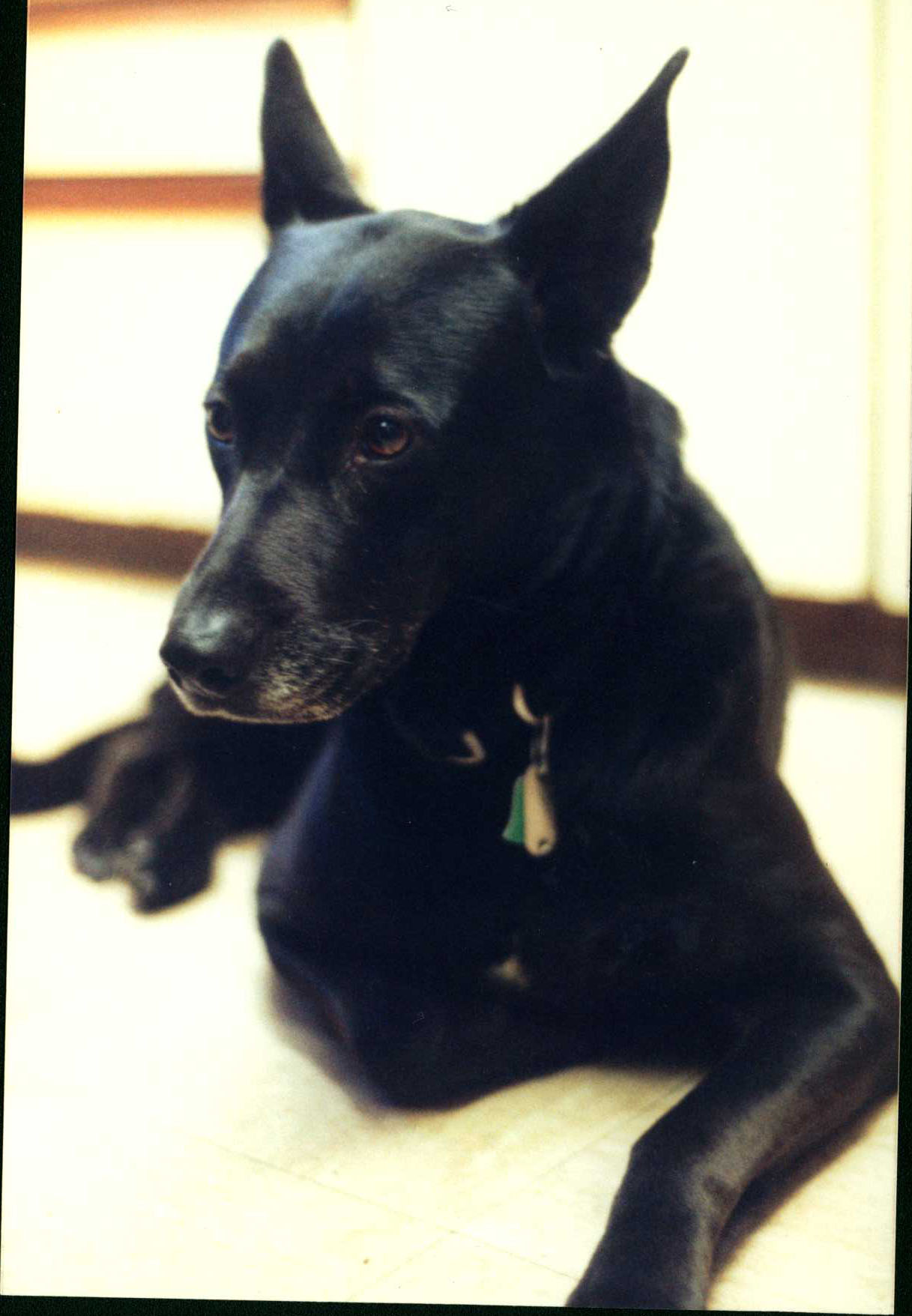
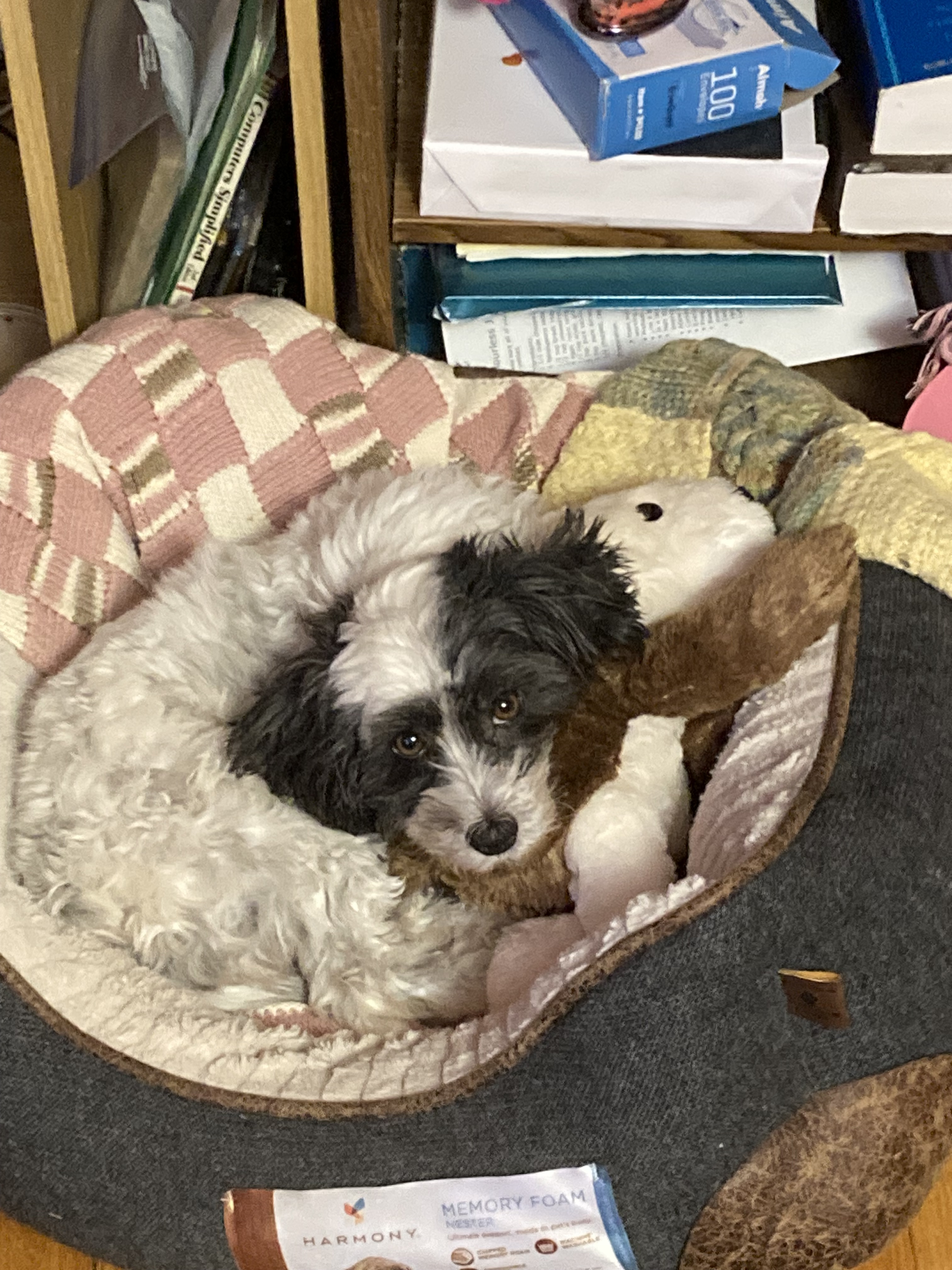
Maybe most of all, I’m afraid that having to spend $400 a month on this for the foreseeable future, on top of paying off my medical debt, will mean that I can’t really afford a new dog, with all of the vet bills and adoption fees and toys and treats involved. And going too much longer without a dog in the house feels like a risk to my mental health (and to Mom’s). It feels so unfair to have to choose between my physical health and my mental health, especially when they are so intertwined. But here’s hoping I won’t have to choose, and a little, hypoallergenic rescue dog will come along soon, and congress will decide to cover GLP-1 meds for Non-alcoholic fatty liver, and all medical debt will be wiped out, and we will all live in peace and harmony, forever and ever, amen.

A girl can dream. Right?

“I’ll eat whatever you’re not eating. You’re welcome.”

If you haven’t had a chance yet, please check out my novel, Yeshiva Girl, on Amazon. And if you feel called to write a review of the book, on Amazon, or anywhere else, I’d be honored.

            Yeshiva Girl is about a Jewish teenager on Long Island, named Isabel, though her father calls her Jezebel. Her father has been accused of inappropriate sexual behavior with one of his students, which he denies, but Izzy implicitly believes it’s true. As a result of his problems, her father sends her to a co-ed Orthodox yeshiva for tenth grade, out of the blue, and Izzy and her mother can’t figure out how to prevent it. At Yeshiva, though, Izzy finds that religious people are much more complicated than she had expected. Some, like her father, may use religion as a place to hide, but others search for and find comfort, and community, and even enlightenment. The question is, what will Izzy find?
Cricket’s Yahrzeit

            In Jewish tradition, about eleven months after a funeral you have an unveiling, where you finally put up the permanent headstone at the gravesite, with a small ceremony to mark the end of the official mourning period. The unveiling is actually supposed to take place after thirty days (for most relatives) and after eleven months (for a parent), but in the United States most unveilings take place after eleven months no matter how close the relationship with the dead.

            We have two blue gift bags sitting on the low bookcase (where we used to keep the chicken treats), each holding a sympathy card from the vet’s office and a container of ashes: Cricket died in October 2023, and Ellie died in December, two very short months later. My hope was that, after eleven months, I would finally be ready to spread Cricket’s ashes around the base of the paw paw tree (which was born just a few months before Cricket herself), but I wasn’t ready. And even now, after the yahrzeit (literally “year time,” the anniversary of her death), I’m still not ready.

            The one thing I felt ready to do, though, was to mark Cricket’s yahrzeit with light. Of course, I didn’t think ahead and buy an official yahrzeit candle (a twenty-four-hour candle in protective glass), but Mom found two leftover beeswax candles from last Chanukah, and we placed them in a jar in front of Cricket’s picture and watched the flames burn down. I really wanted the two candles to intertwine in some way, to represent how Cricket is still so intertwined in our lives, but the way the two candles split apart and seemed to mimic her flying ears was a wonderful surprise.

            Maybe when we reach the anniversary of Ellie’s death, in December, I’ll feel more ready to let go of both of them, or maybe not. I’m trying to be patient with myself and to trust my feelings to tell me what I can handle and what I can’t, because I miss them both so much. I don’t just miss having “a dog” in my house, but these two particular dogs. They are still knotted up in my life and my thoughts, as if there’s more they need to teach me.

            In a strange symmetry, the pawpaw tree seems to also be in mourning this year. Early in the summer, we were thrilled to find out that, despite some of the lower branches being cut off by the gardeners (again!), we still had four pawpaws growing on our tree. We were hopeful that this year would yield the biggest, healthiest fruit yet, and so we decided to wait as long as possible before picking them, to give them time to fully ripen. But we waited too long. One day in September, when I looked up at the pawpaw tree, I couldn’t find any of the pawpaws. I was used to struggling to see one or two of them, behind those big green leaves, so I told myself I’d just try again later. But when I checked again, and then a third time, there were no pawpaws visible on the tree, and then I checked the ground and found what looked like two small carcasses with their guts spilling out. I looked away automatically, thinking some horrible death had come to two tiny birds, but when I forced myself to look back I realized they really were the pawpaws, or two of them anyway.

One of the pawpaws, in July

            I didn’t cry. I mean, they’re just fruit, right? Just because they are vivid symbols of love, and now of my dogs in particular, doesn’t mean they are, or were, truly alive. Right?

            I never found the other two pawpaws. My hope is that the squirrels (it’s always the squirrels) actually enjoyed the other two pieces of fruit and they didn’t all go to waste.

            In a way, having a fruitless year, or at least a year without pawpaws, is fitting. The loss of the dogs, and the grief and anger and fear and confusion around the war in Israel cries out for some kind of symbolism; some kind of acknowledgment that everything is not okay. Its kind of like when you’re feeling awful and the sky breaks open and the rain pours. It almost helps, in a way.

            Maybe next year, our pawpaw tree will be full of fruit and we will have more than enough to share with all of our woodland creatures. And, hopefully before then, we will also find a new dog ready to come home with us and start on a whole new adventure together. But in the meantime, the mourning cotinues.

Miss Cricket
Miss Ellie

If you haven’t had a chance yet, please check out my novel, Yeshiva Girl, on Amazon. And if you feel called to write a review of the book, on Amazon, or anywhere else, I’d be honored.

            Yeshiva Girl is about a Jewish teenager on Long Island, named Isabel, though her father calls her Jezebel. Her father has been accused of inappropriate sexual behavior with one of his students, which he denies, but Izzy implicitly believes it’s true. As a result of his problems, her father sends her to a co-ed Orthodox yeshiva for tenth grade, out of the blue, and Izzy and her mother can’t figure out how to prevent it. At Yeshiva, though, Izzy finds that religious people are much more complicated than she had expected. Some, like her father, may use religion as a place to hide, but others search for and find comfort, and community, and even enlightenment. The question is, what will Izzy find?
The Basement

In the basement

In the green house

There were all kinds of tools.

My father collected them.

He taught Industrial Arts to teenagers,

And he loved to build things,

And fix things,

And take things apart,

With his own hands.

Sometimes,

We would go down to the basement to visit our father

On the steep staircase,

Stairs that always creaked.

It seemed like the stairs were warning of something.

The smell in the basement was, in large part, sawdust.

There was sawdust in every corner, and in the air.

The table saw was in the middle of the room,

And the jigsaw,

And all of the handsaws in a line hanging from the ceiling.

The floor of the basement was made of concrete

And the walls were painted grey

And it all looked like a bomb shelter.

There were metal exit doors parallel to the floor

At the end of a set of additional steps

And I always thought that these doors were there to let us out

After the dust settled, after the end of the world.

There was a darkroom in the basement, to develop photos,

In black and white and color.

I didn’t like the red light in the darkroom,

Even more so the darkness itself.

And there was a corner of the basement for making bullets

With gun powder and casings.

My father had more than one gun.

Everywhere, my father had Philips head screwdrivers and

Flat head screwdrivers and wrenches and drills in every size.

He had a wood lathe and a metal lathe

And hammers and nails and an anvil screwed to the floor.

There was also a ceramics kiln and a jewelry kiln.

There were clay molds

And a printing press that had to be used carefully,

One letter at a time.

There were all kinds of things in my father’s basement,

Loud noises

And smells that burned the inside of my nose,

Smells like turpentine and sawdust and metal,

And maybe blood, or maybe that was just in my imagination.

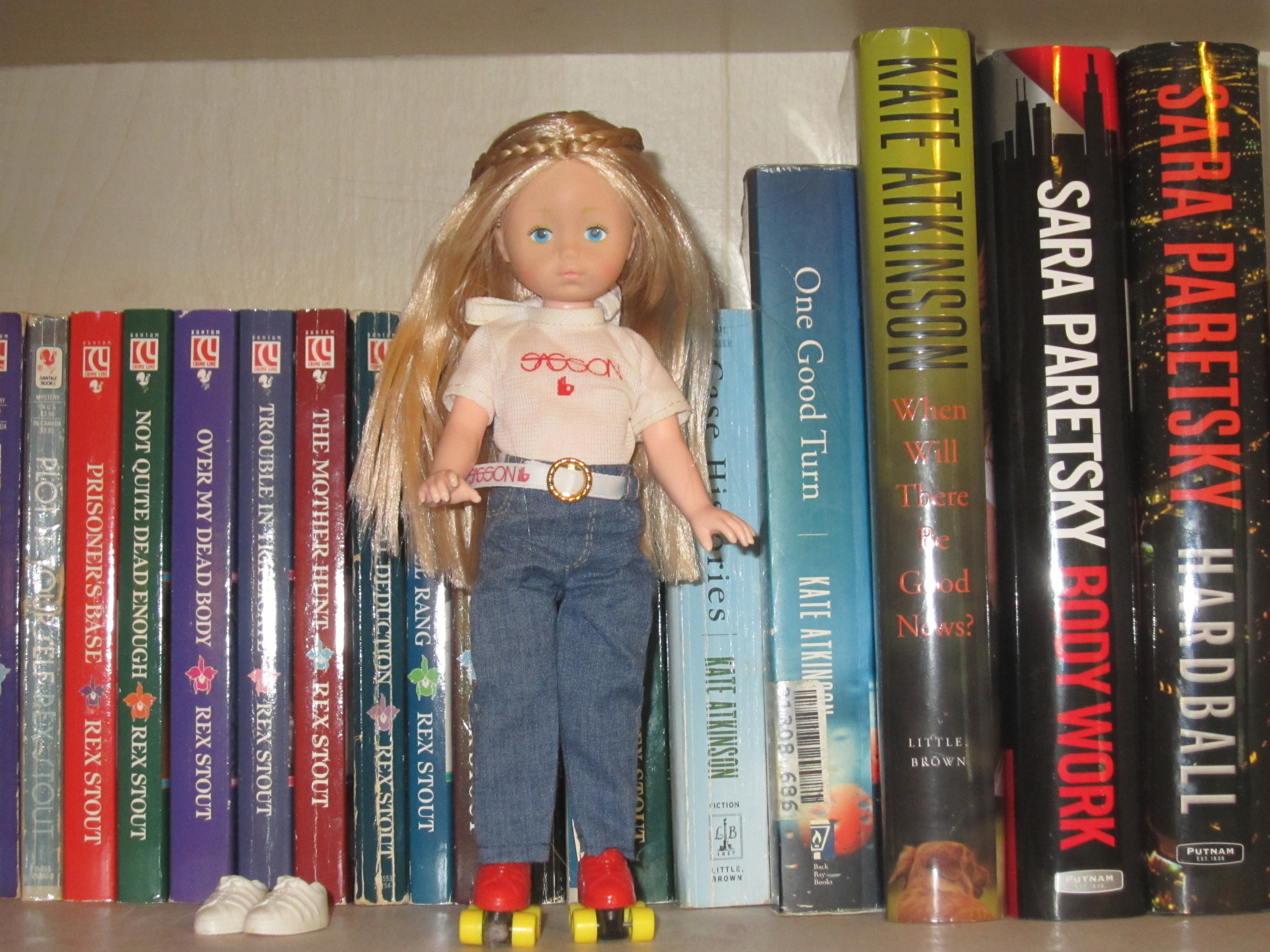
not my pictures, but very familiar

בָּמָרתֵף

בָּבַּיִת הָיָרוֹק

הָיוּ כֹּל מִינֵי כְּלֵי עָבוֹדָה.

אָבָּא שֶׁלִי אָסָף אוֹתָם.

הוּא לִימֵד אָמַנוּיוֹת תָעָשִׂייתִיוֹת לְבּנֵי נוֹעָר,

וְהוּא אָהָב לִבנוֹת דְבָרִים,

וְלְתָקֵן דְבָרִים,

וְלְפָרֵק דְבָרִים,

עִם הָיָדַיִים שֶׁלוֹ.

לִפְעָמִים

יָרָדנוּ לָמָרתֵף לְבָקֵר אֶת אָבָּא

בְּמָדרֵגוֹת הָתלוּלוֹת,

מָדרֵגוֹת שְׁכֹּל פָּעַם חָרקוּ.

נִרְאָה שְׁהָמָדרֵגוֹת הִזהִירוּ מִמָשְׁהוּ.

הָרֵיחַ בָּמָרתֵף הָיָה, בְּגָדוֹל, נָסוֹרֶת.

הָייתָה נְסוֹרֶת בְּכֹּל פִּינָה, וְבָּאָוִויר.

הָמָסוֹר שׁוּלחָן הָיָה בְּאֶמצַע הָחֶדֶר,

וְהָמָסוֹר פָּאזֶל,

וְכֹּל מסוֹרֵי הָיָדנַיִים בְּשׁוּרָה וְתָלוּי מְהָתִקרָה.

הָרִצפָּה שֶׁל הָמָרתֵף הָייתָה עָשׂוּיָה מִמֶלֶט

וְהָקִירוֹת נִצבְּעוּ בְּאָפוֹר,

וְהָכֹּל נִראָה כּמוֹ מִקלָט.

הָיוּ דלָתוֹת יְצִיאָה מִמָתֶכֶת מָקבִילִם לָרִצפָּה

בְּסוֹף סֶט מָדרֵגוֹת נוֹסָף

וְכֹּל הָזמָן חָשָׁבתִי שְׁהָדלָתוֹת הָאֵלֶה הָיוּ שָׁם לְשָׁחרֵר אוֹתָנוּ

אַחָרֵי שְׁהָאַבָק שָׁקָע, אָחַרֵי סוֹף הָעוֹלָם.

הָיָה חֶדֶר חוֹשֶׁך בָּמָרתֵף, לִפִיתוֹחַ תְמוּנוֹת,

בְּשָׁחוֹר לָבָן וְגָם בְּצֶבָע.

לֹא אָהָבתִי אֶת הָאוֹר הָאָדוֹם בָּחָדָר הָחוֹשֶׁך,

עוֹד לֹא אֶת הָחוֹשֶׁך עָצמוֹ.

וְהָייתָה פִּינָה בָּמָרתֵף לְהָכָנָת כָדוּרִים

עִם אָבָקָת רוֹבָה וְתָרמִילִים.

הָיוּ לְאָבָּא יוֹתֵר מְאֶקדַח אֶחָד.

בּכֹל מָקוֹם, הָיוּ לְאָבָּא מִבגָרִים בְּרֹאשׁ פִילִפּס וְבְּרֹאשׁ שָׁטוּחַ

וְמִפתַחֵי בָּרגִים וְמָקדָחִים בְּכֹּל מִידָה.

הָיָה לוֹ מְחַרטֵת עֵץ וְמְחַרטֵת מַתֶכֶת,

וְפְּטִישִׁים וְמָסמָרִים וְסָדָן מוּברָג לָרִצפָּה.

גָם הָיָה כָּבשָׁן קָרָמִיקָה וְכָּבשָׁן תָכשִׁיטִים.

הָיוּ לוֹ תָבנִיוֹת חִמֵר

וְבֵית דְפוּס שְׁצרִיכִים לְהִשׁתָמֵשׁ בָּה בְּזְהִירוּת,

אוֹת אַחַת בְּכֹּל פָּעָם.

הָיוּ כֹּל מִינֵי דבָרִים בָּמָרתֵף שֶׁל אָבָּא,

רָעָשִׁים חָזָקִים

וְרֵיחוֹת שְׁצָרבּוּ אֶת הָחֵלֶק הָפְּנִימִי שֶׁל הָאָף שֶׁלִי,

רֵיחוֹת כְּמוֹ טֶרפַּנטִין וְנְסוֹרֶת וְמָתֶכֶת,

וְאוּלַי דָם, אוֹ אוּלַי זֶה הָיָה רַק בָּדִמיוֹן שֶׁלִי.

If you haven’t had a chance yet, please check out my novel, Yeshiva Girl, on Amazon. And if you feel called to write a review of the book, on Amazon, or anywhere else, I’d be honored.

            Yeshiva Girl is about a Jewish teenager on Long Island, named Isabel, though her father calls her Jezebel. Her father has been accused of inappropriate sexual behavior with one of his students, which he denies, but Izzy implicitly believes it’s true. As a result of his problems, her father sends her to a co-ed Orthodox yeshiva for tenth grade, out of the blue, and Izzy and her mother can’t figure out how to prevent it. At Yeshiva, though, Izzy finds that religious people are much more complicated than she had expected. Some, like her father, may use religion as a place to hide, but others search for and find comfort, and community, and even enlightenment. The question is, what will Izzy find?

Our Imperfect Canopy of Peace

            After Rosh Hashanah and Yom Kippur – the big Jewish holidays where even unaffiliated Jews go to synagogue, or fast for a day, or at least eat brisket in a nod to tradition – comes Sukkot, the holiday where Jews build huts in their yards and eat under the stars for a week. This used to be the biggest Jewish holiday of the year, back in ancient Israel. It was a celebration of the harvest, with everyone traipsing to Jerusalem to see and be seen. Today, among liberal Jews in America, Sukkot doesn’t get much attention, coming as it does four days after Yom Kippur, when everyone is sick of being Jewish, or at least of going to synagogue. And that’s unfortunate, because Sukkot is meant to be a happy holiday, with Sukkah Hops (visiting everyone else’s sukkot/huts to eat cake and cookies and just hang out and gossip), and waving palm fronds, and sniffing citrons (etrogim), and all kinds of weird traditions that keep things interesting and happily silly.

            But a year after the October 7th Hamas attack on Israel, which took place during the later days of the holiday of Sukkot, celebrations of the holiday are more complicated. It’s hard to celebrate when Israel is at war (with Hamas, Hezbollah, the Houthis, and, ultimately, of course, with Iran), 101 hostages are still being held in Gaza, and antisemitism is rising around the world. But celebrating Sukkot is an obligation, and one of the other names for this holiday is Zman Simchateinu (the time of our happiness), so we are obligated not only to go through the motions of erecting a sukkah and saying the blessings over the Lulav and Etrog, but to find moments of true joy as well.

Lulav and etrog

            At my synagogue, we build a sukkah each year (well, someone builds it), and we try to have as many services and events and classes as possible in the sukkah, in order to give everyone a taste of the holiday, since most of us aren’t building our own sukkot at home. And at the synagogue school, we try to make a big deal out of the sukkah in the courtyard, and to engage the students in seeing the holiday through different perspectives. This year’s theme is looking at the connection between the sukkah we build for the holiday of Sukkot, and the more figurative Sukkat Shalom, or Canopy of Peace, that we sing about each week in the Hashkivenu prayer at Friday night services.   The most obvious connection is the word “sukkah,” which can be translated to mean booth or hut, as it is for the holiday of Sukkot, or canopy, as it is in the Hashkivenu prayer, where we ask God to cover us with a canopy of peace; but even more so this year, we are looking for a connection, or hoping for a connection, between these days of Sukkot and peace.

In Leviticus 23:41-43, we are told that living in a sukkah for a week each year is a reminder of the Exodus from Egypt, and the forty years our ancestors spent in the desert afterwards before entering the promised land. But, given that we remember the splitting of the Sea of Reeds in our daily prayers, and spend the whole week of Passover remembering the Exodus from Egypt, the fact that Sukkot is also a time for remembering the Exodus is often forgotten, in favor of the lulav and the etrog and the sukkah and all of the food. But this is a Jewish holiday, and there is no such thing as a simple Jewish holiday; even at a Jewish wedding we manage to remind ourselves of tragedy (stepping on the glass to remember the destruction of the temple in Jerusalem, and/or to scare away evil spirits). So, it’s not surprising that even during this holiday of happiness, even during a year when we’re not in mourning, we are still called to reexperience suffering.

The sukkah, which really looks ridiculous if you think about it, with its open door and barely covered roof, is a representation of the fragility of life and our imperfect safety in the world, and in both of those ways it is meant to remind us of our dependance on God. And yet, we are commanded to enjoy life in this sukkah, and invite friends and strangers inside to eat with us. We are called to practice creating joy even in the midst of difficulty, because that’s a time when it feels unnatural but is essential to remember that joy is possible.

a sukkah

And I think that may also be the lesson with our Sukkat Shalom, our figurative canopy of peace: that even with God’s protection our lives will be imperfect, and our experience of peace will be imperfect, and temporary.

            And that sucks. I have always wanted to believe in a future filled with an idyllic peace – a world full of comfort and kindness and all of our needs being met – despite never actually experiencing such a thing; even the hope of such peace in the future has been enough to keep me going. But what if this imperfect peace, filled with moments of suffering and fear and open doors and leaky roofs, is the only kind of peace that’s really possible? What if our prayers for peace have already been answered, but because we were looking for something more perfect we can’t recognize it?

We tend to think of peace as an absolute: we are either at peace or at war. But what if peace is complicated, or exists along a spectrum? American Jews are facing a dramatic rise in antisemitism, and grief and confusion and anger over what’s happening in Israel, but even before October 7th peace in Israel and for American Jews was never perfect (Israel was in the middle of yet another ceasefire with Hamas when the attack occurred, after all, and the past few years in America have not been free of antisemitic acts by any means). There is no time in history free of all difficulty. And maybe these holidays, which we are obliged to celebrate every year no matter what circumstances we are living through, are not about keeping us on our guard, or depressed about our lack of safety, but to teach us that even in an imperfect world we can, and must, live our lives as joyfully as possible, as fully as possible.

            It’s a hard lesson to learn, and even harder to teach, honestly. But Sukkot gives us a yearly opportunity to practice living in and appreciating an imperfect peace. We can sit in our fragile shelter and feel the chill in the air and watch our napkins fly off the table, and still eat good food and laugh with our friends and sing together, feeling gratitude for what we have, and grief for what we don’t have, at the same time.

Feeling multiple things at once isn’t the only lesson of Sukkot, but it might be the most useful one for this particular moment in Jewish history. And, it may actually be the key to all of the other life lessons we want our students to learn. We often think of resilience and mental health as the ability to focus only on the positive, but in reality, resilience is the ability to accept life as it is, and continue on. Like it says in Ecclesiastes, there’s a time for everything, a time to plant and time to uproot, a time to mourn and a time to dance, a time for peace and a time for war. We are meant to live in all of it, eyes open, taking it in and seeing it for what it is. And even, or most importantly, saying a blessing over what we see.

If you haven’t had a chance yet, please check out my novel, Yeshiva Girl, on Amazon. And if you feel called to write a review of the book, on Amazon, or anywhere else, I’d be honored.

            Yeshiva Girl is about a Jewish teenager on Long Island, named Isabel, though her father calls her Jezebel. Her father has been accused of inappropriate sexual behavior with one of his students, which he denies, but Izzy implicitly believes it’s true. As a result of his problems, her father sends her to a co-ed Orthodox yeshiva for tenth grade, out of the blue, and Izzy and her mother can’t figure out how to prevent it. At Yeshiva, though, Izzy finds that religious people are much more complicated than she had expected. Some, like her father, may use religion as a place to hide, but others search for and find comfort, and community, and even enlightenment. The question is, what will Izzy find?
The Dreaded High Holidays

            I hate the high holidays. I hate the focus on repentance, and the large crowds at the synagogue, and all of the standing, and having to dress up, and the depressing Eastern European music, and the endless communal guilt. I would much rather spend the time watching a Father Brown marathon.

            But I pushed myself to join the choir anyway (which, at my synagogue, mostly sings during Rosh Hashanah and Yom Kippur and not much the rest of the year), and each year I push myself to go to as many of the rehearsals as possible, even though I’m tired by 8 pm (which is when choir rehearsals always start). And I push myself to get up early for the morning services on Rosh Hashanah and Yom Kippur, and wear something other than a t-shirt and jeans, and stand and sit and stand for hours. And, I resent it, every year. I especially hate the emphasis on all of the sins we are presumed to have committed over the past year, as if I wasn’t already spending many hours each day combing through my life for my actual sins and trying to correct them.

            So, why do I go? Because it’s an obligation; because of FOMO (fear of missing out); because this is the one time each year when I get to see all of the people who rarely come to Friday night services; because I’d be lonely sitting at home knowing everyone else is there.

            And, because I love to sing. Music is such a mystery to me, because even when it’s imperfect or depressing, it is still, also, transcendent. It connects me with other people; even with people I might otherwise have nothing in common.

            Do I believe, or agree with, every word in every prayer we sing over the high holy days? Not at all. Is it meaningful to me to think of God as a judge or a king, doling out forgiveness for sins I’ve never even committed? Nope. But when those words that mean so very little to me, and even piss me off, are put to music, they are transmogrified into something new and my body becomes one of the instruments producing and receiving and echoing sound. This imperfect body of mine, that feels so much pain and that I feel so self-conscious about, becomes a vessel for transcendent sound for a little while every year, and that only works if my body is in the room with all of the other bodies.

            I wish we could all come together for happier occasions, and sing Israeli pop songs, or  just tell stories and laugh together, but for some reason, when everyone sat down to decide which holidays were going to be the most important ones on the Jewish calendar, they chose Rosh Hashanah and Yom Kippur (at least after the destruction of the second temple in 70 CE, before then the most important holidays were Sukkot, Passover and Shavuot, weeklong festivals to celebrate harvests – more about Sukkot next week). So, why did my ancestors decide that the most important days of the year were the ones where we have to pound our chests and asks for forgiveness and beg God for another chance? I have no idea. But most of the Jews who go to synagogue on Rosh Hashanah and Yom Kippur, and not once the rest of the year, pay expensive yearly dues for the privilege. And they seem to think it’s worth the cost.

            Maybe they’re there for the music too, and how it feels to be in a room full of people singing together, no matter what they happen to be singing. Or maybe they don’t realize that there are (much) happier holidays on the Jewish calendar that they could be celebrating with their congregation. Or maybe my people just really love repentance. It doesn’t matter. The decision has already been made, and I can either be there with them, or stay home alone. So, I go. Every year. And I sing, every year. And I whine and complain and need long naps to recover afterwards every year. And I wouldn’t miss it for the world. 

If you haven’t had a chance yet, please check out my novel, Yeshiva Girl, on Amazon. And if you feel called to write a review of the book, on Amazon, or anywhere else, I’d be honored.

            Yeshiva Girl is about a Jewish teenager on Long Island, named Isabel, though her father calls her Jezebel. Her father has been accused of inappropriate sexual behavior with one of his students, which he denies, but Izzy implicitly believes it’s true. As a result of his problems, her father sends her to a co-ed Orthodox yeshiva for tenth grade, out of the blue, and Izzy and her mother can’t figure out how to prevent it. At Yeshiva, though, Izzy finds that religious people are much more complicated than she had expected. Some, like her father, may use religion as a place to hide, but others search for and find comfort, and community, and even enlightenment. The question is, what will Izzy find?

Back to School

            For my first day back teaching, I was a whirling dervish of energy. I followed along with the Israeli teenager who led us in a TikTok style dance; I taught Hebrew through Movement, which involved a lot of standing up and sitting down and walking, walking, walking; and then I taught my two classes and met (most of) my new students, which meant a lot more standing and dancing and crazy hand gestures and funny breathing exercises. At the time, I was sure I was going to be fine. I mean, it’s not like I was running around the building, or doing pratfalls for laughs (like my students).

            But a couple of hours after I got home, my body started to stiffen and the pain began to set in. By the next morning, I could barely move.

“Hey! I can’t move either!”

            It took me a few days to recover. And, if possible, the second day of teaching was even more challenging. So now, I’m scared. I’m not sure if this physical response is worse than last year’s, or if I just got out of the habit of feeling like I’d been run over by a truck a few times a week. And I’m frustrated, because I spent the whole summer trying to build up strength and endurance in the hopes that I would start the new school year feeling more resilient, and, at the very least, it didn’t work.

            It was wonderful to see my students from last year, and to meet the new kids and hear their unique stories and start to untangle all of the drama among them (this will clearly take all year). And I can see a lot of interesting discussions and tons of silliness in my future, but there’s a voice in the back of my head warning me, you may not last the whole year.

            The fact is, I know I will do everything I can to be there for my students and to live up to all of my commitments – but it’s going to be harder, and it’s going to hurt.

            A few weeks ago, my therapist said, in passing, that my disease/disorder/undiagnosed chronic illness, is degenerative. She didn’t say, “it may be degenerative,” she said “it is.” For many years, she didn’t even believe that there was anything physically wrong with me. She was convinced that all of the pain and exhaustion was psychological, and therefore hard work in therapy would fix everything. But after decades of intensive therapy, and obvious progress in my mental and emotional heath, my physical issues have only worsened, and, finally, her theory of the case had to change.

            But there are so many things I still want to do! I want to teach more, not less. I want to write more, and meet more people, and travel, and dance, and sing. I was really hoping that this summer’s home-made physical therapy regimen was going to make a difference, and I’m so disappointed that it hasn’t helped. To be fair, it’s possible that without all of that work over the summer I would have been in even worse shape for the start of the school year. But for many years now, I’ve been trying everything I could think of: every medication and supplement doctors have suggested, and every exercise and treatment and strategy I could find. But I’m going to have to accept that it’s possible that this is as good as my health is going to get, and find a way to deal with that.

            But really, I don’t wanna. I want to throw a tantrum and scream and kick the floor and just cry. It seems to make my students feel a whole lot better, so, maybe it’s the next thing I should try. It couldn’t hurt! Much.

” I love a good tantrum!”

If you haven’t had a chance yet, please check out my novel, Yeshiva Girl, on Amazon. And if you feel called to write a review of the book, on Amazon, or anywhere else, I’d be honored.

            Yeshiva Girl is about a Jewish teenager on Long Island, named Isabel, though her father calls her Jezebel. Her father has been accused of inappropriate sexual behavior with one of his students, which he denies, but Izzy implicitly believes it’s true. As a result of his problems, her father sends her to a co-ed Orthodox yeshiva for tenth grade, out of the blue, and Izzy and her mother can’t figure out how to prevent it. At Yeshiva, though, Izzy finds that religious people are much more complicated than she had expected. Some, like her father, may use religion as a place to hide, but others search for and find comfort, and community, and even enlightenment. The question is, what will Izzy find?