Tag Archives: Hebrew

Two More Poems

            I recently went to a zoom presentation on Modern Israeli poetry, and both the presentation and the poetry were down to earth and unpretentious and grounded in daily life in a way that made me think, hmm, maybe I am writing real poetry after all, and not just noodling around. I was even more encouraged to find out that, for poetry as opposed to for everything else, Israelis use the vowels under the letters (Nikud in Hebrew) to make sure each word is read correctly, and because it looks cool. The thing is, I grew up learning Hebrew with the vowels intact, and trying to get used to Israeli newspapers and blog posts and books, where there is no Nikud and you have to guess at the pronunciation of new words, has been breaking my brain.

            I gave up on writing poetry in English a long time ago, after a lot of rejection, mostly from classmates who thought I was crap at it. But writing poetry in Hebrew seems to bypass a lot of that noise in my head. I’m still self-conscious, of course, and I worry that I’m going to depress people, or that my Hebrew is less real Hebrew than my own invention. But whereas when I try to write poetry in English the words just drip drip like a leaky faucet, in Hebrew they come out with more force, as if they actually have something they want to say.

            I’m not sure if these two poems are finished. In fact, I’m pretty sure they’re not, despite many edits, but I wanted to reward myself a little bit for trying to write them at all, so I’m sharing them here. And then sharing links to some actual Israeli poetry, in English Translation.

הכאבים שלי

כּוֹאֶבֶת לִי הַבֶּטֶן.

אוּלַי זֶה נִגְרָם מְהַתרוּפוֹת

נֶגֶד הַחָרָדָה, נֶגֶד הַדִיכָּאוֹן,

נֶגֶד כֹּל הַכְּאֵבִים הַאַחֵרִים,

אוֹ אוּלַי זֶה נִגְרָם מְהַפָּסטָה שְׁאַכַלתִי בַּצַהַרַיִים.

כּוֹאֵב לִי הַגַב

כּאִילוּ מִישׁהוּ בַּעַט בִּי,

אַבַל אַנִי לֹא זוֹכֶרֶת אֶת הַמָכּוֹת,

אוֹ לָמָה מִישֶׁהוּ הָיָה רוֹצֶה לִפגוֹעַ בִּי.

כּוֹאַבוֹת לִי גַם הַכּתֵפַיִים וְהַמוֹתְנַיִים

וְהַבִּרכַּיִים וְהַקַרסוֹלַיִים

כּאִילוּ מִישׁהוּ מְנָסֶה לְפָרֵק אוֹתִי

כּמוֹ עוֹף מְבוּשָׁל.

כּוֹאֶבֶת לִי הָנְשָׁמָה

אַבַל עַל זֶה אֵין לִי מִילִים.

אַנִי מְפַחֶדֶת שְׁאִם כֹּל הַכְּאֵבִים הַיוּ מִתְרַחְשִׁים בְּבַת אַחַת

לֹא הַיִיתִי מְסוּגֶלֶת לִשׂרוֹד.

מָזָל שְׁכֹּל יוֹם יֵשׁ לִי רַק חֵלֶק מִכֹּל הַכְּאֵבִים

וְאַנִי יְכוֹלָה לִקְפּוֹץ מִכּאֵב לְכּאֵב

כְּמוֹ צפַרְדֵעַ שְׁמְדַלֶגֶת עַל פּנֵי הַמַיִם

וְלְעוֹלָם לֹא נוֹפֶלֶת פְּנִימָה.

אוּלַי יוֹם אֶחַד אַנִי אַרגִישׁ אֶת כֹּל הַכְּאֵבִים בְּאוֹתוֹ זמַן,

וְבַּיוֹם הַהוּא,

אַנִי מְקַוָוה,

שְׁאִם הַיִיתִי נוֹפֶלֶת לְתוֹך הַמַיִם

בָּסוֹף, הַיִיתִי מְסוּגֶלֶת לִשְׂחוֹת.

My Pains

My stomach hurts,

maybe from the medications

against anxiety, against depression

against all the other pains,

or maybe from the pasta I ate in the afternoon.

My back hurts,

as if someone kicked me.

But I don’t remember the beating,

or why someone would want to hurt me.

My shoulders and hips and knees and ankles

also hurt,

as if someone is trying to take me apart

like a cooked chicken.

My soul hurts,

but about that I have no words.

I’m afraid that if all of these pains

took place at the same time,

I wouldn’t be able to survive.

Thank God, each day I only feel some of the pain,

and I can jump from pain to pain,

like a frog skipping over the surface of the water,

and never falling in.

Maybe one day I will feel all of the pain

all at once.

And on that day,

I hope,

if I fell into the water,

in the end I would be able to swim.

אני כמו אבן

לִפְעַמִים,

אַנִי מָרגִישָׁה כּמוֹ אֶבֶן כִּי אַנִי לֹא יָכוֹלָה לָצוּף.

נִראָה לִי שְׁהָאַוִויר סבִיבִי מָלֵא

בְּמָחשַׁבוֹת וְכּאֵבִים וְחַרַדוֹת,

שְׁיוֹצְרִים חוֹמָה שׁקוּפָה

מָחזִיקָה אוֹתִי בָּמָקוֹם.

לִפְעַמִים,

אַנִי מָרגִישָׁה כּמוֹ אֶבֶן

שְׁתָמִיד נוֹפֶלֶת עָמוֹק יוֹתֵר

לְתוֹך הָמַיִם הָשׁחוֹרִים.

יוֹם אַחַרֵי יוֹם,

אַנִי מְנָסָה לְהַפסִיק לִיפּוֹל

וְלִמתוֹחַ מֵעֵבֶר לָחוֹמָה הַשׁקוּפָה.

הַעָבוֹדָה הַזֹאת מְתִישָׁה

וְבִּלתִי נִראֵית מִכּוּלָם מִלְבַדִי.

אוּלַי בְּקָרוֹב,

אוֹ בַּסוֹף,

אַנִי אַצלִיחַ בָּעָבוֹדָה הַקָשָׁה שֶׁלִי

וְאִנִי אוּכַל לְהַרגִישׁ יוֹתֵר כְּמוֹ צִיפּוּר

שְׁעוֹמֶדֶת גַבוֹהַה

עִם כְּנָפַיִים פּרוּשׁוֹת

מוּכן לַעוּף.

I am like a Stone

Sometimes,

I feel like a stone because I cannot float.

It seems like the air is full

of thoughts and pain and anxieties

that create a transparent wall around me

that keeps me in place.

Sometimes,

I feel like a stone that is always falling deeper

into the black water.

Day after day,

I try to stop falling,

and to stretch beyond the transparent wall.

This work is exhausting

and invisible to everyone but me.

Maybe soon,

or in the end,

I will succeed in my difficult task,

and I will be able to feel more like a bird

who stands tall

with wings outstretched,

ready to fly.

Some Israeli poetry to try:

Yehuda Amichai – https://allpoetry.com/An-Arab-Shepherd-Is-Searching-For-His-Goat-On-Mount-Zion, https://allpoetry.com/poem/8513161-Jerusalem-by-Yehuda-Amichai, https://allpoetry.com/The-Diameter-Of-The-Bomb

Maya Tevet Dayan – https://www.worldliteraturetoday.org/2021/winter/land-maya-tevet-dayan

If you haven’t had a chance yet, please check out my Young Adult novel, Yeshiva Girl, on Amazon. And if you feel called to write a review of the book, on Amazon, or anywhere else, I’d be honored.

            Yeshiva Girl is about a Jewish teenager on Long Island, named Isabel, though her father calls her Jezebel. Her father has been accused of inappropriate sexual behavior with one of his students, which he denies, but Izzy implicitly believes it’s true. As a result of his problems, her father sends her to a co-ed Orthodox yeshiva for tenth grade, out of the blue, and Izzy and her mother can’t figure out how to prevent it. At Yeshiva, though, Izzy finds that religious people are much more complicated than she had expected. Some, like her father, may use religion as a place to hide, but others search for and find comfort, and community, and even enlightenment. The question is, what will Izzy find?

I Wrote a Poem in Hebrew

            It started as a song. I was in my car (on the way to yet another doctor’s appointment) and singing harmony along to some of the Israeli songs on my playlist, and I started to think about how I could write a song specifically for an alto (like me) where the harmony line becomes the melody of the song. But I was too busy driving to record what I was singing, and by the time I got to the doctor’s office and tried to record the tune on my phone, I’d forgotten most of it. But while I was in the waiting room, and then waiting again in the exam room, I wrote down some of the lyrics that had come to mind while I was singing, and the words kept coming, all in Hebrew.

            By the time I got home from the appointment, I had four or five pages of potential lyrics, but no music to sing them to, and no idea how to get the music back. I decided to keep working on the lyrics anyway, shaping them into verses and a chorus and a bridge, in the hope that the melody would come back to me; but I found myself writing a poem instead, without any strict rhymes or rhythms. And after ten or fifteen drafts, and some help from Google Translate, I ended up with a poem I was happy with, about returning to my online Hebrew classes after a year away.

            It took me a while to get up the nerve to send the poem to my current Hebrew teacher and ask for her corrections, though. I felt self-conscious about presuming to write a poem in Hebrew, and embarrassed to share what had turned out to be an ode, and kind of emotional and squishy (AKA not cool).

            My teacher made a few corrections to the Hebrew, but mostly she just showered me with praise. She told me how meaningful it was to her, after teaching through the past year in Israel, to see that her work was paying off and reaching people at such a deep level. She also asked if she could send it to some of her friends, who also teach at the school, and I jumped up and down for a while before I could calmly type back, Sure. It took me a few more days to get up the nerve to ask her if I could send the poem to our WhatsApp group, to share it with my classmates, but when I finally sent it I got some very nice responses, and I felt great for a whole minute, maybe even two!

            Then, of course, the letdown kicked in and I thought, ugh, I’ll have to keep writing poems in Hebrew to keep getting this much attention, and each poem will have to be better than the one before it or else they’d get bored and, really, over it. Or, maybe I could send the poem to new people, so they could be impressed, and then I wouldn’t have to write a whole new thing. And I thought, Aha! The blog! But, most of my readers are not fluent in Hebrew, so I would have to translate it, but I could also include the Hebrew, so they could be impressed in theory, if not in fact.

            And as I started to translate the poem I realized that, except for a few details, this poem could just as easily be about the blogging world, and the kindness and curiosity and love we share here, in this place that doesn’t quite exist in the real world, but is very real, for us.

            So, thank you for being such amazing, passionate, and compassionate people, and I hope you like the poem.

            Hinei! (Here it is!)

An Ode to Citizen Café Tel Aviv

A year ago, I thought I was done with this,

I thought I’d finished learning Hebrew

After two years in the Zoom rooms.

Maybe, I thought, this is my Hebrew

And it can’t improve anymore.

And so, I closed the door on this world.

But,

I still dreamt about the zoom rooms

That existed outside of space, or

I worried,

That didn’t exist in reality at all.

Those zoom rooms were closed to me for almost a year,

And what a year,

In which the world shattered into many little pieces.

I watched the news and said to myself,

Maybe the whole world is different from what I imagined

And there’s nowhere to go for comfort.

Finally I understood

That I missed the zoom rooms

That exists outside of space or that I’d imagined completely,

But,

I’d lost the key

Or I’d lost the path to the rooms

Just when I needed them the most.

I missed all of the weird sentences,

About the beach and the traffic in Tel Aviv,

And about Ross and Rachel from Friends

And about Beyoncé the queen.

I missed all of the speed dating questions that we answered in the rooms,

And I missed this place where love is in the air,

Love of languages, love of food, love of music and laughter,

Love of the land of Israel and the Jewish people.

And so I decided to return

Even if these rooms only exist in my imagination,

Because I remembered that here everyone believes in this world that we create together.

This world isn’t perfect, I know.

Here everyone speaks Hebrew with a different accent,

And they don’t agree on a lot of things.

One man believes in every word of the Torah, and one doesn’t believe in anything.

One woman believes in world peace, and one thinks it’s impossible.

But,

In these rooms, all that matters to us

Is to learn from each other and to support each other

And to create a different world,

A world filled with kindness and curiosity.

That’s why we’re here

From Barcelona, and New York, and Berlin,

And Tel Aviv, and Jerusalem, and London,

And Argentina, and Toronto, and Arizona

To create a beautiful world together,

With all of our words and all of our love.

And because of this, our world, which exists outside of space, is real

For us and for always.

עוד (או אודה ל)סיטיזן קפה תל אביב

לפני שנה, חשבתי שמיציתי את זה,

חשבתי שסיימתי ללמוד עברית,

אחרי שנתיים בחדרי הזום.

אולי, חשבתי, זאת העברית שלי

והיא לא יכולה להשתפר עוד.

ואז, סגרתי את הדלת לעולם הזה.

אבל,

עדיין חלמתי על חדרי הזום

שהיו קיימים מחוץ לחלל, או

דאגתי,

שלא היו קיימים במציאות בכלל.

חדרי הזום האלה היו סגורים לי כמעט שנה,

ואיזו שנה,

שבה העולם התנפץ להרבה חלקים קטנים.

צפיתי בחדשות ואמרתי לעצמי,

אולי כל העולם שונה ממה שדמיינתי

ואין לאן ללכת לנחמה.

סוף סוף הבנתי

שהתגעגעתי לחדרי הזום

שקיימים מחוץ לחלל, או שדמיינתי לגמרי.

אבל,

פספסתי את המפתח

או פספסתי את הדרך לחדרים,

פשוט כשהכי הייתי צריכה אותם.

התגעגעתי לכל המשפטים המוזרים,

על הים והפקקים בתל אביב,

ועל רוס ורייצ׳ל מחברים,

ועל ביונסה המלכה.

התגעגעתי לכל השאלות הספיד דייטינג שעשינו בחדרים,

והתגעגעתי למקום הזה שבו אהבה נמצאת באוויר,

אהבת שפות, אהבת אוכל, אהבת מוזיקה וצחוקים,

אהבת מדינת ישראל והעם היהודי.

ואז החלטתי לחזור,

אפילו אם החדרים האלה רק קיימים בדמיון שלי,

כי זכרתי שפה כולם מאמינים בעולם הזה שאנחנו יוצרים ביחד.

העולם הזה לא מושלם, אני יודעת.

פה כולם מדברים עברית עם מבטא אחר,

ולא מסכימים על הרבה דברים.

איש אחד מאמין בכל מילה בתורה, ואחד לא מאמין בכלום.

אישה אחת מאמינה בשלום עולמי, ואחת חושבת שזה בלתי אפשרי.

אבל,

בחדרים האלה כל מה שחשוב לנו

זה ללמוד אחד מהשני ולתמוך אחד בשני

ולהמציא עולם אחר,

עולם מלא חסד וסקרנות.

בגלל זה אנחנו פה

מברצלונה, וניו יורק, וברלין,

ותל אביב, ויורשלים, ולונדון,

וארגנטינה, וטורונטו, ואריזונה

ליצור עולם יפה ביחד,

עם כל המילים שלנו, וכל האהבה שלנו.

ובגלל זה העולם שלנו, שקיים מחוץ לחלל, הוא אמיתי

לנו ולתמיד.

If you haven’t had a chance yet, please check out my Young Adult novel, Yeshiva Girl, on Amazon. And if you feel called to write a review of the book, on Amazon, or anywhere else, I’d be honored.

            Yeshiva Girl is about a Jewish teenager on Long Island, named Isabel, though her father calls her Jezebel. Her father has been accused of inappropriate sexual behavior with one of his students, which he denies, but Izzy implicitly believes it’s true. As a result of his problems, her father sends her to a co-ed Orthodox yeshiva for tenth grade, out of the blue, and Izzy and her mother can’t figure out how to prevent it. At Yeshiva, though, Izzy finds that religious people are much more complicated than she had expected. Some, like her father, may use religion as a place to hide, but others search for and find comfort, and community, and even enlightenment. The question is, what will Izzy find?

Back in Hebrew Class

            I’m back in my online Hebrew classes and it is such a relief. I didn’t realize how much I missed this imaginary place, this zoom class that exists somewhere outside of space and which I can get to without leaving my apartment. After almost a year away – and such a year – I feel so much gratitude to be back.

            Up until the moment class started, though, I wasn’t sure how I would feel. I was already feeling guilty for spending the money on this instead of on ten other things that seemed more important, and I felt needy and silly for wanting to be taught instead of teaching, and I felt ridiculous for not having been to Israel yet after so many years of wanting to go.

            And then, because I was out of practice with the time difference between New York and Israel, I thought the class started at 2:30 PM and was surprised when I checked my email and found out that the class had already started, at 1:30, and I was late. I still had to set up my computer and brush my hair and change my shirt (I wear my pajamas all day every day when I’m not at work) and log into the new learning system the school had created while I was away, and by the time I finally popped up on screen I was fifteen minutes late.

            But I was fine. No, better than fine.

            The class (or the screen) was full and there were some familiar faces, but mostly the faces were new to me, including the teacher. And yet I was able to keep up, and my Hebrew was much closer to the tip of my tongue than I’d feared. We didn’t talk about the news, much, instead we focused on the things we could control, like how to be kind and generous with each other and leave room for making mistakes. I’m a big fan of being treated like a big puppy dog when I make mistakes, instead of hit over the head with a hammer.

“No ouchies for me!”

            During my first week back in class I went to every practice group I could get to, which ended up being more than I’d gone to in the two years I’d spent in the program before. I wanted to challenge myself, socially and with my Hebrew, to get back into the stream as quickly as possible. And I didn’t realize until afterwards how easy it was, compared to even a year ago, to manage the social anxiety and fear of the unknown that comes with the practice groups – especially in week one when I had no idea who my teachers or fellow classmates would be. In our regular classes things are more predictable: you get a class list ahead of time, and an introduction from your teacher, and that’s your group for the semester. But in practice groups we’re dropped into breakout rooms with random strangers to discuss random topics and then we’re being tested on things we’ve learned in previous semesters, generally using vocabulary I forgot long ago.

I don’t think I’ll be able to do this many groups every week, both because I have doctors’ appointments coming up and other things I need to get done this summer, but I’d really like to work harder this summer than in the past and push myself and my Hebrew as far as possible.

            Except, despite all of the progress I’ve made on my mental health, somewhere around the third or fourth practice group the negative voices in my head returned: Why am I such a loser that I have to pay people to spend time with me and laugh at my jokes, why is everyone else so much more impressive and successful than me, why does everyone else get to be married and have children and travel around the world and have so much more energy and good health than me?

            I’m not sure why the negative voices were on pause for the first few days, but at least that gave me a few moments to revel in the joy of being back in class. But then the avalanche of pain made me realize that this was probably why I’d decided to stop taking classes last year. I thought, at the time, that I had run out of ambition to learn more Hebrew, but I think it was more that the classes were bringing up too much internal noise that I couldn’t handle and couldn’t drown out.

            The anxiety I used to be so focused on, around making mistakes and saying the wrong thing, seems to have been hiding a much deeper pool of anxiety around all of the things I want to have in my life and believe I can’t have. Being in class seems to bring up so much longing – to go to Israel, to have more friends, to be more successful in my career, and to be in love – and when all of that longing comes up to the surface, my deeply felt belief is that none of that is possible for me.

            In the past, when these feelings overwhelmed me, my answer was to turn off the faucet altogether, usually without realizing what I was doing. But now, it seems like my brain is telling me that I am ready for more, or should be, and therefore it’s time to let me know that I want more; but I still feel like the things I long for are impossible, and I don’t know why my brain believes I’m closer to ready.

            So, in the midst of seeing real progress, and feeling real joy, I’m also feeling awful at the same time, and it sucks. I’m so frustrated by how long it takes to make progress in my life, and how often I have to stomp the brakes to avoid falling off cliffs that seem to come out of nowhere. I wish I knew how long each step forward would take, and which goals would actually be reachable, because then I could plot it all out on a calendar and be comforted that it’s all going to happen when it needs to happen; but instead I have no idea what will be possible next week, let alone next year.

            My brain remains mysterious to me, and I don’t understand what it is about Hebrew in particular that has opened this door for me, but I am committed to continuing to go forward in whichever ways feel possible. So I will make as much of this summer of Hebrew as possible, enjoying the laughter and the challenges and the friendships, and I will also try to make sense of the pain and confusion that come along with them. And I will keep trying to remind myself that this is what progress looks like and feels like, for me, even if I wish it could be different.

“Hiding is always a good idea.”

If you haven’t had a chance yet, please check out my Young Adult novel, Yeshiva Girl, on Amazon. And if you feel called to write a review of the book, on Amazon, or anywhere else, I’d be honored.

            Yeshiva Girl is about a Jewish teenager on Long Island, named Isabel, though her father calls her Jezebel. Her father has been accused of inappropriate sexual behavior with one of his students, which he denies, but Izzy implicitly believes it’s true. As a result of his problems, her father sends her to a co-ed Orthodox yeshiva for tenth grade, out of the blue, and Izzy and her mother can’t figure out how to prevent it. At Yeshiva, though, Izzy finds that religious people are much more complicated than she had expected. Some, like her father, may use religion as a place to hide, but others search for and find comfort, and community, and even enlightenment. The question is, what will Izzy find?

The Trip I Want to Take

            My synagogue had planned a big trip this spring – to Germany, Israel, and Jordan. It was originally planned for 2020, and then Covid hit; and it was rescheduled for this spring, and then October 7th happened. The plan for the trip was still up in the air for months, as the clergy watched to see how long the war would last, and what conditions would be like for tourism, but somewhere along the way the decision was made that they would just do the Germany leg of the trip this year, for the people who were still interested in going. A small group of congregants went to Berlin, with the same tour guide who was going to lead the big trip, to experience the different ways Germany has memorialized the Holocaust, and how they are dealing with Jews and anti-Semitism today.

            I was not planning to go on the trip this Spring, even if October 7th hadn’t happened, because I wasn’t interested in the Jordan and Germany legs of the trip, and because it was going to take place during the school year and I hate missing time with my students if I can help it, and probably most of all because it was going to be expensive and I am still paying off steep medical loans and I feel guilty being in so much debt at one time.

            But if the synagogue group had gone to Israel, in this post October 7th landscape, I would have been jealous of everyone who was able to go.

            I have wanted to go to Israel for a long time now, and I’ve gone over and over all of my internal conflicts around the costs, the weather, the social issues, the health issues, and the security issues, without really coming to any conclusions. But post October 7th the drive to go to Israel has increased tenfold.

            Don’t get me wrong, I’m not blind to the security issues, or to the parts of the country that are still off limits because they are under direct attack by Hezbollah; and I still have money issues, and health limitations, and I still worry about being lonely and feeling lost and alienated while I’m there. But the part of me that wants to be there, not to see the Western Wall or the Dead Sea or other touristy things, but just to be there in solidarity and offer my presence and compassion and love, feels newly strong. Maybe because, until now, I felt like I had nothing to offer my Israeli cousins; I even expected them to reject me, because of so many of the clichés about Israelis, that they feel superior and look down on weakness, be it emotional, or physical, or psychological.

            But on and after October 7th it became clear to me that Israelis aren’t really the image they project to the world, or at least they’re not only that; they are human like the rest of us. Yes they are courageous, but they are also frightened. Yes, many of them are adventurous and confident, but a lot of their bravado is a defense mechanism against lives lived in a very small country surrounded by people who hate them and keep trying to kill them.

            I wish, with all my heart, that this unveiling of their true selves had happened any other way, but I am truly grateful to feel more connected to them and to learn more about who they really are. There are, of course, some people who are so frightened and defensive, like Benjamin Netanyahu and his fellow politicians on the far right, that they never let the facade drop, even on October 7th itself.

            I am also aware of, and overwhelmed by, the news about the war itself and how it is being conducted. It has been especially difficult to watch the news about the seven aid workers from World Central Kitchen who were killed by an Israeli airstrike in Gaza. It’s painful and disheartening to see something so awful happen to people who are there only to offer help to those who need it. And I don’t understand how a mistake like this could have happened when the aid workers and the IDF say they had deconflicted their itinerary ahead of time to keep the workers safe. But it’s also heartbreaking to hear people insist that this was an intentional, rather than accidental, killing. I don’t believe that the Israeli army would target innocent aid workers intentionally, but, given the complications of managing a war in this territory, with so many voices pulling in different direction, I don’t understand how the army hasn’t become more and more careful over time, and I don’t understand why mistakes like this are still possible. At the beginning, when they were first trying to figure out how to fight a war like this, the mistakes in targeting and choice of munitions that led to so many civilian deaths was horrifying, but maybe understandable. But now? I don’t know what to think.

            And yet, with all of my questions, and however conflicted I may feel about how the war is being waged, and interpreted, Israel and Israelis themselves are still very close to my heart. If I could plan the perfect trip right now I would want to visit my niece at her school and go with her and her friends to volunteer somewhere, picking clementines or folding uniforms or whatever volunteer activity the girls are doing now; and I would want to stay with my best friend from high school, and hear from her kids and their friends about what their lives are like right now; and I’d want to sit on trains and buses and listen to the conversations around me; and I’d also want to go to every concert in every venue possible; and visit my teachers in Tel Aviv, and finally taste real Chummus, since I’ve been told over and over that the Chummus I can get in New York is a pale imitation of the real thing.

            Knowing me, though, I would be too shy to really talk to anyone, or to ask the questions I really want to ask, and I would spend half my time beating myself up for not having the courage to go and do and say what I want. But that’s still the trip I’d want to take, if I could. Those are the experiences I wish I could collect and bring back home with me.

            For now, accepting my own limitations and the state of the war, my plan is to take another online class through the Hebrew language school in Tel Aviv, where I’ve taken classes in the past. That way I can continue to build my confidence in speaking Hebrew and listening to Israelis, for when I’m ready to go in person. And, through the zoom screen at least, I will still be able to make some of the connections I’ve been looking for, with my teachers and classmates, and through the music and stories and culture of Israel.

            As always, I’m listening to podcasts and music to try to understand what’s going on. The latest podcast episode of For Heaven’s Sake, hosted by Donniel Hartman and Yossi Klein Halevy, is an honest accounting of how things feel for Israelis after six months of war.

For Heaven’s Sakehttps://podcasts.apple.com/us/podcast/for-heavens-sake/id1522222281

            And I’ve been listening to a lot of music by Idan Amedi, an Israeli musician who was injured while serving in the reserves in this war. He wrote a song twelve years ago about how hard it is to talk about the pain and memories of life as a soldier, even to the ones you love most, and the song still resonates.

Idan Amedi – The Pain of Warriorshttps://youtu.be/cBlqSLXgZG8?si=j8WXSN0tt8lfOqEW

If you haven’t had a chance yet, please check out my Young Adult novel, Yeshiva Girl, on Amazon. And if you feel called to write a review of the book, on Amazon, or anywhere else, I’d be honored.

            Yeshiva Girl is about a Jewish teenager on Long Island, named Isabel, though her father calls her Jezebel. Her father has been accused of inappropriate sexual behavior with one of his students, which he denies, but Izzy implicitly believes it’s true. As a result of his problems, her father sends her to a co-ed Orthodox yeshiva for tenth grade, out of the blue, and Izzy and her mother can’t figure out how to prevent it. At Yeshiva, though, Izzy finds that religious people are much more complicated than she had expected. Some, like her father, may use religion as a place to hide, but others search for and find comfort, and community, and even enlightenment. The question is, what will Izzy find?

What I’m Watching

            Even with many of the broadcast TV shows returning after the long hiatus (because of the writers and actors strikes in Hollywood) there are still a lot of empty spaces in my TV watching schedule that need to be filled. For a while there, I was happily ensconced in episodes of the Murder in (France) series, on Hoopla (though seasons 6 and 7 are missing for some reason), but I only have a certain number of monthly views, so I keep having to go back to the other streaming services, like Netflix, to fill the empty hours.

Murder In (France)

I started, of course, with One Day, the constantly-advertised-on-social-media-limited-British-series about a two-decades-long-bittersweet-love-story. Eh. It was okay. But when I finished watching that, I found a Spanish movie called Diecisiete/Seventeen, about two brothers and a dog and a grandma and a camper. Did I mention that there’s a dog? And that it’s really a love story about brothers finally figuring out how to be there for each other? It was wonderful! There was also a limited series, also from Spain, called Un Cuento Perfecto/A Perfect Story, about the romance between two (gorgeous) people with low self-esteem, who finally realize that in order to find love you have to risk being known for who you really are, with all of your imperfections. It almost ended badly, but Thank God, in the form of a Deus Ex Machina, it all worked out in the end.

Diecisiete, and a dog!

Then there was a Korean romantic comedy series, and a Croatian/German movie about mid-life love, and then I went through Chaiflicks, one of the Jewish streaming services, where I watched some episodes of Soon by You, an American show about young orthodox Jewish singles in New York City, and Yidlife Crisis, a Yiddish language show by two comedians from Montreal, and Checkout, an Israeli comedy set in a small supermarket, and The New Black, about misfits at a yeshiva in Israel, and Cupcakes, a silly, sweet movie about a group of friends who are accidentally chosen as Israel’s representatives at a Eurovision-type competition show. I finally landed on Unchained, an Israeli show set in the Haredi (Ultra-Orthodox Jewish) community, about the difficulty of getting a religious divorce if the husband doesn’t want one; it was uncomfortable and enraging to watch at times, and not much of a break from the news, but it was definitely interesting.

The problem with watching all of these foreign language shows, though, is that I can’t get my typing done, or scan social media, or play video games, while the movies are on; I actually have to pay attention and read the subtitles in order to follow what’s happening, so it’s a more intense experience than just watching American broadcast TV. And the fact is, sometimes I just want the TV on in the background to remind me that the world still exists, while I focus on other things.

            So, I gave in, and watched a handful of Hallmark-lite movies on The Great American Family Channel, and found myself unable to sit through a bunch of them, even with only half an ear paying attention. It’s as if someone came up with a list of plot points and then forgot to write the actual scenes. There are millions of good, heartwarming, reassuring stories to tell, and I really don’t mind repeating tropes or unreasonably happy endings, but I do care if I can relate to the people in the story, so that I can buy into their romance and live vicariously through them for a couple of hours.

            Even if I only have my TV on in the background to remind me that the world still exists, I’ve discovered, some part of me is still paying attention and needs to be respected. It’s the same with junk food; I’m not eating French fries for their nutritional value, but, at the very least, they need to taste good.        

            So, I’m back to the foreign language films, mixed with some returning broadcast shows like Will Trent (there’s a dog!) and The Rookie and Law & Order SVU. But I’m craving something more hopeful, and believable, that will lift my spirits and block out the news; just for a little while. Oh, and I really think my cable and streaming bills should be covered by my health insurance. Because it’s medicine.

Will Trent and Betty

If you haven’t had a chance yet, please check out my Young Adult novel, Yeshiva Girl, on Amazon. And if you feel called to write a review of the book, on Amazon, or anywhere else, I’d be honored.

            Yeshiva Girl is about a Jewish teenager on Long Island, named Isabel, though her father calls her Jezebel. Her father has been accused of inappropriate sexual behavior with one of his students, which he denies, but Izzy implicitly believes it’s true. As a result of his problems, her father sends her to a co-ed Orthodox yeshiva for tenth grade, out of the blue, and Izzy and her mother can’t figure out how to prevent it. At Yeshiva, though, Izzy finds that religious people are much more complicated than she had expected. Some, like her father, may use religion as a place to hide, but others search for and find comfort, and community, and even enlightenment. The question is, what will Izzy find?

Translating Israeli Music

            I’ve been obsessively listening to Israeli music for a few years now, but the obsession went into overdrive after October 7th, when I needed to feel a connection to Israel that wasn’t all about the news. And as the months have passed, Israeli musicians have been creating more and more music, and finding new meaning in songs that came out before October 7th, as performers have crisscrossed their small country singing at soldiers’ last minute weddings, at hospital bedsides, for evacuees from the south and the north of Israel, and really for whoever has needed comfort. David Broza and Hanan Ben Ari and Shiri Maimon and Ishai Ribo and Sarit Hadad and Omer Adam and Keren Peles and Benaia Barabi and so many others have been singing at small parties and huge vigils and everything in between with a generosity and humility that’s hard to imagine in American superstars. It’s as if the whole music industry in Israel has mobilized to try to help people put their feeling into words, and to fight off the isolation of grief.

            I wish the outside world could hear what I’m hearing, but because most of the songs are in Hebrew, they just don’t reach across the divide. And, despite listening to all of this music out of a desire to connect, I’ve actually felt even more isolated, because so few people around me are listening to the same music. Even at my synagogue, where the situation in Israel is top of mind, there are very few people who understand enough Hebrew to listen to this music and enjoy it. So, a few weeks ago, I started trying to translate some of the songs into English, in the hopes that I could close some of that divide.

            My goal was to try to make the music accessible to people who don’t know Hebrew and for me to understand the songs better myself. I’m certainly not the first person to feel called to do this; there are multiple sites online where amateur translators can upload their translations of songs from other languages (my favorite is lyricstranslate.com).

Some Israeli pop songs have been professionally translated: there’s a popular video on YouTube of Tamir Greenberg on Kochav HaBah singing an English version of Hanan Ben Ari’s Shvurei Lev/The Broken Hearted. And there’s a lovely half English/half Hebrew version of an Ishai Ribo song (with the Solomon Brothers) that manages to capture something of the original magic.

Hanan Ben Ari – Shvurei Lev/Broken Hearts – the original Hebrew - https://youtu.be/z27MZP_4P_U?si=Pbl5l_VobYY3pDop
Tamir Greenberg Singing Hanan Ben Ari’s Shvurei Lev/Broken Hearts - in English - https://youtu.be/Je6LCZH_wF8?si=6mLVIw-G1vnpnDH3
Ishai Ribo &The Solomon Brothers – My Way Back Home – English and Hebrew - https://youtu.be/WZ6HvzFh7js?si=fVRJ2guZL--PlP9e

            But more often than not, the English translations are awkward. The problem is that Hebrew has so many internal rhymes and rhythms, and English is so chaotic and free form that you can’t make the songs sound alike. So, when I approached my own translations I didn’t even bother trying to rhyme, and focused instead on capturing the rhythm and the emotion of the original Hebrew, to the best of my ability.

            The first song I chose is called Zeh Beseder/It’s Okay and it was a collaboration between an Israeli singer named Benaia Barabi and survivors of the Nova Music festival. It’s written in simple Hebrew, so I didn’t have to spend too much time on Google Translate, and it’s all about survivor’s guilt and needing to heal at your own pace, so it felt pretty universal.

Benaia Barabi and the Nova Singers – Zeh Beseder - https://youtu.be/WlBWOrLqErI?si=jNANaBBvWK4LWMza
 

Zeh Beseder/It’s Okay – Written and performed by: Benaia Barabi, et al.

(My Translation)

It’s okay that we’re not okay now

It’s okay to sing when it hurts

It’s okay to cry every morning

And even then to choose to rise

It’s okay to not feel normal

It’s okay not to say a word

It’s okay to dance ‘til morning

In a darkness full of hope

It’s easier to hide my face

To keep the pain in for a thousand years

The voices that keep screaming in my head

To pray for those small moments

When life is normal and we start to change

Only for my broken heart, I’ve tried to keep the faith

I want most of all to be together

To never have to be alone

To choose to sing at the top of my voice

And to reach out for your hand

We want most of all to live without fear

It’s okay to laugh just like that

Most of all I want to hug you close

Is it okay for me to love?

Most of all I want to hug you close

It’s okay for me to love

It’s okay to put on make-up and dress well

It’s okay to start to lose direction

Life keeps moving forward

So who am I not to go along?

It’s okay not to find the answer

It’s okay to need to pray for faith

It’s okay to ask a thousand questions

Of whether to be or not to be

It’s easier to hide my face

To keep the pain in for a thousand years

The voices that keep screaming in my head

I want most of all to be together

To never have to be alone

To choose to sing at the top of my voice

And to reach out for your hand

We want most of all to live without fear

It’s okay to laugh just like that

Most of all I want to hug you close

Is it okay for me to love?

            The second song I chose is called Habayta, which literally means, “Towards Home,” about wanting the hostages to come home. The performance of the song, by Raviv Kaner, captures everything, even if you don’t understand any of the words, honestly. And if it were a song in English, about Americans being held hostage, it would probably be on American radio 24/7.

Raviv Kaner – HaBayta - https://youtu.be/Kgv7LNME33s?si=msXRuCH4nT_RSgo5

HaBayta/Return Them Home – Written by: Raviv Kaner and Elnatan Shalom

(My translation)

My father’s up, he’s already awake

My mother’s here, her pain just never ends

Mom and Dad go back to sleep again

Maybe it’s Shabbat and not Sunday

Surrounded by the noise and the chaos

There’s nothing left, there’s no point

Return him home to me right this moment

There’s nothing left, there’s no point

Return her home to me right this moment

Return them home

It’s dark now, turn off all the lights

Maybe for a day or two, at least

Because between despair and hope, I dream

When it’s over, I will breathe again

Surrounded by the noise and chaos

There’s nothing left, there’s no point

Return him home to me right this moment

There’s nothing left, there’s no point

Return her home to me right this moment

Return them home

There’s nothing left, there’s no point

Return them home to me right this moment

There’s nothing left, there’s no point

Return them home to me right this moment

Return them home

            Maybe, in the end, I’m just doing these translations as a way to spend more time with music I love, but it would be really nice to share it with other people.

            Let me know what you think.

Bonus: Two versions of a Jewish prayer (that didn’t need translation) that has become popular for months now, because it asks for the release of captives:

Acheinu Kol Beit Yisrael – With English Subtitles - https://youtu.be/MYXr6wk19rA?si=tEZqQMmv4_LhyVIu

Lior Narkis and Avi Ohayon’s version (my favorite) – https://youtu.be/vYoQpKNt4II?si=LDwqbZrereSKGP73

If you haven’t had a chance yet, please check out my Young Adult novel, Yeshiva Girl, on Amazon. And if you feel called to write a review of the book, on Amazon, or anywhere else, I’d be honored.

            Yeshiva Girl is about a Jewish teenager on Long Island, named Isabel, though her father calls her Jezebel. Her father has been accused of inappropriate sexual behavior with one of his students, which he denies, but Izzy implicitly believes it’s true. As a result of his problems, her father sends her to a co-ed Orthodox yeshiva for tenth grade, out of the blue, and Izzy and her mother can’t figure out how to prevent it. At Yeshiva, though, Izzy finds that religious people are much more complicated than she had expected. Some, like her father, may use religion as a place to hide, but others search for and find comfort, and community, and even enlightenment. The question is, what will Izzy find?
When Heroes Fly

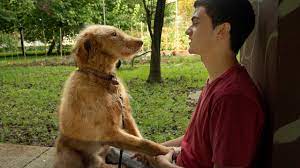
            I decided to rewatch When Heroes Fly, a fantastic one season Israeli drama (with English subtitles), because I found out that it was about to leave Netflix in January. The first time I’d watched the show was for my online Hebrew class, almost two years ago, with Hebrew subtitles, but it was so vivid and powerful that I understood most of what was going on, despite missing a few words here and there (and everywhere).

            When Heroes Fly follows four guys in a reserves unit who lose their leader in war. Each one deals with the loss, and the trauma of war, in a different way, but the main character, Aviv, truly falls apart. He’s away getting help when his ex-girlfriend, Yaeli, goes on a trip to South America that he was supposed to go on with here, and, it seems, dies in a car accident.

            The mystery that has to be solved, years later, is whether Yaeli actually survived the accident after all, and if so, where is she, and does she want to be found? That’s the frame of the show, but the real drama is in how each of these four men work through their past mistakes and confront themselves and each other.

            What got to me the first time I watched this show was how completely Aviv’s character resonated for me – his inability to heal, despite so much effort and time, and his self-loathing, and how others judged him for being such a mess. His physical expressions of depression and self-loathing, and that sense of truly falling apart – that was me. Even two years ago, after a lifetime of therapy, it all still felt deeply true for me. And yet now, despite grieving both of my dogs, and still having “issues,” and still feeling frightened and incapable at times, I don’t feel that wracking whole body depression anymore. It’s been receding for a long time, but until I watched this show again I didn’t realize how long it’s been since that was my daily, and then weekly, and then monthly experience of life.

            Another thing I relate to, deeply, in this show is how much these friends need each other and yet can’t quite connect or hear each other through the fog of their own trauma responses. We want to believe that if we try hard enough and love hard enough we can fix anything, but sometimes our need to help is the problem, stopping us from seeing the real person in front of us who is in so much pain.

            A new character is introduced late in the series, an Israeli detective with her own deep trauma who has to find the four men and Yaeli as part of a larger case. But she isn’t cut off from her pain, or completely lost in it, she’s strong and broken at the same time. I want to be this woman, this strong, capable woman who is also deeply attached to herself and to reality. I get the feeling that a lot of people think I already am this women. I’m not, yet, but just seeing her on screen makes it seem more possible.

            But the biggest revelation for me in watching this show now is the impact of collective trauma, which goes beyond each individual’s experience of trauma, when they are all experiencing the trauma together. As an American Jew I can try to take an “objective” view on the current war, because my family isn’t running to shelters at any moment as rockets fall, and I’m not grieving a loved one who died in the massacre or was taken hostage, and no one in my family is a soldier in this war, risking their life every day. I am Jewish, but as an American Jew I have the privilege of not feeling the depth of the collective trauma that is tormenting Israelis, and Palestinians, as they try to figure out what happens next.

            When I watch the news and do my deep dives into the history to try and understand what I’m seeing, I still find much of it incomprehensible, because I can’t see it through their eyes; I can’t feel it in my body and know the darkness that prevents clear sight on things that, from here, seem obvious. I keep trying to understand anyway, and I try not to judge the decisions and opinions I can’t understand, because I know that people who are not under the influence of trauma think a lot of things should be possible that people within the trauma can’t fathom and can’t choose.

            Interestingly, while the English title of this show is When Heroes Fly, which suggests that these four men are clearly heroic, as if they are morally unambiguous and selfless and always know what to do, the title in Hebrew is For Her Heroes Fly, suggesting that heroic behavior has to come from somewhere, from some internal motivation, beyond the theoretical goodness and righteousness we keep expecting from our heroes. These are not men with infinite courage and a willingness to die for a cause; these are men who are willing to fight for the people they love.

            People want to believe that Israel only has a right to exist, that Jews only have a right to exist, because we are supposed to be a beacon of light to the nations; and some Jews try very hard to live up to that ideal, but most of us are just people, like everyone else. Requiring Israel to meet standards of behavior that no one else can live up to is unfair and inhumane.     No one gets through wars unscathed, and Israel has had to face war after war, and then terrorist act after terrorist act, throughout her short existence. Israeli soldiers, like all soldiers, are capable of mistakes in judgment and tactics and behavior. When three hostages were accidentally killed by the IDF, Israel had to deal with that reality, because Israel itself has inhuman expectations of its soldiers and its military, just like the world at large seems to have. Israel, this tiny country, with soldiers culled from all walks of life, drafted into service as teenagers, is meant to be a perfect military machine, capable of fighting tunnel warfare without making mistakes and hurting non-fighters, even when the Hamas fighters wear civilian clothes and embed in civilian neighborhoods and buildings. The Israeli soldiers who killed those three hostages, and the soldiers who have killed Palestinian civilians when aiming for Hamas, are all going to have to live the rest of their lives with that burden of guilt and failure, not out of choice but out of necessity, because they have to fight for the survival of their tiny country. The trauma that results will last a lifetime, and will alter everything that comes next.

We, on the outside of all of this, can have whatever hopes and dreams and judgements we want, but it is the people on the ground who will have to make it happen, and that means we have to accept who they are and what feels possible to them, as they carry this war, and every previous war, with them into the future.

If you haven’t had a chance yet, please check out my Young Adult novel, Yeshiva Girl, on Amazon. And if you feel called to write a review of the book, on Amazon, or anywhere else, I’d be honored.

            Yeshiva Girl is about a Jewish teenager on Long Island, named Isabel, though her father calls her Jezebel. Her father has been accused of inappropriate sexual behavior with one of his students, which he denies, but Izzy implicitly believes it’s true. As a result of his problems, her father sends her to a co-ed Orthodox yeshiva for tenth grade, out of the blue, and Izzy and her mother can’t figure out how to prevent it. At Yeshiva, though, Izzy finds that religious people are much more complicated than she had expected. Some, like her father, may use religion as a place to hide, but others search for and find comfort, and community, and even enlightenment. The question is, what will Izzy find?

Another Summer of Hebrew

            I started a new online Hebrew class for the summer, and my new Hebrew teacher is down to earth and clear and friendly, so I am hopeful that the class will be good and productive. But this is going to be my last Hebrew class for a while, because it’s expensive, and with another oral surgery coming up, and the pause on student loan debt repayment ending in August, I need to keep costs down; but also, I feel like I can’t focus on the classes during the school year anymore. I need more rest days, in order to recover from my work days, or else I won’t be able to work much longer.

“You should just stay home with us all the time.”

            I still love learning Hebrew, and I’m hoping that this last class will give me more confidence to continue learning new vocabulary on my own. Maybe I’ll even start writing in Hebrew and see how my voice translates.

            Writing in Hebrew is one of the few things we haven’t worked on in these classes from Tel Aviv, where the focus is on conversation skills and reading newspapers and watching TV. I think I would write poetry in Hebrew, because the language is so conducive to poetry, with all of the rhyming words and onomatopoeia and the leanness of the language overall. I gave up on writing poetry in English after too many discouraging teachers telling me to write like someone else, but maybe with Hebrew I could start again with a blank slate.

            I still want to become fluent in Hebrew, but I think if I take more classes I’d like to move towards Jewish learning in general, rather than Hebrew in particular. The focus in these classes has been on how Hebrew is spoken in Tel Aviv, with very little discussion of things that are recognizably Jewish, rather than Israeli. For me, Hebrew and Judaism are deeply intertwined, but Modern Hebrew has become a secular language, used for every mundane and profound purpose in daily life in Israel, and it feels like, as a result, some of the meaning has been stripped away.

I still want to learn more vocabulary, but I wonder if the words I really want to understand are the ones in the Hebrew Bible, or in the prayers, so that I don’t have to rely on someone else to tell me what they mean. I don’t want to lose sight of Modern Hebrew, and the way it has embraced so many different cultures and absorbed words from Arabic and English and French and Russian and more, I just want to re-invest in the connection to the past, where it all comes from.

I’m still not sure where all of this learning and exploring will take me, or how, or if, I will make use of it in my writing or my teaching, but sometimes learning is worth the effort just for its own sake, for the way it challenges our perceptions and widens our vision of the world and ourselves.

And maybe next summer, or when/if I start feeling better and have more energy, it will lead me to something more.

“Just make sure you take us with you wherever you go.”

If you haven’t had a chance yet, please check out my Young Adult novel, Yeshiva Girl, on Amazon. And if you feel called to write a review of the book, on Amazon, or anywhere else, I’d be honored.

            Yeshiva Girl is about a Jewish teenager on Long Island, named Isabel, though her father calls her Jezebel. Her father has been accused of inappropriate sexual behavior with one of his students, which he denies, but Izzy implicitly believes it’s true. As a result of his problems, her father sends her to a co-ed Orthodox yeshiva for tenth grade, out of the blue, and Izzy and her mother can’t figure out how to prevent it. At Yeshiva, though, Izzy finds that religious people are much more complicated than she had expected. Some, like her father, may use religion as a place to hide, but others search for and find comfort, and community, and even enlightenment. The question is, what will Izzy find?

The Broken Bookcase

We have a blue Ikea bookcase in the hall that has been tilting for a long time now, but there’s been so much else going on that it never seemed important enough to try to fix it or replace it. We have bookcases everywhere, and I have five in my room alone, so one tilting bookcase didn’t seem like an emergency; until one of the shelves fell, and even then we just put “shelf pins” on the shopping list and eventually bought some, and of course, forgot to put them in. And then another shelf fell. And I still can’t be bothered to deal with the damned thing.

The Broken Bookcase

It’s not that a bookcase is such an expensive thing to replace, especially if we get another one from Ikea, its more that we’d have to actually go to Ikea, carry the heavy box to the car and from the car to the apartment, and then put the thing together, oh, and also empty the broken bookcase and take the broken pieces down to the garbage and refill the new bookcase.

I don’t have the energy for any of that, let alone all of it.

I’ve been trying to clear out the “extra books” from my collection for years now (so that we wouldn’t need so many bookcases), by re-reading the books that I’m on the fence about. I’ve already filled two boxes with books I no longer need, but giving books away is harder than you’d think. The library never wants them, and finding a place that wants the books, on the third Thursday of the month, at twilight, still requires carrying heavy boxes of books out to the car. So at this point I still have a box of discarded books on the floor, next to the bookcases, and I still have three shelves full of books to read through. I also have a bad habit of ordering more books all the time.

“She’s going to throw out our toys to make room for books, isn’t she?”

This feels like a metaphor for the way my brain has been lately: overwhelmed with ideas to follow up on, all resting on iffy shelves and waiting for me to start culling through them; but I can’t even think straight enough to do the culling before another ten or twenty ideas pile on. I feel like every day I’m looking at these tilting shelves in my brain, knowing that it’s all going to overflow at any moment, with no idea how to stop it.

I decided to take a break from going to online Hebrew classes for a few months, because I’ve been struggling to stay focused during the classes this past semester, and because the time I spend in those classes and doing the homework for them has kept me from doing other important things on my to-do list. I’m hoping to get back to the classes over the summer, when I have more free time to focus, but I feel the loss of the socializing and the Hebrew already. I still don’t even know what to do with all of the Hebrew I’ve learned so far, or why it’s been such an obsession for at least two years, if not my whole life.

I feel like there’s a path I should be on, and a long term goal I should be working towards, and that Hebrew language learning is part of it; but I don’t know what that goal is. I don’t want to move to Israel, and I don’t particularly want to go back to school full-time to become a translator or a rabbi or a cantor. I would like to go deeper into Jewish education, if I can, working with teens, maybe, as well as with the younger kids, and maybe even doing curriculum development. But I don’t know of a path to get there, and I don’t want all of that to be instead of writing my novels – the notes for which have filled up a bunch of shelves of their own.

I feel like there’s a whirlwind in my brain, pushing me in different directions all the time, keeping me confused and off kilter, and I’m worried that my internal bookshelves are as wonky as the ones in the broken bookcase in the hall, and it will all tumble down at any moment.

My hope is that once synagogue school is over for the year, I’ll be able to concentrate on all of those ideas whirling around in my brain, and organize them, and maybe even choose some to work on. But I’m afraid I’ll be as busy with doctors and tests this summer as I was last summer, without much improvement in my health to show for it, and those wonky internal shelves will just keep tilting.

But I keep slowly reading through my piles of books, and writing down all of my ideas, and sorting and discarding when I can, because this is how I move forward. It’s not especially practical, or fast, but it’s the way my mind works, so it will have to do for now.

“It’s important to just be yourself, Mommy.”

If you haven’t had a chance yet, please check out my Young Adult novel, Yeshiva Girl, on Amazon. And if you feel called to write a review of the book, on Amazon, or anywhere else, I’d be honored.

            Yeshiva Girl is about a Jewish teenager on Long Island, named Isabel, though her father calls her Jezebel. Her father has been accused of inappropriate sexual behavior with one of his students, which he denies, but Izzy implicitly believes it’s true. As a result of his problems, her father sends her to a co-ed Orthodox yeshiva for tenth grade, out of the blue, and Izzy and her mother can’t figure out how to prevent it. At Yeshiva, though, Izzy finds that religious people are much more complicated than she had expected. Some, like her father, may use religion as a place to hide, but others search for and find comfort, and community, and even enlightenment. The question is, what will Izzy find?

Singing the Psalms

            The part-time musical director/rabbinical student at our synagogue decided to do something different for our monthly musical services this year. Usually we would have a Shabbat band, made up of professionals and congregants, set up next to the Cantor, and making the service feel like a rousing concert. But this year, the sanctuary has been set up in concentric circles, with the congregant singers and musicians in the middle and the rest of the congregation spreading out from there. It’s more intimate without the professional musicians, and there’s more of a focus on meditation and silence between the songs. And, maybe most important, the new songs we learned for these services were from the Book of Psalms, excerpted and used like chants, with lots of repetition and rhythm.

            It’s been an interesting experiment, especially for me as one of the singers, because it’s made me feel more like a participant in making the music, instead of an observer on the sidelines. And it feels really good to sing again, even though I’m still struggling with my breathing. It feels good to be a part of a whole group making music together.

“But we want to sing too!”

            The Psalms have always been a part of the traditional Friday night service, but we haven’t always sung them at my synagogue, and certainly not all six of the Psalms that are included in the prayer book as part of Kabbalat Shabbat (the Welcoming of Shabbat, or the warm up before the official evening service).

We studied the book of Psalms a few years ago in Bible Study, but I don’t think I paid a lot of attention. I was probably still in graduate school for social work at that point, and struggling to pay attention to anything other than school, but I do remember the Rabbi saying that many of the Psalms are “macaroni songs,” or songs that can easily be sung to different tunes, and that opens them up to many different musical interpretations that can give a whole new energy to familiar words.

“I like macaroni!”

            The Psalms, as opposed to most of the rest of the Hebrew Bible, were created to be sung by the Levites in the Temple in Jerusalem. Some of the Psalms even tell you which instruments you should play to accompany them. The Greek word Psalmos means “a song accompanied by a stringed instrument,” and the Hebrew word for the Book of Psalms is Tehillim, which means “songs of praise,” though not all of the Psalms are about praising God. There are one hundred and fifty individual Psalms, and some are communal laments, and others express individual grief and anger at God, and some are thanksgiving and praise songs, but the value of the Psalms is that they give voice to a range of emotions, like joy and fear and rage and gratitude, and they appear in daily and weekly Jewish services, and holidays and funerals, because they can help us to express things when we have no words of our own.

            The Psalms used for Kabbalat Shabbat on Friday night are Psalms 95-99, plus Psalm 29, and there are a few versions that I really like:

            (From Psalm 96) Shiru L’Adonai by Nigunim Ensemble https://youtu.be/yM6_49gQmXw

       (Also from Psalm 96) Ya'aloz Sadai by Nava Tehilla https://youtu.be/QwGksNJixtc
       (From Psalm 98) Zamru L’Adonai by Nava Tehila - https://youtu.be/XQe7vqnCZmU
 

            One of the Psalms we sang all the time, without realizing it was a Psalm, was By the Waters of Babylon. I think we first learned it to sing at a school concert, or maybe at camp, but I knew an English version and a Hebrew version and only in my research for this essay did I realize it came from Psalm 137: By the waters of Babylon, there we sat, sat and wept, as we remembered Zion. It’s a communal lament at the loss of home after the first Temple in Jerusalem was destroyed and the Israelites were exiled to Babylon. We always sang the first lines, but the Psalm goes on to another saying we learned in school: If I forget you, or Jerusalem, let my right hand wither. It always sounded so strange to me, especially on it’s own, because I was clearly an American kid, not longing to go anywhere else, and yet I was supposed to feel so guilty at not longing for Jerusalem that I would lose my right hand. And I’m a righty, so it bothered me a lot. The Psalm also includes a revenge fantasy against the enemies of Israel, and we can read it as literal – that we want to kill those who wronged us or took things from us, or we can read it as a moment of catharsis, to get our yayas out, that is not meant to be acted upon. I guess we get to choose how we read it, like a choose-your-own-adventure story. But the song I learned as a child focused only on the grief, not on the guilt or the desire for revenge, and I wonder if we excerpt these Psalms as a way to avoid the more complicated parts of who we are and how we feel, or the more complicated parts of peoplehood, so that we can just focus on the joy for a little while.

            But the Psalms are everywhere, not just in the Friday night service, and I never really noticed them before. I don’t think we studied the book of Psalms, either in elementary school or high school, probably because we were saying them daily in our prayers and our teachers assumed we knew them and understood them already. But we didn’t. Or, I didn’t.

               Psalm 137- Waters of Babylon by Don McLean - https://youtu.be/uTnspbSjKVc
               Psalm 137 - By the Waters of Babylon by Joey Weisenberg https://youtu.be/24SJuRGPpTI

            The Psalms can also be downright hopeless at times, like Psalm 90 – We spend our years like a sigh; the span of our life is seventy years, or given the strength, eighty years, but the best of them are trouble and sorrow, they pass by speedily and we are in darkness. It’s depressing, sure, but it’s also a chance to acknowledge the dark places in our lives, and in our world, and show them to God, and ask God to care that we are suffering, and, most importantly, to give ourselves permission to care that we are suffering.

“Hey! I suffer too!”

            The most famous Psalm I know of is Psalm 23 – The lord is my shepherd I shall not want. Yea though I walk through the valley of the shadow of death, I will fear no evil, for you are with me. I like to think of it as an aspirational Psalm, a Psalm describing how we want life to be and to feel. It’s phrased in the present tense, as if all of these good things are already here, and I am already comforted, and I already feel safe, and will only experience goodness and love from now on. But I think the idea of a prayer like this is to help us hold onto a vision of a better world, even when that’s not how things are for us right now, which is why it’s often said at funerals. I found a really beautiful version of this one, in Hebrew and English, by one of the Jewish-male-acapella groups who usually sing silly holiday songs to the tunes of popular American music.

            Psalm 23 – Gam Ki Elech – Six13 –  https://youtu.be/bezjJbBkWkg

            But along with the pain, the Psalms can also teach us how to celebrate when things go right, and how to express our gratitude for answered prayers – not because we’re ungrateful creeps who wouldn’t thinking to say thank you on our own, but because celebration and expressing gratitude is just as cathartic as expressing doubt and pain and anger. These Psalms allow us to feel like what we feel and say and do in the world has inherent value, not just to us but to God, who is our clearest personification of the world at large.

            The last of the one hundred and fifty Psalms is Hallelujah and it’s all about praising God, here and there, for his acts and greatness, with horn and lyre and dance and lute and pipe and cymbals. There are a lot of beautiful versions of this one, but I picked two of my favorites.

            Psalm 150 – Halleluya – by Nava Tehilla - https://youtu.be/RV3xV9NJgss
            Psalm 150 – Halleluya – by Nigunim Ensemble - https://youtu.be/ngybRjtv-dk

            Some people learn best through reading, or doing; I learn best through music. So getting the chance to hear the Psalms, and feel them, through music, finally made them seem like more than just words on a page. My hope is that even when we go back to the rowdier version of musical services at my synagogue next year, we can keep the new takes on the Psalms, and add more as they are created, because each new variation seems to capture another feeling that I didn’t notice before, adding more joy and insight and space without ever taking anything away.

Some more songs I love that are taken from the Psalms:

Psalm 92 - Tov L'Hodot by Joey Weisenberg - https://youtu.be/cXwoXKDDGmw

Psalm 118 – Min Hameitzar by Deborah Sacks Mintz – https://youtu.be/EMe4-ggSkdY

Psalm 121 – Esa Einai by Nefesh Mountain – https://youtu.be/aLTt2HytfXQ

“Can you please turn the music down? We’re trying to sleep over here.”

If you haven’t had a chance yet, please check out my Young Adult novel, Yeshiva Girl, on Amazon. And if you feel called to write a review of the book, on Amazon, or anywhere else, I’d be honored.

            Yeshiva Girl is about a Jewish teenager on Long Island, named Isabel, though her father calls her Jezebel. Her father has been accused of inappropriate sexual behavior with one of his students, which he denies, but Izzy implicitly believes it’s true. As a result of his problems, her father sends her to a co-ed Orthodox yeshiva for tenth grade, out of the blue, and Izzy and her mother can’t figure out how to prevent it. At Yeshiva, though, Izzy finds that religious people are much more complicated than she had expected. Some, like her father, may use religion as a place to hide, but others search for and find comfort, and community, and even enlightenment. The question is, what will Izzy find?