Tag Archives: memoir

What I’ve Learned So Far

            With the end of the synagogue school year I always try to take stock of what I’ve learned, and what I need to hurry up and learn over the summer to be prepared for next year’s challenges. This has been a hard year, personally (with the loss of the dogs) and globally, but I’ve learned that I have to find hope, even if I have to manufacture it out of nothing, or else I won’t be able to function.

            My biggest take away from this year is that I love working with these kids, from the youngest to the oldest, from current students to kids I never taught but met along the way. And I love finding out that I made a difference in their lives; even a small one, even just as a contact point, a place where they feel safe being themselves.

            I feel like I’ve been doing a child development observation project for the past five years and I keep learning more and more about what works and what doesn’t work for different kids, and I keep learning the humility that comes with being wrong over and over again. And I find that I don’t mind being wrong and making mistakes (unless those mistakes are pointed out to me endlessly and highlighted in neon, then not so much).

            One of my favorite things is when I meet kids who are clearly being parented well, kids who are their full selves and self-aware and able to accept their own limitations and seek help when they need it and seek out challenges that allow them to grow. Of course, I identify more with the kids who are struggling, who are frightened or insecure or unable to even express the chaos that’s going on inside of them. But I love all of them.

            And now that I’ve been here a while, some of the kids I worked with at the beginning are now teenagers, and some of the teenagers who helped in our classrooms are now young adults, and they still come back to check in and update us on how they are doing. I can especially relate to the way the teenagers and young adults are trying to figure out who they are, because I’m still working on that project myself. I watch as they try on different identities and personas and philosophies and I try to be patient when they are insufferably overconfident or simplistic or combative about their newly discovered truths.

The one area where I’ve been struggling to be patient, though, is when what the kids are trying on is a new worldview wherein Israel is the cause of all evil. A lot of the students who are protesting on campuses are not lifelong supporters of Hamas, or even especially well-educated about the Middle East and the plight of the Palestinians in Israel and the surrounding Arab countries. Most of them are just kids who are trying out new ideas to see how they fit, and they are energized by the communal atmosphere of the encampments and the belief that they can be completely right about something and their parents can be completely wrong. Most of these kids, given time and education, will not be supporters of terrorism, or of any of the other political ideologies they have been flirting with in college, and what I’m learning is that my job as an adult with the honor of interacting with them is to educate, and to listen, and to support. I do not need to pretend that I am convinced by their sudden certainties about the world, nor do I need to argue with them, but I can’t abandon them either.

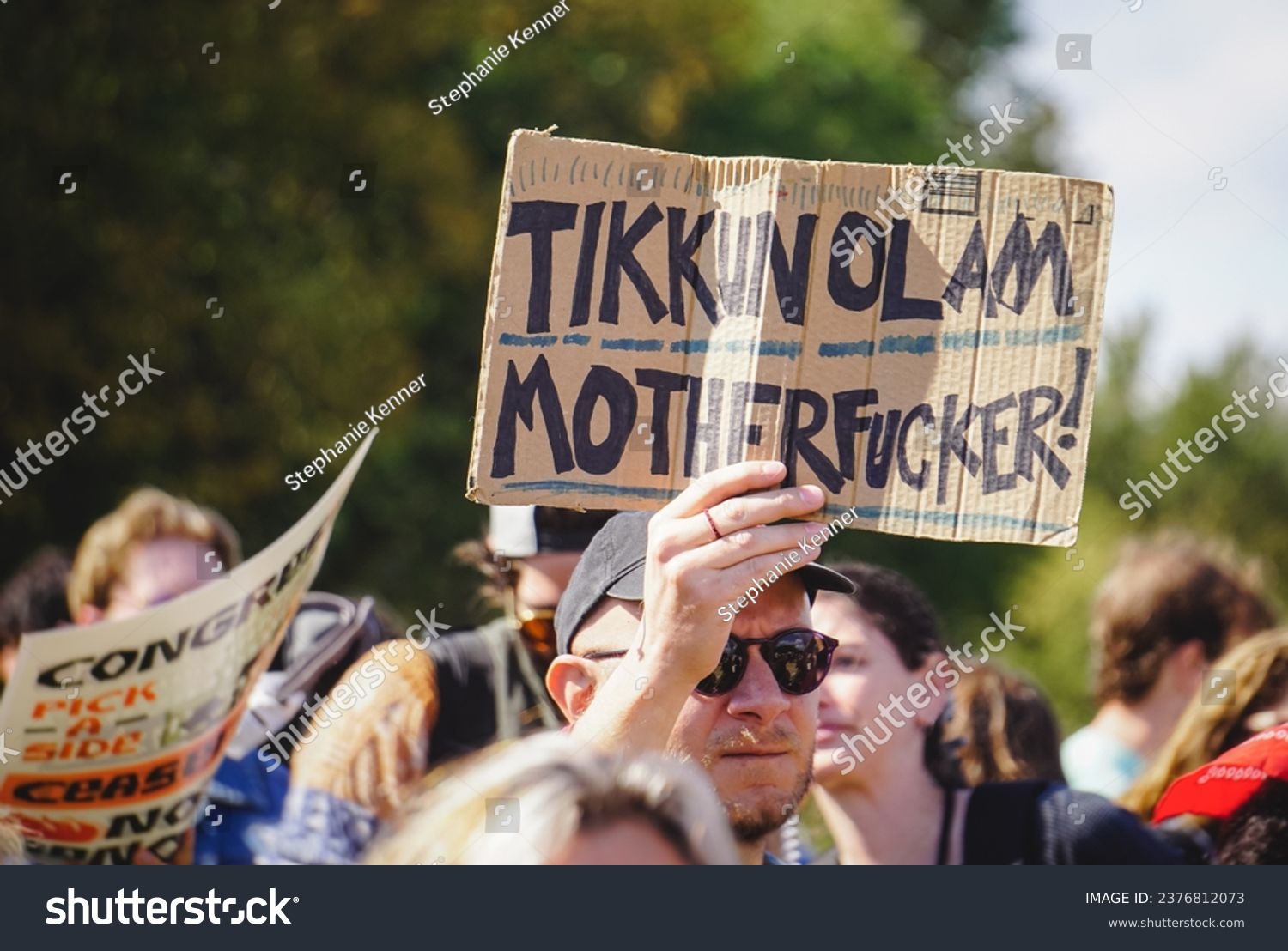
This is an encampment I might even join
(not my picture)

            I know from my own experience that certainties can help manage the extreme anxiety that comes with having no idea what the future will bring. They are still trying to figure out how to do their own laundry and yet they’re expected to plan out their whole lives: career, finances, life partners, belief systems, etc. The job of their teachers is to open new doors of thought, and present the available knowledge with a good dose of skepticism, and suggest questions worth asking, and teach a tolerance for uncertainty, but a small percentage of professors seem to see their role as becoming gurus who expect their students to swallow their ideologies whole.

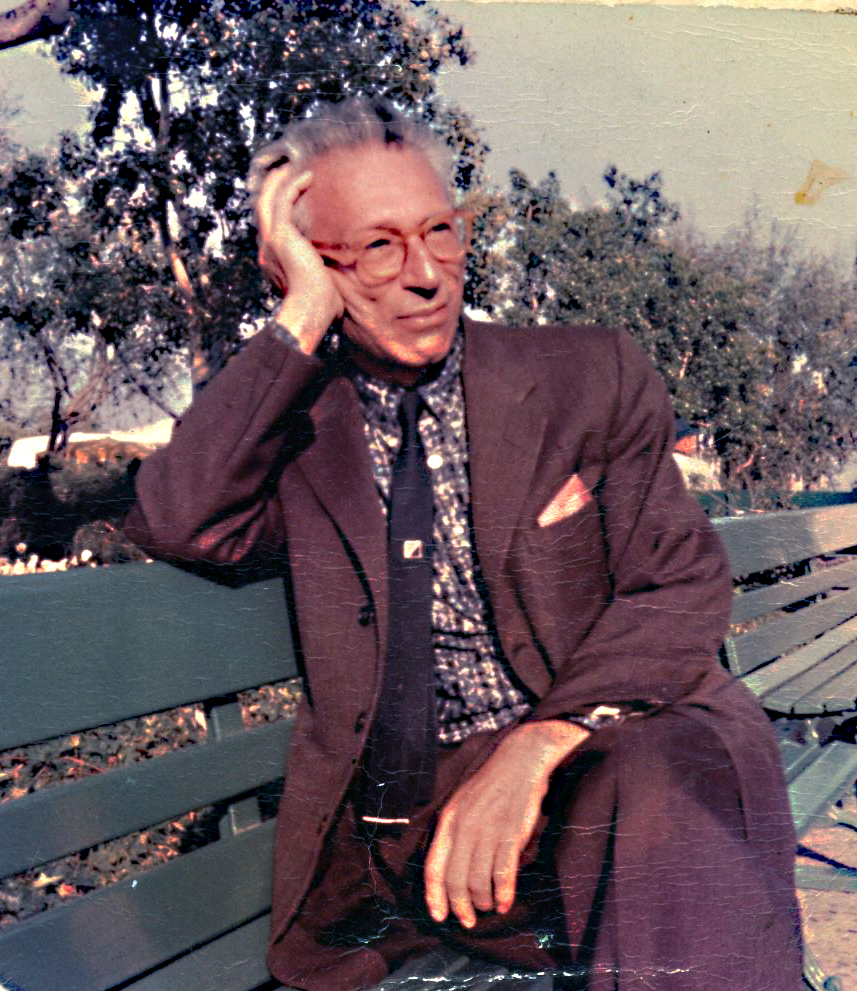
With a Professor like this, I’d listen to whatever he had to say. (not my picture)

            I would have done better with less certainty from the adults in my life when I was in school. I needed my teachers to ask me questions and offer me compassion and patience, and then, gently, to introduce the complications to my black and white view of things. I didn’t need their admiration anywhere near as much as I needed their interest and curiosity in who I was and how my mind worked.

This was me all through school. Different hair.
(not my picture)

            I’ve been reminded all over again this year how important it is to be an accurate mirror for my students. Unconditional positive regard only works when it is based in the reality of the child or young adult in front of me. If an oppositional, argumentative class clown is praised for being well-behaved when he isn’t, that’s not helpful. He wants to be seen as he is. He’s being oppositional for a reason and if I ignore his reality I’m not helping him.

            It’s a relief to have the summer off so I can recharge and focus on my writing and focus on myself, but this year especially I know I am going to miss my students, so I will make an extra effort to carry them with me, as a totem, to remind me of how much there is to look forward to in the future.

But first, a really long nap.

This is not my picture either, but it looks just like me.

If you haven’t had a chance yet, please check out my Young Adult novel, Yeshiva Girl, on Amazon. And if you feel called to write a review of the book, on Amazon, or anywhere else, I’d be honored.

            Yeshiva Girl is about a Jewish teenager on Long Island, named Isabel, though her father calls her Jezebel. Her father has been accused of inappropriate sexual behavior with one of his students, which he denies, but Izzy implicitly believes it’s true. As a result of his problems, her father sends her to a co-ed Orthodox yeshiva for tenth grade, out of the blue, and Izzy and her mother can’t figure out how to prevent it. At Yeshiva, though, Izzy finds that religious people are much more complicated than she had expected. Some, like her father, may use religion as a place to hide, but others search for and find comfort, and community, and even enlightenment. The question is, what will Izzy find?
The Next Phase

            My allergies have kicked in big time, and the most likely culprit is all of the maple trees right outside my window and the thousands of seed pods they send raining down to the ground. The wheezing came out of nowhere one day last week: I heard this strange sound, like someone crying or screaming from a distance, and it took me a while to realize that the sound was coming from my own throat. Somehow all of the allergens have chosen to bypass my nose, and mostly my eyes, and lodge themselves in my throat where I inconveniently need oxygen to breathe. Sleep has been tough, and the allergy meds I take day and night are not helping much, but it is sort of fun to sound like Darth Vader every once in a while; it breaks up the monotony. Not that there’s been much monotony lately, to be honest.

I wonder if the mask would help me breathe better (not my picture)

            This past week Mom and I went to see a cardiac surgeon to find out the next steps for dealing with her damaged mitral valve. I was very nervous about the appointment, we both were, in large part because there was so much we didn’t know. We spent about four hours at the hospital on Monday and met with the cardiac surgeon and then with his colleague who specializes in cardiac interventions other than surgery, and the plan going forward is to have a minimally invasive procedure (sort of a combination of an angiogram and an endoscopy with mitral valve clips thrown in), in the hope that clipping the mitral valve (rather than replacing it) will be enough to mitigate the damage. The doctor explained that at this point about fifty percent of the fluid leaving Mom’s heart through the mitral valve is going into the left ventricle, which is stretching it out of shape and wreaking havoc. The clips will close the holes in the mitral valve, at least partially, to redirect the fluid to where it belongs. This less invasive procedure will only require one overnight stay in the hospital (as opposed to a week in the hospital and then two weeks in a rehab facility after the full surgery), and recovery will be minor.

            But there’s something so un-reassuring about the image I have in my mind of the mitral valve clips: I keep seeing tiny wooden clothespins, like the kind that hold laundry on the line so it won’t blow away in the wind, but the doctors say it’s worth a try and could reduce the symptoms of fatigue, shortness of breath and heart palpitations to a more manageable level. The problem is that Mom’s mitral valve isn’t just damaged in one place, it’s more like Swiss cheese, so there’s a fifty/fifty chance that the doctor will go in to do this procedure and on the spot decide it’s not working and we will have to go ahead and schedule the full heart surgery after all.

(not my picture)

            I feel a little better knowing the steps involved in all of this, even if we end up having to go the full surgery route after all. The worst part was not knowing and leaving it all to my imagination, which is vivid. The doctor made sure to say that the chance of death from the minimally invasive procedure is about 1%, which is close to the risk from, say, going for a walk on a spring day. The full surgery’s risk is at about 5%, which is higher, but not high. I’d prefer zero risk and full recovery, but I understand that I’m being unreasonable.

            The cardiac surgeon was pretty optimistic about the success of the full surgery, and said we could just go ahead and do that if we wanted, but as soon as he used the words “heart lung machine” in describing the surgery I came close to having a heart attack myself, so I’m happy that we’re starting small. The ultimate decision to try the less invasive procedure first, of course, was Mom’s, but I think a small part of her was disappointed that she wouldn’t get to stay in a hotel (pardon me, a hospital) for a few weeks, with room service and house cleaning and varied and interesting company.

I think this is more evidence that Mom has reached the second phase of retirement. The first ten years were about making up for lost time, doing all of the projects and trips and socializing she didn’t have time for while she was still working, and the next phase looks like it’s going to include more pampering and siestas. I guess I’ll need to look into getting the co-cop to agree to a pergola in the backyard, and maybe a hammock, so Mom can get her moments of nature and her rest at the same time. If all goes well this summer, this second phase of Mom’s retirement could be even longer than the first, and filled with good health and relaxation, and time to build more happy memories with her grandchildren. And a dog. There really needs to be a dog.

Not my dog, but just sending this image out into the universe

If you haven’t had a chance yet, please check out my Young Adult novel, Yeshiva Girl, on Amazon. And if you feel called to write a review of the book, on Amazon, or anywhere else, I’d be honored.

            Yeshiva Girl is about a Jewish teenager on Long Island, named Isabel, though her father calls her Jezebel. Her father has been accused of inappropriate sexual behavior with one of his students, which he denies, but Izzy implicitly believes it’s true. As a result of his problems, her father sends her to a co-ed Orthodox yeshiva for tenth grade, out of the blue, and Izzy and her mother can’t figure out how to prevent it. At Yeshiva, though, Izzy finds that religious people are much more complicated than she had expected. Some, like her father, may use religion as a place to hide, but others search for and find comfort, and community, and even enlightenment. The question is, what will Izzy find?

The Return of the Panic Attacks

            I thought I was done with panic attacks. It’s not that I was free of anxiety or depression, but for a long time now I’ve felt like I could handle the difficult things that came up without shattering into a million pieces or becoming paralyzed, but something changed in the past few weeks. I’m pretty sure it started when I tried a new Rheumatological medication (Methotrexate), which was meant to lessen my overall body pain and allow me to exercise more, but instead made me even more exhausted and exacerbated my pre-existing depression and anxiety.

At first, I had no idea where the extra depression was coming from: was it from thinking about adopting a new dog? From watching the news? The exhaustion of doctor visits? Discovering that weight loss medication would remain out of reach? I don’t remember now what finally made me believe that it was the Methotrexate that was sending me into the deep dark, but after weeks of worsening depression I decided to stop taking it and see if things improved, and, gradually, I started to feel better and able to think and write and plan and hope again.

            When I called the Rheumatologist to tell her what was going on, she said to wait a few weeks before trying the next medication, which shouldn’t have any of those side effects, and since I wanted to believe her and finally see some improvement in the overall body pain that has seriously restricted my life, I agreed.

            But since I’d been taking the Methotrexate weekly, instead of daily, the timeline for it to leave my system was very slow, and in the meantime, I had my first panic attack: a small one, at Whole Foods. I used to have food panic all the time, because of the thousands of different diets I’ve been on, and because of old conflicts around keeping kosher, but after years of working on Intuitive Eating a lot of that noise had calmed down. Except, at Whole Foods (a ridiculously high priced store that rarely has the things I need, but always has fun stuff I want), I got all mishkebobbled by the prices and the choices and I had no idea what to buy. Eventually, I chose a few small things and got out of there as quickly as possible. It was only a small echo of my old panic attacks though, and I was mostly okay.

            The second panic attack, also small, also happened around food, this time at the enormous supermarket near my house. I blamed it on Passover, because there was a large section of Passover foods that made me feel like I should buy jars of borscht and boxes of cake mix and cans of chocolate chip macaroons that I would never eat. But, again, the panic passed quickly, and when the effects of the Methotrexate finally wore off I thought I was stable enough to try the second rheumatological medication.

            And then the car battery died. This had happened once before, because one of the lights above the driver’s seat goes on accidentally at times and if I don’t notice it right away, and don’t drive the car for a few days, by the time I get back to the car the battery is dead.

            This time it happened when I needed to take Mom for a medical procedure, an endoscopic ultrasound of her heart (called a TEE), but the car wouldn’t start and there was no one around to help, and instead of being able to problem solve, or even think, I panicked. Mom told me that she would call a cab, and then call AAA or the maintenance men at our co-op to help me charge the battery, and the idea that I would have to interact with strangers scared me so much that I left my mother and my pocketbook in the car and race-walked back to the apartment to curl up on my bed and hide.

            Mom called me from the parking lot a few minutes later to say that the cab was on its way, and that the maintenance men would be able to help with the car in about half an hour, but in the meantime I should come back outside and get my pocketbook, because it wouldn’t be safe to leave it in the car. She didn’t seem to be upset with me, or to understand that I was curled up on my bed in an altered state, but I couldn’t think for myself so I did as I was told and went out to the car for my pocketbook. I was able to give Mom a hug just as the cab arrived, and then I walked back up to the apartment, resumed my curled up position, and cowered in my room.

            There was a knock at the door a while later and I jumped out of bed and put on my jacket and answered the door on automatic pilot; some part of me was able to function enough to make chit chat and ignore the bad jokes about my lack of car knowledge. When the guys said I should drive the car around for ten or fifteen minutes before turning it off (and then on again), I did as I was told, even though my pocketbook, with my driver’s license, was still upstairs.

To fill the time, I decided to do a practice drive to the hospital where Mom was having her test done, to make sure I’d know where to pick her up later, and I got stuck in traffic for forty minutes, worrying the whole time that the car would stop suddenly or that I’d get into an accident and have no identification on me. But I made it home safely and turned off the car and waited a few minutes, as I’d been told, and then turned the car back on, successfully (which meant I wouldn’t have to call the maintenance guys again, which was good because I didn’t have their phone numbers). While I was still in the car, taking my first deep breath in more than an hour, Mom called from the hospital to ask if the car was working, because they’d been delaying her procedure until she could assure them that I would be able to pick her up when it was over, and I spoke to the nurse on the phone and reassured her that I would be there on time.

            I survived the rest of the afternoon on automatic pilot and picked Mom up from the hospital and got her home safely. I felt awful for having had a panic attack when she needed me, and really scared that this would be my new normal, but most of all I was exhausted and needed sleep. When I woke up from my nap a few hours later I started to wonder if there might be a connection between starting the second rheumatological medication the night before and this latest, much more significant, panic attack. But my brain was telling me that I was always this useless, and I couldn’t come up with a convincing argument to fight back.

Two days later, Mom and I went to a dog rescue event, because my therapist had suggested (insisted) that I go, and because the depression was getting so dark again that I didn’t have the energy to think for myself. We got the address of the rescue event wrong, twice, but finally found it by following the crowd of cars. Once we’d parked and walked over to the row of tents and tables advertising all of the different rescue organizations, I was overwhelmed by all of the noise and people and dogs, and I couldn’t make sense of what I was supposed to do or where I was supposed to go.

We eventually found an enclosure filled with many small and hypoallergenic dogs, along with some full-sized Poodles and Golden Retrievers and a horse-sized Siberian Husky. But none of the volunteers seemed to know how their adoption process worked, or which dogs were still available for adoption, and no one knew about age and weight and health status, except that all of the dogs were probably around three years old and had been rescued from dog meat festivals in Asia (that’s hard to type, let alone to say out loud).

There was a little black poodle mix who was already on one of the rescue’s leashes outside of the enclosure, but when I asked about him a very possessive older woman glared at me and said she was considering adopting him, which seemed to mean he was off limits. Then we saw a little butter-colored dog who looked like the perfect size for us, but another woman had picked him up and held him tight while she looked for a volunteer to help her with the adoption; when she finally found the volunteer-in-the-know it turned out that that dog was already spoken for by someone else. I was getting more and more overwhelmed by the confusion and heat of the day and part of me wanted to leave (or escape), but part of me felt like it was my job to stay there and tough it out.

Finally, one of the volunteers asked me if I’d like to meet one of the dogs and I looked around and saw a little white dog who looked very much like Butterfly, and I chose her. I held her for a while and she was very calm, to the point where she didn’t even make eye contact or react to much of anything. When I put her down on the ground though, she freaked out at a noise I couldn’t hear and almost strangled herself trying to get out of her leash. The volunteer put her back into the enclosure with the other dogs and she sat down against the fencing, near where I was standing, and seemed to calm down again. She wasn’t the dog I was looking for, especially because she looked so much like Butterfly and was triggering all of the old grief and responsibility, rather than the love, but I couldn’t untangle my feelings or get myself to leave her behind in the chaos either. Mom finally found someone who could explain the adoption process, including the $2,000 adoption fee, which is basically what it would cost to buy a puppy from a breeder, and by then the Butterfly look-alike was sitting patiently on a little girl’s lap, so we took a brochure and finally walked away.

The whole time we’d been near the enclosure I’d been beyond thinking, unable to figure out what I wanted to do or what I thought I should do, except that I knew I should adopt all of the dogs, including the big dogs, because what kind of monster leaves a dog behind just because of money or because the world is tilting, or for any other clearly not-good-enough reason. As we got further away from the dogs I started to be able to hear my own thoughts a little more clearly, but I still felt sick and dizzy and angry and confused. I was able to drive home safely, but hopelessness and the long list of things that were wrong with me was rushing through my mind and refused to shut up.

Hours later, on Mom’s prompting, I looked up the side effects for the second rheumatological medication, and depression and anxiety were at the top of the list, despite the doctor’s assurances that this medication would not be a problem, so I emptied the rest of the pills from my pre-filled weekly pill box and crossed my fingers.

            It took a couple of days for the worst of the hopelessness to wane, but in a way the damage had already been done. I’d forgotten how bad things could get, and now it was right in the front of my mind. It didn’t help that the day after the rescue event Mom got the results of her TEE and told me that she would probably need surgery to repair or replace her mitral valve (her fourth surgery in three years).

I’m frustrated that these medication trials, which were supposed to help me function better, sent me so close to the brink; and I’m frustrated that this is how it’s been with so many medications over the years; and I’m angry that the one medication that was helping (Ozempic) was taken away; and I’m angry that the doctors still have no name for what’s wrong with my health, let alone any solutions.

            But at least I can think again.

I called the Rheumatologist to tell her that I wouldn’t be trying the third medication on her list, at least not right now, because I needed to be in the best frame of mind possible to help Mom through her surgery, and the expected three months of recovery.

Only time will tell if the panic attacks were solely caused by the rheumatological medications, or if, with enough stress, they will return. I’m trying to be hopeful that I’ll be able to handle everything that comes my way this summer, but part of me is worried, remembering how bad it can get. Another part of me, though, is remembering Cricket’s insistent strength, and Ellie’s insistent belief in me and my strength, and holding those memories as close as possible, to inspire me and help me through.

If you haven’t had a chance yet, please check out my Young Adult novel, Yeshiva Girl, on Amazon. And if you feel called to write a review of the book, on Amazon, or anywhere else, I’d be honored.

            Yeshiva Girl is about a Jewish teenager on Long Island, named Isabel, though her father calls her Jezebel. Her father has been accused of inappropriate sexual behavior with one of his students, which he denies, but Izzy implicitly believes it’s true. As a result of his problems, her father sends her to a co-ed Orthodox yeshiva for tenth grade, out of the blue, and Izzy and her mother can’t figure out how to prevent it. At Yeshiva, though, Izzy finds that religious people are much more complicated than she had expected. Some, like her father, may use religion as a place to hide, but others search for and find comfort, and community, and even enlightenment. The question is, what will Izzy find?

Listening to Israeli Music in the Car

            When Mom and I bought our Subaru Crosstrek last summer, the car salesman demonstrated how to link an iPhone to the car’s computer in order to answer phone calls hands free. But as soon as Mom’s phone was linked to the car’s computer, a podcast or a phone call or a voice mail came bursting out of the speakers at us, and we had to press every button in the car before we could finally make it stop. And as a result we decided, as we often do, that this latest technological advance was not for us.

            But then, a few months ago, when I was listening to music on my phone in the car because I was tired of hearing the same Olivia Rodrigo and Taylor Swift songs on the radio over and over, I noticed that the battery was low and plugged my phone into the car charger, and suddenly my Spotify account was playing over the car’s speakers. And it was wonderful! So now, as soon as I get into the car, I put my phone on the car charger and open my Spotify app and my music fills the whole car instead of just the cup holder next to me.

            Of course, I still pay attention to the news, but only when I feel like I have the energy to deal with it because trying to make sense of the different narratives of what’s going on in the Middle East (and here), as reported by different outlets through varying lenses feels like trying to untangle a pile of fishhooks. But listening to Israeli music, with a playlist that has ballooned to over 300 songs, has become my sanctuary. Especially when I’m on my way to school to teach my students, listening to Israeli music instead of news about Israel helps me get into a mindset where I can have hope for the future, so I can be the person I need to be for my students.

            Alas, I only have a free Spotify account, which means I can only listen to my playlist on shuffle, and I still have no idea how Spotify decides to shuffle the songs. Luckily, even though my Israeli music playlist is ridiculously long, it is filled with songs I really like, so even if the shuffle decides I need to hear the same song on the drive to and from work, or jumps from one style of music to a very different style of music, it’s all good. And there’s actually something comforting about having the app choose which song to listen to next, because it makes me feel like I’m not really alone in the car; like there’s a tiny DJ in there, somewhere, keeping me company and telling me everything’s going to be alright.

Four songs on a theme:

David Broza - It'll be Alright – Hebrew with English Subtitles https://youtu.be/qtI7h5A9eEQ?si=EHnP_sG13WAKC92E
Yasmin Moellem – It Will Be Good - Hebrew https://youtu.be/qvdQ4mGMVkg?si=8SnxkJslFPMKPUfv
Cafe Shahor Hazak - It Will be Okay – Hebrew https://youtu.be/PQp2a_yunmM?si=KWPCfyJyFLvq0qbU
Lior Narkis – In the end it will be Okay – Hebrew https://youtu.be/SNsBoZLyIAk?si=Q3lf1MrHvXShQdwY
David Broza
Yasmin Moellem
Cafe Shahor Hazak
Lior Narkis

If you haven’t had a chance yet, please check out my Young Adult novel, Yeshiva Girl, on Amazon. And if you feel called to write a review of the book, on Amazon, or anywhere else, I’d be honored.

            Yeshiva Girl is about a Jewish teenager on Long Island, named Isabel, though her father calls her Jezebel. Her father has been accused of inappropriate sexual behavior with one of his students, which he denies, but Izzy implicitly believes it’s true. As a result of his problems, her father sends her to a co-ed Orthodox yeshiva for tenth grade, out of the blue, and Izzy and her mother can’t figure out how to prevent it. At Yeshiva, though, Izzy finds that religious people are much more complicated than she had expected. Some, like her father, may use religion as a place to hide, but others search for and find comfort, and community, and even enlightenment. The question is, what will Izzy find?

The Dog I Want

            My ideal next dog would be a Maltipoo (Maltese/Poodle mix), ten pounds or less (small enough for Mom to be able to pick him or her up), non-shedding and hypoallergenic (as much as possible), and healthy enough so that I would have him or her for a long time (because having less than five years each with Butterfly and Ellie was heartbreaking). Ideally the next dog would also be a rescue, but I may have to accept that the ideal dog for me will have to come from a home breeder again, like Cricket did, rather than a rescue organization.

            My biggest anxiety, dog-wise, is the cost; because I’m not sure I can really afford a dog long term, and all of the vet care and grooming costs involved, on top of the adoption/rescue fees. I still have a lot of medical debt to pay off, and I’m afraid it’s selfish to risk getting another dog without knowing for sure where the money to take care of them is going to come from. And yet, I really need a dog, or two, to make life worth living.

            Back when we got Cricket, sixteen and a half years ago, we were still recovering from the death of our Lab/mix, Dina, who had died half a year earlier, at sixteen years and two months old, after a long but difficult life. She’d had false pregnancies for years, and for the first eight years, while we still lived in my father’s house, he refused to let us get her spayed to relieve her suffering. Either as a result of that, or just along with that, Dina had a lot of fears: separation anxiety that made it very hard for me to leave her home alone; fear of children and other moving objects; and fear of bridges and water and all kinds of sounds and smells. I learned an enormous amount from Dina about how to care for my own limitations with more creativity and compassion, because she couldn’t just “get over it” the way people always insisted I should be able to do, but by the end I was exhausted, and I just wanted an easy dog, a small dog, a happy and healthy dog.

My Dina

            I researched breeds and temperaments and sizes and on and on and decided on a Cockapoo, and we found a home breeder in New Jersey that we liked and went to see the puppies in person, and Cricket chose us. She turned out to be cheaper than we’d expected because she had an underbite, which, the breeder told us, meant that Cricket couldn’t be a show dog. Fine with me.

            Except, I discovered quickly that I am a terrible groomer. I spent two years trying to teach myself how to manage her and her hair, but in the meantime, and then forever after, she needed regular professional grooming, an expense I’d never thought of before. And when Cricket was a year old she started to limp, and we discovered that she needed knee surgery, first on one knee and a year later on the other one.

            But most importantly, Cricket, who was supposed to be our easy dog, ended up having all kinds of behavioral problems, most likely as a result of neurological problems caused by being the runt of her litter. She spent sixteen years teaching me how to love someone who is difficult, someone who is capable of biting the ones she loves over and over again, and someone who needs to be protected from her own impulses most of the time. She taught me that not all of the people who need your help will inspire your sympathy, or even be grateful for your help. And she reminded me that being smart (and Cricket was very very smart) does not protect you from struggling with even the smallest challenges in life. She also taught me that it is possible to be so cute that even the people who know you best will keep forgetting what a jerk you are.

I was adorable. It’s true.

            Maybe the most important lesson I’ve learned from all of the dogs I’ve had is that no matter what you think you are getting when you adopt a dog, each dog who comes into your life will teach you something you didn’t expect. You will be challenged and you will grow, whether you like it or not.

            Butterfly, an eight-year-old breeding momma rescued from a puppy mill, taught me a kind of love I didn’t know I could feel. Even from the first time I saw her, dirty from the newspapers lining her cage in the shelter, and missing teeth, I refused to let her go, even though we’d gone to the shelter that day on a whim, with no intention of bringing a dog home right away. I learned from Butterfly that I can take care of someone else, very well, and with an enormous amount of patience, when necessary. And I credit Cricket, who was six years old by the time we adopted Butterfly, with making it possible for me to believe that I might be able to manage the challenges Butterfly presented, healthwise.

“I knew you were the one, Mommy.”

            Then, Ellie came to us by luck, when Cricket’s groomer called us to say that she’d rescued a dog she couldn’t keep, because her previous rescue and the new one were not getting along. Ellie was four or five years old and had just been spayed, after spending years as a breeding momma at a home-ish breeder. I didn’t have the immediate “love at first sight” reaction to Ellie that I’d had with the other dogs, maybe because I didn’t choose her myself, but Ellie taught me that love can grow and become just as deep and strong, even without that coup de foudre at the beginning. I’m still too close to the loss of Ellie to take a full accounting of all of the things she taught me, but the realization that my heart can stretch and stretch, to sizes I could never have imagined ahead of time, is one of her gifts to me. And I also learned, in losing her, that a stretched out heart needs a lot of time to heal.

“Don’t worry, Mommy. Cricket’s keeping an eye on me.”

            I have no idea what I will learn from my next dog, or how he or she will challenge me. I guess, first, I will need to learn how to feel like I deserve the next dog at all, and to believe that I will be able to live up to the challenges that come along with all of the love and joy and comfort. I hope that this part of the work doesn’t take too long, because life is pretty lonely without a dog.

“There’s always room for another dog.”

If you haven’t had a chance yet, please check out my Young Adult novel, Yeshiva Girl, on Amazon. And if you feel called to write a review of the book, on Amazon, or anywhere else, I’d be honored.

            Yeshiva Girl is about a Jewish teenager on Long Island, named Isabel, though her father calls her Jezebel. Her father has been accused of inappropriate sexual behavior with one of his students, which he denies, but Izzy implicitly believes it’s true. As a result of his problems, her father sends her to a co-ed Orthodox yeshiva for tenth grade, out of the blue, and Izzy and her mother can’t figure out how to prevent it. At Yeshiva, though, Izzy finds that religious people are much more complicated than she had expected. Some, like her father, may use religion as a place to hide, but others search for and find comfort, and community, and even enlightenment. The question is, what will Izzy find?

The Trip I Want to Take

            My synagogue had planned a big trip this spring – to Germany, Israel, and Jordan. It was originally planned for 2020, and then Covid hit; and it was rescheduled for this spring, and then October 7th happened. The plan for the trip was still up in the air for months, as the clergy watched to see how long the war would last, and what conditions would be like for tourism, but somewhere along the way the decision was made that they would just do the Germany leg of the trip this year, for the people who were still interested in going. A small group of congregants went to Berlin, with the same tour guide who was going to lead the big trip, to experience the different ways Germany has memorialized the Holocaust, and how they are dealing with Jews and anti-Semitism today.

            I was not planning to go on the trip this Spring, even if October 7th hadn’t happened, because I wasn’t interested in the Jordan and Germany legs of the trip, and because it was going to take place during the school year and I hate missing time with my students if I can help it, and probably most of all because it was going to be expensive and I am still paying off steep medical loans and I feel guilty being in so much debt at one time.

            But if the synagogue group had gone to Israel, in this post October 7th landscape, I would have been jealous of everyone who was able to go.

            I have wanted to go to Israel for a long time now, and I’ve gone over and over all of my internal conflicts around the costs, the weather, the social issues, the health issues, and the security issues, without really coming to any conclusions. But post October 7th the drive to go to Israel has increased tenfold.

            Don’t get me wrong, I’m not blind to the security issues, or to the parts of the country that are still off limits because they are under direct attack by Hezbollah; and I still have money issues, and health limitations, and I still worry about being lonely and feeling lost and alienated while I’m there. But the part of me that wants to be there, not to see the Western Wall or the Dead Sea or other touristy things, but just to be there in solidarity and offer my presence and compassion and love, feels newly strong. Maybe because, until now, I felt like I had nothing to offer my Israeli cousins; I even expected them to reject me, because of so many of the clichés about Israelis, that they feel superior and look down on weakness, be it emotional, or physical, or psychological.

            But on and after October 7th it became clear to me that Israelis aren’t really the image they project to the world, or at least they’re not only that; they are human like the rest of us. Yes they are courageous, but they are also frightened. Yes, many of them are adventurous and confident, but a lot of their bravado is a defense mechanism against lives lived in a very small country surrounded by people who hate them and keep trying to kill them.

            I wish, with all my heart, that this unveiling of their true selves had happened any other way, but I am truly grateful to feel more connected to them and to learn more about who they really are. There are, of course, some people who are so frightened and defensive, like Benjamin Netanyahu and his fellow politicians on the far right, that they never let the facade drop, even on October 7th itself.

            I am also aware of, and overwhelmed by, the news about the war itself and how it is being conducted. It has been especially difficult to watch the news about the seven aid workers from World Central Kitchen who were killed by an Israeli airstrike in Gaza. It’s painful and disheartening to see something so awful happen to people who are there only to offer help to those who need it. And I don’t understand how a mistake like this could have happened when the aid workers and the IDF say they had deconflicted their itinerary ahead of time to keep the workers safe. But it’s also heartbreaking to hear people insist that this was an intentional, rather than accidental, killing. I don’t believe that the Israeli army would target innocent aid workers intentionally, but, given the complications of managing a war in this territory, with so many voices pulling in different direction, I don’t understand how the army hasn’t become more and more careful over time, and I don’t understand why mistakes like this are still possible. At the beginning, when they were first trying to figure out how to fight a war like this, the mistakes in targeting and choice of munitions that led to so many civilian deaths was horrifying, but maybe understandable. But now? I don’t know what to think.

            And yet, with all of my questions, and however conflicted I may feel about how the war is being waged, and interpreted, Israel and Israelis themselves are still very close to my heart. If I could plan the perfect trip right now I would want to visit my niece at her school and go with her and her friends to volunteer somewhere, picking clementines or folding uniforms or whatever volunteer activity the girls are doing now; and I would want to stay with my best friend from high school, and hear from her kids and their friends about what their lives are like right now; and I’d want to sit on trains and buses and listen to the conversations around me; and I’d also want to go to every concert in every venue possible; and visit my teachers in Tel Aviv, and finally taste real Chummus, since I’ve been told over and over that the Chummus I can get in New York is a pale imitation of the real thing.

            Knowing me, though, I would be too shy to really talk to anyone, or to ask the questions I really want to ask, and I would spend half my time beating myself up for not having the courage to go and do and say what I want. But that’s still the trip I’d want to take, if I could. Those are the experiences I wish I could collect and bring back home with me.

            For now, accepting my own limitations and the state of the war, my plan is to take another online class through the Hebrew language school in Tel Aviv, where I’ve taken classes in the past. That way I can continue to build my confidence in speaking Hebrew and listening to Israelis, for when I’m ready to go in person. And, through the zoom screen at least, I will still be able to make some of the connections I’ve been looking for, with my teachers and classmates, and through the music and stories and culture of Israel.

            As always, I’m listening to podcasts and music to try to understand what’s going on. The latest podcast episode of For Heaven’s Sake, hosted by Donniel Hartman and Yossi Klein Halevy, is an honest accounting of how things feel for Israelis after six months of war.

For Heaven’s Sakehttps://podcasts.apple.com/us/podcast/for-heavens-sake/id1522222281

            And I’ve been listening to a lot of music by Idan Amedi, an Israeli musician who was injured while serving in the reserves in this war. He wrote a song twelve years ago about how hard it is to talk about the pain and memories of life as a soldier, even to the ones you love most, and the song still resonates.

Idan Amedi – The Pain of Warriorshttps://youtu.be/cBlqSLXgZG8?si=j8WXSN0tt8lfOqEW

If you haven’t had a chance yet, please check out my Young Adult novel, Yeshiva Girl, on Amazon. And if you feel called to write a review of the book, on Amazon, or anywhere else, I’d be honored.

            Yeshiva Girl is about a Jewish teenager on Long Island, named Isabel, though her father calls her Jezebel. Her father has been accused of inappropriate sexual behavior with one of his students, which he denies, but Izzy implicitly believes it’s true. As a result of his problems, her father sends her to a co-ed Orthodox yeshiva for tenth grade, out of the blue, and Izzy and her mother can’t figure out how to prevent it. At Yeshiva, though, Izzy finds that religious people are much more complicated than she had expected. Some, like her father, may use religion as a place to hide, but others search for and find comfort, and community, and even enlightenment. The question is, what will Izzy find?

The Process of Grief

            We had our yearly Women’s Seder at our synagogue recently (far in advance of Passover this year, because of scheduling issues), and the music was lovely, and I got a chance to sing with friends, but it was bittersweet because so many people I hadn’t seen in a while asked about the dogs. Some knew that Cricket had died, but not Ellie; most didn’t know about either one. And I found myself having to explain, over and over, that they’re gone and I’m heartbroken. Like a mantra.

            The fact is, I’ve had to go over their deaths again and again, just for myself, to remind me why there won’t be a dog at the door when I get home, or to explain to myself how I managed to get through a whole day without going outside.

            Kevin, the mini Goldendoodle in our complex, left a squeaky tennis ball on our steps the other day. I don’t know if he left it for Cricket, still hoping she would come out to see him, or if he just left it for me; either way, it felt like a gift.

            I’ve started to have more memories of Cricket from before she got sick; just glimpses, of her standing on my chest to wake me up, or bouncing around the yard with Kevin, or flying like the wind when she was younger, fitting as many sticks as possible into her mouth at one time. But I’m still haunted by Ellie’s last days. It’s very hard to remember happy Ellie, for now. I just keep seeing her struggling to breathe, looking to me for help but I didn’t not know what to do. I hope this stage will pass soon and I will be able to remember her happy years, her joy, and her peace.

“I could’ve fit more in there.”
“I was so happy, Mommy!”

            I’m trying to be patient with the grieving process, letting it unwind at its own pace, even though I wish it would hurry up. I’m still not ready to spread the dogs’ ashes and say a final goodbye. I think it took a year before I was ready to say goodbye to Butterfly, and back then we still had Cricket with us for comfort. Losing both dogs at the same time has been brutal.

            One of the families at my synagogue has an emotional support dog who comes into the sanctuary for services. He’s basically a smaller version of Kevin: a poodle mix with curly reddish gold hair. He’s very well behaved and knows how to sit on a chair by himself; looking as if he’s listening attentively. A few weeks ago he came to services wearing his new blue satin Kippah, with a Jewish star on it, and the cuteness almost killed me.

            I do my best to absorb my doggy vitamins from witnessing the joy of the dogs in my neighborhood whenever possible, and I watch a lot of dog videos on Facebook too, to take the edge off of the longing for another dog, because I’m not ready to start over again, yet.

            There’s something about the Passover story, the escape from slavery to freedom, that seems to fit this stage of grief. We tend to see the Exodus from Egypt as an ecstatic, completely positive moment; but how can it be? There’s so much fear and grief in leaving a familiar place, even if it’s full of pain, and there’s so much anxiety in going somewhere new and unfamiliar. I like that the Seder encourages us to sit with all of those feelings, and I love that we go through this process every year as a way to practice these difficult skills so they will be there for us when we need them. It makes me think of how tennis players practice their forehands and backhands, or figure skaters run through their programs endlessly, or football teams practice different plays so that it can all be automatic under stressful conditions, when it’s impossible to really think it all through.

            I like that the Passover Seder creates space for talking through the story of the Exodus, and asking questions and arguing about how the lessons of the past can apply today, but is also filled with physical experiences, like eating the maror, the bitter herb, with the Charoset, the sweet apple or date sauce, to remember that we can survive the bitterness, and this is how. I remember learning about a group of Sephardi Jews who would carry a pillow case filled with heavy books around the Seder table, to feel the burdens of slavery and then to experience the relief of letting the burdens go.

            I’m trying to use all of this practice now, to remind myself that I can handle this transition better if I take the grief in small bites, and with the help of some sweetness to balance out the pain. I’m trying, but each day the grief turns again to a slightly different edge, and it feels like I have to learn all of the same lessons all over again. Maybe the point of all of the practice isn’t that it will make these difficult transitions easy or automatic, but that it will give me a memory of having made it through to the other side, so I can have faith that I will make it across the sea this time too.

“We’ll always be here.”

If you haven’t had a chance yet, please check out my Young Adult novel, Yeshiva Girl, on Amazon. And if you feel called to write a review of the book, on Amazon, or anywhere else, I’d be honored.

            Yeshiva Girl is about a Jewish teenager on Long Island, named Isabel, though her father calls her Jezebel. Her father has been accused of inappropriate sexual behavior with one of his students, which he denies, but Izzy implicitly believes it’s true. As a result of his problems, her father sends her to a co-ed Orthodox yeshiva for tenth grade, out of the blue, and Izzy and her mother can’t figure out how to prevent it. At Yeshiva, though, Izzy finds that religious people are much more complicated than she had expected. Some, like her father, may use religion as a place to hide, but others search for and find comfort, and community, and even enlightenment. The question is, what will Izzy find?
What I’m Watching

            Even with many of the broadcast TV shows returning after the long hiatus (because of the writers and actors strikes in Hollywood) there are still a lot of empty spaces in my TV watching schedule that need to be filled. For a while there, I was happily ensconced in episodes of the Murder in (France) series, on Hoopla (though seasons 6 and 7 are missing for some reason), but I only have a certain number of monthly views, so I keep having to go back to the other streaming services, like Netflix, to fill the empty hours.

Murder In (France)

I started, of course, with One Day, the constantly-advertised-on-social-media-limited-British-series about a two-decades-long-bittersweet-love-story. Eh. It was okay. But when I finished watching that, I found a Spanish movie called Diecisiete/Seventeen, about two brothers and a dog and a grandma and a camper. Did I mention that there’s a dog? And that it’s really a love story about brothers finally figuring out how to be there for each other? It was wonderful! There was also a limited series, also from Spain, called Un Cuento Perfecto/A Perfect Story, about the romance between two (gorgeous) people with low self-esteem, who finally realize that in order to find love you have to risk being known for who you really are, with all of your imperfections. It almost ended badly, but Thank God, in the form of a Deus Ex Machina, it all worked out in the end.

Diecisiete, and a dog!

Then there was a Korean romantic comedy series, and a Croatian/German movie about mid-life love, and then I went through Chaiflicks, one of the Jewish streaming services, where I watched some episodes of Soon by You, an American show about young orthodox Jewish singles in New York City, and Yidlife Crisis, a Yiddish language show by two comedians from Montreal, and Checkout, an Israeli comedy set in a small supermarket, and The New Black, about misfits at a yeshiva in Israel, and Cupcakes, a silly, sweet movie about a group of friends who are accidentally chosen as Israel’s representatives at a Eurovision-type competition show. I finally landed on Unchained, an Israeli show set in the Haredi (Ultra-Orthodox Jewish) community, about the difficulty of getting a religious divorce if the husband doesn’t want one; it was uncomfortable and enraging to watch at times, and not much of a break from the news, but it was definitely interesting.

The problem with watching all of these foreign language shows, though, is that I can’t get my typing done, or scan social media, or play video games, while the movies are on; I actually have to pay attention and read the subtitles in order to follow what’s happening, so it’s a more intense experience than just watching American broadcast TV. And the fact is, sometimes I just want the TV on in the background to remind me that the world still exists, while I focus on other things.

            So, I gave in, and watched a handful of Hallmark-lite movies on The Great American Family Channel, and found myself unable to sit through a bunch of them, even with only half an ear paying attention. It’s as if someone came up with a list of plot points and then forgot to write the actual scenes. There are millions of good, heartwarming, reassuring stories to tell, and I really don’t mind repeating tropes or unreasonably happy endings, but I do care if I can relate to the people in the story, so that I can buy into their romance and live vicariously through them for a couple of hours.

            Even if I only have my TV on in the background to remind me that the world still exists, I’ve discovered, some part of me is still paying attention and needs to be respected. It’s the same with junk food; I’m not eating French fries for their nutritional value, but, at the very least, they need to taste good.        

            So, I’m back to the foreign language films, mixed with some returning broadcast shows like Will Trent (there’s a dog!) and The Rookie and Law & Order SVU. But I’m craving something more hopeful, and believable, that will lift my spirits and block out the news; just for a little while. Oh, and I really think my cable and streaming bills should be covered by my health insurance. Because it’s medicine.

Will Trent and Betty

If you haven’t had a chance yet, please check out my Young Adult novel, Yeshiva Girl, on Amazon. And if you feel called to write a review of the book, on Amazon, or anywhere else, I’d be honored.

            Yeshiva Girl is about a Jewish teenager on Long Island, named Isabel, though her father calls her Jezebel. Her father has been accused of inappropriate sexual behavior with one of his students, which he denies, but Izzy implicitly believes it’s true. As a result of his problems, her father sends her to a co-ed Orthodox yeshiva for tenth grade, out of the blue, and Izzy and her mother can’t figure out how to prevent it. At Yeshiva, though, Izzy finds that religious people are much more complicated than she had expected. Some, like her father, may use religion as a place to hide, but others search for and find comfort, and community, and even enlightenment. The question is, what will Izzy find?
Jon Stewart is Back

            I was both thrilled and a little trepidatious when I heard that Jon Stewart would be coming back as host of The Daily Show one day a week; thrilled because he was always a voice of reason for me back when he was the host of the show, and worried because in the intervening years he’s said a few odd things, about Covid, about Israel, about comedy, that I haven’t agreed with. And he’s been wearing these weird grey jeans on every appearance he’s made on The Late Show with Steven Colbert that are just not flattering.

            First and foremost, thank God, he’s back to wearing a suit on the Daily Show. That deserves a grateful paragraph all on its own.

Second, as soon as he returned to The Daily Show, the critics had a lot of things to say about his tendency to both-sides-ism (both Trump and Biden are really old), and about his age (not a Millennial), and whiteness (after Trevor Noah), and maleness (after a lot of the frontrunners to host the show after Trevor were female). For me, though, none of those things was a deal breaker, but the topic of Israel, which is always in the news lately and on which I know we disagree, was the big test, and on Jon’s third episode back, he started with a segment he called The Futile Crescent, about Israel/Palestine. Oh boy.

            And, yes, he did simplify certain issues too much for my taste, and repeat some of the tropes about Israel that I disagree with, but even with all of that, it became clear to me that he is still the Jon Stewart I remember: vulnerable, funny, snarky heart intact. He ended that third episode with a moment of Zen dedicated to his dog, Dipper, a three legged brindle-coated rescue dog who had died the day before. He cried, and I cried, and I mourned Cricket and Ellie (and Butterfly and Dina) all over again, and I finally felt the relief that I used to feel every night when Jon Stewart was the regular host of The Daily Show, way back when. My buddy was back.

Miss Cricket in full flight
Miss Ellie ready for a snack
Miss Butterfly resting on my dog-walking shoes
Dina on her way to the beach

            It took me a few weeks, but I finally realized that the fact that Jon Stewart and I disagree on some things is actually a feature, rather than a bug in the program. His willingness to accept that, of course, his viewers won’t agree with him on everything, is what makes him Jon Stewart. He doesn’t expect everyone to agree, in fact, his goal seems to be to have difficult conversations with people who can respectfully disagree on a wide range of important issues (as long as he can find a joke in it). Sometimes he makes me angry or uncomfortable, and sometimes he makes me laugh, or cry, but most of all he somehow creates this space that allows me to breathe more deeply, and feel less alone. And given the rigidity of opinions that has become the norm for both political parties in the United States, and the replacement of actual discussions with Tiktok videos and memes and mantras and marches, I really appreciate how Jon Stewart looks around at all of us, laughs, and says, uh, no.

            I remember learning about the bell curve in college, in relation to IQ scores at first, but then with almost everything else, and the lesson was basically that even though some small amount of people live at the extremes, of beauty and intelligence and wealth, the majority of us are somewhere in the murky middle. So, why aren’t we actively listening to the variety of opinions that make up the wide political middle, and trying to find common ground and even reasonable compromises, and instead we’re required to pledge allegiance to Alexandra Occasio Cortez on one side or Donald Trump on the other when they don’t really represent who we are?

            There’s so much to learn, and so much nuance and complexity to each one of us, and all of that gets steamrolled when we’re told what we’re allowed to say before we even open our mouths.

Back when Jon Stewart hosted The Daily Show full time, which feels like a million years ago now, there were always things he said that I didn’t agree with, or sex jokes I really didn’t want to hear, and yet I loved him anyway, because he made me laugh and think and feel just a tiny bit less overwhelmed by the news of the day. And that hasn’t changed.

            I don’t know how long he’ll stay at The Daily Show this time, maybe just long enough to get us through the 2024 presidential election, and if that’s the case then I’m going to work hard to be grateful for whatever time he can give us, and treasure the chance to disagree with him in good faith, knowing that our differences are part of what makes him worth watching. Unless he becomes a cat person. Then we’re done.

“Oh come on. I’m adorable.”

If you haven’t had a chance yet, please check out my Young Adult novel, Yeshiva Girl, on Amazon. And if you feel called to write a review of the book, on Amazon, or anywhere else, I’d be honored.

            Yeshiva Girl is about a Jewish teenager on Long Island, named Isabel, though her father calls her Jezebel. Her father has been accused of inappropriate sexual behavior with one of his students, which he denies, but Izzy implicitly believes it’s true. As a result of his problems, her father sends her to a co-ed Orthodox yeshiva for tenth grade, out of the blue, and Izzy and her mother can’t figure out how to prevent it. At Yeshiva, though, Izzy finds that religious people are much more complicated than she had expected. Some, like her father, may use religion as a place to hide, but others search for and find comfort, and community, and even enlightenment. The question is, what will Izzy find?
I Am Not Alone


               In my adventures through Israeli music I’ve found one song title coming up over and over again: Lo Levad, or, Not alone.
               At first, I thought they must all be covers of the same song, because Israeli music is filled with covers and mash ups and duets, in a way that makes it feel like the whole country is one big Glee club. But when I listened to each recording, I realized that, no, they were all different songs, with different lyrics and musical styles and intentions. 
               Since loneliness is a feeling I’m very familiar with, I wanted to understand why Israel in particular would have so many songs on this topic, not just referenced in the lyrics but in the titles themselves. So, I chose three songs that I found particularly powerful, maybe only because they are “my” kind of music, to examine further.
Lo Levad – Jane Bordeaux https://youtu.be/H_gMtQ7BTo4?si=Obq-yjaSAL1Ry2yb
 
               Jane Bordeaux’s Lo Levad (written by Doron Talmon) was posted on YouTube soon after October 7th and is set at a kibbutz overrun by Hamas. A lone, burned tree is the first and enduring image of the song, but the roots of the tree are still strong, because of the people who are coming together to remember those they lost, and to rebuild. The melody is sad, but the message of community coming together is hopeful, and that melancholy contrast lingers long after the song is over. It’s not a big, banging rock song, or a cry for help; maybe it’s more like a folk song, the kind of thing you’d sing at a campfire, after a long day of cleaning up or picking clementines, to remind yourself that the effort is worth it. The basic message of Jane Bordeaux’s Lo Levad: some limbs of the tree may have been burned, but the roots are strong and with help the tree will heal and grow again.
 
Lo Levad – Aviv Alush and Omer Adam with Veteyn Chelkaynu https://youtu.be/EiYoDi7IwFQ?si=vX4tXZO1_EZxLzT-
               The second Lo Levad I chose was posted just before October 7th this year, and is performed by Aviv Alush and Omer Adam, and written by a collective of artists called Veteyn Chelkaynu, as part of a yearly project leading up to the Jewish high holidays, to inspire secular Israelis to return to religious study in some small way. The message of this Lo Levad is that you can always go home again, by which they mean return to God and to Torah (the Hebrew bible), which is very much in sync with the message of Rosh Hashanah, and the month of Elul that leads up to it. This is my favorite of all of the Lo Levad songs I’ve heard, and did the most to genuinely make me feel less alone each time I heard it, maybe because the idea of prayer and study, as part of a community, actually does resonate for me, a lot; though I wouldn’t limit it to religious study, because in my experience almost any group studying together, or singing together, and willing to acknowledge weakness and the need for comfort, creates this same powerful energy. I also like the contrast of the two voices, one gruff (Aviv Alush, a popular Israeli actor) and one sweet (Omer Adam, maybe the most famous and certainly the most prolific of Israel’s singers), and I like that in both the lyrics and the music, this song champions both crying out for help and reaching out to help someone else; there’s no sense that one role has more value or respect than the other. The basic message of Aviv Alush and Omer Adam’s Lo Levad: life is a difficult journey for everyone, with lots of choices along the way, but you don’t have to go on this journey alone, and you can find your way home, with help.
Lo Levad – Hanan Ben Ari https://youtu.be/6G_1fUcExJY?si=AB3rwHmRzwZDhqB3
               The third Lo Levad I chose is from Hanan Ben Ari (co-written by Roi Chasan), a popular Israeli singer/songwriter who sings a kind of pop/religious hybrid that really seems to crossover well. His Lo Levad, which is actually from seven years ago, is anthemic, built like an uphill climb, both in the music and in the lyrics (or what I understand of them, because the Hebrew here was hard for me in certain places). It’s written in third person, so it has that distance of speaking about someone else’s pain (even though it could be about him, who knows), and there’s a choir that jumps in when the song builds. The basic message of Hanan Ben Ari’s Lo Levad: even if you fall into the dark cavernous pit of loneliness, you can find the light and even the wings to fly.
               Together, all of these songs feel like puzzle pieces in the larger picture of how loneliness feels and how we try to combat it. Loneliness is certainly not unique to Israelis, but maybe their willingness to acknowledge it, and their focus on combatting it in community fits the Israeli ethos in particular. In the United States, where our most insistent value is independence, we have mixed feelings about acknowledging loneliness as a problem. We, maybe, see loneliness as a necessary price for the kind of rugged individualism we are supposed to strive for. But in Israel, where collectivist kibbutzim played such a big role in its beginnings, and mandatory army service brings people together from all walks of life, community is the key to survival.
               The loneliness theme also resonates in the physical isolation that is inherent in where Israel is located in the world, surrounded by Muslim majority countries that have, historically, seen Israel as a cancer that needs to be excised; and it responates with the long history of Jewish wandering that has led to being seen as the other by the majority populations of pretty much every place in the world.
               Wherever the loneliness comes from, though, it’s a relief to have it expressed, in music and in words, in so many ways; just the chance to hear about someone else’s struggle, and their attempts to find comfort, helps me fight off at least the bitterest edges of the loneliness.
               I didn’t include translations for these songs, because I wasn’t happy with my inability to really capture the magic of the words, and because I think it’s the music that is most powerful in these songs. There are, of course, other songs that have helped push away the loneliness, even when loneliness wasn’t even mentioned in the titles:
               Shleimim/Complete is performed by Idan Rafael Haviv (written by Avi Ohayon, Akiva Turgeman, and Matan Dror) and is a gentle love song about the kind of love that grows with every year together. https://youtu.be/kRy0xSsly_o?si=DKlSPPCyykkSRcdU
               Am Echad/One nation is written by Eli Keshet, Ben Tzur, and Omri Sasson and performed by a bunch of different Israeli musicians, and it’s a call for national unity in response to the current war, but also manages to capture the sweetness of coming together, even in hard times. https://youtu.be/u7CeOuIrxBM?si=8dtFFim9SZTnF9Bk
               Im Hayah Lanu Zman/If we had time, performed by Elai Botner and Noam Kleinstein and written by Elai Botner and Oren Jacoby is a re-recording of a song from a movie I never saw, about a different war, but Noam Kleinstein’s voice, even if I never understood the words, cracks me open every time I hear this song. https://youtu.be/mwPAlYxqLqE?si=uXKDfSQDW7xHKIXD
               As usual, I’ve been reading and listening to lots of voices about the war, and I found two people who were especially helpful in explaining the difference between the media coverage of the war in Israel and internationally: 

Einat Wilf with Eylon Levy – https://youtu.be/mHZyuposz3I?si=1rR7z-agkbHMt09o

Matti Friedman with Dan Senor – https://youtu.be/hZ3JGq5dxEE?si=I46SXBRex5B1ThRF

 
               It still feels pretty lonely to be Jewish right now, but all of these resources have helped in different ways, and writing the blog and hearing from my readers and fellow bloggers, helps immensely. I don’t need everyone to see things the same way I do, but I do need to feel like I’m part of the picture, part of the community of voices that are hearing and being heard.
               Thank you for helping me feel less alone.
 

If you haven’t had a chance yet, please check out my Young Adult novel, Yeshiva Girl, on Amazon. And if you feel called to write a review of the book, on Amazon, or anywhere else, I’d be honored.

            Yeshiva Girl is about a Jewish teenager on Long Island, named Isabel, though her father calls her Jezebel. Her father has been accused of inappropriate sexual behavior with one of his students, which he denies, but Izzy implicitly believes it’s true. As a result of his problems, her father sends her to a co-ed Orthodox yeshiva for tenth grade, out of the blue, and Izzy and her mother can’t figure out how to prevent it. At Yeshiva, though, Izzy finds that religious people are much more complicated than she had expected. Some, like her father, may use religion as a place to hide, but others search for and find comfort, and community, and even enlightenment. The question is, what will Izzy find?