Monthly Archives: October 2024

Cricket’s Yahrzeit

            In Jewish tradition, about eleven months after a funeral you have an unveiling, where you finally put up the permanent headstone at the gravesite, with a small ceremony to mark the end of the official mourning period. The unveiling is actually supposed to take place after thirty days (for most relatives) and after eleven months (for a parent), but in the United States most unveilings take place after eleven months no matter how close the relationship with the dead.

            We have two blue gift bags sitting on the low bookcase (where we used to keep the chicken treats), each holding a sympathy card from the vet’s office and a container of ashes: Cricket died in October 2023, and Ellie died in December, two very short months later. My hope was that, after eleven months, I would finally be ready to spread Cricket’s ashes around the base of the paw paw tree (which was born just a few months before Cricket herself), but I wasn’t ready. And even now, after the yahrzeit (literally “year time,” the anniversary of her death), I’m still not ready.

            The one thing I felt ready to do, though, was to mark Cricket’s yahrzeit with light. Of course, I didn’t think ahead and buy an official yahrzeit candle (a twenty-four-hour candle in protective glass), but Mom found two leftover beeswax candles from last Chanukah, and we placed them in a jar in front of Cricket’s picture and watched the flames burn down. I really wanted the two candles to intertwine in some way, to represent how Cricket is still so intertwined in our lives, but the way the two candles split apart and seemed to mimic her flying ears was a wonderful surprise.

            Maybe when we reach the anniversary of Ellie’s death, in December, I’ll feel more ready to let go of both of them, or maybe not. I’m trying to be patient with myself and to trust my feelings to tell me what I can handle and what I can’t, because I miss them both so much. I don’t just miss having “a dog” in my house, but these two particular dogs. They are still knotted up in my life and my thoughts, as if there’s more they need to teach me.

            In a strange symmetry, the pawpaw tree seems to also be in mourning this year. Early in the summer, we were thrilled to find out that, despite some of the lower branches being cut off by the gardeners (again!), we still had four pawpaws growing on our tree. We were hopeful that this year would yield the biggest, healthiest fruit yet, and so we decided to wait as long as possible before picking them, to give them time to fully ripen. But we waited too long. One day in September, when I looked up at the pawpaw tree, I couldn’t find any of the pawpaws. I was used to struggling to see one or two of them, behind those big green leaves, so I told myself I’d just try again later. But when I checked again, and then a third time, there were no pawpaws visible on the tree, and then I checked the ground and found what looked like two small carcasses with their guts spilling out. I looked away automatically, thinking some horrible death had come to two tiny birds, but when I forced myself to look back I realized they really were the pawpaws, or two of them anyway.

One of the pawpaws, in July

            I didn’t cry. I mean, they’re just fruit, right? Just because they are vivid symbols of love, and now of my dogs in particular, doesn’t mean they are, or were, truly alive. Right?

            I never found the other two pawpaws. My hope is that the squirrels (it’s always the squirrels) actually enjoyed the other two pieces of fruit and they didn’t all go to waste.

            In a way, having a fruitless year, or at least a year without pawpaws, is fitting. The loss of the dogs, and the grief and anger and fear and confusion around the war in Israel cries out for some kind of symbolism; some kind of acknowledgment that everything is not okay. Its kind of like when you’re feeling awful and the sky breaks open and the rain pours. It almost helps, in a way.

            Maybe next year, our pawpaw tree will be full of fruit and we will have more than enough to share with all of our woodland creatures. And, hopefully before then, we will also find a new dog ready to come home with us and start on a whole new adventure together. But in the meantime, the mourning cotinues.

Miss Cricket
Miss Ellie

If you haven’t had a chance yet, please check out my novel, Yeshiva Girl, on Amazon. And if you feel called to write a review of the book, on Amazon, or anywhere else, I’d be honored.

            Yeshiva Girl is about a Jewish teenager on Long Island, named Isabel, though her father calls her Jezebel. Her father has been accused of inappropriate sexual behavior with one of his students, which he denies, but Izzy implicitly believes it’s true. As a result of his problems, her father sends her to a co-ed Orthodox yeshiva for tenth grade, out of the blue, and Izzy and her mother can’t figure out how to prevent it. At Yeshiva, though, Izzy finds that religious people are much more complicated than she had expected. Some, like her father, may use religion as a place to hide, but others search for and find comfort, and community, and even enlightenment. The question is, what will Izzy find?

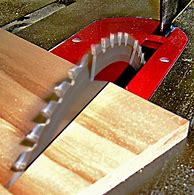
The Basement

In the basement

In the green house

There were all kinds of tools.

My father collected them.

He taught Industrial Arts to teenagers,

And he loved to build things,

And fix things,

And take things apart,

With his own hands.

Sometimes,

We would go down to the basement to visit our father

On the steep staircase,

Stairs that always creaked.

It seemed like the stairs were warning of something.

The smell in the basement was, in large part, sawdust.

There was sawdust in every corner, and in the air.

The table saw was in the middle of the room,

And the jigsaw,

And all of the handsaws in a line hanging from the ceiling.

The floor of the basement was made of concrete

And the walls were painted grey

And it all looked like a bomb shelter.

There were metal exit doors parallel to the floor

At the end of a set of additional steps

And I always thought that these doors were there to let us out

After the dust settled, after the end of the world.

There was a darkroom in the basement, to develop photos,

In black and white and color.

I didn’t like the red light in the darkroom,

Even more so the darkness itself.

And there was a corner of the basement for making bullets

With gun powder and casings.

My father had more than one gun.

Everywhere, my father had Philips head screwdrivers and

Flat head screwdrivers and wrenches and drills in every size.

He had a wood lathe and a metal lathe

And hammers and nails and an anvil screwed to the floor.

There was also a ceramics kiln and a jewelry kiln.

There were clay molds

And a printing press that had to be used carefully,

One letter at a time.

There were all kinds of things in my father’s basement,

Loud noises

And smells that burned the inside of my nose,

Smells like turpentine and sawdust and metal,

And maybe blood, or maybe that was just in my imagination.

not my pictures, but very familiar

בָּמָרתֵף

בָּבַּיִת הָיָרוֹק

הָיוּ כֹּל מִינֵי כְּלֵי עָבוֹדָה.

אָבָּא שֶׁלִי אָסָף אוֹתָם.

הוּא לִימֵד אָמַנוּיוֹת תָעָשִׂייתִיוֹת לְבּנֵי נוֹעָר,

וְהוּא אָהָב לִבנוֹת דְבָרִים,

וְלְתָקֵן דְבָרִים,

וְלְפָרֵק דְבָרִים,

עִם הָיָדַיִים שֶׁלוֹ.

לִפְעָמִים

יָרָדנוּ לָמָרתֵף לְבָקֵר אֶת אָבָּא

בְּמָדרֵגוֹת הָתלוּלוֹת,

מָדרֵגוֹת שְׁכֹּל פָּעַם חָרקוּ.

נִרְאָה שְׁהָמָדרֵגוֹת הִזהִירוּ מִמָשְׁהוּ.

הָרֵיחַ בָּמָרתֵף הָיָה, בְּגָדוֹל, נָסוֹרֶת.

הָייתָה נְסוֹרֶת בְּכֹּל פִּינָה, וְבָּאָוִויר.

הָמָסוֹר שׁוּלחָן הָיָה בְּאֶמצַע הָחֶדֶר,

וְהָמָסוֹר פָּאזֶל,

וְכֹּל מסוֹרֵי הָיָדנַיִים בְּשׁוּרָה וְתָלוּי מְהָתִקרָה.

הָרִצפָּה שֶׁל הָמָרתֵף הָייתָה עָשׂוּיָה מִמֶלֶט

וְהָקִירוֹת נִצבְּעוּ בְּאָפוֹר,

וְהָכֹּל נִראָה כּמוֹ מִקלָט.

הָיוּ דלָתוֹת יְצִיאָה מִמָתֶכֶת מָקבִילִם לָרִצפָּה

בְּסוֹף סֶט מָדרֵגוֹת נוֹסָף

וְכֹּל הָזמָן חָשָׁבתִי שְׁהָדלָתוֹת הָאֵלֶה הָיוּ שָׁם לְשָׁחרֵר אוֹתָנוּ

אַחָרֵי שְׁהָאַבָק שָׁקָע, אָחַרֵי סוֹף הָעוֹלָם.

הָיָה חֶדֶר חוֹשֶׁך בָּמָרתֵף, לִפִיתוֹחַ תְמוּנוֹת,

בְּשָׁחוֹר לָבָן וְגָם בְּצֶבָע.

לֹא אָהָבתִי אֶת הָאוֹר הָאָדוֹם בָּחָדָר הָחוֹשֶׁך,

עוֹד לֹא אֶת הָחוֹשֶׁך עָצמוֹ.

וְהָייתָה פִּינָה בָּמָרתֵף לְהָכָנָת כָדוּרִים

עִם אָבָקָת רוֹבָה וְתָרמִילִים.

הָיוּ לְאָבָּא יוֹתֵר מְאֶקדַח אֶחָד.

בּכֹל מָקוֹם, הָיוּ לְאָבָּא מִבגָרִים בְּרֹאשׁ פִילִפּס וְבְּרֹאשׁ שָׁטוּחַ

וְמִפתַחֵי בָּרגִים וְמָקדָחִים בְּכֹּל מִידָה.

הָיָה לוֹ מְחַרטֵת עֵץ וְמְחַרטֵת מַתֶכֶת,

וְפְּטִישִׁים וְמָסמָרִים וְסָדָן מוּברָג לָרִצפָּה.

גָם הָיָה כָּבשָׁן קָרָמִיקָה וְכָּבשָׁן תָכשִׁיטִים.

הָיוּ לוֹ תָבנִיוֹת חִמֵר

וְבֵית דְפוּס שְׁצרִיכִים לְהִשׁתָמֵשׁ בָּה בְּזְהִירוּת,

אוֹת אַחַת בְּכֹּל פָּעָם.

הָיוּ כֹּל מִינֵי דבָרִים בָּמָרתֵף שֶׁל אָבָּא,

רָעָשִׁים חָזָקִים

וְרֵיחוֹת שְׁצָרבּוּ אֶת הָחֵלֶק הָפְּנִימִי שֶׁל הָאָף שֶׁלִי,

רֵיחוֹת כְּמוֹ טֶרפַּנטִין וְנְסוֹרֶת וְמָתֶכֶת,

וְאוּלַי דָם, אוֹ אוּלַי זֶה הָיָה רַק בָּדִמיוֹן שֶׁלִי.

If you haven’t had a chance yet, please check out my novel, Yeshiva Girl, on Amazon. And if you feel called to write a review of the book, on Amazon, or anywhere else, I’d be honored.

            Yeshiva Girl is about a Jewish teenager on Long Island, named Isabel, though her father calls her Jezebel. Her father has been accused of inappropriate sexual behavior with one of his students, which he denies, but Izzy implicitly believes it’s true. As a result of his problems, her father sends her to a co-ed Orthodox yeshiva for tenth grade, out of the blue, and Izzy and her mother can’t figure out how to prevent it. At Yeshiva, though, Izzy finds that religious people are much more complicated than she had expected. Some, like her father, may use religion as a place to hide, but others search for and find comfort, and community, and even enlightenment. The question is, what will Izzy find?

Our Imperfect Canopy of Peace

            After Rosh Hashanah and Yom Kippur – the big Jewish holidays where even unaffiliated Jews go to synagogue, or fast for a day, or at least eat brisket in a nod to tradition – comes Sukkot, the holiday where Jews build huts in their yards and eat under the stars for a week. This used to be the biggest Jewish holiday of the year, back in ancient Israel. It was a celebration of the harvest, with everyone traipsing to Jerusalem to see and be seen. Today, among liberal Jews in America, Sukkot doesn’t get much attention, coming as it does four days after Yom Kippur, when everyone is sick of being Jewish, or at least of going to synagogue. And that’s unfortunate, because Sukkot is meant to be a happy holiday, with Sukkah Hops (visiting everyone else’s sukkot/huts to eat cake and cookies and just hang out and gossip), and waving palm fronds, and sniffing citrons (etrogim), and all kinds of weird traditions that keep things interesting and happily silly.

            But a year after the October 7th Hamas attack on Israel, which took place during the later days of the holiday of Sukkot, celebrations of the holiday are more complicated. It’s hard to celebrate when Israel is at war (with Hamas, Hezbollah, the Houthis, and, ultimately, of course, with Iran), 101 hostages are still being held in Gaza, and antisemitism is rising around the world. But celebrating Sukkot is an obligation, and one of the other names for this holiday is Zman Simchateinu (the time of our happiness), so we are obligated not only to go through the motions of erecting a sukkah and saying the blessings over the Lulav and Etrog, but to find moments of true joy as well.

Lulav and etrog

            At my synagogue, we build a sukkah each year (well, someone builds it), and we try to have as many services and events and classes as possible in the sukkah, in order to give everyone a taste of the holiday, since most of us aren’t building our own sukkot at home. And at the synagogue school, we try to make a big deal out of the sukkah in the courtyard, and to engage the students in seeing the holiday through different perspectives. This year’s theme is looking at the connection between the sukkah we build for the holiday of Sukkot, and the more figurative Sukkat Shalom, or Canopy of Peace, that we sing about each week in the Hashkivenu prayer at Friday night services.   The most obvious connection is the word “sukkah,” which can be translated to mean booth or hut, as it is for the holiday of Sukkot, or canopy, as it is in the Hashkivenu prayer, where we ask God to cover us with a canopy of peace; but even more so this year, we are looking for a connection, or hoping for a connection, between these days of Sukkot and peace.

In Leviticus 23:41-43, we are told that living in a sukkah for a week each year is a reminder of the Exodus from Egypt, and the forty years our ancestors spent in the desert afterwards before entering the promised land. But, given that we remember the splitting of the Sea of Reeds in our daily prayers, and spend the whole week of Passover remembering the Exodus from Egypt, the fact that Sukkot is also a time for remembering the Exodus is often forgotten, in favor of the lulav and the etrog and the sukkah and all of the food. But this is a Jewish holiday, and there is no such thing as a simple Jewish holiday; even at a Jewish wedding we manage to remind ourselves of tragedy (stepping on the glass to remember the destruction of the temple in Jerusalem, and/or to scare away evil spirits). So, it’s not surprising that even during this holiday of happiness, even during a year when we’re not in mourning, we are still called to reexperience suffering.

The sukkah, which really looks ridiculous if you think about it, with its open door and barely covered roof, is a representation of the fragility of life and our imperfect safety in the world, and in both of those ways it is meant to remind us of our dependance on God. And yet, we are commanded to enjoy life in this sukkah, and invite friends and strangers inside to eat with us. We are called to practice creating joy even in the midst of difficulty, because that’s a time when it feels unnatural but is essential to remember that joy is possible.

a sukkah

And I think that may also be the lesson with our Sukkat Shalom, our figurative canopy of peace: that even with God’s protection our lives will be imperfect, and our experience of peace will be imperfect, and temporary.

            And that sucks. I have always wanted to believe in a future filled with an idyllic peace – a world full of comfort and kindness and all of our needs being met – despite never actually experiencing such a thing; even the hope of such peace in the future has been enough to keep me going. But what if this imperfect peace, filled with moments of suffering and fear and open doors and leaky roofs, is the only kind of peace that’s really possible? What if our prayers for peace have already been answered, but because we were looking for something more perfect we can’t recognize it?

We tend to think of peace as an absolute: we are either at peace or at war. But what if peace is complicated, or exists along a spectrum? American Jews are facing a dramatic rise in antisemitism, and grief and confusion and anger over what’s happening in Israel, but even before October 7th peace in Israel and for American Jews was never perfect (Israel was in the middle of yet another ceasefire with Hamas when the attack occurred, after all, and the past few years in America have not been free of antisemitic acts by any means). There is no time in history free of all difficulty. And maybe these holidays, which we are obliged to celebrate every year no matter what circumstances we are living through, are not about keeping us on our guard, or depressed about our lack of safety, but to teach us that even in an imperfect world we can, and must, live our lives as joyfully as possible, as fully as possible.

            It’s a hard lesson to learn, and even harder to teach, honestly. But Sukkot gives us a yearly opportunity to practice living in and appreciating an imperfect peace. We can sit in our fragile shelter and feel the chill in the air and watch our napkins fly off the table, and still eat good food and laugh with our friends and sing together, feeling gratitude for what we have, and grief for what we don’t have, at the same time.

Feeling multiple things at once isn’t the only lesson of Sukkot, but it might be the most useful one for this particular moment in Jewish history. And, it may actually be the key to all of the other life lessons we want our students to learn. We often think of resilience and mental health as the ability to focus only on the positive, but in reality, resilience is the ability to accept life as it is, and continue on. Like it says in Ecclesiastes, there’s a time for everything, a time to plant and time to uproot, a time to mourn and a time to dance, a time for peace and a time for war. We are meant to live in all of it, eyes open, taking it in and seeing it for what it is. And even, or most importantly, saying a blessing over what we see.

If you haven’t had a chance yet, please check out my novel, Yeshiva Girl, on Amazon. And if you feel called to write a review of the book, on Amazon, or anywhere else, I’d be honored.

            Yeshiva Girl is about a Jewish teenager on Long Island, named Isabel, though her father calls her Jezebel. Her father has been accused of inappropriate sexual behavior with one of his students, which he denies, but Izzy implicitly believes it’s true. As a result of his problems, her father sends her to a co-ed Orthodox yeshiva for tenth grade, out of the blue, and Izzy and her mother can’t figure out how to prevent it. At Yeshiva, though, Izzy finds that religious people are much more complicated than she had expected. Some, like her father, may use religion as a place to hide, but others search for and find comfort, and community, and even enlightenment. The question is, what will Izzy find?

The Dreaded High Holidays

            I hate the high holidays. I hate the focus on repentance, and the large crowds at the synagogue, and all of the standing, and having to dress up, and the depressing Eastern European music, and the endless communal guilt. I would much rather spend the time watching a Father Brown marathon.

            But I pushed myself to join the choir anyway (which, at my synagogue, mostly sings during Rosh Hashanah and Yom Kippur and not much the rest of the year), and each year I push myself to go to as many of the rehearsals as possible, even though I’m tired by 8 pm (which is when choir rehearsals always start). And I push myself to get up early for the morning services on Rosh Hashanah and Yom Kippur, and wear something other than a t-shirt and jeans, and stand and sit and stand for hours. And, I resent it, every year. I especially hate the emphasis on all of the sins we are presumed to have committed over the past year, as if I wasn’t already spending many hours each day combing through my life for my actual sins and trying to correct them.

            So, why do I go? Because it’s an obligation; because of FOMO (fear of missing out); because this is the one time each year when I get to see all of the people who rarely come to Friday night services; because I’d be lonely sitting at home knowing everyone else is there.

            And, because I love to sing. Music is such a mystery to me, because even when it’s imperfect or depressing, it is still, also, transcendent. It connects me with other people; even with people I might otherwise have nothing in common.

            Do I believe, or agree with, every word in every prayer we sing over the high holy days? Not at all. Is it meaningful to me to think of God as a judge or a king, doling out forgiveness for sins I’ve never even committed? Nope. But when those words that mean so very little to me, and even piss me off, are put to music, they are transmogrified into something new and my body becomes one of the instruments producing and receiving and echoing sound. This imperfect body of mine, that feels so much pain and that I feel so self-conscious about, becomes a vessel for transcendent sound for a little while every year, and that only works if my body is in the room with all of the other bodies.

            I wish we could all come together for happier occasions, and sing Israeli pop songs, or  just tell stories and laugh together, but for some reason, when everyone sat down to decide which holidays were going to be the most important ones on the Jewish calendar, they chose Rosh Hashanah and Yom Kippur (at least after the destruction of the second temple in 70 CE, before then the most important holidays were Sukkot, Passover and Shavuot, weeklong festivals to celebrate harvests – more about Sukkot next week). So, why did my ancestors decide that the most important days of the year were the ones where we have to pound our chests and asks for forgiveness and beg God for another chance? I have no idea. But most of the Jews who go to synagogue on Rosh Hashanah and Yom Kippur, and not once the rest of the year, pay expensive yearly dues for the privilege. And they seem to think it’s worth the cost.

            Maybe they’re there for the music too, and how it feels to be in a room full of people singing together, no matter what they happen to be singing. Or maybe they don’t realize that there are (much) happier holidays on the Jewish calendar that they could be celebrating with their congregation. Or maybe my people just really love repentance. It doesn’t matter. The decision has already been made, and I can either be there with them, or stay home alone. So, I go. Every year. And I sing, every year. And I whine and complain and need long naps to recover afterwards every year. And I wouldn’t miss it for the world. 

If you haven’t had a chance yet, please check out my novel, Yeshiva Girl, on Amazon. And if you feel called to write a review of the book, on Amazon, or anywhere else, I’d be honored.

            Yeshiva Girl is about a Jewish teenager on Long Island, named Isabel, though her father calls her Jezebel. Her father has been accused of inappropriate sexual behavior with one of his students, which he denies, but Izzy implicitly believes it’s true. As a result of his problems, her father sends her to a co-ed Orthodox yeshiva for tenth grade, out of the blue, and Izzy and her mother can’t figure out how to prevent it. At Yeshiva, though, Izzy finds that religious people are much more complicated than she had expected. Some, like her father, may use religion as a place to hide, but others search for and find comfort, and community, and even enlightenment. The question is, what will Izzy find?