Tag Archives: Israel

God as a Metaphor

            A few years ago, Rabbi Toba Spitzer came out with a book called God is Here: Reimagining the Divine, which delves into the metaphors we use to help us discover God. I haven’t finished reading the book, so don’t tell me how it ends, but what has stood out for me so far is how we rely on metaphor to give us a sense of who, what, and how God might be, just like we use metaphors to help us understand emotions and ideas that we can’t describe in any other way. These metaphors are often treated as literal descriptions by many religious people, as if we are watching a play about the world and God is playing all of the roles. And, to be honest, I don’t believe I can know God with any certainty, or that God is literally an anthropomorphic being. But there are metaphors for God that reach me on a deep level, and that seem to help me tap into the “God energy” within myself and/or in the world around me.

            The Toba Spitzer book has been sitting on my shelf for a while, filled with sticky notes and other place markers, because it is too rich to read all at once, but it came back to mind recently while I was listening to Ishay Ribo, a religious Israeli singer who has become very popular among religious and secular Israelis, and Jews around the world, for singing popular music that is full of metaphors for God, with lyrics that are often pulled directly from traditional Jewish prayers. It is surprising, and also not surprising, that his music has crossed over into the secular world, among people who would say that they are agnostic at best, and would scoff at the idea of an anthropomorphic God who actually intercedes in our lives. And yet, the music has meaning and power for them too. Why?

             I’ve always heard these metaphors for God in Jewish prayer: God as nature – wind, rain, tides, sun, moon, trees. God as warrior. God as provider. God as lover and beloved. God as teacher. God as judge, magistrate, accountant, social worker. God as rock, redeemer, savior. God as breath, spirit, life itself.

            But what I realized as I listened to these metaphors as they are used in Ishay Ribo’s songs, is that the metaphor is really about the nature of our relationship with God, rather than a way of describing God him/her/itself. If God is a Shepherd, then we are the wayward flock. If God is a king, then we are the dependent subjects. If God is a mother, we are her children in need of comfort and nurturance and protection. If God is the teacher, we are the students, looking for knowledge and wisdom. If God is the doctor, we are the patients in need of healing. The metaphor for God that we find most meaningful in any instance will depend on how we see ourselves in that moment, and what we are longing for that we can’t find elsewhere.

            I decided to do a deep dive into some of the songs, or at least use Google Translate to see what I’ve been singing along to all this time, and I found a lot of familiar metaphors for God. In one of Ishay Ribo’s songs, Tocho Retzuf Ahava (He is filled with love), he says of God: “He never turns a blind eye from the sheep of his pasture,” meaning, we are the wayward sheep longing to have someone keep us safe from harm, and especially from our own mistakes, like a shepherd would do with his flock. In another lyric, he sings, “Even when we’re broken vessels, we are still his precious vessels,” which really resonates for me. Whether we are thinking about God or not, the deep need to feel loved and cherished, especially when we feel broken, is something we all share. And then there’s the magic of God, or the alchemy ascribed to God’s power: “In the future [God] will give glory in exchange for ashes, the oil of joy will replace our grief, a shroud of glory will replace a heavy spirit.” Who doesn’t want to believe that God, or fate, or someone, will eventually step in and make things better. You don’t have to believe in God in order to long for that spark of hope when you’re feeling hopeless.

            In his song, LaShuv HaBaita (To Return Home), Ishay Ribo sings: “The time has come to wake up, to leave everything, to overcome, to return home,” and though I know, intellectually, that he is referring to a return to God and Jewish practice, the metaphor of returning home has power for me anyway. And the idea that, “Even if we’ve done something wrong, he forgives and pardons,” feels like a prayer for how the world, or our loved ones, will respond to us. And, “He reaches out a hand to help, and gives, with mercy, the power to correct and fix ourselves and return to him.” I don’t have to believe in an all-powerful God to be comforted by the image of someone who will help me help myself. And I don’t have to see that help as coming from God. I can replace God with friends, teachers, parents, and mentors, in my mind, and be just as comforted.

            I watched an interview with Ishay Ribo on YouTube recently, in Hebrew and without subtitles so I may have misunderstood, but the message I took from it was that he knows his music is reaching more than just believers in God and or orthodox Jews in particular, and that that’s intentional. The words he sings are meaningful to him because he’s using the language that comes most naturally to him, but he is expressing universal experiences of doubt, pain, anger, hope, longing, and joy. And if you want to call all of that God, fine, and if not, that’s fine too. To be fair, Ishay Ribo probably wouldn’t say it that way, exactly, but I think he would agree that it’s the connection between human beings that holds so much power in his songs, and in his singing.

If the energy that connects us is God, or just our own energies radiating outward, what does it matter, as long as we are, eventually, connected? These metaphors have lasted millennia and have held power for the people who have used them, because they help us to describe parts of our internal landscape that are otherwise left in shadow. The metaphors allow us to see and feel and talk about states of longing and pain and hope that otherwise are left unspoken, and that is why they are so healing.

It’s true that, at times, when I sing along to these songs, or take part in Jewish prayer services, I will notice a line about God as father or God as Shepherd and roll my eyes a little bit at the idea that God would literally be any or all of these things. But most of the time, I just close my eyes and feel deeply heard, and comforted, and seen. And I’m not alone.

Ishay Ribo and the Solomon Brothers, LaShuv HaBaita in English and Hebrew: https://youtu.be/WZ6HvzFh7js?si=F6AIRcWu1XOf3smL

Some of Ishay Ribo’s songs in Hebrew:

HaLev Sheli: https://youtu.be/6U_5KhaH6IM?si=Hl_wcxj0TVhKrMCR

LaShuv HaBaita: https://youtu.be/Y30pfWIQfoo?si=Ly0Wz1qWrltC5dzY

Tocho Retzuf Ahava: https://youtu.be/fQRgX3ivUKU?si=YcFnd-2El0GIzqpj

If you haven’t had a chance yet, please check out my novel, Yeshiva Girl, on Amazon. And if you feel called to write a review of the book, on Amazon, or anywhere else, I’d be honored.

            Yeshiva Girl is about a Jewish teenager on Long Island, named Isabel, though her father calls her Jezebel. Her father has been accused of inappropriate sexual behavior with one of his students, which he denies, but Izzy implicitly believes it’s true. As a result of his problems, her father sends her to a co-ed Orthodox yeshiva for tenth grade, out of the blue, and Izzy and her mother can’t figure out how to prevent it. At Yeshiva, though, Izzy finds that religious people are much more complicated than she had expected. Some, like her father, may use religion as a place to hide, but others search for and find comfort, and community, and even enlightenment. The question is, what will Izzy find?

Hebrew Practice Groups

            At our first professional development of the year, we were asked which sound most characterized our summer, and I realized that mine was laughter, because the laughter in my online Hebrew class this summer was constant, even when we were on mute and could only see each other’s laughing faces. We became a tight knit group, with our young Israeli teacher, able to cover all of the emotional ground that came our way, without ever getting too depressed, because we knew we would be laughing again soon.

            But actually, I spent even more time in Hebrew practice groups this summer than in the class itself, because I had the time and because I finally felt like I could handle the social anxiety that comes with meeting so many strangers and making mistakes in front of them. It was all under the safe canopy of the same online Hebrew language program as my class, but in the practice groups I was meeting dozens of people from different Hebrew levels, and time zones, and ages and cultures.

            There are so many strange topics for discussion in the practice groups. Of course there are the standards: favorite food, favorite movie, what would you bring to a desert island. But then they start to get creative: what’s the weirdest food you’ve ever eaten (Ptcha – calf’s foot jelly); how would you solve global warming? (teach everyone how to fly: Laoof, like a bird, instead of Latoos, on a plane); how many languages can you speak (this one gets very competitive, and more than a few people have tried to count Spanish because they know how to say “Hola.”)

“I can teach you how to fly, if you want.”

            But we are always free to talk about something else in the breakout rooms, as long as we say it in Hebrew, so I’ve had long conversations about my dogs, or teaching, or growing up Jewish on Long Island. And if we’re pretty sure the teacher isn’t about to pop into the breakout room, we can discuss our favorite and least favorite teachers. You’d be amazed how diligently we can stick to Hebrew in the midst of a good gossip session. Because, you know, we’re studying here. We take it very seriously.

            The way the teachers lurk in the breakout rooms is always a topic of conversation. First of all, because they just appear and disappear without warning, like spies. But also, they keep their cameras off, as if we’re supposed to pretend they’re not really there. So, if I make a point of saying hello to the other students in the breakout room and don’t specifically say hello to the teacher, a disembodied voice might say, “Whatever, I’m not here, just ignore me,” which means, Hey, how dare you ignore me!

            Sometimes we’ll talk directly to the teacher – or to the box on the screen with the school logo on it – and ask for the Hebrew word for this or that, and the teacher will pop up on screen to answer “in person.” One time, a friend of mine asked her question, got her answer, and then said, “okay, you can go back into your little box now.”

            We get to meet a lot of teachers in the practice groups and see what their styles are – how they do corrections, how rigidly (or not) they follow their lesson plans, whether or not they have a sense of humor – and I’ve been able to get a much better idea of what works for me and what doesn’t, so that when a teacher’s style starts to get on my nerves, or leaves me feeling stupid, I’m less likely to assume it’s my fault (but only a little less likely).

            Our young Israeli teachers have also introduced us to something called pitzuchim – which literally translates to cracking nuts or seeds, but is used in Hebrew to refer to the way Israelis are always trying to figure out where they might know each other from (among American Jews this is called Jewish geography). It turns out that a lot of the teachers and students in the program have connections, through second cousins or long lost neighbors or who knows what else. So far, though, I have cracked no nuts or seeds on these zooms, which is kind of disappointing. Getting to Israel would be so much easier if I discovered a long lost wealthy relative with an empty apartment by the beach.

(Not my picture)

            This time spent in breakout rooms used to be the most stressful part of practice groups for me, and the reason why I avoided them so assiduously for years, but now, after the first few twinges of anxiety, I’ve come to really enjoy hearing everyone’s stories, and I’m less self-conscious about my broken Hebrew (though I still feel grumpy each time I make a mistake, which happens often).

            The most stressful part for me now is when we have to translate sentences from English to Hebrew, often using words I haven’t practiced recently (because I’m visiting practice groups at different levels from my own); but I’m getting used to laughing at my mistakes, and I’ve noticed that when I screw up, and laugh at myself, other people start to relax about their own mistakes. It’s almost like I’m doing a service.

            In some of the practice groups, after we go over some grammar from previous levels, we’ll read short articles together, or even just headlines, from online Hebrew language newspapers – often about food or travel or popular culture, so we can learn words we wouldn’t come across in class, like how to say “laundering money” in Hebrew. The words that are hardest to read in these articles are often borrowed from other languages. So, more often than not, our Israeli teachers will start to giggle when we can’t figure out how to pronounce “Mexico,”when it’s written in Hebrew letters.   

One of the lowest stress exercises that we do in practice group – though I can make anything feel stressful without really trying – is when the teacher puts an article on the screen and instead of asking us to read, and, God forbid, translate it, we just have to find one word at a time. It reminds me of being in first grade or so and realizing that there were English words I could just recognize on the page, without needing to sound them out, because they had become so familiar to me just by their shape.

            As a result of all of this time in the practice groups, I sometimes hear myself speaking in Hebrew, without having planned what to say ahead of time; the words just come out of my mouth, and I kind of look around the room, wondering who said that.

            And, really, during a summer where, aside from Mom, most of my in-person human interactions were at supermarkets or doctors’ offices, these practice groups gave me the chance to meet and chat with and learn from dozens of real people, who are fascinating and funny and weird and challenging. It’s still strange to me how real a community can feel, even when it only exists online; but in a way, the boundaries created by the computer (of time, and purpose, and mute buttons) creates a sense of safety that allows me to say what I really mean more often. Now, if only I could translate those safe boundaries into the real world…

“Pfft. Who needs the real world?”

If you haven’t had a chance yet, please check out my novel, Yeshiva Girl, on Amazon. And if you feel called to write a review of the book, on Amazon, or anywhere else, I’d be honored.

            Yeshiva Girl is about a Jewish teenager on Long Island, named Isabel, though her father calls her Jezebel. Her father has been accused of inappropriate sexual behavior with one of his students, which he denies, but Izzy implicitly believes it’s true. As a result of his problems, her father sends her to a co-ed Orthodox yeshiva for tenth grade, out of the blue, and Izzy and her mother can’t figure out how to prevent it. At Yeshiva, though, Izzy finds that religious people are much more complicated than she had expected. Some, like her father, may use religion as a place to hide, but others search for and find comfort, and community, and even enlightenment. The question is, what will Izzy find?

Two More Poems

            I recently went to a zoom presentation on Modern Israeli poetry, and both the presentation and the poetry were down to earth and unpretentious and grounded in daily life in a way that made me think, hmm, maybe I am writing real poetry after all, and not just noodling around. I was even more encouraged to find out that, for poetry as opposed to for everything else, Israelis use the vowels under the letters (Nikud in Hebrew) to make sure each word is read correctly, and because it looks cool. The thing is, I grew up learning Hebrew with the vowels intact, and trying to get used to Israeli newspapers and blog posts and books, where there is no Nikud and you have to guess at the pronunciation of new words, has been breaking my brain.

            I gave up on writing poetry in English a long time ago, after a lot of rejection, mostly from classmates who thought I was crap at it. But writing poetry in Hebrew seems to bypass a lot of that noise in my head. I’m still self-conscious, of course, and I worry that I’m going to depress people, or that my Hebrew is less real Hebrew than my own invention. But whereas when I try to write poetry in English the words just drip drip like a leaky faucet, in Hebrew they come out with more force, as if they actually have something they want to say.

            I’m not sure if these two poems are finished. In fact, I’m pretty sure they’re not, despite many edits, but I wanted to reward myself a little bit for trying to write them at all, so I’m sharing them here. And then sharing links to some actual Israeli poetry, in English Translation.

הכאבים שלי

כּוֹאֶבֶת לִי הַבֶּטֶן.

אוּלַי זֶה נִגְרָם מְהַתרוּפוֹת

נֶגֶד הַחָרָדָה, נֶגֶד הַדִיכָּאוֹן,

נֶגֶד כֹּל הַכְּאֵבִים הַאַחֵרִים,

אוֹ אוּלַי זֶה נִגְרָם מְהַפָּסטָה שְׁאַכַלתִי בַּצַהַרַיִים.

כּוֹאֵב לִי הַגַב

כּאִילוּ מִישׁהוּ בַּעַט בִּי,

אַבַל אַנִי לֹא זוֹכֶרֶת אֶת הַמָכּוֹת,

אוֹ לָמָה מִישֶׁהוּ הָיָה רוֹצֶה לִפגוֹעַ בִּי.

כּוֹאַבוֹת לִי גַם הַכּתֵפַיִים וְהַמוֹתְנַיִים

וְהַבִּרכַּיִים וְהַקַרסוֹלַיִים

כּאִילוּ מִישׁהוּ מְנָסֶה לְפָרֵק אוֹתִי

כּמוֹ עוֹף מְבוּשָׁל.

כּוֹאֶבֶת לִי הָנְשָׁמָה

אַבַל עַל זֶה אֵין לִי מִילִים.

אַנִי מְפַחֶדֶת שְׁאִם כֹּל הַכְּאֵבִים הַיוּ מִתְרַחְשִׁים בְּבַת אַחַת

לֹא הַיִיתִי מְסוּגֶלֶת לִשׂרוֹד.

מָזָל שְׁכֹּל יוֹם יֵשׁ לִי רַק חֵלֶק מִכֹּל הַכְּאֵבִים

וְאַנִי יְכוֹלָה לִקְפּוֹץ מִכּאֵב לְכּאֵב

כְּמוֹ צפַרְדֵעַ שְׁמְדַלֶגֶת עַל פּנֵי הַמַיִם

וְלְעוֹלָם לֹא נוֹפֶלֶת פְּנִימָה.

אוּלַי יוֹם אֶחַד אַנִי אַרגִישׁ אֶת כֹּל הַכְּאֵבִים בְּאוֹתוֹ זמַן,

וְבַּיוֹם הַהוּא,

אַנִי מְקַוָוה,

שְׁאִם הַיִיתִי נוֹפֶלֶת לְתוֹך הַמַיִם

בָּסוֹף, הַיִיתִי מְסוּגֶלֶת לִשְׂחוֹת.

My Pains

My stomach hurts,

maybe from the medications

against anxiety, against depression

against all the other pains,

or maybe from the pasta I ate in the afternoon.

My back hurts,

as if someone kicked me.

But I don’t remember the beating,

or why someone would want to hurt me.

My shoulders and hips and knees and ankles

also hurt,

as if someone is trying to take me apart

like a cooked chicken.

My soul hurts,

but about that I have no words.

I’m afraid that if all of these pains

took place at the same time,

I wouldn’t be able to survive.

Thank God, each day I only feel some of the pain,

and I can jump from pain to pain,

like a frog skipping over the surface of the water,

and never falling in.

Maybe one day I will feel all of the pain

all at once.

And on that day,

I hope,

if I fell into the water,

in the end I would be able to swim.

אני כמו אבן

לִפְעַמִים,

אַנִי מָרגִישָׁה כּמוֹ אֶבֶן כִּי אַנִי לֹא יָכוֹלָה לָצוּף.

נִראָה לִי שְׁהָאַוִויר סבִיבִי מָלֵא

בְּמָחשַׁבוֹת וְכּאֵבִים וְחַרַדוֹת,

שְׁיוֹצְרִים חוֹמָה שׁקוּפָה

מָחזִיקָה אוֹתִי בָּמָקוֹם.

לִפְעַמִים,

אַנִי מָרגִישָׁה כּמוֹ אֶבֶן

שְׁתָמִיד נוֹפֶלֶת עָמוֹק יוֹתֵר

לְתוֹך הָמַיִם הָשׁחוֹרִים.

יוֹם אַחַרֵי יוֹם,

אַנִי מְנָסָה לְהַפסִיק לִיפּוֹל

וְלִמתוֹחַ מֵעֵבֶר לָחוֹמָה הַשׁקוּפָה.

הַעָבוֹדָה הַזֹאת מְתִישָׁה

וְבִּלתִי נִראֵית מִכּוּלָם מִלְבַדִי.

אוּלַי בְּקָרוֹב,

אוֹ בַּסוֹף,

אַנִי אַצלִיחַ בָּעָבוֹדָה הַקָשָׁה שֶׁלִי

וְאִנִי אוּכַל לְהַרגִישׁ יוֹתֵר כְּמוֹ צִיפּוּר

שְׁעוֹמֶדֶת גַבוֹהַה

עִם כְּנָפַיִים פּרוּשׁוֹת

מוּכן לַעוּף.

I am like a Stone

Sometimes,

I feel like a stone because I cannot float.

It seems like the air is full

of thoughts and pain and anxieties

that create a transparent wall around me

that keeps me in place.

Sometimes,

I feel like a stone that is always falling deeper

into the black water.

Day after day,

I try to stop falling,

and to stretch beyond the transparent wall.

This work is exhausting

and invisible to everyone but me.

Maybe soon,

or in the end,

I will succeed in my difficult task,

and I will be able to feel more like a bird

who stands tall

with wings outstretched,

ready to fly.

Some Israeli poetry to try:

Yehuda Amichai – https://allpoetry.com/An-Arab-Shepherd-Is-Searching-For-His-Goat-On-Mount-Zion, https://allpoetry.com/poem/8513161-Jerusalem-by-Yehuda-Amichai, https://allpoetry.com/The-Diameter-Of-The-Bomb

Maya Tevet Dayan – https://www.worldliteraturetoday.org/2021/winter/land-maya-tevet-dayan

If you haven’t had a chance yet, please check out my Young Adult novel, Yeshiva Girl, on Amazon. And if you feel called to write a review of the book, on Amazon, or anywhere else, I’d be honored.

            Yeshiva Girl is about a Jewish teenager on Long Island, named Isabel, though her father calls her Jezebel. Her father has been accused of inappropriate sexual behavior with one of his students, which he denies, but Izzy implicitly believes it’s true. As a result of his problems, her father sends her to a co-ed Orthodox yeshiva for tenth grade, out of the blue, and Izzy and her mother can’t figure out how to prevent it. At Yeshiva, though, Izzy finds that religious people are much more complicated than she had expected. Some, like her father, may use religion as a place to hide, but others search for and find comfort, and community, and even enlightenment. The question is, what will Izzy find?

Srugim, or The Modern Orthodox Singles Scene in Jerusalem

            There’s an Israeli TV show from about ten or fifteen years ago called Srugim that I’d been avoiding for quite a while. Srugim means “knitted,” or “crocheted” and it refers to the kippot (skullcaps) worn by the modern orthodox men featured in the series (I learned how to crochet kippot in Junior high, because girls were supposed to know how to make these for boys. No, really.) Especially in Israel, but also in the United States, you can tell which particular division of Judaism a man belongs to based on whether he’s wearing a crocheted kippah, a black suede or black velvet kippah, a Sephardi kippah (these are actually more like hats and are incredibly beautiful), or a large white kippah, and, of course, if you wear a black hat over your black kippah you are probably ultra-orthodox, but the style of hat will differ depending on which group you belong to. These careful decisions about what to wear on your head allow people to know who’s in the group and who’s an outsider, kind of like how high school students can tell from across a crowded lunchroom who’s in drama club, who’s a jock, and who wants to be the next Mark Zuckerberg.

I’d watched the first episode of Srugim a few years ago, on the recommendation of my best friend from high school who moved to Israel many years ago. We like a lot of the same things, so it surprised me how much I hated this show, or at least that first episode. It wasn’t actually the show overall so much as this one character who just made me angry, and I wasn’t sure if the writers of the show wanted me to like him and tolerate his obnoxious behavior or if they recognized how much of a jerk he was. And, really, I didn’t have the patience to deal with him either way.

            When we got our Chaiflicks subscription (a Jewish streaming service) last winter, I tried to watch that first episode again, because, really, how could my friend love this show and I couldn’t even watch more than one episode? But I still couldn’t tolerate that one guy.

            I kept seeing the show on my watchlist, though, each time I jumped over it to watch something else, and I kept wanting to erase it, but I couldn’t. Finally, a few weeks ago, I decided to try again, this time starting with episode two. And I was hooked! It turned out that the writers absolutely knew this guy was an asshole, and wanted to show how his behavior impacted the people around him, especially the woman who was falling in love with him.  As I watched episode after episode, I realized that the whole point of the show was that these young modern orthodox Jewish singles in Jerusalem are as complex and confused as everyone else, even if their lives looked very buttoned up from the outside.

            Of course, the show is in Hebrew (with English subtitles – before being on Chaiflicks it was on more mainstream American streaming services), so I can tell myself that I’m watching it as homework to help build my Hebrew listening skills.

            The show starts when the main characters are on the brink of being “too old” at age thirty to make good matches in the modern orthodox world (though the age for a good match seems to be rising as women have been going to school and starting professions before marriage).

            Other popular shows recently have focused more on the ultra-orthodox Jewish world (though there are many ultra-orthodox communities and they are not all the same), rather than the modern orthodox, because they live more isolated lives, avoiding popular culture, including television and smartphones. I’m fascinated by those closed worlds too, but the modern orthodox Jewish singles portrayed in Srugim are trying to straddle two worlds, engaging in the modern world of culture and technology and feminism and professional lives, while also trying to maintain religious laws and traditions, and, for me, that’s much more interesting.

            I went to an orthodox Jewish day school (in New York) for Junior high and high school, and I felt like an outsider the whole time, because I could never master all of the rules, let alone believe in them. I kept being overwhelmed by how perfect everyone else seemed to be, on the surface, and how simple and clear their lives looked, with all of their choices made for them.

            It took me a long time to understand that my classmates were struggling just as much as I was, and if anything, they felt more pressure to hide their struggles than I did, and to avoid being judged by their community for the ways they inevitably fell short. Something about watching these characters on Srugim, who are like adult versions of my old classmates, has made me see my old friends (and enemies) more clearly and with more compassion. They get embarrassed too, and feel not good enough sometimes, and get lonely, and struggle to keep all of the rules, or struggle to want to. They can fall for the wrong guy, or be the wrong guy, while still wearing a kippah or keeping kosher and following all of the obvious rules. Being religious doesn’t protect them from life, though for some it is able to offer guidance and comfort along the way.  

            My high school best friend (the one who recommended Srugim) lived in Jerusalem during her twenties, and though she’d told me some of the highs and lows of those years along the way, I didn’t really get it. Her life seemed so clear and straightforward compared to the incoherent chaos and fear I lived with at that time. I took a lot of comfort in the idea that at least she was doing okay. But now I’m getting a fuller picture of what she lived through, with all of the blind dates and coffee meetups and the endless pressure to find “the one” in order to start her real life (aka, having children). I should have known better, given how well I knew her, but at the time I wasn’t up to understanding that everyone’s life is complicated.

            Often, when I only see the Facebook or Instagram versions of orthodox lives (the beautifully baked challah on the perfectly set Shabbat table, all seven kids lined up in age order and well-behaved), I forget that behind those images are real lives, with temper tantrums and burned meals and lost jobs and grief and betrayals.

            There’s something about being a religious Jew that moves me, though Not the way the rabbis are in charge of everything and the rules are so strict, but the way that every event of the day, every simple handwashing or meal or walk, takes on meaning, because it is acknowledged by a ritual or a blessing. I love the way life is meant to be something to treasure: even when you are bored or confused or angry, there’s a prayer or a lesson from the Talmud to help you through it and to acknowledge that this is life and every moment of it, however painful, has value. It’s like a complex piece of music, where each note matters: each pause, each cacophony, each harmony, each predictable scale or unexpected resolution, is an important part of the whole.

            One of the main characters on Srugim goes through her own crisis of faith, partially because she falls in love with a non-religious man, but mostly because she realizes that even though she grew up in the religious world, it doesn’t really fit her, or at least it doesn’t allow for all of who she is. And watching her gradually find her own way forward, while still holding onto the friends who remain in that world, without the show ever judging which way is right or wrong, was really validating. It reminded me of something I’ve known for a long time, but always need to re-learn: being religious isn’t supposed to be a way to hide from the difficulties of life, even if many people try to use it that way, like my father did. Being religious is meant to be a way to help you get through it, and to remember what’s important to you when you are overwhelmed with all of the chaos that keeps pulling you off track.

Friday Night Dinner

Even among the religious characters on the show, each one has their own relationship with the laws they follow, and how deeply they think about their choices, or not; some feel deeply connected to God and some seem to follow all the rules by rote, and the same people can do it all differently at different times in their lives.

I was sure I’d missed a lot on my first binge through the three seasons of the show (I watched 45 episodes in about a week and a half), so I was thrilled when my mom was interested in watching it through from the beginning with me, at a somewhat slower pace. And on second viewing I’m noticing a lot more details, of course, but I’m also feeling more, allowing myself to sit with these characters and their certainties and doubts and their mistakes and their deep love for each other. It feels like these characters are my friends now, even the one I hated at the beginning (though he still pisses me off on a regular basis), and I’m allowing myself to know them as they are, and accept them as they are, without (too much) judgement.

I saw an article online saying that the creator of the show tried to make a sequel a few years ago, showing this same community in the next phase of their lives. I don’t know if anything came of that effort, but if they ever get a chance to make that show, I will be watching.

Srugim trailer – https://youtu.be/zbxgf3cNV4U?si=m7eUiplvnZ6x9a-H

Srugim theme song – https://youtu.be/OrvMH0hQClQ?si=kD4KQP3S7_EL7pUR

If you haven’t had a chance yet, please check out my Young Adult novel, Yeshiva Girl, on Amazon. And if you feel called to write a review of the book, on Amazon, or anywhere else, I’d be honored.

            Yeshiva Girl is about a Jewish teenager on Long Island, named Isabel, though her father calls her Jezebel. Her father has been accused of inappropriate sexual behavior with one of his students, which he denies, but Izzy implicitly believes it’s true. As a result of his problems, her father sends her to a co-ed Orthodox yeshiva for tenth grade, out of the blue, and Izzy and her mother can’t figure out how to prevent it. At Yeshiva, though, Izzy finds that religious people are much more complicated than she had expected. Some, like her father, may use religion as a place to hide, but others search for and find comfort, and community, and even enlightenment. The question is, what will Izzy find?

Watching Movies on Chaiflicks

            This year for my birthday I got a subscription to Chaiflicks, a Jewish streaming service that has movies from around the world (France, Hungary, Germany, South America, the United States, and, of course, Israel). And since there’s almost nothing new on regular TV in the summer, except for news and sports, I’ve been making my way through their movie collection.

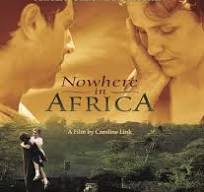
            There was one movie called Nowhere in Africa about a Jewish family who left Germany for Africa just before Kristallnacht (1939), leaving behind family members who still weren’t convinced that Hitler and the Nazis really meant all of the awful things they said they wanted to do to the Jews. The transition to life in Africa was hard for them: the heat, the villagers, the farming and hard labor, and of course the language and culture and food. The movie is based on an autobiographical novel by the daughter of the family, and we get to see a lot of the events through her eyes, both her incredible adaptability and the grief she feels when, after the war ends, the family returns to Germany to help rebuild the country.

Another movie, called Gloomy Sunday, was about a thruple (two men and a beautiful woman) in Hungary during World War II. One of the men is a Jewish restaurant owner and the other is a penniless musician who is hired to play piano in the restaurant. Drama ensues, of course. The musician writes a song that becomes intertwined with a series of suicides, and the Jewish restaurant owner is eventually sent to the camps and killed, despite thinking he had a friend among the Nazis who would protect him. But the ending is satisfying, in a revenge is best served cold sort of way.

            You may be sensing a theme at this point, because many of the non-Israeli movies on Chaiflicks focus on the Holocaust, from many different perspectives. One of the more hopeful stories was about a grandmother in Bordeaux, France who thought her whole family had been murdered in the Holocaust and then she accidentally finds her granddaughter, alive.

The Missing Granddaughter

            There are so many stories that deserve to be told, and have so much to teach us about survival and grief and evil and fighting back, but it’s hard to take it all in.

            One of the non-Holocaust movies we watched was about an event I knew almost nothing about: the bombing of the AMIA Jewish community center in Buenos Aires, Argentina in 1994, which killed 85 people, including children. The movie is called Anita, and focuses on a woman with Downs’s syndrome who is injured in the blast and survives, but gets lost for days, while her brother believes she must have died along with their mother in the explosion. Anita seems to bring out the best in a lot of the people she meets, but not right away. In a strange coincidence, the week after we watched the movie the 1994 bombing was in the news again, because it was the 30th anniversary of the bombing and after a court in Argentina had finally placed blame for the bombing on Iran and Hezbollah, the government vowed to pursue justice.

            We’ll see what else I can learn from Chaiflicks this summer, though I’d really like it if the filmmakers could be more gentle with my prudish American sensibilities and stop randomly showing women’s breasts in every other scene.

            I don’t think I would have had the emotional bandwidth to deal with these movies during the school year, and I feel really lucky to have summers off, not just to rest but also to challenge myself in ways I couldn’t tolerate the rest of the year.

            Of course, I still take tons of breaks to watch Hallmark movies, or to binge one of the great South Korean series on Netflix, so I’m not overdoing it. Don’t worry. I just wish I had more time for all of the things I wanted to do this summer. I’m not ready for it to be August already, with only one month left before school starts again. If anyone knows where I can find one of Hermione’s Time Turners (from Harry Potter) I’d be eternally grateful.

“Is there a doggie streaming channel for me?”

If you haven’t had a chance yet, please check out my Young Adult novel, Yeshiva Girl, on Amazon. And if you feel called to write a review of the book, on Amazon, or anywhere else, I’d be honored.

            Yeshiva Girl is about a Jewish teenager on Long Island, named Isabel, though her father calls her Jezebel. Her father has been accused of inappropriate sexual behavior with one of his students, which he denies, but Izzy implicitly believes it’s true. As a result of his problems, her father sends her to a co-ed Orthodox yeshiva for tenth grade, out of the blue, and Izzy and her mother can’t figure out how to prevent it. At Yeshiva, though, Izzy finds that religious people are much more complicated than she had expected. Some, like her father, may use religion as a place to hide, but others search for and find comfort, and community, and even enlightenment. The question is, what will Izzy find?

Tikkun Olam and Tikkun HaLev

            Over the past few decades, most liberal Jewish congregations in North America have emphasized Tikkun Olam (usually translated as “Repairing the World”), especially the social action/giving-to-charity interpretation of Tikkun Olam, instead of the particular rituals of Judaism. And more recently, many liberal Jews have seen Tikkun Olam as almost interchangeable with progressive American politics, supporting movements like Black Lives Matter, LGBTQ rights, efforts against Climate Change, etc.

(Two Tikkun Olam images I found online)

In a way, this narrowing of American Jewish values down to Tikkun Olam made it easier for parents to explain to their children what it means to be Jewish, though it left a lot out, and also left out a large portion of the Jewish people who, like me, find meaning and solace in the religious aspects of being Jewish, like prayer and study and rituals and history. But, for the most part, my own liberal Jewish congregation was able to bridge the gaps, accommodating the Jews who wanted to have both a particular Jewish identity and to play a role in the repair of the world overall, and I thought that’s what was happening everywhere else too.

Until October 7th. Many American Jews were caught off guard when their fellow progressives saw Israel, and the Jews who supported Israel, as the enemy. These were Jews who had been raised to see progressive politics and being Jewish as basically the same thing, and couldn’t imagine their lives outside of these movements for social change. Over the next weeks and months, many of these Jews felt alienated and abandoned by their fellow progressives, while others took on the anti-Israel values of their friends; maybe because they’d done their own research and found that they agreed with the progressive stance against Israel, or maybe because they knew very little about the long history of anti-Semitism, and the history of why and how the modern state of Israel came to be and didn’t feel like it was worth losing friends over, or maybe because they identified so much more strongly with their fellow liberal Americans than with the eight million Jews living in Israel (mostly refugees from pogroms and then the Holocaust and then from the surrounding Middle Eastern countries, or the descendants of those refugees), who they knew very little about. I don’t know.

But when I heard from Jews who called themselves anti-Zionists, or distanced themselves from their Jewish communities over conflicting views around Israel, in the aftermath of October 7th, what I heard over and over again was that they were living up to the Jewish values they’d been raised with, especially Tikkun Olam, and that made me think that I needed to better understand the concept of Tikkun Olam and where it came from and how it came to be understood the way so many Jews understand it today.

            The first use of the term Tikkun Olam that I could find was in the Mishnah (a commentary on the Hebrew Bible written between 200 and 500 CE), where the rabbis invoked the idea of Tikkun Olam, or repairing the world, when they considered how their legal rulings would impact society overall (by which they meant Jewish society, because that was all they had any control over). Often these legal rulings were focused on small details about how to make the laws clearer and easier to follow. I love the idea that just by making road signs clearer you are improving the world and I love this lower case interpretation of tikkun olam, which basically says that by doing your individual job well, whatever it is, or being patient with others, or taking other people into consideration, you are fulfilling the Mitzvah (good deed or commandment from God, depending on your point of view) of Tikkun Olam.

            Maimonides, a medieval Jewish sage, later defined Tikkun Olam as made up of three specific parts: studying Torah, doing acts of kindness, and following the ritual commandments. Many of the small diaspora Jewish communities over the millennia have practiced Tikkun Olam, but most referred to it by its component parts, defining their efforts to help their fellow Jews, by caring for the poor and disabled and elderly in their communities as act of loving kindness (or G’milut Chasadim in Hebrew), rather than referring to them as acts of Tikkun Olam.

            The concept of Tikkun Olam overall got a boost from Rabbi Isaac Luria and the kabbalists of the 16th century, when they spoke of how God had contracted part of God’s light in order to create the world, and then created vessels into which to pour God’s light, but the vessels weren’t strong enough to hold all of that power and they shattered. The kabbalists determined that, therefore, our role as Jews, or just as human beings overall, is to collect the shards of those vessels and the sparks of God’s light, like a big jigsaw puzzle, in order to repair the world. But the way we collect those divine sparks, they said, was pretty much the same as Maimonides had prescribed: studying Torah, doing acts of kindness, and following the ritual commandments.

             And then, as Jews began to thrive in places like the United States, where they were free to live and work where they wanted to, many of their G’milut Chasadim efforts to help one another (creating hospitals, social work agencies and charities) grew into more universal organizations meant to help all Americans, Jews and non-Jews alike. At the same time, many Jews were also stripping away the particularly Jewish aspects of their identities in order to fit in with the larger American culture, which they were now free to do, and encouraged to do. And many Jewish congregations and organizations therefore made an effort to keep those more marginally connected Jews in the fold by emphasizing the Jewish value of Tikkun Olam, and redefining Tikkun Olam in a way that allowed these less connected Jews to see their charitable giving and political activism as distinctly Jewish and therefore able to be done in place of the old traditions.

            One of the things that started to bother me about the modern take on Tikkun Olam was that it became very prescriptive and rigid. In part because , from what I’ve seen, when people focus their ethical behavior singularly on social activism, at both the left and the right extremes, they begin to harden their hearts as their goals becomes more important than any individual people involved, and their ideals eventually calcify into weapons. Because, really, it takes a lot of self-knowledge to create real empathy with someone else’s struggle, and to know how to be genuinely helpful, and that wasn’t a value that was being emphasized in these social action movements.

            In the midst of my wrestling with this concept of Tikkun Olam, and feeling torn and bruised by the battle, my rabbi happened to mention another phrase that I hadn’t heard before: Tikkun HaLev, which roughly translates to “repairing the heart.” He said it offhand during a bible study session and I wrote it down, without context. When I looked back at my notes, and realized I didn’t know what it referred to, I went to my friend Google to find out. But I only found a few references, most of which emphasized that repairing the heart is a way to improve your ability to practice repair of the world. I struggled to find any references to what the rabbis themselves meant by the term, or if they had even used it. So I went back to my rabbi and asked him what he’d been referring to when he talked about Tikkun HaLev, and he didn’t even remember saying it, let alone what he’d meant by it.

What all of that said to me was that I was free to translate Tikkun HaLev however I wanted. I could envision a little stick figure character with a broom sweeping the dirt away from a big red heart, or I could imagine a heart-shaped character lifting weights at the gym, or getting surgery, or at least stitches. Or, I could think of the kind of work I’ve been doing in therapy forever, which is about healing my own pain and, only as a side effect, growing my ability to have compassion for others. But the most enduring image that came to mind when I thought of repairing the heart was of the hundreds of times my mom picked up a dog toy from the floor, where its fluffy white guts were spilling out after yet another vigorous play session, and gently re-stuffed and resewed that beloved toy, so that whichever dog it belonged to could continue to play with it and love it.

Miss Ellie, surrounded by her repaired toys.

            If I were going to create my own practice of Tikkun HaLev, or repairing the heart, I would focus on the small details that I actually have some control over, and the ways that fixing those small things improves not just my own life but the lives of the people around me. I can smile at a neighbor, pet a dog, plant a tree, or a flower, practice being patient when a friend tells a rambling story, and take the time to listen and make eye contact when someone needs to complain about the cost of medication. And adding repair of the heart into my vision of how to repair the world could also allow me to be more humble in my assumptions about what needs to be done and what is actually possible.

            In my own version of all of this, I would also want to include outward signs of my Jewish identity, to remind myself and others that being proud of my Jewishness doesn’t mean that I reject the modern and secular world at large, that I can value both at the same time. But that’s just me.

            We are at a point in history where the need to repair our world has become obvious to almost everyone, and we have many different ideas for how that repair should be done. My hope is that we can take some of this energy to repair our hearts as well, and to grieve our losses, and try to be more generous, to ourselves and others, as we go through this process together.

“Shh. Don’t tell anyone I’m up here on the computer. I don’t like the idea of surgery.”

If you haven’t had a chance yet, please check out my Young Adult novel, Yeshiva Girl, on Amazon. And if you feel called to write a review of the book, on Amazon, or anywhere else, I’d be honored.

            Yeshiva Girl is about a Jewish teenager on Long Island, named Isabel, though her father calls her Jezebel. Her father has been accused of inappropriate sexual behavior with one of his students, which he denies, but Izzy implicitly believes it’s true. As a result of his problems, her father sends her to a co-ed Orthodox yeshiva for tenth grade, out of the blue, and Izzy and her mother can’t figure out how to prevent it. At Yeshiva, though, Izzy finds that religious people are much more complicated than she had expected. Some, like her father, may use religion as a place to hide, but others search for and find comfort, and community, and even enlightenment. The question is, what will Izzy find?

Stuffing My Critics in a Jar

            This past winter and spring, I was busy writing something new. I had wanted to work on revisions for the second Yeshiva Girl novel, which has been in the works for way too long, or add to the draft of the synagogue mystery that I’ve also been mulling over for years, but instead a new story burbled up. By May, I had a 220 page first draft of a novel, tentatively titled Hebrew Lessons, about a young woman who takes online Hebrew classes (like me) and falls in love with her Israeli teacher (that part is fiction. Sorry). It was fun to write and also gave me a chance to think about the relationship between Jews in America and Jews in Israel, which has always been complicated, and has become even more so since October 7th.

            The problem is, now that I have to start re-reading the draft and planning revisions, I can’t make myself do it.

            While I was writing the first draft I was able to shut out the big, noisy critics in my head, for the most part, with a gentle “Shut the fuck up! But now that I’m ready for revisions I need to keep the door open to critiques, and the big, noisy, nasty voices in my head keep pushing their way in through the open door.

            Even looking in the direction of the manuscript, which is sitting on a pile of books next to my bed, brings up all of the nasties: How dare you write a story with an Israeli character when you’ve never been to Israel? What the hell do you know about love? No agent will touch a book with a Jewish character now, let alone an Israeli! Everything you write gets rejected so why waste your time? Your writing is too serious, silly, sentimental, simple, stupid, etc. You should be ashamed of yourself for thinking your voice even matters. You should be doing something more responsible, selfless, constructive, etc. with your time. If you actually finish the book you’ll have to write query letters and face rejection, and you’ll be embarrassed when people see your imagination written out on the page, like an x-ray of your inner self.

            At first I thought I just needed a few weeks away from the book to get some perspective, but then weeks passed and, if anything, the voices got louder, and nastier, and I couldn’t do anything to stop the flood.

            Eventually, an image came to mind from the first Superman movie (with Christopher Reeve), where the bad guys (General Zod and his two henchmen) are sentenced to jail and trapped in these flat/see-through boxes where they can be seen, but not heard, for eternity. And I thought, that would be awesome!

            Mom found me a jar (she collects them for art projects) and I labeled it “Unhelpful Critics” and started to fill it with slips of paper slathered with critical messages. But the voices kept coming, threatening to overflow the jar, and my resistance to reading the draft stayed just as strong.

            I’m sure that part of the problem is my inability to convince myself that it’s okay to ask to be treated with kindness, so when a critique is hurtful and I want to shove it in the jar, I worry that I’m being too easy on myself and ignoring a painful reality that I really should force myself to face. There’s also the issue that it’s been hard to separate out a specific, technical criticism (the pacing is too fast or slow, the details of the setting are too sparse or vague) from the big bad feelings that stick to every criticism and feel like a punch in the gut. It’s as if the nasty, destructive voices in my head attach themselves to even the mildest suggestions for improvement, and make it all into a toxic mess.

            But I really wanted the jar, or anything, to work, so I kept filling out these strips of paper, until I had to graduate to an oatmeal container, and then until I couldn’t capture them in words anymore, but they were still coming, constantly.

It took me too long to start to wonder why all of this pain was coming up around the novel, and yet I’ve been able to write weekly blog posts forever without being swamped this way. And I had to ask myself, why is writing fiction, in particular, bringing all of this up?

I have always loved fiction, writing it and reading it, for the way it can organize reality, and improve on it, and create safer containers for all of the experiences that overwhelm me in real life. But maybe, at least in this case, imagining a better version of my life, and myself, means facing all of the grief I feel that that isn’t my life, and the jealousy I feel that this imaginary young woman gets to live that life. There’s also, interestingly, a deep fear of the unknown, because in living vicariously through her, and facing difficulties and opportunities I’ve never faced, I’m overwhelmed with anxiety about how to solve these unfamiliar problems, in love and life and work. And I feel guilty that I don’t have the tools to protect her from that pain.

I think there’s another aspect to this as well. When I write my short essays I imagine my blog readers, who are so kind and curious and generous, and so much nicer to me than I am to myself, and that allows me to feel safe enough to write difficult things. But when I write longer things, like the novel, or something else that I expect to send out to literary magazines or agents or editors, I hear the cold, dismissive, and destructive voices I’ve faced so many times over the years, in graduate school and beyond, and those voices set off my inner critics and it becomes a wildfire.

Maybe, if I could find a way to think of the novel as a very long blog post, or just imagine my blogging friends as my primary readers, the nasty voices would step aside, or at least quiet down, but I don’t know how to make that switch. If I tell myself that I’m not going to send the novel out to be judged by the industry, then either I won’t believe it, or I’ll believe it and that will set off a whole other kind of grief, because I’m not ready to give up on the possibility of being a successful author, not yet.

            But the thing is, I really loved writing the first draft of this book, and I want to get back to that feeling, and I also want to finish the book so I can see if other people like it as much as I do. I feel like just writing this essay has gotten me most of the way there, but I’m not quite there yet, and I’m not sure what else to try.

“Curling up in a ball works for me. Just a suggestion.”

If you haven’t had a chance yet, please check out my Young Adult novel, Yeshiva Girl, on Amazon. And if you feel called to write a review of the book, on Amazon, or anywhere else, I’d be honored.

            Yeshiva Girl is about a Jewish teenager on Long Island, named Isabel, though her father calls her Jezebel. Her father has been accused of inappropriate sexual behavior with one of his students, which he denies, but Izzy implicitly believes it’s true. As a result of his problems, her father sends her to a co-ed Orthodox yeshiva for tenth grade, out of the blue, and Izzy and her mother can’t figure out how to prevent it. At Yeshiva, though, Izzy finds that religious people are much more complicated than she had expected. Some, like her father, may use religion as a place to hide, but others search for and find comfort, and community, and even enlightenment. The question is, what will Izzy find?

I Wrote a Poem in Hebrew

            It started as a song. I was in my car (on the way to yet another doctor’s appointment) and singing harmony along to some of the Israeli songs on my playlist, and I started to think about how I could write a song specifically for an alto (like me) where the harmony line becomes the melody of the song. But I was too busy driving to record what I was singing, and by the time I got to the doctor’s office and tried to record the tune on my phone, I’d forgotten most of it. But while I was in the waiting room, and then waiting again in the exam room, I wrote down some of the lyrics that had come to mind while I was singing, and the words kept coming, all in Hebrew.

            By the time I got home from the appointment, I had four or five pages of potential lyrics, but no music to sing them to, and no idea how to get the music back. I decided to keep working on the lyrics anyway, shaping them into verses and a chorus and a bridge, in the hope that the melody would come back to me; but I found myself writing a poem instead, without any strict rhymes or rhythms. And after ten or fifteen drafts, and some help from Google Translate, I ended up with a poem I was happy with, about returning to my online Hebrew classes after a year away.

            It took me a while to get up the nerve to send the poem to my current Hebrew teacher and ask for her corrections, though. I felt self-conscious about presuming to write a poem in Hebrew, and embarrassed to share what had turned out to be an ode, and kind of emotional and squishy (AKA not cool).

            My teacher made a few corrections to the Hebrew, but mostly she just showered me with praise. She told me how meaningful it was to her, after teaching through the past year in Israel, to see that her work was paying off and reaching people at such a deep level. She also asked if she could send it to some of her friends, who also teach at the school, and I jumped up and down for a while before I could calmly type back, Sure. It took me a few more days to get up the nerve to ask her if I could send the poem to our WhatsApp group, to share it with my classmates, but when I finally sent it I got some very nice responses, and I felt great for a whole minute, maybe even two!

            Then, of course, the letdown kicked in and I thought, ugh, I’ll have to keep writing poems in Hebrew to keep getting this much attention, and each poem will have to be better than the one before it or else they’d get bored and, really, over it. Or, maybe I could send the poem to new people, so they could be impressed, and then I wouldn’t have to write a whole new thing. And I thought, Aha! The blog! But, most of my readers are not fluent in Hebrew, so I would have to translate it, but I could also include the Hebrew, so they could be impressed in theory, if not in fact.

            And as I started to translate the poem I realized that, except for a few details, this poem could just as easily be about the blogging world, and the kindness and curiosity and love we share here, in this place that doesn’t quite exist in the real world, but is very real, for us.

            So, thank you for being such amazing, passionate, and compassionate people, and I hope you like the poem.

            Hinei! (Here it is!)

An Ode to Citizen Café Tel Aviv

A year ago, I thought I was done with this,

I thought I’d finished learning Hebrew

After two years in the Zoom rooms.

Maybe, I thought, this is my Hebrew

And it can’t improve anymore.

And so, I closed the door on this world.

But,

I still dreamt about the zoom rooms

That existed outside of space, or

I worried,

That didn’t exist in reality at all.

Those zoom rooms were closed to me for almost a year,

And what a year,

In which the world shattered into many little pieces.

I watched the news and said to myself,

Maybe the whole world is different from what I imagined

And there’s nowhere to go for comfort.

Finally I understood

That I missed the zoom rooms

That exists outside of space or that I’d imagined completely,

But,

I’d lost the key

Or I’d lost the path to the rooms

Just when I needed them the most.

I missed all of the weird sentences,

About the beach and the traffic in Tel Aviv,

And about Ross and Rachel from Friends

And about Beyoncé the queen.

I missed all of the speed dating questions that we answered in the rooms,

And I missed this place where love is in the air,

Love of languages, love of food, love of music and laughter,

Love of the land of Israel and the Jewish people.

And so I decided to return

Even if these rooms only exist in my imagination,

Because I remembered that here everyone believes in this world that we create together.

This world isn’t perfect, I know.

Here everyone speaks Hebrew with a different accent,

And they don’t agree on a lot of things.

One man believes in every word of the Torah, and one doesn’t believe in anything.

One woman believes in world peace, and one thinks it’s impossible.

But,

In these rooms, all that matters to us

Is to learn from each other and to support each other

And to create a different world,

A world filled with kindness and curiosity.

That’s why we’re here

From Barcelona, and New York, and Berlin,

And Tel Aviv, and Jerusalem, and London,

And Argentina, and Toronto, and Arizona

To create a beautiful world together,

With all of our words and all of our love.

And because of this, our world, which exists outside of space, is real

For us and for always.

עוד (או אודה ל)סיטיזן קפה תל אביב

לפני שנה, חשבתי שמיציתי את זה,

חשבתי שסיימתי ללמוד עברית,

אחרי שנתיים בחדרי הזום.

אולי, חשבתי, זאת העברית שלי

והיא לא יכולה להשתפר עוד.

ואז, סגרתי את הדלת לעולם הזה.

אבל,

עדיין חלמתי על חדרי הזום

שהיו קיימים מחוץ לחלל, או

דאגתי,

שלא היו קיימים במציאות בכלל.

חדרי הזום האלה היו סגורים לי כמעט שנה,

ואיזו שנה,

שבה העולם התנפץ להרבה חלקים קטנים.

צפיתי בחדשות ואמרתי לעצמי,

אולי כל העולם שונה ממה שדמיינתי

ואין לאן ללכת לנחמה.

סוף סוף הבנתי

שהתגעגעתי לחדרי הזום

שקיימים מחוץ לחלל, או שדמיינתי לגמרי.

אבל,

פספסתי את המפתח

או פספסתי את הדרך לחדרים,

פשוט כשהכי הייתי צריכה אותם.

התגעגעתי לכל המשפטים המוזרים,

על הים והפקקים בתל אביב,

ועל רוס ורייצ׳ל מחברים,

ועל ביונסה המלכה.

התגעגעתי לכל השאלות הספיד דייטינג שעשינו בחדרים,

והתגעגעתי למקום הזה שבו אהבה נמצאת באוויר,

אהבת שפות, אהבת אוכל, אהבת מוזיקה וצחוקים,

אהבת מדינת ישראל והעם היהודי.

ואז החלטתי לחזור,

אפילו אם החדרים האלה רק קיימים בדמיון שלי,

כי זכרתי שפה כולם מאמינים בעולם הזה שאנחנו יוצרים ביחד.

העולם הזה לא מושלם, אני יודעת.

פה כולם מדברים עברית עם מבטא אחר,

ולא מסכימים על הרבה דברים.

איש אחד מאמין בכל מילה בתורה, ואחד לא מאמין בכלום.

אישה אחת מאמינה בשלום עולמי, ואחת חושבת שזה בלתי אפשרי.

אבל,

בחדרים האלה כל מה שחשוב לנו

זה ללמוד אחד מהשני ולתמוך אחד בשני

ולהמציא עולם אחר,

עולם מלא חסד וסקרנות.

בגלל זה אנחנו פה

מברצלונה, וניו יורק, וברלין,

ותל אביב, ויורשלים, ולונדון,

וארגנטינה, וטורונטו, ואריזונה

ליצור עולם יפה ביחד,

עם כל המילים שלנו, וכל האהבה שלנו.

ובגלל זה העולם שלנו, שקיים מחוץ לחלל, הוא אמיתי

לנו ולתמיד.

If you haven’t had a chance yet, please check out my Young Adult novel, Yeshiva Girl, on Amazon. And if you feel called to write a review of the book, on Amazon, or anywhere else, I’d be honored.

            Yeshiva Girl is about a Jewish teenager on Long Island, named Isabel, though her father calls her Jezebel. Her father has been accused of inappropriate sexual behavior with one of his students, which he denies, but Izzy implicitly believes it’s true. As a result of his problems, her father sends her to a co-ed Orthodox yeshiva for tenth grade, out of the blue, and Izzy and her mother can’t figure out how to prevent it. At Yeshiva, though, Izzy finds that religious people are much more complicated than she had expected. Some, like her father, may use religion as a place to hide, but others search for and find comfort, and community, and even enlightenment. The question is, what will Izzy find?

Back in Hebrew Class

            I’m back in my online Hebrew classes and it is such a relief. I didn’t realize how much I missed this imaginary place, this zoom class that exists somewhere outside of space and which I can get to without leaving my apartment. After almost a year away – and such a year – I feel so much gratitude to be back.

            Up until the moment class started, though, I wasn’t sure how I would feel. I was already feeling guilty for spending the money on this instead of on ten other things that seemed more important, and I felt needy and silly for wanting to be taught instead of teaching, and I felt ridiculous for not having been to Israel yet after so many years of wanting to go.

            And then, because I was out of practice with the time difference between New York and Israel, I thought the class started at 2:30 PM and was surprised when I checked my email and found out that the class had already started, at 1:30, and I was late. I still had to set up my computer and brush my hair and change my shirt (I wear my pajamas all day every day when I’m not at work) and log into the new learning system the school had created while I was away, and by the time I finally popped up on screen I was fifteen minutes late.

            But I was fine. No, better than fine.

            The class (or the screen) was full and there were some familiar faces, but mostly the faces were new to me, including the teacher. And yet I was able to keep up, and my Hebrew was much closer to the tip of my tongue than I’d feared. We didn’t talk about the news, much, instead we focused on the things we could control, like how to be kind and generous with each other and leave room for making mistakes. I’m a big fan of being treated like a big puppy dog when I make mistakes, instead of hit over the head with a hammer.

“No ouchies for me!”

            During my first week back in class I went to every practice group I could get to, which ended up being more than I’d gone to in the two years I’d spent in the program before. I wanted to challenge myself, socially and with my Hebrew, to get back into the stream as quickly as possible. And I didn’t realize until afterwards how easy it was, compared to even a year ago, to manage the social anxiety and fear of the unknown that comes with the practice groups – especially in week one when I had no idea who my teachers or fellow classmates would be. In our regular classes things are more predictable: you get a class list ahead of time, and an introduction from your teacher, and that’s your group for the semester. But in practice groups we’re dropped into breakout rooms with random strangers to discuss random topics and then we’re being tested on things we’ve learned in previous semesters, generally using vocabulary I forgot long ago.

I don’t think I’ll be able to do this many groups every week, both because I have doctors’ appointments coming up and other things I need to get done this summer, but I’d really like to work harder this summer than in the past and push myself and my Hebrew as far as possible.

            Except, despite all of the progress I’ve made on my mental health, somewhere around the third or fourth practice group the negative voices in my head returned: Why am I such a loser that I have to pay people to spend time with me and laugh at my jokes, why is everyone else so much more impressive and successful than me, why does everyone else get to be married and have children and travel around the world and have so much more energy and good health than me?

            I’m not sure why the negative voices were on pause for the first few days, but at least that gave me a few moments to revel in the joy of being back in class. But then the avalanche of pain made me realize that this was probably why I’d decided to stop taking classes last year. I thought, at the time, that I had run out of ambition to learn more Hebrew, but I think it was more that the classes were bringing up too much internal noise that I couldn’t handle and couldn’t drown out.

            The anxiety I used to be so focused on, around making mistakes and saying the wrong thing, seems to have been hiding a much deeper pool of anxiety around all of the things I want to have in my life and believe I can’t have. Being in class seems to bring up so much longing – to go to Israel, to have more friends, to be more successful in my career, and to be in love – and when all of that longing comes up to the surface, my deeply felt belief is that none of that is possible for me.

            In the past, when these feelings overwhelmed me, my answer was to turn off the faucet altogether, usually without realizing what I was doing. But now, it seems like my brain is telling me that I am ready for more, or should be, and therefore it’s time to let me know that I want more; but I still feel like the things I long for are impossible, and I don’t know why my brain believes I’m closer to ready.

            So, in the midst of seeing real progress, and feeling real joy, I’m also feeling awful at the same time, and it sucks. I’m so frustrated by how long it takes to make progress in my life, and how often I have to stomp the brakes to avoid falling off cliffs that seem to come out of nowhere. I wish I knew how long each step forward would take, and which goals would actually be reachable, because then I could plot it all out on a calendar and be comforted that it’s all going to happen when it needs to happen; but instead I have no idea what will be possible next week, let alone next year.

            My brain remains mysterious to me, and I don’t understand what it is about Hebrew in particular that has opened this door for me, but I am committed to continuing to go forward in whichever ways feel possible. So I will make as much of this summer of Hebrew as possible, enjoying the laughter and the challenges and the friendships, and I will also try to make sense of the pain and confusion that come along with them. And I will keep trying to remind myself that this is what progress looks like and feels like, for me, even if I wish it could be different.

“Hiding is always a good idea.”

If you haven’t had a chance yet, please check out my Young Adult novel, Yeshiva Girl, on Amazon. And if you feel called to write a review of the book, on Amazon, or anywhere else, I’d be honored.

            Yeshiva Girl is about a Jewish teenager on Long Island, named Isabel, though her father calls her Jezebel. Her father has been accused of inappropriate sexual behavior with one of his students, which he denies, but Izzy implicitly believes it’s true. As a result of his problems, her father sends her to a co-ed Orthodox yeshiva for tenth grade, out of the blue, and Izzy and her mother can’t figure out how to prevent it. At Yeshiva, though, Izzy finds that religious people are much more complicated than she had expected. Some, like her father, may use religion as a place to hide, but others search for and find comfort, and community, and even enlightenment. The question is, what will Izzy find?

What I’ve Learned So Far

            With the end of the synagogue school year I always try to take stock of what I’ve learned, and what I need to hurry up and learn over the summer to be prepared for next year’s challenges. This has been a hard year, personally (with the loss of the dogs) and globally, but I’ve learned that I have to find hope, even if I have to manufacture it out of nothing, or else I won’t be able to function.

            My biggest take away from this year is that I love working with these kids, from the youngest to the oldest, from current students to kids I never taught but met along the way. And I love finding out that I made a difference in their lives; even a small one, even just as a contact point, a place where they feel safe being themselves.

            I feel like I’ve been doing a child development observation project for the past five years and I keep learning more and more about what works and what doesn’t work for different kids, and I keep learning the humility that comes with being wrong over and over again. And I find that I don’t mind being wrong and making mistakes (unless those mistakes are pointed out to me endlessly and highlighted in neon, then not so much).

            One of my favorite things is when I meet kids who are clearly being parented well, kids who are their full selves and self-aware and able to accept their own limitations and seek help when they need it and seek out challenges that allow them to grow. Of course, I identify more with the kids who are struggling, who are frightened or insecure or unable to even express the chaos that’s going on inside of them. But I love all of them.

            And now that I’ve been here a while, some of the kids I worked with at the beginning are now teenagers, and some of the teenagers who helped in our classrooms are now young adults, and they still come back to check in and update us on how they are doing. I can especially relate to the way the teenagers and young adults are trying to figure out who they are, because I’m still working on that project myself. I watch as they try on different identities and personas and philosophies and I try to be patient when they are insufferably overconfident or simplistic or combative about their newly discovered truths.

The one area where I’ve been struggling to be patient, though, is when what the kids are trying on is a new worldview wherein Israel is the cause of all evil. A lot of the students who are protesting on campuses are not lifelong supporters of Hamas, or even especially well-educated about the Middle East and the plight of the Palestinians in Israel and the surrounding Arab countries. Most of them are just kids who are trying out new ideas to see how they fit, and they are energized by the communal atmosphere of the encampments and the belief that they can be completely right about something and their parents can be completely wrong. Most of these kids, given time and education, will not be supporters of terrorism, or of any of the other political ideologies they have been flirting with in college, and what I’m learning is that my job as an adult with the honor of interacting with them is to educate, and to listen, and to support. I do not need to pretend that I am convinced by their sudden certainties about the world, nor do I need to argue with them, but I can’t abandon them either.

This is an encampment I might even join
(not my picture)

            I know from my own experience that certainties can help manage the extreme anxiety that comes with having no idea what the future will bring. They are still trying to figure out how to do their own laundry and yet they’re expected to plan out their whole lives: career, finances, life partners, belief systems, etc. The job of their teachers is to open new doors of thought, and present the available knowledge with a good dose of skepticism, and suggest questions worth asking, and teach a tolerance for uncertainty, but a small percentage of professors seem to see their role as becoming gurus who expect their students to swallow their ideologies whole.

With a Professor like this, I’d listen to whatever he had to say. (not my picture)

            I would have done better with less certainty from the adults in my life when I was in school. I needed my teachers to ask me questions and offer me compassion and patience, and then, gently, to introduce the complications to my black and white view of things. I didn’t need their admiration anywhere near as much as I needed their interest and curiosity in who I was and how my mind worked.

This was me all through school. Different hair.
(not my picture)

            I’ve been reminded all over again this year how important it is to be an accurate mirror for my students. Unconditional positive regard only works when it is based in the reality of the child or young adult in front of me. If an oppositional, argumentative class clown is praised for being well-behaved when he isn’t, that’s not helpful. He wants to be seen as he is. He’s being oppositional for a reason and if I ignore his reality I’m not helping him.

            It’s a relief to have the summer off so I can recharge and focus on my writing and focus on myself, but this year especially I know I am going to miss my students, so I will make an extra effort to carry them with me, as a totem, to remind me of how much there is to look forward to in the future.

But first, a really long nap.

This is not my picture either, but it looks just like me.

If you haven’t had a chance yet, please check out my Young Adult novel, Yeshiva Girl, on Amazon. And if you feel called to write a review of the book, on Amazon, or anywhere else, I’d be honored.

            Yeshiva Girl is about a Jewish teenager on Long Island, named Isabel, though her father calls her Jezebel. Her father has been accused of inappropriate sexual behavior with one of his students, which he denies, but Izzy implicitly believes it’s true. As a result of his problems, her father sends her to a co-ed Orthodox yeshiva for tenth grade, out of the blue, and Izzy and her mother can’t figure out how to prevent it. At Yeshiva, though, Izzy finds that religious people are much more complicated than she had expected. Some, like her father, may use religion as a place to hide, but others search for and find comfort, and community, and even enlightenment. The question is, what will Izzy find?