Tag Archives: pain

Back to School

            For my first day back teaching, I was a whirling dervish of energy. I followed along with the Israeli teenager who led us in a TikTok style dance; I taught Hebrew through Movement, which involved a lot of standing up and sitting down and walking, walking, walking; and then I taught my two classes and met (most of) my new students, which meant a lot more standing and dancing and crazy hand gestures and funny breathing exercises. At the time, I was sure I was going to be fine. I mean, it’s not like I was running around the building, or doing pratfalls for laughs (like my students).

            But a couple of hours after I got home, my body started to stiffen and the pain began to set in. By the next morning, I could barely move.

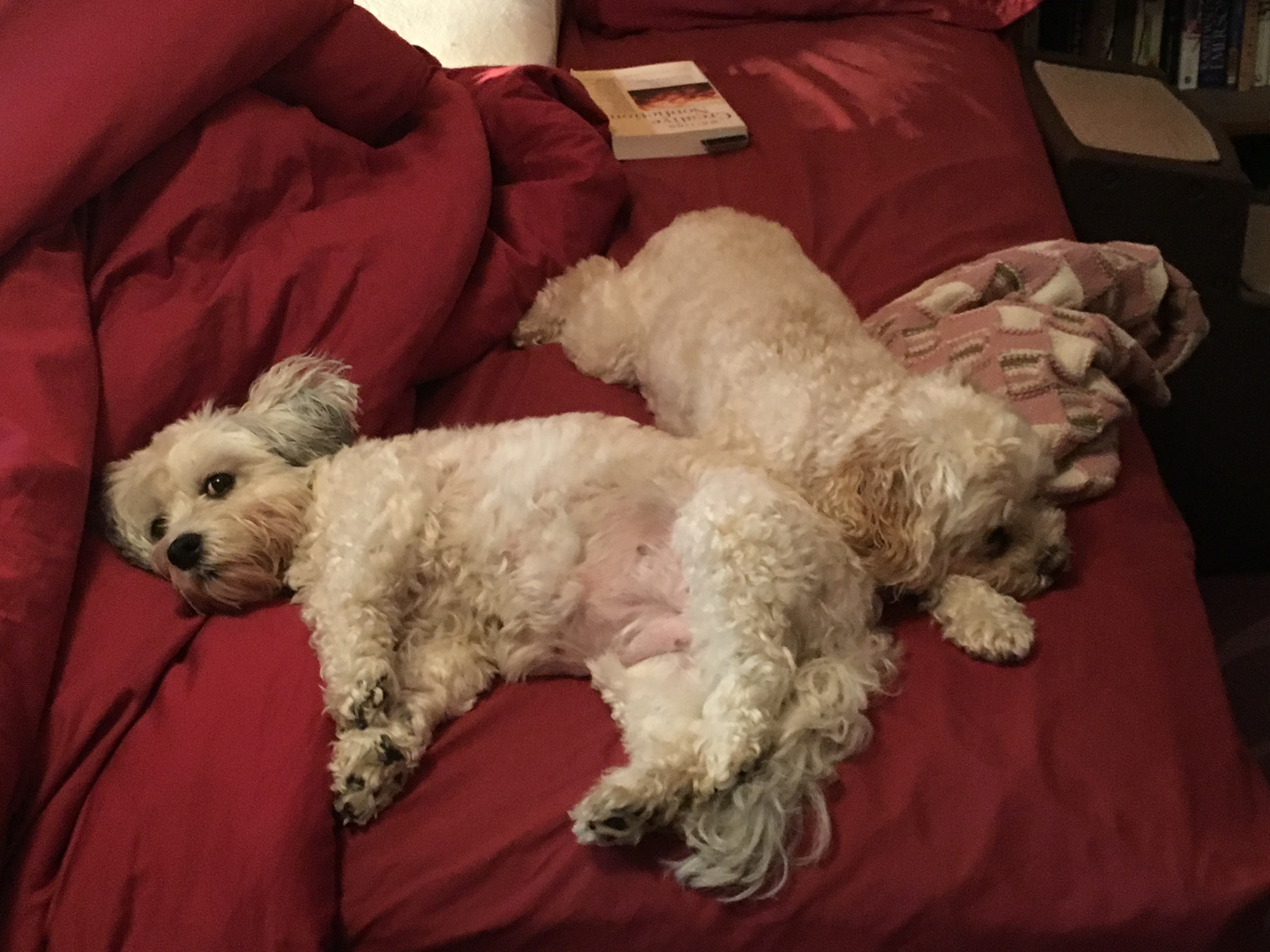
“Hey! I can’t move either!”

            It took me a few days to recover. And, if possible, the second day of teaching was even more challenging. So now, I’m scared. I’m not sure if this physical response is worse than last year’s, or if I just got out of the habit of feeling like I’d been run over by a truck a few times a week. And I’m frustrated, because I spent the whole summer trying to build up strength and endurance in the hopes that I would start the new school year feeling more resilient, and, at the very least, it didn’t work.

            It was wonderful to see my students from last year, and to meet the new kids and hear their unique stories and start to untangle all of the drama among them (this will clearly take all year). And I can see a lot of interesting discussions and tons of silliness in my future, but there’s a voice in the back of my head warning me, you may not last the whole year.

            The fact is, I know I will do everything I can to be there for my students and to live up to all of my commitments – but it’s going to be harder, and it’s going to hurt.

            A few weeks ago, my therapist said, in passing, that my disease/disorder/undiagnosed chronic illness, is degenerative. She didn’t say, “it may be degenerative,” she said “it is.” For many years, she didn’t even believe that there was anything physically wrong with me. She was convinced that all of the pain and exhaustion was psychological, and therefore hard work in therapy would fix everything. But after decades of intensive therapy, and obvious progress in my mental and emotional heath, my physical issues have only worsened, and, finally, her theory of the case had to change.

            But there are so many things I still want to do! I want to teach more, not less. I want to write more, and meet more people, and travel, and dance, and sing. I was really hoping that this summer’s home-made physical therapy regimen was going to make a difference, and I’m so disappointed that it hasn’t helped. To be fair, it’s possible that without all of that work over the summer I would have been in even worse shape for the start of the school year. But for many years now, I’ve been trying everything I could think of: every medication and supplement doctors have suggested, and every exercise and treatment and strategy I could find. But I’m going to have to accept that it’s possible that this is as good as my health is going to get, and find a way to deal with that.

            But really, I don’t wanna. I want to throw a tantrum and scream and kick the floor and just cry. It seems to make my students feel a whole lot better, so, maybe it’s the next thing I should try. It couldn’t hurt! Much.

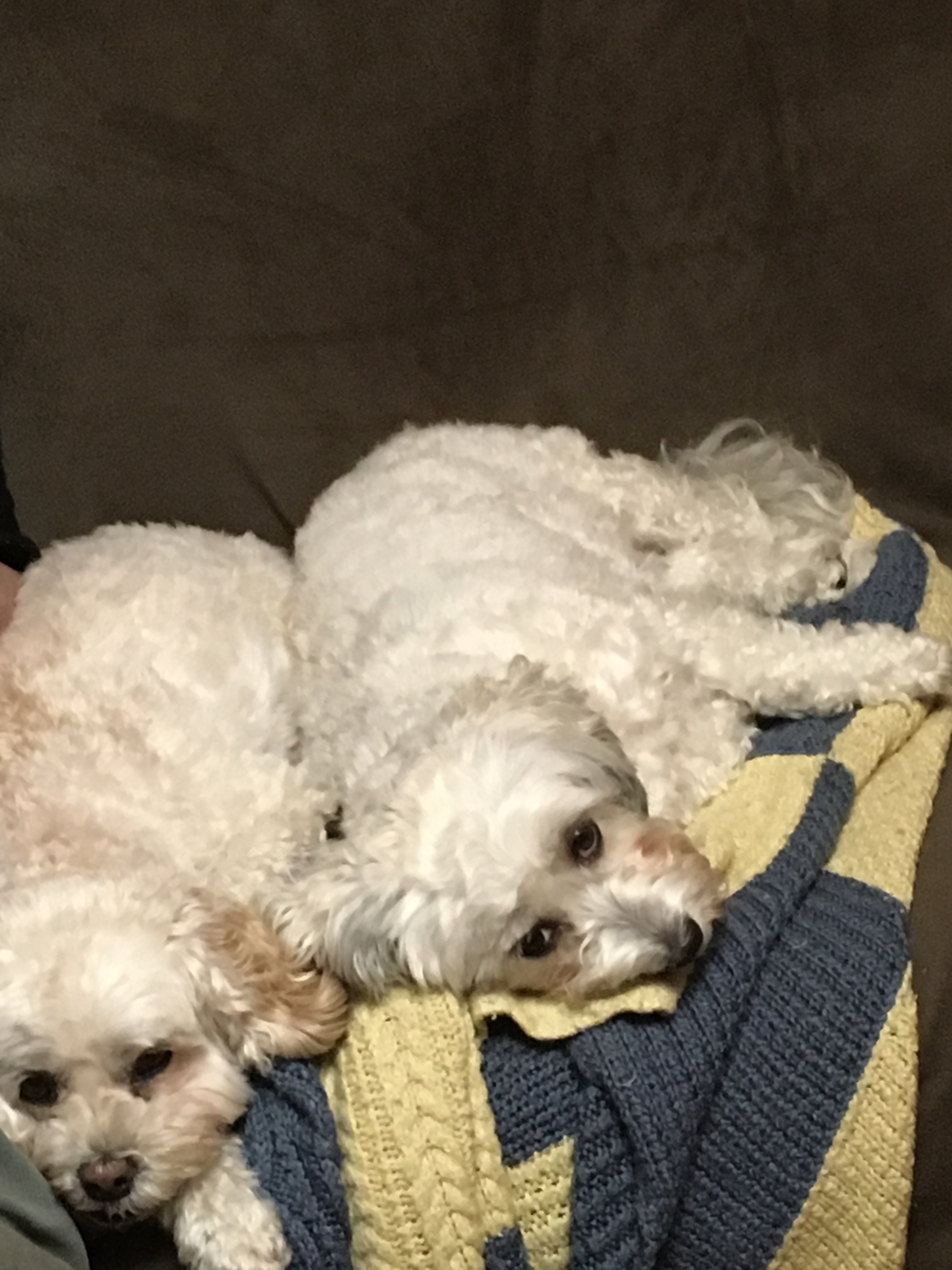
” I love a good tantrum!”

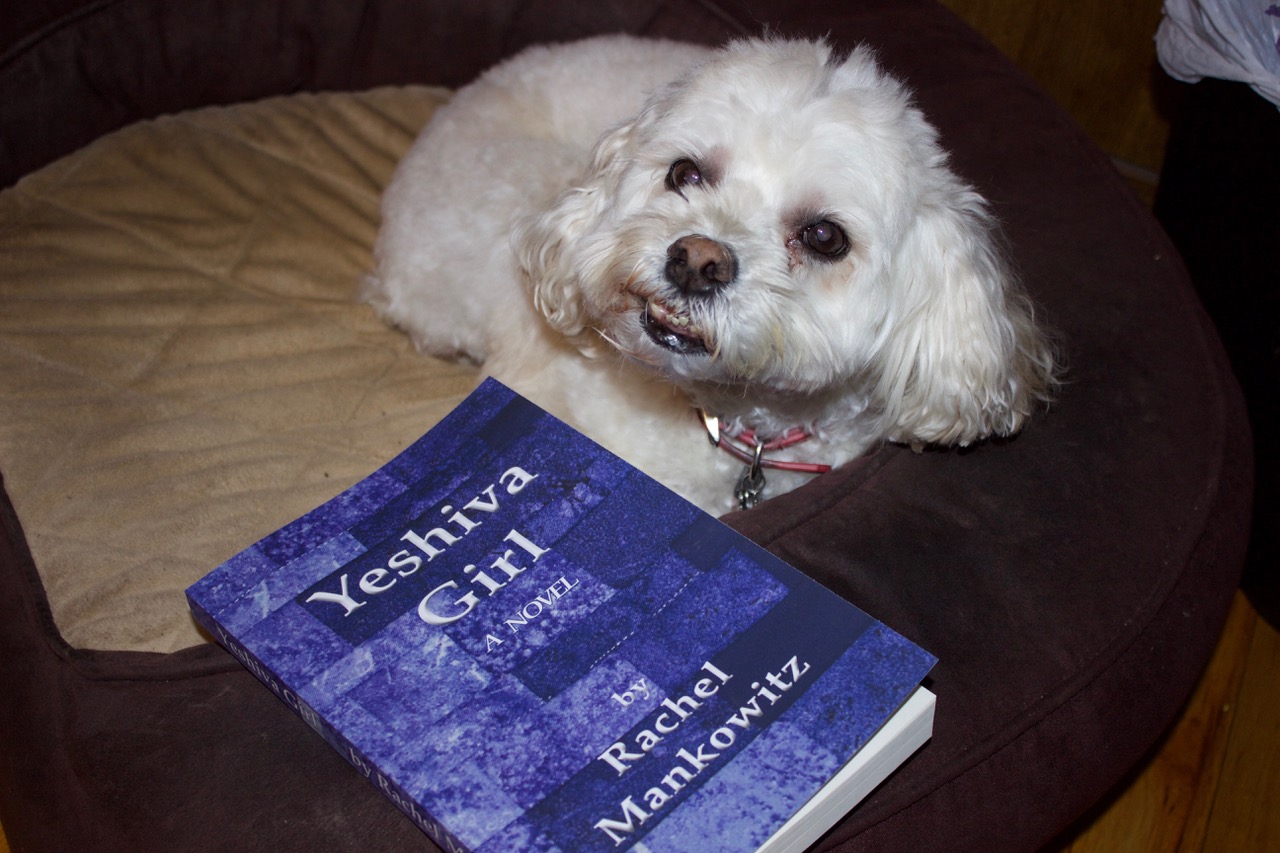
If you haven’t had a chance yet, please check out my novel, Yeshiva Girl, on Amazon. And if you feel called to write a review of the book, on Amazon, or anywhere else, I’d be honored.

            Yeshiva Girl is about a Jewish teenager on Long Island, named Isabel, though her father calls her Jezebel. Her father has been accused of inappropriate sexual behavior with one of his students, which he denies, but Izzy implicitly believes it’s true. As a result of his problems, her father sends her to a co-ed Orthodox yeshiva for tenth grade, out of the blue, and Izzy and her mother can’t figure out how to prevent it. At Yeshiva, though, Izzy finds that religious people are much more complicated than she had expected. Some, like her father, may use religion as a place to hide, but others search for and find comfort, and community, and even enlightenment. The question is, what will Izzy find?

Two More Poems

            I recently went to a zoom presentation on Modern Israeli poetry, and both the presentation and the poetry were down to earth and unpretentious and grounded in daily life in a way that made me think, hmm, maybe I am writing real poetry after all, and not just noodling around. I was even more encouraged to find out that, for poetry as opposed to for everything else, Israelis use the vowels under the letters (Nikud in Hebrew) to make sure each word is read correctly, and because it looks cool. The thing is, I grew up learning Hebrew with the vowels intact, and trying to get used to Israeli newspapers and blog posts and books, where there is no Nikud and you have to guess at the pronunciation of new words, has been breaking my brain.

            I gave up on writing poetry in English a long time ago, after a lot of rejection, mostly from classmates who thought I was crap at it. But writing poetry in Hebrew seems to bypass a lot of that noise in my head. I’m still self-conscious, of course, and I worry that I’m going to depress people, or that my Hebrew is less real Hebrew than my own invention. But whereas when I try to write poetry in English the words just drip drip like a leaky faucet, in Hebrew they come out with more force, as if they actually have something they want to say.

            I’m not sure if these two poems are finished. In fact, I’m pretty sure they’re not, despite many edits, but I wanted to reward myself a little bit for trying to write them at all, so I’m sharing them here. And then sharing links to some actual Israeli poetry, in English Translation.

הכאבים שלי

כּוֹאֶבֶת לִי הַבֶּטֶן.

אוּלַי זֶה נִגְרָם מְהַתרוּפוֹת

נֶגֶד הַחָרָדָה, נֶגֶד הַדִיכָּאוֹן,

נֶגֶד כֹּל הַכְּאֵבִים הַאַחֵרִים,

אוֹ אוּלַי זֶה נִגְרָם מְהַפָּסטָה שְׁאַכַלתִי בַּצַהַרַיִים.

כּוֹאֵב לִי הַגַב

כּאִילוּ מִישׁהוּ בַּעַט בִּי,

אַבַל אַנִי לֹא זוֹכֶרֶת אֶת הַמָכּוֹת,

אוֹ לָמָה מִישֶׁהוּ הָיָה רוֹצֶה לִפגוֹעַ בִּי.

כּוֹאַבוֹת לִי גַם הַכּתֵפַיִים וְהַמוֹתְנַיִים

וְהַבִּרכַּיִים וְהַקַרסוֹלַיִים

כּאִילוּ מִישׁהוּ מְנָסֶה לְפָרֵק אוֹתִי

כּמוֹ עוֹף מְבוּשָׁל.

כּוֹאֶבֶת לִי הָנְשָׁמָה

אַבַל עַל זֶה אֵין לִי מִילִים.

אַנִי מְפַחֶדֶת שְׁאִם כֹּל הַכְּאֵבִים הַיוּ מִתְרַחְשִׁים בְּבַת אַחַת

לֹא הַיִיתִי מְסוּגֶלֶת לִשׂרוֹד.

מָזָל שְׁכֹּל יוֹם יֵשׁ לִי רַק חֵלֶק מִכֹּל הַכְּאֵבִים

וְאַנִי יְכוֹלָה לִקְפּוֹץ מִכּאֵב לְכּאֵב

כְּמוֹ צפַרְדֵעַ שְׁמְדַלֶגֶת עַל פּנֵי הַמַיִם

וְלְעוֹלָם לֹא נוֹפֶלֶת פְּנִימָה.

אוּלַי יוֹם אֶחַד אַנִי אַרגִישׁ אֶת כֹּל הַכְּאֵבִים בְּאוֹתוֹ זמַן,

וְבַּיוֹם הַהוּא,

אַנִי מְקַוָוה,

שְׁאִם הַיִיתִי נוֹפֶלֶת לְתוֹך הַמַיִם

בָּסוֹף, הַיִיתִי מְסוּגֶלֶת לִשְׂחוֹת.

My Pains

My stomach hurts,

maybe from the medications

against anxiety, against depression

against all the other pains,

or maybe from the pasta I ate in the afternoon.

My back hurts,

as if someone kicked me.

But I don’t remember the beating,

or why someone would want to hurt me.

My shoulders and hips and knees and ankles

also hurt,

as if someone is trying to take me apart

like a cooked chicken.

My soul hurts,

but about that I have no words.

I’m afraid that if all of these pains

took place at the same time,

I wouldn’t be able to survive.

Thank God, each day I only feel some of the pain,

and I can jump from pain to pain,

like a frog skipping over the surface of the water,

and never falling in.

Maybe one day I will feel all of the pain

all at once.

And on that day,

I hope,

if I fell into the water,

in the end I would be able to swim.

אני כמו אבן

לִפְעַמִים,

אַנִי מָרגִישָׁה כּמוֹ אֶבֶן כִּי אַנִי לֹא יָכוֹלָה לָצוּף.

נִראָה לִי שְׁהָאַוִויר סבִיבִי מָלֵא

בְּמָחשַׁבוֹת וְכּאֵבִים וְחַרַדוֹת,

שְׁיוֹצְרִים חוֹמָה שׁקוּפָה

מָחזִיקָה אוֹתִי בָּמָקוֹם.

לִפְעַמִים,

אַנִי מָרגִישָׁה כּמוֹ אֶבֶן

שְׁתָמִיד נוֹפֶלֶת עָמוֹק יוֹתֵר

לְתוֹך הָמַיִם הָשׁחוֹרִים.

יוֹם אַחַרֵי יוֹם,

אַנִי מְנָסָה לְהַפסִיק לִיפּוֹל

וְלִמתוֹחַ מֵעֵבֶר לָחוֹמָה הַשׁקוּפָה.

הַעָבוֹדָה הַזֹאת מְתִישָׁה

וְבִּלתִי נִראֵית מִכּוּלָם מִלְבַדִי.

אוּלַי בְּקָרוֹב,

אוֹ בַּסוֹף,

אַנִי אַצלִיחַ בָּעָבוֹדָה הַקָשָׁה שֶׁלִי

וְאִנִי אוּכַל לְהַרגִישׁ יוֹתֵר כְּמוֹ צִיפּוּר

שְׁעוֹמֶדֶת גַבוֹהַה

עִם כְּנָפַיִים פּרוּשׁוֹת

מוּכן לַעוּף.

I am like a Stone

Sometimes,

I feel like a stone because I cannot float.

It seems like the air is full

of thoughts and pain and anxieties

that create a transparent wall around me

that keeps me in place.

Sometimes,

I feel like a stone that is always falling deeper

into the black water.

Day after day,

I try to stop falling,

and to stretch beyond the transparent wall.

This work is exhausting

and invisible to everyone but me.

Maybe soon,

or in the end,

I will succeed in my difficult task,

and I will be able to feel more like a bird

who stands tall

with wings outstretched,

ready to fly.

Some Israeli poetry to try:

Yehuda Amichai – https://allpoetry.com/An-Arab-Shepherd-Is-Searching-For-His-Goat-On-Mount-Zion, https://allpoetry.com/poem/8513161-Jerusalem-by-Yehuda-Amichai, https://allpoetry.com/The-Diameter-Of-The-Bomb

Maya Tevet Dayan – https://www.worldliteraturetoday.org/2021/winter/land-maya-tevet-dayan

If you haven’t had a chance yet, please check out my Young Adult novel, Yeshiva Girl, on Amazon. And if you feel called to write a review of the book, on Amazon, or anywhere else, I’d be honored.

            Yeshiva Girl is about a Jewish teenager on Long Island, named Isabel, though her father calls her Jezebel. Her father has been accused of inappropriate sexual behavior with one of his students, which he denies, but Izzy implicitly believes it’s true. As a result of his problems, her father sends her to a co-ed Orthodox yeshiva for tenth grade, out of the blue, and Izzy and her mother can’t figure out how to prevent it. At Yeshiva, though, Izzy finds that religious people are much more complicated than she had expected. Some, like her father, may use religion as a place to hide, but others search for and find comfort, and community, and even enlightenment. The question is, what will Izzy find?

Mom’s Surgery

            As expected, I spent the weeks leading up to Mom’s second hip replacement living in existential dread, afraid she would die on the table and I would be left alone in the world with no one to fight off the gardeners trying to cut down my paw paw tree. And then, as everyone around me seemed to know it would be, the surgery was successful and Mom came through with all of her humor and energy intact.

            The days leading up to the surgery were full of worry, both because of the pre-surgical clearances coming down to the wire, but also because Mom’s hip was deteriorating incredibly quickly and she was struggling just to get from one room to the other, especially after the ban on NSAIDS was put in place five days before the surgery.

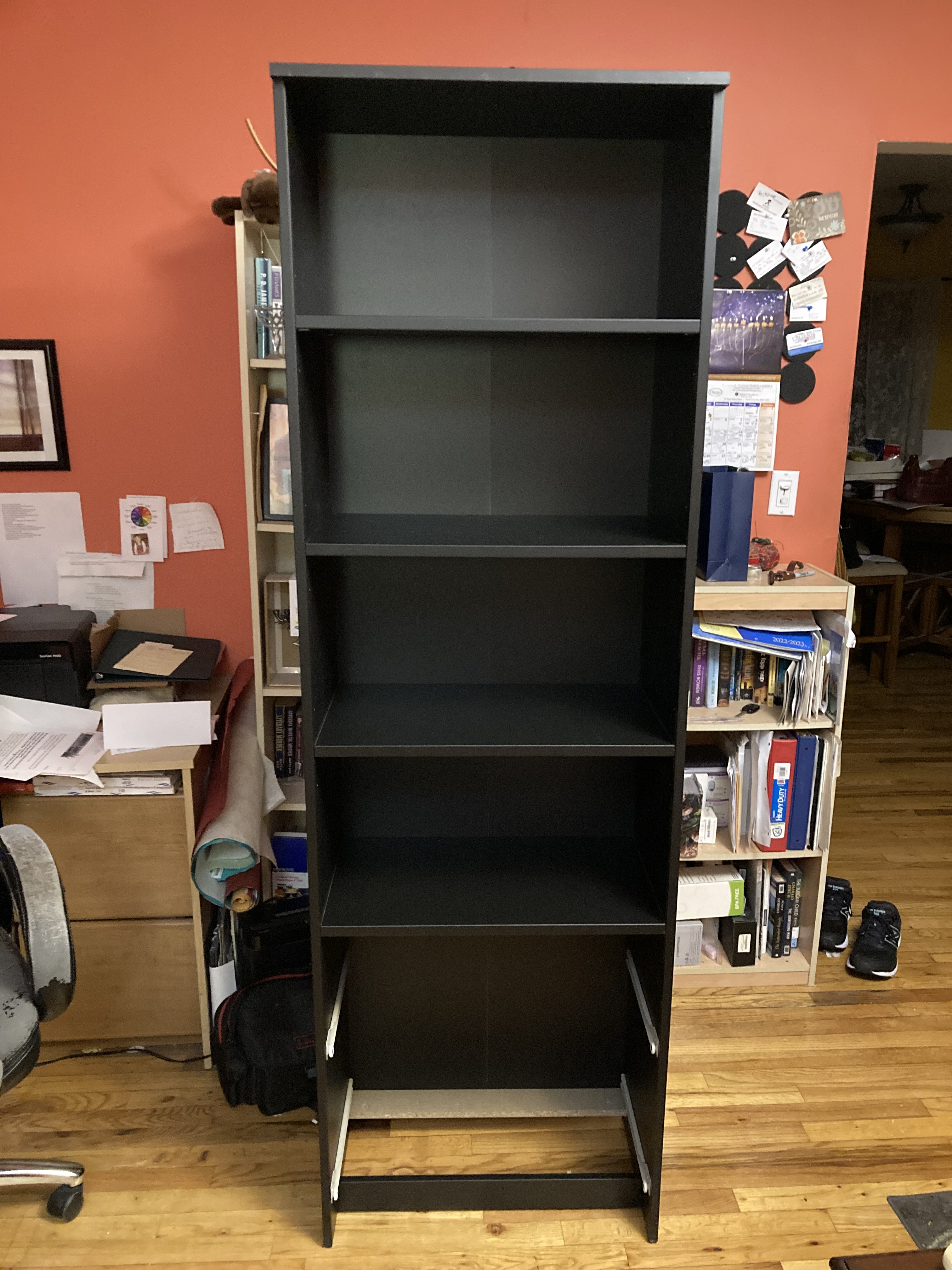
            I filled the time preparing: filling the freezer and the pantry with prepared meals; organizing all of the random crap in the apartment that might get in her way when she came home with the walker; carrying boxes of books to the thrift store, and bags and cans of dog food to the animal shelter; and finally replacing the old crooked bookcase with a new, slightly crooked bookcase (put together by moi – which explains why its wonky), so that she wouldn’t be toppled by falling books and sent back to the hospital.

New bookcase, before the wonky drawers were put in.

            We still have new rugs waiting to be put down, after we removed the un-cleanable rugs from the last months of Cricket and Ellie’s lives, but I’m going to wait on that until Mom’s walking is steadier and she doesn’t need the walker anymore; hopefully the neighbors will be patient with the uncovered floors for a bit longer.

            The need to clean has been profound since losing Ellie. When both dogs were still here I didn’t mind a few extra boxes here and there, but in the quiet I keep wanting to clean and find order and make things neat, as if making the apartment more orderly will heal the grief (though it doesn’t really work).

My Ellie

            It was so strange to be in the apartment alone. For two days it was just me, no Mom, no dogs, and I don’t know how to describe the stillness in the air. I kept hearing noises and thinking Ellie was coming back down the hallway after a midnight snack, or Mom was getting up in the middle of the night for a midnight snack (Mom and the dogs seemed to have a club I was not invited to). But no one was actually there.

Thank God, the surgery itself went well, and now that Mom’s back home, everything feels like its back to normal, where the noises around the apartment are real instead of phantoms, and even on pain meds and using a walker, she’s more energetic and busy than I am, always texting with someone or planning something. I think the lesson here is that I am a very boring person on my own.

            Next up is physical therapy and occupational therapy and nurse’s visits and keeping track of all of the post-op medications and worrying about something else going wrong. But Mom is in a surprisingly good mood so far, and I’m feeling hopeful again.

            Oh, and we got a note from the board of our co-op saying that from now on there won’t be a pet fee charged each month for each (or any) pet you own, so when the time comes I can clearly get as many dogs as I can fit into the apartment. Five sounds like a good number to me. It’s possible that Mom will disagree, so, shh, don’t tell her.

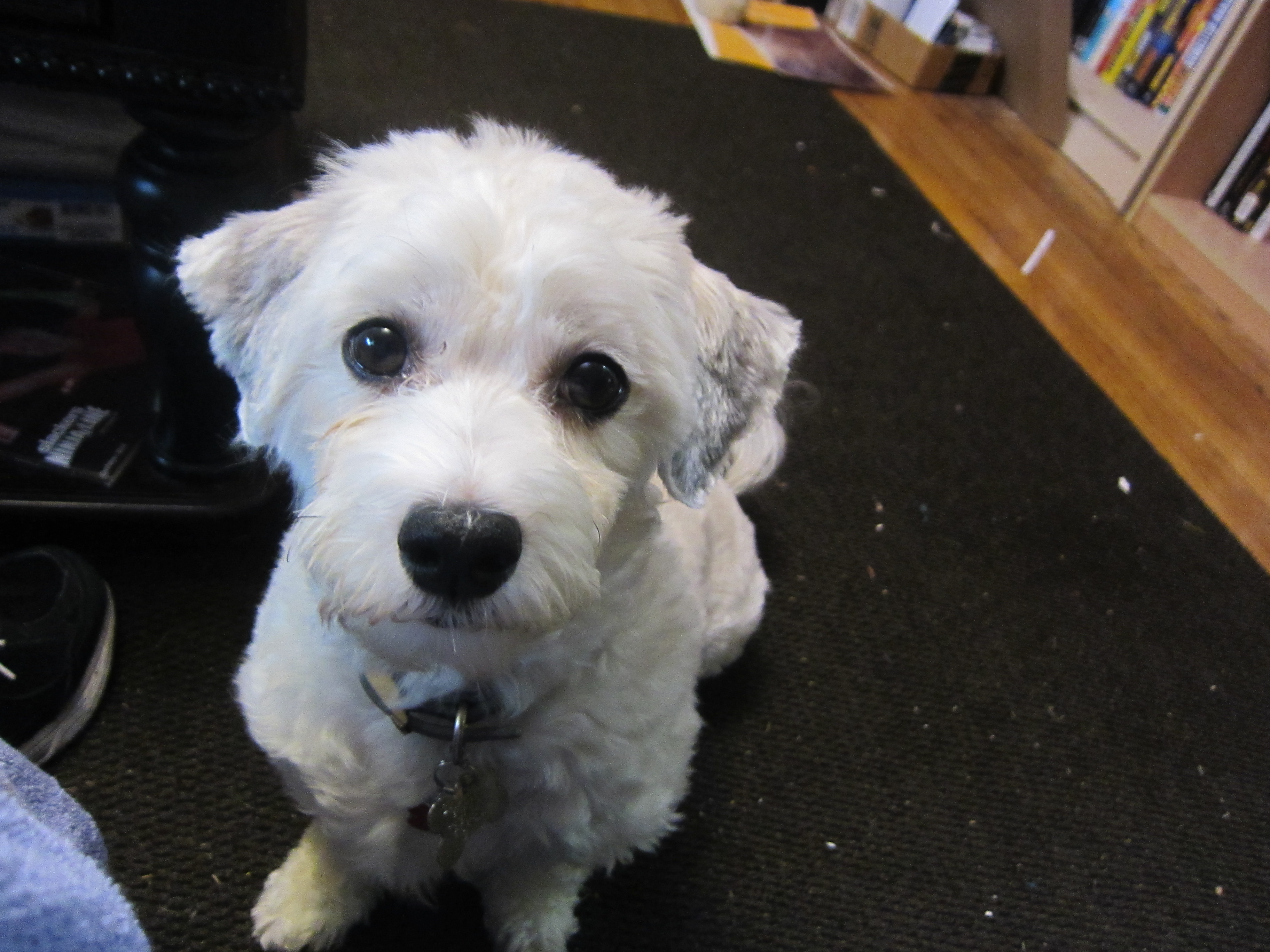
“One dog is always enough.”

If you haven’t had a chance yet, please check out my Young Adult novel, Yeshiva Girl, on Amazon. And if you feel called to write a review of the book, on Amazon, or anywhere else, I’d be honored.

            Yeshiva Girl is about a Jewish teenager on Long Island, named Isabel, though her father calls her Jezebel. Her father has been accused of inappropriate sexual behavior with one of his students, which he denies, but Izzy implicitly believes it’s true. As a result of his problems, her father sends her to a co-ed Orthodox yeshiva for tenth grade, out of the blue, and Izzy and her mother can’t figure out how to prevent it. At Yeshiva, though, Izzy finds that religious people are much more complicated than she had expected. Some, like her father, may use religion as a place to hide, but others search for and find comfort, and community, and even enlightenment. The question is, what will Izzy find?

Ellie’s Cough

            A few weeks ago, maybe after the apocalyptic day in New York, when the skies turned orange and everything smelled of smoke because of the Canadian wildfires, Ellie started to cough.

“Are you talking about me?”

            It’s not that she’d never coughed before. In fact, she has a full menu of interesting coughs and sneezes to her name: including the how-dare-you-pull-on-my-leash cough, which sounds like a frog is jumping out of her throat; and the excuse-me-where’s-my-dinner cough, which is more like a whisper, with her head turned away for deniability. But this cough was something new. It sounded like she was choking on something, or suffocating, and then she’d sort of cough up whatever it was and collapse as if she’d run a marathon.

            The first time I witnessed this, I was afraid she was going to die right in front of me. I may have taken it more seriously as a result of the debarking surgery that was done when she was still a breeding dog, because the scar tissue from that surgery has made her throat more constricted than it should be.

            It was a few days before I witnessed another coughing attack, and I was shocked by it again, especially by the way she seemed almost paralyzed for a couple of minutes afterward, but then she was fine, and I was relieved. She started to cough more frequently after that, but with less seriousness, and I wondered if maybe it was just an allergy, exacerbated by the air quality, and, really, I was distracted. Cricket had been diagnosed with kidney disease and needed fluids every day, and we’d had a car accident and had to buy a new car, and I’d had to go to five or ten doctors’ appointments, and prep for my second oral surgery (the follow-up to last year’s surgery), and that’s only the top line of the chaos that was going on around here, and there was no way to keep up with all of it, so each time Ellie stopped coughing and seemed to be breathing and walking and eating okay, I just breathed a sigh of relief and let it go.

            But last week, when Cricket had to go back to the vet for a follow up blood test, and I was between medical appointments, it seemed like a good opportunity to bring Ellie in to be seen as well.

            Of course, as soon as we made the appointment for both of them, Cricket, who had been doing surprisingly well, had a downturn. She couldn’t eat and she was woozy, even without the calming meds, to the point where she allowed me to insert the needle for the fluids without a fight. We all went to bed that night thinking this was the end, and we’d have to leave Ellie home the next day, and bring Cricket in to the vet for the last time.

            But in the morning, my little phoenix rose from the ashes again, climbed up and down the stairs herself, ate her breakfast and demanded more.

“I’m hungry!!!!!”

            So we went, all together, to the vet, me as the chauffeur in the front seat, Mom sitting in the back with both dogs, so that Ellie wouldn’t have to sit alone back there (Cricket has never tolerated sitting in the backseat. When we would put her in a harness early on in her life, she’d escape within thirty seconds and make her way up to the driver’s seat). With Cricket and Grandma sitting next to her, Ellie got through the ride without crying once, though she was still breathing heavily.

            I carried Cricket into the vet’s waiting room, not wanting to have her walk on the hot ground (Ellie refused to be carried), and the vet took Cricket out first, to take the blood, and then focused on Ellie and her cough. I tried to reenact the cough for him, so he’d know what he was dealing with, and he gave me a look and said, “Can you do that again?” It took me a second to realize he was joking. If he has a sense of humor it is very, very dry. He checked Ellie’s heart and looked in her mouth and took her temperature (which she found horrifying), and he gave her an anti-inflammatory shot and sent us home with antibiotics and a cough suppressant for her to take twice a day, and he said to call him in a few days and let him know if she was coughing any less (because if not, he’d want to follow up with an x-ray).

            And we were free. This visit, which, for a few hours there had seemed like it would be the last time I ever saw my Cricket, turned out to be routine and quick. When we got home we were all ready for an afternoon nap, maybe me more than everyone else, to be honest.

“Oy.”

            Both dogs were thrilled with their treats (with their separate meds hidden inside) once the naps were over: Cricket discovered a great love for sardine juice, and Ellie discovered that she had no such great love and stuck with pieces of chicken.

            Ellie coughed less for a few days, though she became more and more picky every day about the treats within which we could hide her pills, but then the coughing came back, and Ellie was barely eating anything at all. We called the vet and he said to stop the antibiotics, because they might be causing her lack of appetite, but keep up the cough suppressants for a few more days and then call back.

Pretty quickly, though, it was clear that Ellie was getting worse. She was breathing heavily, leaving treats uneaten (where Cricket could easily steal them), and refusing to walk more than a few feet at a time. So we called the vet for an emergency appointment this morning and brought her in, and as soon as he saw her he said she didn’t look good at all. He took an x-ray and said her heart was huge and misshapen, and there was fluid collecting around her heart. He gave her a shot of a diuretic and told us he would send the x-rays on to a specialist and then let us know what medication she could take going forward. But, he said, she could collapse at any time. He couldn’t explain how she’d gone from having a little bit of a cough to being in heart failure within a week, but most likely the cough had been caused by the enlarged heart in the first place, pressing on her trachea.

Ellie’s home now, still breathing heavily, but peeing rivers, which will hopefully relieve some of the pressure on her heart. But my heart is overwhelmed. Cricket is oblivious: sleeping on Grandma’s lap, eating well, and barking her frustration at all of the attention her sister has been getting. And now we wait, to see what comes next.

If you haven’t had a chance yet, please check out my Young Adult novel, Yeshiva Girl, on Amazon. And if you feel called to write a review of the book, on Amazon, or anywhere else, I’d be honored.

            Yeshiva Girl is about a Jewish teenager on Long Island, named Isabel, though her father calls her Jezebel. Her father has been accused of inappropriate sexual behavior with one of his students, which he denies, but Izzy implicitly believes it’s true. As a result of his problems, her father sends her to a co-ed Orthodox yeshiva for tenth grade, out of the blue, and Izzy and her mother can’t figure out how to prevent it. At Yeshiva, though, Izzy finds that religious people are much more complicated than she had expected. Some, like her father, may use religion as a place to hide, but others search for and find comfort, and community, and even enlightenment. The question is, what will Izzy find?

Oral Surgery, finally

            After Mom’s emergency second hip surgery, to revise the hip replacement that was put in two months earlier, my oral surgery was rescheduled to late August. I already had my medical clearances in place, and all of the medications I’d need for before and after the surgery, and the oral surgeon had already given me a rundown of what to expect after surgery: like, bleeding from the nose, swelling of the sinuses, bruising on my face, and a possible lisp because the temporary (3D printed) implant would leave a small space between the device and my gums. Oh, and I wouldn’t be allowed to blow my nose, or accidentally sneeze, for three weeks, because that would make the swelling worse.

“I know how to avoid sneezing.”

            My biggest fear leading up to the surgery itself, though, was the anesthesia. The surgeon had told me that they wouldn’t decide until the day of the surgery whether I’d be getting sedation or general anesthesia. He was voting for general anesthesia, because it would make his life easier, but I thought sedation might mean I could avoid having a foreign object shoved down my throat, so I was hoping for sedation. When I finally spoke to the anesthesiologist, a few days before the surgery, she told me that I’d have a tube down my throat either way, to protect my airway, and that general anesthesia would be better for the surgeon and easier on my throat. And I’d be unconscious when she put the tube in and took it out, so that might mitigate my fear of choking. I hoped she was right.

Then she asked me, with no warning, if I had access to an adult undergarment, i.e. depends, because if not they could supply one for me when I got there. What?! She said that I might pee under anesthesia and everyone would prefer it, including me and the staff, if I didn’t leave a puddle.

Eek!

First of all, no, I don’t have adult undergarments hanging around on a shelf – except for Cricket’s adorable pink reusable diaper from her incontinence episode, which would just about fit over my hand. Second, how did no one think to mention this to me ahead of time? Or maybe they kept it quiet because they thought this would be the deal breaker. As it is, the adult undergarment became my number one preoccupation for the whole weekend leading up to the surgery – who cares about pain! What if I pee on myself?!

When I met the anesthesiologist in person, she was lovely and friendly and way too energetic for someone who was about to put me to sleep. She gave me the adult undergarment to change into in the bathroom, under my loose clothing (aka pajamas), and then I was whisked into the surgical suite, where my legs were wrapped in anti-blood clot sleeves, and monitors were attached to my fingers, and my hair was covered with a surgical bonnet so it wouldn’t get sticky (?!), and then a needle was put into the back of my hand, and then I have no idea.

I woke up in the same room, with the same people removing the things they’d attached just seconds before (though I found out later that five hours had passed). Most of my thoughts when I first woke up, strangely enough, were in Hebrew. Where’s Mom? What happened? When can I go home? I couldn’t actually speak yet, because my mouth was filled with gauze, and my throat was rough, and I had ice packs wrapped around my face, but I found myself translating everything into English anyway, as if they could hear me and answer me. The closest I came to being able to communicate was a grunt or two and a thumbs up or down, though as I was leaving in my wheelchair the surgeon decided to give me a fist bump.

I don’t really remember the trip home, except that Mom brought out her rarely-used walker and our neighbor, the nurse, to help me walk from the car up to the apartment. I spent the rest of the evening in front of the TV, changing out the bloody gauze until my mouth stopped bleeding (mostly), and going to the bathroom every twenty minutes (I couldn’t find an explanation for the excess peeing online, especially since I could barely sip enough water to take my pain meds, but it receded along with the excess bleeding).

I didn’t sleep much that first night, because my nose kept running – the surgeon said it was fluid from my sinuses, and blood, rather than traditional snot, but either way it made it hard to breathe – and I had to refreeze the ice packs for my face constantly, and my mouth hurt, and every time I moved my head it all hurt even more. I was able to take the dogs out the next morning, though, wearing a loose face mask to try and cover my swollen cheeks, but I managed to forget my house keys and had to ring the doorbell for Mom to let us back in anyway.

The pain was so much worse than I’d been expecting, so I had to give in and take some of the oxycodone I’d been prescribed, but mostly I survived on ibuprofen and ice and the coziness of my puppy pile.

To make things worse, it turned out that my Mom, who had been having trouble breathing over the weekend and assumed at first that it was just an allergy thing, went to the doctor on my first day post-surgery and started treatment for a possible case of Pneumonia. The next day she went for a chest x-ray, which ruled out pneumonia, which meant that on my second full day post-surgery I was driving Mom to the emergency room so they could rule out a blood clot. She stayed in the hospital overnight, getting all kinds of tests, and was told that she had fluid in the right lobe of her lungs and some kind of hardening of the lung tissue, which would be investigated further with a Bronchoscopy (under general anesthesia, a week later, just to keep things fun).

The next day, while Mom was still finishing up her tests at the hospital, I drove myself back to the surgeon’s office to have my temporary implant put in. By then my cheeks were starting to deflate and had turned all sorts of interesting colors, but my face mask allowed me to feel largely invisible, until I had to take it off to be examined by various assistants. There was a lot of sitting and waiting, between examinations, and then the surgeon screwed in the temporary implant, using what seemed to me like a tiny Allen wrench. He made sure to tell me not to swallow anything during the procedure, which was helpful, because when he was finished screwing everything in place there was still one tiny screw sitting on my tongue.

When I got home, I wrapped my face in ice again (they gave me a cool little headband that wraps around my head, with pockets for the ice packs, which was much more comfortable than holding ice packs on my face with both hands), and I watched the recording of my online Hebrew class a day late, so jealous of everyone on the screen. Mom came home with updates on her hospital stay and then it was nap time, for everyone, puppies especially.

“Sorry, Mommy. No room for you.”

Each day the pain and swelling has receded a bit more, and I’ve started to figure out how to chew with my new teeth, and how to deal with the temporary lisp (ignore it). The freezer is filled with bought and homemade soft foods, like soups and casseroles, and, of course ice cream, so there’s a lot to look forward to. And when the permanent implant comes, in a few months, it’s supposed to fit better than the temporary one (eliminating the lisping issue), and be made of stronger material (to allow me to eat more than just soft food), so if I can make it through the next few months with some self-esteem left, I should be okay long term.

And pretty soon, I’ll be back in front of the classroom, with no time to worry about how weird I look or sound, because the kids will have so many more important things to focus on, like: He pulled my hair! She stole my favorite pencil! Can I go to the bathroom, even though I just went five minutes ago and I’m definitely not looking for an excuse to wander around the building, please?!

Wish me luck!

“Are you going away again?!

If you haven’t had a chance yet, please check out my Young Adult novel, Yeshiva Girl, on Amazon. And if you feel called to write a review of the book, on Amazon, or anywhere else, I’d be honored.

            Yeshiva Girl is about a Jewish teenager on Long Island, named Isabel, though her father calls her Jezebel. Her father has been accused of inappropriate sexual behavior with one of his students, which he denies, but Izzy implicitly believes it’s true. As a result of his problems, her father sends her to a co-ed Orthodox yeshiva for tenth grade, out of the blue, and Izzy and her mother can’t figure out how to prevent it. At Yeshiva, though, Izzy finds that religious people are much more complicated than she had expected. Some, like her father, may use religion as a place to hide, but others search for and find comfort, and community, and even enlightenment. The question is, what will Izzy find?

Mom’s Hip Surgery

            A few weeks ago, Mom went to a new orthopedist and came home with an appointment for hip replacement surgery in May. She’d been experiencing spasms in her left leg and numbness in that foot for a long time, and while she was in physical therapy for that she noticed pain in her right leg as well. But before she could look into the new pain, she had to get carpal tunnel surgery on her left wrist (to match the surgery on her right wrist from last year), and then she needed a few weeks to recover, and then she got distracted. But in the past month or so she’d started to have trouble walking and was experiencing even more pain than usual, so she made an appointment with an orthopedist.

I barely noticed the appointment on the calendar in the living room, because the calendar was filled with so many other doctor visits, board meetings, quilting groups, and outings with friends, but then Mom became nauseous and so exhausted that she couldn’t get to all of her various appointments for a few days. We assumed it was a reaction to her second Covid booster shot (Pfizer this time), but it went on and on, so she called her Cardiologist’s office to see if it might be something more serious than a reaction to the booster. They gave her an appointment on the same day as her orthopedic appointment, so she decided to go to the orthopedist after all, since she had a few hours to kill before going to the Cardiologist.

            I woke up after she’d left for the Orthopedist, though not long after, because as soon as she closed the front door the dogs climbed up on my bed and Cricket decided to stand on my chest and stare at me until I got up. After breakfast, and a long argument with the dogs about whether or not they needed a second breakfast, Mom sent me a text to say that she was sitting in the waiting room at the new doctor’s office and she was bored. I tried to entertain her, unsuccessfully, and then took the dogs out for their second morning walk (I wasn’t up to another argument with them), and then I stared at the computer for way too long.

“Please play with me.”

I got another text from Mom a while later, saying that the nurse at the doctor’s office had had a similar reaction to the Pfizer booster, and it eventually passed (after three weeks!), but at least it was reassuring to know that this really was a reaction to the shot and not something more serious, so she could cancel the appointment with the Cardiologist, at least for now, which she really didn’t have the energy for after all of the sitting and waiting.

            I wrote back asking if the nurse had had any suggestions for how to manage the symptoms and Mom said she’d forgotten to ask, and then I didn’t hear from her and I assumed she was finally getting to see the doctor. I tried to get some work done (probably Duolingo), and read a few chapters about Disability Inclusion in the classroom, and The History of the State of Israel, and Intuitive Eating (three different books), and then I got another text.

On my way home. Will need a new hip.

Wait, what?!!!!

            There was no answer to my text because she was already driving home, but twenty minutes later I met her at the front door to our building and said, again, What?!!!

“What?!”

            Mom was in her own state of shock, so I had to wait until we were sitting on the couch in the living room and Cricket was ensconced on her Grandma’s lap – as God intended – before Mom could tell me more. The doctor had done x-rays, which, for some reason, hadn’t been done in a long time, and it turned out that Mom’s right hip had no cartilage left and was just bone on bone, and the left hip wasn’t much better. If the right hip went well, they would schedule surgery on the left one a few months later. When Mom asked them how this much damage could have come on so suddenly, the Physician’s Assistant said that people experience pain differently, and it’s possible that her body just didn’t register the pain until it was severe. Mom has always had (very) high pain tolerance, but even for her this seemed extreme. She ate some crackers (still nauseous) and drank some water (mixed with grape juice because that’s how she rolls) and then she convinced the dogs that it was time for a room change and an afternoon nap, but I just sat there on the couch, overwhelmed and struggling to take it all in.

“I’m guarding my Grandma. Keep your distance.

            I was angry at the doctors for not seeing this sooner, and for being so invalidating in their doctorliness over the years; and I was jealous that Mom had an actual solution to one of her health issues; and I was worried about the surgery and the anesthesia and any possible unintended consequences; and I was hopeful that this surgery could make a difference in Mom’s health overall, because maybe the more generalized pain she’s been experiencing is actually related to this hip situation and once that’s better she might feel better; and I was annoyed that she would be out of commission just when I needed her help (which I always do); and I was scared overall about her aging and her not being Supermommy forever, and, and, and.

            There was a lot going on in my mind, but within days it became clear that that her doctor – or his office, and the hospital in the city where the surgery would be performed – had it all planned out, with pre-op testing and webinars to explain everything and lists of aftercare devises and plans for a visiting nurse and a visiting physical therapist. All of those preset frameworks were reassuring, to both of us, and made it possible to believe that Mom might just be okay.

            But, all of this reminded me of when I was twenty-two and she (finally) had back surgery for her scoliosis. She was supposed to have it when my brother and I were away at camp one summer years earlier, but she’d had to cancel the whole thing because my father refused to be her support system, and the doctors didn’t have the same kinds of plans in place for outside supports back then. Instead, she waited to have the surgery until I was old enough to take care of her. I’d finished college a few months earlier and looked, from the outside, like a reasonable adult, but we were still living in my childhood home, with my abusive father, and I was still in a deep depression, and I was terrified that Mom would go to the hospital in the city and never come back.

            There were two surgeries, a week apart. After the first surgery, I sat up with her overnight, ready to drive her to the emergency room if necessary, trying to distract her, going out to get her medication, making toast and eggs, and then going to the library for recipe books so I could make her more food-like food when she was ready to eat it. She needed help washing her hair, and getting from one room to another, and I had to set my alarm for every three hours so I could remind her to take her medication overnight before the worst of the pain could kick in.

            My father drove me in to the city to see her after the second surgery, and being alone in a car with him felt like a hostage situation, wherein he pretended he was the best father in the world, but it was the only way for me to see Mom.

            My brother (who was finishing medical school) drove her home from the second surgery, and then we went through all of the same stages of recovery, with the alarm clocks and the toast and the hair-washing, until she could think straight and start to believe that the pain might eventually recede. The rest of the time, I sat alone in my room, shaking.

            But even before she’d fully recovered, Mom was so much stronger and she was ready to ask for the divorce she’d wanted for years. And, despite all of the fear and pain, those surgeries were a turning point, in both of our lives.

            I have been promised that this hip surgery, and the next one, will be nothing like those back surgeries: nowhere near the degree of danger, or pain, because they are so much better at this now, and so much better at the pre and post-operative care. And we have family and friends offering more help than we can even use, and I am so much stronger than I was back then.

            But, it’s hard not to be thrown back in time. And yet, I want to believe that Mom will feel stronger and more energetic and more secure on her feet once both hips are replaced. I want to picture her sitting on her birthday bench while she recovers, with Ellie by her side and Cricket sniffing every blade of grass in the yard, and the birds singing over their heads ignoring them completely. And I want to believe that this will be another good turning point, for both of us, despite the fear we’re feeling in the moment.

If you haven’t had a chance yet, please check out my Young Adult novel, Yeshiva Girl, on Amazon. And if you feel called to write a review of the book, on Amazon, or anywhere else, I’d be honored.

            Yeshiva Girl is about a Jewish teenager on Long Island, named Isabel, though her father calls her Jezebel. Her father has been accused of inappropriate sexual behavior with one of his students, which he denies, but Izzy implicitly believes it’s true. As a result of his problems, her father sends her to a co-ed Orthodox yeshiva for tenth grade, out of the blue, and Izzy and her mother can’t figure out how to prevent it. At Yeshiva, though, Izzy finds that religious people are much more complicated than she had expected. Some, like her father, may use religion as a place to hide, but others search for and find comfort, and community, and even enlightenment. The question is, what will Izzy find?

It’s Hard to Respect a Body You Can’t Trust

            I’ve been having stomach pains since mid-March, so when I went for my yearly check up with the cardiologist I told him about the pain and he sent me to the gastroenterologist in his practice. I haven’t been to a gastro since I was a teenager, on purpose, so the referral was not a happy thing for me, especially when the cardiologist casually told me it was also time for a colonoscopy.

“Never. Absolutely never.”

            The new doctor was nice, though. And he actually listened to me, and read through my records, and even recommended a geneticist to figure out what type of Ehlers Danlos I have (in case it means that my tissues are too fragile for a colonoscopy, which would be a pretty cool escape). But he also sent me for a few ultrasounds, and even though I knew I should be happy that he was looking for answers, I was dreading the scans, especially the more invasive one. I want to feel better, magically, not go for more humiliating tests.

“What does invasive mean?”

            When I told my therapist about the latest medical drama, and my concurrent struggles with Intuitive Eating and trying to learn how to respect my body, she said, it must be hard to respect a body you can’t trust.

            I’d never quite thought about my lack of trust in my body as coming from my health issues; I’ve thought of it more in terms of the childhood sexual abuse I experienced, and feeling like my body was always in danger and not a safe place to live. But my therapist was right: the way my symptoms come up intermittently, and don’t show up on traditional tests, has made it hard for me to develop a feeling of trust in my body as an adult.

            But maybe the more apt question is: How can I respect a body that my doctors don’t trust? How can I ignore their doubts about my symptoms when they are the only path available for seeking help? The way doctors tend to focus on blood tests and scans, and ignore basic details of how the person is or is not functioning, is frustrating. They are supposed to be empiricists, and yet they ignore so much of the information that’s right in front of them.

            I went for the invasive scans, despite my reluctance, telling myself that even if I don’t trust my body I still need to do whatever I can to heal it. And hours later I was able to check my virtual medical chart and see the results: mostly normal, but with areas obscured. It was already late on a Friday when I got the test results, so I couldn’t call the doctor’s office for more information, or to find out what to do next.

            By the following Monday afternoon I still hadn’t heard from my doctor, but I put off calling, not wanting to be a burden, and not really wanting to hear what he might say. When I finally called, after a few more days of dragging my feet, his secretary said that she hadn’t received the results of the tests, and that’s why I hadn’t heard from the doctor; he would definitely have called by now if he’d received the results, she said. That was something of a relief. And she told me that she was going to reach out to the testing location to get the results and then call me right back. Except, I didn’t hear from her that day, or the next day, or the next. I probably should have called again right away, but I didn’t want to. I resented all of the work that had to go into getting only mildly useful healthcare.

            I was finally able to speak to the doctor about two weeks after the ultra sounds had been done, after calling the office again and speaking to the secretary again, and the doctor told me that he wanted me to go for a Catscan this time, with contrast, in order to see whatever had been obscured on the ultrasounds.

            I reluctantly made the appointment for the Catscan, and I also heard back from the geneticist’s office (for the Ehlers Danlos diagnosis) with a three page history questionnaire to fill out before my visit.

            In the meantime, my nutritionist suggested trying a low FODMAP elimination diet, to see if that could reduce my belly pain. FODMAP stands for Fermentable Oligosaccharides, Disaccharides, Monosaccharides And Polyols, which are short-chain carbohydrates (sugars) that the small intestine absorbs poorly. She gave me a crazy list of foods to avoid for the next two to six weeks – like cashews and pistachios (but not walnuts or pecans) and mushrooms (but not oyster mushrooms) and cauliflower (but not broccoli). I could have tomatoes, but not prepared tomato sauce (because of the onions and garlic that are usually added), and I could have chickpeas and lentils and potatoes, but not kidney beans or barley or wheat. It’s totally non-intuitive; I could eat handfuls of table sugar on this diet, but not an apple.

“Sounds good!”

            I emptied most of the High FODMAP foods from the pantry and put them in boxes (like we do on Passover when, for religious reasons, we are supposed to avoid eating leavened foods), and I adapted our regular recipes to the best of my ability. But my mind was spinning.

            The low FODMAP diet was originally designed for people with Irritable Bowel Syndrome (IBS) and/or Small Intestine Bacterial Overgrowth (SIBO), with the goal of figuring out which foods on the list, if any, are problematic for each individual sufferer. I didn’t have the right list of symptoms for either of those diagnoses, but I was desperate to feel better, so I agreed to go on the diet anyway.

            And there was a lot of relief in being on a diet again; any diet, for any reason. It gave me the feeling that I was at least doing something to help myself, and that someone was watching over my shoulder to make sure I was doing it right. But the diet was hard, and even harder for Mom who had to go along with it for no good reason of her own, expect to support me; though she made a lot of “secret” trips to the Italian restaurant around the corner to make it bearable.

“Wait. What?!”

            After three and a half weeks on the diet, though, my belly pain was worse, if anything. And the limited number of foods I could eat was bringing up my old food panic issues, and leading me to eat more of the allowed foods (like low-lactose cheeses and gluten free cookies).

            My nutritionist had told me that people often lose weight on this diet – even though that’s not the purpose – but I’d actually gained weight. And it wasn’t over, because I still had to slowly reintroduce the high FODMAP foods, in case I had a reaction to any of them. Knowing that there would most likely be no relief going forward, despite the length of time it would take to carefully reintroduce each food, made me angry; but I’m such a good girl that I did it anyway.

            Oh, and I met with the geneticist. She will be sending me a saliva testing kit so we can see if I actually have a connective tissue disorder (I was diagnosed with Ehlers Danlos on clinical examination in the past), but she said that the tests only catch about forty percent of cases, so, even if the test comes back negative, the chances are 60% likely to be wrong.

            And the Catscan came back normal. So I’m at a loss. I was hoping that this summer of medical tests and diets and time off from teaching would re-energize me and allow me to start the new school year with more energy – but I’m still sick and tired, and we’re going back to masks and social distancing and possibly hybrid classes again in September.

I’m angry.

I’m angry that nothing has worked, and that my pain doesn’t qualify as significant because it’s not caused by the right things. I’m angry that I can’t lose weight, and that I can’t stop blaming myself for it. I wanted to make progress with Intuitive Eating and respecting my body, and I wanted to have more energy to live my life the way I want to live it, and it’s just not happening.

Next up. The nutritionist and I are planning an anti-inflammatory diet, to see if, one, nutrition can actually reduce the inflammation in my body, and two, if reducing overall inflammation will reduce my pain and give me more energy. I’m not especially hopeful, but I have to keep trying.

The Jewish New Year (Rosh Hashanah) is coming up fast, and this is a time to make an accounting of the mistakes of the past year and start on a new path, so I’m not giving up yet. But I’m pissed off. Really, really pissed off.

“Grr.”

If you haven’t had a chance yet, please check out my Young Adult novel, Yeshiva Girl, on Amazon. And if you feel called to write a review of the book, on Amazon, or anywhere else, I’d be honored.

            Yeshiva Girl is about a Jewish teenager on Long Island, named Isabel, though her father calls her Jezebel. Her father has been accused of inappropriate sexual behavior with one of his students, which he denies, but Izzy implicitly believes it’s true. As a result of his problems, her father sends her to a co-ed Orthodox yeshiva for tenth grade, out of the blue, and Izzy and her mother can’t figure out how to prevent it. At Yeshiva, though, Izzy finds that religious people are much more complicated than she had expected. Some, like her father, may use religion as a place to hide, but others search for and find comfort, and community, and even enlightenment. The question is, what will Izzy find?         

Self-Storage

            I’ve been fascinated by the term “Self-Storage” for a long time. I would see the signs on the side of the highway as we drove to visit my brother’s family, and I’d wonder, why not just call it “storage?” “Self-storage” sounds so ominous, as if you are being asked to store your soul in a box.

“Huh?”

So, of course, I’ve been trying for years to plan out a science fiction story about a society where it’s possible to store your “self,” or parts of yourself, for varying periods of time. Maybe if you wanted to do a task that was disgusting to you, or that seemed immoral, you could store the moral part of yourself temporarily. Or if you were grieving and the pain was preventing you from moving forward with your life, you could store your emotional self for a few years, until you could get your life back on track.

            I picture self-storage as something that would be available mostly to people with money. For a smaller fee, maybe, you could remove single strands of thought, like the strands of memory Dumbledore kept in vials and revisited in his pensieve in the Harry Potter books. But those single thoughts would degrade more quickly and be lost more easily.

            And then there would be the danger of putting too much of yourself in storage at one time, and becoming someone so completely different that you couldn’t figure out how to return to yourself, or wouldn’t want to.

            And what would happen if you couldn’t pay your storage fees? Would your parts be sold to the highest bidder? Or destroyed?

“Don’t try it.”

            I think people might want to use self-storage to get through something grueling, like medical school or a prison term. Or after experiencing a traumatic event, like rape, or a natural disaster, like a flood or a bad presidency.

“Hmm.”

            Some self-storage places might offer therapy for the reintegration process, but of course that would only be affordable for the premium customers, and there would be a range of prices and qualities of storage available, depending on how much money you could spend. Maybe the cheaper places would use less effective drugs for the processes of removal and reinsertion of the self, or harsher chemicals for the storage of the self, which would make the self degrade more quickly. Some places would have expert self-removers who could do it safely and cleanly and without excess pain, and others would just use a rusty nail, or the equivalent, and leave you to manage the pain on your own.

“A rusty nail?!!!”

            The dangers would be many, of course, and you’d have to buy self-removal insurance, in case the technology went wrong or a clerical worker lost your “self” or confused it with someone else’s. There could also be side effects, though I don’t know what they would be.

“That doesn’t sound good.”

            The self-storage story would, of course, be an allegory for the damage we do to our personalities when we try to deny our memories, or our feelings, and do things that we don’t really want to do. Whether we use alcohol or drugs, or dissociation, or workaholism, or denial, or all of these things at once, our often well-meant attempts to separate ourselves from pain have unwanted side effects that can become life altering. But we are still, endlessly, drawn to these behaviors, because without them our pain often makes life unlivable.

            I think of the self-storage idea around the Holocaust, both because of the human experimentation the Nazis did on their victims, and because of the ways regular Germans, and so many others, were able to ignore the horror of the concentration camps, and all of the events that led up to the final solution, because they were told to think of Jews, gay people, Gypsies, and the disabled as not truly human. I also think about how the Holocaust survivors had to make it through life after the camps, forced to compartmentalize in order to function in the “normal” world. So many people had to squash their memories, of the horror, and of their lives before the horror, just to survive.

            I think of Butterfly, my rescue dog who survived eight years as a puppy mill mama and lived with the resulting medical and psychological wounds for her 4 ¾ years with us until she died. She blossomed and found joy and learned how to live as a real dog, but some parts of her were forever in hiding, unable to heal.

My Butterfly

Humans have a hard time accepting the reality of wounds that deep, and are forever looking for ways to remove the memories, and deny the pain, and to pretend life is universally good. But that need for easy answers takes a toll on us, and on society at large. If you put yourself, or your soul, in storage for too long, can you ever get it back?

If you haven’t had a chance yet, please check out my Young Adult novel, Yeshiva Girl, on Amazon. And if you feel called to write a review of the book, on Amazon, or anywhere else, I’d be honored.

            Yeshiva Girl is about a Jewish teenager on Long Island, named Isabel, though her father calls her Jezebel. Her father has been accused of inappropriate sexual behavior with one of his students, which he denies, but Izzy implicitly believes it’s true. As a result of his problems, her father sends her to a co-ed Orthodox yeshiva for tenth grade, out of the blue, and Izzy and her mother can’t figure out how to prevent it. At Yeshiva, though, Izzy finds that religious people are much more complicated than she had expected. Some, like her father, may use religion as a place to hide, but others search for and find comfort, and community, and even enlightenment. The question is, what will Izzy find?

The Onset of Air Conditioner Season


The onset of air conditioner season, and allergy season, seemed to merge this year, at least, here on Long Island. I’m used to sneezing, and having itchy eyes, despite daily allergy medication, and I knew the heat would be a problem for me, because it’s a problem every year, but this year it all added up to more than the sum of its parts, as a kind of conflagration under my skin. The allergies were worse. The heat, even the tiniest bit of it, made it hard for me to breathe. And then there was the pain, in too many places at once. Still in my neck and left shoulder, still in my lower back, right hip, knees and ankles, but also in my right shoulder, right forearm, and breast bone, making it hard to move around much, or breathe deeply, or rest comfortably.

IMG_1035

“Huh, we’re pretty comfortable.”


At first I thought it was all caused by depression, that I was having a somatic response to the stress of the job search. There’s always been a disturbing fluidity between my physical and psychological symptoms, making it hard to identify what’s going on, or what kind of treatment might help. But I noticed that I felt significantly better later in the day, as the air cooled and the inflammation receded, somewhat.

The flare, if that’s what it was, lasted about two weeks, and then I woke up one morning and I was able to breathe, and exercise, and even shave my legs! The dogs barely noticed the changes in the weather, or in me, and they seemed to enjoy chasing all of the allergens drifting in the air that were knocking me out like baseballs to the head.

040

“Yummy, yummy allergens!”

In the end, I went back to my normal level of disability, and was even able to focus enough to send a long essay to a few literary magazines. In the process of choosing where to send that piece, I looked through my list of submissions over the past few years, including the queries I sent to 78 agents, over a two year period, for a single novel. I didn’t realize how persistent I’d been in trying to get that novel out into the world. I thought I’d given up too easily. I keep thinking I’m giving up too soon, being too meek, and lazy, but it turns out that I haven’t been giving myself enough credit. The novel that was rejected by 78 agents is still sitting in my computer, waiting for the next revision, for which I already have substantial notes. And Yeshiva Girl, which spent a year or two looking for an agent, and then six years looking for a publisher, still found her way out into the world, because I persisted.

YG with Cricket

“What, this tasty paper thing?”


The pain, fatigue, and depression are bad, sometimes, but they pass, and I manage to push myself back on track, every time. I have to keep reminding myself that I’ve never given up, and there’s no reason to start now, even if, for a little while, the best thing to do is just to rest next to my air conditioner, with some soft pillows, and feel whatever I feel.

The dogs don’t seem to mind the company.

258

If you haven’t had a chance yet, please check out my Amazon page and consider ordering the Kindle or Paperback version (or both!) of Yeshiva Girl. And if you feel called to write a review of the book on Amazon, or anywhere else, I’d be honored.

Yeshiva Girl is about a Jewish girl on Long Island named Izzy. Her father has been accused of inappropriate sexual behavior with one of his students, which he denies, but Izzy implicitly believes is true. Izzy’s father decides to send her to a co-ed Orthodox yeshiva for tenth grade, out of the blue, as if she’s the one who needs to be fixed. Izzy, in pain and looking for people she can trust, finds that religious people are much more complicated than she had expected. Some, like her father, may use religion as a place to hide, but others search for and find comfort, and community, and even enlightenment. The question is, what will Izzy find?

CBD oil for dogs, and maybe for me


A number of different people have been singing the praises of CBD oil for their dogs lately, so Mom decided that we should try it out on Cricket. Cricket is eleven and a half years old and has struggled with a reactive nervous system her whole life, and a tendency to back injuries over the past few years. The hope was that the CBD oil could help ease her pain and calm her down, maybe even make her less reactive to loud (or almost imperceptible) noises, and less likely to bark at random neighbors trying to enter or leave their apartments. We’ve tried Prozac and Neurontin and doggy Xanax in the past, without great results, so, I agreed that it was worth a shot. And they sell CBD oil at the local pet store, in bottles and baked into doggy cookies. I assumed that CBD oil, being made of hemp, would be the equivalent of marijuana, and require a prescription, but I did some research online and, supposedly, CBD oil has no THC, which is what gives Marijuana its psychoactive properties. That means you can even buy CBD oil on Amazon!

img_0510

“I’m not grumpy!”

We bought a packet of CBD cookies at the pet store, because Mom got a recommendation for a specific brand from a friend. I was a little nervous about giving Cricket her first dose, because I’d been hearing stories about humans vomiting prolifically after a single unregulated dose of CBD oil, so I broke the cookie in half, and Ellie volunteered to eat the second half. I watched both dogs for the next few hours, more for signs of distress than expecting any great miracles right away, but there was no vomiting, and no seizures, and Cricket even smiled at me, though it’s really dry in the apartment with the heat up, and it’s possible that her lip just got stuck on her teeth. I refilled her water bowl, just in case. Both girls ate a lot of chicken after their CBD snacks, but it’s chicken, and they don’t need to have the munchies to make them overeat chicken. Ellie did go ahead and eat through the parchment paper the chicken had been baked on, but that’s also something she’s prone to do, without the excuse of drugs making her do it.

009

“Mmm. Chicken.”

The second day’s dose went similarly, without event, nothing negative and nothing specifically positive either. So for day three we decided to give Cricket half a dose in the morning and half in the afternoon (slathered with plenty of peanut butter, because once her sister was not sharing the treat anymore all of Cricket’s motivation to eat it disappeared). We finally gave her a whole treat on the fourth day, but the only noticeable result was a tiny bit more napping, which is hard to prove, since Cricket naps quite a lot as it is. We wondered if maybe the treats were the wrong form for her and we should try the oil tincture instead, but we put off a second trip to the pet food store, because, laziness.

The thing is, when I went to a new Rheumatologist this past fall, to see if there was some good alternative to the non-steroidal anti-inflammatory drugs (NSAIDs) I’ve been taking for ten years, which have been known to cause kidney damage, the doctor suggested CBD oil. At the time I said a polite no, because I assumed she meant medical marijuana, and that I’d need a prescription, and then I’d have to find one of the few dispensaries on Long Island, and then I’d end up hallucinating, and then eating the whole contents of the pantry in one sitting.

But a couple of days after Cricket’s CBD experiment, my own pain ratcheted up, and I saw the little bag of CBD dog treats sitting on top of the bookcase, abandoned, and decided to give it a try. I don’t generally feel tempted to eat dog food, and the first taste reminded me why: it did not taste good. Supposedly it was pumpkin flavored, but it didn’t taste like much of anything, except bitterness. I couldn’t force myself to finish it, so I shared the last few bites with the dogs, who looked up at me like, see what we have to put up with?

003.JPG

“We suffer so much.”

            I took a nap soon after, and woke up feeling better; I was even able to get some exercise done. I didn’t want to make a habit of eating dog treats, but when the pain kicked in again the next day I shared the last treat with the girls, took another nap, and woke up feeling like the world might not be ending, at least not right away. Mom, because she’s a reasonable and responsible adult, said that I should call and make an appointment with the Rheumatologist to get a prescription for CBD oil or the equivalent. But I hate going to doctors, and I have no patience, so I went on Amazon and ordered the nonprescription form of CBD oil for humans. I studiously avoided the edibles (gummy bears! brownies!). I have a hard enough time eating a single cookie as it is, if you hand me a bag of gummy bears and tell me to eat only one you’re basically sending me to the hospital. I also ordered a separate bottle of CBD oil for dogs, in case there’s a difference.

017.JPG

“We like Gummy Bears.”

We’ll see how it goes!

If you haven’t had a chance yet, please check out my Amazon page and consider ordering the Kindle or Paperback version (or both!) of Yeshiva Girl.

yeshiva girl cover

Yeshiva Girl is about a Jewish girl on Long Island named Izzy (short for Isabel). Her father has been accused of inappropriate sexual behavior with one of his students, which he denies, but Izzy implicitly believes that it’s true. Izzy’s father decides to send her to an Orthodox yeshiva for tenth grade, out of the blue, as if she’s the one who needs to be fixed. Izzy, in pain, smart, funny, and looking for people she can trust, finds that religious people are much more complicated than she had expected. Some, like her father, may use religion as a place to hide, but others search for and find comfort, and community, and even enlightenment.