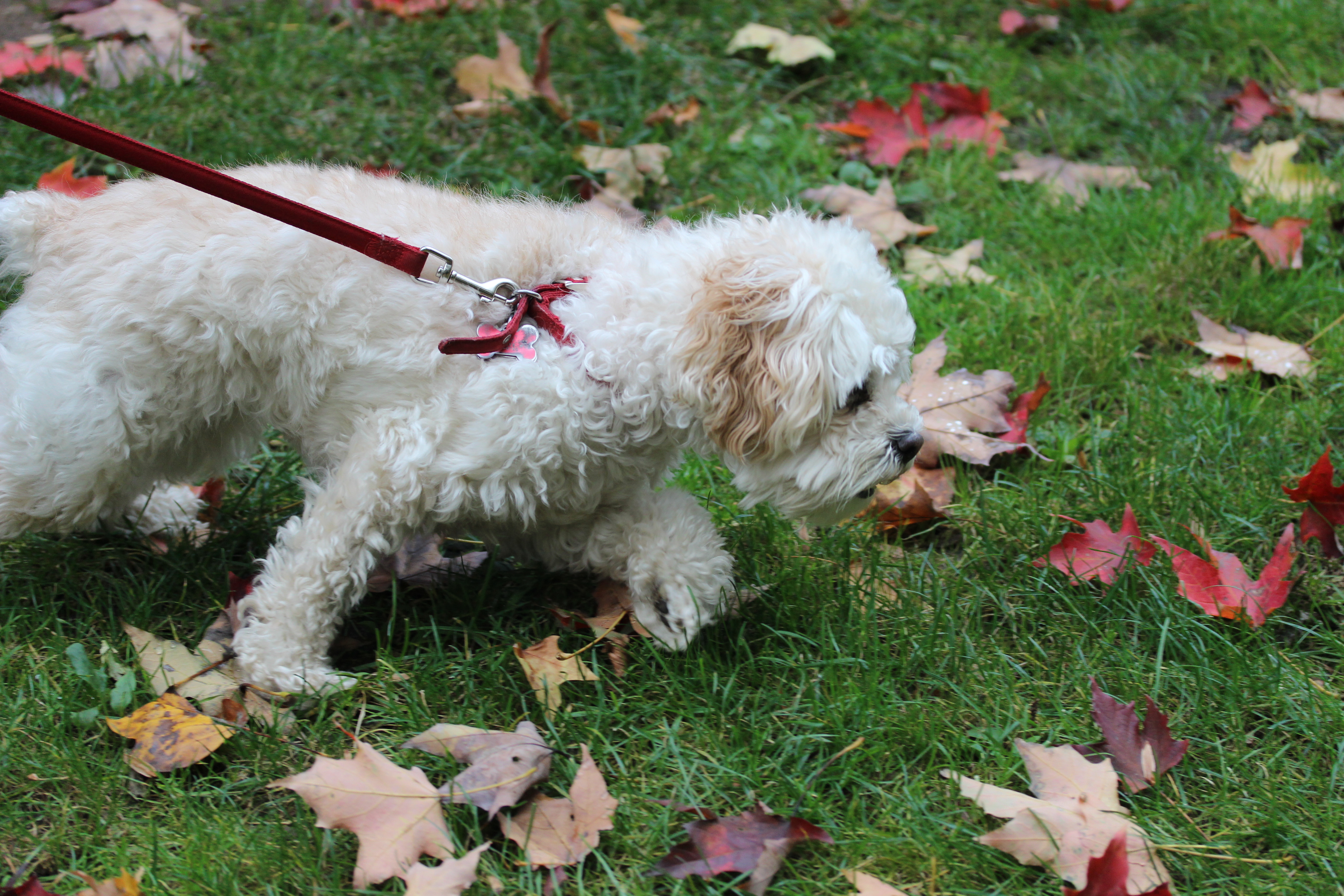
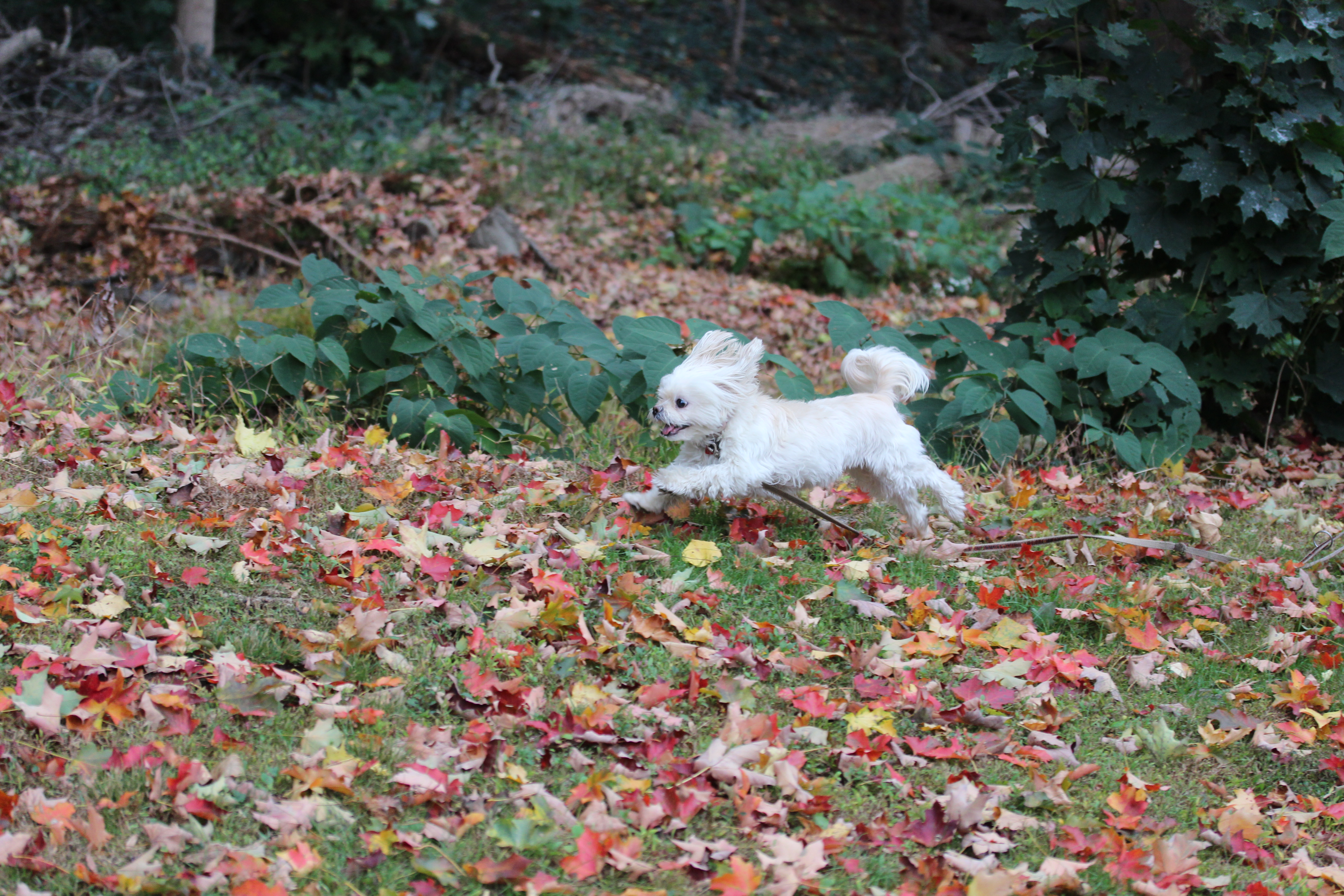
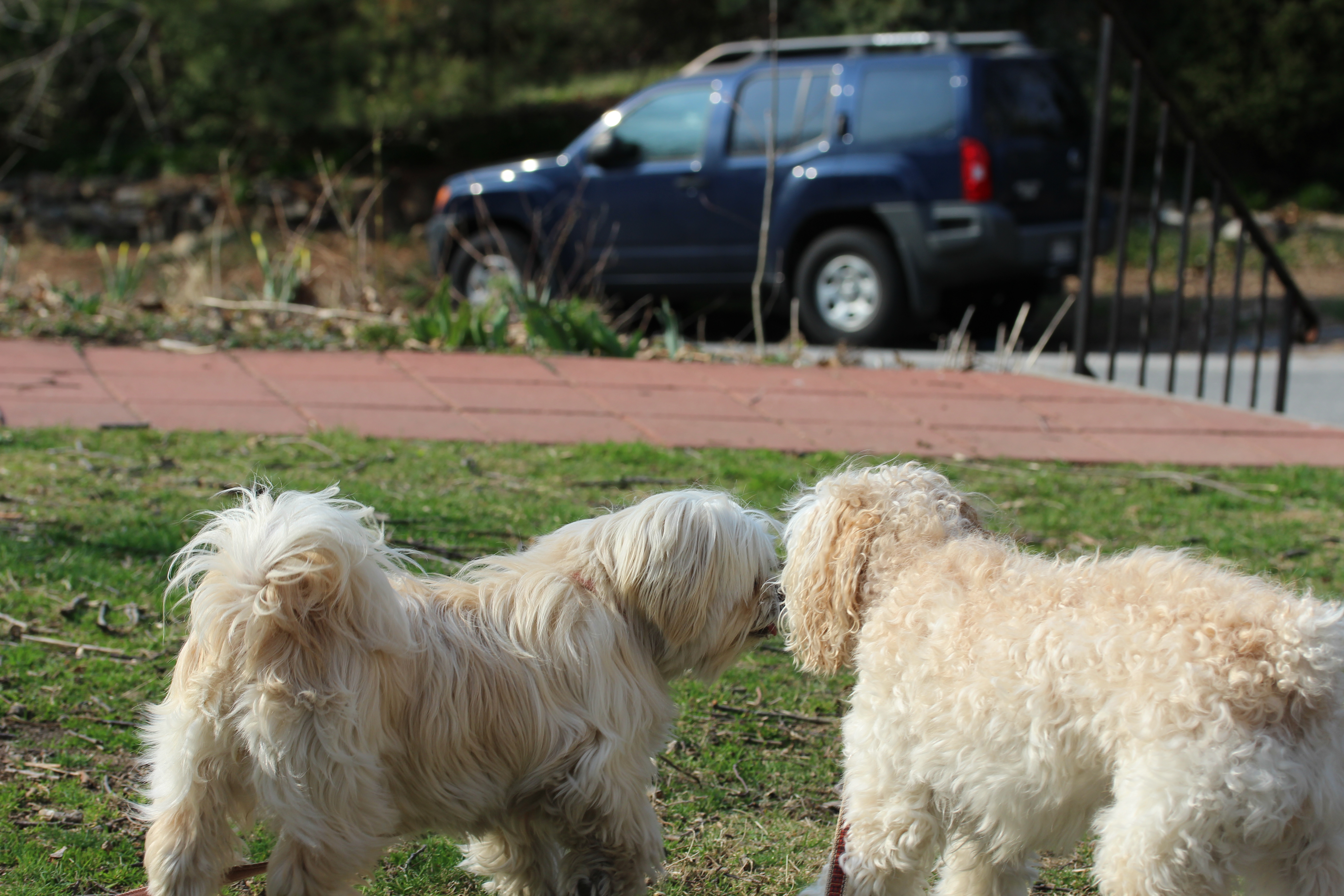
Tag Archives: pets

A Post About Turning Forty


A woman at my synagogue asked me the other day, out of the blue, how old I am, and before I could think I blurted out, “forty.” I had just turned forty three days earlier and it was on the tip of my tongue to say so. And then I got scared. The thing is, I do not look forty. This woman said I looked 20 or 25, and even if she was being nice, I really do look like I could be thirty years old, and I’d rather people think I am younger, because my resume is really short for a forty year old.

We have a lot of expectations about what people will have done by certain ages, and, in an upper middle class, Jewish community on Long Island, these expectations can be unbearably high. Everyone’s kid is successful, and married, and has a nice apartment in the city, or a house in the suburbs. Everyone is very busy, and works out, and has a smart phone glued to their head. I don’t fit in, and I keep thinking, when they realize that I’m not just a ne’er do well thirty year old, but a ne’er do well forty year old, I’ll be kicked out.

In some ways, I feel all forty of those years weighing on me. Everything in my body hurts, and I need naps every day, and some days I feel closer to eighty than to forty. But emotionally, intellectually, I feel like I’m just getting started. There’s so much more that I want to learn and do. There are so many books left to write and left to read. There are so many people to meet and places to go.

I’ve written novels and short stories and essays and poems and drafts and drafts and endless drafts. I’ve taken classes in almost every kind of writing (except journalism, which terrifies me), and earned two masters degrees, and discovered that I will never run out of things to write, or things to learn. I’ve been with the same therapist for twenty years and have been diligent and hard working on every issue. I’m still not done, still not healed, but without all of this work I would be dead, so, thumbs up?

None of this is what I had planned, though. I planned to publish novels. I planned to be on talk shows, and teach writing classes, and meet the president, whoever she happens to be. I planned to drive carpool, and sing my children to sleep, and laugh with my husband every day.

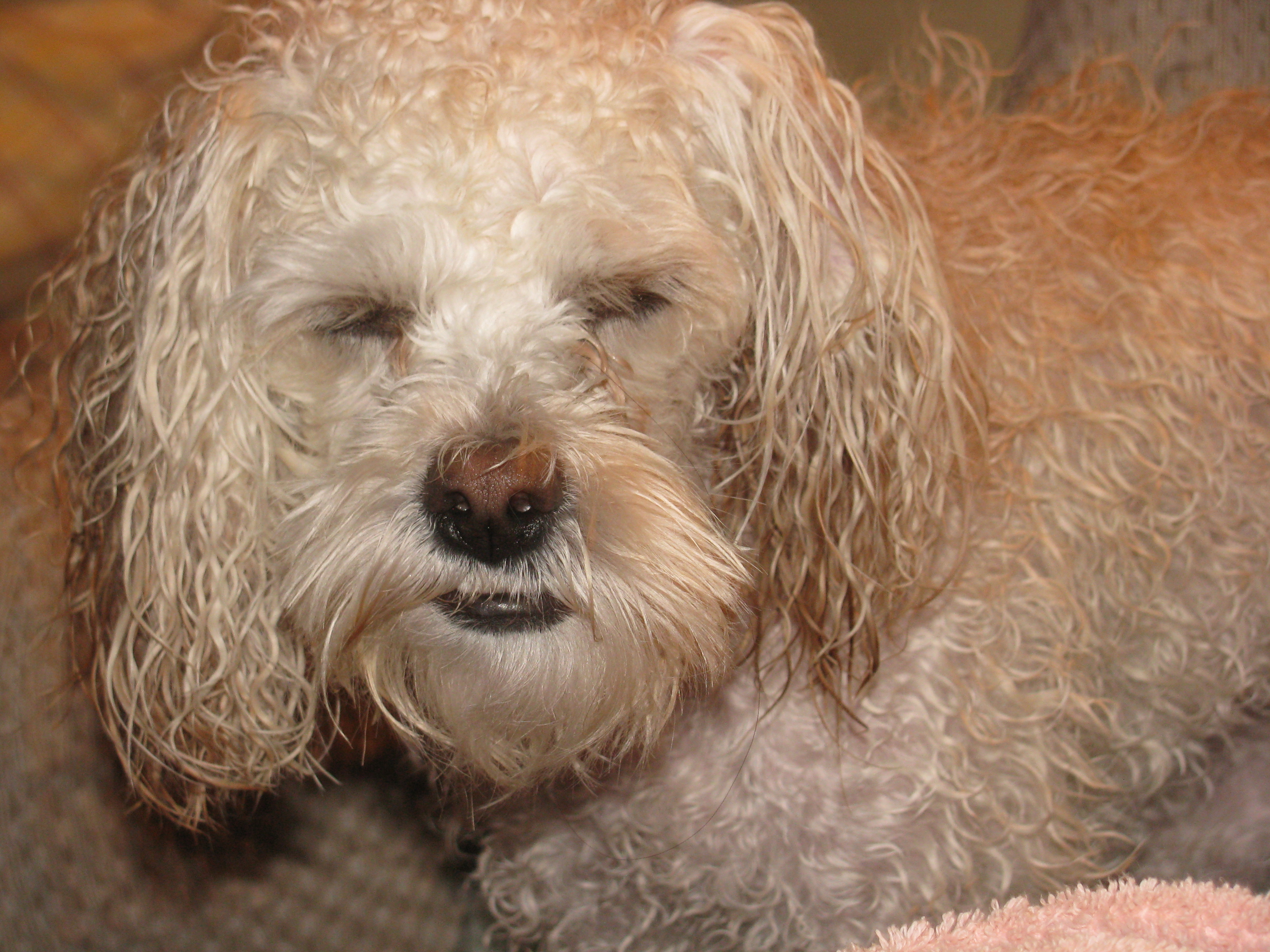
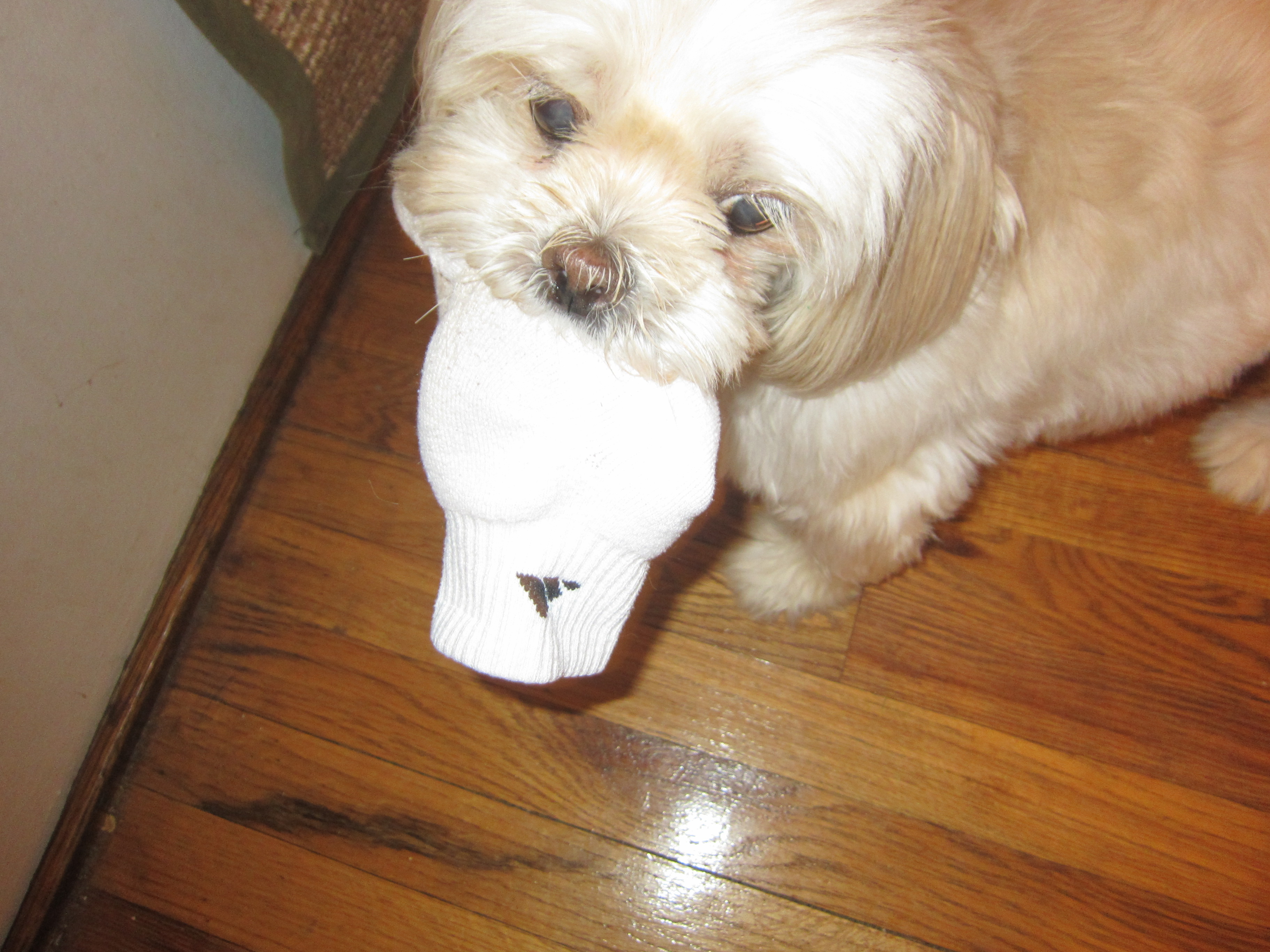
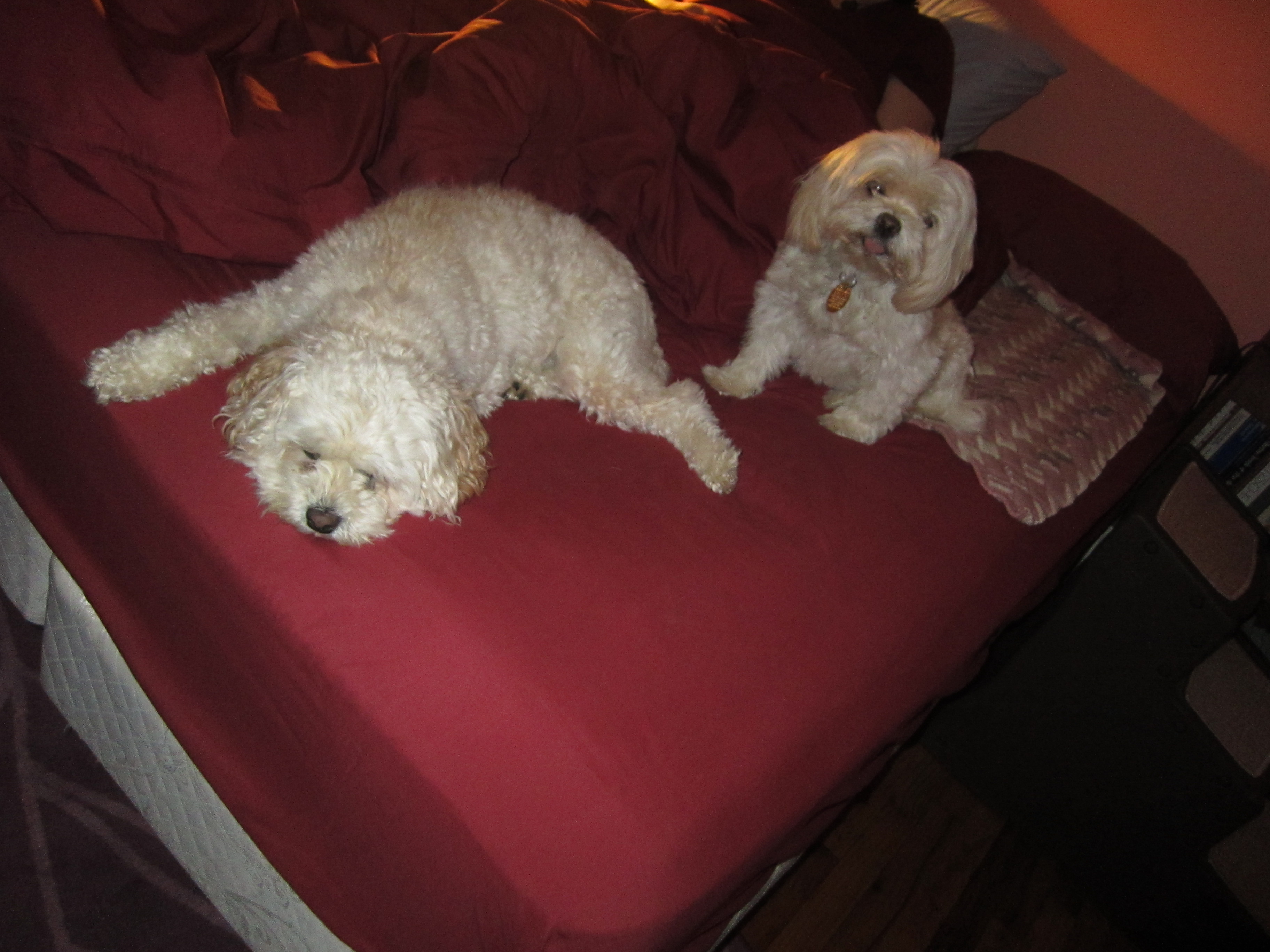
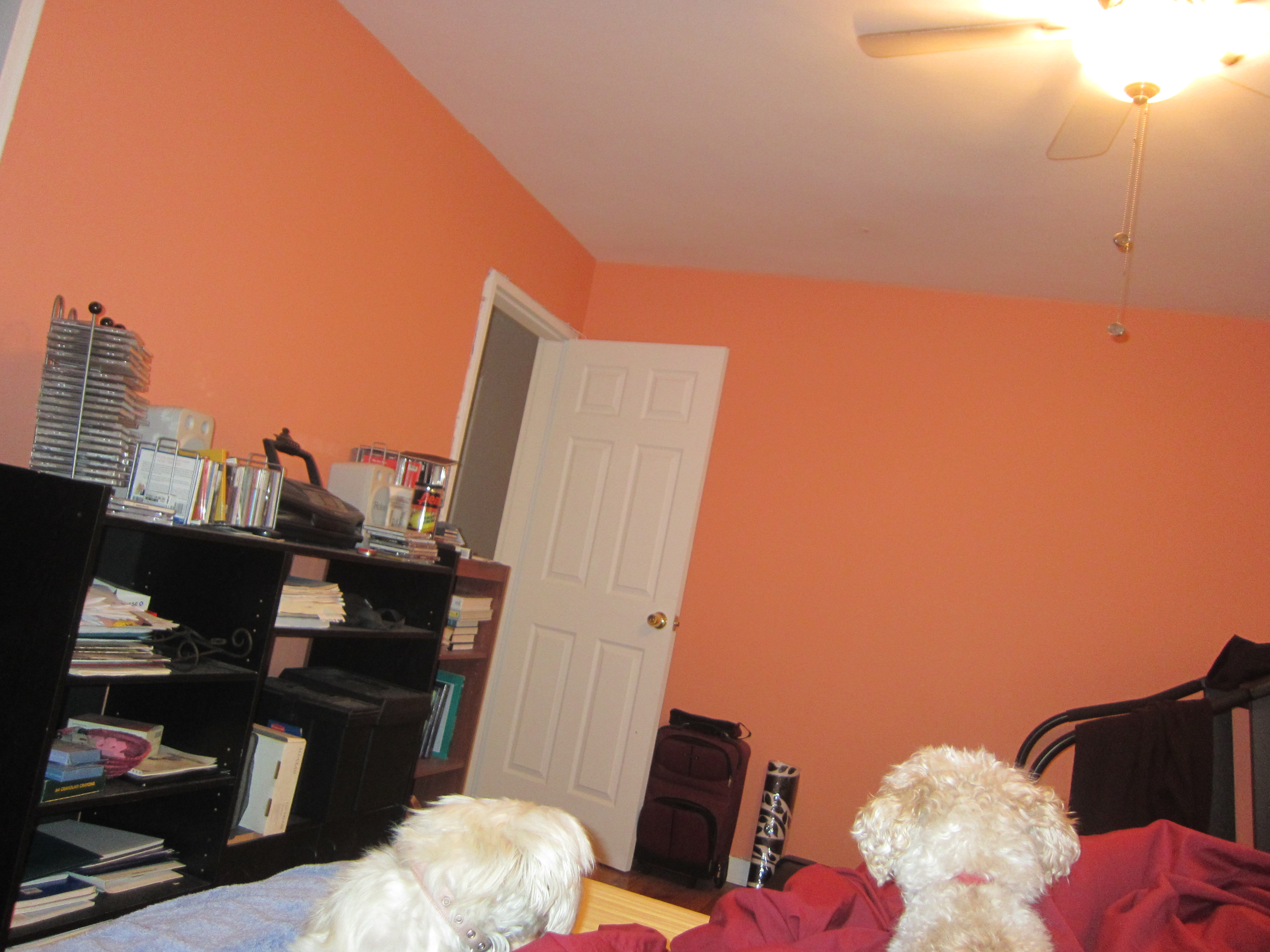
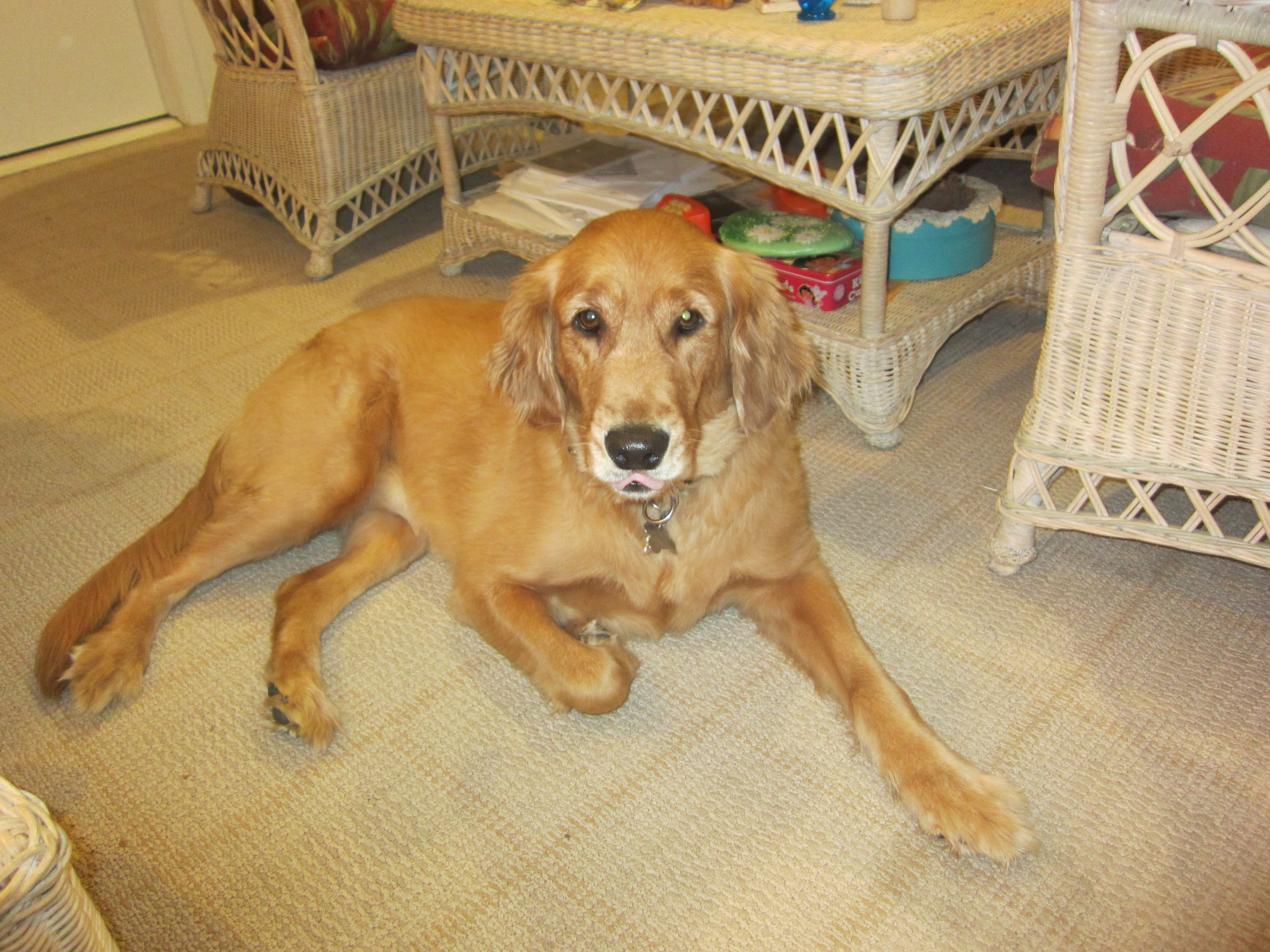
I don’t think Cricket and Butterfly are aware of their ages. Cricket doesn’t look at herself in the mirror and say, Damn, I look good for an eight year old. Butterfly isn’t pacing he floor, worrying that she hasn’t napped enough and time is running out. They don’t judge themselves. They may judge me, but not themselves.
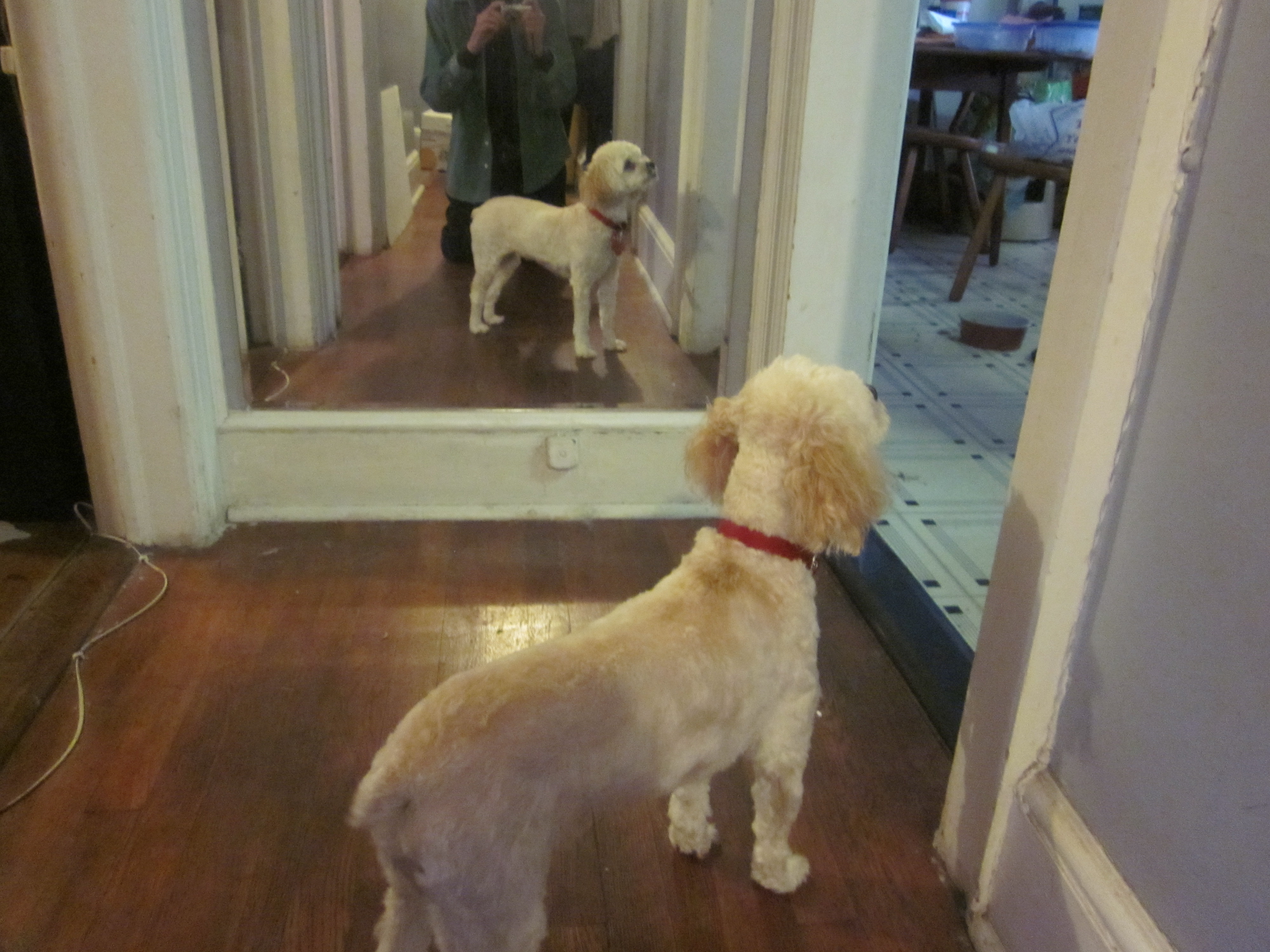
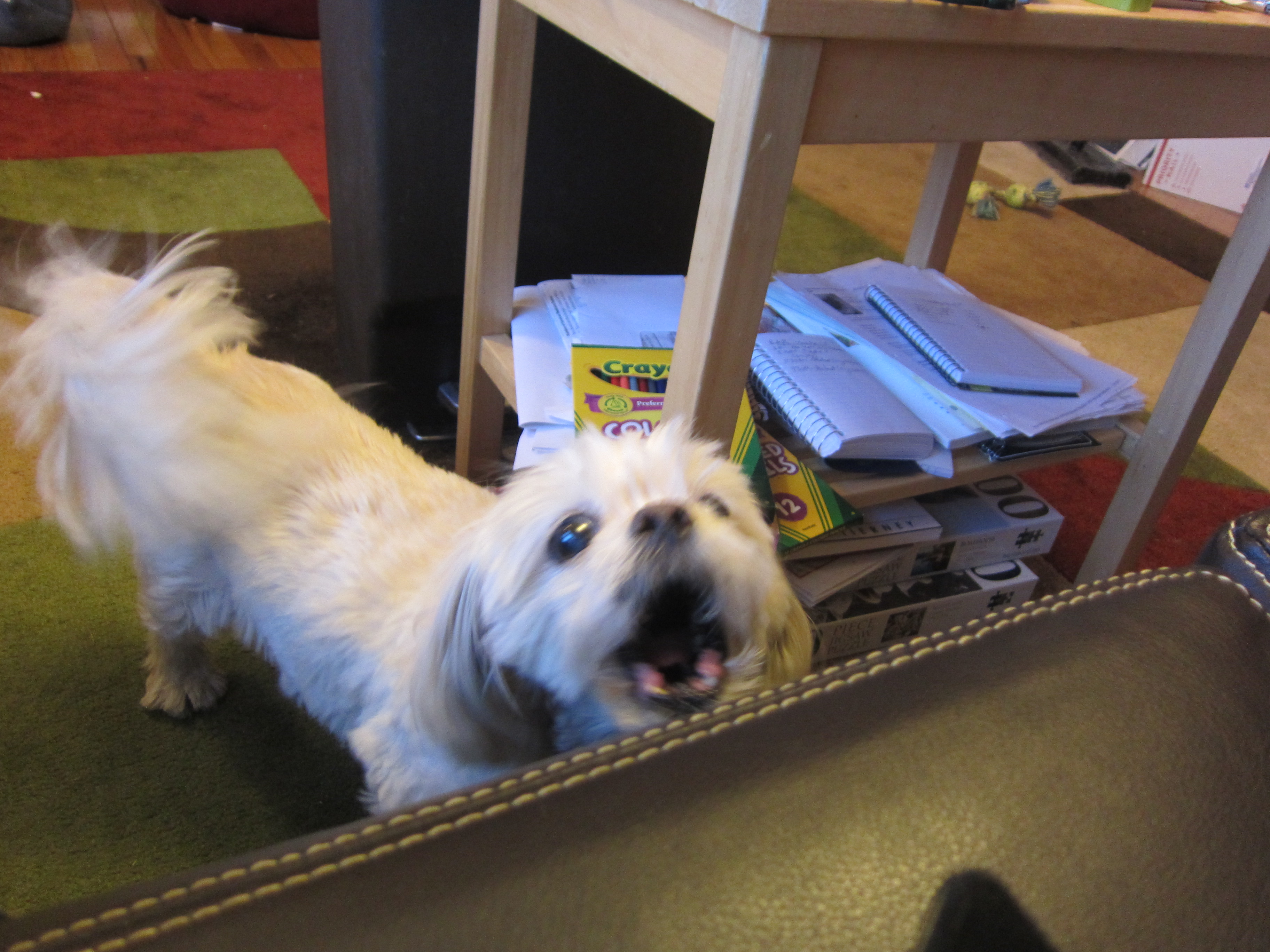
"Hey, skinny dog in the mirror, help me bark for food!"

“Hey, skinny dog in the mirror, help me bark for food!”

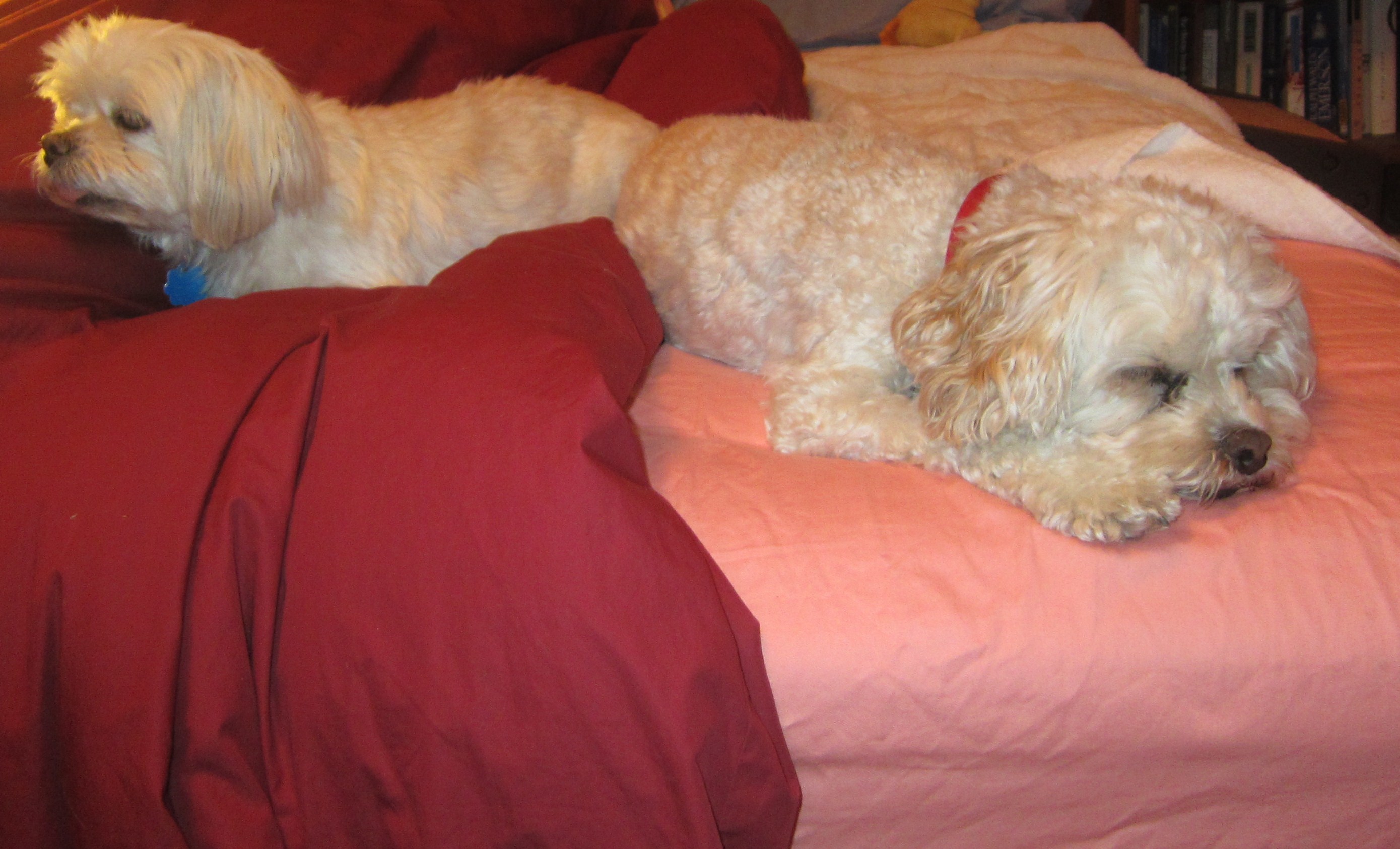
Butterfly fits in naps whenever she can.

Butterfly fits in naps whenever she can.

I don’t think Cricket has any concept of getting older. Time passes, sure, but from her point of view, it’s everything outside of herself that’s changing, not something on the inside. She’s the stable center of the world. Just ask her. Butterfly, I think, has a bit more awareness of the changes she’s gone through over time. We celebrate her gotcha day, rather than her birthday, because we don’t know for sure when she was born. She has lumps and bumps on her skin, and diabetes, and a heart murmur to show for her ten years. She gets back spasms when she tries to follow Cricket on her running and jumping sprees. And maybe she can feel in her body how many more years she has left. She’s an intuitive little creature. But actual birthdays? She’s got to be thinking, why would anyone choose to have only one day a year to be celebrated when they could be celebrated every day?

Cricket is always looking for somewhere interesting to go.

Cricket is always looking for somewhere interesting to go.

And Butterfly does her stretches, so that she can keep up with her sister.

And Butterfly does her stretches, so that she can keep up with her sister.

As a child, I felt like I was drowning in failure, even though I did well in school. I couldn’t figure out how to have good friendships, or how to communicate well enough to teachers, or with my parents, to get my needs met. I felt like there was a whole other language that I was supposed to have mastered, but no one was teaching it to me. As I’ve gotten older, I’ve come to realize that I have to make up that language myself, because most people are in the same boat, unable to articulate the things they most need to say.

Even now, the road forward is anything but clear, and will probably be too slow and take too long and inspire impatience in the people around me. I will hesitate and make mistakes and choose anything but the path they see as being outlined in neon lights, because I can’t see that path at all.

Dogs live much shorter lives than we do, and yet they feel less pressure to achieve great things, or so I assume, because I’ve never seen Cricket at the computer logging on to Kahn Academy. I wonder if, with fewer years to work with, we’d make better choices about how to live them.

For my birthday this year, I want to learn to live more like a dog, to judge myself on who I am first and what my resume says another time, or never. I want to wake up in the morning thinking about what I need, and who I love, and how lovely the snow looks on the pine trees, instead of worrying about all of the milestones I have yet to meet.

I think Cricket and Butterfly are prepared to help me with this.

"What's next?"

“What’s next?”
 

Self Pity, And The Benefits Thereof


We say that someone is “indulging” in self-pity, as if self-pity is as luxurious as a spa day, or a bowl of ice cream, which it just isn’t. People get stuck in self-pity the way you get stuck in a bear trap. It’s not fun. And it’s not a choice. Something in the brain mechanism gets clogged, and a stage that is supposed to be transitory and enlightening, bogs down.

My sense, with most people, is that the degree of stuckedness is directly related to the amount of noise in their head telling them that they are not allowed to feel self-pity. It’s the conflict between the pain, and the resistance to feeling and expressing the pain, that gets us stuck. If you give yourself permission to acknowledge the hurt you feel, then you can begin to take good care of yourself, and place the blame where it belongs, and unravel the knots, and learn the hidden lessons in the experience, and get to a new place.

Dogs don’t judge themselves this way. They don’t beat themselves up for feeling what they feel. I think that’s a big part of why we love them, because they make us think it might be okay to have emotions and show them openly. Even when they emote vociferously, dogs actually move through an emotion more quickly than we do. They get over things much faster, because they don’t put it on a shelf for later, they feel it, and process it in the moment, and then they are done and move on to the next thing. Usually food.

Cricket is not shy about expressing herself.

Cricket is not shy about expressing herself.

Especially when she's grumpy.

Especially when she’s grumpy.

The benefit of dogs over children as teachers of this skill is that dogs don’t learn hopelessness as quickly as children do. They don’t take the hint. They keep barking. They keep licking themselves. They keep peeing on the carpet if we forget to take them outside. Children learn what we want from them too quickly. They see our disapproval and they adapt. The worst thing you can ever see is a baby who has learned not to cry. It’s not a sign that she is a “good baby” it’s a sign that she is shutting down.

Children automatically cry and scream and act out when they are in pain – physically or emotionally – and this alerts the adults around them that help is needed. This is how it is supposed to be. It is only when the adults in charge tell you to shut up that you learn not to send out the alarm.

As adults, we do our best to make our emotions manageable, often by cutting them off and shutting them away, and when someone else dares to emote in front of us, we get mad. Impatient. Enraged. How dare you make me feel that?!

When Cricket is mad, she barks, or grumps under the couch. When Butterfly is lonely, she pines. And they don’t feel bad about it. They don’t snap out of it just because I tell them to be happy. They get there when they are good and ready, or when it’s time for a W-A-L-K.

Butterfly lets me know when she's lonely.

Butterfly lets me know when she’s lonely.

And lets Cricket know too.

And lets Cricket know too.

The especially nice thing about my dogs is that when I am all wrapped up in self-pity, they don’t yell at me to stop, or try to distract me, they come over to snuggle next to me and give me kisses. They know that feeling sad is part of life, and that, at some point, the sadness will pass. And when that happens, they will be perfectly situated to remind me about that W-A-L-K.

They're waiting.

They’re waiting.

Listening Like A Dog


Cricket can be a very good listener. Even in a dead sleep, limbs flopping in midair, she can hear certain words (like: walk, chicken, go, out, and, of course, pee) and be up on her feet and stretching within half a second.

Don't be fooled. Cricket can hear everything!

Don’t be fooled. Cricket can hear everything!

She listens to the sounds of her people sleeping, and shifting, to determine when the waking up drama is about to take place, so she can mark it with screeching and scratching and growling and jumping. She listens to the outdoor sounds, to make sure terrorists are not hiding in plain sight, pretending to be birds or squirrels. She often listens by sniffing, hearing the story of her sister’s visit to the vet by smelling her ears, armpits, and, of course, her butt.

This is Butterfly sniffing Cricket, but you get the idea.

This is Butterfly sniffing Cricket, but you get the idea.

Listening like a dog means actively looking for the information someone wants to give you. It’s not about being nice, or friendly, or polite; it’s about tying an imaginary thread between you and the talker and letting them feel the tug each time you understand what they’ve said.

Butterfly even listens with her tongue!

Butterfly even listens with her tongue!

My rabbi went to Israel this summer with a group of other liberal rabbis, and they spent a week with different groups of Israelis and Israeli Arabs, and at the end of the trip they spent three days in Jerusalem, hearing from Palestinians from East Jerusalem, during the height of the Gaza war. These speakers had to spend hours travelling, because of the heightened security measures, but they felt it was important enough to come and tell their personal stories to this group of American Jews. The rule was that the listeners had to wait until the end of the presentation to speak, and even then, only speak in the form of a question, to try to understand better where the speaker was coming from, rather than to argue with them.

That way, even if you hear something early on that’s provocative, or that you think is untrue, or unfair, you don’t interrupt. You keep listening, in case there’s something for you to learn. And isn’t there always something to learn? Maybe you learn why the other person believes as they do, or why they are willing to go through the difficult journey just to speak to you. There can be a moment of understanding, and compassion, and even progress, through dialogue. Not total agreement by any means, but maybe one or two points of connection will come through.

It is taking me forever to learn how to listen when listening is difficult. Patience was never my strong suit. And to be fair to me, people keep saying the craziest things and I feel like it is my job to set things straight so that the world won’t tilt out of control.

Cricket is listening, but she doesn't like what she's hearing.

Cricket is listening, but she doesn’t like what she’s hearing.

Butterfly is a much better listener than I am. She very rarely takes offense. She listens to her sister’s diatribes with curiosity and patience. She even sniffs an ear to see if there’s more to find out. She uses a tactic I’d call whole body listening. You can see her ears lift and rotate, and her nose twitch, as she focuses her gaze on you. But even more, you can feel her listening, feel the heat of her body leaning against you to see what mood you are in, or her tongue licking your palm to let you know that she’s paying attention.

I can probably skip the licking part, but the rest of her listening skills seem worthy of imitation. Now, if only I could get my ears to lift up and rotate the way hers do…

Look at those ears!

Look at those ears!

Floracide, or Killing Your Dahlias


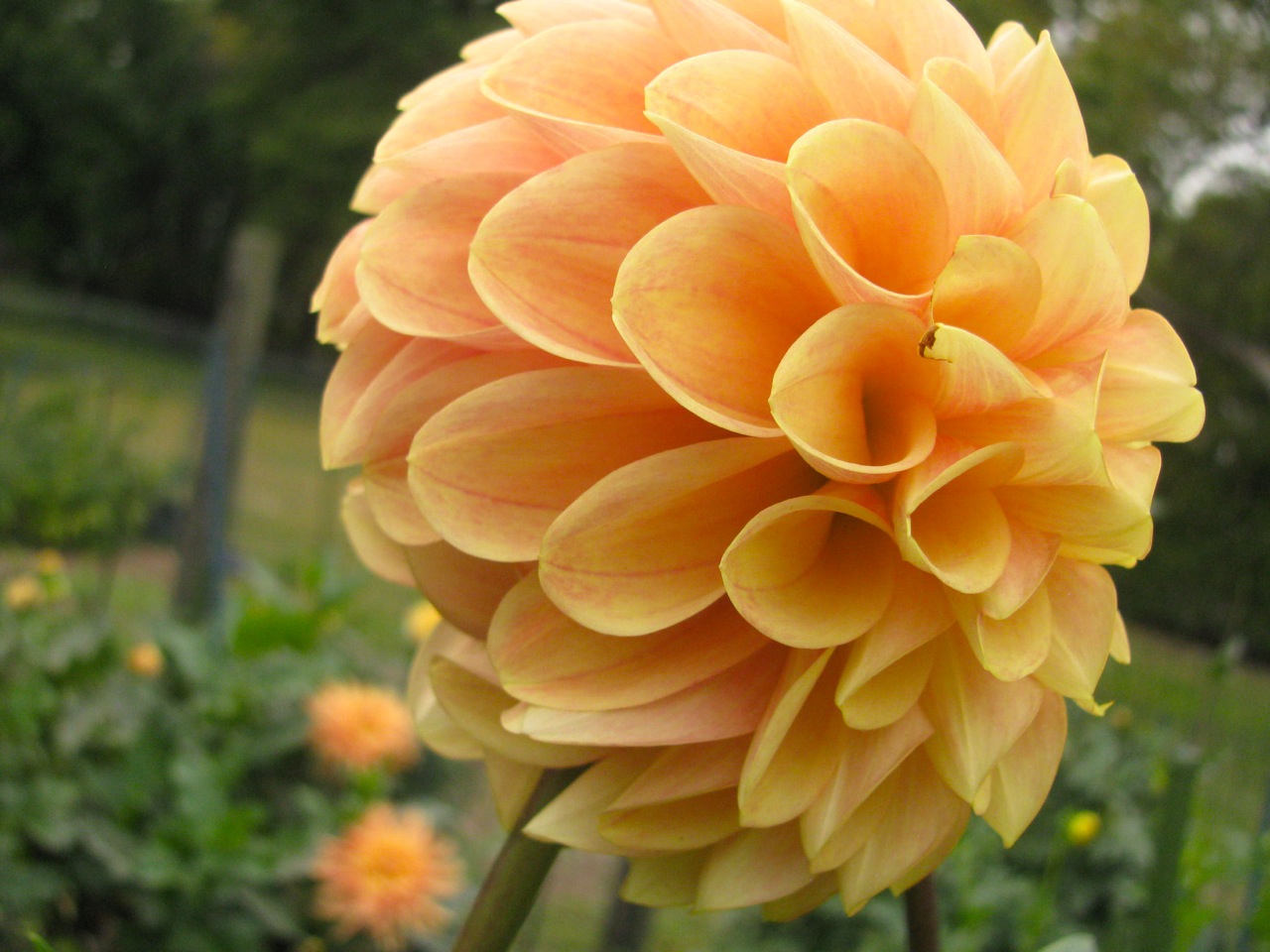
My mom takes her gardening so seriously that when the dahlia specialist in the next plot over from her at the community garden started killing off his less than perfect dahlias, she felt like he was killing living things, like small animals, maybe fish. She didn’t fall on the floor crying, or run at him with a gardening fork, which she would have done if he was slicing off the heads of small puppies instead of flowers, but she did feel the flower deaths in her gut, like a punch.

An imperfect Dahlia, on the chopping block.

An imperfect Dahlia, on the chopping block.

A bucket of imperfect Dahlias, saved, for the moment.

A bucket of imperfect Dahlias, saved from the compost pile.

This dahlia man clearly believes in killing off anything that is not competition worthy or perfect, even if it is beautiful. And my mom would prefer to keep everything, no matter how imperfect, even if the whole becomes chaotic as a result. I don’t know where I fall on this spectrum.

I’ve recently discovered dead heading. When the marigolds in our home garden were still flourishing, Mom told me to pluck off the dead and dying flowers, to make it possible for more to grow. There’s a satisfying snap to the decapitation of these flowers – like snapping off the end of a piece of asparagus. I was in danger of snapping off the heads of healthy flowers, just to feel the satisfaction of it, when there were no more dead ones left. I can get a little bit carried away. I was saved from becoming a flower killer by the overnight frost that knocked all of the flowers out in one shot.

The Marigolds, before the frost.

The Marigolds, before the frost.

Snapping the head off of this one would be bad, right?

Snapping the head off of this one would be bad, right?

There’s a piece of writing advice that’s often quoted, that you have to be willing to “kill your darlings” in order to make the whole piece of writing work. You shouldn’t hold on so tightly to the perfect sentence, or the scene you love, or the character who inspired you to write the book, if the book would work better without it. But I’m not sure. Sometimes, if you remove the thing you love most, the whole thing falls apart. I’ve been known to keep the one line I love in a piece, and trash the rest, because the heart of the thing is the most important part.

Cricket has been known to kill flowers. She doesn’t mean to, any more than she means to harm a cat or squirrel who runs past her. She wants to catch it and subdue it and then play with it. With plants, she wants to dig them up, and chew on them, and toss them in the air, and run after them. She likes their taste of green and dirt and bugs. She likes their crunch, and the different textures on her tongue. She plays with cherry tomatoes the way I used to play with a tiny bouncing ball from the treasure chest in the dentist’s office.

"Play with me, green thing!"

“Play with me, green thing!”

"Mine!"

“Leaf is mine!”

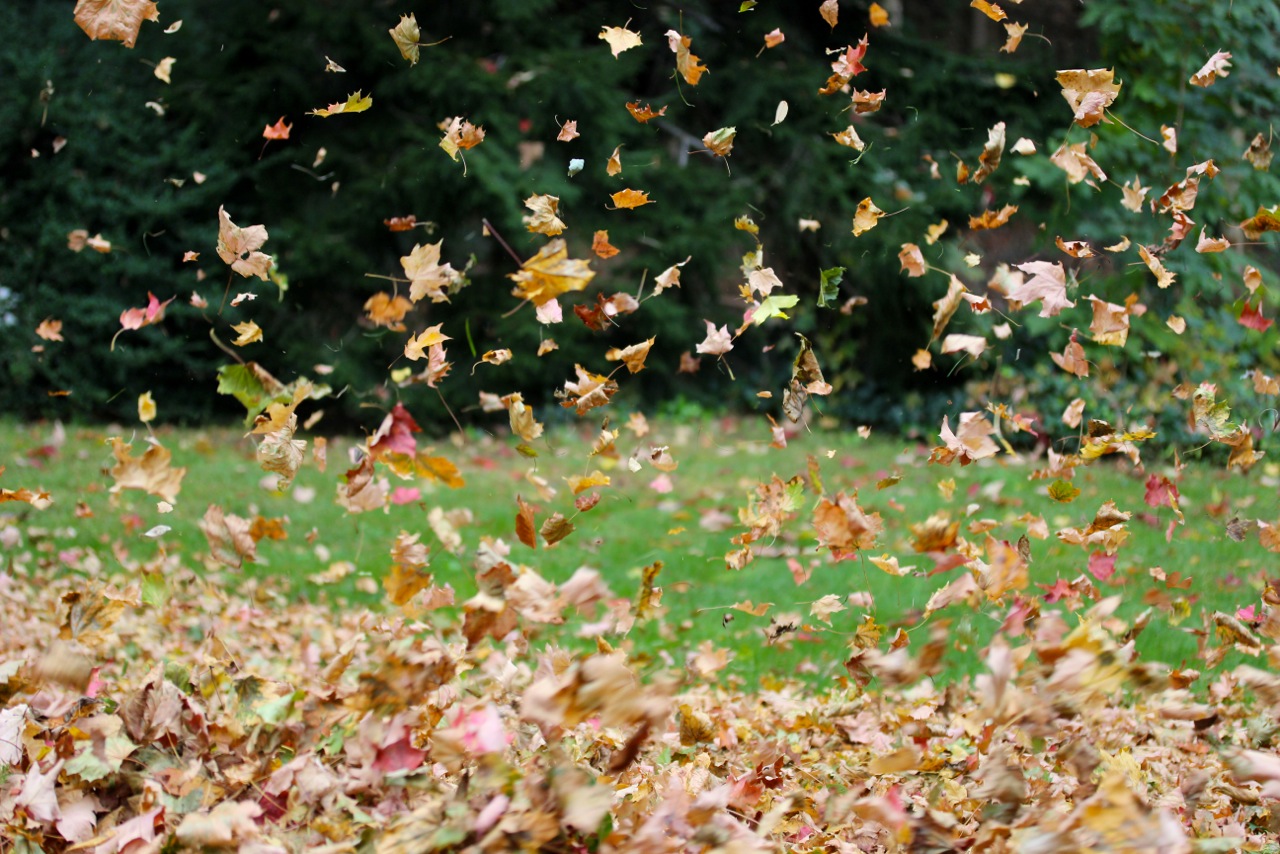
There’s something to be said for letting nature decide which plants to support and which ones to kill off, if only because the feeling of responsibility, and guilt, is too much for me. Winter is the natural death of the growing season. We grieve the loss, but we don’t feel guilty or responsible. The leaf storms at the end of the growing season are like a celebration, a wake for the leaves and flowers, with the dead and dying coming out to dance one last time.

The leaves are dancing!

The leaves are dancing!


The Grandma Addicts


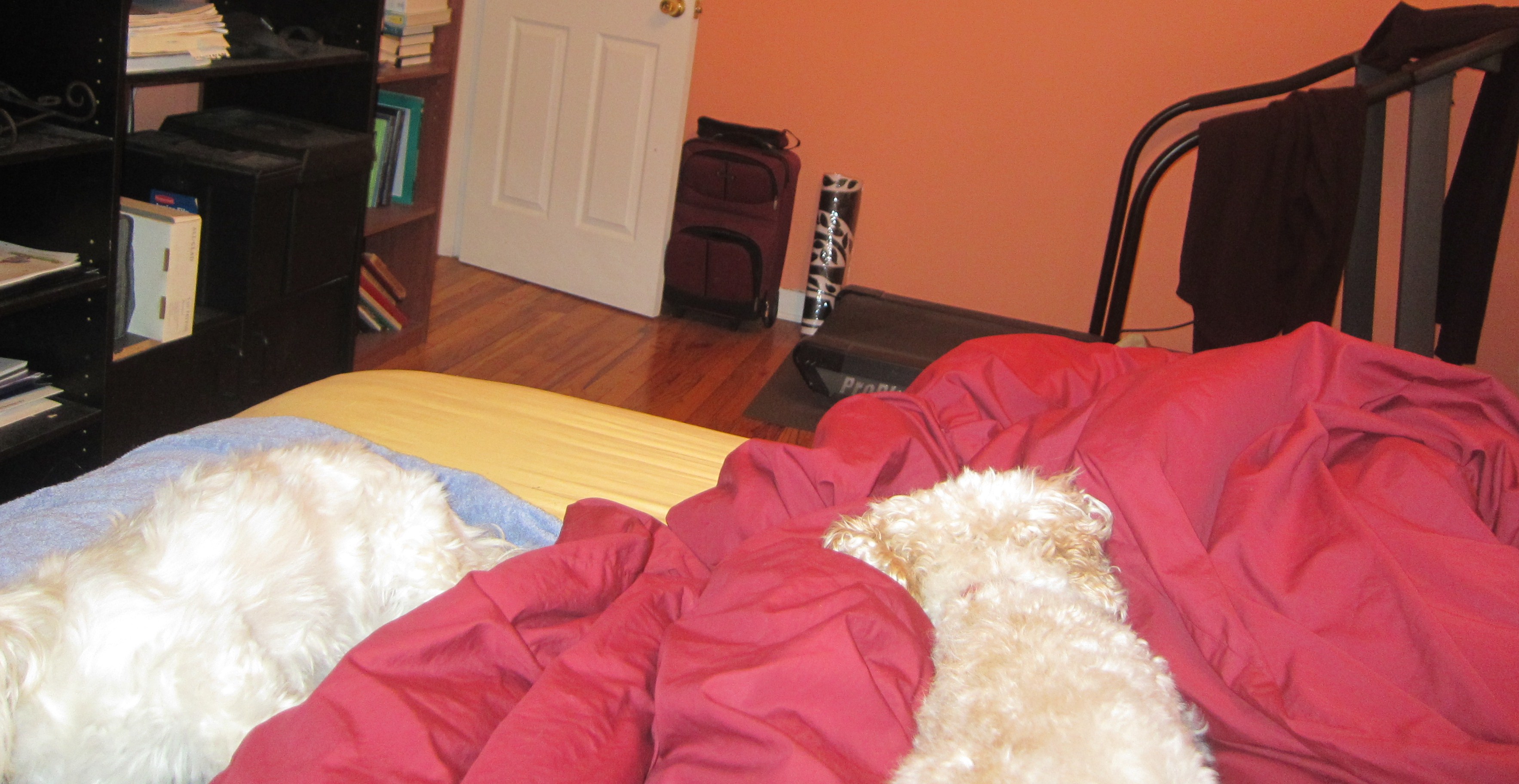
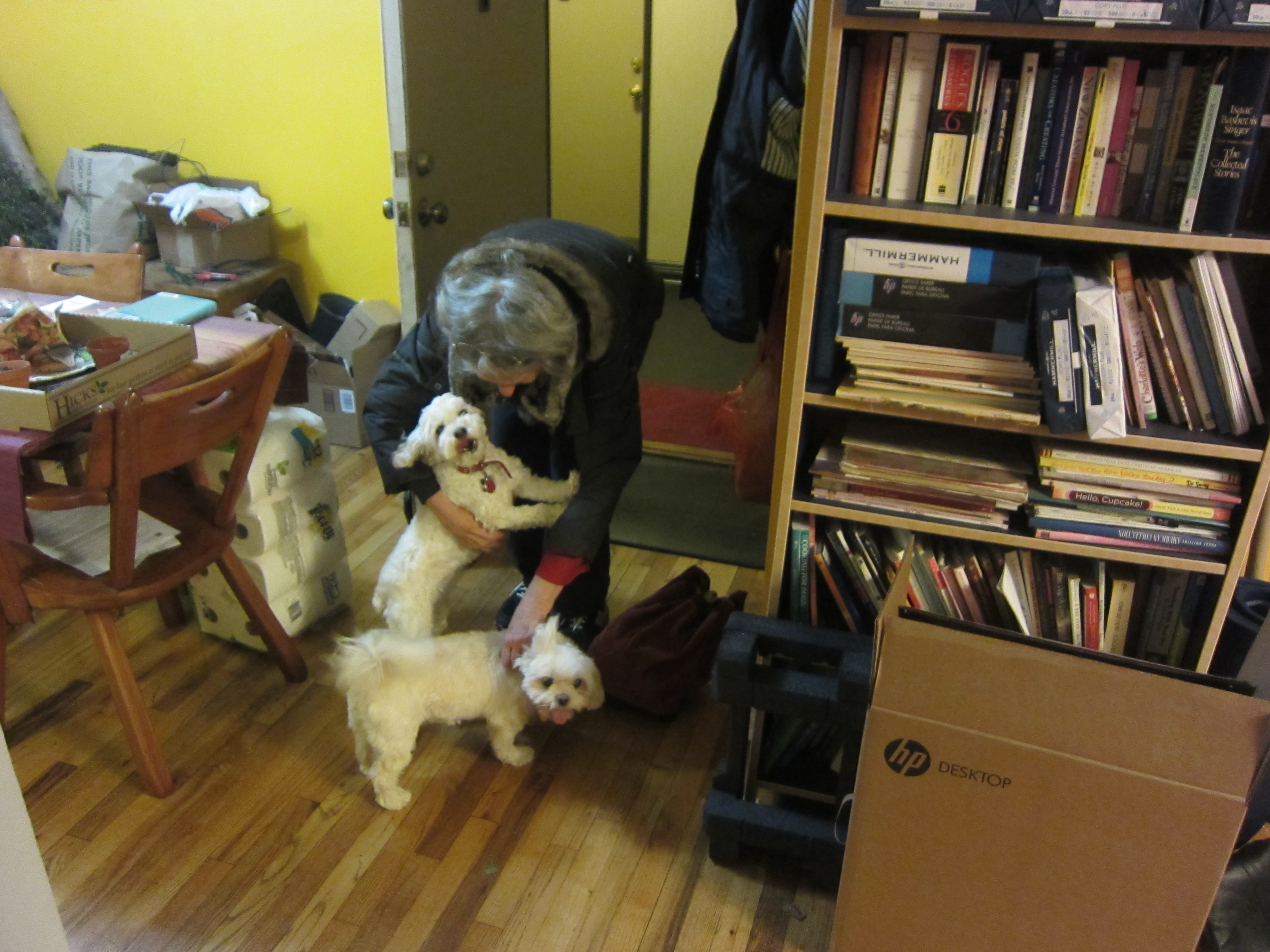
When Mom is out running errands or gardening or being busy during the afternoon, I’m usually napping. Butterfly stretches out next to me, and Cricket drapes herself on top of me so that I can barely breathe, and we all go to sleep in a puppy pile.

Butterfly adds her friends to the puppy pile.

Butterfly adds her friends to the puppy pile.

Cricket and Butterfly can be comfy and quiet for hours, but at the first sign of Grandma returning home, all hell breaks loose. Grandma’s here! We want things!

Ah, sweet sleepies.

Ah, sweet sleepies.

"What was that?!"

“What was that?!”

I think Cricket can hear the specific sound of Grandma parking the car in the lot outside my window, and she definitely knows the sound of Grandma opening the front door of our building. Butterfly is not an expert in these particular sounds, so she relies on Cricket to tell her what’s going on.

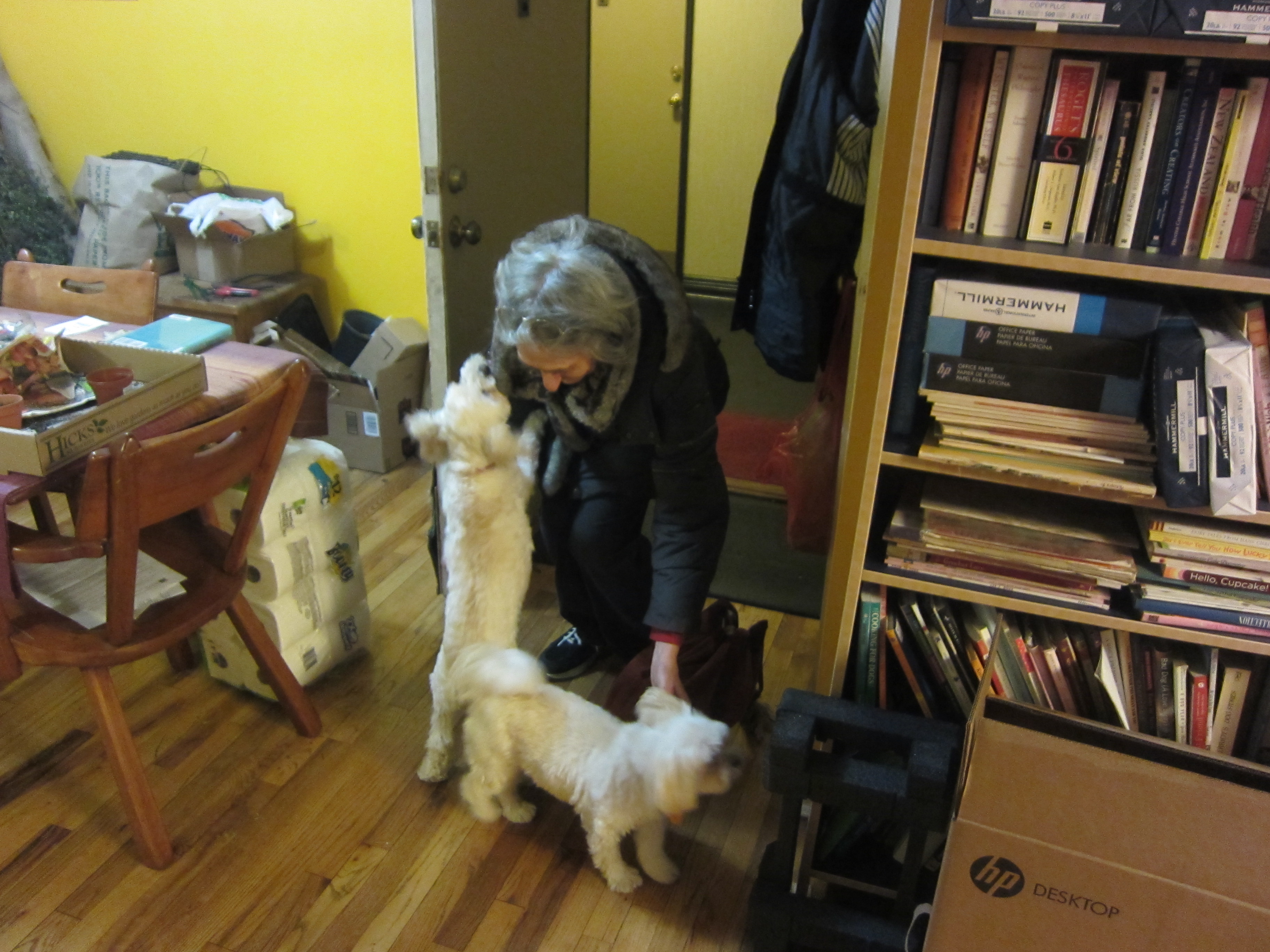
Cricket flies off the bed and barely touches the floor before she’s out in the hall and racing towards the door. Thank God for the rug in the hallway or else she would slide the whole way to Grandma.

Butterfly stands on the bed and barks at her fleeing sister, then she barks at all corners of the room, and crouches and barks, and circles and barks, and then she remembers that she has the doggy steps, and she runs down to the floor and out to the hall to catch up with Cricket, who is already crying and squealing at the top of her lungs.

"Grandma! Grandma! Grandma! Grandma!"

“Grandma! Grandma! Grandma! Grandma!”

Cricket stands straight up on her back feet and tries to jump up and kiss Grandma’s face. Butterfly tries to follow Cricket’s example and lifts her upper body off the ground with a heroic effort, and then flops back down, and tries again.

"More! More! More! More!"

“More! More! More! More!”

"I win the Grandma!"

“I win the Grandma!”

The crying and squealing and barking and hopping and flopping can go on for quite a while.

No matter how much I love my Mom, even at my best, I could never match the girls in the greeting department. Grandma brings new smells from outside, possible groceries, guilt scratchies for being gone so long, and the possibility of who knows what amazing things – she is Grandma after all!

Even my brother, who affected indifference when we were kids, would shuffle over to Mommy for a hug. He didn’t run down the stairs and almost topple her over, like I did, but he rested his head on her shoulder and let her hold him up. He still does this. Mommy hugs are a life long addiction.

I didn’t have this with my grandmothers. Neither of them was warm or huggable. I probably had to kiss them on the cheek or do the obligatory hug, but I’ve blocked it out.

My oldest nephew was a Grandma addict when he was little. When Grandma would get ready to leave at the end of a visit he would cry and beg for her to stay. He looked suspiciously like Cricket, hopping up and down, though without the furry jumpsuit.

He and his brothers and sister have taught themselves a more reserved greeting style when Grandma arrives at their house, except for the littlest one who can still be seen running down the block from the bus stop at the first sight of Grandma’s car in the distance.

We grow out of these greetings, either because we become blasé, or believe we should appear to be blasé, but dogs keep it up forever. Even in her old age, Cricket will be dragging her walker down the hall and croaking out a bark or two to greet Grandma at the door.

This is why we need dogs.

goodbye from dogs

Twice-Exceptional Dogs


I’m currently taking a class in the psychology of the exceptional child, and my favorite discovery, during the first few weeks of class, was a subject barely mentioned in the textbook: twice exceptional children. These are gifted kids who also have a disability, like ADHD, a mood or anxiety disorder, a learning disability, or an autism spectrum disorder. When I started to read the research I felt like the clouds had parted and rainbows and light were filling my eyes.

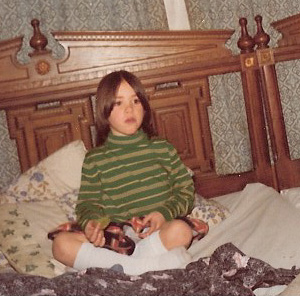
This was me.

Me, and my fashion sense.

Me, and my fashion sense.

I was gifted. I wasn’t a prodigy in the 160+ range, but I was gifted enough to not fit in with my classmates. My teachers were so impressed with me that no one noticed how much I was struggling – socially, emotionally, and with certain academic tasks. I couldn’t judge distance. I couldn’t read maps. I could not make sense of a fast food menu up on the wall at McDonald’s. God forbid I tried anything like interior decorating and my intelligence level dropped like a rock.

But none of those things were noted, or even tested, when I was in elementary school. And when there was a spatial relations section on an achievement test in ninth grade, no one but me seemed to notice the results. I scored in high 90’s for math and verbal and at the 50th percentile for spatial relations. I was so excited! I’d been telling my parents and teachers that I had a learning disability for years, and they would all look at my grades and laugh hysterically.

Not funny.

Not funny.

My hope was that this almost 50% gap between my strengths and my weaknesses would be a neon sign to get people to look at me more closely, but no one cared. To be fair, they didn’t notice that I was suicidal either.

I think Cricket is twice exceptional too. She is very bright, but she has such anxiety that she struggles to learn. Cricket can read even the smallest body language cues: she knows the difference between Grandma getting dressed to go outside alone, or to go outside with dogs; she can hear every whisper and know when it is about her and when it’s not; she not only knows specific words, but what the tone of voice they are said in implies.

Cricket, reading Grandma's mind.

Cricket, reading Grandma’s mind.

But, she is a terrible student. She will never do something just to please her people. She can’t focus when she’s emotionally agitated, which is a lot of the time. And if she doesn’t want to do what she’s being asked to do, she won’t do it, no matter how many chicken treats I offer her.

I refuse!

“I refuse!”

When she’s calm and focused she can learn new skills in minutes. She can sit and stay and even twirl. Her name recognition and ability to come when called were perfect, at home, but once she got to her obedience class she was a mess. If she were a shedding dog she would have been sitting in a puddle of hair by the end of each class.

If she were a human she might be diagnosed with ADHD, or Oppositional Defiant Disorder, or Social Anxiety, or all three. If she were a human, she’d be in talk therapy, and taking a drug cocktail, and she’d probably be in special education, despite her high intelligence. She is a classic twice exceptional dog.

For my paper, I spoke to a professor who runs a program for twice exceptional students at a local college, secretly hoping she’d give me some ideas for Cricket and me. She talked about creating a scaffolding for these kids, including: faculty trained to adapt to their needs; a social skills counselor; study skills classes; peer mentors; academic advisors who can give them emotional support. She said that the fundamental thing these kids need in order to succeed is love.

It’s such a simple idea. We all need help. We all need praise for our strengths and support for our weaknesses. The idea that each and every one of us should be able to pull ourselves up by our bootstraps, and reach our full potential alone, is bullpucky.

Butterfly loves to help her sister, even as a pillow.

Butterfly loves to help her sister, even as a pillow.

But I’m not sure how to apply this scaffolding to my life, or Cricket’s. I haven’t been able to find the doggy equivalent of special education, let alone twice-exceptional education, for her. The classes I can afford are mostly one size fits all and Cricket has to sit in the back and watch the Golden Retrievers heel, and roll over, and shake their beautiful tails in her face.

Delilah, the A+ student

Delilah, the A+ student

Just once, I wish I could help Cricket get a gold star on a test, and give her a chance to stand tall and let everyone see her extraordinary potential, the way I do.


"More!"

“I can do it!”

Butterfly and the Hairball


Two days after her most recent trip to the groomer, Butterfly started to throw up. Butterfly is a ten year old, diabetic, pure bred dog, with a serious heart murmur. I check her blood sugar for fluctuations every day (still too many ups and downs), and listen to the strange rhythm of her heart, which sounds fine to me, but I’ve always liked syncopation.

I am acutely aware of her health on a daily basis.

"Mommy, I don't feel good."

“Mommy, I don’t feel good.”

The last time Butterfly threw up was when she was first diagnosed with diabetes. She’s on insulin shots twice a day, so seeing her have what seemed like a serious relapse frightened me. Her blood sugar dropped very low, and she was shaking, and she refused to eat. Butterfly ignoring not only kibble, but chicken treats, is probably one of the signs of the apocalypse.

"Mommy, I think I'm gonna throw up."

“Mommy, I think I’m gonna throw up.”

She also had a lump the size of a kumquat on her lower belly, of unknown origin. She’d had the same thing way back in her early days with us, and back then the vet thought it might be constipation or something equally unimpressive, especially when the lump went away overnight. But it was a scary looking thing and I wasn’t sure if it would go away on its own, or where it came from, and meanwhile, Butterfly could barely sit down from the discomfort.

We put maple syrup on her gums, and cocooned her in a pink towel, and massaged her back, and crossed our fingers.

Time seemed to slow down, or even disappear. I couldn’t remember what time of day it was, or how long she’d been sick. Some part of me was shaking along with her, even as I told her, and myself, that everything would be okay.

Cricket was not impressed.

Cricket was not impressed.

At some point, Butterfly asked for some time on her own four feet, and within a few minutes she threw up again: three times in a row, on the rug in the hallway. When I went over to clean it up, there was a strange dark object in one of the puddles. It looked like an elaborate hairball, made of wiry black hair, honeycombed with bile, an inch and a half long, and half an inch in diameter. Huh?

Whatever caused it, once the hair ball was out, Butterfly started to improve. Her sugar went back to normal, she started to eat her kibble again, she was able to poop outdoors, and she was even smiling by bed time. She wasn’t up to running yet; that came the next day, along with the disappearance of her kumquat lump.

"Mommy, I feel so much better!"

“Mommy, I feel so much better!”

"We need treats!"

“We need treats!”

Once the crisis was over, I was calm enough to contemplate the hairball mystery. I’d never heard of a dog getting a hairball before. The hair was dark, like mine, but unless Butterfly had been chewing on my hair each night while I slept, I couldn’t imagine how she’d get her paws on that much hair in one shot.

But, there was a big, sweet, black haired dog at the groomer the day she was there, and as we were leaving, Butterfly did try to lick his head through the bars of his kennel. They also have a black cat on staff there, and I didn’t see him when we picked the girls up. We haven’t had a phone call from the groomer yet, so, fingers crossed that she didn’t eat their cat.

The Battle Hymn of the Nap


Cricket is prone to fits of crazy digging. She’ll dig outside in the dirt, if she can, but most of the time she digs on the rug, on my bed, or under the couch. And there is a vocal accompaniment to what she’s doing with her paws. I would call it ululating, except that there’s a lack of musicality to Cricket’s version; her rhythms are chaotic, and her pitches unrecognizable. She sounds kind of like a high pitched car alarm on speed.

The crazy digger's butt.

The crazy digger’s butt.

Very often, her crazy attacks of digging are part of her preparation for bedtime. Cricket is like a toddler who is exhausted, but enraged that she has to go to bed. She loses her mind, racing around in circles, picking up toys and growling and crying. She doesn’t want to be overtaken by sleep; it’s an awful fate that she has to fight off like the monster it is.

She does the same things whether it is a daytime nap or a nighttime nap: she will either do a running jump up onto my bed from the doorway, or stand next to my bed and try to jump from a standstill, which usually takes five or six tries; when she’s finally up on the bed, she starts digging at the sheet, and crawling under the blanket to dig in the dark; the digging speeds up and the ululating kicks in, and then she starts to push the blanket around, creating a fort; and then, finally, she falls asleep, in her fort.

Cricket in her fort.

Cricket in her fort.

Butterfly has a different bedtime ritual, which requires me to chase her around the apartment for some period of time, and then pick her up from the floor, and carry her to her blanket on my bed. Sometimes she is very excited and hops around the apartment, sticking her tongue out and smiling at me. Other times she is more of a little princess, waiting to be lifted and carried to her throne.

Butterfly is very sleepy.

Butterfly is very sleepy.

Sometimes, when I pick Butterfly up for nap time, something about the slight squeeze around her middle makes her fart. Cricket’s farts are silent and stinky, but Butterfly’s farts are musical. It’s a bit like the sound of the shofar on Rosh Hashanah, or a kazoo, played staccato. Once, when I picked Butterfly up to carry her to my room, Cricket was walking ahead of us, and Butterfly made one of her musical farts. Cricket turned around and sniffed her own butt, to see if that’s where the fart came from.

"Which one of us farted, Mommy??"

“Which one of us farted, Mommy??”

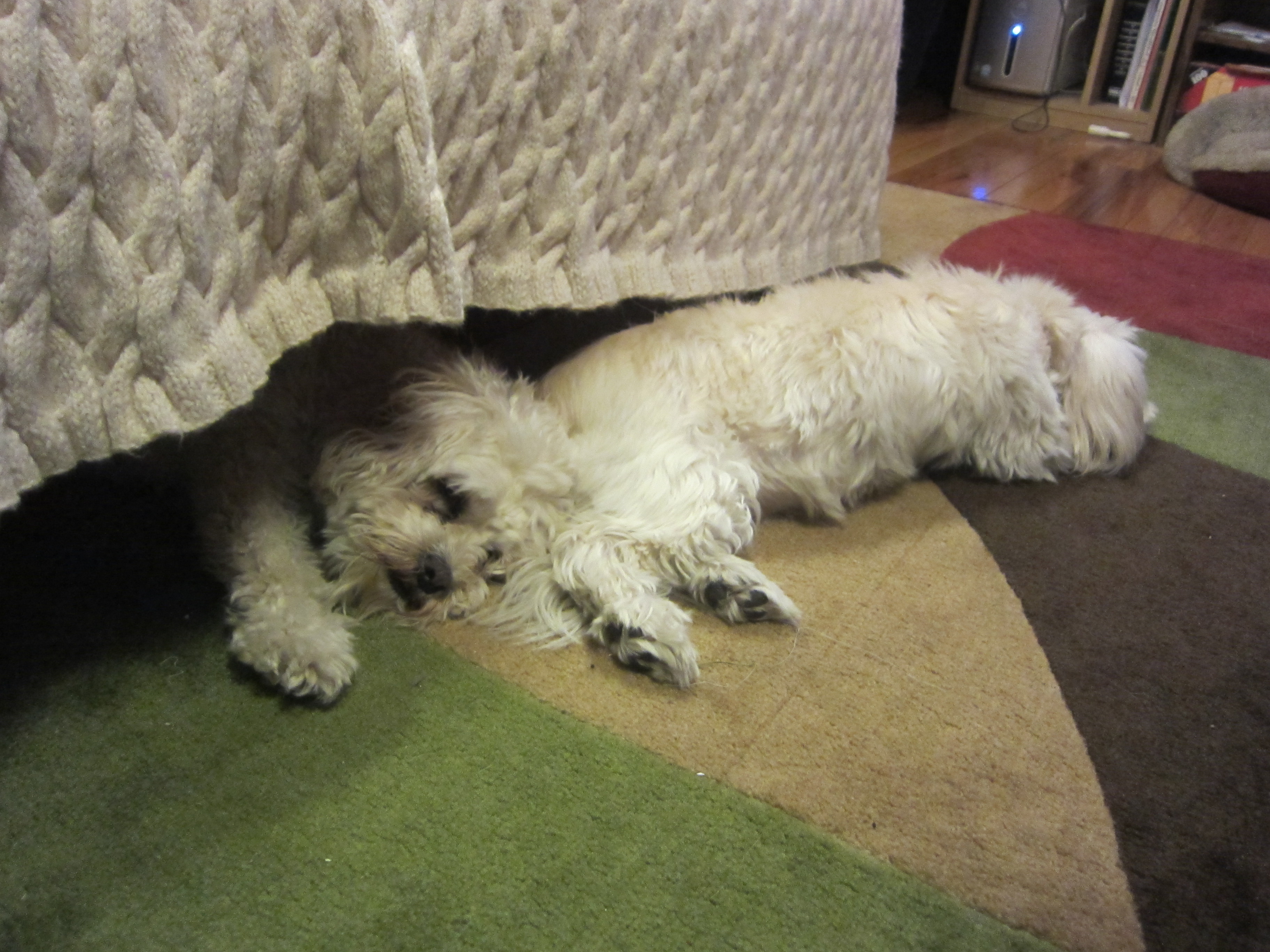
When Butterfly is really tired, she just topples. She’ll walk down the hall to my room, alone, and plop down on the rug, to let me know that I have kept her up too late. There’s no running or jumping or raging at the dying of the light, there’s just motionlessness.

When Cricket is in a particularly dastardly mood, she sees Butterfly resting comfortably on my bed and starts scheming. She’ll run to the front door and start barking, as if something very important is going on and she needs all hands on deck. Butterfly, being a loyal sister, she shakes herself awake and rushes down the doggy stairs to help Cricket in her time of need. Within seconds, Cricket runs back into my room, jumps up on the bed, and stretches out on Butterfly’s blanket, leaving Butterfly stranded on the floor, because she doesn’t know how to climb back up the doggy steps.

"It's too scary, Mommy."

“It’s too scary, Mommy.”

If this had happened only once or twice, I would give Cricket the benefit of the doubt, but it happens on a regular basis. Butterfly just accepts her fate, and goes to sleep on the rug, one ear up, ready to respond to her sister’s next call to arms, while Cricket snuggles in for a long, comfortable nap, on the bed.

If only.

Butterfly’s dream.

To the Library we go


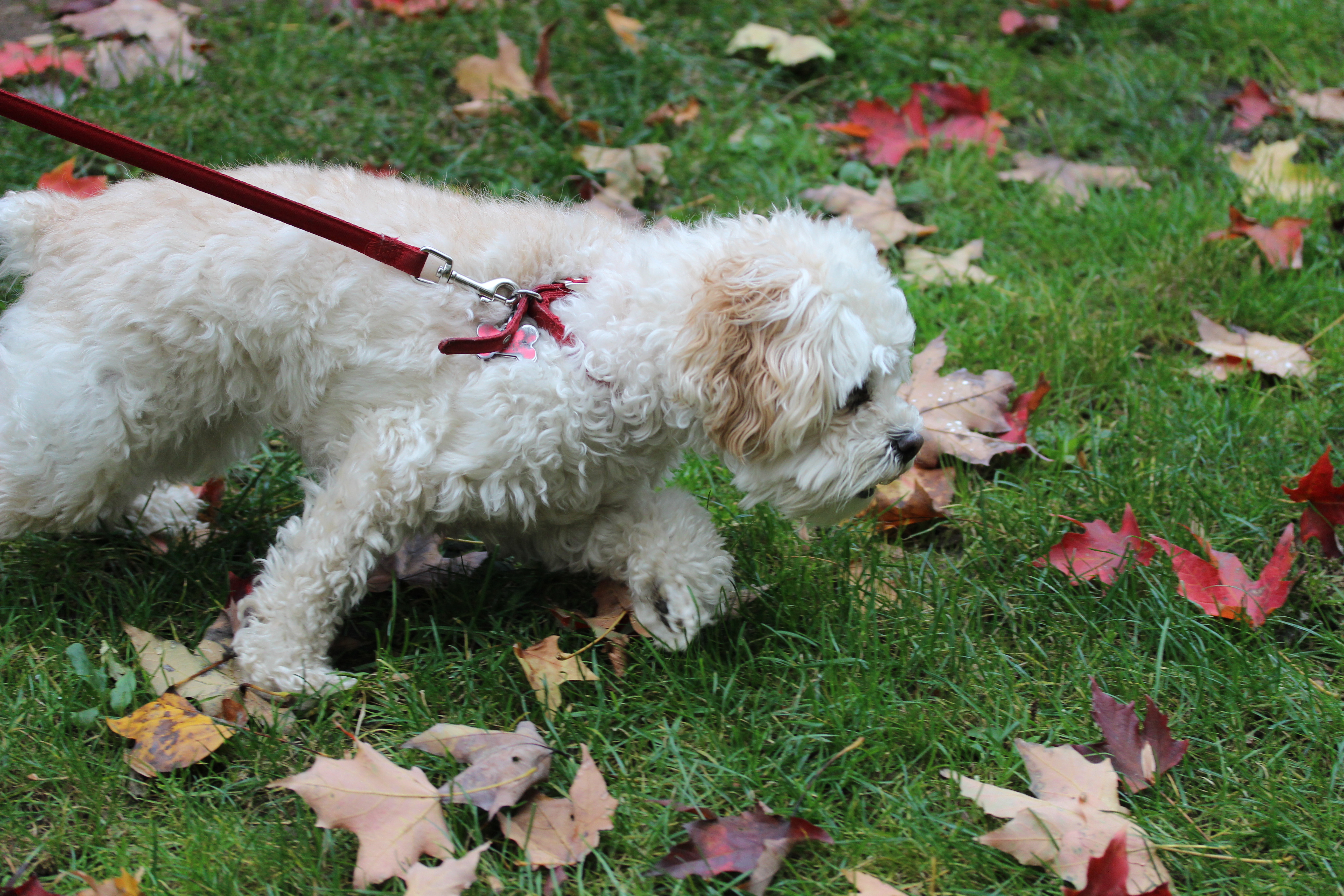
We walked the dogs to the library the other day. It was a magical moment when the weather was cooperating, and I actually had the energy to walk. We leashed up the dogs and put our overdue books in a bag and off we went. Cricket loves to go on long walks and visit other places. She would prefer to drag me around the neighborhood for an hour or two a day, if it were up to her, whereas Butterfly would prefer to never leave her backyard.

"Let's go!"

“Let’s go!”

When we first moved to this apartment, a year and a half ago, Butterfly blossomed. She smiled more. She ran in the yard and recognized our door right away and ran straight too it, off leash, within days. She was home.

"My backyard!"

“My backyard!”

Butterfly is not a fan of walking along the very noisy street next to our building, though, so I had to carry her for the first part of the trip to the library. I carried her down the hill and across the street, while Mom and Cricket stopped every few seconds to sniff things and race ahead, and sniff things again and race ahead again.

"Must. Sniff. Everything."

“Must. Sniff. Everything.”

"Cricket, are you sure it's safe out there?"

“Cricket, are you sure it’s safe out there?”

I expected Butterfly to be fine walking on her own once we reached the side street, but she still refused. She tried to pull back towards home, and when that didn’t work she just refused to move at all. She was afraid of every noise, especially the birds squawking from the nearby trees.

I carried her like a baby, with her head resting on my shoulder, and that seemed to calm her down. I tried setting her down a few more times, because fifteen pounds gets heavy after a while, but she’d walk for a little bit and then stop and refuse to go any further.

"Mommy, I think my tongue is falling out of my mouth."

“Mommy, I think my tongue is falling out of my mouth.”

We finally made it to the library and dropped off our books in the book slot, and then decided to walk home through the duck pond, hoping the serene atmosphere would help Butterfly stay on her own feet. We walked on the sidewalk, to avoid as much goose poop as possible, and for a little while, Butterfly was fine. She was even running ahead of Cricket, who was hyperventilating. The sound of Cricket’s breath, scratching against her vocal cords, made me picture a tiny musician inside of her throat, playing a tiny violin very badly.

"I'm not choking. I don't know why you think I'm choking."

“I’m not choking. I don’t know why you think I’m choking.”

Before we were halfway through the park, Butterfly balked again. I veered off onto the grass after all, hoping that would make her feel better, but it didn’t. I had to carry her, and dodge goose poop, all the way up the hill, until we were back to the sidewalk and the busy street. I put Butterfly down, just to rest my arms for a second, and as soon as she realized we were on our way home, she started to hop and smile.

We had to wait for the light to change, and then wait for cars to swoop around the corner at high speed, but then Butterfly pulled me across the street and up the hill as determined as a marathoner in her last lap.

"Are we there yet?"

“Are we there yet?”

I’d been listening to Sheryl Crow singing “Home” earlier in the day, maybe on a TV show or a movie, and the song had become an earworm playing over and over in my mind, louder and louder, as Butterfly pulled me into our parking lot, and around to the backyard, and straight to our door. Home at last.

"Wait, the walk is over?"

“Wait, the walk’s over?”


The New Cat On The Block

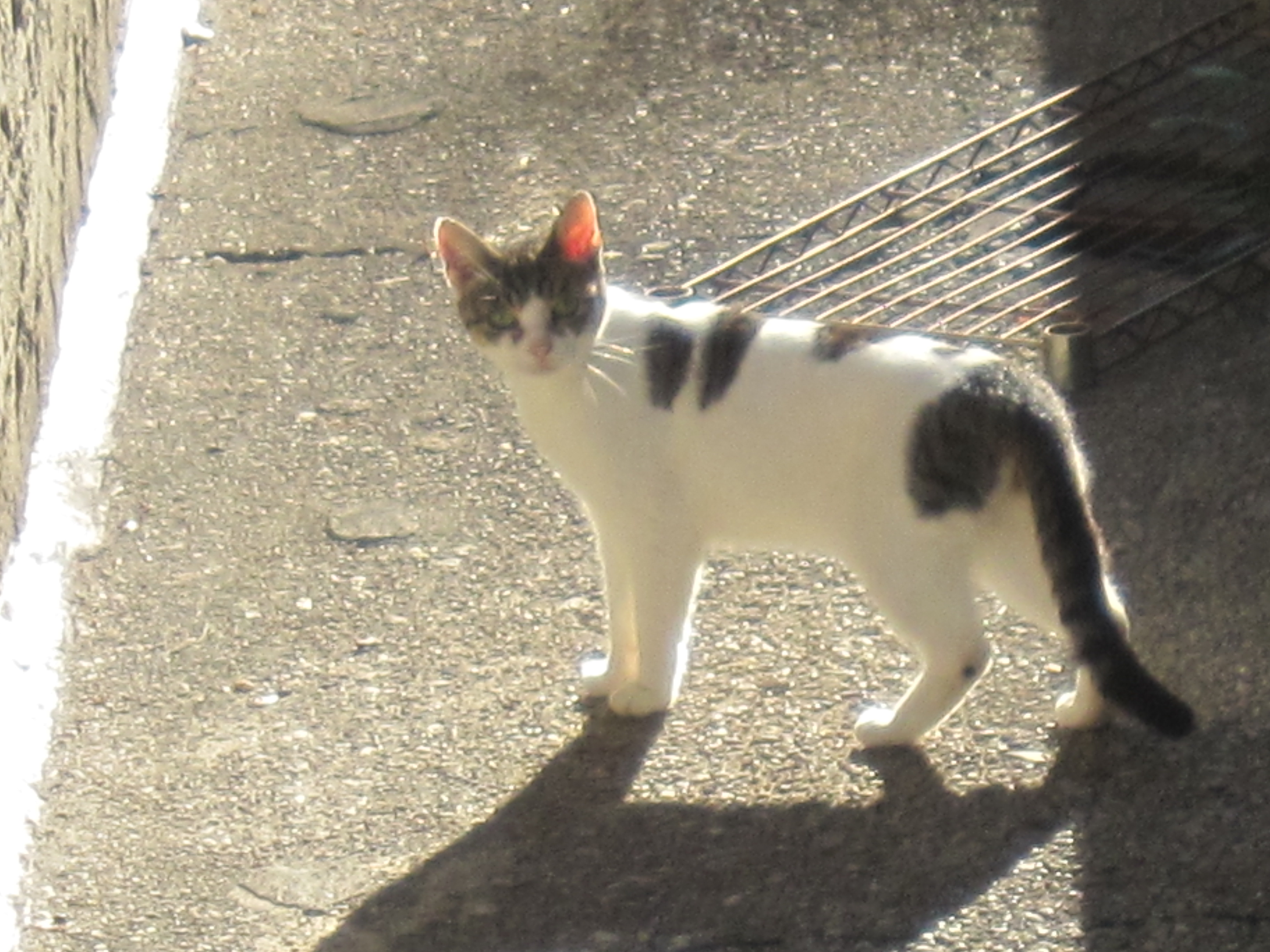
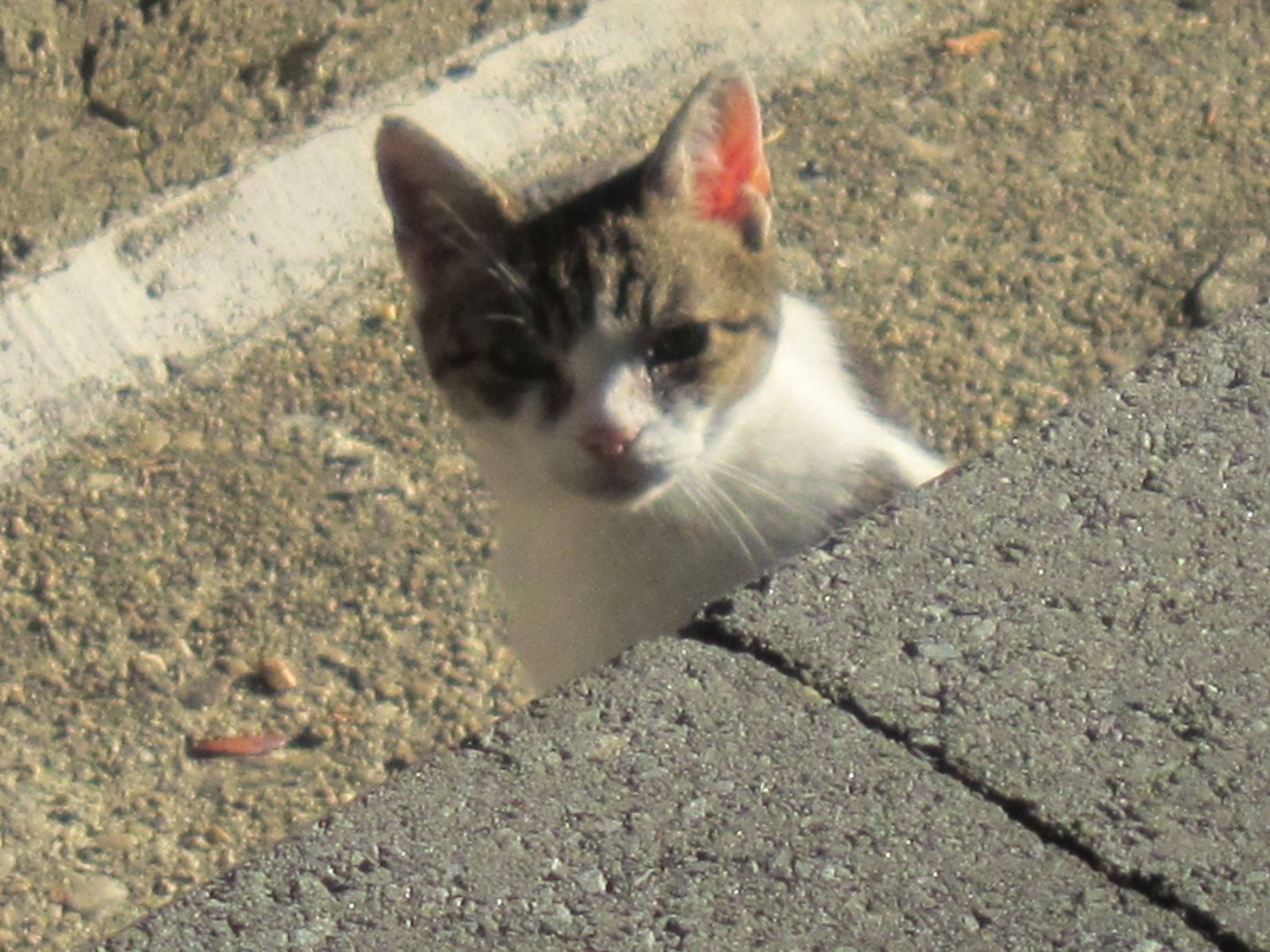
The first time I saw the new cat, he was sitting on one of the porches at our co-op, half hiding behind an iron banister. He was small, almost kitten-like, and white with grey patches. He watched as I walked the dogs past him. He watched and watched and watched, while the dogs ignored him, or didn’t notice he was there.

The cat with no name. yet.

The cat with no name. Yet.

I read recently that dogs have a hard time seeing things that are too still. They see objects better when the objects are in motion.

Cricket may be able to smell the cat...

Cricket may be able to smell the cat…

but she can't find it.

but she can’t find it.

Eventually the cat hit his limit of watching and jumped down behind an evergreen bush. The dogs noticed him then, but it was too late, he’d already disappeared.

Butterfly was quickly distracted...

Butterfly was quickly distracted…

Butterfly's birdie friend

by a birdie.

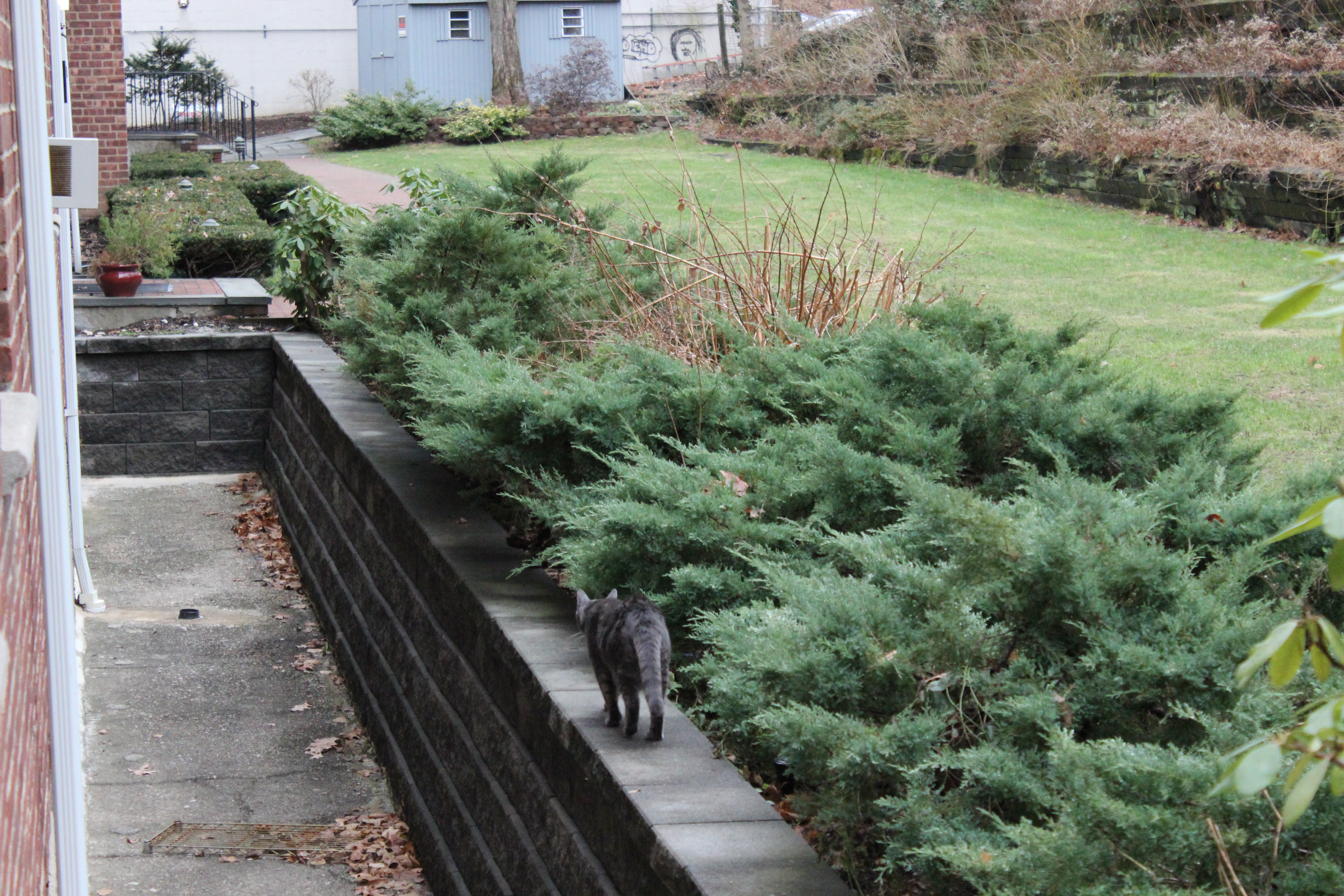
I saw the new cat a few more times in passing, literally, passing in front of our door on his way to somewhere else.

And then, one morning, he was sitting in the recess next to my front door, waiting by the window of one of the downstairs apartments. The girls didn’t notice him in his stillness and I could almost picture him putting a paw up to his lips, telling me to keep his secret.

I needed a picture of him, because writing a blog makes me think every experience needs pictorial evidence. So I took the girls up to the apartment and picked up my little red camera. I thought I was on a fool’s errand, but I went back outside and there he was, still sitting by the window.

Still there!

Still there!

I’m not going to say that he posed, but he tolerated me staring at him and clicking away. He seemed to have a particular boundary distance in mind, so as I got closer, he stepped further away. I took a dozen pictures at least, but eventually I got too close and he ran away.

"You're getting too close."

“You’re getting too close.”

"Are you following me?"

“Are you following me?”

He didn’t seem like one of the feral cats. He didn’t have their clever look, or their quick reflexes, and he really did seem small. And the window he’d been leaning against was the one Muchacho used to use as his entrance and exit.

Muchacho

Muchacho

Muchacho, the big cat on campus, hadn’t been seen in months. He’d had a cancerous tumor removed last year, but he’d seemed to recover nicely. All of his fur grew back and he was his sweet, friendly, pee-all-over-the-yard self for a while. But then he was gone.

Muchacho, the scratchy glutton!

Muchacho, the scratchy glutton!

It’s possible that Muchacho died not long after I took his picture and wrote about him for the blog. He didn’t seem ill at all, though. I’d prefer to believe that he went to an old cats’ home or to stay with another relative. I almost wonder if he was saying goodbye that day when he let me pick him up and give him a hug, just for a moment, before realizing what he’d done and jumping out of my arms to freedom.

The last time I saw Muchacho.

The last time I saw Muchacho.

The new cat must have smelled Muchacho’s lingering scent by the lower window and found it welcoming.

Something was drawing me to this new cat, and I felt disappointed when he wasn’t outside during the girls’ walks. There’s something magical about finding a cat hidden in the landscape, like a real live Where’s Waldo. But it’s more than that. Cats make eye contact in a very satisfying way. They stare and observe and notice me in a way people don’t. People are too busy walking by and thinking of other things, but cats notice me, at least until they decide that I’m crowding their space and run away.

It turns out that one of our neighbors has been feeding the new cat behind the tool shed and is contemplating calling the county to have him trapped and neutered, like the other feral cats. Meanwhile he’s been getting bigger all the time, and I’ve been wondering if he has a home somewhere nearby, and just comes over for the food, and to have his picture taken.

I’d like it if that were true.