Tag Archives: poetry

The Attic

I have a lot of dreams

that take place in the attic

of the house where I grew up.

Or rather, they start in the attic

and then I have to climb a steep ladder,

or crawl through a tiny hallway,

or walk a long distance

in the summer heat or the deep snow,

until I find myself in a bank

filled with endless corruption,

where no one listens to me,

no matter how long or loud I shout;

or I find myself in a three-story mall

filled with every possible thing,

except for the one thing I’m looking for;

or, most often, I’m in a school

inside an enormous castle made of stone,

and I am wearing the wrong clothes,

and I can’t find my classroom

or any of my friends.

In reality,

our attic was small,

with a slanted ceiling

and wood-paneled walls.

The stairs up to the attic were steep

and covered in the same orange and yellow plaid carpeting

as the rest of the attic floor.

To the left was the mismatched bathroom,

with a stand-alone bathtub,

and a toilet, up on a podium, in the eaves.

To the right was our playroom,

where we acted out stories

and played with friends.

There were birthday parties in the attic,

and we did arts and crafts,

and tried to make movies with an old film camera.

We travelled into space from the attic,

just me and my brother,

and visited every planet we could imagine.

The attic was also our guest room,

with sofa beds that squeaked when they were opened.

Our cousins lived in the attic, one summer,

and created the circus of Nimbus the rat.

And Grandma Ida,

my father’s mother,

lived there for a summer,

just before she died,

so that Mom could take care of her.

Eventually,

the attic became our storage room.

My old cradle stood in a corner,

and the wooden toy box

that was filled with everything but toys.

We kept bags of our old baby clothes in the crawlspace,

and when I hid there,

among the soft bags of clothes,

I would fall asleep to the sound of mice

dancing on the floor around me.

One time, Dina,

our black Labrador mix,

found a bag of my old stuffed animals

and chewed through half of them,

and brought them down to my bedroom,

unstuffed, one by one.

Papa smurf was never the same.

My memories from the attic are haphazard

and come to me out of order

and outside of time.

We could hear squirrels and raccoons in the roof,

and we could see our pool in the backyard,

and we could see the kids who walked home from school,

who threw rocks at our front door.

But more than all of that,

the attic was a place to hide.

After my father, with help, finished the attic,

putting in the carpet and the paneling

and the electricity and the plumbing,

he never returned,

as far as I know,

and that made the attic into my safe place.

In the end,

Dina, our black Labrador mix,

was the only one who used the attic,

long after the mauling of Papa Smurf was forgotten,

or at least forgiven.

She didn’t seem to mind the heat in the attic

(unless she somehow learned how to turn on the air conditioner).

She would lay out in the rays of sun,

as if she was on a beach somewhere,

imagining her own alternate worlds,

though probably not in banks or malls or schools.

In her imaginary worlds, I’m sure,

she was chasing the squirrels she could hear in the roof,

and maybe, sometimes, she even caught them.
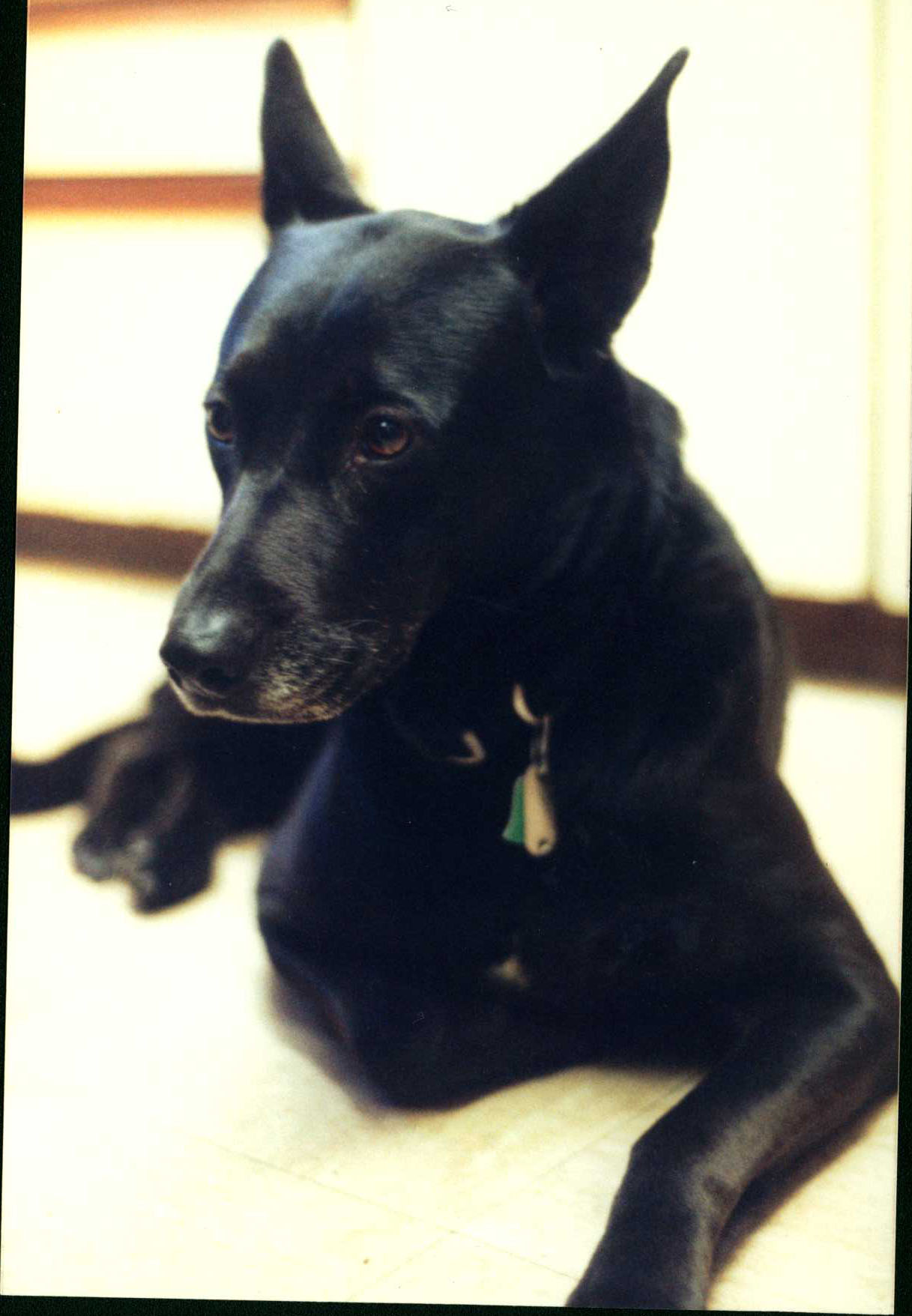
My Dina

עליית הגג

יֵשׁ לִי הָרבֵּה חָלוֹמוֹת

שְׁמִתְרַחשִׁים בָּעַלִיָת הָגָג

בָּבַּיִת שְׁבּוֹ גָדָלתִי.

אוֹ, יוֹתֵר נָכוֹן, הֵם מָתחִילִים בָּעָלִיָית הָגָג

וְאַז אַנִי צרִיכָה לְטָפֵּס בְּסוֹלֵם תָלוּל,

אוֹ לִזחוֹל דֶרֶך מִסַדרוֹן קטָנטָן,

אוֹ לָלֶכֶת מָרחֵק רָב

בָּחוֹם הָקַיִץ אוֹ בָּשֶׁלֶג הָעָמוֹק,

עַד שְׁאַנִי מוֹצֵאת אֶת עָצמִי בְּבָּנק

מָלֵא בְּשׁחִיתוּת אֵינסוֹפִית,

אֵיפֹה אַף אֶחַד לֹא מָקשִׁיב לִי,

לֹא מֶשָׁנֶה כָּמָה זמָן אוֹ כָּמָה חָזָק אַנִי צוֹעֶקֶת;

אוֹ, אַנִי מוֹצֵאת אֶת עָצמִי בְּקֶניוֹן בְּשָׁלוֹשׁ קוֹמוֹת,

מָלֵא בְּכֹּל דָבָר אֶפשָׁרִי,

חוּץ מְהָדָבַר הָאֶחָד שֶׁאַנִי מְחָפֶּשֶׂת;

אוֹ, רוֹב הָזמָן, אַנִי בְּבֵּית סֵפֶר

בְּתוֹך טִירָה עָנָקִית, עַשׂוּיָה מֵאֶבֶן,

וְאַנִי לוֹבֶשֶׁת אֶת הָבְּגָדִים הָלֹא נְכוֹנִים

וְאַנִי לֹא יְכוֹלָה לִמצוֹא אֶת הָכִּיתָה שֶׁלִי,

אוֹ אַף אֶחַד מְהָחָבֵרִים שֶׁלִי.

בָּמְצִיאוּת,

עַלִיָית הָגָג שֶׁלָנוּ הָייתָה קָטָנָה,

עִם תִקרָה מְשׁוּפַּעַת

וְקִירוֹת ספוּנֵי עֵץ.

הָמָדרֵגוֹת לְעַלִיָית הָגָג הָיוּ תלוּלוֹת

וְמְכוּסוֹת בְּאוֹתוֹ שַׁטִיחַ מְשׁוּבָּץ בְּכָּתוֹם וְצָהוֹב

כּמוֹ בְּשְׁאָר עַלִיָית הָגָג.

מִשׂמֹאל הָיָה חָדָר אָמבָּטיָה הָלֹא תוֹאֵם,

עִם אָמבָּטיָה עָצמָאִית,

וְשֵׁירוּתִים עָל דוֹכֵן, מִתַחַת לָמִרזָבִים.

מִיָמִין הָיָה חָדָר הָמִשׂחָקִים שֶׁלָנוּ,

שְׁבּוֹ הָצָגנוּ סִיפּוּרִים

וְשִׂיחָקנוּ עִם חָבֵרִים.

הָיוּ מְסִיבּוֹת יוֹם הוּלֶדֶת בָּעַלִיָית הָגָג,

וְעָשִׂינוּ אוֹמָנִיוֹת וְמָלָאכוֹת,

וְנִיסִינוּ לִיצוֹר סרָטִים עִם מַצלֵמַת סרָטִים יְשָׁנָה.

נָסַענוּ לְחָלָל מֵעַלִיָית הָגָג,

רָק אַנִי וְהָאַח שֶׁלִי,

וְבִּיקָרנוּ בְּכֹּל כּוֹכָב שֶׁיָכוֹלנוּ לְדָמיֵין.

עַלִיָית הָגָג גָם הָיָה חָדָר הָאוֹרחִים שֶׁלָנוּ,

עִם סָפּוֹת נִפתָחוֹת שְׁחוֹרקוּ כְּשְׁפָּתחוּ אוֹתָם.

בְּנֵי הָדוֹדִים שֶׁלָנוּ גָרוּ בָּעַלִיָת הָגָג, קַיִץ אֶחָד,

וְהֵם יִצרוּ אֶת הָקִרקָס שֶׁל נִימבּוּס הָחוּלדָה.

וְסָבתָא אַידָה,

אִמָא שֶׁל הָאָבָּא שֶׁלִי,

גָרָה שָׁם לְקַיִץ,

רֶגַע לִפנֵי שְׁהִיא מֵתָה,

כְּדֵי שְׁאִמַא תוּכָל לְטָפֵּל בָּה.

בְּסוֹפוֹ שֶׁל דָבָר,

עַלִיָית הָגָג הָפָך לִהִיוֹת הָמַחסָן שֶׁלָנוּ.

הָעַרִיסָה הָיְשָׁנָה שֶׁלִי עָמָד בָּפִּינָה,

וְקוּפסָת הָצָעַצוּעִים מְעֵץ,

מְלֵאָה בְּכֹּל דָבָר, מִלבַד צָעַצוּעִים.

שָׁמָרנוּ אֶת בִּגדֵי תִינוֹקוֹת הָיְשַׁנִים שֶׁלָנוּ בְּחָלָל הָזחִילָה,

וְכְּשְׁהִתחָבָּאתִי שָׁם,

בֵּין הָתִיקִים שֶׁל בְּגָדִים רָכִים,

נִרדָמתִי לְצְלִילֵי עָכבָּרִים

רוֹקדִים עַל הָרִצפָּה מִסבִיבִי. 

פָּעַם אַחַת, דִינָה,

הָכָּלבָּה הָלָבּרָדוֹר הָשׁחוֹרָה הָמְעוֹרֶבֶת שֶׁלָנוּ,

מָצאָה שָׂקִית הָפּוּחלָצִים הָיְשַׁנִים שֶׁלִי 

וְלָעָסַה חָצִי מִהֶם,

וְהוֹרִידָה אוֹתָם לַחַדַר הָשֵׁינָה שֶׁלִי,

לֹא מַמוּלאִים, בְּזוֹ אַחַר זוֹ.

אָבָּא דָרדָס מְעוֹלָם לֹא הָיָה אוֹתוֹ דָבַר.

הָזִיכרוֹנוֹת שֶׁלִי מְעַלִיָת הָגָג הֵם אִקרָאִיים

וְהֵם בָּאִים אֵלַיי לְלֹא סֵדֶר 

וְמִחוּץ לָזמָן.

מִשָׁם יָכוֹלנוּ לִשׁמוֹעַ אֶת הָסנָאִים וְהָדבִיבוֹנִים בָּגָג, 

וְיָכוֹלנוּ לִראוֹת אֶת הָבְּרֵיכָה שֶׁלָנוּ בָּחָצֵר הָאָחוֹרִית,

וְרָאִינוּ אֶת הָיְלָדִים שְׁהָלכוּ הָבַּיְתָה מִבֵּית הָסֵפֶר,

ושְׁזָרקוּ אָבָנִים עַל דֶלֶת הָכּנִיסָה שֶׁלָנוּ.

אָבַל יוֹתֵר מִכֹּל זֶה,

עָלִיָת הָגָג הָייתָה מָקוֹם לְהִסתָתֵר בּוֹ.

אַחַרֵי שְׁאָבָּא שֶׁלִי, עִם עֶזרַה, סִיֵים אֶת עַלִיָית הָגָג,

שָׂם אֶת הָשָׂטִיחַ וֹהָחִיפוּיִים

וְאֶת הָחָשׁמָל וְהָאִינסטָלָצִיָה,

הוּא מְעוֹלָם לֹא חָזָר לְשָׁם,

עַד כָּמָה שְׁאַנִי יוֹדַעַת,

וְזֶה הָפָך אֶת עַלִיָית הָגָג לָמָקוֹם הָבָּטוּחַ שֶׁלִי.

בָּסוֹף,

הָיְחִידָה שְׁהִשׁתָמשָׁה בָּעַלִיָית הָגָג

הָייתָה דִינָה, הָכָּלבָּה הָלָבּרָדוֹר הָשׁחוֹרָה הָמְעוֹרֶבֶת שֶׁלָנוּ,

הָרבֵּה אַחָרֵי הָהָרָס שֶׁל דָרדָס אָבָּא הָיָה נִשׁכַּח

אוֹ לְפָחוֹת נִסלַח.

נִראָה לִי שְׁלֹא אֶכפָּת לָה מֵהָחוֹם בָּעַלִיָית הָגָג

(אֶלָא אִם כֵּן שְׁהִיא לָמדָה אֵיך לְהָדלִיק אֶת הָמָזגָן).

הִיא שָׁכבָה בְּקָרנֵי הָשֶׁמֶשׁ,

כְּאִילוּ הִיא הָייתָה עָל חוֹף אֵיפֹשְׁהוּ,

מְדָמיֶינֶת אֶת הָעוֹלָמוֹת הָחָלוּפִיִים שֶׁלָה,

אַבַל, כָּנִראֶה, לֹא בְּבָּנקִים אוֹ בְּקֶניוֹנִים אוֹ בְּבָּתֵי סֵפֶר.

בָּעוֹלָמוֹת הָדִמיוֹנִיִים שֶׁלָה, אַנִי בְּטוּחָה,

הִיא רָדפָה אַחַרֵי הָסנָאִים שְׁיָכלָה לִשׁמוֹעַ בָּגָג

וְאוּלַי, לִפְעַמִים, הִיא אָפִילוּ תָפסָה אוֹתָם.

“In my dreams, all my stuffies are real, but they never steal my chicken treats.”

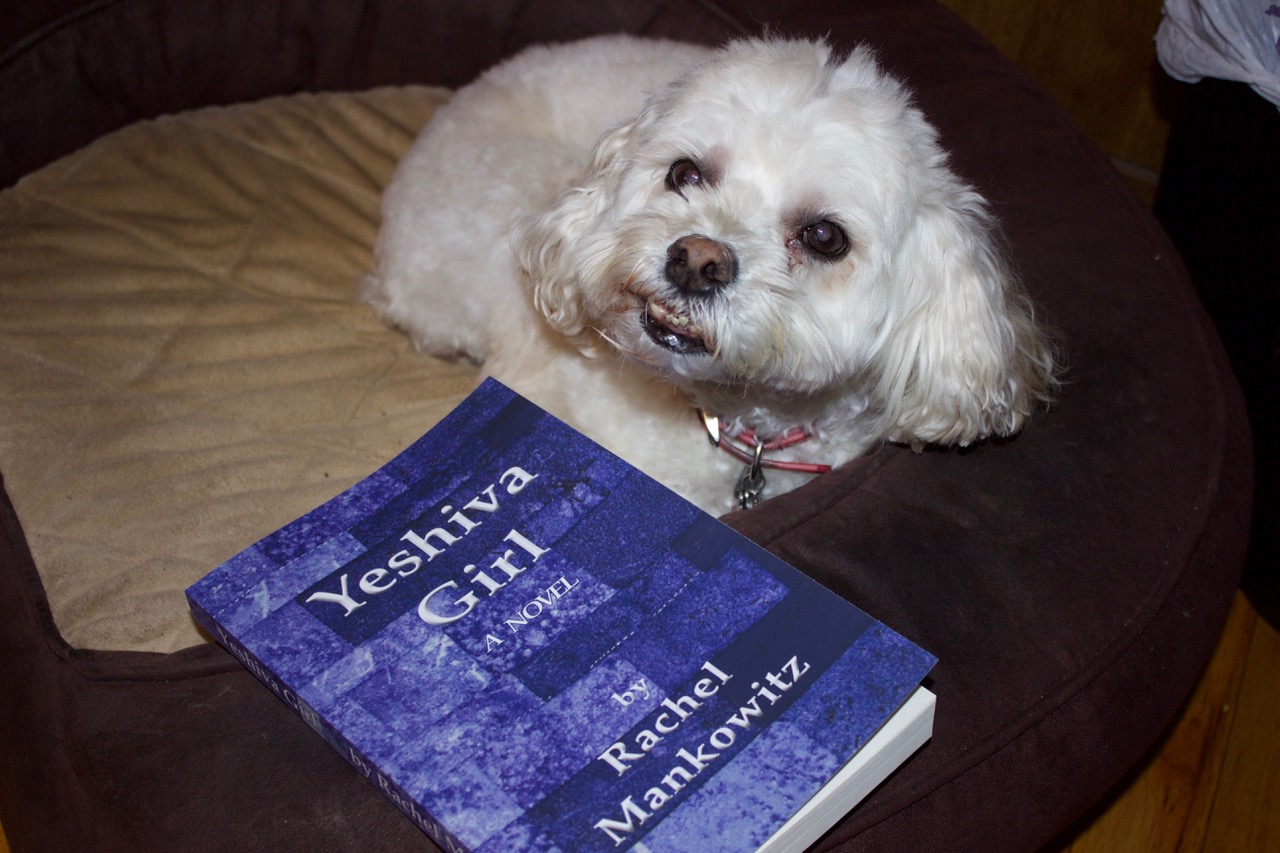
If you haven’t had a chance yet, please check out my novel, Yeshiva Girl, on Amazon. And if you feel called to write a review of the book, on Amazon, or anywhere else, I’d be honored.

            Yeshiva Girl is about a Jewish teenager on Long Island, named Isabel, though her father calls her Jezebel. Her father has been accused of inappropriate sexual behavior with one of his students, which he denies, but Izzy implicitly believes it’s true. As a result of his problems, her father sends her to a co-ed Orthodox yeshiva for tenth grade, out of the blue, and Izzy and her mother can’t figure out how to prevent it. At Yeshiva, though, Izzy finds that religious people are much more complicated than she had expected. Some, like her father, may use religion as a place to hide, but others search for and find comfort, and community, and even enlightenment. The question is, what will Izzy find?


Dominos

Everything seems like a game of dominos to me.

One mistake leads to another,

and mistakes lead to intentional responses,

and one thing causes another and another,

but when we see the dominos fall

we can never remember the domino that started it all,

and that it was a mistake,

and that there were many choices throughout this process.

We only remember the last thing,

the crisis,

the violence,

or even the death,

and we are sure we know who is to blame,

the only one,

who is responsible for all of it.

No one believes it starts with them.

And no one wants to be

the only domino to fall.

When all the damage is done,

and the accidents are forgotten

and the responsibility is assigned

and the punishment given,

the story ends.

But only until the story begins again.

דוֹמִינוֹס

הָכֹּל נִראָה לִי כְּמוֹ מִשׂחָק דוֹמִינוֹס.

טָעוּת אַחַת מוֹבִילָה לְאַחֶרֶת

וְטָעוּיוֹת מוֹבִילוֹת לְתגוּבוֹת מְכָוָונוֹת,

וְדָבָר אֶחָד גוֹרֵם לְאַחֵר וְאַחֵר.

אַבַל, כְּשְׁאַנָחנוּ רוֹאִים אֶת הָדוֹמִינוֹס נוֹפלִים

אָנַחנוּ אָף פָּעַם לֹא זוֹכרִים אֶת הָדומִינוֹ שְׁהִתחִיל אֶת הָכֹּל,

וְשְׁזֶה הָיָה טָעוּת,

וְשְׁיֵשׁ בָּתָהָלִיך הָזֶה הָרבֵּה בְּרֵירוֹת.

אַנָחנוּ רָק זוֹכרִים אֶת הָדָבָר הָאָחָרוֹן,

הָמָשְׁבֵּר,

הָאָלִימוּת,

אוֹ אָפִילוּ הָמָוֶות,

וְאַנָחנוּ בְּטוּחִים שְׁאַנָחנוּ יוֹדעִים מִי הָאָשָׁם,

הָיְחִיד,

שְׁיֵשׁ לוֹ אַחְרַיוּת עַל הָכֹּל.

אַף אֶחָד לֹא מָאָמִין שְׁזֶה הִתחִיל אִיתָם.

וְאַף אֶחָד לֹא רוֹצֶה לִהִיוֹת

הָדוֹמִינוֹ הָיְחִיד שְׁלִיפּוֹל.

כָּאָשֶׁר כֹּל הָנֶזֶק נָעַשֶׂה,

וְהָתְאוּנוֹת נִשׁכָּחוֹת

וְהָאַחרַיוּת מוֹקצִית

וְהָעוֹנֶשׁ נִיתֵן,

הָסִיפּוּר הִסתָיֵים.

אָבָל, רָק עַד שְׁהָסִיפּוֹר מָתחִיל מְחָדָשׁ.

If you haven’t had a chance yet, please check out my novel, Yeshiva Girl, on Amazon. And if you feel called to write a review of the book, on Amazon, or anywhere else, I’d be honored.

            Yeshiva Girl is about a Jewish teenager on Long Island, named Isabel, though her father calls her Jezebel. Her father has been accused of inappropriate sexual behavior with one of his students, which he denies, but Izzy implicitly believes it’s true. As a result of his problems, her father sends her to a co-ed Orthodox yeshiva for tenth grade, out of the blue, and Izzy and her mother can’t figure out how to prevent it. At Yeshiva, though, Izzy finds that religious people are much more complicated than she had expected. Some, like her father, may use religion as a place to hide, but others search for and find comfort, and community, and even enlightenment. The question is, what will Izzy find?

The Basement

In the basement

In the green house

There were all kinds of tools.

My father collected them.

He taught Industrial Arts to teenagers,

And he loved to build things,

And fix things,

And take things apart,

With his own hands.

Sometimes,

We would go down to the basement to visit our father

On the steep staircase,

Stairs that always creaked.

It seemed like the stairs were warning of something.

The smell in the basement was, in large part, sawdust.

There was sawdust in every corner, and in the air.

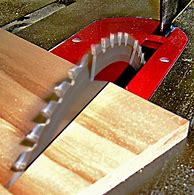
The table saw was in the middle of the room,

And the jigsaw,

And all of the handsaws in a line hanging from the ceiling.

The floor of the basement was made of concrete

And the walls were painted grey

And it all looked like a bomb shelter.

There were metal exit doors parallel to the floor

At the end of a set of additional steps

And I always thought that these doors were there to let us out

After the dust settled, after the end of the world.

There was a darkroom in the basement, to develop photos,

In black and white and color.

I didn’t like the red light in the darkroom,

Even more so the darkness itself.

And there was a corner of the basement for making bullets

With gun powder and casings.

My father had more than one gun.

Everywhere, my father had Philips head screwdrivers and

Flat head screwdrivers and wrenches and drills in every size.

He had a wood lathe and a metal lathe

And hammers and nails and an anvil screwed to the floor.

There was also a ceramics kiln and a jewelry kiln.

There were clay molds

And a printing press that had to be used carefully,

One letter at a time.

There were all kinds of things in my father’s basement,

Loud noises

And smells that burned the inside of my nose,

Smells like turpentine and sawdust and metal,

And maybe blood, or maybe that was just in my imagination.

not my pictures, but very familiar

בָּמָרתֵף

בָּבַּיִת הָיָרוֹק

הָיוּ כֹּל מִינֵי כְּלֵי עָבוֹדָה.

אָבָּא שֶׁלִי אָסָף אוֹתָם.

הוּא לִימֵד אָמַנוּיוֹת תָעָשִׂייתִיוֹת לְבּנֵי נוֹעָר,

וְהוּא אָהָב לִבנוֹת דְבָרִים,

וְלְתָקֵן דְבָרִים,

וְלְפָרֵק דְבָרִים,

עִם הָיָדַיִים שֶׁלוֹ.

לִפְעָמִים

יָרָדנוּ לָמָרתֵף לְבָקֵר אֶת אָבָּא

בְּמָדרֵגוֹת הָתלוּלוֹת,

מָדרֵגוֹת שְׁכֹּל פָּעַם חָרקוּ.

נִרְאָה שְׁהָמָדרֵגוֹת הִזהִירוּ מִמָשְׁהוּ.

הָרֵיחַ בָּמָרתֵף הָיָה, בְּגָדוֹל, נָסוֹרֶת.

הָייתָה נְסוֹרֶת בְּכֹּל פִּינָה, וְבָּאָוִויר.

הָמָסוֹר שׁוּלחָן הָיָה בְּאֶמצַע הָחֶדֶר,

וְהָמָסוֹר פָּאזֶל,

וְכֹּל מסוֹרֵי הָיָדנַיִים בְּשׁוּרָה וְתָלוּי מְהָתִקרָה.

הָרִצפָּה שֶׁל הָמָרתֵף הָייתָה עָשׂוּיָה מִמֶלֶט

וְהָקִירוֹת נִצבְּעוּ בְּאָפוֹר,

וְהָכֹּל נִראָה כּמוֹ מִקלָט.

הָיוּ דלָתוֹת יְצִיאָה מִמָתֶכֶת מָקבִילִם לָרִצפָּה

בְּסוֹף סֶט מָדרֵגוֹת נוֹסָף

וְכֹּל הָזמָן חָשָׁבתִי שְׁהָדלָתוֹת הָאֵלֶה הָיוּ שָׁם לְשָׁחרֵר אוֹתָנוּ

אַחָרֵי שְׁהָאַבָק שָׁקָע, אָחַרֵי סוֹף הָעוֹלָם.

הָיָה חֶדֶר חוֹשֶׁך בָּמָרתֵף, לִפִיתוֹחַ תְמוּנוֹת,

בְּשָׁחוֹר לָבָן וְגָם בְּצֶבָע.

לֹא אָהָבתִי אֶת הָאוֹר הָאָדוֹם בָּחָדָר הָחוֹשֶׁך,

עוֹד לֹא אֶת הָחוֹשֶׁך עָצמוֹ.

וְהָייתָה פִּינָה בָּמָרתֵף לְהָכָנָת כָדוּרִים

עִם אָבָקָת רוֹבָה וְתָרמִילִים.

הָיוּ לְאָבָּא יוֹתֵר מְאֶקדַח אֶחָד.

בּכֹל מָקוֹם, הָיוּ לְאָבָּא מִבגָרִים בְּרֹאשׁ פִילִפּס וְבְּרֹאשׁ שָׁטוּחַ

וְמִפתַחֵי בָּרגִים וְמָקדָחִים בְּכֹּל מִידָה.

הָיָה לוֹ מְחַרטֵת עֵץ וְמְחַרטֵת מַתֶכֶת,

וְפְּטִישִׁים וְמָסמָרִים וְסָדָן מוּברָג לָרִצפָּה.

גָם הָיָה כָּבשָׁן קָרָמִיקָה וְכָּבשָׁן תָכשִׁיטִים.

הָיוּ לוֹ תָבנִיוֹת חִמֵר

וְבֵית דְפוּס שְׁצרִיכִים לְהִשׁתָמֵשׁ בָּה בְּזְהִירוּת,

אוֹת אַחַת בְּכֹּל פָּעָם.

הָיוּ כֹּל מִינֵי דבָרִים בָּמָרתֵף שֶׁל אָבָּא,

רָעָשִׁים חָזָקִים

וְרֵיחוֹת שְׁצָרבּוּ אֶת הָחֵלֶק הָפְּנִימִי שֶׁל הָאָף שֶׁלִי,

רֵיחוֹת כְּמוֹ טֶרפַּנטִין וְנְסוֹרֶת וְמָתֶכֶת,

וְאוּלַי דָם, אוֹ אוּלַי זֶה הָיָה רַק בָּדִמיוֹן שֶׁלִי.

If you haven’t had a chance yet, please check out my novel, Yeshiva Girl, on Amazon. And if you feel called to write a review of the book, on Amazon, or anywhere else, I’d be honored.

            Yeshiva Girl is about a Jewish teenager on Long Island, named Isabel, though her father calls her Jezebel. Her father has been accused of inappropriate sexual behavior with one of his students, which he denies, but Izzy implicitly believes it’s true. As a result of his problems, her father sends her to a co-ed Orthodox yeshiva for tenth grade, out of the blue, and Izzy and her mother can’t figure out how to prevent it. At Yeshiva, though, Izzy finds that religious people are much more complicated than she had expected. Some, like her father, may use religion as a place to hide, but others search for and find comfort, and community, and even enlightenment. The question is, what will Izzy find?
The End of Summer

I’m not ready for the summer to end. I still have writing to do, and doctors’ appointments to go to, and lesson plans to revise. I still want to go to every online Hebrew practice group I possibly can, and see if more poems arrive (I have no idea what makes them bubble up, though there may be storks involved). I tried to get so much done this summer: rebuilding my exercise practice, working on nutrition, changing medications, taking continuing education social work classes, working on therapy, and writing, and Hebrew, and social skills, and on and on. But it’s not enough. I still don’t have a dog. The novel still isn’t finished. My health is still whatever it is. There are still tons of movies I want to see, and issues I wish I could resolve. I’m not ready to go back to work, and choir practice, and trying to find time for my writing in the spaces in between.

This is not my picture, but this is how I picture the poetry stork.

            I’m pretty sure I feel this way at the end of every summer, wishing for another month of “vacation” in order to get more of my work done, before the new school year can make me feel like I’m being tied to the back of a speeding train.

            I know I will enjoy getting back to the kids, and singing with the choir, but I also know that I will miss this feeling of open time, where I can do things at my own pace and give myself enough time to recover from one panic attack before embarking on the next one.

            Here’s hoping that all of the work I’ve done this summer will have shifted something inside of me, creating more space for my summer self to exist during the school year. Because I really want to feel more like myself all year, and not just for a few months at a time.

            Fingers crossed.

“Um, I don’t think I have fingers.”

If you haven’t had a chance yet, please check out my Young Adult novel, Yeshiva Girl, on Amazon. And if you feel called to write a review of the book, on Amazon, or anywhere else, I’d be honored.

            Yeshiva Girl is about a Jewish teenager on Long Island, named Isabel, though her father calls her Jezebel. Her father has been accused of inappropriate sexual behavior with one of his students, which he denies, but Izzy implicitly believes it’s true. As a result of his problems, her father sends her to a co-ed Orthodox yeshiva for tenth grade, out of the blue, and Izzy and her mother can’t figure out how to prevent it. At Yeshiva, though, Izzy finds that religious people are much more complicated than she had expected. Some, like her father, may use religion as a place to hide, but others search for and find comfort, and community, and even enlightenment. The question is, what will Izzy find?

Two More Poems

            I recently went to a zoom presentation on Modern Israeli poetry, and both the presentation and the poetry were down to earth and unpretentious and grounded in daily life in a way that made me think, hmm, maybe I am writing real poetry after all, and not just noodling around. I was even more encouraged to find out that, for poetry as opposed to for everything else, Israelis use the vowels under the letters (Nikud in Hebrew) to make sure each word is read correctly, and because it looks cool. The thing is, I grew up learning Hebrew with the vowels intact, and trying to get used to Israeli newspapers and blog posts and books, where there is no Nikud and you have to guess at the pronunciation of new words, has been breaking my brain.

            I gave up on writing poetry in English a long time ago, after a lot of rejection, mostly from classmates who thought I was crap at it. But writing poetry in Hebrew seems to bypass a lot of that noise in my head. I’m still self-conscious, of course, and I worry that I’m going to depress people, or that my Hebrew is less real Hebrew than my own invention. But whereas when I try to write poetry in English the words just drip drip like a leaky faucet, in Hebrew they come out with more force, as if they actually have something they want to say.

            I’m not sure if these two poems are finished. In fact, I’m pretty sure they’re not, despite many edits, but I wanted to reward myself a little bit for trying to write them at all, so I’m sharing them here. And then sharing links to some actual Israeli poetry, in English Translation.

הכאבים שלי

כּוֹאֶבֶת לִי הַבֶּטֶן.

אוּלַי זֶה נִגְרָם מְהַתרוּפוֹת

נֶגֶד הַחָרָדָה, נֶגֶד הַדִיכָּאוֹן,

נֶגֶד כֹּל הַכְּאֵבִים הַאַחֵרִים,

אוֹ אוּלַי זֶה נִגְרָם מְהַפָּסטָה שְׁאַכַלתִי בַּצַהַרַיִים.

כּוֹאֵב לִי הַגַב

כּאִילוּ מִישׁהוּ בַּעַט בִּי,

אַבַל אַנִי לֹא זוֹכֶרֶת אֶת הַמָכּוֹת,

אוֹ לָמָה מִישֶׁהוּ הָיָה רוֹצֶה לִפגוֹעַ בִּי.

כּוֹאַבוֹת לִי גַם הַכּתֵפַיִים וְהַמוֹתְנַיִים

וְהַבִּרכַּיִים וְהַקַרסוֹלַיִים

כּאִילוּ מִישׁהוּ מְנָסֶה לְפָרֵק אוֹתִי

כּמוֹ עוֹף מְבוּשָׁל.

כּוֹאֶבֶת לִי הָנְשָׁמָה

אַבַל עַל זֶה אֵין לִי מִילִים.

אַנִי מְפַחֶדֶת שְׁאִם כֹּל הַכְּאֵבִים הַיוּ מִתְרַחְשִׁים בְּבַת אַחַת

לֹא הַיִיתִי מְסוּגֶלֶת לִשׂרוֹד.

מָזָל שְׁכֹּל יוֹם יֵשׁ לִי רַק חֵלֶק מִכֹּל הַכְּאֵבִים

וְאַנִי יְכוֹלָה לִקְפּוֹץ מִכּאֵב לְכּאֵב

כְּמוֹ צפַרְדֵעַ שְׁמְדַלֶגֶת עַל פּנֵי הַמַיִם

וְלְעוֹלָם לֹא נוֹפֶלֶת פְּנִימָה.

אוּלַי יוֹם אֶחַד אַנִי אַרגִישׁ אֶת כֹּל הַכְּאֵבִים בְּאוֹתוֹ זמַן,

וְבַּיוֹם הַהוּא,

אַנִי מְקַוָוה,

שְׁאִם הַיִיתִי נוֹפֶלֶת לְתוֹך הַמַיִם

בָּסוֹף, הַיִיתִי מְסוּגֶלֶת לִשְׂחוֹת.

My Pains

My stomach hurts,

maybe from the medications

against anxiety, against depression

against all the other pains,

or maybe from the pasta I ate in the afternoon.

My back hurts,

as if someone kicked me.

But I don’t remember the beating,

or why someone would want to hurt me.

My shoulders and hips and knees and ankles

also hurt,

as if someone is trying to take me apart

like a cooked chicken.

My soul hurts,

but about that I have no words.

I’m afraid that if all of these pains

took place at the same time,

I wouldn’t be able to survive.

Thank God, each day I only feel some of the pain,

and I can jump from pain to pain,

like a frog skipping over the surface of the water,

and never falling in.

Maybe one day I will feel all of the pain

all at once.

And on that day,

I hope,

if I fell into the water,

in the end I would be able to swim.

אני כמו אבן

לִפְעַמִים,

אַנִי מָרגִישָׁה כּמוֹ אֶבֶן כִּי אַנִי לֹא יָכוֹלָה לָצוּף.

נִראָה לִי שְׁהָאַוִויר סבִיבִי מָלֵא

בְּמָחשַׁבוֹת וְכּאֵבִים וְחַרַדוֹת,

שְׁיוֹצְרִים חוֹמָה שׁקוּפָה

מָחזִיקָה אוֹתִי בָּמָקוֹם.

לִפְעַמִים,

אַנִי מָרגִישָׁה כּמוֹ אֶבֶן

שְׁתָמִיד נוֹפֶלֶת עָמוֹק יוֹתֵר

לְתוֹך הָמַיִם הָשׁחוֹרִים.

יוֹם אַחַרֵי יוֹם,

אַנִי מְנָסָה לְהַפסִיק לִיפּוֹל

וְלִמתוֹחַ מֵעֵבֶר לָחוֹמָה הַשׁקוּפָה.

הַעָבוֹדָה הַזֹאת מְתִישָׁה

וְבִּלתִי נִראֵית מִכּוּלָם מִלְבַדִי.

אוּלַי בְּקָרוֹב,

אוֹ בַּסוֹף,

אַנִי אַצלִיחַ בָּעָבוֹדָה הַקָשָׁה שֶׁלִי

וְאִנִי אוּכַל לְהַרגִישׁ יוֹתֵר כְּמוֹ צִיפּוּר

שְׁעוֹמֶדֶת גַבוֹהַה

עִם כְּנָפַיִים פּרוּשׁוֹת

מוּכן לַעוּף.

I am like a Stone

Sometimes,

I feel like a stone because I cannot float.

It seems like the air is full

of thoughts and pain and anxieties

that create a transparent wall around me

that keeps me in place.

Sometimes,

I feel like a stone that is always falling deeper

into the black water.

Day after day,

I try to stop falling,

and to stretch beyond the transparent wall.

This work is exhausting

and invisible to everyone but me.

Maybe soon,

or in the end,

I will succeed in my difficult task,

and I will be able to feel more like a bird

who stands tall

with wings outstretched,

ready to fly.

Some Israeli poetry to try:

Yehuda Amichai – https://allpoetry.com/An-Arab-Shepherd-Is-Searching-For-His-Goat-On-Mount-Zion, https://allpoetry.com/poem/8513161-Jerusalem-by-Yehuda-Amichai, https://allpoetry.com/The-Diameter-Of-The-Bomb

Maya Tevet Dayan – https://www.worldliteraturetoday.org/2021/winter/land-maya-tevet-dayan

If you haven’t had a chance yet, please check out my Young Adult novel, Yeshiva Girl, on Amazon. And if you feel called to write a review of the book, on Amazon, or anywhere else, I’d be honored.

            Yeshiva Girl is about a Jewish teenager on Long Island, named Isabel, though her father calls her Jezebel. Her father has been accused of inappropriate sexual behavior with one of his students, which he denies, but Izzy implicitly believes it’s true. As a result of his problems, her father sends her to a co-ed Orthodox yeshiva for tenth grade, out of the blue, and Izzy and her mother can’t figure out how to prevent it. At Yeshiva, though, Izzy finds that religious people are much more complicated than she had expected. Some, like her father, may use religion as a place to hide, but others search for and find comfort, and community, and even enlightenment. The question is, what will Izzy find?

I Wrote a Poem in Hebrew

            It started as a song. I was in my car (on the way to yet another doctor’s appointment) and singing harmony along to some of the Israeli songs on my playlist, and I started to think about how I could write a song specifically for an alto (like me) where the harmony line becomes the melody of the song. But I was too busy driving to record what I was singing, and by the time I got to the doctor’s office and tried to record the tune on my phone, I’d forgotten most of it. But while I was in the waiting room, and then waiting again in the exam room, I wrote down some of the lyrics that had come to mind while I was singing, and the words kept coming, all in Hebrew.

            By the time I got home from the appointment, I had four or five pages of potential lyrics, but no music to sing them to, and no idea how to get the music back. I decided to keep working on the lyrics anyway, shaping them into verses and a chorus and a bridge, in the hope that the melody would come back to me; but I found myself writing a poem instead, without any strict rhymes or rhythms. And after ten or fifteen drafts, and some help from Google Translate, I ended up with a poem I was happy with, about returning to my online Hebrew classes after a year away.

            It took me a while to get up the nerve to send the poem to my current Hebrew teacher and ask for her corrections, though. I felt self-conscious about presuming to write a poem in Hebrew, and embarrassed to share what had turned out to be an ode, and kind of emotional and squishy (AKA not cool).

            My teacher made a few corrections to the Hebrew, but mostly she just showered me with praise. She told me how meaningful it was to her, after teaching through the past year in Israel, to see that her work was paying off and reaching people at such a deep level. She also asked if she could send it to some of her friends, who also teach at the school, and I jumped up and down for a while before I could calmly type back, Sure. It took me a few more days to get up the nerve to ask her if I could send the poem to our WhatsApp group, to share it with my classmates, but when I finally sent it I got some very nice responses, and I felt great for a whole minute, maybe even two!

            Then, of course, the letdown kicked in and I thought, ugh, I’ll have to keep writing poems in Hebrew to keep getting this much attention, and each poem will have to be better than the one before it or else they’d get bored and, really, over it. Or, maybe I could send the poem to new people, so they could be impressed, and then I wouldn’t have to write a whole new thing. And I thought, Aha! The blog! But, most of my readers are not fluent in Hebrew, so I would have to translate it, but I could also include the Hebrew, so they could be impressed in theory, if not in fact.

            And as I started to translate the poem I realized that, except for a few details, this poem could just as easily be about the blogging world, and the kindness and curiosity and love we share here, in this place that doesn’t quite exist in the real world, but is very real, for us.

            So, thank you for being such amazing, passionate, and compassionate people, and I hope you like the poem.

            Hinei! (Here it is!)

An Ode to Citizen Café Tel Aviv

A year ago, I thought I was done with this,

I thought I’d finished learning Hebrew

After two years in the Zoom rooms.

Maybe, I thought, this is my Hebrew

And it can’t improve anymore.

And so, I closed the door on this world.

But,

I still dreamt about the zoom rooms

That existed outside of space, or

I worried,

That didn’t exist in reality at all.

Those zoom rooms were closed to me for almost a year,

And what a year,

In which the world shattered into many little pieces.

I watched the news and said to myself,

Maybe the whole world is different from what I imagined

And there’s nowhere to go for comfort.

Finally I understood

That I missed the zoom rooms

That exists outside of space or that I’d imagined completely,

But,

I’d lost the key

Or I’d lost the path to the rooms

Just when I needed them the most.

I missed all of the weird sentences,

About the beach and the traffic in Tel Aviv,

And about Ross and Rachel from Friends

And about Beyoncé the queen.

I missed all of the speed dating questions that we answered in the rooms,

And I missed this place where love is in the air,

Love of languages, love of food, love of music and laughter,

Love of the land of Israel and the Jewish people.

And so I decided to return

Even if these rooms only exist in my imagination,

Because I remembered that here everyone believes in this world that we create together.

This world isn’t perfect, I know.

Here everyone speaks Hebrew with a different accent,

And they don’t agree on a lot of things.

One man believes in every word of the Torah, and one doesn’t believe in anything.

One woman believes in world peace, and one thinks it’s impossible.

But,

In these rooms, all that matters to us

Is to learn from each other and to support each other

And to create a different world,

A world filled with kindness and curiosity.

That’s why we’re here

From Barcelona, and New York, and Berlin,

And Tel Aviv, and Jerusalem, and London,

And Argentina, and Toronto, and Arizona

To create a beautiful world together,

With all of our words and all of our love.

And because of this, our world, which exists outside of space, is real

For us and for always.

עוד (או אודה ל)סיטיזן קפה תל אביב

לפני שנה, חשבתי שמיציתי את זה,

חשבתי שסיימתי ללמוד עברית,

אחרי שנתיים בחדרי הזום.

אולי, חשבתי, זאת העברית שלי

והיא לא יכולה להשתפר עוד.

ואז, סגרתי את הדלת לעולם הזה.

אבל,

עדיין חלמתי על חדרי הזום

שהיו קיימים מחוץ לחלל, או

דאגתי,

שלא היו קיימים במציאות בכלל.

חדרי הזום האלה היו סגורים לי כמעט שנה,

ואיזו שנה,

שבה העולם התנפץ להרבה חלקים קטנים.

צפיתי בחדשות ואמרתי לעצמי,

אולי כל העולם שונה ממה שדמיינתי

ואין לאן ללכת לנחמה.

סוף סוף הבנתי

שהתגעגעתי לחדרי הזום

שקיימים מחוץ לחלל, או שדמיינתי לגמרי.

אבל,

פספסתי את המפתח

או פספסתי את הדרך לחדרים,

פשוט כשהכי הייתי צריכה אותם.

התגעגעתי לכל המשפטים המוזרים,

על הים והפקקים בתל אביב,

ועל רוס ורייצ׳ל מחברים,

ועל ביונסה המלכה.

התגעגעתי לכל השאלות הספיד דייטינג שעשינו בחדרים,

והתגעגעתי למקום הזה שבו אהבה נמצאת באוויר,

אהבת שפות, אהבת אוכל, אהבת מוזיקה וצחוקים,

אהבת מדינת ישראל והעם היהודי.

ואז החלטתי לחזור,

אפילו אם החדרים האלה רק קיימים בדמיון שלי,

כי זכרתי שפה כולם מאמינים בעולם הזה שאנחנו יוצרים ביחד.

העולם הזה לא מושלם, אני יודעת.

פה כולם מדברים עברית עם מבטא אחר,

ולא מסכימים על הרבה דברים.

איש אחד מאמין בכל מילה בתורה, ואחד לא מאמין בכלום.

אישה אחת מאמינה בשלום עולמי, ואחת חושבת שזה בלתי אפשרי.

אבל,

בחדרים האלה כל מה שחשוב לנו

זה ללמוד אחד מהשני ולתמוך אחד בשני

ולהמציא עולם אחר,

עולם מלא חסד וסקרנות.

בגלל זה אנחנו פה

מברצלונה, וניו יורק, וברלין,

ותל אביב, ויורשלים, ולונדון,

וארגנטינה, וטורונטו, ואריזונה

ליצור עולם יפה ביחד,

עם כל המילים שלנו, וכל האהבה שלנו.

ובגלל זה העולם שלנו, שקיים מחוץ לחלל, הוא אמיתי

לנו ולתמיד.

If you haven’t had a chance yet, please check out my Young Adult novel, Yeshiva Girl, on Amazon. And if you feel called to write a review of the book, on Amazon, or anywhere else, I’d be honored.

            Yeshiva Girl is about a Jewish teenager on Long Island, named Isabel, though her father calls her Jezebel. Her father has been accused of inappropriate sexual behavior with one of his students, which he denies, but Izzy implicitly believes it’s true. As a result of his problems, her father sends her to a co-ed Orthodox yeshiva for tenth grade, out of the blue, and Izzy and her mother can’t figure out how to prevent it. At Yeshiva, though, Izzy finds that religious people are much more complicated than she had expected. Some, like her father, may use religion as a place to hide, but others search for and find comfort, and community, and even enlightenment. The question is, what will Izzy find?

The Amaryllis

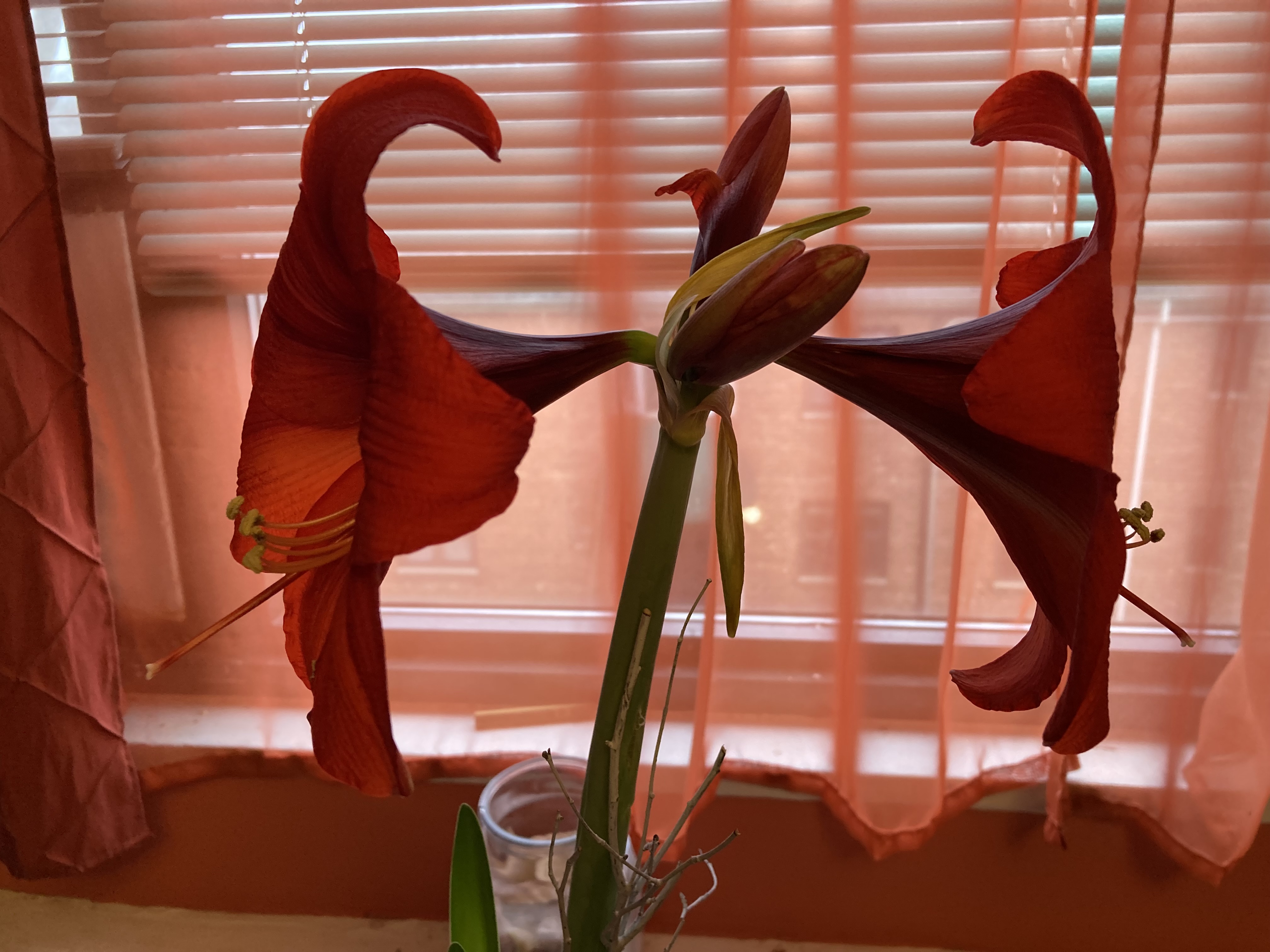
            After Ellie died one of the many practical, and depressing, things we had to do was to contact Chewy and cancel our standing dog food delivery. A few days later an Amaryllis appeared at our front door, with a card from the Chewy team sending their condolences.

            For a while the plant looked kind of sad sitting on the coffee table in the living room, with no flowers and a bend in its green spine. The plant came with a brace (with a twig and some twine), and Mom moved it into place above the curve, and gradually, the spine of the plant started to straighten, and then, slowly, the flowers started to bloom. The red of the petals is so vivid and the size and number of the blossoms keeps growing so there’s no way to ignore it now.

            The shape of the flowers, like a speaker on an old Victrola, makes it seem like the plant has something to say, though try as I might I can’t hear the words. And while there are no new puppies growing from this magical plant, there is life: beautiful, bright, and temporary.

            I know that I will always miss Cricket and Ellie, but this little (or not so little) plant has given me hope that my heart will be able to make room for new love, when the time comes.

“We still get veto power.”

If you haven’t had a chance yet, please check out my Young Adult novel, Yeshiva Girl, on Amazon. And if you feel called to write a review of the book, on Amazon, or anywhere else, I’d be honored.

            Yeshiva Girl is about a Jewish teenager on Long Island, named Isabel, though her father calls her Jezebel. Her father has been accused of inappropriate sexual behavior with one of his students, which he denies, but Izzy implicitly believes it’s true. As a result of his problems, her father sends her to a co-ed Orthodox yeshiva for tenth grade, out of the blue, and Izzy and her mother can’t figure out how to prevent it. At Yeshiva, though, Izzy finds that religious people are much more complicated than she had expected. Some, like her father, may use religion as a place to hide, but others search for and find comfort, and community, and even enlightenment. The question is, what will Izzy find?

Rosh Hashanah

            I was dreading Rosh Hashanah. I was already exhausted from the first week back teaching synagogue school, and I hadn’t even tried on my High Holiday clothes from the year before, just crossing my fingers that they still fit. I’d survived the two hour choir rehearsal in the midst of the crazy first week of school, but just barely, and I still had to go to the vet for Cricket’s fluids and Ellie’s heart meds, and do the food shopping, and at the last minute, we had to do three loads of laundry because Cricket had peed on everything, and by the time we were done I had just enough time to take a shower and get dressed in order to get to the synagogue on time.

“All your fault.”

            Almost as soon as I sat down in the choir seats, the senior rabbi came over to tell me I would be doing the second reading – a Mary Oliver poem about her dog. I hadn’t seen the rabbi in person in a while, because I’d been going to services online, so I guess this was his first chance to tell me that he wanted me to read this poem – though I do have email, and a phone. I mentioned that it would be difficult for me to get to the Bima from the choir seats, especially in between songs, and he turned to my mom and complained about how much people like to complain.

I didn’t know exactly when my reading would come up, just that it would be relatively soon. Maybe. And that I couldn’t say no.

The choir was busy for the first part of the service, rarely sitting down. I’d forgotten how much standing was involved in singing with the choir because we were allowed to sit during rehearsals, and then I heard the junior rabbi give the intro for the poem I was going to read, so I put down my music and scooted past Mom and found my way down the aisle and up the stairs to the podium, and I read about Percy, the loving dog who looks up at his person as if she is everything.

            As soon as I was done reading, I had to hurry back to the choir section for the next song, but I felt, in that moment, the reason why I kept saying yes – to singing, to rehearsing, to reading in public, to teaching and exhausting myself – it feels really good to be part of a community, and to be known. Because not only the rabbis, but many of the other people in the room knew why I’d been chosen to read that particular poem. And they knew that I sang with the choir and they knew that I taught in the synagogue school, and they knew my Mom and her photography and quilt work and asked after her when she wasn’t there. They may not all have known how hard it was for me to do all of it, but they saw me, and cared about me, and congratulated me, and it felt good.

            I always dread the high holidays, knowing the work involved and how self-conscious I’ll feel going up on the podium and dressing up and singing into microphones, and all of the extra-long services one after the other after the other. And I always forget how meaningful it is, and how satisfying it is, to be surrounded by so many people sharing the same experience.

            There are, of course, times when I feel like I don’t belong, and when I feel like parts of me are invisible. During the Torah service, for example, our community calls up groups of congregants for the honors instead of calling up individuals, and they’re all in life-cycle related categories: everyone who will be driving a car in the next year; everyone who is newly married or celebrating an important anniversary; everyone with a new baby or grandbaby.

            There are also categories that could apply to me; I’m dreading the time when I can go up for the first Aliyah on Rosh Hashanah, for those who have lost a loved one in the past year. But mostly I feel this otherness, endlessly, because to be a member of the Jewish community often means to focus on the family as the unit of measurement, and I don’t really fit. There’s no Aliyah for people who had to go to more than ten doctors’ appointments in the past year, or people who are pre-emptively grieving the loss of a senior dog, or people who want to do more with their lives, but can’t.

            In a way, I prefer the darkness of Yom Kippur: the focus on what has been difficult and painful over the past year; the focus on what we regret. It’s not that I want to revel in the pain, but there’s relief in knowing that everyone is sitting a second longer than usual with what went wrong, and what was missing, instead of focusing solely on the Instagram-ready celebrations.

            But I made it through the marathon of Rosh Hashanah services, even forcing myself out to Tashlich on the afternoon of the first day of the holiday, when our community has its dog-friendly service out by the water, where we sing and throw away our sins (even the babies seem to revel in throwing their sins, in the shape of bird seed, out to the ducks), and meet all of the canine members of the community who’ve been out of view, but still there with us in spirit, over the past year.

“I don’t mind napping while you go to shul.”

            I pushed myself to go to the outdoor service because I wanted Cricket to be there one more time. She’s never been the most outgoing or friendly dog, and she wasn’t feeling all that well on that day in particular, but I wanted her to know that she was still part of our community, still known and seen and loved.

            And even if it’s hard to live up to the work of being in community, even if sometimes it feels like more than I can do, there are also moments when it all comes together and my sixteen year old dog, and I, know we belong.

If you haven’t had a chance yet, please check out my Young Adult novel, Yeshiva Girl, on Amazon. And if you feel called to write a review of the book, on Amazon, or anywhere else, I’d be honored.

            Yeshiva Girl is about a Jewish teenager on Long Island, named Isabel, though her father calls her Jezebel. Her father has been accused of inappropriate sexual behavior with one of his students, which he denies, but Izzy implicitly believes it’s true. As a result of his problems, her father sends her to a co-ed Orthodox yeshiva for tenth grade, out of the blue, and Izzy and her mother can’t figure out how to prevent it. At Yeshiva, though, Izzy finds that religious people are much more complicated than she had expected. Some, like her father, may use religion as a place to hide, but others search for and find comfort, and community, and even enlightenment. The question is, what will Izzy find?

Everyday Miracles

            This year at synagogue school we’re focusing on miracles for Hanukah (last year we focused on the lights from the candles), and I’m doing a writing workshop with the kids based on Walt Whitman’s poem Miracles (https://poets.org/poem/miracles), to help them see the everyday miracles in their own lives.

            There have been times in my life when I was able to feel the level of wonder Walt Whitman felt at the miracles all around him, but I haven’t been in that state of mind lately. My first thoughts are of what I don’t have, or what’s wrong, or what I’m failing at. My hope is that by actively pushing myself to think about the daily miraculous things, I might be able to regenerate my sense of wonder: like the miracle of Ellie running through the leaves, or the miracle of Cricket giving a five minute diatribe, in the form of an Aria, about why I shouldn’t be allowed to leave the apartment, or the miracle of packages arriving at my door just because I typed a few things into my phone.

“Where’s MY iPhone?

            I want bigger miracles, though. I want to stop feeling so hungry – for food or love or success or whatever else. I want to feel less pain, physical and emotional. I want all of my hard work to kick in so I can finally feel successful and capable and healthy, and safe. It’s hard to be satisfied with the little miracles when I want so much more.

The fact is, I’m struggling. My psychiatrist upped my dose of antidepressants, because my lows have been more persistent lately, even prior to my father’s death. It feels like exhaustion, but I don’t know if there’s a medical cause or a psychological one, or a mix of both. All of the research being done on Long Covid (which I don’t have, because I never got Covid, thank God) promises to offer some insight for those of us who have other long term pain disorders, but I’m not optimistic, honestly.

            My latest experiments with Intuitive Eating have led me to look into self-care more deeply, to see if there are things I could be doing to help lift my mood that I haven’t tried yet, or haven’t tried enough; things, especially, that would take the place of extra food, because I’ve been relying on food as self-care too much lately. My current project has been about collecting good memories (times when I’ve felt cared for, safe, and accepted as I am), so that when I find myself wanting to eat beyond physical hunger I can fill the space with a good memory instead.

            Some of the memories I’ve been working with are: when I was four years old and my grandfather bought me a stuffed panda that was as tall as me and he walked me and the panda, hand in hand, down the driveway to the car; and the time when my brother and I sat on the lawn during a rainstorm with a towel over our heads; and the time we stayed over at Grandma and Grandpa’s house and they took us to Lickety Split for ice cream (I probably had mint chocolate chip) and then we were allowed to choose whichever candies we wanted, and my brother and I sat in the guest room, next to the cuckoo clock, sharing our candy dots and ingesting enormous amounts of paper along the way.

“Yum, paper!”

            I’ve also been collecting songs and TV shows and movies and books that have relieved anxiety or depression in the past, so that if the sweet memories don’t help enough I can move on to visiting YouTube or Spotify mid-meal, or I could even act out a scene from Harry Potter with the dogs if nothing else works.

            I just want to feel better, but it’s all trial and error and lately I’ve been feeling like I’m treading water. I remember this feeling from summer camp, when we had to do a Buddy Call at free swim in the lake. The water was deep and opaque, so we had to go in as pairs, with each pair given a number, and midway through the session we had to call out our numbers, to make sure we were all still alive. If you weren’t at the dock when the whistles blew then you had to tread water through the whole Buddy Call, which could take a while. Under the water I was kicking my legs furiously, but above the water I had to pay close attention to the numbers being called out, so I wouldn’t miss our turn. It was exhausting, and panic inducing. I worried that I’d forget my number, or forget how to count in Hebrew letters, but most of all I worried that my legs would give out and I’d fall under the water and the lifeguards would have to dive in to search for me and they’d be pissed off at me for the rest of the summer. I didn’t have faith that my buddy would remember our number, or call it out, or save me if I started to drown. I didn’t have much faith in other people, period.

“I would save you, Mommy!”
“Yeah, sure. Me too.”

            So this writing workshop on miracles is coming at the right time, and maybe when the kids tap into their own ideas of what’s miraculous in their lives I will remember my own miracles too. My hope is, always, that if I keep trying, keep working at this process of healing, good things will come. I just wish they’d come a little bit faster.

If you haven’t had a chance yet, please check out my Young Adult novel, Yeshiva Girl, on Amazon. And if you feel called to write a review of the book, on Amazon, or anywhere else, I’d be honored.

            Yeshiva Girl is about a Jewish teenager on Long Island, named Isabel, though her father calls her Jezebel. Her father has been accused of inappropriate sexual behavior with one of his students, which he denies, but Izzy implicitly believes it’s true. As a result of his problems, her father sends her to a co-ed Orthodox yeshiva for tenth grade, out of the blue, and Izzy and her mother can’t figure out how to prevent it. At Yeshiva, though, Izzy finds that religious people are much more complicated than she had expected. Some, like her father, may use religion as a place to hide, but others search for and find comfort, and community, and even enlightenment. The question is, what will Izzy find?

On Poetry

            I keep trying to push at my boundaries lately, to see if they are still solid brick or becoming something more flexible over time, and one of the boundaries I’m trying to move is the one that keeps me at a distance from poetry. I used to write poetry, and I even got some of my poems published way back when. I don’t remember what the toggle was, between poetry and songs and plays and novels and essays and short stories, but I wrote all of them at different times and often at the same time. I had (and still have) a form of Hypergraphia, an obsessive need to write. I used to write on my bare legs during summer classes in college, when I ran out of room on the page where I was supposed to be taking notes.

            I went through a phase of trying all of the forms of poetry I could find – Tanka, Haiku, Sonnet, etc. – and the rules were reassuring, for a while, and then not at all. So I tried to create my own forms, experimenting with meter and rhyme schemes and lower case letters and spacing on the page. I spent years at it, waiting for something to click into place and sound right and true, and it never really happened. I don’t know if I failed to reach the heart of poetry, or if poetry was just the wrong shape for my heart, but it left me feeling like only slivers of my story were visible, as if the best I could do was to present a broken mirror to the world.

            But recently there have been subjects that seem to beg for poetry. I tried to write about my Paw Paw trees and the Carolina Wren in poems, but they turned into essays, insistently, over and over again. I couldn’t seem to translate myself into the vocabulary and shape and size needed. I feel like there’s a mystery to poetry that I can’t crack, a rhythm I can’t find, or create.

I love what poetry can do: how it can say so much in a few words and inject wisdom so quickly, in so few images and words, into our collective blood streams. Not every poem succeeds, but the good stuff feels like a lightning strike.

We read a lot of poetry at my synagogue, and the prayers themselves are often poems, or poetic prose, trying to capture that lightning of an Aha moment, so that in a relatively short service we can be reminded of why we live our lives the way we do. Prayer feels relatively meaningless, to me, without a community to sing and say it with me (either in person, on zoom, or in my imagination), because it’s that communal feeling that brings God, the idea, to life. And I think the same is true with poetry, for me. I need to imagine other people reading and hearing and thinking the poem at the same time in order to hear the echoes in the words.

“We’re listening too!”

            But I want to write poetry, not just read it. I want to be able to contain my thoughts and feelings in those manageable boxes, and have those small jewels to share: beautiful and perfect and under control. I thought, maybe, that I could freewrite, in order to get the ideas out of my head, and then find the poem by cutting the excess away. But all I could do was to take my clumsy, oversized self and chop away limbs until I fit inside of the box, and then I didn’t recognize the poem at all. Worse, I hated it for the monster it had become.

“Monsters? Where?!

            Prose gives me more room to stretch out, and to put the puzzle together in my own way, but still, poetry sits there on the shelf, waiting for me, glaring at me, wondering why I am still so far away.

If you haven’t had a chance yet, please check out my Young Adult novel, Yeshiva Girl, on Amazon. And if you feel called to write a review of the book, on Amazon, or anywhere else, I’d be honored.

            Yeshiva Girl is about a Jewish teenager on Long Island, named Isabel, though her father calls her Jezebel. Her father has been accused of inappropriate sexual behavior with one of his students, which he denies, but Izzy implicitly believes it’s true. As a result of his problems, her father sends her to a co-ed Orthodox yeshiva for tenth grade, out of the blue, and Izzy and her mother can’t figure out how to prevent it. At Yeshiva, though, Izzy finds that religious people are much more complicated than she had expected. Some, like her father, may use religion as a place to hide, but others search for and find comfort, and community, and even enlightenment. The question is, what will Izzy find?