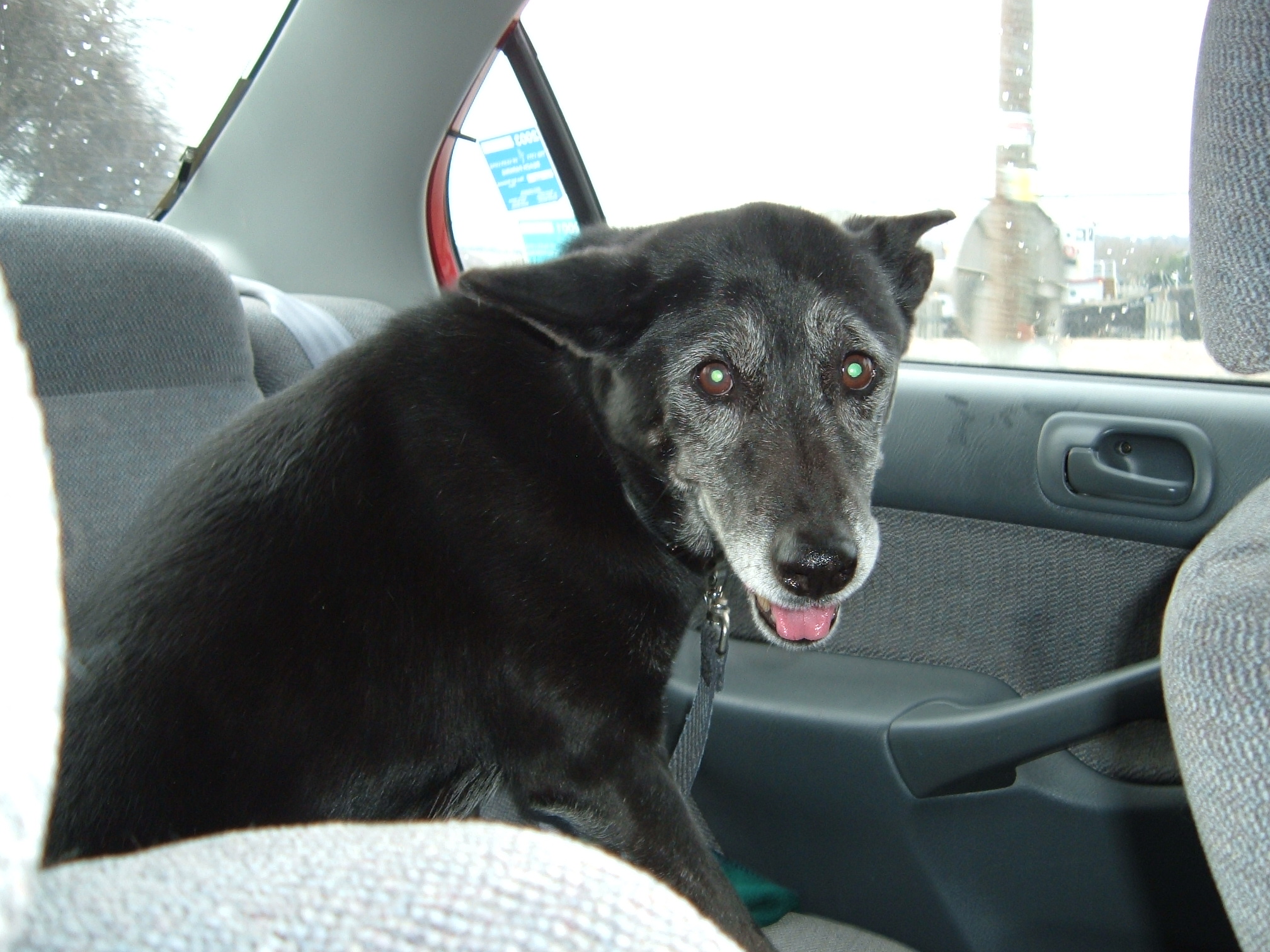
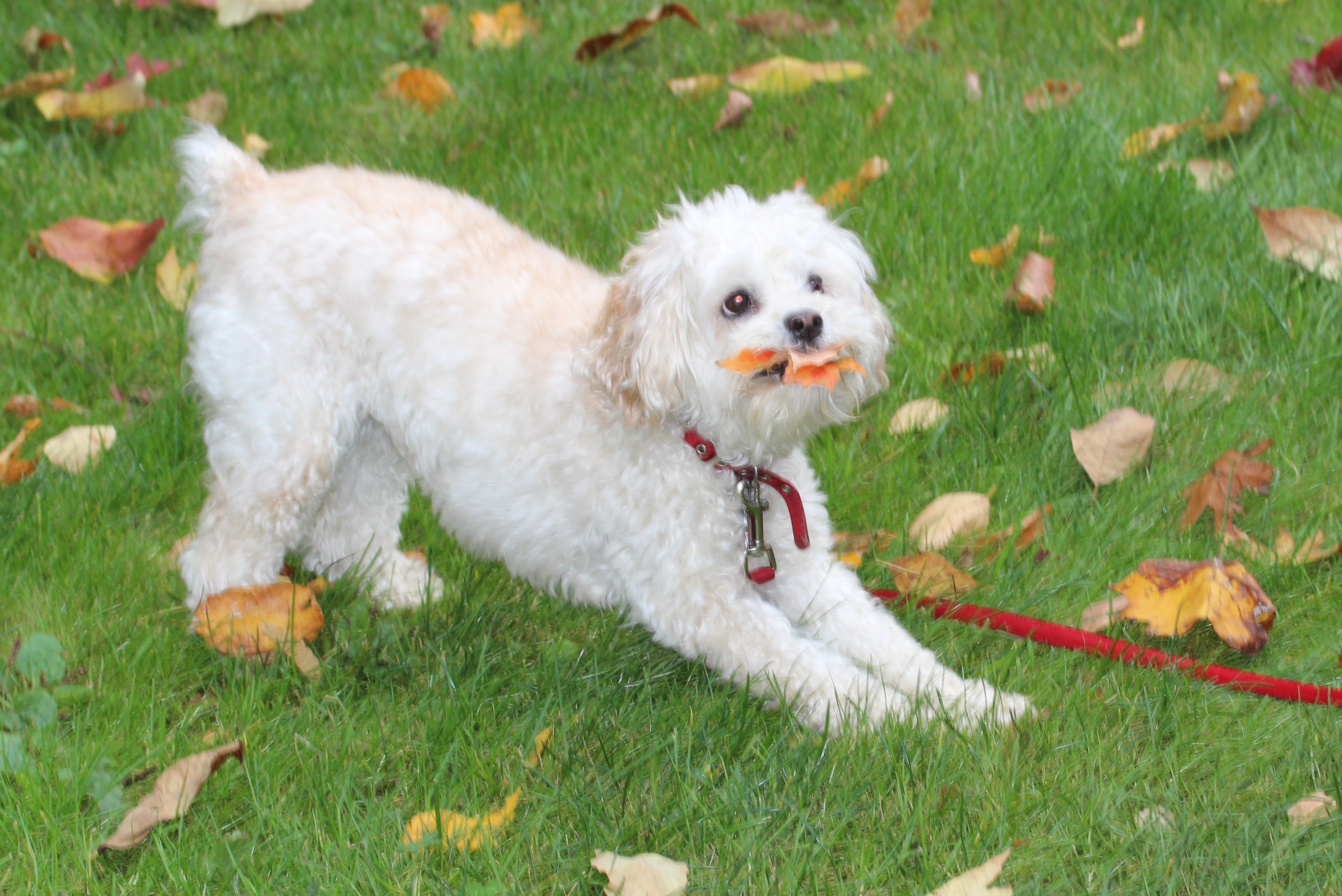
With the end of the synagogue school year I always try to take stock of what I’ve learned, and what I need to hurry up and learn over the summer to be prepared for next year’s challenges. This has been a hard year, personally (with the loss of the dogs) and globally, but I’ve learned that I have to find hope, even if I have to manufacture it out of nothing, or else I won’t be able to function.
My biggest take away from this year is that I love working with these kids, from the youngest to the oldest, from current students to kids I never taught but met along the way. And I love finding out that I made a difference in their lives; even a small one, even just as a contact point, a place where they feel safe being themselves.
I feel like I’ve been doing a child development observation project for the past five years and I keep learning more and more about what works and what doesn’t work for different kids, and I keep learning the humility that comes with being wrong over and over again. And I find that I don’t mind being wrong and making mistakes (unless those mistakes are pointed out to me endlessly and highlighted in neon, then not so much).
One of my favorite things is when I meet kids who are clearly being parented well, kids who are their full selves and self-aware and able to accept their own limitations and seek help when they need it and seek out challenges that allow them to grow. Of course, I identify more with the kids who are struggling, who are frightened or insecure or unable to even express the chaos that’s going on inside of them. But I love all of them.
And now that I’ve been here a while, some of the kids I worked with at the beginning are now teenagers, and some of the teenagers who helped in our classrooms are now young adults, and they still come back to check in and update us on how they are doing. I can especially relate to the way the teenagers and young adults are trying to figure out who they are, because I’m still working on that project myself. I watch as they try on different identities and personas and philosophies and I try to be patient when they are insufferably overconfident or simplistic or combative about their newly discovered truths.
The one area where I’ve been struggling to be patient, though, is when what the kids are trying on is a new worldview wherein Israel is the cause of all evil. A lot of the students who are protesting on campuses are not lifelong supporters of Hamas, or even especially well-educated about the Middle East and the plight of the Palestinians in Israel and the surrounding Arab countries. Most of them are just kids who are trying out new ideas to see how they fit, and they are energized by the communal atmosphere of the encampments and the belief that they can be completely right about something and their parents can be completely wrong. Most of these kids, given time and education, will not be supporters of terrorism, or of any of the other political ideologies they have been flirting with in college, and what I’m learning is that my job as an adult with the honor of interacting with them is to educate, and to listen, and to support. I do not need to pretend that I am convinced by their sudden certainties about the world, nor do I need to argue with them, but I can’t abandon them either.

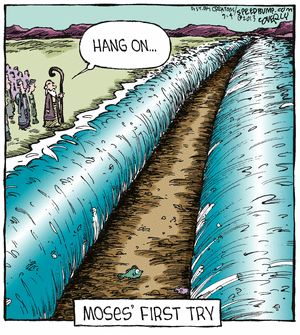
(not my picture)
I know from my own experience that certainties can help manage the extreme anxiety that comes with having no idea what the future will bring. They are still trying to figure out how to do their own laundry and yet they’re expected to plan out their whole lives: career, finances, life partners, belief systems, etc. The job of their teachers is to open new doors of thought, and present the available knowledge with a good dose of skepticism, and suggest questions worth asking, and teach a tolerance for uncertainty, but a small percentage of professors seem to see their role as becoming gurus who expect their students to swallow their ideologies whole.

I would have done better with less certainty from the adults in my life when I was in school. I needed my teachers to ask me questions and offer me compassion and patience, and then, gently, to introduce the complications to my black and white view of things. I didn’t need their admiration anywhere near as much as I needed their interest and curiosity in who I was and how my mind worked.

(not my picture)
I’ve been reminded all over again this year how important it is to be an accurate mirror for my students. Unconditional positive regard only works when it is based in the reality of the child or young adult in front of me. If an oppositional, argumentative class clown is praised for being well-behaved when he isn’t, that’s not helpful. He wants to be seen as he is. He’s being oppositional for a reason and if I ignore his reality I’m not helping him.
It’s a relief to have the summer off so I can recharge and focus on my writing and focus on myself, but this year especially I know I am going to miss my students, so I will make an extra effort to carry them with me, as a totem, to remind me of how much there is to look forward to in the future.
But first, a really long nap.

If you haven’t had a chance yet, please check out my Young Adult novel, Yeshiva Girl, on Amazon. And if you feel called to write a review of the book, on Amazon, or anywhere else, I’d be honored.
Yeshiva Girl is about a Jewish teenager on Long Island, named Isabel, though her father calls her Jezebel. Her father has been accused of inappropriate sexual behavior with one of his students, which he denies, but Izzy implicitly believes it’s true. As a result of his problems, her father sends her to a co-ed Orthodox yeshiva for tenth grade, out of the blue, and Izzy and her mother can’t figure out how to prevent it. At Yeshiva, though, Izzy finds that religious people are much more complicated than she had expected. Some, like her father, may use religion as a place to hide, but others search for and find comfort, and community, and even enlightenment. The question is, what will Izzy find?





















 rachelmankowitz