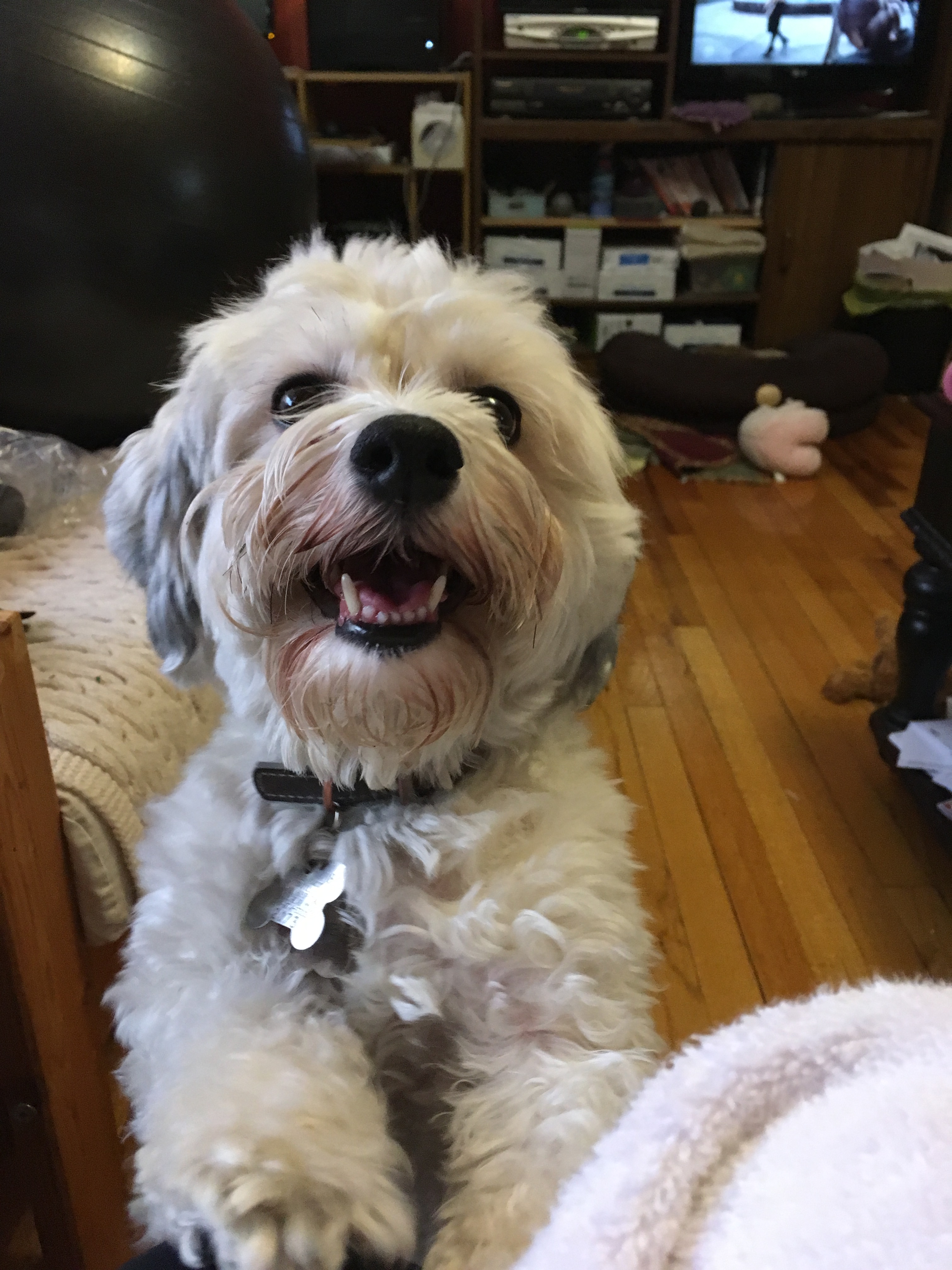
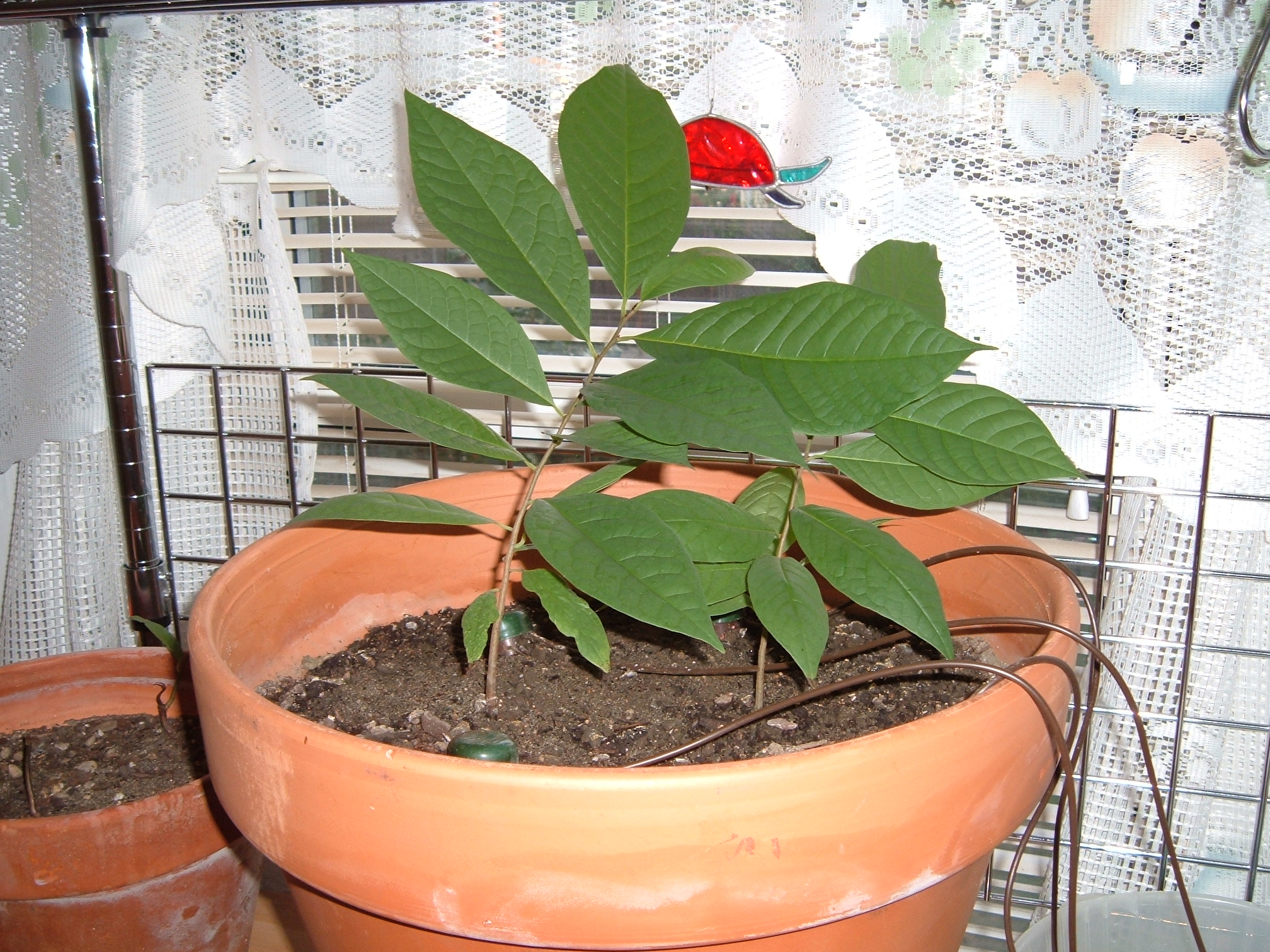
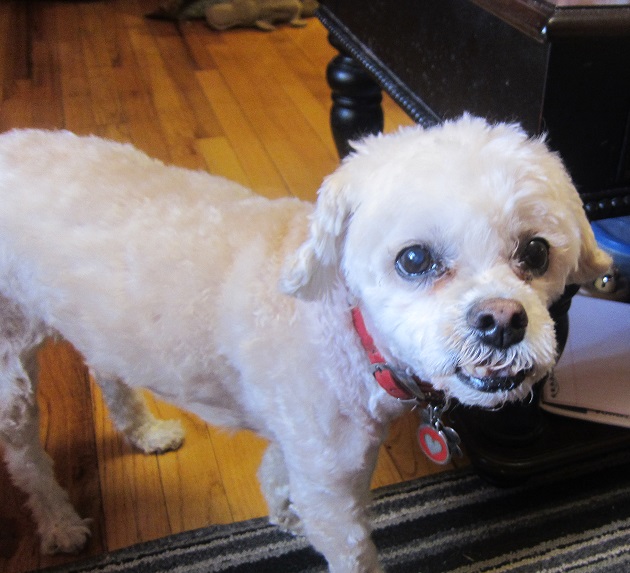
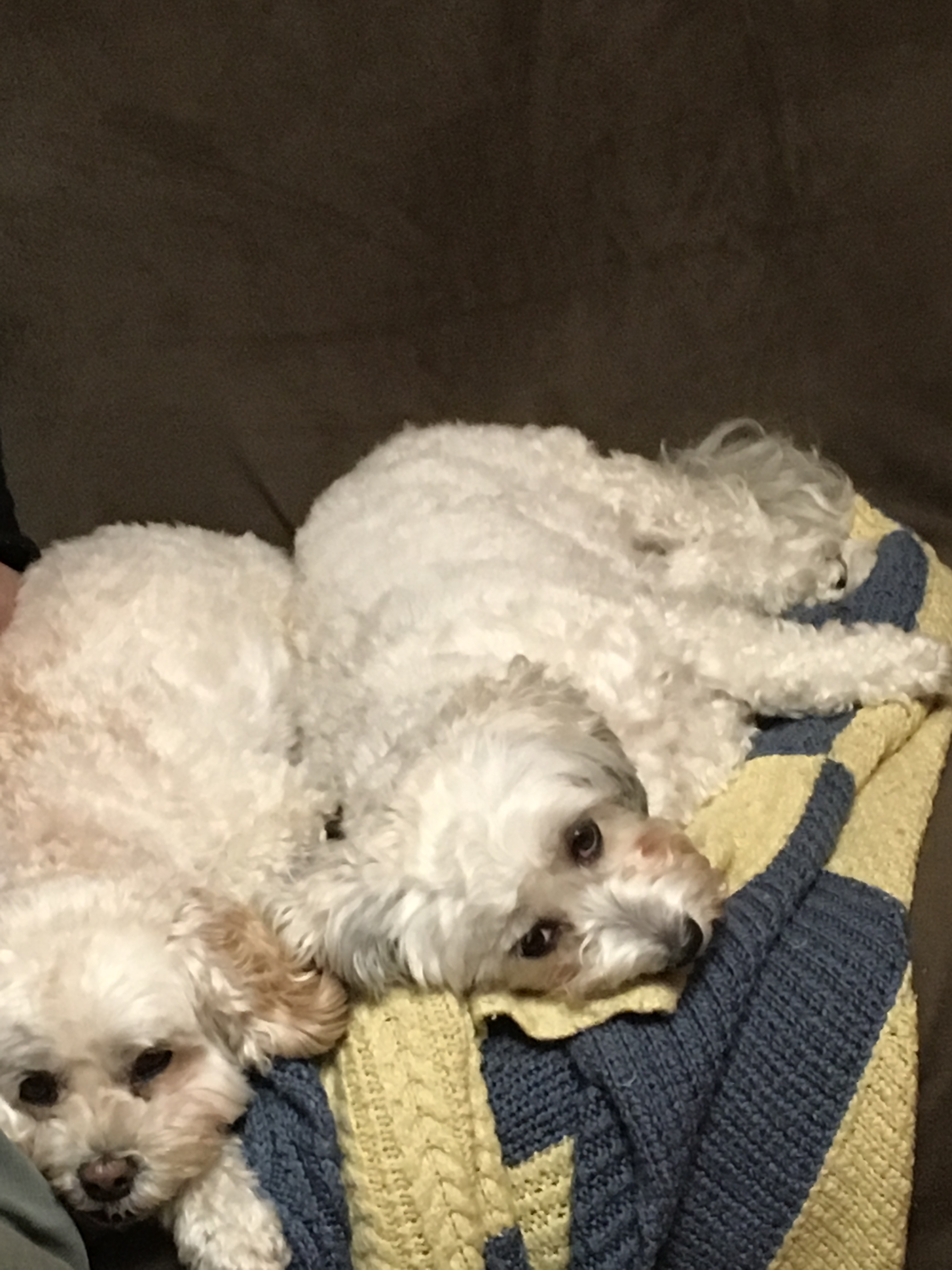
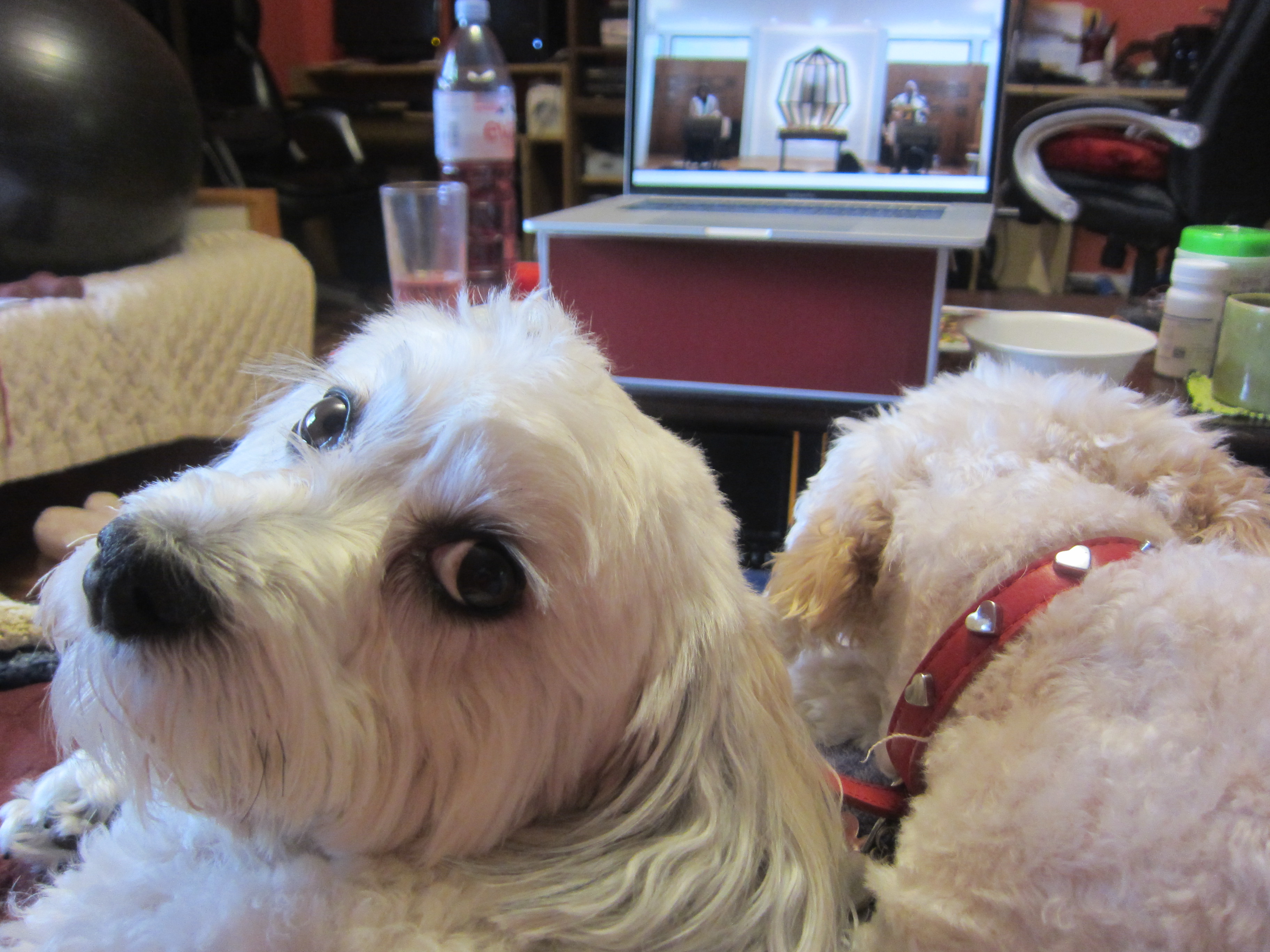
I was growing before. I could feel it. My trunk was growing more stable and my branches were starting to leaf, even to flower. But I hit a wall this year, with the extra weight of Covid, and hybrid teaching, and maybe trying to move forward too quickly.
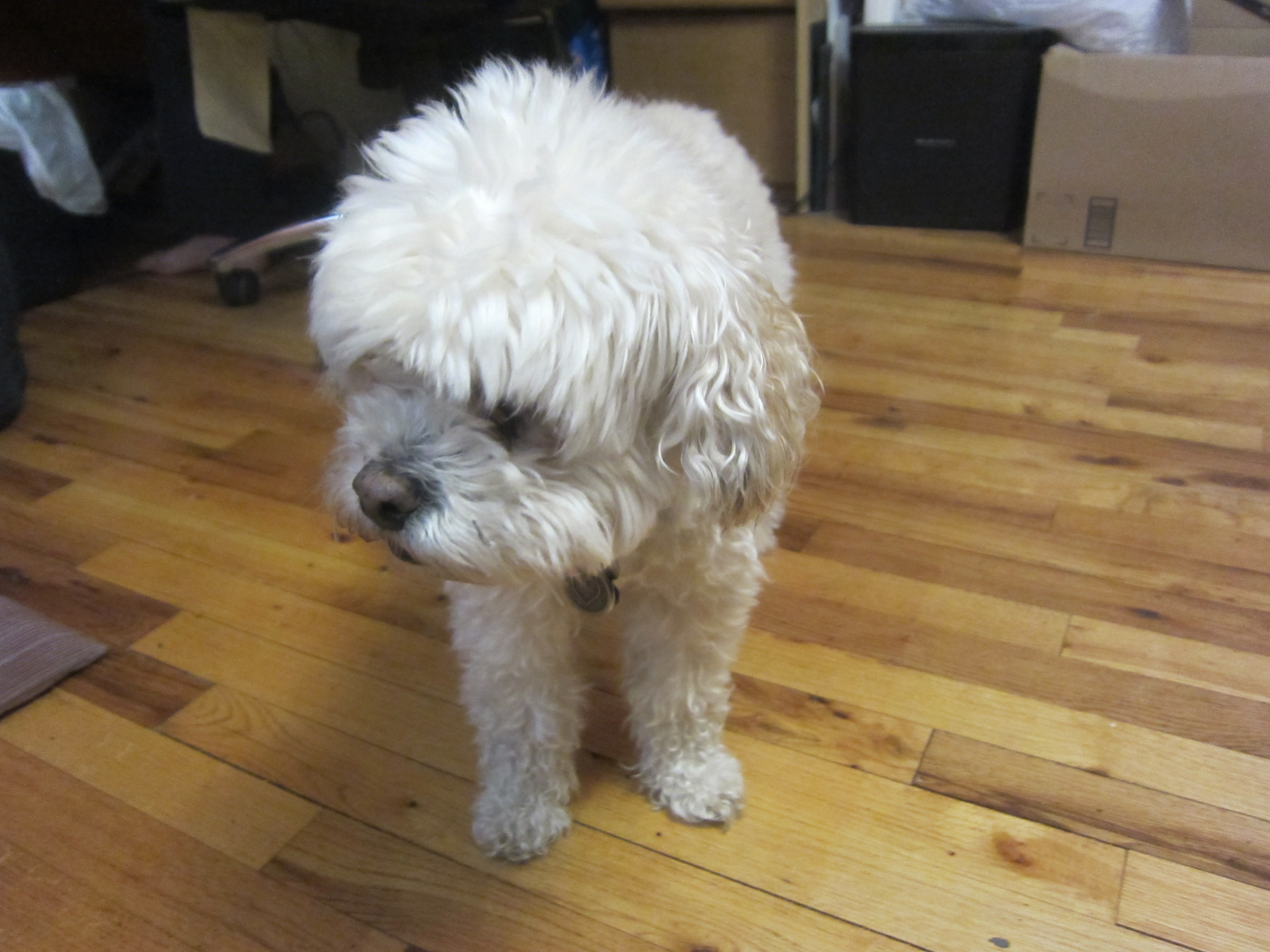
“I’m a blur!”
I keep watching Hallmark movies, hoping that the gumption and confidence of the heroines will rub off on me. I want to be the kind of person who sees a problem and relishes the chance to solve it; I want to be the kind of person who can embrace change, and persist despite rejection, and believe in my vision of the future and fight for it; but I’m not.
It’s been a relief, during Covid, to have an excuse not to move faster towards my goals, because my inner clock runs very slowly compared to the normal world. Covid time is much more my speed.
I know I need to branch out in new directions, but I don’t feel safe out on those shaky limbs. I’ve struggled to decide which risks to take, because I don’t know ahead of time what I’m ready to handle or what will be too much. I’ve had experience with “too much” in the past and how deep the hopelessness and depression can be when what I thought would be a small leap over a shallow puddle turned out to be a swan dive off a cliff.
I keep hearing the introjected voices in my head telling me what I should do and who I should be, and lately the shoulds have been taking precedence over what I want, and they’ve prevented me from investing the energy and patience I’d need to succeed at the things I really love. Like writing. I feel like the shoulds are yelling at me and the wants are whispering, and I don’t know who to listen to.
I’m still writing, but the voices keep telling me that I have no right to think of myself as a writer in the face of all of the rejection, and no right to spend time working through plot lines when I should be doing something worthwhile, like teaching, or social work. And when I sit down to write, the voices get louder and louder. I only feel safe working on short pieces for the blog, because the longer pieces are the ones that have collected all of the rejections. It feels like masochism to keep writing things that no one but an intern at a literary magazine will ever see.
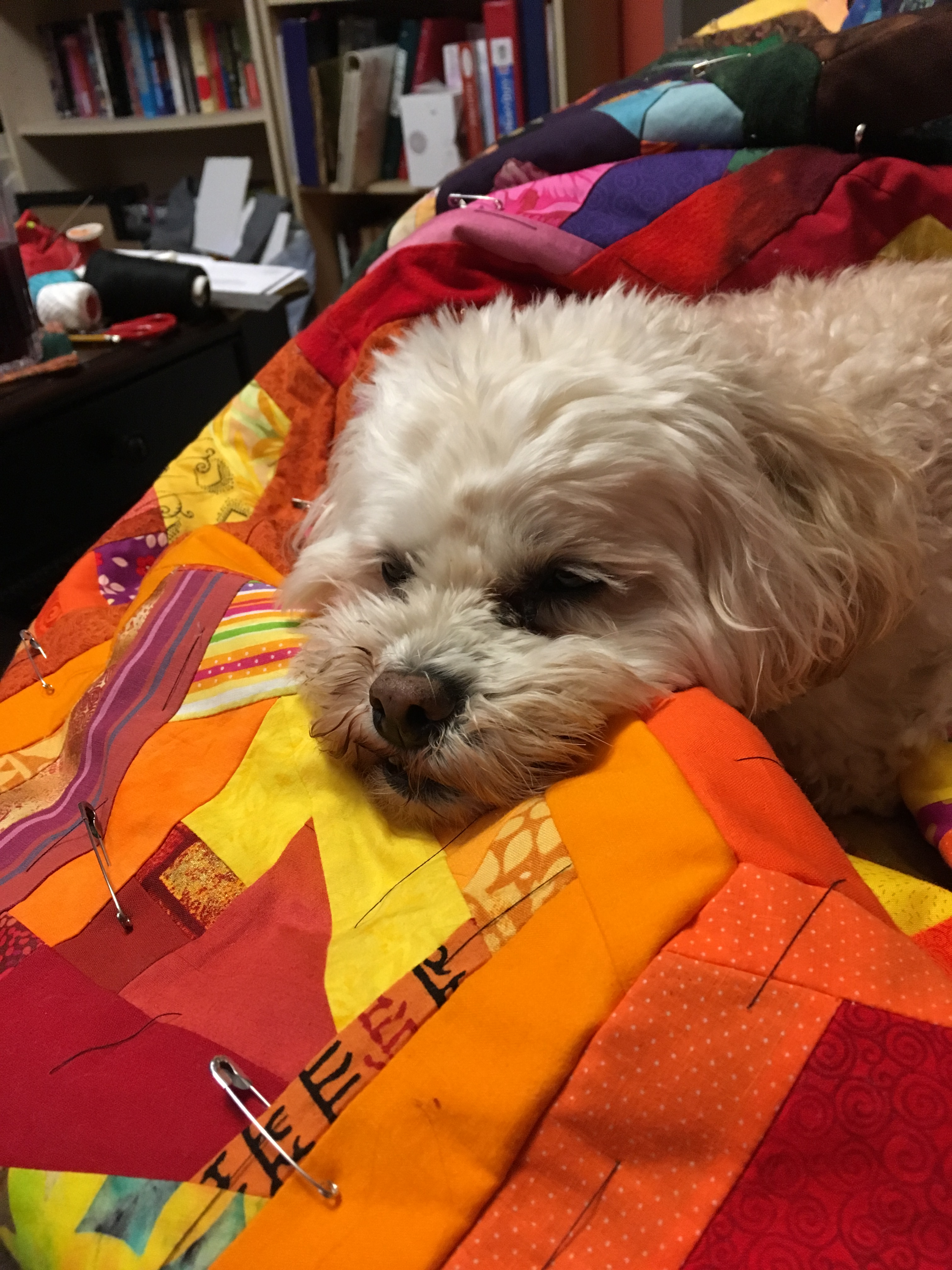
“I like to reject people. Deal with it.”
Is it okay to continue to write when so much of my work has been deemed unacceptable? Is it selfish? Is it self-destructive?
I’m angry that the rejections have stopped me from writing more, and I’m angry that I can’t shut off my inner critics and get the work done, and then I’m angry at myself for being such a loser and a moron and an idiot, and on and on. My therapist asked me to write down all of the nasty things I hear in my head when I try to write and I filled six pages without ever feeling like I’d scratched the surface.
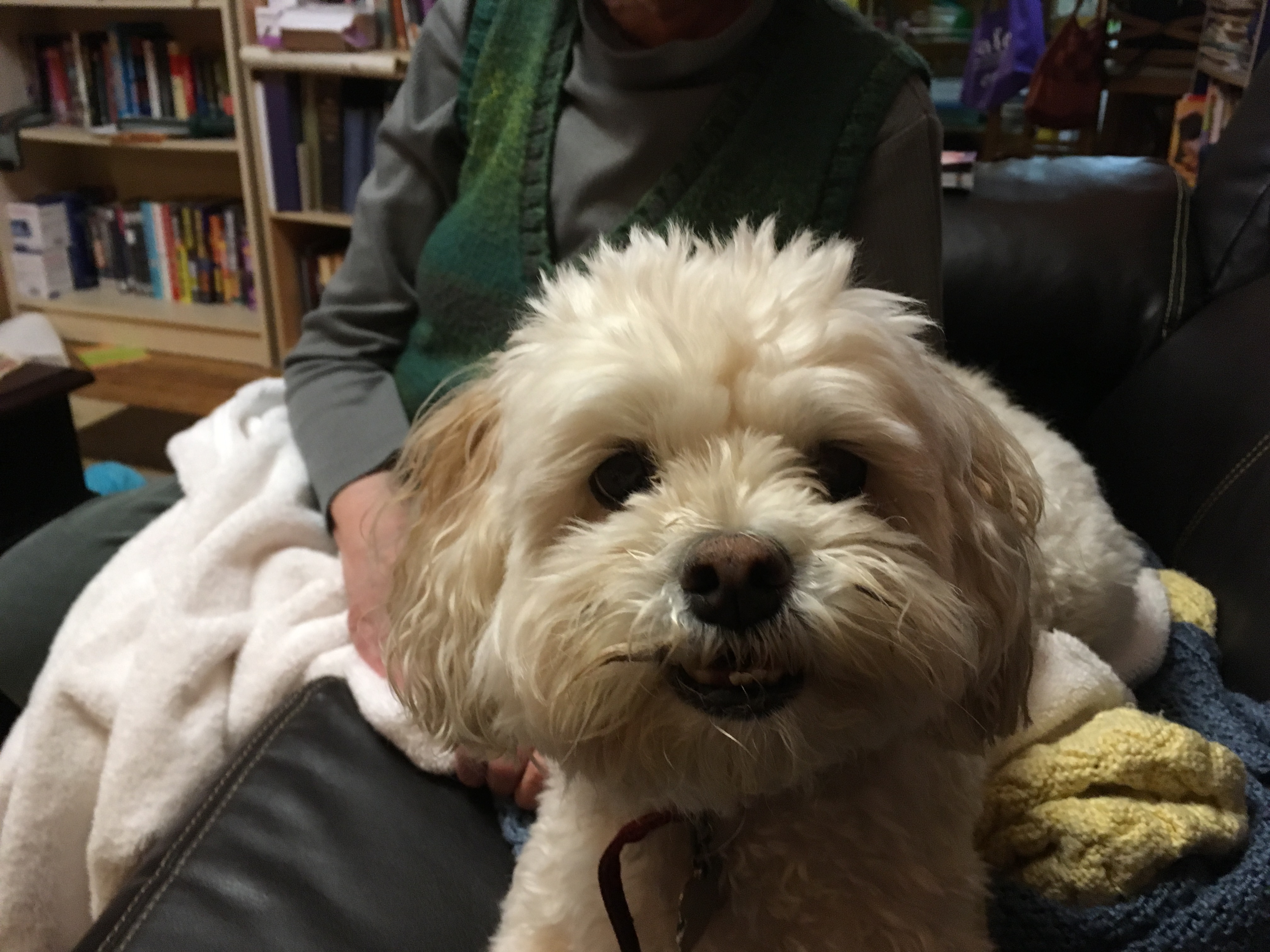
“It’s exhausting.”
But I don’t want to give in to these voices and follow the shoulds instead of doing the things I love. I’m so tired of hearing what’s wrong with me, and what’s not enough, or what’s too much, as if the noise is blaring out of speakers everywhere I go.
So this year, my resolution is to do the work that matters to me, even when it’s hard, even when I have to fill page after page with nonsense before I can get to one good, heartfelt sentence. I hate that it’s so hard to get to the good stuff, but it is, for me, for now.
And I have to persist.
“I can teach you how to persist, Mommy. It’s my super power!”
If you haven’t had a chance yet, please check out my Young Adult novel, Yeshiva Girl, on Amazon. And if you feel called to write a review of the book, on Amazon, or anywhere else, I’d be honored.
Yeshiva Girl is about a Jewish teenager on Long Island, named Isabel, though her father calls her Jezebel. Her father has been accused of inappropriate sexual behavior with one of his students, which he denies, but Izzy implicitly believes it’s true. As a result of his problems, her father sends her to a co-ed Orthodox yeshiva for tenth grade, out of the blue, and Izzy and her mother can’t figure out how to prevent it. At Yeshiva, though, Izzy finds that religious people are much more complicated than she had expected. Some, like her father, may use religion as a place to hide, but others search for and find comfort, and community, and even enlightenment. The question is, what will Izzy find?

When the official Jewish Bible was closed, the rabbis still had questions they wanted to answer, so they started writing the Talmud (The Mishnah and then the Gemara), a compendium of (endless) arguments, commentaries, word play, stories and Gematria (a method for finding deeper meaning in the text, using the number values of the letters). And then, after the Talmud was considered closed, the next generation of Rabbis still had more questions, and answers, about what God really meant in the Bible, so they kept writing and collected the work in new books of Midrashim (a Midrash is a general term for the way the rabbis interpreted and elaborated on the biblical text, and Midrashim is the plural of Midrash).
Midrashim exist in many different forms: stories, homilies, parables, and legal exegesis. In a way, Midrash is the earliest form of fan fiction, where we take existing characters and situations from popular TV shows or books and imagine new scenarios for them. Just like we want to enter the world of Harry Potter, or J.R.R. Tolkien, or Little Women, our ancestors wanted to enter the world of the Bible and imagine themselves in the role of Abraham or Sarah or Miriam or Moses. They liked to think about how they would have behaved in front of the Burning Bush, or facing the Sea of Reeds with the Egyptian soldiers coming up behind them. And they wanted to imagine what it would be like to face God, and speak to God, and criticize God directly the way the characters in the Bible were able to do.
“I tell God my opinion all the time.”
The best known Midrash may be the legend of Abraham as a young child smashing his father’s idols. He tells his father that the idols destroyed each other, and his father didn’t buy it, because idols aren’t living beings. To which little Abraham says, exactly. According to MyJewishLearning.com, this Midrash, collected in Genesis Rabbah, was created to explain why God would choose Abraham in particular to be the father of the Jewish people, because he was willing to challenge the conventional wisdom of his time.
Midrash fascinates me because it allows us to reinterpret the Bible through our own eyes. It’s about more than just figuring out what the original writers meant, it’s about finding something in the story that rings true for us in particular. A Midrash doesn’t have to be factual in order to express a deeper truth from the Bible, and therefore, possibly, meaningful to the reader as well.
Unfortunately, since we have such a long tradition of rabbis (aka men) telling us what to think, many people still feel too intimidated to read the Bible through their own eyes. They imagine that the rabbis, who were often already a thousand or two thousand years distant from the source material themselves, must have heard the voice of God. But just because they had the confidence to believe they knew what was right, doesn’t mean they were right. Or that their answers are right for us.
“My answers are always right.”
Midrash writing wasn’t just popular in the distant past, modern writers have taken it on as well. Consider Anita Diamant’s book The Red Tent, a reimagining of the story of Dinah in the Bible. Judith Plaskow is another modern feminist Midrash writer, who embarked on Midrash writing as a way to include the female voice in the story of the Jews, while still respecting the Bible itself and the traditions of Judaism. She wrote an essay called “The Coming of Lilith,” re-imagining Lilith as a woman who was wrongly punished for wanting to be considered equal to Adam. The original Lilith Midrash was written by men, as an attempt to make sense of the two different versions of the Adam and Eve creation myth in Genesis. In the first version, both Adam and his wife are created from the earth, and in the second version Eve is created from Adam’s rib (or his side), and the rabbis decided that these were two separate creation stories. In the first, the wife God created for Adam, Lilith, was too uppity and thought that she was equal to Adam, so, of course, she turned out to be a demon who defied God and threatened to eat children (no, really). When God created a second wife for Adam, Eve, God decided that she needed to know her place, so she was created out of Adam himself, as a subsidiary to him. Of course she still went and ate that apple, so, women, feh. It’s all their fault.
“That’s not nice!”
Judith Plaskow’s version of Lilith isn’t a demon at all, she’s a woman who refuses to be submissive to her husband and leaves him. Eve, the second wife, is told that Lilith is a demon who has to be kept out of the Garden of Eden because she’s a threat to children and women, etc, etc. But Eve gradually recognizes that Lilith is just a woman, like herself, and someone she could be friends with.
Both Midrashim represent the mindset, and the time period, of the writers themselves, and both give us new ways to read the original stories in the Bible and try to understand the inconsistencies and mysteries therein. Can I believe that there are women whose power to seduce or manipulate men can seem demonic? Yes. Are there women who are called demons who are really just people being held back from living their own lives? Yes. Are either of those readings what God, or the authors of the Bible, meant us to learn from the original stories in the Bible? We can’t know. The truth of the stories, and the lessons of the stories, are up to us to decide. And we can each decide differently.
“I don’t think Cricket believes that.”
I want to help my students, children and adults, see that Judaism isn’t a religion of passive obedience, or at least that it doesn’t have to be. If you are willing to engage in the storytelling, and the story-hearing, and take ownership of your own beliefs and values, Judaism can be as dynamic and meaningful as you need it to be.
And yet, I keep struggling to write my own Midrashim, or to plan a way to teach people how to write Midrash. I’m intimidated by exactly those people who I want to thumb my nose at, and I think this happens in a lot of areas of my life. I know what I think, and what I believe, but I don’t feel like my beliefs matter, or have value, compared to the people who are RIGHT. The dichotomy between my confidence in my own opinions, on the one hand, and my belief that I have no right to that confidence on the other, is a constant.
The Bible is so tempting to work with, because it is notoriously tight-lipped when it comes to certain details. Don’t get me wrong, you will be bored to tears with lists of ancestors and sacrifices and tribes and kosher and unkosher animals, but the storytelling style is very lean and leaves a lot of room for the reader’s imagination. It’s instinctive to start asking questions like, what must have happened behind the scenes to make the characters act that way? What might they have been feeling or thinking that they didn’t say? And what else happened that the writers of the Bible decided to leave out, if we assume that these are true stories?
But I keep hearing the rabbis (ancient and current day) yelling at me that I don’t know what I’m talking about, and I keep hearing my imaginary students telling me that this work is too hard and not worth the effort, because we could just read the existing commentaries and Midrashim, or we could write new stories of our own instead of dragging meaning from such a stubborn book. And I can’t disagree. But I’m still compelled by the possibility that I could find a way to place myself in the world of my ancestors, and see more of what was there than I’ve been able to see so far.
I just don’t know where to start. Maybe with Lilith. Maybe, for me, Lilith isn’t a demon, or even a separate person from Eve. Maybe I can see both creation stories as part of the same story, with one woman seeing herself as equal to her husband, and subsidiary to him, at different times. Because, why wouldn’t the first woman be as conflicted over who she thinks she is, or who she thinks she should be, as I am?
If you haven’t had a chance yet, please check out my Young Adult novel, Yeshiva Girl, on Amazon. And if you feel called to write a review of the book, on Amazon, or anywhere else, I’d be honored.
Yeshiva Girl is about a Jewish teenager on Long Island, named Isabel, though her father calls her Jezebel. Her father has been accused of inappropriate sexual behavior with one of his students, which he denies, but Izzy implicitly believes it’s true. As a result of his problems, her father sends her to a co-ed Orthodox yeshiva for tenth grade, out of the blue, and Izzy and her mother can’t figure out how to prevent it. At Yeshiva, though, Izzy finds that religious people are much more complicated than she had expected. Some, like her father, may use religion as a place to hide, but others search for and find comfort, and community, and even enlightenment. The question is, what will Izzy find?
For my birthday this year, at my request, Mom got me an appointment with a nutritionist recommended by some of her friends who specializes in Intuitive Eating, rather than in creating meal plans or excluding certain foods. I’d found a book on this subject years ago, called When Food is Love by Geneen Roth. It was an exploration of how to teach yourself to feel your hunger cues, and trust your body to tell you what and when to eat. I could relate to so many of Geneen Roth’s stories about her own childhood eating issues and I was inspired by her journey to making peace with food, but I couldn’t translate her lessons into my own body and my own eating. I ended up going back to calorie counting, and then counting points, and then excluding categories of food altogether, and on and on. But it always stuck with me that, one day, I’d really like to be able to eat when I’m hungry and stop when I’m full.
“I’m never full.”
My first visit with the nutritionist, on Zoom, was promising. She has experience working with people with trauma backgrounds and autoimmune disorders and a history of eating disorders, so nothing I said was shocking to her. And she was kind. Much kinder than I am to myself.
I have been dieting since I was a kid, and I’ve had bouts of anorexia and binge eating and over-exercising and excessive dieting since then. My body is not built along the lines of the perfect American woman I see in magazines, or on TV, who is either taller than me with spindly bones or shorter than me with spindly bones. I am big boned. Even when I was anorexic and fainting from lack of nutrition, I could never get thin enough to fit into the skinny-girl clothes at the mall, because my bones stuck out. My mom was scared, because she saw that I was starving myself, but most other people thought I was just barely thin enough. Even my doctors weren’t concerned, though I was thirty pounds underweight for my frame, because they were looking at the wrong charts.
The assumption behind every diet I’ve ever been on is that my body is wrong and bad and needs to be fixed, and I have believed that my whole life, but Intuitive Eating will require me to learn a new way of talking to myself, and I’m not sure I can do it. One of the first things the nutritionist told me was that I may have to accept my weight as it is; that people can lose weight with Intuitive Eating, but a lot will depend on what’s right for my body, not my expectations for my body. This is a hard thing to hear, because I feel certain that my body isn’t meant to be its current size, and that if I were a good enough person I would reach my ideal weight without effort.
“I’m perfect just the way I am.”
I’m working on balancing out my meals, adding more protein to breakfast and more vegetables to lunch and more fat here and there, so that I feel full at the end of each meal. The nutritionist suggested that I replace the peanut butter powder in my overnight oats with real peanut butter, and the almond milk with Fairlife milk (high protein and lactose free). And she suggested making snacks ahead of time, like trail mix and bean salad, so that when I’m starving I won’t just reach for cookies.
“Did you say cookies?”
But that’s the easy part. It’s sitting down and recognizing where I am on the hunger scale, from 0 (starving to death) to 10 (so full it’s unbearable) before and after each meal that’s getting me frustrated. I struggle to tell the difference between the kind of hunger I feel first thing in the morning, when my stomach is truly empty, and the hunger I feel after breakfast when I want to eat more but I don’t know why. I’m trying to honor my hunger, and eat when I think I need to eat, but it’s hard to differentiate between physical hunger and emotional hunger, or even my long-trained instincts to eat certain foods at certain times of the day. Keeping a hunger journal is forcing me to look more closely at why I’m eating, and what I’m feeling and thinking as I eat, and it is uncomfortable every time. I’m also afraid that moving away from the dieting mentality will lead to weight gain, because I believe that there are monsters inside of me and if I don’t set strict eating rules they will take over and make themselves visible to the outside world instead of just to me.
“Monsters?!!!!!!”
My therapist is excited about this new eating project and has high hopes that the work will help me get in touch with deeper issues that I’ve been avoiding for too long. But I’m scared. What if I’m still not ready to deal with those feelings? What if overeating is the only thing that works to soothe the pain?
After I cancelled my Weight Watchers membership, they sent me an email survey, asking if I’d be interested in a new plan with them that would involve being connected with doctors who could prescribe diet medications through Zoom, and that idea is sitting in the back of my mind, as a temptation and a get-out-of-jail-free card in case Intuitive Eating is too hard for me. But I hope I don’t fall into that trap again. I want to be at the point where I can accept myself as I am, and sit with my feelings when they are uncomfortable. I just don’t know if that’s possible. Yet.
If you haven’t had a chance yet, please check out my Young Adult novel, Yeshiva Girl, on Amazon. And if you feel called to write a review of the book, on Amazon, or anywhere else, I’d be honored.
Yeshiva Girl is about a Jewish teenager on Long Island, named Isabel, though her father calls her Jezebel. Her father has been accused of inappropriate sexual behavior with one of his students, which he denies, but Izzy implicitly believes it’s true. As a result of his problems, her father sends her to a co-ed Orthodox yeshiva for tenth grade, out of the blue, and Izzy and her mother can’t figure out how to prevent it. At Yeshiva, though, Izzy finds that religious people are much more complicated than she had expected. Some, like her father, may use religion as a place to hide, but others search for and find comfort, and community, and even enlightenment. The question is, what will Izzy find?

I’m exhausted. I’m (very) tempted to hibernate until spring; to fall into a sea of Christmas movies and jigsaw puzzles and coloring books and naps with the dogs. The schools in my area are preparing to go fully virtual this winter, in case the Covid surge hits us the way it’s hit the rest of the country. I feel like I’ve been running full out the past few weeks at synagogue school, hoping to make it to winter break before the wave inevitably hits.
There’s a deep weariness like cement in my bones, and I feel like my soul has taken a battering too, with the anxiety leading up to, and now out of, the presidential election, and the stress of Covid and how it impacts teaching; it feels like my soul and not just my body is black and blue and tender to the touch.
“Oy.”
I think we’re all feeling that way this winter. It would be nice if we could rest at home until the vaccines are ready for mass distribution, and then Santa and the reindeer could bring doses to every house and apartment and sprinkle fairy dust over all of us, instead of making us go to the doctor for a shot in the arm, or two.
“No fairy dust yet, but I’ll keep checking.”
One of the main themes of the Jewish holiday of Chanukah, along with celebrating the miracle of the oil lasting eight days, is the rededication of the Temple in Jerusalem after it was used for profane purposes (like, an altar to Zeus and sacrificing pigs within the walls). The word Chanukah itself means dedication, and, not coincidentally, this is often a time of year when we start planning our goals, or resolutions, for the coming year. But I’m not ready.
I keep thinking that I need to rededicate myself to knowing my limits, and respecting them; that I need to stop believing that I have to be someone else; someone who can multitask, and work eighteen hour days, and write three novels a year. I’m not that person, and no amount of beating myself up is going to change that.
But it feels impossible to move from constant self-improvement efforts to some semblance of self-acceptance. I feel like the ancient Temple in Jerusalem, before the Maccabees came in to clean things up. And just like with the Temple, before I can re-dedicate myself to moving forward, I need to really look around and survey the damage, because there may be miracles hiding in the wreckage, canisters of oil that will last eight days instead of one, for example, or other sources of light that have been in hiding. I can’t just turn my system off and on again and expect it to reboot.
“I think I see the light!”
I’m going to continue lighting the Chanukah candles each night, and hope that the growing light gives me inspiration, or at least some peace. But, I’m not ready for re-dedication yet. I need rest and presents and joy, and then more rest, before I can re-dedicate myself to the sacred tasks of my life. I think the dogs will be okay with that.
Night oneNight two, with help from ButterflyNight three with Miss B“We’ll think about it.”
If you haven’t had a chance yet, please check out my Young Adult novel, Yeshiva Girl, on Amazon. And if you feel called to write a review of the book, on Amazon, or anywhere else, I’d be honored.
Yeshiva Girl is about a Jewish teenager on Long Island, named Isabel, though her father calls her Jezebel. Her father has been accused of inappropriate sexual behavior with one of his students, which he denies, but Izzy implicitly believes it’s true. As a result of his problems, her father sends her to a co-ed Orthodox yeshiva for tenth grade, out of the blue, and Izzy and her mother can’t figure out how to prevent it. At Yeshiva, though, Izzy finds that religious people are much more complicated than she had expected. Some, like her father, may use religion as a place to hide, but others search for and find comfort, and community, and even enlightenment. The question is, what will Izzy find?
We bought a new chanukiah (a candle holder with nine branches) for Chanukah, as a step up from the one we’ve used for the past two years: a tiny supermarket trinket with mini candles that burned down in minutes. That one replaced what we’d had for many years, which was nothing. It seems strange, given how much Judaism means to me, that I still struggle so much with the symbols and rituals of being Jewish. I still don’t light Shabbat candles on Friday nights, or bake or buy a challah, or say blessings over wine (or even grape juice). I take great joy in singing the prayers and in the sense of community and I love teaching the kids in synagogue school. But. There are still so many glitches.
The new Chanukiah in it’s place of honor next to Miss Butterfly
One of the glitches is the story behind the holiday of Chanukah. The traditional story is that the Jews rose up against their Greek-Syrian oppressors in the second century before the Common Era. King Antiochus IV had outlawed the Jewish religion, ordering the Jews to worship Greek gods, and his soldiers attacked the city, killing thousands and desecrating the Holy Temple in Jerusalem. The Jews rebelled, under Judah the Maccabee, and retook the city and the Temple, and when they went to rededicate the Temple, and light the seven branched Menorah, they could only find enough consecrated oil to last one day, but, miracle of miracles, the oil lasted eight days.
Miracles shmiracles.
Except. The war started as a civil war between those Jews, led by the Maccabees, who were determined to impose Jewish law on all of the Jews, even by force, and those Jews who had adopted Greek customs; the entrance of the Greek soldiers came later. The Maccabees won the war, killing Greek soldiers and their fellow Jews, and took control of the land of Israel for more than a century. Oh, and the oil that lasted eight days? It wasn’t in the original telling of the story. The miracle of the oil came up later, when the Rabbis needed an excuse for a festival of light to replace the pagan festivals of light the Jewish people loved so much.
So, how do I celebrate a miracle (eight days of oil) that I know didn’t actually happen? And how do I celebrate a holiday that honors the killing of Jews like me who just wanted to have a foot in both the religious and the secular worlds?
I struggle with the story behind this holiday just like I struggle with the story of Purim (punishing the man who planned the mass murder of the Jews by killing him and his whole family), but I can also see the value of a holiday that helps us find a way to feel hopeful during a dark time, be it a time of oppression or a time of literal darkness.
The fact is, even though in America we tend to look at Chanukah as the sort of third cousin twice removed of the big winter holiday of Christmas, it turns out that many cultures have a festival of light around this time of year. Each one has its own story – whether it’s about the birth of Jesus, or the rebirth of the Sun, or honoring ancestors; the Hindus have a whole epic among the Gods for Diwali (celebrated mid-November this year) that ends in the triumph of good over evil.
What all of these holidays have in common is the celebration of light. As the days get shorter and colder, and the nights get longer and darker, we all need something to remind us that light and heat and harvests and joy will return. We light candles, or clay lamps, or bonfires, or firecrackers, and we make a point of celebrating with our loved ones and eating special foods, all so that we can make it through the winter with our hope intact. We’ve gotten so good at this that, at least in America, we call this “the most wonderful time of the year!”
“The MOST wonderful?!”
We still crave the symbols of our own cultures when we celebrate, though, just like we want to spend time with our own families and friends at this time of year. So for Christmas there’s Santa Claus, and mistletoe, yule logs (originally from a druid custom of rolling a flaming wheel down a hill to remind the sun how to rise), and of course Christmas trees (fun fact, people used to light up their Christmas trees with candles, before electric light came along, so Christmas tree fires were very common); and for Chanukah, we light our Chanukiyot and spin dreidels and eat potato latkes and chocolate gelt (coins); and for Yalda Night, a Zoroastrian Winter Solstice celebration in Iran on the longest night of the year, there are red fruits (like pomegranates and watermelons) to symbolize the crimson colors of dawn, and dried fruit and nuts and Persian sweets and poetry; and on St. Lucia’s Day in Sweden, the eldest daughter dresses in a long white gown, tied with red ribbons, and wears a crown of candles and lingonberry greens, and brings sweet rolls called Lussekatter to her family; and for the Chinese Lunar New Year lanterns are lit to celebrate the light of the moon, and dumplings and fish and rice cakes and noodles are eaten for good luck in the coming year; and for Diwali, clay lamps called Diyas are lit to celebrate the triumph of light over darkness and good over evil, and there are candles and firecrackers and intricate patterns of colored powders, and sweet and savory foods; and for Kwanzaa, an African American holiday to commemorate African Winter Solstice festivals, a Kinara (a candle holder with seven branches) is lit with candles in red, black and green, and gifts are given, and harvest foods of Africa are eaten, and the values of African village traditions are celebrated.
But all of it, however specific the details are to our own cultures, connects us to the overall human need for light, and wisdom, and hope for tomorrow.
When I think of it like that, Chanukah starts to take on more of a glow for me. And it also makes sense of my love for Christmas movies, which are really all about love and light and miracles, especially the small miracles that help us through each day.
So maybe this year, even as Mom and I light the candles on the Chanukiah, and sing Chanukah songs to the dogs, we can think about all of the other people around the world celebrating their own festivals of light, and we can remember the creativity and ingenuity of all of our ancestors in finding ways to feel joy at such a dark time of year, instead of each of us hibernating in our own caves. And maybe, along with the obligatory potato latkes, we can celebrate with samosas, or Halwa, or dumplings, or Lussekatter. Maybe we’ll even drink some Swedish Glogg (flaming mulled wine!), though probably not. The dogs would much prefer a traditional Winter Solstice meal, with lots and lots of roasted meat.
“We’re ready to be spoiled for eight days! Or more!!!!”
I don’t want to erase the history that brought my people to this point, or pretend that my ancestors were any less flawed than they were. I want to find a way to honor the deeper meaning of the holiday, for me, which is that survival is possible, even through the darkest of times, if we are willing to look around and learn from each other.
If you haven’t had a chance yet, please check out my Young Adult novel, Yeshiva Girl, on Amazon. And if you feel called to write a review of the book, on Amazon, or anywhere else, I’d be honored.
Yeshiva Girl is about a Jewish teenager on Long Island, named Isabel, though her father calls her Jezebel. Her father has been accused of inappropriate sexual behavior with one of his students, which he denies, but Izzy implicitly believes it’s true. As a result of his problems, her father sends her to a co-ed Orthodox yeshiva for tenth grade, out of the blue, and Izzy and her mother can’t figure out how to prevent it. At Yeshiva, though, Izzy finds that religious people are much more complicated than she had expected. Some, like her father, may use religion as a place to hide, but others search for and find comfort, and community, and even enlightenment. The question is, what will Izzy find?
I started watching Dancing with the Stars when Cricket was a puppy, as a way to unwind after her training classes every Monday night. Even after we gave up on the classes – Cricket hated being told what to do – we kept on watching the show and practicing our Waltz and Tango together. In our version of Dancing with the Stars, lifts were always allowed. Cricket thought we should allow biting and scratching as well, but even I have limits.
“Help me!!!!!”
I’ve kept up with the show ever since, even though I’ve been annoyed by the voting for years, with beautiful dancers being voted off early in favor of crowd favorites without much dance ability. Honestly, I should have given up on the show a while back, but I still love the dancing, and I record each episode so I can fast forward through the silliest parts. When the change in hosts was announced over the summer I was ready to give up again, because you need a host with a sense of humor to puncture the pomp and melodrama of the show, and they went in the opposite direction, but after the entertainment-starved Covid summer, and the announcement that Johnny Weir would be on the show this year, I decided to give it another chance.
Johnny Weir (not my picture)
Johnny Weir is a classical balletic-style figure skater, one of the first openly gay figure skaters, after Rudy Galindo opened that door with a bang in his U.S. Nationals win in 1996. Figure skating, maybe because of its reputation as a feminine sport, has spent many years forcing its gay male skaters to stay closeted, but Johnny Weir, who won his first Nationals in 2004, was ready to be himself, no matter what. I was excited to see how he would handle the ballroom styles on Dancing with the Stars, but especially the partner dancing. And he didn’t disappoint. As the season progressed, I was more and more compelled by Johnny and his partner, Britt Stewart, and how they negotiated their male and female roles, using both their costumes and their choreography to push past the expected into something less familiar and more equal. They were often at the top of the leader board, based on the judges’ votes, but the audience votes kept putting them in danger.
I never thought I would be this compelled by Johnny Weir. He was always a beautiful skater, but as a young man he could be catty and stinging in his comments about other skaters. And when he pushed boundaries on gender norms back then, he did it in a sort of obvious way, like the teenager and young adult he was at the time. I was always impressed with his courage and his talent, but not his maturity. In his interviews on Dancing with the Stars he explained some of the snarkiness as the result of being a young skater who was surrounded by adults critiquing how he expressed his sexuality in his skating, long before he knew that that’s what he was doing.
He started to grow on me when he and Tara Lipinski began commentating together at the Sochi Olympics in 2014, as the second team on a faraway channel. I didn’t expect to like their commentary at all, honestly. Tara Lipinski had never been one of my favorite skaters (as a Michelle Kwan fan, I am still bitter about the way Tara-the-jumping-bean came in and won so easily). But Tara and Johnny were fun to listen to together. They were playful and honest, and much kinder than I’d expected them to be. Johnny, especially, was funny and insightful and more compassionate and vulnerable each year. Tara was still Tara, but I appreciated her enthusiasm and how well she responded to Johnny’s playfulness. At some point I decided that if Johnny Weir liked her there might be something there worth liking.
SOCHI, RUSSIA – FEBRUARY 14: Figure skating champions Johnny Weir and Tara Lipinski comment for NBC the Figure Skating Men’s Free Skating on day seven of the Sochi 2014 Winter Olympics at Iceberg Skating Palace (Photo by John Berry/Getty Images)
With Britt, on Dancing with the Stars, Johnny was exploring another male/female relationship, based on mutual respect and vulnerability, and quietly breaking stereotypes of what male/female relationships have to be in dance. But I guess the rest of the audience didn’t see things the same way. Johnny and Britt’s last performance in the semifinal was a jazz routine that, to me, seemed to be bursting with hope and strength and trust, but they were still voted off.
I want to give the audience the benefit of the doubt. Maybe other dancers who made it to the finals had more intense fan bases. Or maybe the viewers preferred to watch the journey of someone with no dance experience, rather than someone coming from a similar field, like figure skating. But I’m afraid the reason Johnny Weir didn’t make it to the finals is simple homophobia, or more specifically, fear of the way he was attempting to widen the scope of what it means to be male. I wonder if people would have been more comfortable with him if he were a transgender woman, or if he had refused to identify with either gender. Instead, he was saying that there are more ways to be a man, and that there are more relationships worth exploring in dance than the heteronormative romantic partnership, and I think both of those things scared people. But, for me, there was something fascinating, and challenging, and full of potential in what Johnny and Britt were exploring together, and I wanted to see that continue. At the very least, I wanted to see their freestyle dance in the finals.
I missed out on the chance to really see him grow as a professional skater, because by the time his generation retired from Olympic skating, the golden age of professional skating on TV was fading, and the shows that were still on TV were overproduced, with the same skaters in each show, doing programs with the same choreography just set to different music. But for years before that, there were shows and competitions for the professional skaters, where they could showcase their growth as performers, beyond the triple and quadruple jumps. I feel very lucky that I got to see skaters like Torvill and Dean, Scott Hamilton, Katya Gordeeva, Paul Wylie, Kurt Browning and so many others as they pushed skating into new directions. I wished for the same with Johnny Weir’s generation of skaters, but if they were building their artistry in their professional careers, it wasn’t being shown on American TV. Dancing with the Stars was a chance to see Johnny Weir perform as an adult, and I loved that his style challenged my idea of what’s possible and what’s beautiful.
I hope that Dancing with the Stars will learn from this season and find a way forward that honors both the hard work of the dancers and the range of emotion that comes up as they learn how to dance. They’ve created a valuable platform for exposing audiences to all kinds of non-traditional dancers of different sizes, ages, abilities and backgrounds. It’s a show that can be silly and over the top one minute and then deeply resonant the next, and it’s worth saving, but it really needs saving. More than that, though, I just want to see more of Johnny Weir’s dancing. Maybe someone will hear me and give him his own show: a series where he can train with different choreographers and build his style as a dancer, or a let’s-put-on-a-show-in-the-barn kind of show, or a return to the more varied and complex skating shows of the (recent) past. That would be a nice way to say good bye to the toxicity of 2020 and move into 2021 with more hope.
I also think there should be a Dancing with the Dogs spin off, but I’m probably the only one. Cricket and Ellie are skeptical.
If you haven’t had a chance yet, please check out my Young Adult novel, Yeshiva Girl, on Amazon. And if you feel called to write a review of the book, on Amazon, or anywhere else, I’d be honored.
Yeshiva Girl is about a Jewish teenager on Long Island, named Isabel, though her father calls her Jezebel. Her father has been accused of inappropriate sexual behavior with one of his students, which he denies, but Izzy implicitly believes it’s true. As a result of his problems, her father sends her to a co-ed Orthodox yeshiva for tenth grade, out of the blue, and Izzy and her mother can’t figure out how to prevent it. At Yeshiva, though, Izzy finds that religious people are much more complicated than she had expected. Some, like her father, may use religion as a place to hide, but others search for and find comfort, and community, and even enlightenment. The question is, what will Izzy find?

Thanksgiving, my birthday, and Ellie’s birthday, all happen around the same time of year, and I’m not sure I’m ready for any of it. I’m not a huge fan of birthdays, especially my own (I keep getting older, even when I’m absolutely sure I pressed the pause button), but also, Ellie will be seven this year and I think that has to be wrong. I think we should count the age of rescue dogs from the date they were rescued, instead of from their actual birth dates. In that case, Ellie would be about two and a half years old, and that sounds much more accurate to me.
“I’m a puppy!”
And then there’s Thanksgiving. While the idea of a holiday devoted to giving thanks for our good fortune is lovely, it’s hard to look past the origin of the holiday with the Pilgrims taking advantage of the indigenous population of America. As a kid I just drew hand-shaped turkeys and sat through drama-filled family dinners, blissfully unaware of the back story or even the gratitude theme of the holiday. But I’m not sure what to do with it now that I know more.
It’s hard to focus on gratitude when you are busy feeling guilty and ashamed of what your ancestors did to the ancestors of your friends. I much prefer the Jewish holiday of Passover, where we can focus with righteous indignation on the wrongs done to us instead of the wrongs we’ve done to others. Sometimes I try to separate myself out as a more recent immigrant to America (my ancestors started to arrive around the turn of the twentieth century), so maybe I don’t have to own the guilt of those earlier European immigrants to this land. But then I read something like Deborah Fineblum’s article, The attitude of gratitude: Jewish connections to share at the Thanksgiving table published on Jewishworldnews.org, and I find out that the Pilgrims actually modeled their autumn thanksgiving holiday after the Jewish harvest festival of Sukkot, celebrated just a few weeks earlier, and I feel implicated all over again. The fact is, we are all related in one way or another, and we all come from the predators and the victims at some point in our histories.
So the question is, how can we focus on our gratitude for the good things in our lives, without ignoring the things we’ve done wrong, or things that have been done to hurt us? I’ve had to work hard on this one. I was deeply depressed for a large portion of my life, and found it insulting and simplistic when people tried to tell me to focus on my good fortune instead. They seemed to believe that if I could just whitewash my own history and ignore the pain, the way they were doing in their own lives, I would be happy. But it doesn’t work that way. In reality, telling people to smile when they are depressed, or angry, or sad, or frustrated, is DISRESPECTFUL, because you are not offering them kindness, you are bullying them into smiling in order to make you feel better. My smile has to be my choice, my willing gift to you, or else it’s meaningless.
“Harrumph.”
So, again, given all of the pain of the past, and the pain of this year in particular, with the numbers of Covid deaths rising precipitously in the United States and around the world, is there any healthy way to celebrate Thanksgiving and express gratitude around a table (or a zoom), with our friends and families? Is it healing to talk about gratitude when we’re still hurting so much?
My answer is: maybe; if we are careful and kind with each other. I wrote about Thank you, but blessings last year, as part of my first blessings writing workshop at my synagogue. The idea is that saying thank you by rote, because it’s what is expected of you, can be not only meaningless but also self-destructive, but if I can acknowledge both my gratitude and my pain, out loud, maybe I can actually feel the gratitude more fully.
The number one Thank you, but blessing among my students this year was, Thank you God for knowing that I am still a good Jew even thought I eat bacon.
“Bacon!”
Ellie’s favorite is, Thank you for giving me chicken, but I want more.
“Did you say chicken?”
And mine: Thank you for my good fortune in having a Mom who loves and believes in me, and a job I love, but I wish I could have more energy, and more focus, so that I could lose weight, and finish two or three novels over winter break.
I am grateful that Joe Biden won the election, but I wish that half the country didn’t have to feel so left out after each election. I wish we could all find a way to agree on the facts and then listen to each other’s experience of those facts with more compassion.
I think that these Thank you, but blessings are a way that I can make gratitude possible, and meaningful, for myself. Because if I just said that I am grateful, it would feel hollow and even untrue, but within the context of the all of it, my gratitude is real and I can celebrate it.
I hope that Thank you, but blessings are helpful to other people, but if nothing else works, I suggest skipping the turkey on Thanksgiving and going straight to the ice cream/chocolate cake/chocolate frosting part of the meal. That’s bound to make things better, at least for a little while.
“We have room for dessert, Mommy. Stretching helps.”
If you haven’t had a chance yet, please check out my Young Adult novel, Yeshiva Girl, on Amazon. And if you feel called to write a review of the book, on Amazon, or anywhere else, I’d be honored.
Yeshiva Girl is about a Jewish teenager on Long Island, named Isabel, though her father calls her Jezebel. Her father has been accused of inappropriate sexual behavior with one of his students, which he denies, but Izzy implicitly believes it’s true. As a result of his problems, her father sends her to a co-ed Orthodox yeshiva for tenth grade, out of the blue, and Izzy and her mother can’t figure out how to prevent it. At Yeshiva, though, Izzy finds that religious people are much more complicated than she had expected. Some, like her father, may use religion as a place to hide, but others search for and find comfort, and community, and even enlightenment. The question is, what will Izzy find?
We put off Ellie’s yearly check-up with the Vet in July, hoping that the Covid restrictions would end soon enough that we wouldn’t have to drop Ellie off from the car window. But, alas, Covid has remained and we finally gave in and made an appointment with the Vet last month. As expected, I still had to hand my baby off to the Vet Tech through the open door of the car, with Cricket screaming in my ear, warning her sister to run for her life and/or bring back treats. The appointment went quickly, and we paid the bill, and had Ellie safely back in the car, when the Vet came to tell us that, oh by the way, Ellie would need a dental cleaning. She’d had one two years ago, soon after we’d first adopted her, and now, he said, it was time for a re-do.
“Run!”“Why?”
I nodded my head, closed the window, and took off my mask, trying not to think about it as Mom drove us home. But I couldn’t stop thinking about it. I’ve heard too many horror stories about dogs dying from anesthesia during regular dental cleanings. But, bad teeth can lead to all kinds of medical issues that I didn’t want Ellie to have to deal with either, and the Vet was insistent that she needed this procedure.
It took us another few weeks, but we finally made the appointment for Ellie’s dental cleaning and drove back to the Vet’s parking lot. When the Vet Tech came to pick Ellie up from the car, this time without Cricket nearby sending smoke signals, she had me sign a form that said I understood the risks of anesthesia. I had a much harder time letting Ellie go after that.
“Mommy?”
Mom and I went food shopping right away, just to keep busy, but I still couldn’t block out the endless scenarios filling my brain, including complications from the anesthesia and lost teeth and then progressing to mixed up name tags and accidentally removed limbs. By the time we got home and put away the groceries, I was exhausted, but still too worried to sleep. Eventually, the Vet called to tell us that Ellie was fine, and would be ready for pick up in a few hours, but, by the way, they’d had a hard time getting the tube down her throat, because the scar tissue from her de-barking surgery had grown. It’s possible that Ellie’s attempts to bark along with her sister have been irritating her throat and exacerbating the scar tissue from the surgery done by her breeder long ago (which is unspeakable). That could also explain the proliferation of her snoring habit, which has become operatic of late. The Vet said not to worry about the scar tissue, which of course made me worry about the scar tissue more, but knowing that Ellie had survived this procedure was enough of a relief that I was able to sleep for a while, with only a few nightmares about Ellie losing her voice to an evil wizard.
“Did you say something?”
We brought Cricket with us to pick up Ellie, because leaving her at home that morning had not gone over well, and as soon as Ellie was brought to the car she was placed on her grandma’s lap, blurry eyed from the drugs. We’d already paid, and the chat with the dental specialist went quickly, and I wanted to race out of there before one of the Vet Techs could decide that Ellie needed to go back inside for some reason, except, Cricket didn’t like the seating arrangements. Cricket believes that Grandma’s lap belongs to her, so she kept trying to push her confused sister off the lap. It took a while to convince Cricket that she could be just as comfortable owning another part of Grandma’s real estate (in this case, behind Grandma’s neck) for the short ride home.
“Stay away from my Grandma!”
In the meantime, even in her drugged haze and with Cricket’s drama all around her, Ellie managed to find the chicken treats hidden deep in Grandma’s jacket pocket and gobble them down before anyone could stop her. We’d been warned that Ellie’s gut would be a little slow for the next day or so, and that she should eat only half as much as usual, but she clearly didn’t get that message. By the time we got home, Ellie was uninterested in eating her delayed breakfast (either the kibble or the wet stuff), and she was ready for a nap. Cricket generously ate the late breakfast for her, and then took a nap of her own.
Ellie did a lot of heavy raspy breathing for the next day or so, which kept me anxious, but pretty quickly she was back to running around the backyard, visiting with her squirrel friends, eating her meals, and showing off her pearly white teeth.
“Any more treats?”
I can still feel the worry, though, as if every time she goes to sleep there’s a chance that her scar tissue will expand and start to choke her. It’s probably an unreasonable fear, and I will likely forget how harrowing the whole thing was, until next time.
For now, the next thing on our to-do list is to schedule Cricket’s yearly check-up. I’m not sure how that’s going to work, though. She may have to be sedated BEFORE we get to the Vet’s parking lot, because the prospect of handing Cricket through a car window, to an unsuspecting Vet Tech wearing only a fabric mask and plastic gloves, instead of full armor, does not bode well for any of us. I’m sure Cricket would vote to send Ellie in again in her stead, but the vaccinations and ear cleaning that Cricket needs can’t be done by proxy, and at thirteen and a half she really can’t be skipping her regular checkups, Covid or no Covid. It’s a good thing we have a month or so before she has to go in, though, because we really need to build up our strength for the ordeal.
“I have no idea what you’re talking about.”
If you haven’t had a chance yet, please check out my Young Adult novel, Yeshiva Girl, on Amazon. And if you feel called to write a review of the book, on Amazon, or anywhere else, I’d be honored.
Yeshiva Girl is about a Jewish teenager on Long Island, named Isabel, though her father calls her Jezebel. Her father has been accused of inappropriate sexual behavior with one of his students, which he denies, but Izzy implicitly believes it’s true. As a result of his problems, her father sends her to a co-ed Orthodox yeshiva for tenth grade, out of the blue, and Izzy and her mother can’t figure out how to prevent it. At Yeshiva, though, Izzy finds that religious people are much more complicated than she had expected. Some, like her father, may use religion as a place to hide, but others search for and find comfort, and community, and even enlightenment. The question is, what will Izzy find?

This past week in the United States has been stressful, for everyone, and because my synagogue school students are part of that everyone, I wanted to focus on teaching a lesson that would reassure them, somewhat, that there are areas of their lives where they really do have some control. And, because I love teaching Yiddish words, the lesson for this week was: what does it mean to be a mensch?
Mensch is a Yiddish word, from German, meaning “human being,” or a person of integrity and honor. The opposite of a mensch is an unmensch, a person treating others cruelly and without compassion, as opposed to the word ubermensch (Nietzsche alert) which is usually translated as “the superman,” someone who is superior to other humans. The word Mensch has gathered a lot of associations in American culture (bearded, male, Jewish) but it really means a person who is striving to be good every day, and doing what is right, even when it’s hard. We already have Yiddish words for the most righteous among us (a Tzaddik), or the smartest (a Chacham or a Maven) or the most powerful (a Macher). But being a mensch isn’t about being the best or the most, it’s about being human.
“I’ll take Maven and Macher.”
There’s something wonderful about a compliment that can be given to everyone, instead of just to an elite few. Someone with a physical or intellectual disability has just as good a chance of being a mensch as someone who is born privileged in every way, because it’s not about your talents or your circumstances or your luck, it’s about how you choose to navigate the world you happen to live in. Oh, and mensch is not a gendered word, and it’s not limited to Jewish people, so it really can apply to anyone.
“Can I be a Mensch?
We are so often looking for ways to be better than others, or to be the best, or to earn our place, and it’s exhausting, but the opportunity to be a mensch is always there, and there’s always something you can do that will fit you and your skills and interests.
You can still have your foibles and be a mensch. You can fail a test, or lose your job, or struggle with substance abuse, or struggle to finish a Sunday crossword puzzle and still be a mensch. What you can’t do, is intentionally cause harm to other people. You can’t be a liar, or a bully, or be arrogant, or prejudiced and still be a mensch.
“I always tell the truth, whether you like it or not.”
I’m a big fan of menschlichkeit, or mensch-iness. It’s like a pass fail course, where as long as you do the work, you’re golden. And we need things like that in a world that is so driven by competition and achievement and striving to be in the top one percent of everything.
Being a mensch is about valuing other human beings for themselves, instead of for what they can do for you. And this, more than anything, is what I want to encourage in my students. Yes, I will be thrilled for them when they learn to write Hebrew words, or lead the prayers at their Bar or Bat Mitzvah. I will cheer them on when they swim or dance or act in a school play, and I will celebrate with them when they get into the college of their dreams, or find a cure for a rare disease, or create calorie-free chocolate frosting that tastes like the real thing (!). But all of that is secondary to how proud I am of them, right now, when they notice that a fellow student is struggling and needs help, or when they realize that they’ve hurt someone’s feelings and they are willing to take the risk of offering an apology that may not be accepted. Each time they re-learn the lesson that it’s more important to be good than to be great, I puff up with happiness, because that’s what’s going to get them through their lives; not being the best at anything, but being a mensch through everything.
It can be hard, when we are thinking in such enormous terms as national politics and life and death, to remember that our real lives, and our real impact, comes locally – in our towns, communities, schools, and families.
May we all make it through this election, and the pandemic, with our appreciation for mensch-iness intact.
If you haven’t had a chance yet, please check out my Young Adult novel, Yeshiva Girl, on Amazon. And if you feel called to write a review of the book, on Amazon, or anywhere else, I’d be honored.
Yeshiva Girl is about a Jewish teenager on Long Island, named Isabel, though her father calls her Jezebel. Her father has been accused of inappropriate sexual behavior with one of his students, which he denies, but Izzy implicitly believes it’s true. As a result of his problems, her father sends her to a co-ed Orthodox yeshiva for tenth grade, out of the blue, and Izzy and her mother can’t figure out how to prevent it. At Yeshiva, though, Izzy finds that religious people are much more complicated than she had expected. Some, like her father, may use religion as a place to hide, but others search for and find comfort, and community, and even enlightenment. The question is, what will Izzy find?
The weather is finally getting colder, and despite the rising Covid 19 rates around the United States, things in my little world are inching closer to normal. We’re still living most of our lives masked and/or on Zoom, but we have plenty of toilet paper, and imported television shows from Canada, and the library is open for browsing again.
Except, people are still dying. 230,000 is the current estimate, but it grows every day. We’re so used to Covid that the numbers of dead barely make it into the headlines anymore.
The autumn Hallmark movies have already given way to the Christmas movies, and even though I could have used a few more weeks of fall festivals and leaf peepers and corn mazes, I’m still happy to cozy up with the dogs and watch all of the happy endings unspool. Given the temperature of the world right now, with political debates and health debates and tension and drama from every direction, I find great relief in spending a few hours embraced by a pool of kindness, generosity and love. All I would add is some chocolate fudge ice cream, with whipped cream, and peanut butter sauce, and then it would be perfect.
“Did you say chocolate?”
The schools in my area have been reporting more Covid cases recently, so synagogue school may have to transition from hybrid to fully online any day now, but at least I’ve had almost two months with my students in person, getting to know them and build relationships. The kids are doing their best to squeeze some normalcy out of their current abnormal: planning Halloween costumes, hoarding jelly beans, running and playing and making a lot of noise whenever possible. They make me believe that everything might be okay, someday.
“Did you say Jelly Beans?”
Other than missing the chance to see the kids in person, though, the possibility of renewed restrictions doesn’t really interrupt my life. I’m not a trick or treater (I prefer to choose my own candy, thank you very much), and Thanksgiving isn’t a big deal in my family, and I get at least two months’ worth of Christmas spirit through my TV, so that won’t be any different for me this year either. The fact is, other than the masks and the Zooms, I don’t feel especially inconvenienced by Covid anymore, which, in itself, is horrifying. How did we get used to all of this death so easily? Why is it so easy to adapt to the worst news?
I’ve never gotten used to Donald Trump, though, maybe because he is always creating chaos, uprooting us from our placid acceptance of the current evil to force us to face a new and crazier evil.
I’m ready for the election to be over, and I’d like to believe that Joe Biden will win, but I’m afraid that the damage will linger long after the cause of the damage has left the building.
In the meantime, Cricket has been helping me collect leaves for Mom’s craft projects, nosing her way past the green ones and focusing on the reds, and browns, and yellows, with sharp edges and mysterious wormholes. She likes the leaves that have been sniffed, pawed at, stepped on, and yes, probably peed on too, because those are the ones with the richest stories to tell.
The Leaf Sniffer at work.
Mom is deep into her craft projects, melding her photography and quilting and weaving and painting and eco printing, into all new works of art. And I’m jealous. I haven’t had the patience to make anything lately – no knitting, not much baking or cooking – I haven’t even done much cutting or gluing, since I can’t hang things on the walls of my temporary classroom in the social hall. It takes energy and focus to create new things and lately when I’m not teaching or writing, I’m watching TV or sleeping.
But there’s something about the impermanence of the autumn leaves that makes me want to collect them and make them into something, or just to keep them between the pages of books, or in photos, or in my memory. It’s the same with my students. I keep wanting to freeze certain scenes in my memory, so that I’ll remember how wonderful these moments have been, despite everything else.
“I can fly!”
I would like to say that I am hopeful about the future, and that I can picture a world that is freer from meanness, and full of healing and compassion and the right kind of compromise, where the best of each of us is respected and encouraged to grow. But I’m not quite as optimistic as all that. Instead, I’ve been trying to hold on to the hope that tomorrow, or the next day, or the next, will give me the chance to watch something good on TV, or listen to a podcast that makes me feel better about the world, or watch my students run around in circles and scream and play, whether I see them in person or on Zoom.
Tomorrow has to be better than today, right?
“Are you sure?”“I don’t think she’s sure.”
If you haven’t had a chance yet, please check out my Young Adult novel, Yeshiva Girl, on Amazon. And if you feel called to write a review of the book, on Amazon, or anywhere else, I’d be honored.
Yeshiva Girl is about a Jewish teenager on Long Island, named Isabel, though her father calls her Jezebel. Her father has been accused of inappropriate sexual behavior with one of his students, which he denies, but Izzy implicitly believes it’s true. As a result of his problems, her father sends her to a co-ed Orthodox yeshiva for tenth grade, out of the blue, and Izzy and her mother can’t figure out how to prevent it. At Yeshiva, though, Izzy finds that religious people are much more complicated than she had expected. Some, like her father, may use religion as a place to hide, but others search for and find comfort, and community, and even enlightenment. The question is, what will Izzy find?