Tag Archives: writing

The End of the First Year


I finished my first year of graduate school in social work, but I still feel anxious, as if there’s some assignment I forgot to do. I did not get all A’s this year, for the first time in forever, and that’s been hard to accept. I did all of the assigned work, and more, but there was some essential disjunct between the work required of me and the way my mind works. I just felt at odds with it all year, but not in a self-righteous or confident way, more like, every once in a while they started speaking in a language I couldn’t understand, and I felt like a moron.

It’s not just a question of jargon, where, once I learned what they meant by certain words, I could catch up. It was something in the way they wanted me to think that just didn’t click for me, and I’m scared that this gulf will remain throughout the next two and a half years of school, and then out into the professional world, and I will never feel quite right in this profession.

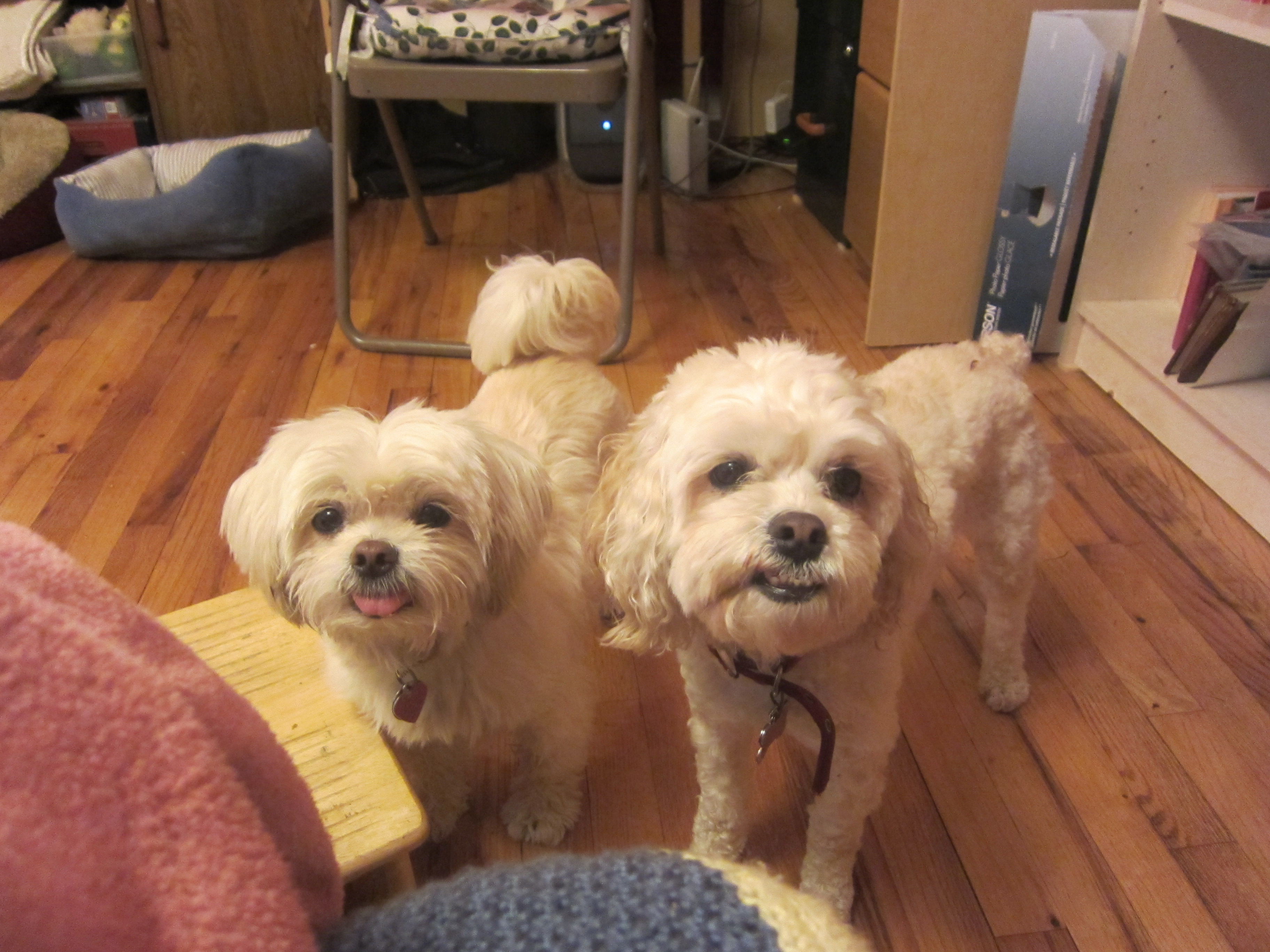
I don’t know if the dogs noticed that I was in school this year, because most of the work was done online. They can’t tell the difference between schoolwork and the writing I actually want to do. Or if they can, they haven’t told me. The real difficulty, for them, will come in August when I start going to my internship two or three days a week, and I’m not home for their midday walk. Hopefully, Grandma will be home for lunch and they will not notice the difference, but naptime may be delayed and that will, of course, be horrifying.

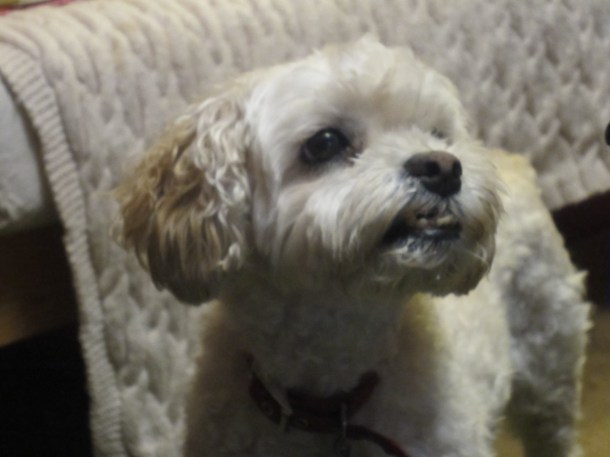
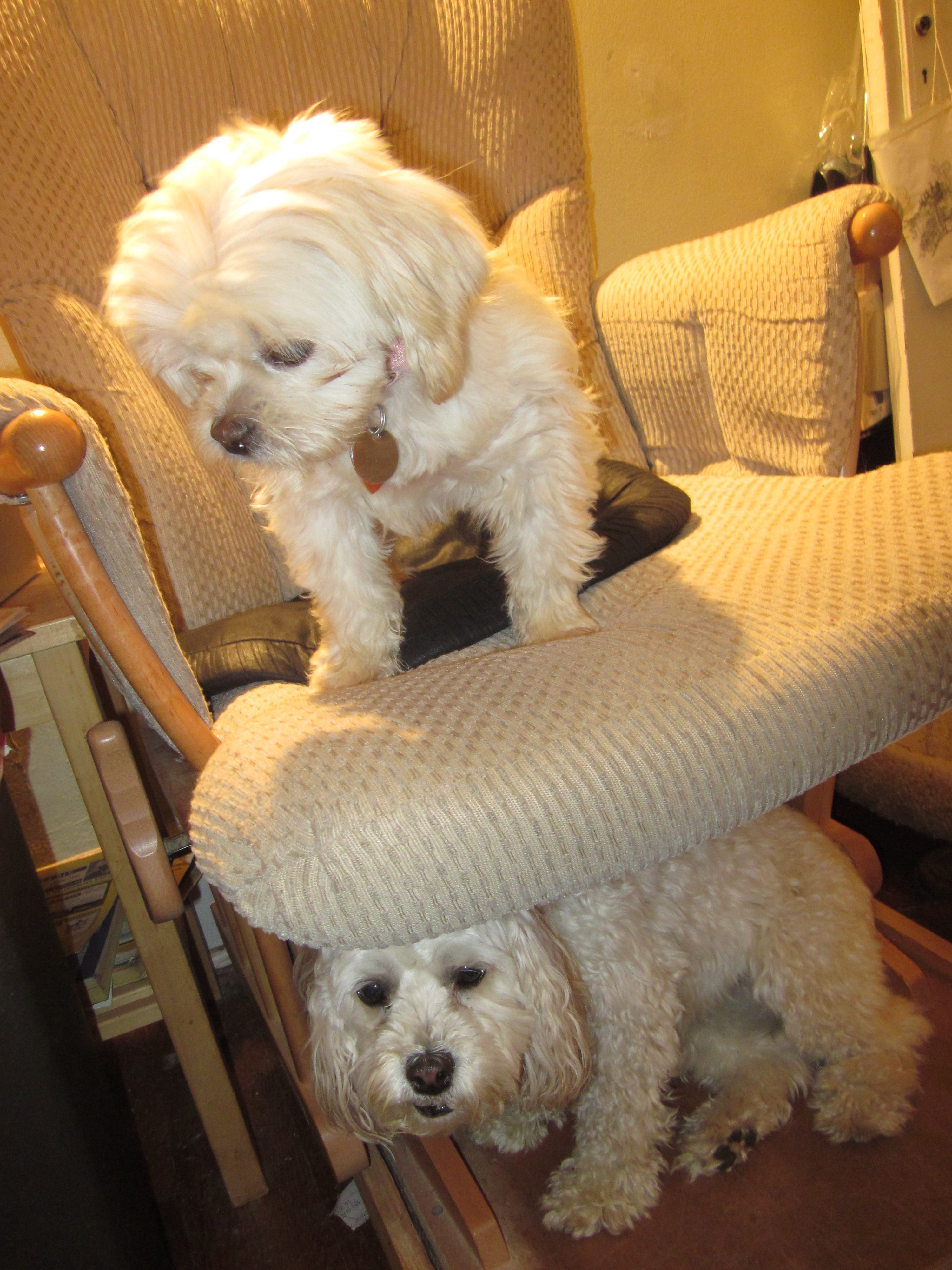
IMG_0325

“Delayed?”

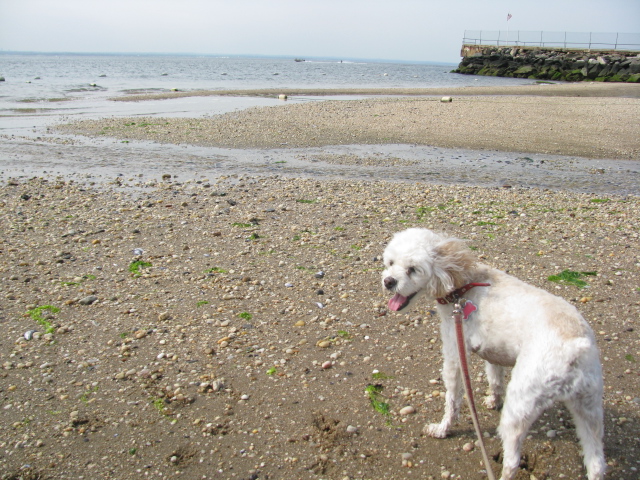
IMG_0436

“Seriously?”

Now that I’m free to return to my own writing for the summer, though, it feels like I’m jumping off a cliff. Fiction is unfamiliar terrain again, after being immersed in academic writing all year. I’ve heard people call it code switching, when you talk (or write) differently depending on your audience, but I don’t transition easily, and part of me is afraid that if I let myself fall back into fiction this summer, I’ll have to relearn a whole year’s worth of tropes when school starts again in August.

It doesn’t help that I’ve been collecting so many rejections for my writing over the past few years. The rejections, and the reality they laid bare, that my writing could not be relied on as my career, is what led me to social work school in the first place. But being in school feels like I’m validating those rejections, and saying that I never was that good to begin with. And I’m afraid that if I write something I’m proud of, I’ll want to send it out, to literary magazines and agents, and it will be the same horror all over again. I hate that the publishing industry has gotten me so defeated that I’m afraid to write any more novels. I’m angry that I can’t see a way forward, and to protect myself I seem to have shut myself down.

I’ve been working on blog posts, of course, and articles for my synagogue newsletter, which have given me an opportunity to practice my interviewing and research skills, and to get to know people better and offer something to my community. But I want to write novels. I want to be a writer, not a social worker, not a reporter, not a do-gooder. I want to tell MY stories. The gulf, between my social worker self and my writer self, is getting wider instead of smaller, and my resentment at becoming a social worker is growing.

I need to find a way to survive the process of becoming a social worker, because I really do want to help people; I want to hear their stories and find ways to relieve their anxiety and confusion, at least a little bit. I want being a social worker to develop into something (almost) as satisfying as being a dog mom. I mean, sure, I get annoyed when the girls wake me up early from a nap, or bark incessantly and refuse to tell me why, but mostly I feel shaped and calmed by taking care of them. It’s a set of rituals and a relationship that I rarely take for granted, and I rely on them heavily for my sense of self, and structure, and love.


IMG_0995

IMG_0876

The oxytocin rush alone is staggering.


The Pet Dragon


When my nephew was five years old, he had a pet dragon. She followed behind us when we were in the car, and sat on the roof of his house when he was in his bedroom – he could see her sometimes through the skylight. At first, when we were driving home from a restaurant and he was strapped into his car seat and telling me breathlessly about the dragon, I thought she was a he and that he was dangerous. But my nephew made sure to clear that up on our next trip, a state away, where the dragon was still following us – or possibly one of the dragon’s friends, since no self-respecting dragon would take on such a big job alone. Five year olds need a lot of protection. The dragon team, it turned out, when I pressed him for details, traveled by trains specially built for dragon transport. Benjamin, my nephew, was a train freak, so this was not surprising.

Unless you know something I don’t know about a race of dragons visible only to five year olds, we can assume that this was all in his imagination. Even Benjamin believed his story only sometimes. But he was telling me a truth he couldn’t express any other way. He wanted me to know that the world felt like a dangerous place. He wanted me to know that he was lonely, and only an invisible friend the size of a house could possibly relieve his loneliness.

I don’t think I had a pet dragon as a kid, but I did, absolutely, truly, believe that Olivia Newton John could see me from Australia and would come to help me if I needed her.

olivia newton john

Olivia Newton John, always on call.

I used to be afraid that I would create a pet dragon or something like it if I allowed myself to write memoir. I was afraid of remembering things wrong, or being accused of remembering them wrong, and I felt safer in fiction. I’m not as scared anymore, after three and a half years of writing memoir for the blog. I honor the emotion of the moment, no matter how outsized, or how quickly it passes. Just because I don’t feel the same way today, doesn’t mean it wasn’t real and vivid yesterday. I still love the freedom of fiction and the chance to make things make sense in a way they usually fail to do in real life, but I like the subtle joys of memoir too, finding the nuggets of sense in the chaos.

006

my little nuggets of goodness.

Cricket doesn’t quite make up stories. She doesn’t mean to exaggerate, she’s just a tad melodramatic. A sound in the hall is really the neighbors coming back from dinner, not evil men intending to blow up the building and steal her chicken treats. But Cricket lives in the world as she believes it is, just like we do. She just has fewer resources for checking out if her view of reality is accurate. She believes what she feels.

IMG_0470

“I know how it is and you can’t tell me different.”

I try not to concentrate too hard when I’m writing, so that whatever unconscious truths are in there have a chance to bubble up. I tell myself that I can write whatever I want, so that I can remember things out of order, or make weird connections, or forget words. I can make things make sense in later drafts, and edit out the nonsense words, without killing all of the pet dragons before they’ve been created.

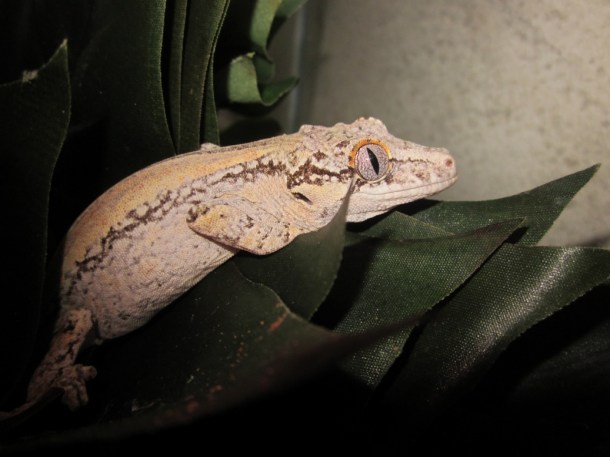
Benjamin, by the way, ended up getting a lizard a few years later on. Maybe when he looks at that little lizard, he imagines his old friend the dragon has come back to stay, or sent emissaries to watch over him. And it helps.

white lizard

Ben’s lizard.


I Am Sisyphus


My therapist says that I keep putting one foot in front of the other, no matter what, and she gives me an A for effort. She expects it of me, and she’s proud of me for it, but also disappointed, because my efforts never really seem to pay off. Most of the time I feel like Sisyphus, who was punished by the gods and forced to roll a boulder up a hill, only to watch it roll back down, again and again for eternity. Sisyphus did the task each day. He didn’t just sit at the bottom of the hill and take a nap. But why not?

My dogs don’t mind pushing the same rock up the same hill every day, in fact, they seem to find new excitement in each trip outside, each stop at each leaf, each squirrel sighting. Cricket can put the same level of oomph into fighting me for extra treats every single day.

pix from eos 022

Cricket has a very big mouth.

pix from eos 042.jpg

Butterfly can fly!

pix from eos 059.jpg

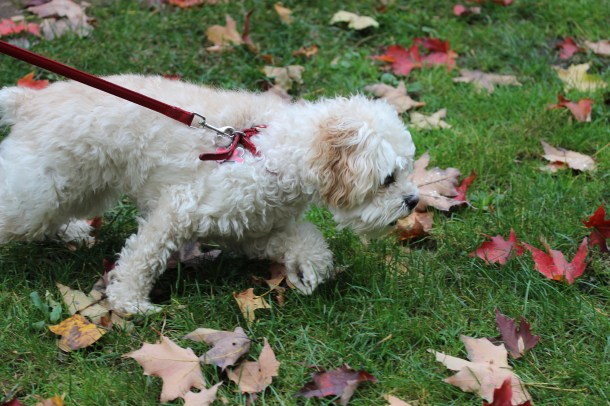
“Leafies!!!!!!!!”

The thing is, the dogs don’t mind the repetition in their lives because their needs are met. Their rituals work for them and are productive and satisfying. Mine don’t work for me. I keep submitting queries to agents, and stories to magazines, and getting nowhere, and I feel like I deserve this, because I haven’t paid off my debt to the universe yet. I just don’t know how I managed to build up such a huge debt.

One of the boulders I push up the hill every day is pure physical pain. Well, pure is a misnomer, because there is always the underlying belief that I cause the pain myself, with my very powerful mind. I am not always in pain, or at least not always in a lot of pain. Some days I’m just aware of something in the background, a niggling doubt that I can really carry that laundry bag, or walk to the car, or dry my hair, without having to take a nap afterward. Do I go out to do the food shopping, or do I take the girls for a walk around the neighborhood? Because I can’t do both in the same day. Some weeks, I can’t do both in the same week. By the end of food shopping, sometimes I can’t stand up straight and my neck and shoulders and back feel like they’ve been hit with hammers.

If I take the dogs out walking long enough to wear Cricket out, I will come home feeling like the world is tilting and a fiery cleaver is embedded in my lower back. And this is something I actually want to do! Forget about the laundry, which I never want to do, or washing dishes, which is truly heinous, and can put me out of commission within five minutes. Why must sinks be so short?!

015

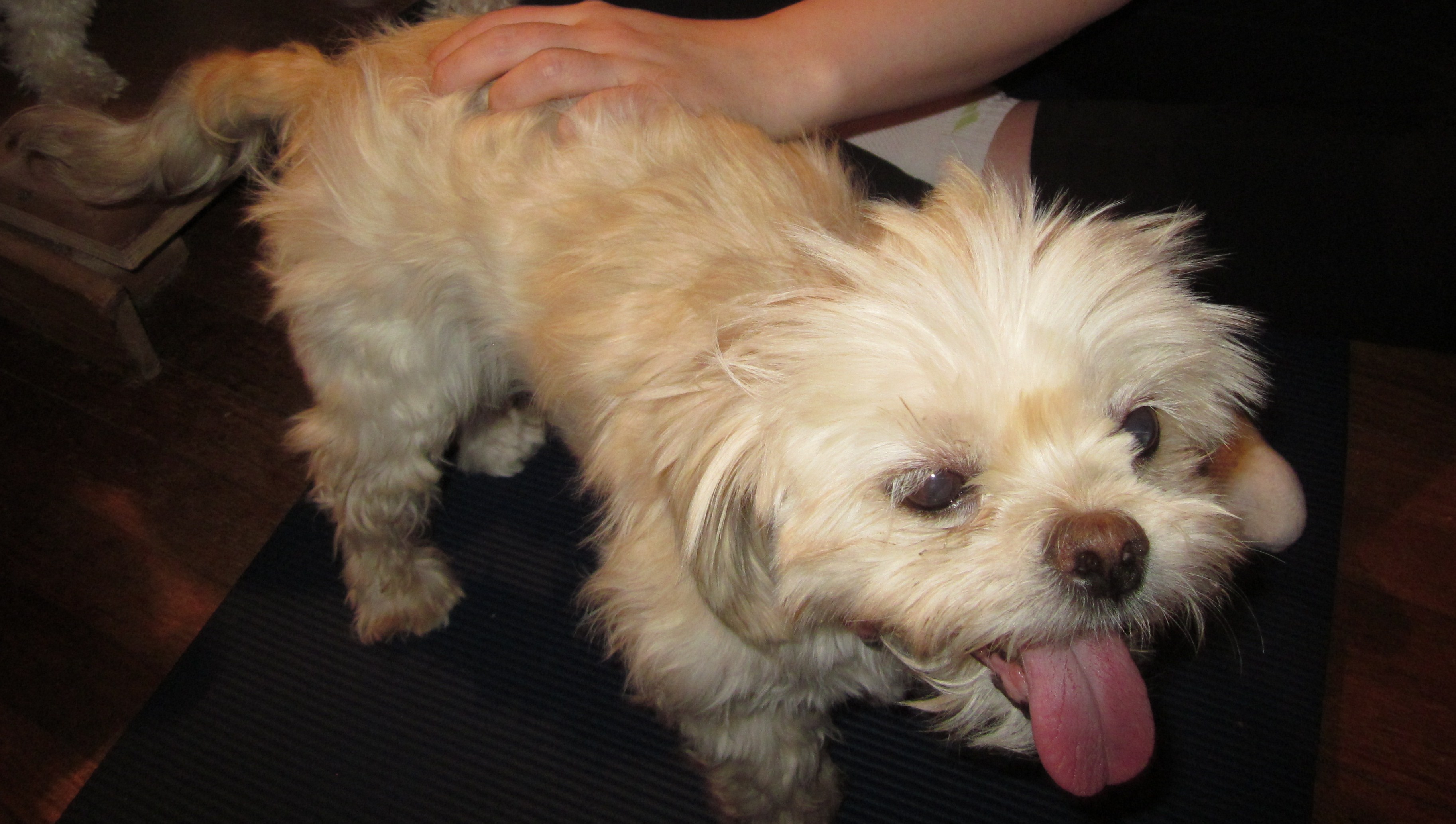
“Walkies?”
020

“How about we just sit here?”

Physical pain, though, only puts me to bed, where I can still read, or write, or sleep. It’s the emotional pain that takes the gloss right out of my life; it twists how I see and hear and taste and smell; it tells me that I earned this physical pain because I am bad and lazy and useless and disgusting; it tells me that I am Sisyphus and I earned this.

In our society we believe that people get the lives they deserve. If you are successful, it’s because you earned it. If you are a failure, well, you must not have tried very hard. Sisyphus had no choice about his life-long task, and in a way, that’s how I feel too. I have been sentenced to this fate because I can’t breathe without writing. I don’t believe it has been pre-determined by God or by an external authority, but it is so hard-wired into my nervous system that I can’t choose something else.

Do I have the option of attempting more accomplishable tasks? Yes. I take on other tasks all the time that are easier to complete. Maybe Sisyphus did this too. Maybe he learned a language, or listened to books on tape, or the equivalent, as he pushed the boulder up the hill. Maybe he didn’t even see his task as meaningless because the effort itself was satisfying. I don’t know.

Cricket doesn’t need to catch the squirrel in order to find the chase satisfying. She has never actually caught a squirrel, and it doesn’t seem to dim her excitement for the task. I wish I could be more like her. Maybe she understands that even if she caught the squirrel and lived out her dreams, she would still need to get up the next morning and eat and play and chase again in order to feel alive. Getting that boulder to the top of the hill wouldn’t really change anything.

IMG_0607

“Hey, Cricket, what ya doin’ in there?”


Nature Poetry

My rabbi adds poetry to Friday night services. Scratch that, he adds poetry to every service he leads, but the services we go to every week are on Friday nights. I am not really a poetry person. I wrote poetry and songs as a teenager, but I felt like I didn’t belong with the other poets. I wrote poems just to get the glitchy thoughts out of the corners of my mind, not to be profound. I just wanted to say what I meant without having to think about rhythm or rhyme, or “the right word,” or what was going to impress people. So much of the poetry I was told to admire was incomprehensible. I love Mark Doty’s prose, but we spent two hours in a graduate class trying to diagram one of his poems, and I still did not understand what he was getting at.

So it was a surprise to me when I realized that I looked forward to the poetry every Friday night. That’s not to say I love all of it, I don’t. But sometimes it says exactly what I needed to hear, that I didn’t know I needed to hear.

“Mmm poetry.”

The other night there was a poem from Yehuda Amichai, an Israeli poet, with the Hebrew version and the English translation both printed on the page. My Hebrew is clumsy, and if I’d tried to just read the poem in the original, it would have been a struggle. It was pretty and melancholy in the English, about the conflicted feeling of being in Jerusalem in 1967, where you expect joy and transcendence, and instead get grief and complication.

In the English the words were bland, plain, clear and practical, but in the Hebrew, the words themselves were onomatopoetic, they bounced. The Hebrew words were playful and full and carried some of those sprouts of joy that were missing from the plain meaning of the poem.

It wasn’t even one of the nature poems, intentionally. It was one of the “Israel is complicated” poems that we get every once in a while, because our rabbi does not believe in making everything nice and simple; he believes in seeing things as they are and still trying to have hope anyway. This is why he is my rabbi.

There was also a poem by Mary Oliver, called “What Gorgeous Thing,” about the beautiful, and incomprehensible, song of the bluebird in the morning. She describes it as “the only thing in the world that is without dark thoughts,” or at least seems so.

“Really?”

I keep thinking that I’ll go to the library and pick up a stack of poetry books and find poems that speak to me, but I never do. I often have to re-read a poem to really get it, even on a basic level (forget about depth, or historical references, or coded language, then I’m clueless). If I like the sound of the poem, or the image it leaves in my mind, or the feeling it creates in me, then I’m in.

It helps that someone else is reading the poem out loud and I’m not just stuck with how the words appear to me on the page. We have some very good readers at my synagogue who can bring out the rhythm or pacing of the language in a way that doesn’t occur to me on my own.

For sentimental reasons, I always like when a dog shows up in a poem, but most dogs make more sense as storytellers than as poets. Cats could be poets. Cats are terse, with a well-chosen gesture or expression saying everything that needs to be said.

A genius at work.

A poet at work.

Actually, I think Butterfly might be writing nature poetry all the time, but her medium is pee, and I am too human to understand it. She is a nature poem all by herself when she stands out in the yard listening to the birds and contemplating the world around her, and then she becomes two poems intertwined, when her sister jumps over her still, contemplating body, to catch a falling leaf before it hits the ground.

My nature poem!

A nature poem!

Cricket, a poem in process.

Searching for a poem…

There it is!

and there it is!

MSW

For the past few years, I’ve been taking psychology courses, to see if I liked them, and to work towards applying to a PhD or PsyD program in psychology. My therapist, an MSW, has spent a lot of her career being bossed around by people who had nothing like her level of experience and expertise, simply because they had doctorates, and she wanted better for me.

Sometime in the fall of 2014, though, it became clear to me that a doctoral program, of any kind, would not be possible right now. I would have to commit to full time coursework, plus field work, and my body just can’t take it, and neither can my mind. So then the question was, do I continue to float, taking more undergraduate psychology classes at the community college, or do I accept my current circumstances and apply to a social work program, most of which can be done part time, and after which I would be able to work in that field. (A Masters in psychology, at least in New York, wouldn’t qualify me for a job. This is a “social work state.”)

Cricket would prefer that I work towards a degree in Cricket Care. We could do three hours a day of training exercises, massage and physical therapy, plus an hour long walk at the beach. She’d be willing to give me a degree for that, or at least a certificate. I think Butterfly would rather we fostered dogs from the animal shelter, or set up a doggy hospital in the apartment, so that she could help nurse them back to health. The idea that I’ve chosen a course of study that doesn’t involve her, or make use of her talents, feels very selfish.

Cricket's exercise plan.

Cricket’s exercise plan.

Cricket’s walking plan.

Starting in December, after my last undergraduate psychology class ended, I put all of my energy into my application for graduate school in social work, including: writing my essay, asking for recommendations, and requesting transcripts from the different schools I’ve attended over the years. I kind of hoped I’d be rejected, though, because I wasn’t sure I wanted to go. The whole idea of preparing for any career that isn’t writing really bothers me. I know it’s the most practical option – since years of hard work have not yet led to becoming a published author, and because I have a deep interest in psychology and social issues. But, down to my core, I’m a writer. I’m a novelist and a memoirist. I write because I have to, and because I love it, and because it’s the most necessary thing in my life, next to breathing. Sometimes before breathing.

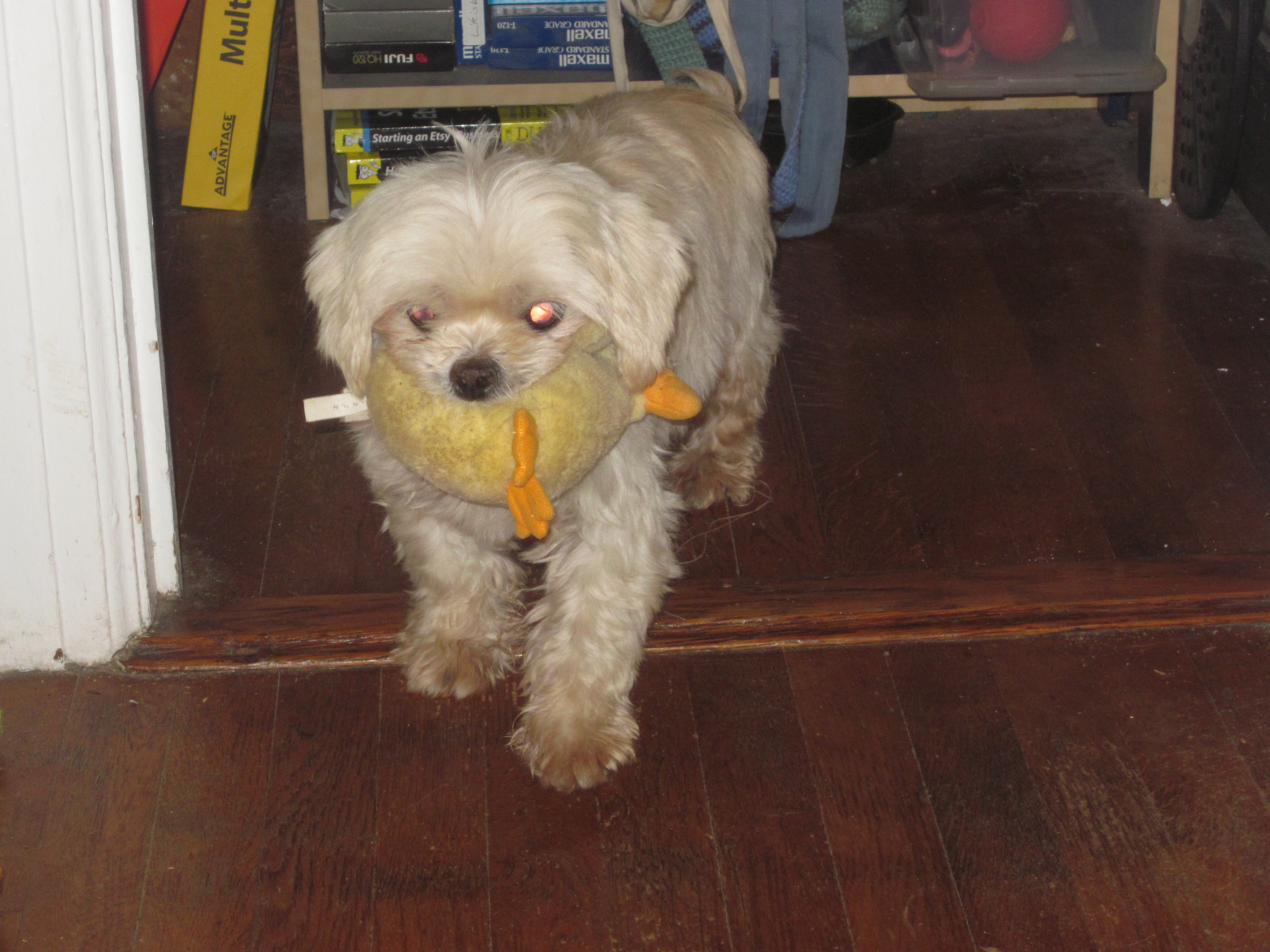
Butterfly understands. Sometimes ducky gets in the way of breathing too.

Butterfly understands. Sometimes ducky gets in the way of breathing too.

The program I chose accepted me for fall 2015, and it will take me four years to finish, instead of two, and the course work will be online, to leave me energy to do the field work in person. But I’m worried that the coursework will be boring, or even antagonizing, and bring on despair about the state of the world that even the puppies won’t be able to joy me out of. I’ve already started reading one of the textbooks and it is full of gobbeldy gook. Anything you could say in five words must be stretched out and twisted into fifty pages of verbiage. It’s a rule.

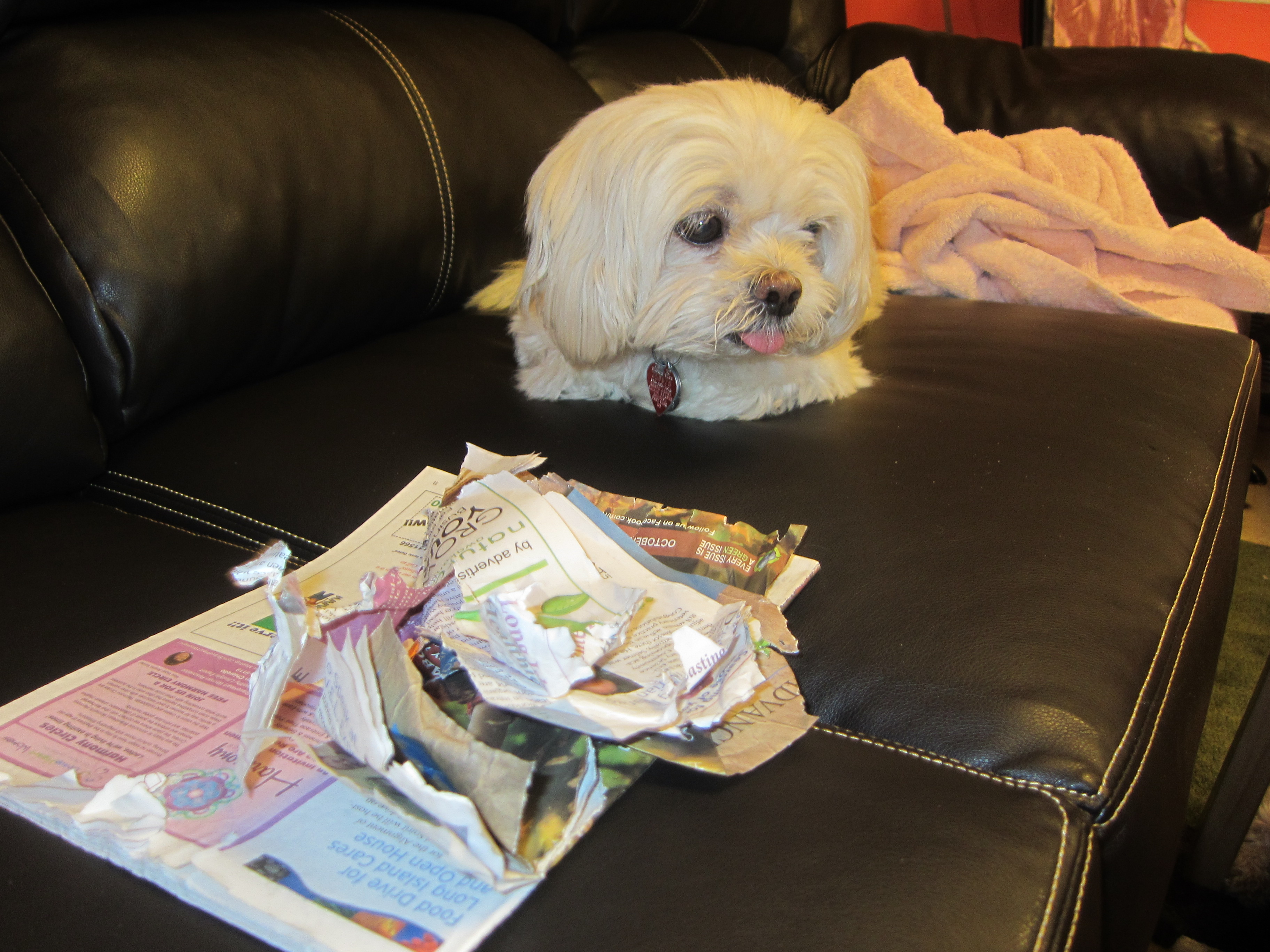
Maybe I should give my textbooks to Butterfly.

Maybe I should give my textbooks to Butterfly.

The girls are not readers, it’s just not their thing, and they see no value in collecting degrees, but they would love to spend more time each day learning and doing things. We have a new community garden at our co-op and four of the five plots haven’t been claimed yet. Cricket would love to have a plot of her own to work in. She’d probably end up planting chicken treats and chewy bones in her plot, but still, the digging would be very satisfying.

The social worker idea has grown on me over time, especially during the past three years at my synagogue, where, to a certain extent, social work is their religion, but I think both dogs have helped lead me here, too. Nine years of working with Cricket’s psychological issues has taught me tolerance and patience. She has taught me that even if someone will never be fully healed, you still do your best to help them live their best life. I would have wanted perfection for her, and Cricket has taught me that there is no such thing, or if there is, it’s really boring.

“Hi Mommy!”

But, but, but…I still don’t want to go. I want to write this blog, and walk my dogs, and revise my novels over and over again (okay, maybe not that last one). I want the life I promised myself, the life I recognize myself in. I’m afraid I will have to be a completely different person to succeed as a social worker, and I don’t want to be a completely different person. I kind of like who I am.

“We love you just the way you are, Mommy. Where are the treats?”

How do I make the blog into a book?

What I like most about writing this blog is that it leads to conversations with people all around the world. I get advice, and sympathy, and connection, and crankiness, and humor, and on and on, until my three page investment turns into days of feeling like I am not at all alone.

pix from eos 006

“Look at all of our friends!”

The blog has taken the shape it has as a result of both the comments I get and the blogs I read. I’m not isolated or impervious; I absorb what I read and what I see and, mostly unconsciously, I challenge myself in response. The community aspect of blogging is so satisfying, but I still feel like a second tier writer, because I haven’t been accepted by the cool kids at the publishing houses and literary magazines.

“So not cool.”

I’ve been getting rejection letters from agents and publishers, telling me that I am a wonderful, talented, exquisite writer, but… but what? Isn’t that what I’ve spent my life working towards? Isn’t that the point? I can’t even begin to understand the market forces that turned publishing into this quagmire, whether there are just too many writers trying to get published, or too few publishers willing to take a risk.

When I was first looking for a graduate program in creative writing, and collecting rejections from the schools I’d applied to, I was told that MFA programs weren’t interested in my writing ability, they were interested in the uniqueness of my story. The writing, they believed, they could teach me, but they couldn’t teach me how to be interesting. I think agents and editors have taken the same view. They’re looking for a hook, a unique story, something the world is currently clamoring for, and if they have to rewrite every word, so be it. Most of them have graduate degrees in writing themselves.

It has been suggested to me that I try to make this blog into book, because dogs are popular lately, because people seem to like my blog posts, and because my novels are not getting picked up. But I don’t know. It feels like I’d be trying to make a piano into a guitar.

I’ve been reading through my blog posts from the beginning, and I’m not as disappointed as I was afraid I would be, but I’m also not magically coming up with an idea for how to structure it. Is it a book about writing the blog, or is it a book of the blog, not self-conscious, not even revised so much as sewn together?

My Delilah

Delilah is perplexed.

When I first started the blog, I was squeamish about memoir writing. One of the things I like most about writing fiction is that I can change things for the better. I can make up lives that I would want to live. It took me a while of writing blog posts to get desperate enough and brave enough to put more memoir and risk into the posts; to tell people who I really am, when I’m not just trying to be acceptable. And a lot of people reached out to me as a result, and showed deep understanding and compassion for me that I would never have gotten if I’d left out the painful parts.

Samson chewing on my brother.

Samson chewing on my brother.

I had a creative non-fiction teacher who said that the best way to write an essay is to bring two separate ideas together, and the drama and surprise will come from the place where the two ideas meet. I kept that in the back of my mind, not really getting it, until maybe a year into writing this blog. I started to notice that no matter how unrelated my chosen topic seemed to be to the theme of the blog – dogs – as soon as I forced myself to find a connection, the essay came together. For some reason, just writing about each topic that interests me can get bogged down, tedious, and flat, but when I try to combine it with the dogs, I find new things, new angles, that I didn’t know were there.

Dina

Dina always had her own way of seeing things.

Miss Butterfly.

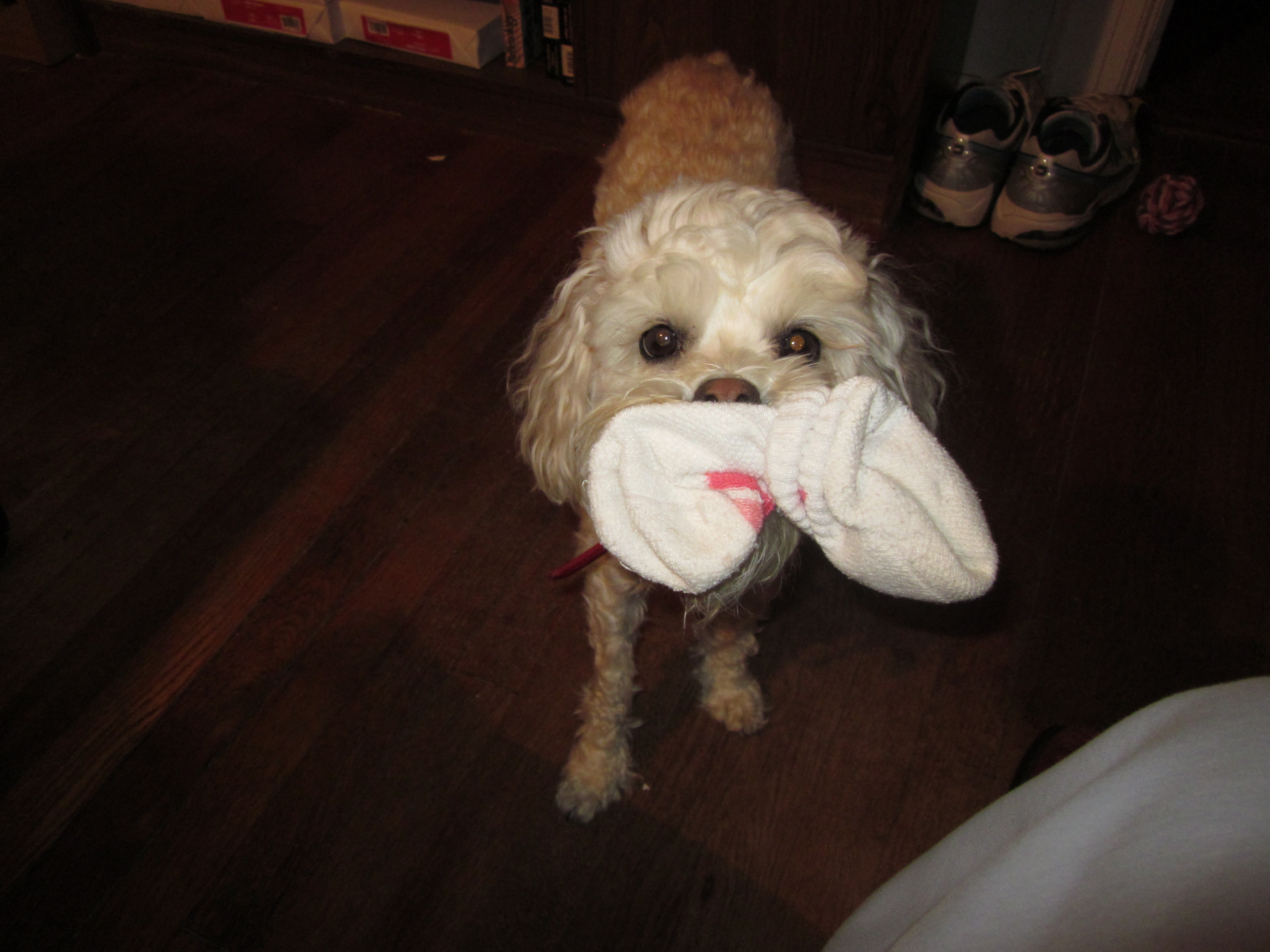
Miss Butterfly brings socks and warmth.

Miss Cricket.

Miss Cricket makes everything more interesting.

I feel like every six months or so, I let myself reach down another level, admitting things that are scary to admit in public, showing another layer. And I’ve needed to do it this way, at this pace. I can only push my boundaries a little bit at a time, and only when I feel ready. I think there’s still a lot of room for me to grow, and that makes me worry about turning this into a memoir too soon.

I don’t want to lose this.

Harrumph.

Harrumph.

How The Writing Workshop Turned Out

I was so proud of myself. I went a million miles out of my comfort zone to set up the writing workshop on aging at my synagogue. I wrote a heartfelt proposal and sent it out for people to read. I presented the proposal in person in front of 20 or 30 people, and got an extraordinarily positive reaction, and six people signed up for my theoretical workshop on the spot. I sent emails and coordinated, and negotiated, and scheduled, and got furiously to work planning my first workshop session, and five people showed up – only two from the original list. But five people was good, and people talked and wrote and stayed for an hour longer than I expected. The next time there were four people, and the time after that only two, plus me.

After three sessions, I took February off from the writing workshop – because so many people were snow birds escaping the winter in New York, and because I wanted to be a snow hermit and hide in my apartment. The anxiety I felt before each class was debilitating, even though the classes themselves were a lot of fun. I could barely move on a Wednesday after a Tuesday workshop. Three naps instead of one, and a long list of self-recriminations about things I should have said, and shouldn’t have said. I spent the extra time reading for, and planning, new lessons for the rest of the sessions. I drafted and revised and cut and pasted until the writing prompts and the writing samples came together in perfect symmetry to get to the heart of a subject within an hour and a half. I talked up the workshop at the next Engaging with Aging meeting, and to whoever asked at other events.

Me, napping.

Me, napping.

Me, trying to reach out.

Me, trying to reach out.

And when we came back from break, there were three students, then two, then just one, my mom, my loyal mom. People asked for my forgiveness for missing classes, for forgetting, and overscheduling, and having bridge at exactly that time and day. Intellectually, I knew they weren’t rejecting me, or saying anything about the quality of my work or what I had to offer. I knew that I’d done a good job, planning lessons and prompts and being supportive and gentle and only pushing a tiny bit when I knew someone was ready to go a step further. But how can you be a teacher without students?

Butterfly wants to help.

Butterfly wanted to help.

Even Cricket felt bad for me.

Even Cricket felt bad for me.

These are good, solid, interesting people, with stories to tell and a lot of strength and survival skills and knowledge to share. And yet, the idea of waking up in the morning and choosing to go to a class where you will have to write about yourself, as if you matter, as if someone else should care what you think, no, that they can’t do.

One woman told me that what her sixteen-year-old grandson wanted for his birthday was for her to write down something about how she and grandpa got together and stayed together all those years. And I thought, wow, what a lovely and loving thing for a sixteen-year-old boy to ask for, and she thought, Oy, can’t I just give him money?

I ended the writing workshop in April, a month earlier than expected, and people kept asking me if I would start it again in the fall, maybe on a different day, at a different time, for a wider audience. I was tempted to try again, but also gun shy. I didn’t want a repeat of that experience of sitting in a big empty room, staring at the clock, hoping someone, anyone, would show up. Maybe if I could have brought Butterfly with me, to sit on my lap and calm me down while I stared up at the clock, but she sheds, which means she’s not hypoallergenic and therefore I’d be treifing up the library at the synagogue for people with dog allergies. And Cricket, the non-shedding dog, would be barking and growling, and scaring the nursery school kids into cowering under their tiny tables in the classroom next door.

A bark to scare small children

Cricket has a bark to scare small children

All hair all the time

Butterfly is all hair all the time

I went to the next Engaging with Aging meeting, after the end of the workshop, because I’d gone to all of the previous meetings. I sat and listened as the discussion wandered and flailed. They needed some way to disseminate information, to share the advice they’d gathered from each other, and from the social worker at the Jewish Community Center. But how?

I didn’t mean to speak up. Words just started coming out of my mouth. Why not write up personal stories, about how you’ve dealt with a particular aspect of aging, what you learned, what you struggled with, where you went for help, and put it in the newsletter, or on the website. Maybe telling stories in order to help someone else is going to make it easier for people to open up. Within minutes, I had volunteered to interview, edit, and encourage people to get their stories down on paper. I’ve never been a journalist. I’ve done very few interviews. How did this happen?

So, this is what I’m doing next. I am not at all comfortable out here on this cliff, but it’s an opportunity to do something new, and something satisfying, that might actually help people. Wouldn’t that be great?

Cricket thinks so.

Cricket thinks so.

I Want To Write A Mystery


My second master’s program was mostly on-line with two one-week residencies on campus per year, but that one week was so packed with intrigue and drama and mental illness; it was like setting up and taking down a circus tent, twice a year. I’ve been thinking about writing a mystery set there, because the campus becomes like a small town, with a lot of viable suspects and a ticking clock. The characters are vivid and verbal and often jealous and unpredictable. And then there’s the irony of setting a mystery in an environment where they look down on genre writing, and mysteries in particular.

"Can we come too?"

“What?”

But I struggle with mystery plots in the same way I struggled with chess as a kid. My father expected me to learn the strategy just by watching him play, and expected me to be a grand master within a few days, maybe a week. I felt stupid for not being able to think three moves ahead; I didn’t understand why one piece was more valuable than another, or why each piece had different rules; and I felt an undeniable empathy with the pawns, because they were small, like me, and easily sacrificed.

Despite reading endless mysteries, and reading endless books on how to write mysteries, I do not even know where to start. I went through a severe addiction to Rex Stout and Agatha Christie that has never really ended, I just ran out of new material to feed it. Lately I’ve been reading Deborah Crombie, Jacqueline Winspear, Rhys Bowen, Jonathan and Faye Kellerman, Donna Andrews, Henning Mankell, J.K. Rowling as Robert Galbraith, Louise Penny and Charles Todd. I want to be Sherlock Holmes, with a nicer disposition. But so far, my brain has not rewired itself into puzzle-solving-mode.

My other possible mystery setting is my synagogue. I’d love for the sleuth to be an eighty-year-old woman, or a middle-aged rabbi, or both of them together. And the senior citizens in the bible study class (retired doctors, and lawyers, and teachers, and social workers) could help decipher the clues. But I worry it might seem as if I’m writing about specific people, and that could get me into trouble.

"Uh oh."

“Uh oh.”

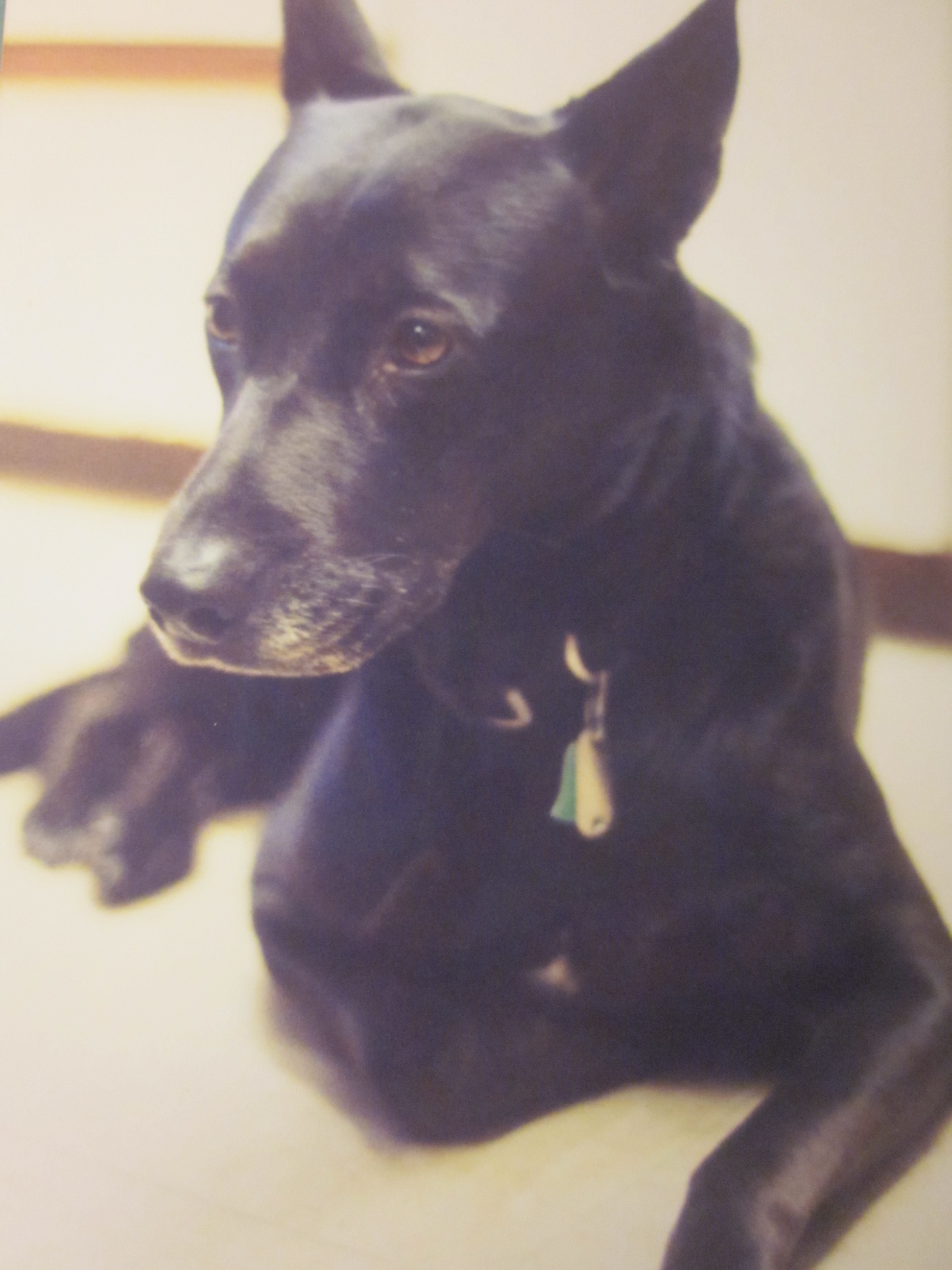
My mystery would, of course, have to have a dog in it. Even a fictional dog calms me down, reduces my stress level, and reminds me about what’s important and what isn’t. There could be a German shepherd who is more wayward puppy than officious guard dog (I couldn’t train even a fictional dog to be well behaved. I just don’t have it in me); there could be a yapping Yorkie biting at the criminal’s ankle to slow him down; or a sweet Great Dane sitting by her dead owner’s side; or a black Lab sniffing for clues and finding the murder weapon under a pile of leaves.

This is not my picture, but I'd love to put this puppy in a novel.

This is not my picture, but I’d love to put this puppy in a novel.

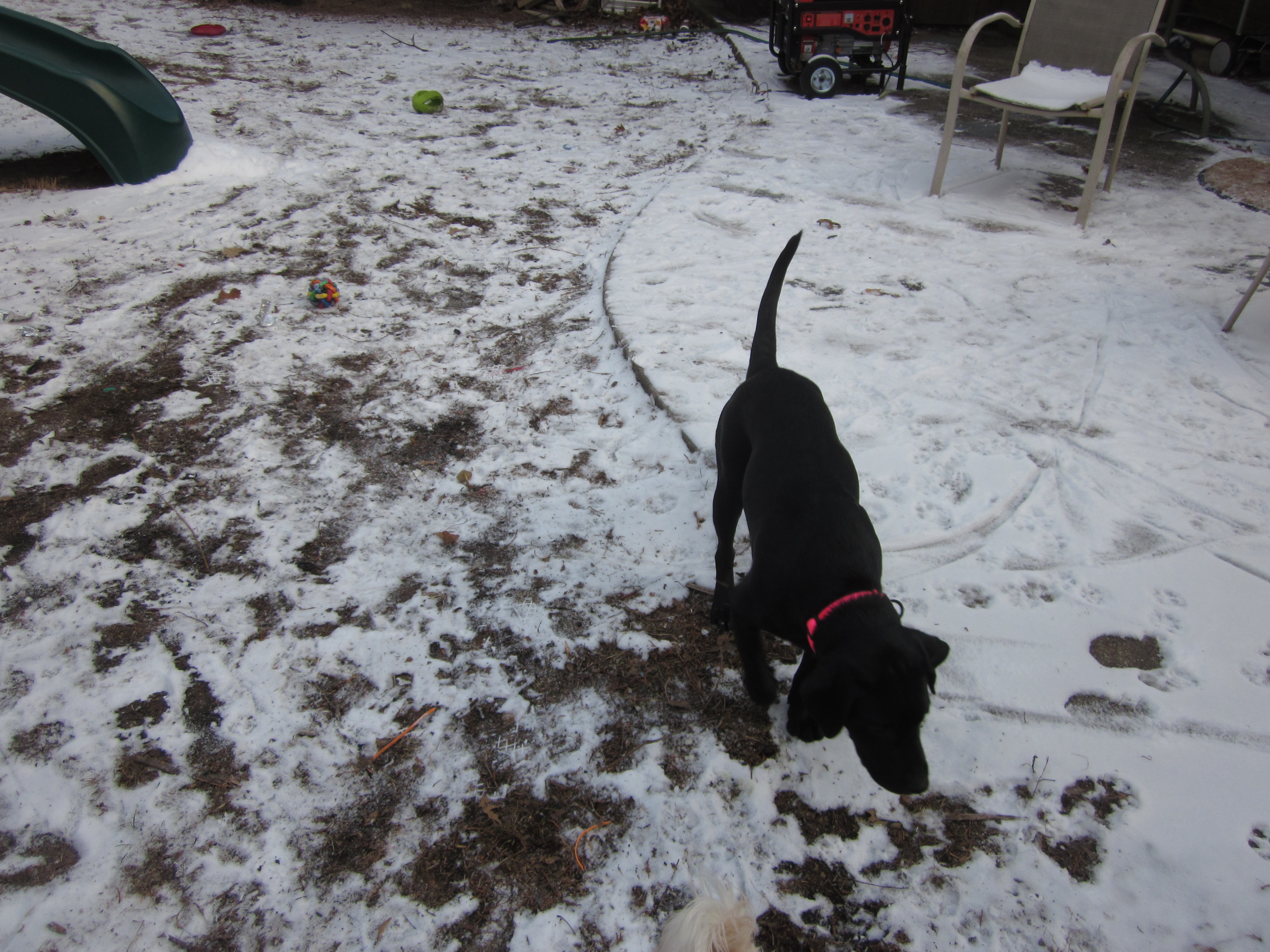
Lilah the Black Lab, and my niece, is an expert sniffer!

Lilah the Black Lab, and my niece, is an expert sniffer!

I used to think about using Cricket as my detective and writing a children’s mystery. Cricket would make a wonderful Sherlock Holmes; she’d even look good in the hat. She has all of the characteristics of the irascible, obnoxious detective who doesn’t get along with other people, but she would be a terrible police dog, not at all reassuring to the populace.

Detective Cricket is on the job!

Detective Cricket is on the job!

Detective Cricket is always looking out for danger!

Detective Cricket is always looking out for danger!

Detective Cricket is, um, easily distracted.

Detective Cricket is, um, easily distracted.

I’d love to write a detective like Jessica Fletcher in Murder, She Wrote. I’ve watched every episode of that show, at least three times. She is smart and stands her ground, but she’s had many disappointments in life, including never having children of her own, like me. She’s unassuming and uncool, and has to stand her ground against people who don’t believe her, but she doesn’t doubt herself or what she saw, or what she deduced. She’s friendly with everyone but doesn’t mind confrontations when necessary.

My detective would not be quite like that. She would need to take naps, first of all, and she’d have trouble with heights, and social anxiety. She’d have to sit down a lot, and maybe she’d need a driver. So, a female Nero Wolfe, but, again, with a nicer disposition.

Detective Cricket and deputy Butterfly, ready for anything.

Detective Cricket and deputy Butterfly, ready for anything.

The Writing Workshop on Aging


I started a writing workshop on aging at my synagogue. I didn’t plan to do this. I just went to a meeting on aging because it looked interesting. I had the idea that this could lead to visiting people at the hospital, or reading to patients at nursing homes, and could count on my application for graduate school. My ideal would be to walk dogs at the animal shelter, but I don’t think they’d count that as social work. I could be wrong.

So I sat in the meeting and listened. Stories flooded the room: of women at sea after the death of a spouse of fifty years; women manipulated by insurance companies while signing papers at the hospital; women looking for help for their parents; women wondering how to help their friends. The meeting was very low on men.

I took notes and listened and felt the chaos roll over me.

The decision at the end of the first meeting was to have a second meeting, and a third, and a fourth if necessary, until some ideas could start to coalesce.

I went home, exhausted, and fell asleep, and then went on with my life, writing for the blog, going to class, writing my research paper, studying math for the GRE (because not only did I forget every bit of math learned in high school, but I have even lost my short term math memory and I forget it all over again each day.)

I don’t remember looking over my notes from the meeting. I just thought about one of my synagogue friends, recovering from back surgery, and I thought about my great aunt Ellen and the interviews I did with her a few years back to try and catch some of her magic on paper, and I thought about the short memoir my grandfather started before he died, giving us a glimpse into his childhood. Bits and pieces of the stories people had told me over the past few years of Friday nights at synagogue started to bubble up. I wrote a few notes to myself about people whose stories I’d want to read, but told myself it was just a passing idea, and I’d never have to follow through and actually talk to people.

I’ve learned so much from keeping a blog and writing memoir. It forces me to really deepen into my life, to settle into the crevices of it, and not just feel like I’m a character in my own imagination. I feel like I am taking good care of myself by writing about my life, instead of letting the moments disappear into the ether. I especially like that I have a chronicle of my dogs’ lives. I don’t worry that I will forget important things about them, the way I did with previous dogs. It felt so painful to forget things about Dina and Delilah, as if I was disrespecting them, and the value of their lives to me.

Delilah the Doberman

Delilah the Doberman

Dina, pensive.

Dina, pensive.

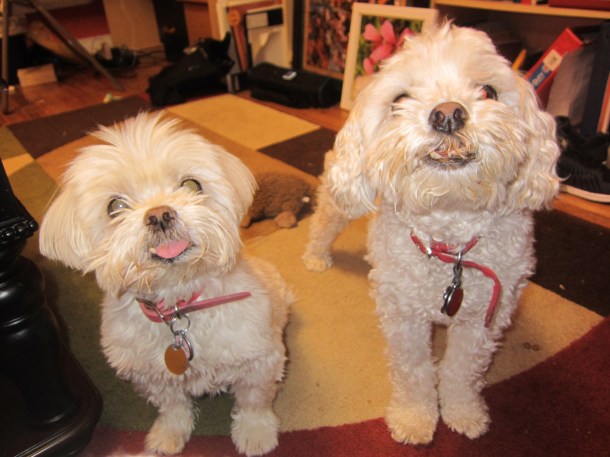
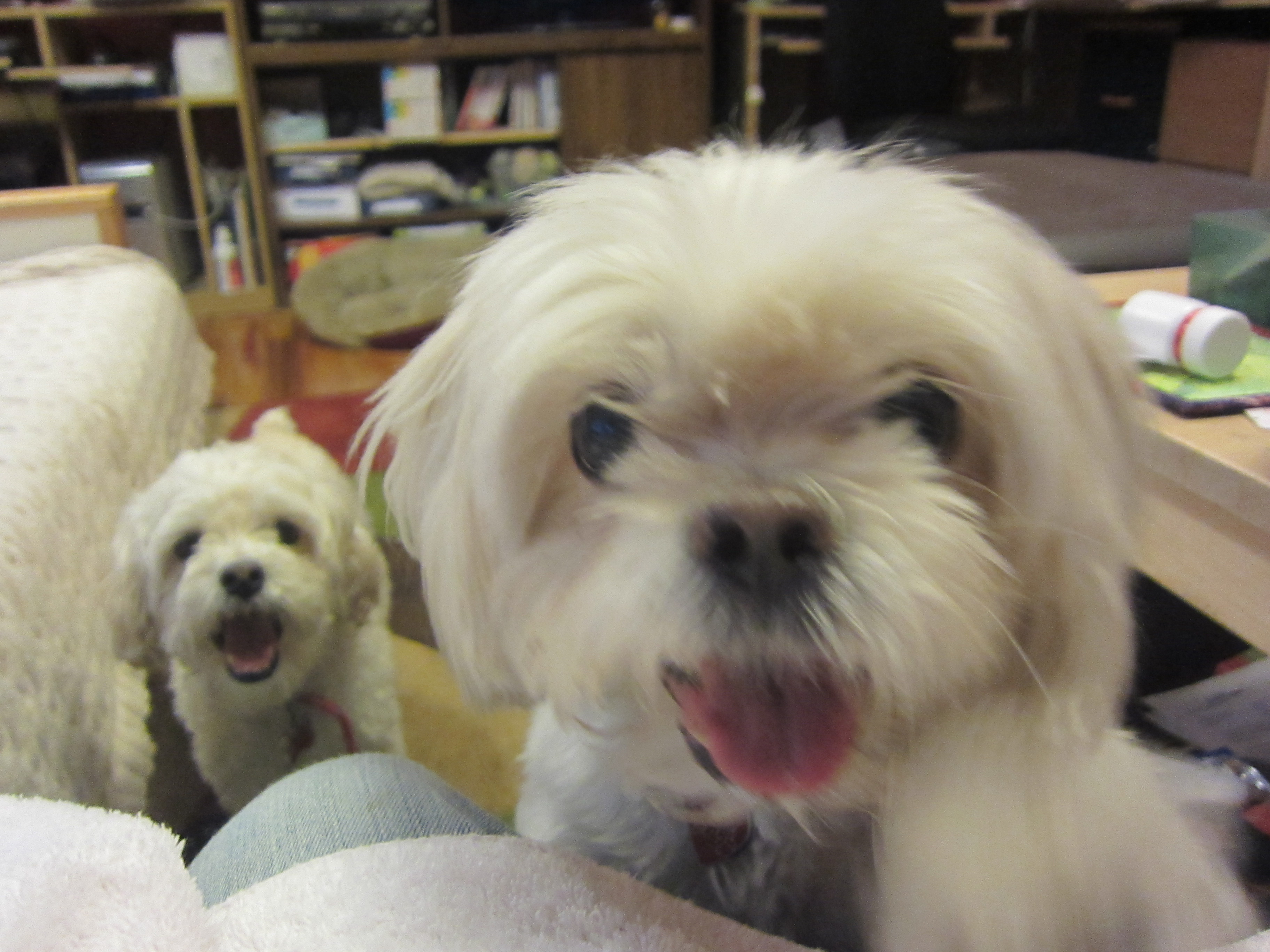
Butterfly and Cricket

Butterfly and Cricket

I found myself writing notes for an idea of a Friday night service where people read their own stories to the congregation. And I thought about how I could make that happen, or at least help people to write some of their own stories down.

I wrote a proposal, feeling very self-conscious and a bit like I was walking into a black hole from which I would never be able to return. I would be shunned from my synagogue. They’d hate me for thinking I was so special that I could teach anyone how to write; they’d resent me for thinking I had anything to offer. I could barely breathe.

I sent the proposal to the woman who runs the aging meetings, and she loved it! And then she sent it to the social worker helping the congregation, and she loved it too. And when I read it to the group in person at the next meeting, face turning purple, hands shaking, I got applause, and six people signed up to take a writing class with me on the spot.

I think I could be good at this, but I’m still terrified. Every step forward feels like jumping from one cliff to another. I’m thinking about how to help people who have trouble seeing, or trouble with arthritis so that writing or typing is difficult. I’m thinking about how to help people who are not natural writers, but would be great interviewees. I’m thinking so much that I have little pieces of paper floating around my room like confetti. Butterfly is loving that.

Butterfly even listens with her tongue!

Butterfly, full of joy!


Cricket still seems like a stranger

Image

Cricket still seems like a stranger. I don’t know how to explain this. I love her, and I miss her if I’m away from her for a few hours, and I’m jealous of all the time she spends with Mom instead of with me. But when I’m sad or angry or lonely, I don’t see an echo of it in her face. I feel like when I look into her eyes, we are not really seeing past the surfaces of each other. We are not soul mates.

When Cricket first came home, I was addicted to the digital camera, trying to capture every different look on her face, so that I could get to know her: the way her lower teeth jut out so she looks like a fighter, the places where her hair is curly and where it is straight, and the wide variety of her different chirps and growls.

I know which foods she likes, and how small the first piece of a new food needs to be in order for her to try it. I know how often eating a small piece of cheese will remind her that she has dinner in her bowl.

I know that she will wait for Grandma on the second step from the top, and cry to be picked up when Grandma comes home, and then scrabble to be put down just as quickly. I know where she hides her treasures: under the second pillow on my bed, in the corner of my couch, under Grandma’s bed, behind the cushion on Grandma’s chair.

I know that the sound of the treadmill puts her to sleep. And unzipping the guitar bag makes her angry.

But we haven’t started to look more like each other over time, or developed similar mannerisms. We are nothing alike, and that makes me feel like I’m the stranger, and I’m the one who doesn’t belong.

But I still love her. And whenever I forget that I love her this much, she sparks again. Like when she waits for me at the front door, with her face peeking through the curtain. Or when she runs upstairs in the morning and jumps on my chest to wake me up so we can spend the day together.

I wonder if Cricket keeps a list in her head too, of all of the wacky things she knows about me: the way I smell in the morning, the careful way I pluck goop from the corner of her eye, the look on my face when I see her at the front door.

I am nothing like her, but she loves me anyway. I think I’m okay with that.

Image