Tag Archives: writing

How do I make the blog into a book?

What I like most about writing this blog is that it leads to conversations with people all around the world. I get advice, and sympathy, and connection, and crankiness, and humor, and on and on, until my three page investment turns into days of feeling like I am not at all alone.

pix from eos 006

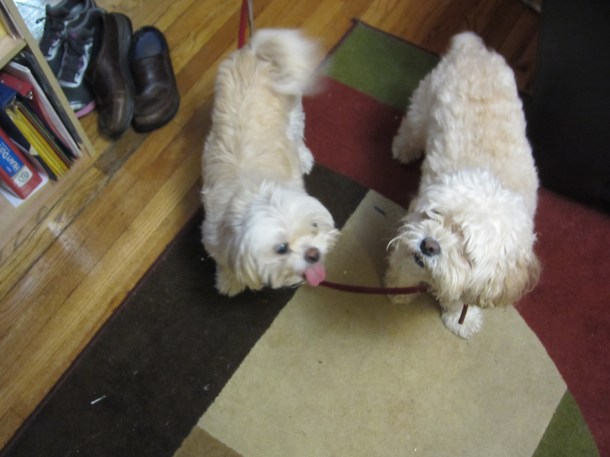
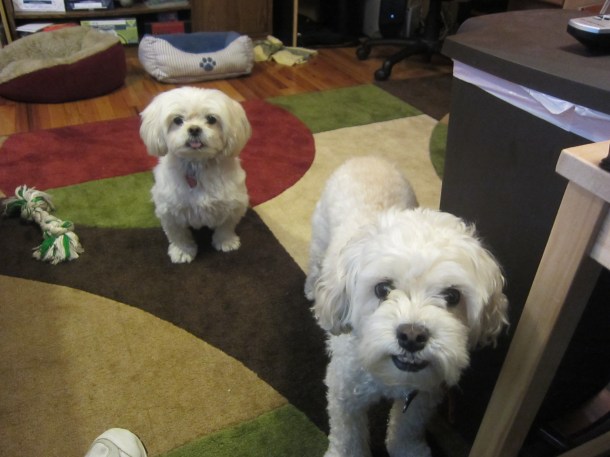
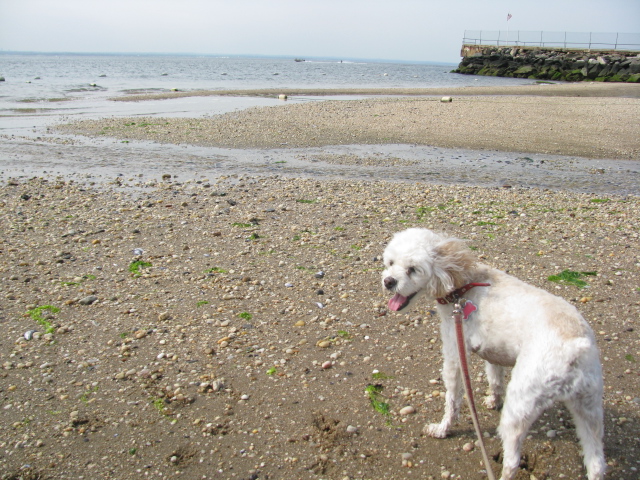
“Look at all of our friends!”

The blog has taken the shape it has as a result of both the comments I get and the blogs I read. I’m not isolated or impervious; I absorb what I read and what I see and, mostly unconsciously, I challenge myself in response. The community aspect of blogging is so satisfying, but I still feel like a second tier writer, because I haven’t been accepted by the cool kids at the publishing houses and literary magazines.

“So not cool.”
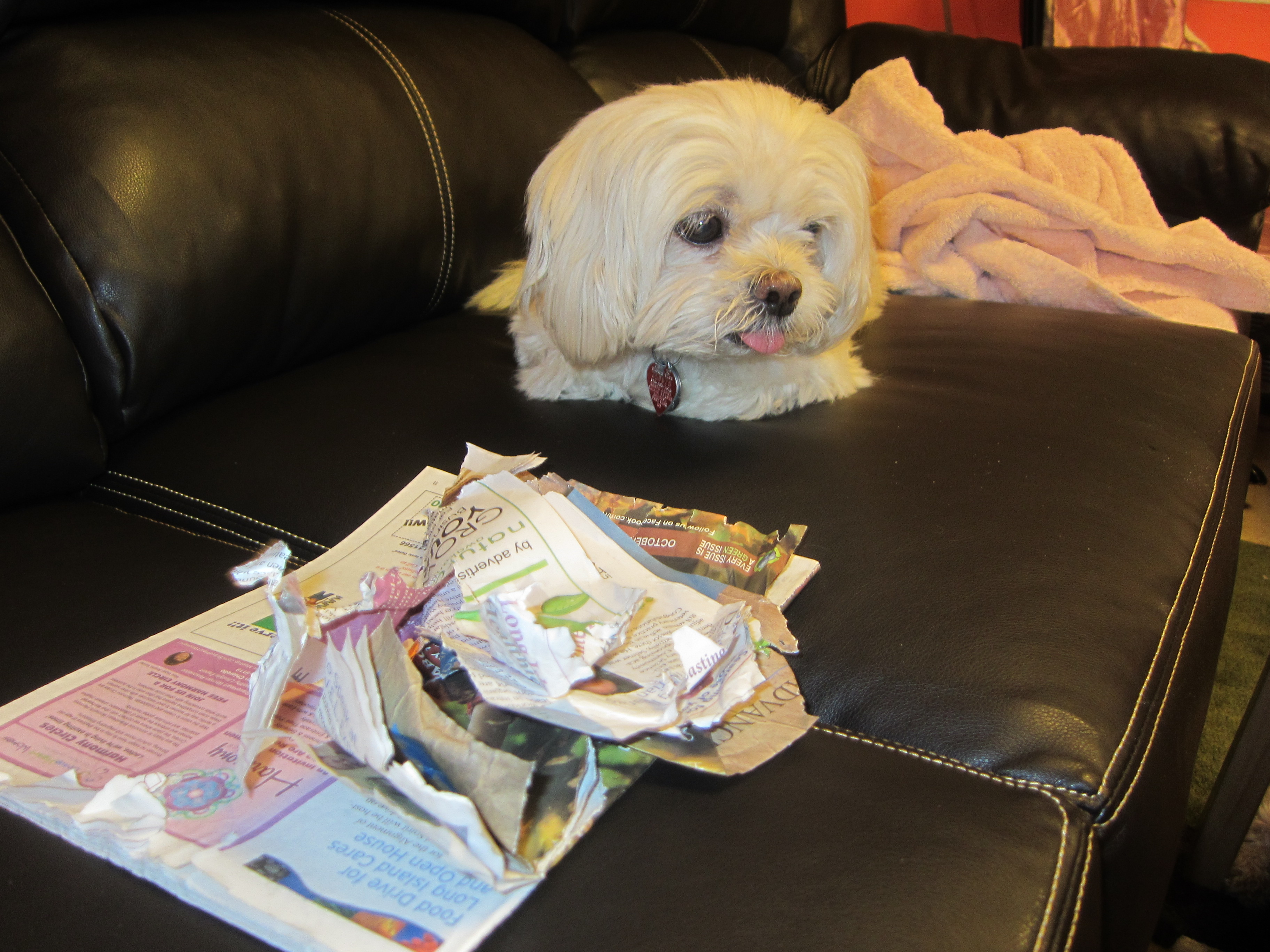
I’ve been getting rejection letters from agents and publishers, telling me that I am a wonderful, talented, exquisite writer, but… but what? Isn’t that what I’ve spent my life working towards? Isn’t that the point? I can’t even begin to understand the market forces that turned publishing into this quagmire, whether there are just too many writers trying to get published, or too few publishers willing to take a risk.

When I was first looking for a graduate program in creative writing, and collecting rejections from the schools I’d applied to, I was told that MFA programs weren’t interested in my writing ability, they were interested in the uniqueness of my story. The writing, they believed, they could teach me, but they couldn’t teach me how to be interesting. I think agents and editors have taken the same view. They’re looking for a hook, a unique story, something the world is currently clamoring for, and if they have to rewrite every word, so be it. Most of them have graduate degrees in writing themselves.

It has been suggested to me that I try to make this blog into book, because dogs are popular lately, because people seem to like my blog posts, and because my novels are not getting picked up. But I don’t know. It feels like I’d be trying to make a piano into a guitar.

I’ve been reading through my blog posts from the beginning, and I’m not as disappointed as I was afraid I would be, but I’m also not magically coming up with an idea for how to structure it. Is it a book about writing the blog, or is it a book of the blog, not self-conscious, not even revised so much as sewn together?

My Delilah

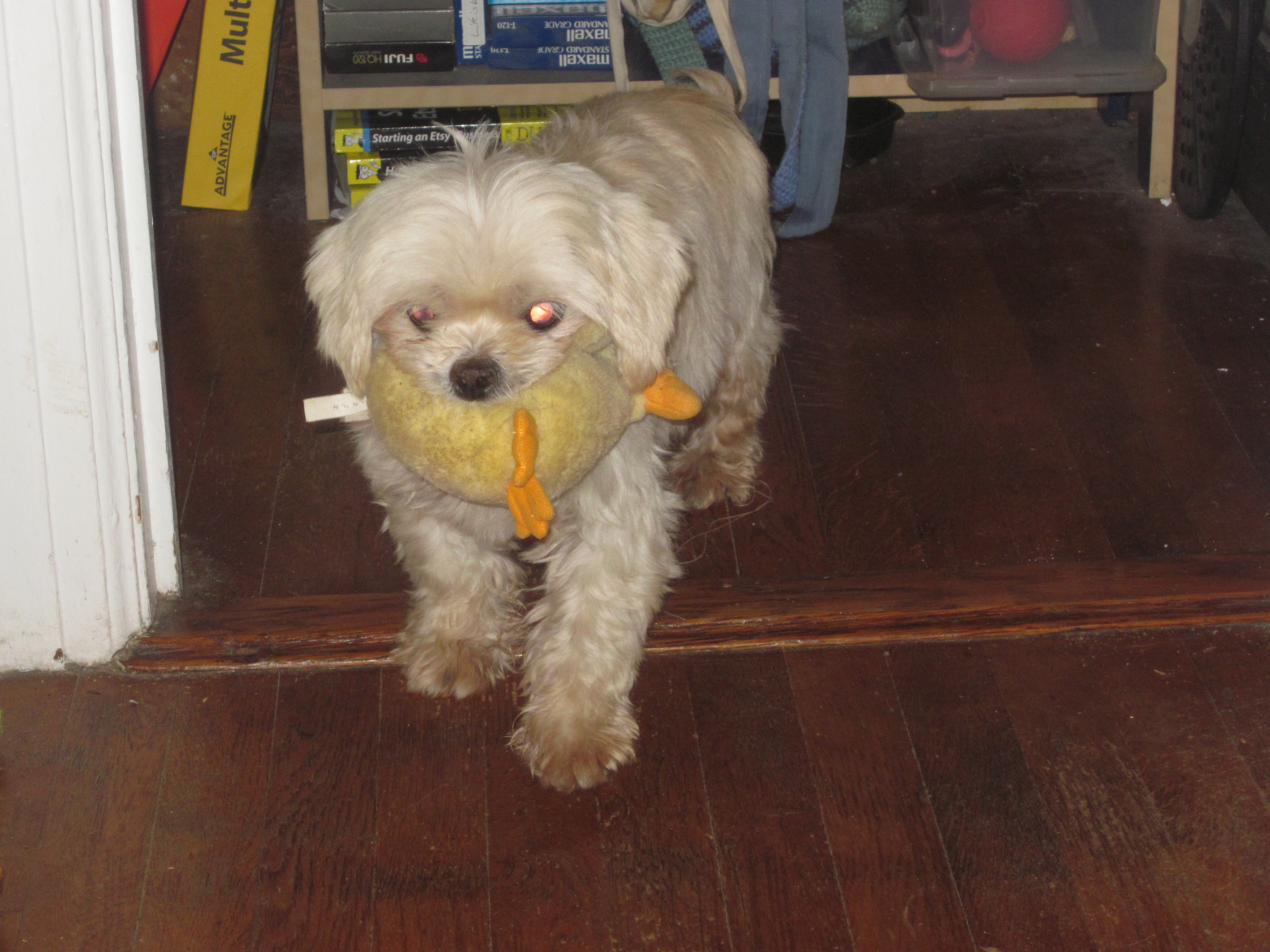
Delilah is perplexed.

When I first started the blog, I was squeamish about memoir writing. One of the things I like most about writing fiction is that I can change things for the better. I can make up lives that I would want to live. It took me a while of writing blog posts to get desperate enough and brave enough to put more memoir and risk into the posts; to tell people who I really am, when I’m not just trying to be acceptable. And a lot of people reached out to me as a result, and showed deep understanding and compassion for me that I would never have gotten if I’d left out the painful parts.

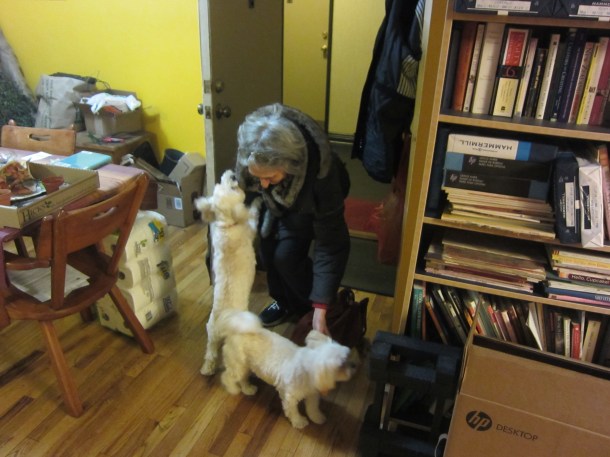
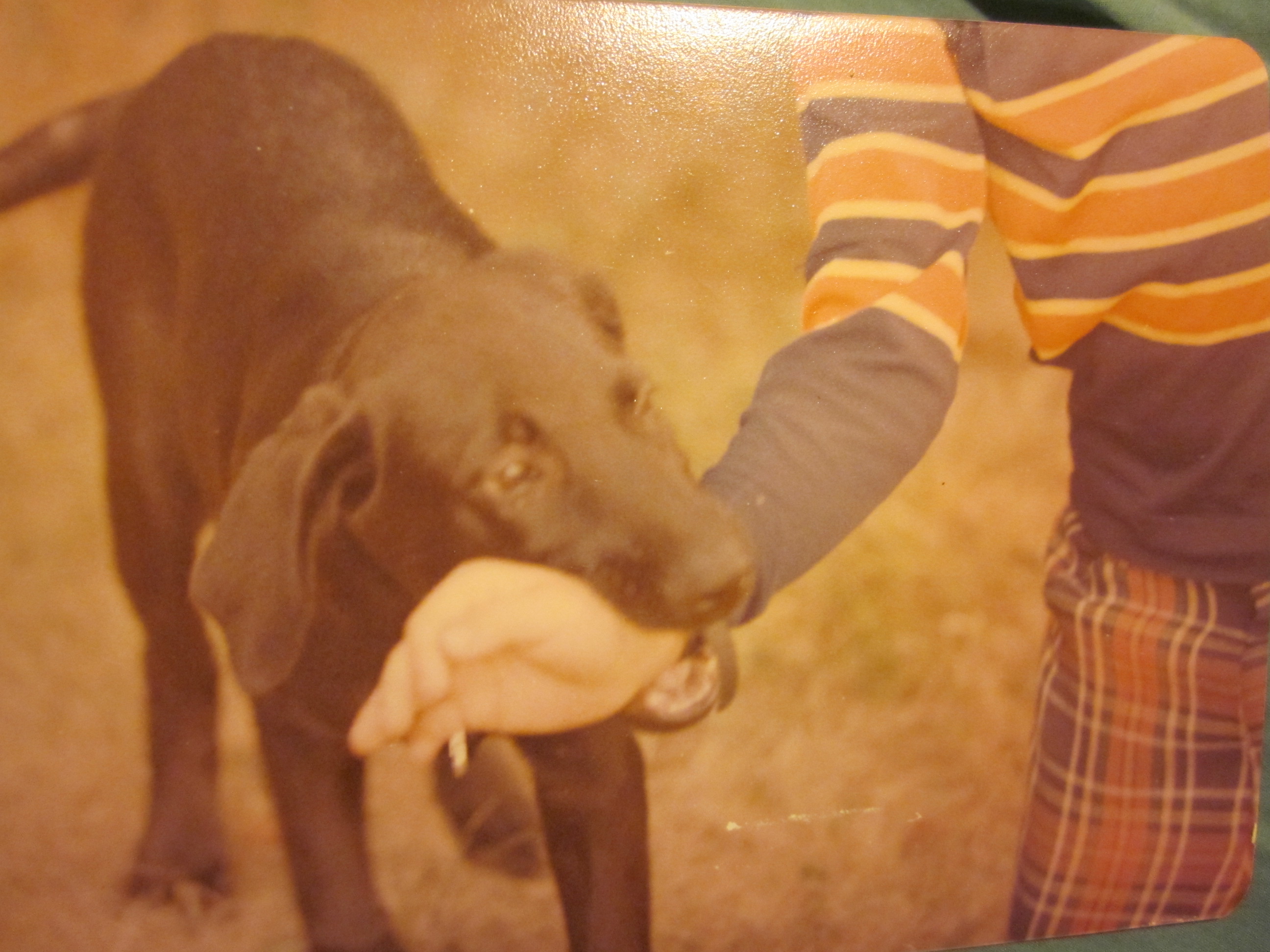
Samson chewing on my brother.

Samson chewing on my brother.

I had a creative non-fiction teacher who said that the best way to write an essay is to bring two separate ideas together, and the drama and surprise will come from the place where the two ideas meet. I kept that in the back of my mind, not really getting it, until maybe a year into writing this blog. I started to notice that no matter how unrelated my chosen topic seemed to be to the theme of the blog – dogs – as soon as I forced myself to find a connection, the essay came together. For some reason, just writing about each topic that interests me can get bogged down, tedious, and flat, but when I try to combine it with the dogs, I find new things, new angles, that I didn’t know were there.

Dina

Dina always had her own way of seeing things.

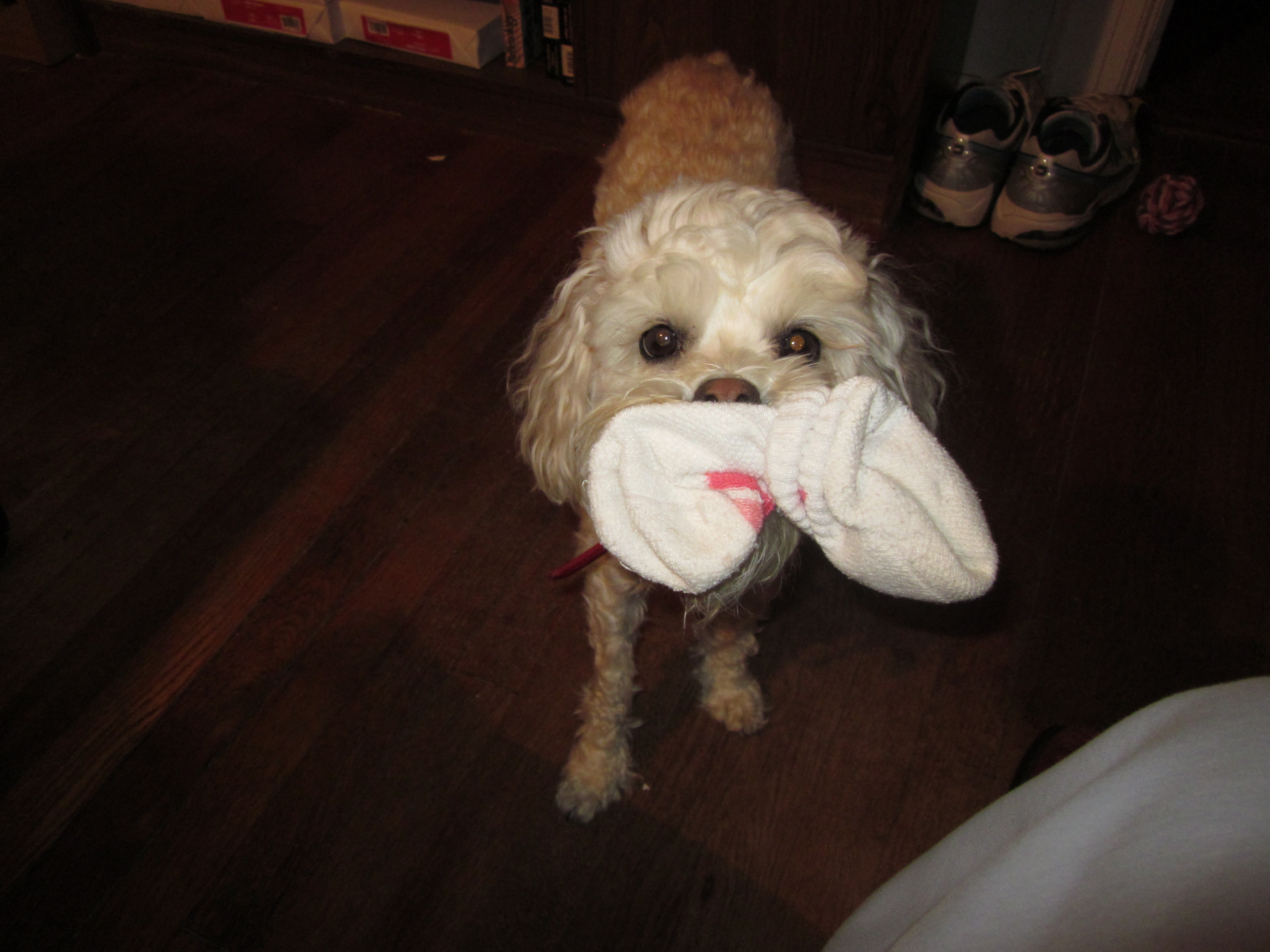
Miss Butterfly.

Miss Butterfly brings socks and warmth.

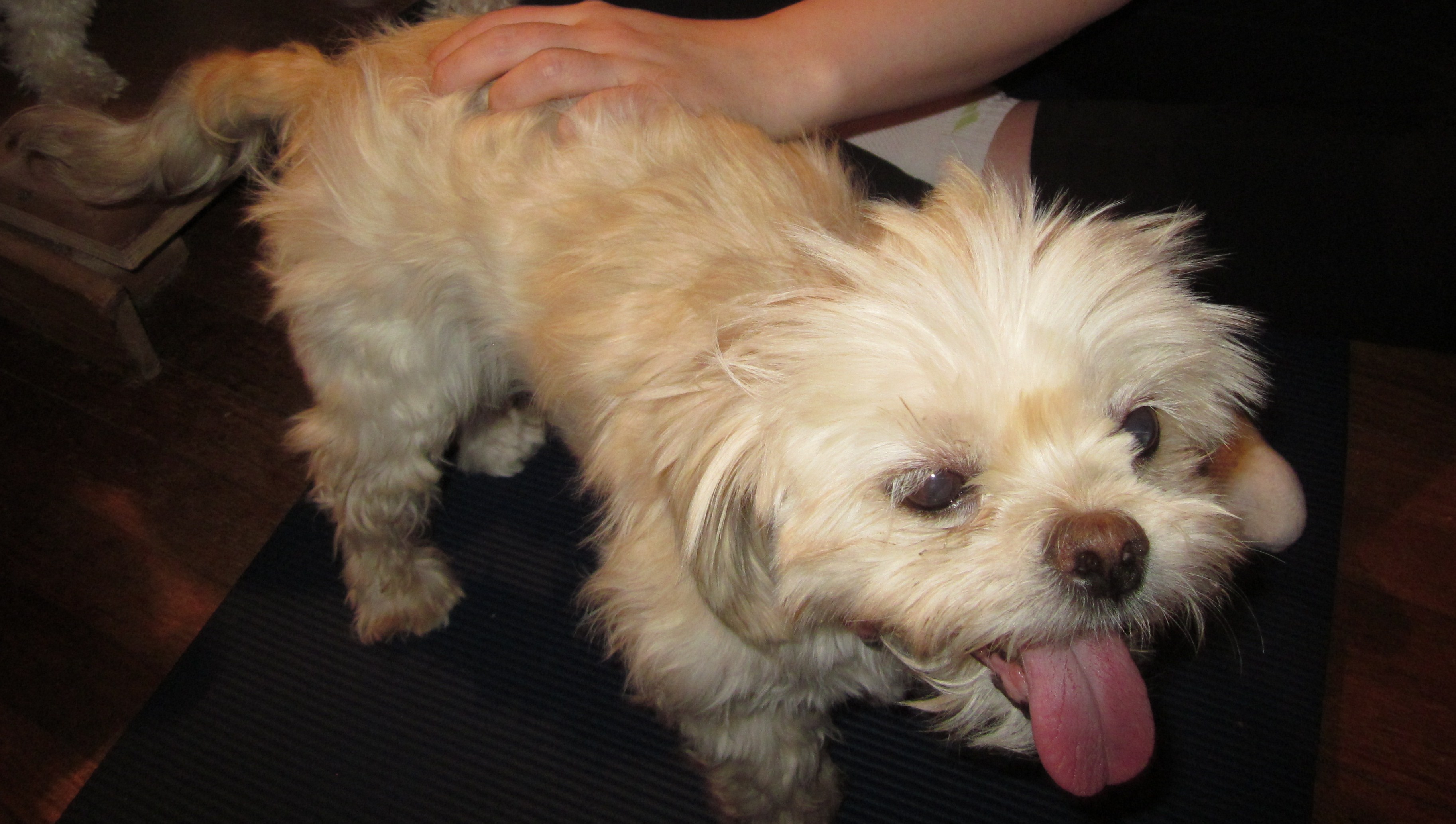
Miss Cricket.

Miss Cricket makes everything more interesting.

I feel like every six months or so, I let myself reach down another level, admitting things that are scary to admit in public, showing another layer. And I’ve needed to do it this way, at this pace. I can only push my boundaries a little bit at a time, and only when I feel ready. I think there’s still a lot of room for me to grow, and that makes me worry about turning this into a memoir too soon.

I don’t want to lose this.

Harrumph.

Harrumph.

How The Writing Workshop Turned Out

I was so proud of myself. I went a million miles out of my comfort zone to set up the writing workshop on aging at my synagogue. I wrote a heartfelt proposal and sent it out for people to read. I presented the proposal in person in front of 20 or 30 people, and got an extraordinarily positive reaction, and six people signed up for my theoretical workshop on the spot. I sent emails and coordinated, and negotiated, and scheduled, and got furiously to work planning my first workshop session, and five people showed up – only two from the original list. But five people was good, and people talked and wrote and stayed for an hour longer than I expected. The next time there were four people, and the time after that only two, plus me.

After three sessions, I took February off from the writing workshop – because so many people were snow birds escaping the winter in New York, and because I wanted to be a snow hermit and hide in my apartment. The anxiety I felt before each class was debilitating, even though the classes themselves were a lot of fun. I could barely move on a Wednesday after a Tuesday workshop. Three naps instead of one, and a long list of self-recriminations about things I should have said, and shouldn’t have said. I spent the extra time reading for, and planning, new lessons for the rest of the sessions. I drafted and revised and cut and pasted until the writing prompts and the writing samples came together in perfect symmetry to get to the heart of a subject within an hour and a half. I talked up the workshop at the next Engaging with Aging meeting, and to whoever asked at other events.

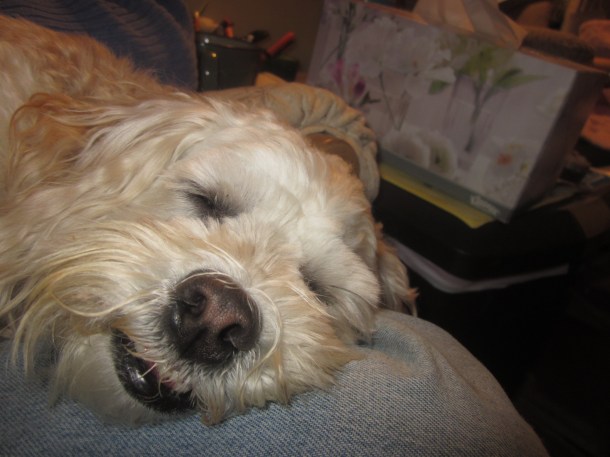
Me, napping.

Me, napping.

Me, trying to reach out.

Me, trying to reach out.

And when we came back from break, there were three students, then two, then just one, my mom, my loyal mom. People asked for my forgiveness for missing classes, for forgetting, and overscheduling, and having bridge at exactly that time and day. Intellectually, I knew they weren’t rejecting me, or saying anything about the quality of my work or what I had to offer. I knew that I’d done a good job, planning lessons and prompts and being supportive and gentle and only pushing a tiny bit when I knew someone was ready to go a step further. But how can you be a teacher without students?

Butterfly wants to help.

Butterfly wanted to help.

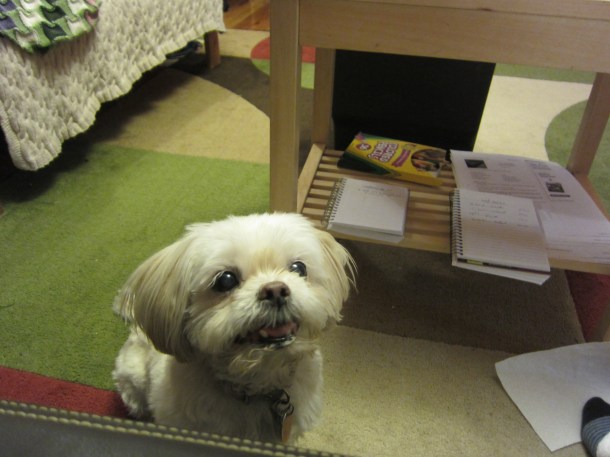
Even Cricket felt bad for me.

Even Cricket felt bad for me.

These are good, solid, interesting people, with stories to tell and a lot of strength and survival skills and knowledge to share. And yet, the idea of waking up in the morning and choosing to go to a class where you will have to write about yourself, as if you matter, as if someone else should care what you think, no, that they can’t do.

One woman told me that what her sixteen-year-old grandson wanted for his birthday was for her to write down something about how she and grandpa got together and stayed together all those years. And I thought, wow, what a lovely and loving thing for a sixteen-year-old boy to ask for, and she thought, Oy, can’t I just give him money?

I ended the writing workshop in April, a month earlier than expected, and people kept asking me if I would start it again in the fall, maybe on a different day, at a different time, for a wider audience. I was tempted to try again, but also gun shy. I didn’t want a repeat of that experience of sitting in a big empty room, staring at the clock, hoping someone, anyone, would show up. Maybe if I could have brought Butterfly with me, to sit on my lap and calm me down while I stared up at the clock, but she sheds, which means she’s not hypoallergenic and therefore I’d be treifing up the library at the synagogue for people with dog allergies. And Cricket, the non-shedding dog, would be barking and growling, and scaring the nursery school kids into cowering under their tiny tables in the classroom next door.

A bark to scare small children

Cricket has a bark to scare small children

All hair all the time

Butterfly is all hair all the time

I went to the next Engaging with Aging meeting, after the end of the workshop, because I’d gone to all of the previous meetings. I sat and listened as the discussion wandered and flailed. They needed some way to disseminate information, to share the advice they’d gathered from each other, and from the social worker at the Jewish Community Center. But how?

I didn’t mean to speak up. Words just started coming out of my mouth. Why not write up personal stories, about how you’ve dealt with a particular aspect of aging, what you learned, what you struggled with, where you went for help, and put it in the newsletter, or on the website. Maybe telling stories in order to help someone else is going to make it easier for people to open up. Within minutes, I had volunteered to interview, edit, and encourage people to get their stories down on paper. I’ve never been a journalist. I’ve done very few interviews. How did this happen?

So, this is what I’m doing next. I am not at all comfortable out here on this cliff, but it’s an opportunity to do something new, and something satisfying, that might actually help people. Wouldn’t that be great?

Cricket thinks so.

Cricket thinks so.

I Want To Write A Mystery


My second master’s program was mostly on-line with two one-week residencies on campus per year, but that one week was so packed with intrigue and drama and mental illness; it was like setting up and taking down a circus tent, twice a year. I’ve been thinking about writing a mystery set there, because the campus becomes like a small town, with a lot of viable suspects and a ticking clock. The characters are vivid and verbal and often jealous and unpredictable. And then there’s the irony of setting a mystery in an environment where they look down on genre writing, and mysteries in particular.

"Can we come too?"

“What?”

But I struggle with mystery plots in the same way I struggled with chess as a kid. My father expected me to learn the strategy just by watching him play, and expected me to be a grand master within a few days, maybe a week. I felt stupid for not being able to think three moves ahead; I didn’t understand why one piece was more valuable than another, or why each piece had different rules; and I felt an undeniable empathy with the pawns, because they were small, like me, and easily sacrificed.

Despite reading endless mysteries, and reading endless books on how to write mysteries, I do not even know where to start. I went through a severe addiction to Rex Stout and Agatha Christie that has never really ended, I just ran out of new material to feed it. Lately I’ve been reading Deborah Crombie, Jacqueline Winspear, Rhys Bowen, Jonathan and Faye Kellerman, Donna Andrews, Henning Mankell, J.K. Rowling as Robert Galbraith, Louise Penny and Charles Todd. I want to be Sherlock Holmes, with a nicer disposition. But so far, my brain has not rewired itself into puzzle-solving-mode.

My other possible mystery setting is my synagogue. I’d love for the sleuth to be an eighty-year-old woman, or a middle-aged rabbi, or both of them together. And the senior citizens in the bible study class (retired doctors, and lawyers, and teachers, and social workers) could help decipher the clues. But I worry it might seem as if I’m writing about specific people, and that could get me into trouble.

"Uh oh."

“Uh oh.”

My mystery would, of course, have to have a dog in it. Even a fictional dog calms me down, reduces my stress level, and reminds me about what’s important and what isn’t. There could be a German shepherd who is more wayward puppy than officious guard dog (I couldn’t train even a fictional dog to be well behaved. I just don’t have it in me); there could be a yapping Yorkie biting at the criminal’s ankle to slow him down; or a sweet Great Dane sitting by her dead owner’s side; or a black Lab sniffing for clues and finding the murder weapon under a pile of leaves.

This is not my picture, but I'd love to put this puppy in a novel.

This is not my picture, but I’d love to put this puppy in a novel.

Lilah the Black Lab, and my niece, is an expert sniffer!

Lilah the Black Lab, and my niece, is an expert sniffer!

I used to think about using Cricket as my detective and writing a children’s mystery. Cricket would make a wonderful Sherlock Holmes; she’d even look good in the hat. She has all of the characteristics of the irascible, obnoxious detective who doesn’t get along with other people, but she would be a terrible police dog, not at all reassuring to the populace.

Detective Cricket is on the job!

Detective Cricket is on the job!

Detective Cricket is always looking out for danger!

Detective Cricket is always looking out for danger!

Detective Cricket is, um, easily distracted.

Detective Cricket is, um, easily distracted.

I’d love to write a detective like Jessica Fletcher in Murder, She Wrote. I’ve watched every episode of that show, at least three times. She is smart and stands her ground, but she’s had many disappointments in life, including never having children of her own, like me. She’s unassuming and uncool, and has to stand her ground against people who don’t believe her, but she doesn’t doubt herself or what she saw, or what she deduced. She’s friendly with everyone but doesn’t mind confrontations when necessary.

My detective would not be quite like that. She would need to take naps, first of all, and she’d have trouble with heights, and social anxiety. She’d have to sit down a lot, and maybe she’d need a driver. So, a female Nero Wolfe, but, again, with a nicer disposition.

Detective Cricket and deputy Butterfly, ready for anything.

Detective Cricket and deputy Butterfly, ready for anything.

The Writing Workshop on Aging


I started a writing workshop on aging at my synagogue. I didn’t plan to do this. I just went to a meeting on aging because it looked interesting. I had the idea that this could lead to visiting people at the hospital, or reading to patients at nursing homes, and could count on my application for graduate school. My ideal would be to walk dogs at the animal shelter, but I don’t think they’d count that as social work. I could be wrong.

So I sat in the meeting and listened. Stories flooded the room: of women at sea after the death of a spouse of fifty years; women manipulated by insurance companies while signing papers at the hospital; women looking for help for their parents; women wondering how to help their friends. The meeting was very low on men.

I took notes and listened and felt the chaos roll over me.

The decision at the end of the first meeting was to have a second meeting, and a third, and a fourth if necessary, until some ideas could start to coalesce.

I went home, exhausted, and fell asleep, and then went on with my life, writing for the blog, going to class, writing my research paper, studying math for the GRE (because not only did I forget every bit of math learned in high school, but I have even lost my short term math memory and I forget it all over again each day.)

I don’t remember looking over my notes from the meeting. I just thought about one of my synagogue friends, recovering from back surgery, and I thought about my great aunt Ellen and the interviews I did with her a few years back to try and catch some of her magic on paper, and I thought about the short memoir my grandfather started before he died, giving us a glimpse into his childhood. Bits and pieces of the stories people had told me over the past few years of Friday nights at synagogue started to bubble up. I wrote a few notes to myself about people whose stories I’d want to read, but told myself it was just a passing idea, and I’d never have to follow through and actually talk to people.

I’ve learned so much from keeping a blog and writing memoir. It forces me to really deepen into my life, to settle into the crevices of it, and not just feel like I’m a character in my own imagination. I feel like I am taking good care of myself by writing about my life, instead of letting the moments disappear into the ether. I especially like that I have a chronicle of my dogs’ lives. I don’t worry that I will forget important things about them, the way I did with previous dogs. It felt so painful to forget things about Dina and Delilah, as if I was disrespecting them, and the value of their lives to me.

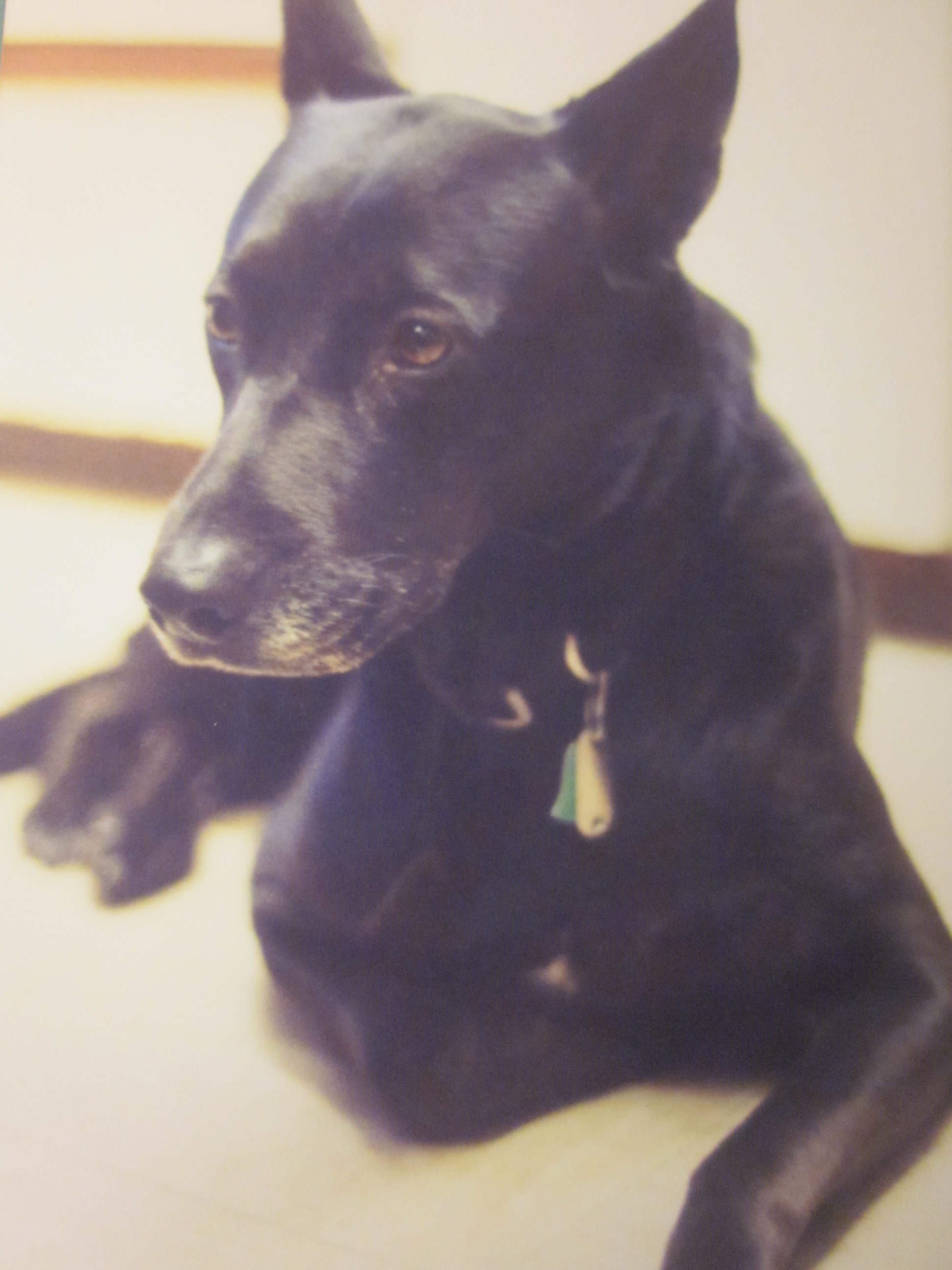
Delilah the Doberman

Delilah the Doberman

Dina, pensive.

Dina, pensive.

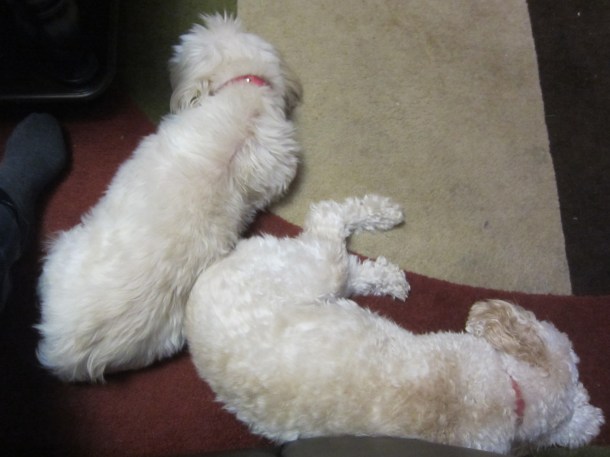
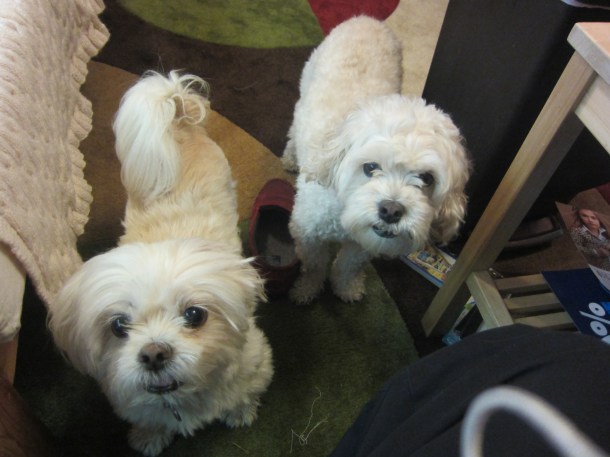
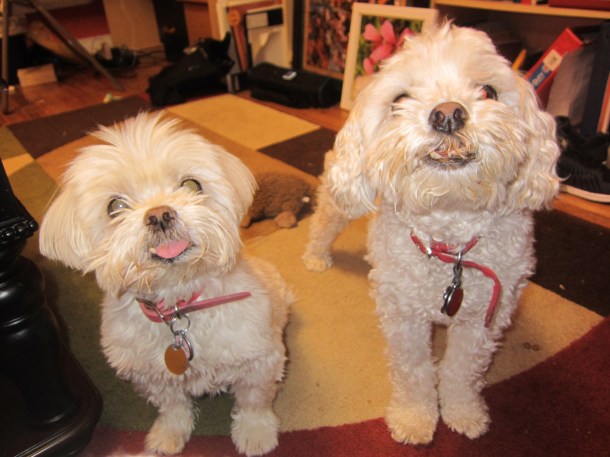
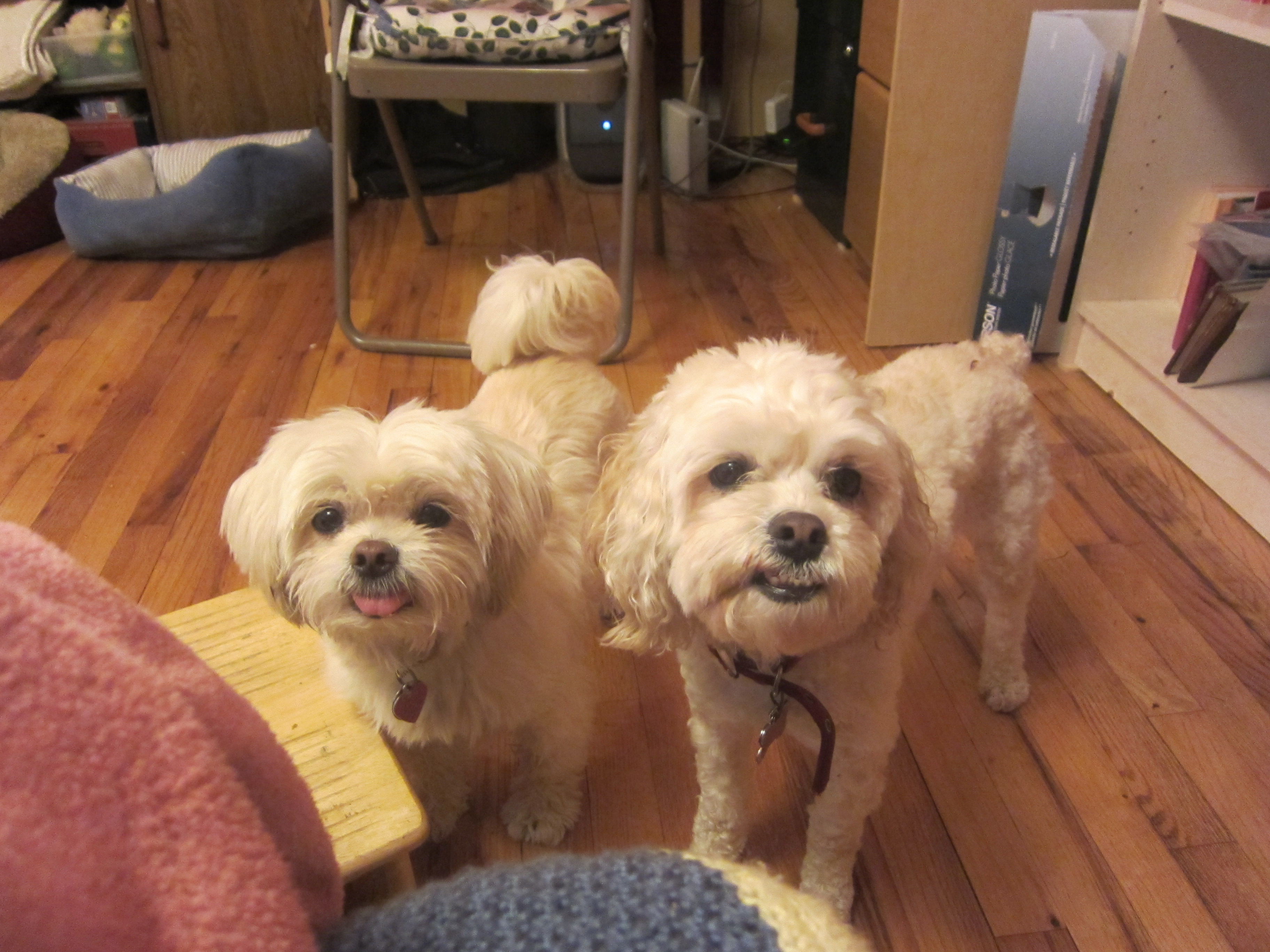
Butterfly and Cricket

Butterfly and Cricket

I found myself writing notes for an idea of a Friday night service where people read their own stories to the congregation. And I thought about how I could make that happen, or at least help people to write some of their own stories down.

I wrote a proposal, feeling very self-conscious and a bit like I was walking into a black hole from which I would never be able to return. I would be shunned from my synagogue. They’d hate me for thinking I was so special that I could teach anyone how to write; they’d resent me for thinking I had anything to offer. I could barely breathe.

I sent the proposal to the woman who runs the aging meetings, and she loved it! And then she sent it to the social worker helping the congregation, and she loved it too. And when I read it to the group in person at the next meeting, face turning purple, hands shaking, I got applause, and six people signed up to take a writing class with me on the spot.

I think I could be good at this, but I’m still terrified. Every step forward feels like jumping from one cliff to another. I’m thinking about how to help people who have trouble seeing, or trouble with arthritis so that writing or typing is difficult. I’m thinking about how to help people who are not natural writers, but would be great interviewees. I’m thinking so much that I have little pieces of paper floating around my room like confetti. Butterfly is loving that.

Butterfly even listens with her tongue!

Butterfly, full of joy!


Cricket still seems like a stranger

Image

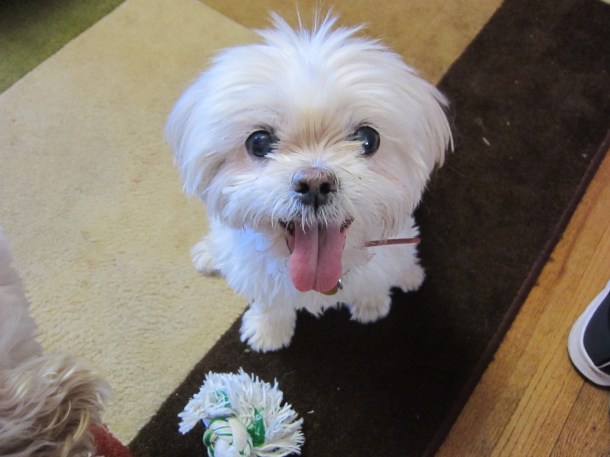
Cricket still seems like a stranger. I don’t know how to explain this. I love her, and I miss her if I’m away from her for a few hours, and I’m jealous of all the time she spends with Mom instead of with me. But when I’m sad or angry or lonely, I don’t see an echo of it in her face. I feel like when I look into her eyes, we are not really seeing past the surfaces of each other. We are not soul mates.

When Cricket first came home, I was addicted to the digital camera, trying to capture every different look on her face, so that I could get to know her: the way her lower teeth jut out so she looks like a fighter, the places where her hair is curly and where it is straight, and the wide variety of her different chirps and growls.

I know which foods she likes, and how small the first piece of a new food needs to be in order for her to try it. I know how often eating a small piece of cheese will remind her that she has dinner in her bowl.

I know that she will wait for Grandma on the second step from the top, and cry to be picked up when Grandma comes home, and then scrabble to be put down just as quickly. I know where she hides her treasures: under the second pillow on my bed, in the corner of my couch, under Grandma’s bed, behind the cushion on Grandma’s chair.

I know that the sound of the treadmill puts her to sleep. And unzipping the guitar bag makes her angry.

But we haven’t started to look more like each other over time, or developed similar mannerisms. We are nothing alike, and that makes me feel like I’m the stranger, and I’m the one who doesn’t belong.

But I still love her. And whenever I forget that I love her this much, she sparks again. Like when she waits for me at the front door, with her face peeking through the curtain. Or when she runs upstairs in the morning and jumps on my chest to wake me up so we can spend the day together.

I wonder if Cricket keeps a list in her head too, of all of the wacky things she knows about me: the way I smell in the morning, the careful way I pluck goop from the corner of her eye, the look on my face when I see her at the front door.

I am nothing like her, but she loves me anyway. I think I’m okay with that.

Image

The Story of Sticks


            Sticks was an awkwardly built, wiry haired white dog. She was about sixty pounds, with all of her weight in her sizeable trunk and nothing in her spindly legs – ergo her name, her legs were like sticks.

She lived in the house across the street from us when we first moved into the top half of a house on a hill. We’d found an apartment that would accept our dog and had a lawn for mom’s garden. There were signs that we would be happy there, with the smell of honey in the air, and the flowers starting to bloom in April. There was the librarian at the local library who smiled at me for no reason other than that she was a nice person. And there was Sticks, the calmest dog I’d ever met. I was used to black haired dogs, depressed dogs, angry dogs with psycho-social disorders.

            Sticks wandered down her driveway towards me and she looked like a ball of white steel wool. She wobbled a bit, but she never barked, and she almost purred when I scratched her head. She was sunshine. Not the bright hot sun that burns your skin and wears you out, but like the soft rays of early spring on your face.

            Sticks’ mom was in her late eighties or early nineties, medium height, white hair, and a little cushioned. She spoke with a German accent that made me unsure what she was saying. She lived alone in her house with Sticks and wasn’t up to taking her out for walks, and picking up poop, but Sticks was so well loved that neighbors pitched in, including me.

            A few years later, I noticed that I hadn’t seen Sticks in a while. And then we heard from her owner’s daughter, that Sticks’ owner was in the hospital with end stage cancer. When we asked about Sticks and where she would go, we were told that Sticks had been put down, because she couldn’t live on without her person.

            I couldn’t speak. I was so angry that no one had asked us if we would take Sticks in for her final years. I could have found a way to lift her up the stairs into our apartment if her arthritis made it too hard for her to climb. But no one had asked me, or warned me, and now Sticks was gone.

            I never knew how old Sticks was, or what her health problems might have been. It’s possible that she was on her last legs, just like her owner, but that’s not how the story was told. I’ve never heard of a veterinarian euthanizing a dog because her owner was dying. And Sticks was so sweet, and loving to strangers, could it really be true that her life wouldn’t have been worth living without her person? I don’t know. But the story haunts me.

Cricket’s First Training Class


Image           

Mom and I took Cricket to a puppy class at the local pet store when Cricket was three or four months old. I wanted Cricket to stop biting me; that was my most pressing goal.

All of the books said that it would be easier to train her as a puppy, rather than later on, and that I would be a terrible person if I didn’t teach her to heel, come when called, and pee on command. But for me, the thing I wanted most was for her to be able to make friends with other dogs, and people. I wanted her to be a safe companion for her young human cousins, and to not be as isolated as my previous dog had been, with her antisocial behavior and anxiety disorder.

I also had dreams of getting Cricket to do tricks, like ride a skateboard, or surf, or dance with me.

I loved meeting all of the other puppies in the class. There was a baby bloodhound named Baxter, and a pair of miniature Pinschers, and miniature Poodles, and a black Lab or two, and an older Maltese. But Cricket was not as enamored of them as I was, and she didn’t think the treats were worth working for. She ignored the commands and smiled at me and sniffed the shelves at the store and peed in the corners, and then we went home and she chewed through an entire wicker garbage can.

What I remember most about the teacher was that nothing she said made sense to me. I felt like I was listening to a foreign language I’d never studied, or trying to make sense of NASA’s instruction book for how to launch a space shuttle. I can’t tell you even now if that was because she actually didn’t make sense or if it’s because obedience training kills my circuitry.

The teacher had a way of taking my nervous, meant-to-be-funny comments and using them as lessons for the class. Like, I asked her, after a particularly grueling lesson, when do we get the magic pill that makes training just kick in, and she said, in all seriousness and pointing me out to the class, that there is no magic pill and training takes a lot of hard work.

The teacher was impatient with all of us, but especially with Cricket. She told us to flip Cricket onto her back and hold her down, as an intervention. We were supposed to show Cricket that we were in charge and resistance wasn’t going to get her anywhere. But all that did was to make Cricket more frightened and more resistant to the training.

I should have listened more carefully when the teacher told us that her mother used to hit her to keep her in line, and, instead of saying that her mother did the wrong thing, she said, mothers hit us because they love us.

I finally gave up on the class after the fourth week. The teacher had done her “intervention” one time too many and Cricket had learned to hide behind my legs whenever the teacher came by.

It all felt like a way to crush her spirit and mine. I resented the idea that Cricket was supposed to be a pod puppy, with no unique or rebellious characteristics left. And I was exhausted. So we left, and replaced training class with episodes of Dancing with the Stars. Cricket is great at the Tango.

 Image

A Dog Named Rachel


            Before I was born, my parents had a dog named Rachel. She was a stray they’d picked up along the way, a black dog of unspecific origin. She was old by the time I came around, but there’s a story that when I was six months old, my mom called for “Rachel,” and the dog hobbled over to Mom thinking she was the one being asked for, and I crawled.

            I like my name, it’s a good name. There are a lot of biblical names with negative connotations, but mine is pretty clean and positive. So I should be happy.

            Except, my brother wasn’t named after a family pet.

            My father said the names were a coincidence. I was named after a great grandmother named Rachel, and Rachel dog was maybe named after Rabbi Ralph or one of the rabbits my parents kept in the backyard before I was born.

            There’s a Jewish custom, or superstition, against naming a child after a living relative. I’m sure there’s a long tractate somewhere explaining the reasons, but I remember being told that it was wrong to take a name from someone who was still busy using it. As if you’d steal some of their years along with their name. And Rachel dog was still alive when I stole her name. She didn’t live much longer after that, either.

            I feel like my father was sending me a message by giving me the same name as the family dog. He made a point of not talking about it, just leaving the truth in the background, for me to discover on my own and guess at the significance. It was a message he could hide from the outside world, who would only see the loveliness of the biblical Rachel, and never see the humiliation.