Tag Archives: dogs

A Butterfly Companion


Butterfly flits around like a ladybug. I always think she should be wearing ballet slippers and a tutu, the way she twirls and flies. She is gossamer. Her wings are so ethereal that they are almost invisible. Almost.
My Butterfly

My Butterfly

She doesn’t seem to be like any other dog I’ve known. I’m used to moody dogs, dogs with personality problems, dogs who use guilt to push me around, dogs who could be diagnosed using the DSM V. But Butterfly is a different. She poops and barks and begs for treats, yes, but she’s also untouchable in a way, so sweet as to be unreal.

"Gimme some sugar!"

“Gimme some sugar!”

In a way her butterfly-ness is upsetting, because she is always a bit out of reach. Cricket will jump on me and curl up on my chest, or my hip, while I’m sleeping. She scratches me and shrieks in my ear. She is solid and real and in vivid color. Butterfly is something other than that, an enigma at times, in deep thought about something I can’t know.

When Butterfly’s sugar is very low, she seems as light and airy as a butterfly; within moments she seems to lose most of her body weight; this is the most frightening thing, both for her and for me. Her eyes bulge and she alternates between staring into space and looking at me and shaking. She doesn’t know what to do. Even she thinks this is too much lightness to bear.

I feel so much safer when she is solid in my arms, or galloping down the hill. Then she is real and alive and none of her paws are reaching towards another world. But there is always this tendency to unreality with her. She drifts away, either because her physical health is shaky, or, more often, because she is lost in another state of mind, thinking of some other place, or thinking of nothing at all.
I wonder what she's thinking.

I wonder what she’s thinking.

My mom was kind of like this when I was growing up. When she was present, her love was obvious and full of joy, but then she would disappear, either leaving the house or just leaving her body, and there was no way to reach her. I always wanted to hug her, or yell at her, to bring her back to life, and to me. Mom also has the same sweetness and generosity of spirit as Butterfly, where you can’t quite believe how lucky you are to be loved so much.

I know that Butterfly loves me. When we go outside and she runs off for a minute and turns back, the joy in her face at seeing me, and the flying run she takes to return to me, is extraordinarily good for my self-esteem.

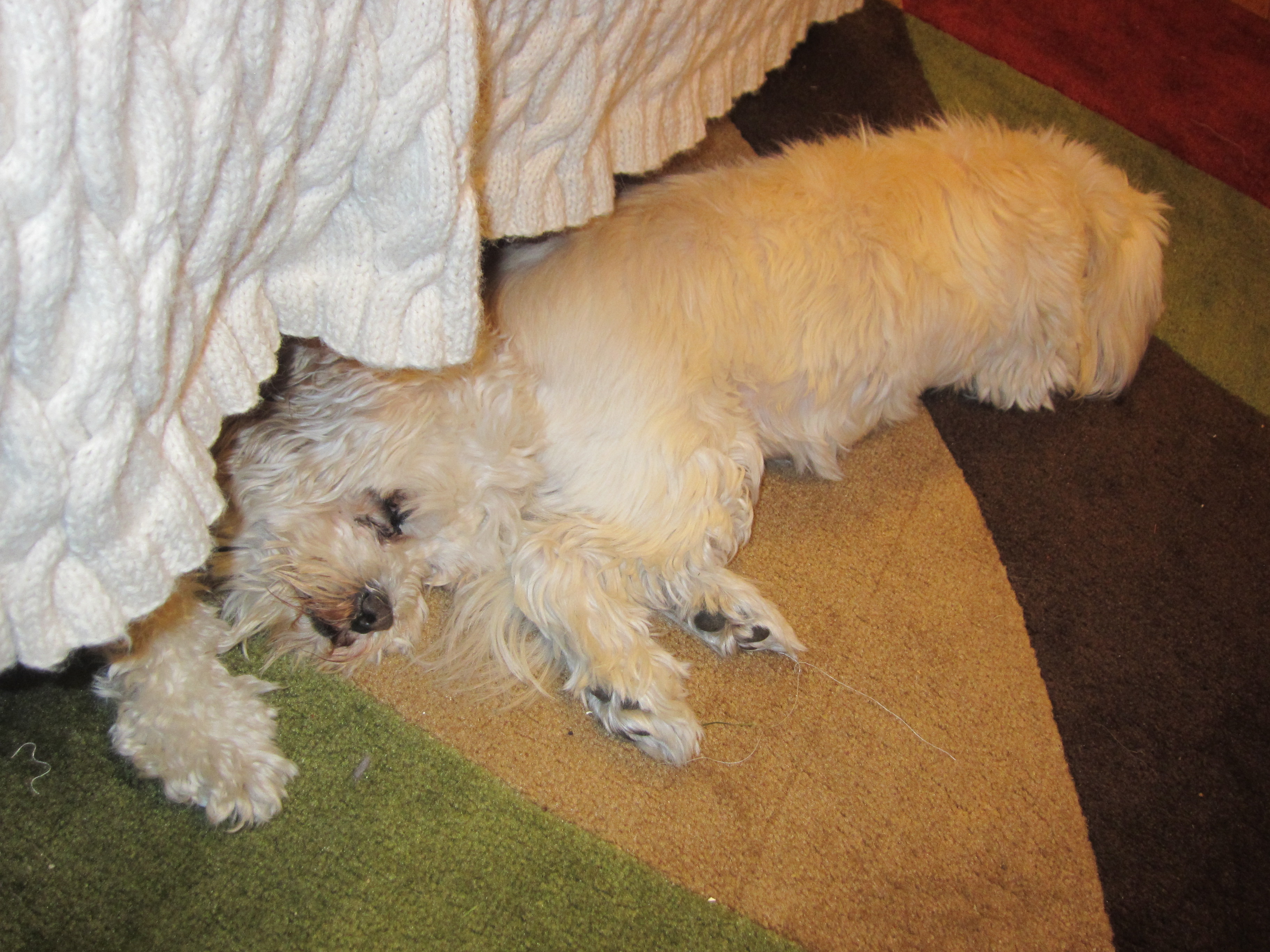
But she can be very independent. If she doesn’t want to be crowded, she’ll just walk away and find a place to be alone. When Cricket does this, she chooses a place nearby, where she can stare at me, and let me know that I have disappointed and annoyed her. But when Butterfly wants to be alone, it’s not about me; she’s not angry at me, or jealous of Cricket, or pouting, she just wants to be alone: on the mat by the front door, on the rug in my room when I’m not there, on the bathmat in the bathroom.

When Cricket is grumpy, she wants me to know about it.
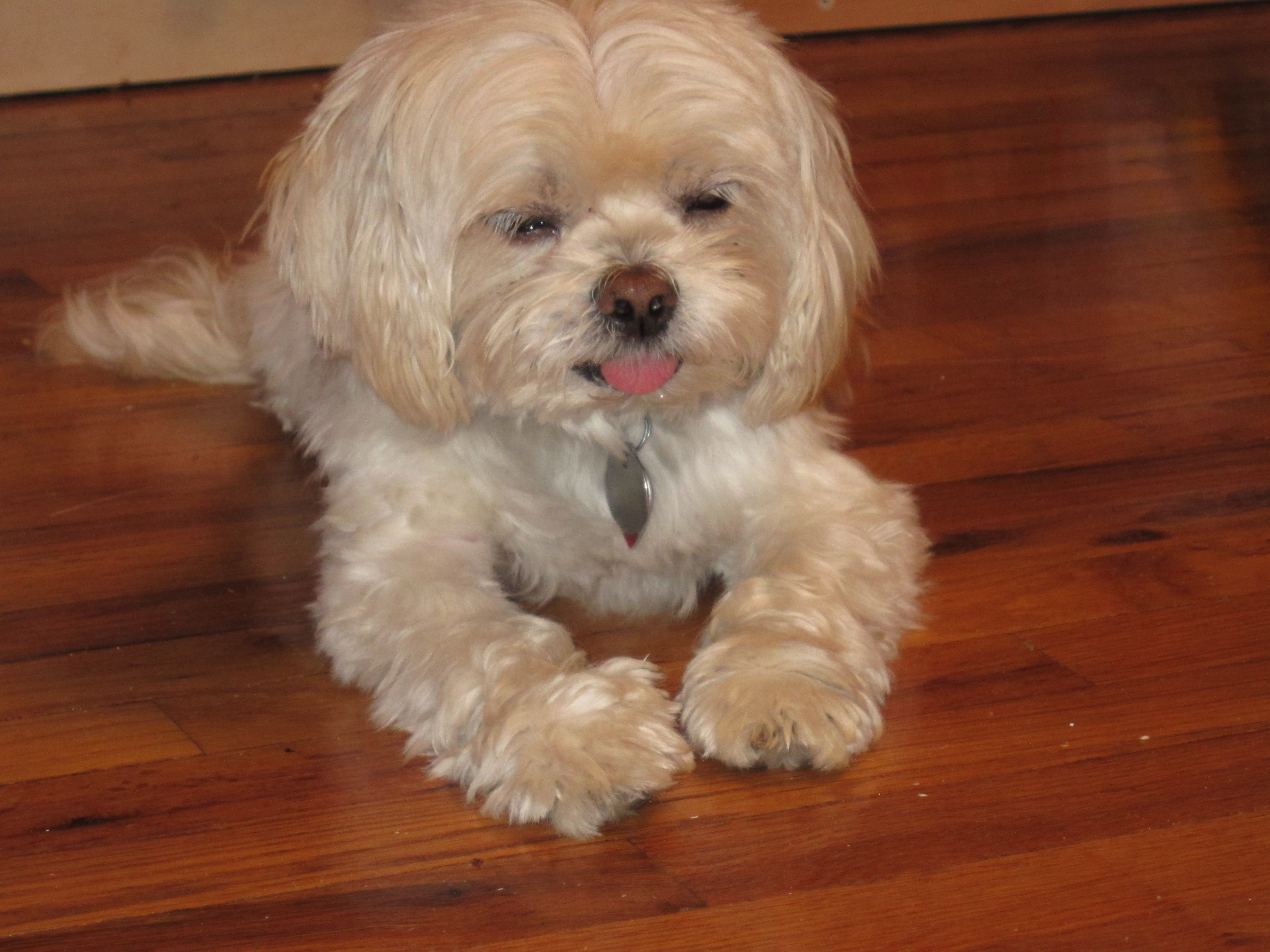
When Cricket is grumpy, she wants me to know about it.

Butterfly prefers to keep her thoughts to herself.

Butterfly prefers to keep her thoughts to herself.

It would almost be better if she was reacting to something I’d done, because at least then I’d feel like I mattered.

It’s possible that a lot of things in my life have had this fleeting, ethereal quality to them, and I write it all down to capture it and remind myself that it was real and not just my imagination. I worry about that, about losing wisps of my life into the air as if they never happened, losing people and memories and emotions because I wasn’t quick enough to tie them down and secure them before the rains came.

I love Butterfly all the time, whether she is close and present, or dreamy and far away. But the pull of grief when she’s flitting away can be incredibly painful. There’s a reason why most people don’t have butterflies as pets.
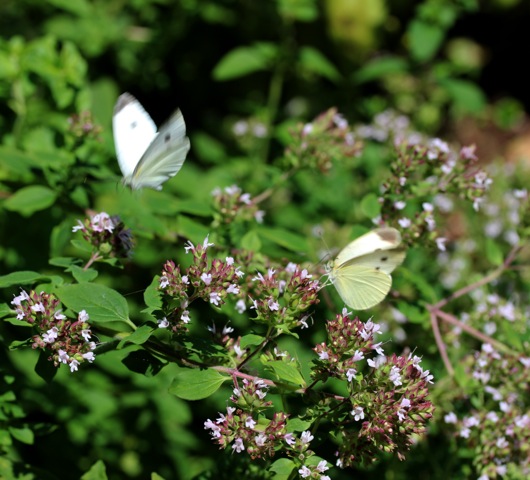
White butterflies.

Butterfly’s white butterflies.

Looking For My Song


I used to write songs. This was a long time ago. I bought a Casio keyboard with my leaf-raking money when I was eleven or twelve, and tried to remember my years of piano lessons to pick out a melody. But I never felt like I could catch the song I was looking for.

I feel like being a musician, for me, is as impossible as being a dog. I don’t have the right internal organs to get there, no matter how much I might want to. I don’t have the right brain, the right ears, and the right fingers. I’m just not that person and I feel the loss acutely. Cricket and Butterfly have their own unique songs. They have particular patterns and rhythms and pitches that really get their message across, but I feel muted. I can write and speak my story, but I can’t sing it, and that leaves something essential unexpressed.

Cricket likes the sound of her own voice and uses it very specifically to express different emotions and needs. She rasps and squeaks, and cries and screams, she barks from her gut and shrills through her nose. She is a diva. She sings variations of the same song, using the same instrument, all day long.

Cricket, mid-Aria.

Cricket, mid-Aria.

Butterfly listens very closely when we’re outside. She collects sounds: like an airplane flying overhead, leaves rustling, a garbage truck rolling down the hill, geese chattering to each other, birds whooshing through the trees. I wonder if she’s looking for her song too, and sampling all of these sounds to see what resonates for her.
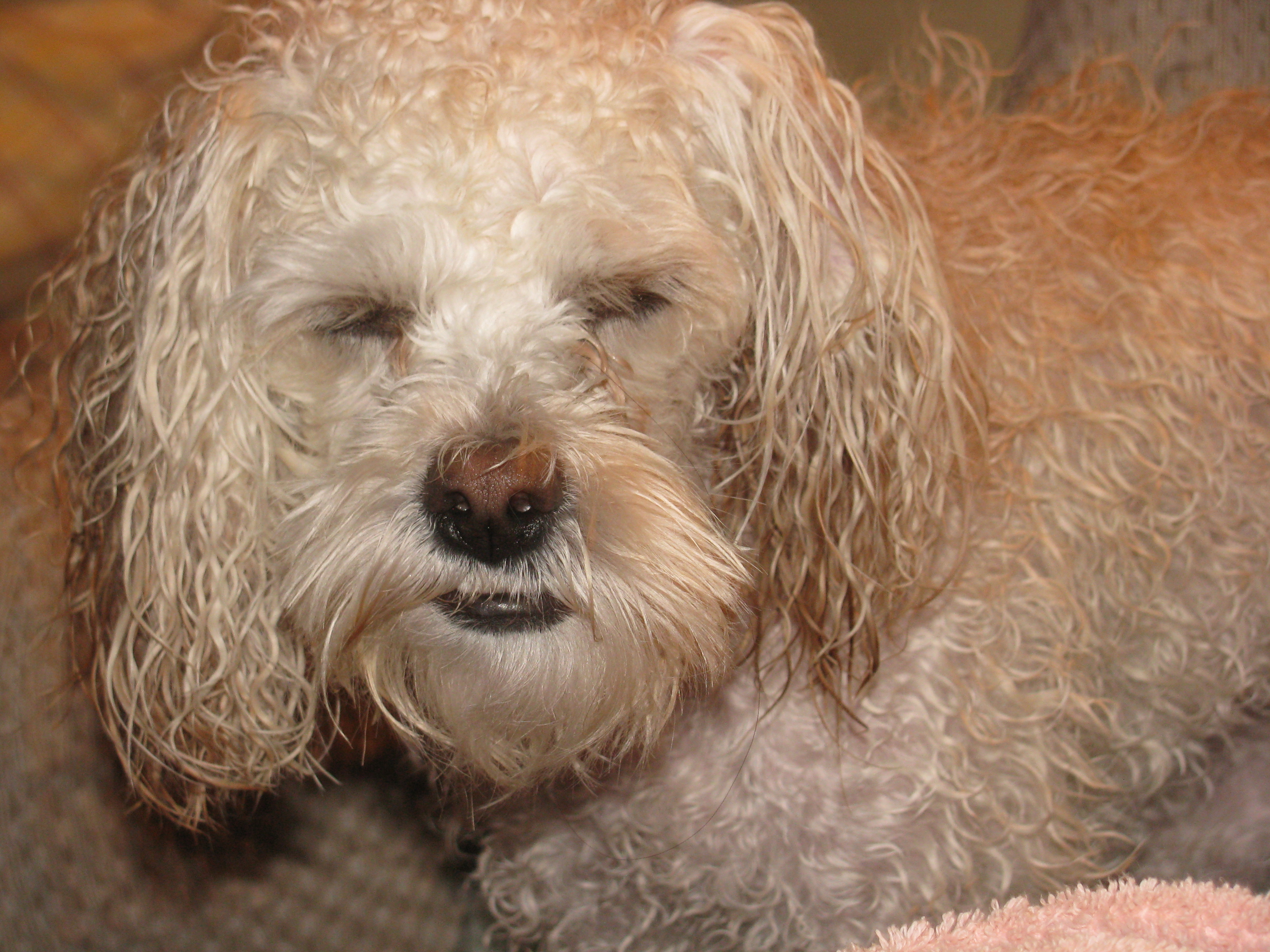
Butterfly, listening.

Butterfly, listening.

In college, in one of my early attempts at jumping around the curriculum, I took a class in music composition. I’d taken voice lessons and piano and felt like there was a whole segment of the musical world that I was missing, huge parts of the language that I could not understand. I did well in the class, because it was basically math with musical notes, but I felt like I was being starved for the real stuff, the “aha” stuff, because I couldn’t connect the math to the music. Maybe if I’d tried to stick it out and become a music major I’d have eventually found what I was missing, but most schools require proficiency in a musical instrument and a willingness to perform and I didn’t have either one.

I have a cousin who plays the cello professionally. She plays a regular cello and a baroque cello (don’t ask me what makes them different). She has spent her whole life becoming the cello and limiting the space between her body and the music until the music really does come through her and the cello at once. She inspired me, and I spent a year and a half trying to teach myself how to play the guitar, but I couldn’t make my fingers tolerate the work. My knuckles kept clicking and jamming, because, as one doctor told me forever ago, my ligaments are too loose to hold my bones together. And you would not believe how painful it is to press your soft fingertips against heavy guitar strings.
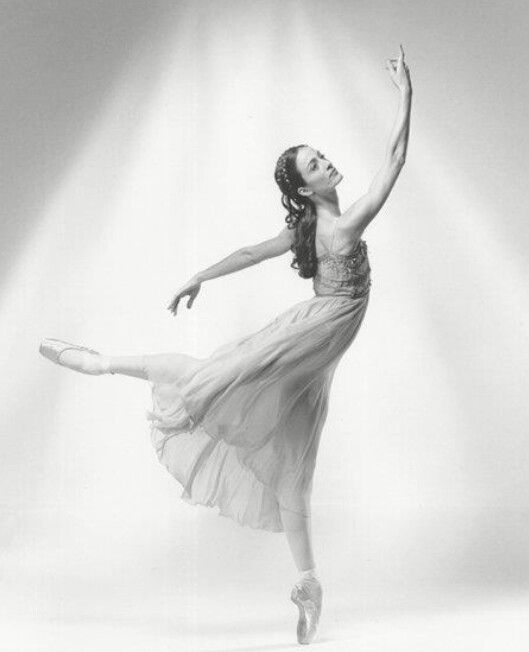
The most electric experience I’ve ever had with music is when ice skaters have been able to skate as if the music is coming through their bodies, Michelle Kwan could do this, and Kurt Browning and Torvill and Dean. I remember watching Julie Kent at American Ballet Theater, just watching her arms as if the music was living in her body and she was setting it free.

Julie Kent

Julie Kent

Michelle Kwan

Michelle Kwan

Music just seems so forlorn and naked without visual accompaniment. I feel lost, like I’m swimming in too-deep water, when I listen to music sometimes, as if the ground has fallen out from under me. I feel like I will be trapped in an emotional state I can’t identify, can’t tolerate, and can’t get out of. How is the music doing this?

Music is one of the most powerful things I know, and I feel this great need to create it, and control it, and I can’t do either one. I can just sample it, like Butterfly, and pick a sound from here and there to add to my collection. I think this might be enough, for now.

The girls are thinking about it.

The girls are thinking about it.

Yin and Yang, or, How We Resonate


Some people resonate with each other, not because they are objectively the same but because they complement each other in interesting ways. We often talk about yin and yang, where two people create a whole circle, but I tend to think more of melody and harmony. It’s not a circle with no holes, it’s a song that resonates and echoes.

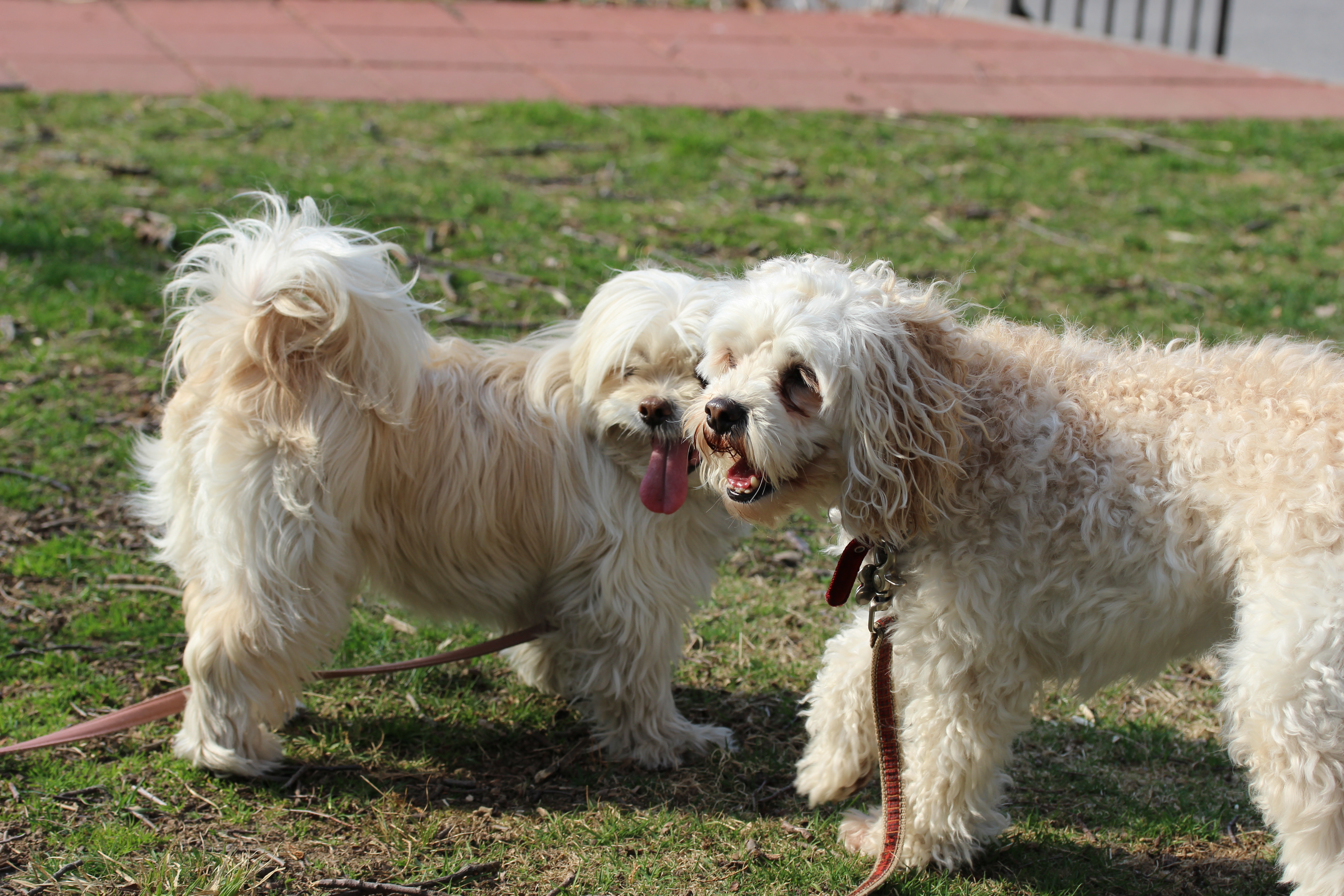
Cricket and Butterfly are not a perfect match. First of all, they look too much alike. They have the same color hair, both white with apricot markings in mostly the same places. And they both bark, at different pitches, but not in a harmony of beautiful sound; they are not a choir, they are a cacophony of noise. They are not the same height, but also not opposites, like big and small or fat and skinny. They are just small and smaller. They don’t fill all of the possible spaces in the world with their two personalities, but sometimes they harmonize in interesting and beautiful ways.

Butterfly was very excited to meet Cricket on her first day home.

Butterfly was very excited to meet Cricket on her first day home.

Cricket was less excited.

Cricket was less excited.

"Okay, maybe she's not so bad."

“Okay, maybe she’s not so bad.”

Cricket is much more of a protector, wild with noise and ready to lunge at friends and strangers alike, and Butterfly is more of a conciliator, but not always. She is not always slow and Cricket is not always fast. But they have worked out, as sisters. They have not camped out at opposite sides of the apartment, hissing at each other like cats. They do not ignore each other. Sometimes they snuggle or sleep close by each other. Sometimes they don’t. Sometimes one is going crazy and the other stands by with a lifted eyebrow, but then the roles reverse.

Cricket, protecting the world from the inherent violence of sticks.

Cricket, protecting the world from the inherent violence of sticks.

Butterfly, meditating on the absence of chicken treats.

Butterfly, meditating on the absence of chicken treats.

They often like to walk in opposite directions, to see how far my arms can stretch away from my body.

Sometimes the girls even work together.

Sometimes the girls even work together.

I think we have this unreachable ideal of perfection in love, of black and white, all or nothing, that two people either match perfectly or they don’t match at all. But what if it’s not supposed to be just two people completing each other? Maybe no one person is the perfect and whole complement to any other person, because that wouldn’t leave room for anything or anyone else. Even the happiest couples crave children, or friendships, or dogs, teachers, or coworkers, or clergy. There has to be some room left over in a couple for the rest of the world to filter in – not like a great flood whooshing through the relationship and wiping everything out, but room for more people, more ideas, more emotions. There are so many couples at my synagogue who have lasted 40, 50, and 60 years together and they still leave room for other people and activities and ideas. They accept that there are unfilled spaces between them, and that that’s a good thing.

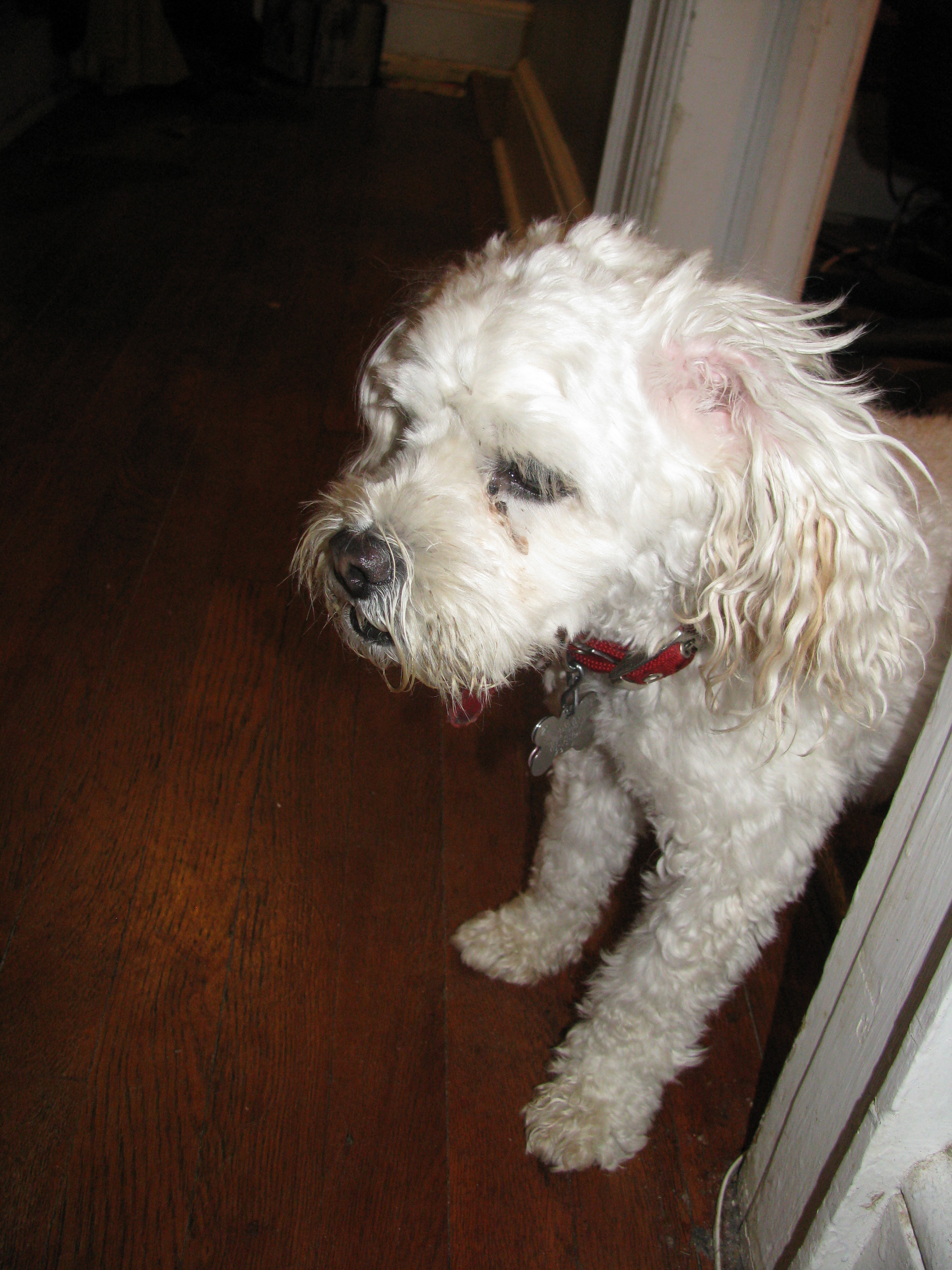
Both of my dogs resonate with me (I did choose them after all). Cricket’s Sturm und Drang and high drama and need for closeness speak of the volume of emotion coursing through me all my life. The noise of her happiness and pain and excitement and rage, and her unbearable joy in love and curiosity and new things, resonates with me. And the way she studies the things she loves so carefully and with such attention, is just like me.

"Food!!!!!!!!"

“Food!!!!!!!!”

Butterfly is this sweet grief, this place of joy and pain mixed together that I remember from visiting my grandfather, and going out for ice cream sundaes at six in the morning because Grandma couldn’t stand to wake up to children in her house. Butterfly is joy tempered by patience, and when she knows what she needs, endless stubbornness and knowledge that she is right. We are the same! This is me! Well, not all of me, but some. And I could make room for more soul mates like these, because there is more of me to be met.

"I think I can...I think I can."

“I think I can…I think I can.”

I am always on the lookout for people who will resonate with me and I’ve had to learn to give the chemistry more time to grow – but there are still people who, right away, glow for me; people whose energy reaches across the room to me so that I can feel it in my fingers and on my face. I don’t understand this. I worry that I can’t live without this kind of glow.

What if, in two or three ways, you have that full on orchestral sound in your ears with someone, but on the fourth note: cacophony? Or, you’re both in sync, but your families hate the sound of each other? Or what if your families like each other and you have no major cacophonies, but the harmonies between you are only middling, is that better?

I don’t know. Maybe I should just leave it to Cricket to decide.

She's ready.

She’s ready.

The Writing Workshop on Aging


I started a writing workshop on aging at my synagogue. I didn’t plan to do this. I just went to a meeting on aging because it looked interesting. I had the idea that this could lead to visiting people at the hospital, or reading to patients at nursing homes, and could count on my application for graduate school. My ideal would be to walk dogs at the animal shelter, but I don’t think they’d count that as social work. I could be wrong.

So I sat in the meeting and listened. Stories flooded the room: of women at sea after the death of a spouse of fifty years; women manipulated by insurance companies while signing papers at the hospital; women looking for help for their parents; women wondering how to help their friends. The meeting was very low on men.

I took notes and listened and felt the chaos roll over me.

The decision at the end of the first meeting was to have a second meeting, and a third, and a fourth if necessary, until some ideas could start to coalesce.

I went home, exhausted, and fell asleep, and then went on with my life, writing for the blog, going to class, writing my research paper, studying math for the GRE (because not only did I forget every bit of math learned in high school, but I have even lost my short term math memory and I forget it all over again each day.)

I don’t remember looking over my notes from the meeting. I just thought about one of my synagogue friends, recovering from back surgery, and I thought about my great aunt Ellen and the interviews I did with her a few years back to try and catch some of her magic on paper, and I thought about the short memoir my grandfather started before he died, giving us a glimpse into his childhood. Bits and pieces of the stories people had told me over the past few years of Friday nights at synagogue started to bubble up. I wrote a few notes to myself about people whose stories I’d want to read, but told myself it was just a passing idea, and I’d never have to follow through and actually talk to people.

I’ve learned so much from keeping a blog and writing memoir. It forces me to really deepen into my life, to settle into the crevices of it, and not just feel like I’m a character in my own imagination. I feel like I am taking good care of myself by writing about my life, instead of letting the moments disappear into the ether. I especially like that I have a chronicle of my dogs’ lives. I don’t worry that I will forget important things about them, the way I did with previous dogs. It felt so painful to forget things about Dina and Delilah, as if I was disrespecting them, and the value of their lives to me.

Delilah the Doberman

Delilah the Doberman

Dina, pensive.

Dina, pensive.

Butterfly and Cricket

Butterfly and Cricket

I found myself writing notes for an idea of a Friday night service where people read their own stories to the congregation. And I thought about how I could make that happen, or at least help people to write some of their own stories down.

I wrote a proposal, feeling very self-conscious and a bit like I was walking into a black hole from which I would never be able to return. I would be shunned from my synagogue. They’d hate me for thinking I was so special that I could teach anyone how to write; they’d resent me for thinking I had anything to offer. I could barely breathe.

I sent the proposal to the woman who runs the aging meetings, and she loved it! And then she sent it to the social worker helping the congregation, and she loved it too. And when I read it to the group in person at the next meeting, face turning purple, hands shaking, I got applause, and six people signed up to take a writing class with me on the spot.

I think I could be good at this, but I’m still terrified. Every step forward feels like jumping from one cliff to another. I’m thinking about how to help people who have trouble seeing, or trouble with arthritis so that writing or typing is difficult. I’m thinking about how to help people who are not natural writers, but would be great interviewees. I’m thinking so much that I have little pieces of paper floating around my room like confetti. Butterfly is loving that.

Butterfly even listens with her tongue!

Butterfly, full of joy!


An Elephant In The Living Room


My brother and I had a fascination with elephants when we were little. It’s possible this started when we went on an elephant ride. You had to climb up to a platform and be placed on the elephant. It was not like a horse; the elephant almost didn’t know I was there, like I was a fly on his back, but the idea that the elephant was alive, and moving, and not a bus or train but a real live being, seemed magical to me.

Happy elephant! (not my picture)

Happy elephant! (not my picture)

I might have been four years old, because I can’t place when or where it happened. I don’t know if it was at a circus or an elaborate petting zoo, near home or away. I just remember the moments of elephant, and the plan that started to form: we wanted an elephant to live at our house.

We never wanted chickens, that I know of. I thought about a goat, but Mom said no right away, because of the smell, and the inevitable destruction. She knew from goats and didn’t want to live near one again.

I really wanted an elephant, or another big animal, someone who could take up more space than my father and fight off any monsters who dared to invade my room.

I didn’t want a lion, really, or any kind of cat. They struck me as a little too changeable. I never really thought of having a cow. They just didn’t seem that interactive, and, they were steak. I didn’t want a pet who could be confused with food. A giraffe would have worked great. She could have hung her head out of my bedroom window to snack on trees and keep watch over the neighborhood, and then she could rest her head on the porch roof whenever she got tired. I think my brother would have been okay with a giraffe, but for some reason Mom said no to that too. Something about the ceilings.

A lion would be a bit much. (not my picture)

A lion would be a bit much. (not my picture)

A cow would always have been suspicious around dinner time. (not my picture)

A cow would always have been suspicious around dinner time. (not my picture)

A giraffe would have been wonderful! (not my picture)

A giraffe would have been wonderful! (not my picture)

We had an eighty pound Doberman Pinscher named Solomon when I was little, but even though he towered over me I never thought of him as a good elephant substitute. A friend had a slobbering blue mastiff named Bruno that was more what I was looking for; someone slow, and friendly, and soft, and smiling at me. I wanted him to go to school with me and sit at the next desk during spelling tests. I wanted him to go to summer camp with me and do the doggy paddle while I tried to stay afloat.

A blue Mastiff, just like Bruno. (not my picture)

A blue Mastiff, just like Bruno. (not my picture)

My therapist, and, from what I gather, many other therapists as well, uses the elephant in the living room metaphor, i.e., there’s an elephant in the middle of the room and everyone is acting as if it isn’t there. The elephant could be incest or alcoholism or mental illness or domestic abuse, but whatever it is, the family denial is so potent that it makes something the size and weight of an elephant invisible.

I hadn’t heard this metaphor when I was little, there was just something about an elephant, so majestic, with rough skin, not trying to be colorful or beautiful, that felt right to me. They are matriarchal, and have long memories, neither of which I knew at the time, but maybe I sensed it. There was something about elephants that calmed me. I could maybe ride my elephant to school, and slide down her trunk, and set her up under a tree while I was in class, and bring her milk and cookies during snack time.

There was a book I read all the time about a boy who had a dinosaur as a friend, and I thought an elephant would be more practical.

Danny-Dinosaur

The biggest argument against an elephant was, how would you get it up to the second floor so it could sleep in your room? So that’s when we started planning the elevator. We started scouting locations where the elevator could go without disrupting the floor plan too much. When my father complained about the cost of electricity, we thought about a dumbwaiter contraption, but we’d need a second elephant to help us lift the weight. Two elephants. One for each of us!

Of course, sadly, our parents prevailed, and we never built an elevator or brought home a baby elephant to raise in the backyard. I know we would have been willing to share the chores, and take turns having her sleep in our bedrooms at night, but it’s possible we wouldn’t have known how to handle the poop. That’s probably what made the decision. Everything else about an elephant living in a house on Long Island would have worked out fine; but not the poop.

I had to settle for two mini-poopers!

I had to settle for two mini-poopers!

Behavioral Therapy


My Abnormal Psychology teacher pooh poohed the idea of long term psychotherapy as something only rich people could indulge in. He saw cognitive behavioral therapy as the answer, because of its short duration and ease of insurance coverage. Often, a course of behavioral therapy will last only six to eight weeks, and focus on a single problem, without taking the time to delve into the history and long term problems of the client.

I disagree with him. I think that, for some issues, long term psychotherapy is the only real solution. But within that construct, or for people who don’t need long term help, I’d rather use a version of role modeling, rather than cognitive behavioral therapy, because there are some skills you can’t learn by talking or reading instructions. Dancing, for example. It’s a thousand times easier to stand behind another person doing a dance step and follow their lead than to try to learn the steps through words. And I think this applies to a lot of the behaviors we want to change; if they really are behavioral deficits, rather than deeper conflicts.

The learning becomes so much easier when someone stands in front of you and slowly shows you each step of how it’s done. The “slowly” part is important, because just watching someone zoom easily through a task does not make me feel like I can follow along and do the same.

There are so many skills that would be easier to learn this way, especially social skills, and hands on skills. I remember trying to make sense of a list of instructions in the biology lab in college and having no idea what to do, but if I could watch someone else do each task first, it made sense and my anxiety receded.

I saw a TV show once, where an older dog taught a younger dog that it was safe to step into the lake, by stepping into the lake himself. That moment resonated deeply with me, because just telling the dog, or me, to do something frightening doesn’t make it possible, but seeing a friend do it in front of me, or, better yet, having a friend do it with me, makes all the difference.

Too often behavioral therapy is not done this way. It’s more like the clicker training we suffered through with Cricket. Here I had this wriggly little puppy who wanted to explore and play and chew things, and the best guidance I could offer her was to sit on command. It made me feel like an ogre. What I really wanted was a better way to communicate with her. I wanted a class in sign language for dogs that would start to close the gap between the language she spoke with her brothers and sisters and the language she was hearing from me.

"I think I will jump out of this bathtub and run around the apoartmetn and roll on all of the clean laundry. Yeah, that's what's next."

“I think I will jump out of this bathtub and run around the apartment and roll on all of the clean laundry. Okay?”

"You don't mind if I chew on this lovely snack, right?"

“You don’t mind if I chew on this lovely snack, right?”

"Why doesn't Mommy understand me?"

“Why doesn’t Mommy understand me?”

It didn’t help that I hated the sound of the clicker, and resented the over use injury to my thumb from having to press the damned thing over and over again. I didn’t mind giving her the treats, though, that part I could understand.

When Butterfly came home from the shelter, we didn’t use clicker training, or commands, to show her where to poop or how to climb the stairs, we gave her Cricket as a role model, and we gave her our love and attention. Cricket taught Butterfly all kinds of behaviors by doing them in front of her. She showed her that the food bowls weren’t filled with poison, by eating from them. She showed her that dogs pee outside instead of in the kitchen. Cricket taught Butterfly how to beg for food, and demand outings, and be a nuisance until she gets what she wants. Butterfly has tried to pick up other behaviors, like jumping up on Grandma, but her legs aren’t long enough or strong enough to do that.

"Cricket? Can I jump too?"

“Cricket? Can I jump too?”

Cricket? Are you upstairs?"

Cricket? I’ll be right there!”

"Cricket? Where are you hiding?"

“Cricket? Where did you go?”

And Butterfly has been doing her own version of long term therapy, showing me the things that scare her – like packing tape being ripped, or thunderstorms, or street noises – and she comes to me, and I hold her, and smooth her hair, and let her know it’s all right. It’s alright that she’s scared, and it’s alright that there are things she cannot do. It’s alright that she needs attention and comfort. It is all alright.

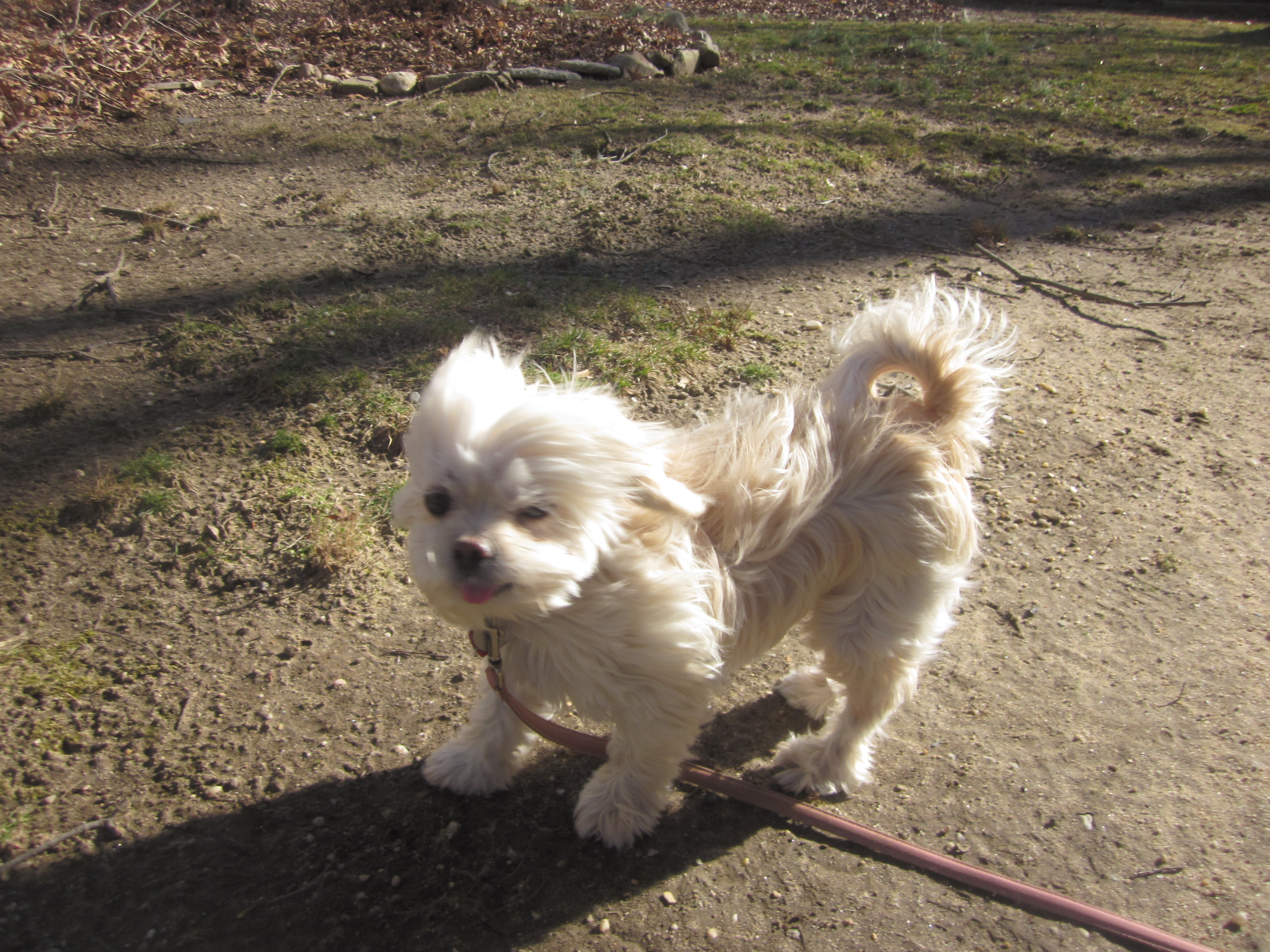
Butterfly in the wind!

” I am a butterfly!”

A Post About Turning Forty


A woman at my synagogue asked me the other day, out of the blue, how old I am, and before I could think I blurted out, “forty.” I had just turned forty three days earlier and it was on the tip of my tongue to say so. And then I got scared. The thing is, I do not look forty. This woman said I looked 20 or 25, and even if she was being nice, I really do look like I could be thirty years old, and I’d rather people think I am younger, because my resume is really short for a forty year old.

We have a lot of expectations about what people will have done by certain ages, and, in an upper middle class, Jewish community on Long Island, these expectations can be unbearably high. Everyone’s kid is successful, and married, and has a nice apartment in the city, or a house in the suburbs. Everyone is very busy, and works out, and has a smart phone glued to their head. I don’t fit in, and I keep thinking, when they realize that I’m not just a ne’er do well thirty year old, but a ne’er do well forty year old, I’ll be kicked out.

In some ways, I feel all forty of those years weighing on me. Everything in my body hurts, and I need naps every day, and some days I feel closer to eighty than to forty. But emotionally, intellectually, I feel like I’m just getting started. There’s so much more that I want to learn and do. There are so many books left to write and left to read. There are so many people to meet and places to go.

I’ve written novels and short stories and essays and poems and drafts and drafts and endless drafts. I’ve taken classes in almost every kind of writing (except journalism, which terrifies me), and earned two masters degrees, and discovered that I will never run out of things to write, or things to learn. I’ve been with the same therapist for twenty years and have been diligent and hard working on every issue. I’m still not done, still not healed, but without all of this work I would be dead, so, thumbs up?

None of this is what I had planned, though. I planned to publish novels. I planned to be on talk shows, and teach writing classes, and meet the president, whoever she happens to be. I planned to drive carpool, and sing my children to sleep, and laugh with my husband every day.

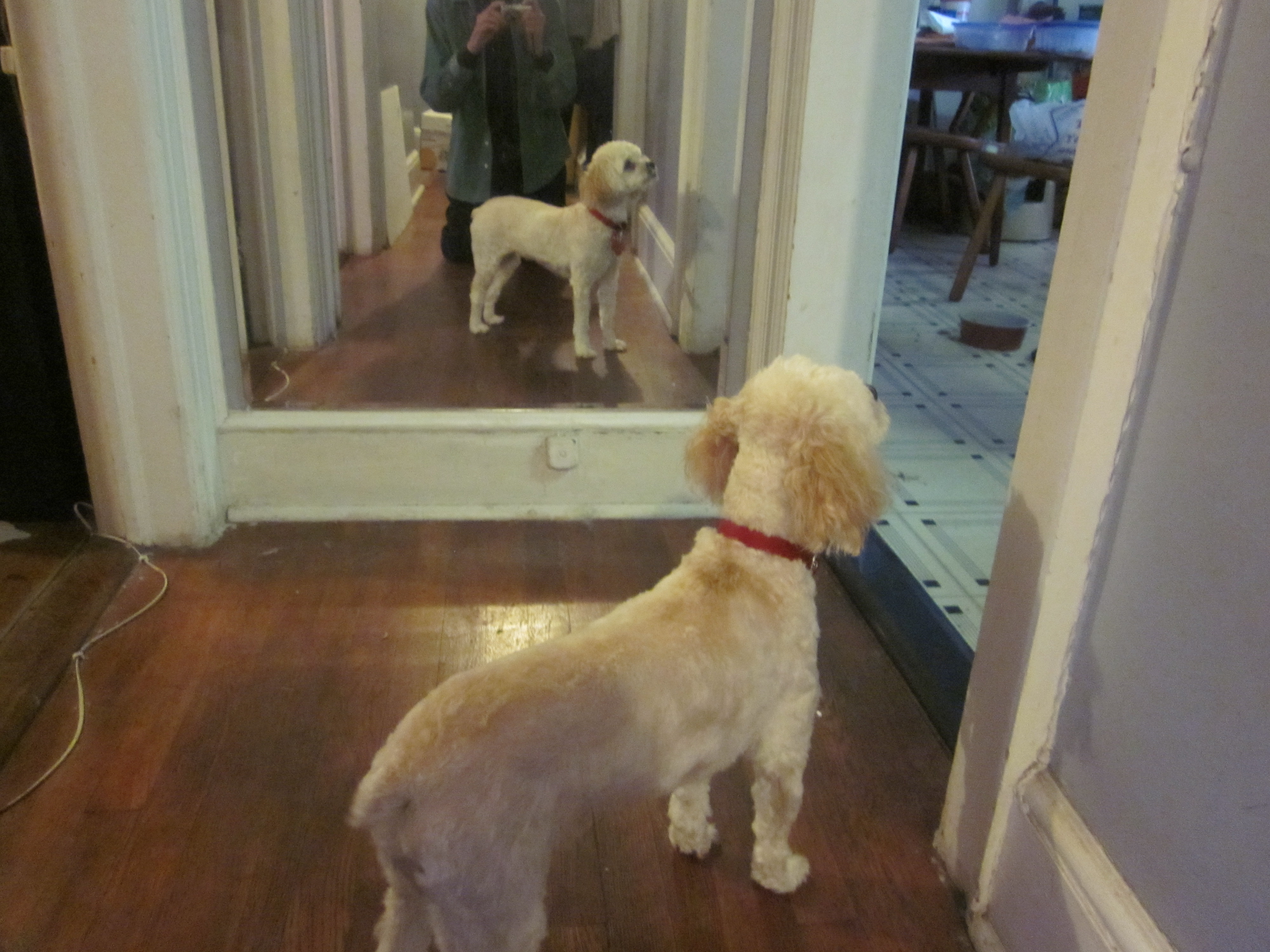
I don’t think Cricket and Butterfly are aware of their ages. Cricket doesn’t look at herself in the mirror and say, Damn, I look good for an eight year old. Butterfly isn’t pacing he floor, worrying that she hasn’t napped enough and time is running out. They don’t judge themselves. They may judge me, but not themselves.

"Hey, skinny dog in the mirror, help me bark for food!"

“Hey, skinny dog in the mirror, help me bark for food!”

Butterfly fits in naps whenever she can.

Butterfly fits in naps whenever she can.

I don’t think Cricket has any concept of getting older. Time passes, sure, but from her point of view, it’s everything outside of herself that’s changing, not something on the inside. She’s the stable center of the world. Just ask her. Butterfly, I think, has a bit more awareness of the changes she’s gone through over time. We celebrate her gotcha day, rather than her birthday, because we don’t know for sure when she was born. She has lumps and bumps on her skin, and diabetes, and a heart murmur to show for her ten years. She gets back spasms when she tries to follow Cricket on her running and jumping sprees. And maybe she can feel in her body how many more years she has left. She’s an intuitive little creature. But actual birthdays? She’s got to be thinking, why would anyone choose to have only one day a year to be celebrated when they could be celebrated every day?

Cricket is always looking for somewhere interesting to go.

Cricket is always looking for somewhere interesting to go.

And Butterfly does her stretches, so that she can keep up with her sister.

And Butterfly does her stretches, so that she can keep up with her sister.

As a child, I felt like I was drowning in failure, even though I did well in school. I couldn’t figure out how to have good friendships, or how to communicate well enough to teachers, or with my parents, to get my needs met. I felt like there was a whole other language that I was supposed to have mastered, but no one was teaching it to me. As I’ve gotten older, I’ve come to realize that I have to make up that language myself, because most people are in the same boat, unable to articulate the things they most need to say.

Even now, the road forward is anything but clear, and will probably be too slow and take too long and inspire impatience in the people around me. I will hesitate and make mistakes and choose anything but the path they see as being outlined in neon lights, because I can’t see that path at all.

Dogs live much shorter lives than we do, and yet they feel less pressure to achieve great things, or so I assume, because I’ve never seen Cricket at the computer logging on to Kahn Academy. I wonder if, with fewer years to work with, we’d make better choices about how to live them.

For my birthday this year, I want to learn to live more like a dog, to judge myself on who I am first and what my resume says another time, or never. I want to wake up in the morning thinking about what I need, and who I love, and how lovely the snow looks on the pine trees, instead of worrying about all of the milestones I have yet to meet.

I think Cricket and Butterfly are prepared to help me with this.

"What's next?"

“What’s next?”


Self Pity, And The Benefits Thereof


We say that someone is “indulging” in self-pity, as if self-pity is as luxurious as a spa day, or a bowl of ice cream, which it just isn’t. People get stuck in self-pity the way you get stuck in a bear trap. It’s not fun. And it’s not a choice. Something in the brain mechanism gets clogged, and a stage that is supposed to be transitory and enlightening, bogs down.

My sense, with most people, is that the degree of stuckedness is directly related to the amount of noise in their head telling them that they are not allowed to feel self-pity. It’s the conflict between the pain, and the resistance to feeling and expressing the pain, that gets us stuck. If you give yourself permission to acknowledge the hurt you feel, then you can begin to take good care of yourself, and place the blame where it belongs, and unravel the knots, and learn the hidden lessons in the experience, and get to a new place.

Dogs don’t judge themselves this way. They don’t beat themselves up for feeling what they feel. I think that’s a big part of why we love them, because they make us think it might be okay to have emotions and show them openly. Even when they emote vociferously, dogs actually move through an emotion more quickly than we do. They get over things much faster, because they don’t put it on a shelf for later, they feel it, and process it in the moment, and then they are done and move on to the next thing. Usually food.

Cricket is not shy about expressing herself.

Cricket is not shy about expressing herself.

Especially when she's grumpy.

Especially when she’s grumpy.

The benefit of dogs over children as teachers of this skill is that dogs don’t learn hopelessness as quickly as children do. They don’t take the hint. They keep barking. They keep licking themselves. They keep peeing on the carpet if we forget to take them outside. Children learn what we want from them too quickly. They see our disapproval and they adapt. The worst thing you can ever see is a baby who has learned not to cry. It’s not a sign that she is a “good baby” it’s a sign that she is shutting down.

Children automatically cry and scream and act out when they are in pain – physically or emotionally – and this alerts the adults around them that help is needed. This is how it is supposed to be. It is only when the adults in charge tell you to shut up that you learn not to send out the alarm.

As adults, we do our best to make our emotions manageable, often by cutting them off and shutting them away, and when someone else dares to emote in front of us, we get mad. Impatient. Enraged. How dare you make me feel that?!

When Cricket is mad, she barks, or grumps under the couch. When Butterfly is lonely, she pines. And they don’t feel bad about it. They don’t snap out of it just because I tell them to be happy. They get there when they are good and ready, or when it’s time for a W-A-L-K.

Butterfly lets me know when she's lonely.

Butterfly lets me know when she’s lonely.

And lets Cricket know too.

And lets Cricket know too.

The especially nice thing about my dogs is that when I am all wrapped up in self-pity, they don’t yell at me to stop, or try to distract me, they come over to snuggle next to me and give me kisses. They know that feeling sad is part of life, and that, at some point, the sadness will pass. And when that happens, they will be perfectly situated to remind me about that W-A-L-K.

They're waiting.

They’re waiting.

Listening Like A Dog


Cricket can be a very good listener. Even in a dead sleep, limbs flopping in midair, she can hear certain words (like: walk, chicken, go, out, and, of course, pee) and be up on her feet and stretching within half a second.

Don't be fooled. Cricket can hear everything!

Don’t be fooled. Cricket can hear everything!

She listens to the sounds of her people sleeping, and shifting, to determine when the waking up drama is about to take place, so she can mark it with screeching and scratching and growling and jumping. She listens to the outdoor sounds, to make sure terrorists are not hiding in plain sight, pretending to be birds or squirrels. She often listens by sniffing, hearing the story of her sister’s visit to the vet by smelling her ears, armpits, and, of course, her butt.

This is Butterfly sniffing Cricket, but you get the idea.

This is Butterfly sniffing Cricket, but you get the idea.

Listening like a dog means actively looking for the information someone wants to give you. It’s not about being nice, or friendly, or polite; it’s about tying an imaginary thread between you and the talker and letting them feel the tug each time you understand what they’ve said.

Butterfly even listens with her tongue!

Butterfly even listens with her tongue!

My rabbi went to Israel this summer with a group of other liberal rabbis, and they spent a week with different groups of Israelis and Israeli Arabs, and at the end of the trip they spent three days in Jerusalem, hearing from Palestinians from East Jerusalem, during the height of the Gaza war. These speakers had to spend hours travelling, because of the heightened security measures, but they felt it was important enough to come and tell their personal stories to this group of American Jews. The rule was that the listeners had to wait until the end of the presentation to speak, and even then, only speak in the form of a question, to try to understand better where the speaker was coming from, rather than to argue with them.

That way, even if you hear something early on that’s provocative, or that you think is untrue, or unfair, you don’t interrupt. You keep listening, in case there’s something for you to learn. And isn’t there always something to learn? Maybe you learn why the other person believes as they do, or why they are willing to go through the difficult journey just to speak to you. There can be a moment of understanding, and compassion, and even progress, through dialogue. Not total agreement by any means, but maybe one or two points of connection will come through.

It is taking me forever to learn how to listen when listening is difficult. Patience was never my strong suit. And to be fair to me, people keep saying the craziest things and I feel like it is my job to set things straight so that the world won’t tilt out of control.

Cricket is listening, but she doesn't like what she's hearing.

Cricket is listening, but she doesn’t like what she’s hearing.

Butterfly is a much better listener than I am. She very rarely takes offense. She listens to her sister’s diatribes with curiosity and patience. She even sniffs an ear to see if there’s more to find out. She uses a tactic I’d call whole body listening. You can see her ears lift and rotate, and her nose twitch, as she focuses her gaze on you. But even more, you can feel her listening, feel the heat of her body leaning against you to see what mood you are in, or her tongue licking your palm to let you know that she’s paying attention.

I can probably skip the licking part, but the rest of her listening skills seem worthy of imitation. Now, if only I could get my ears to lift up and rotate the way hers do…

Look at those ears!

Look at those ears!

Floracide, or Killing Your Dahlias


My mom takes her gardening so seriously that when the dahlia specialist in the next plot over from her at the community garden started killing off his less than perfect dahlias, she felt like he was killing living things, like small animals, maybe fish. She didn’t fall on the floor crying, or run at him with a gardening fork, which she would have done if he was slicing off the heads of small puppies instead of flowers, but she did feel the flower deaths in her gut, like a punch.

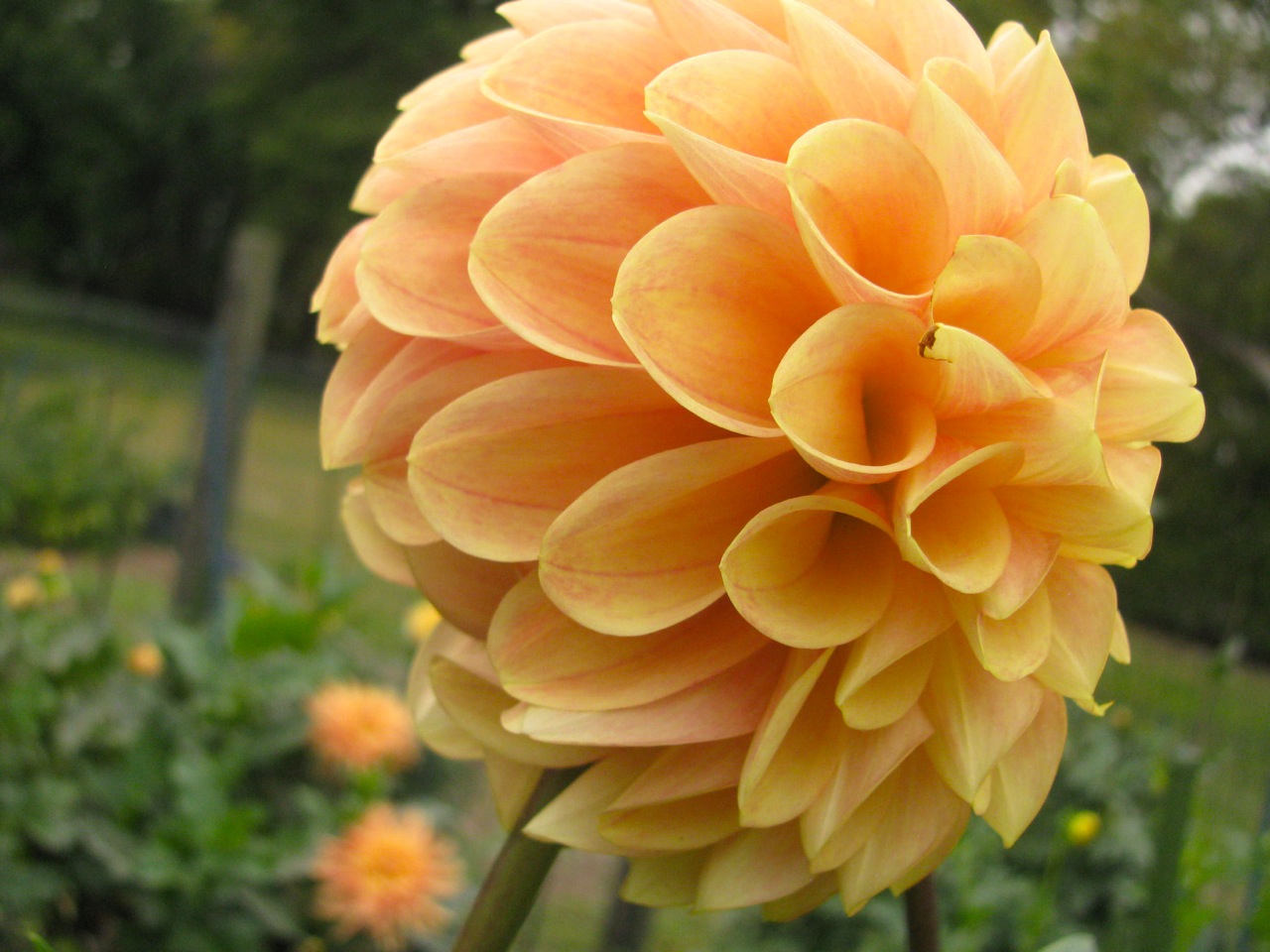
An imperfect Dahlia, on the chopping block.

An imperfect Dahlia, on the chopping block.

A bucket of imperfect Dahlias, saved, for the moment.

A bucket of imperfect Dahlias, saved from the compost pile.

This dahlia man clearly believes in killing off anything that is not competition worthy or perfect, even if it is beautiful. And my mom would prefer to keep everything, no matter how imperfect, even if the whole becomes chaotic as a result. I don’t know where I fall on this spectrum.

I’ve recently discovered dead heading. When the marigolds in our home garden were still flourishing, Mom told me to pluck off the dead and dying flowers, to make it possible for more to grow. There’s a satisfying snap to the decapitation of these flowers – like snapping off the end of a piece of asparagus. I was in danger of snapping off the heads of healthy flowers, just to feel the satisfaction of it, when there were no more dead ones left. I can get a little bit carried away. I was saved from becoming a flower killer by the overnight frost that knocked all of the flowers out in one shot.

The Marigolds, before the frost.

The Marigolds, before the frost.

Snapping the head off of this one would be bad, right?

Snapping the head off of this one would be bad, right?

There’s a piece of writing advice that’s often quoted, that you have to be willing to “kill your darlings” in order to make the whole piece of writing work. You shouldn’t hold on so tightly to the perfect sentence, or the scene you love, or the character who inspired you to write the book, if the book would work better without it. But I’m not sure. Sometimes, if you remove the thing you love most, the whole thing falls apart. I’ve been known to keep the one line I love in a piece, and trash the rest, because the heart of the thing is the most important part.

Cricket has been known to kill flowers. She doesn’t mean to, any more than she means to harm a cat or squirrel who runs past her. She wants to catch it and subdue it and then play with it. With plants, she wants to dig them up, and chew on them, and toss them in the air, and run after them. She likes their taste of green and dirt and bugs. She likes their crunch, and the different textures on her tongue. She plays with cherry tomatoes the way I used to play with a tiny bouncing ball from the treasure chest in the dentist’s office.

"Play with me, green thing!"

“Play with me, green thing!”

"Mine!"

“Leaf is mine!”

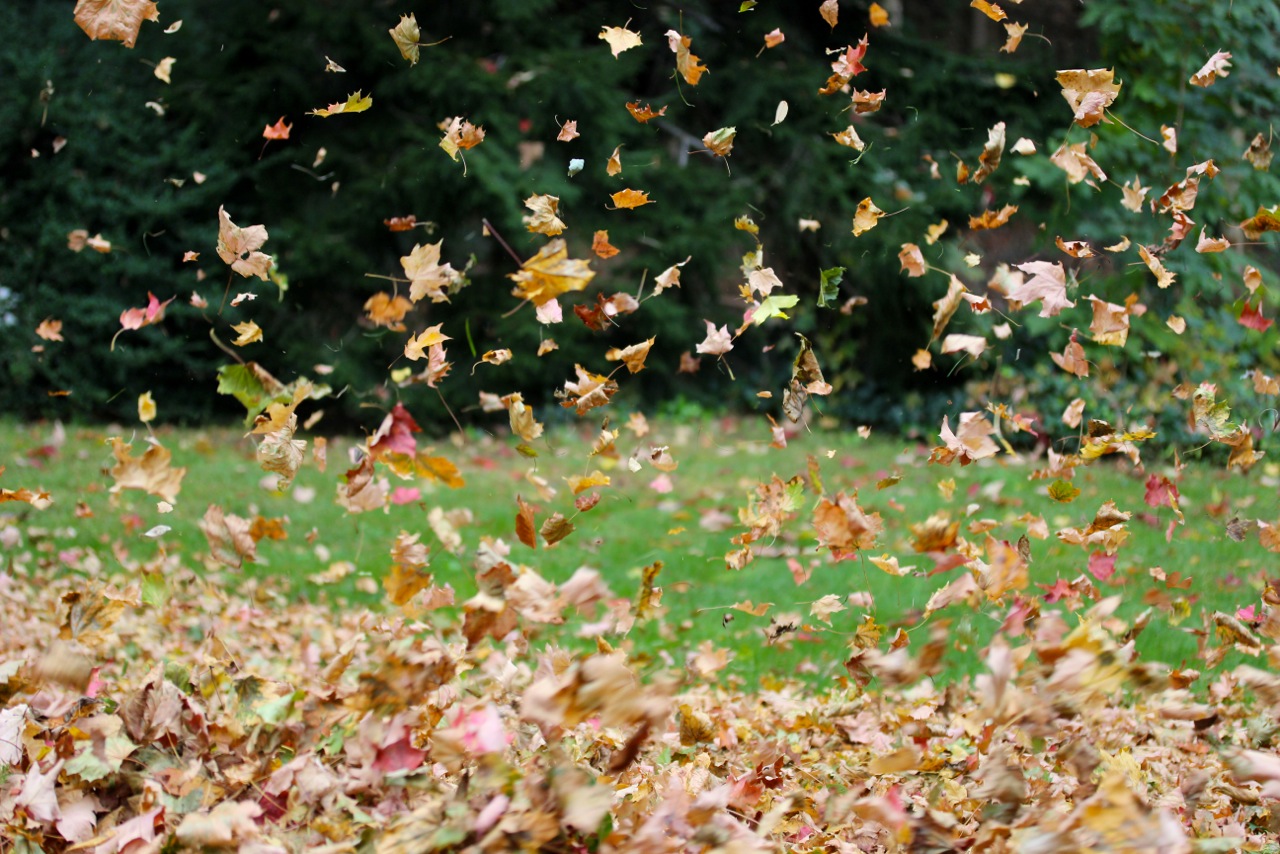
There’s something to be said for letting nature decide which plants to support and which ones to kill off, if only because the feeling of responsibility, and guilt, is too much for me. Winter is the natural death of the growing season. We grieve the loss, but we don’t feel guilty or responsible. The leaf storms at the end of the growing season are like a celebration, a wake for the leaves and flowers, with the dead and dying coming out to dance one last time.

The leaves are dancing!

The leaves are dancing!