Tag Archives: Hebrew

Little Miss Someone Came Home

            She doesn’t love me, yet. I remember this feeling from when Ellie first came home, worried that she would never love me and I would never love her. I’m also having flashbacks to the night Ellie died, when she was struggling to breathe and asked to be put down on the floor, and so I did as she asked, and the next time I saw her she was dead. I worry that the new baby could be sick in some unforeseen way, and that I will wake up in the morning to find her dead. In a way, I think I’m feeling the parts of the grief I couldn’t stand feeling before. It’s not really a coincidence, but more of a blessing, that “someone” arrived a few days before the year anniversary (the Yahrzeit) of Ellie’s death.

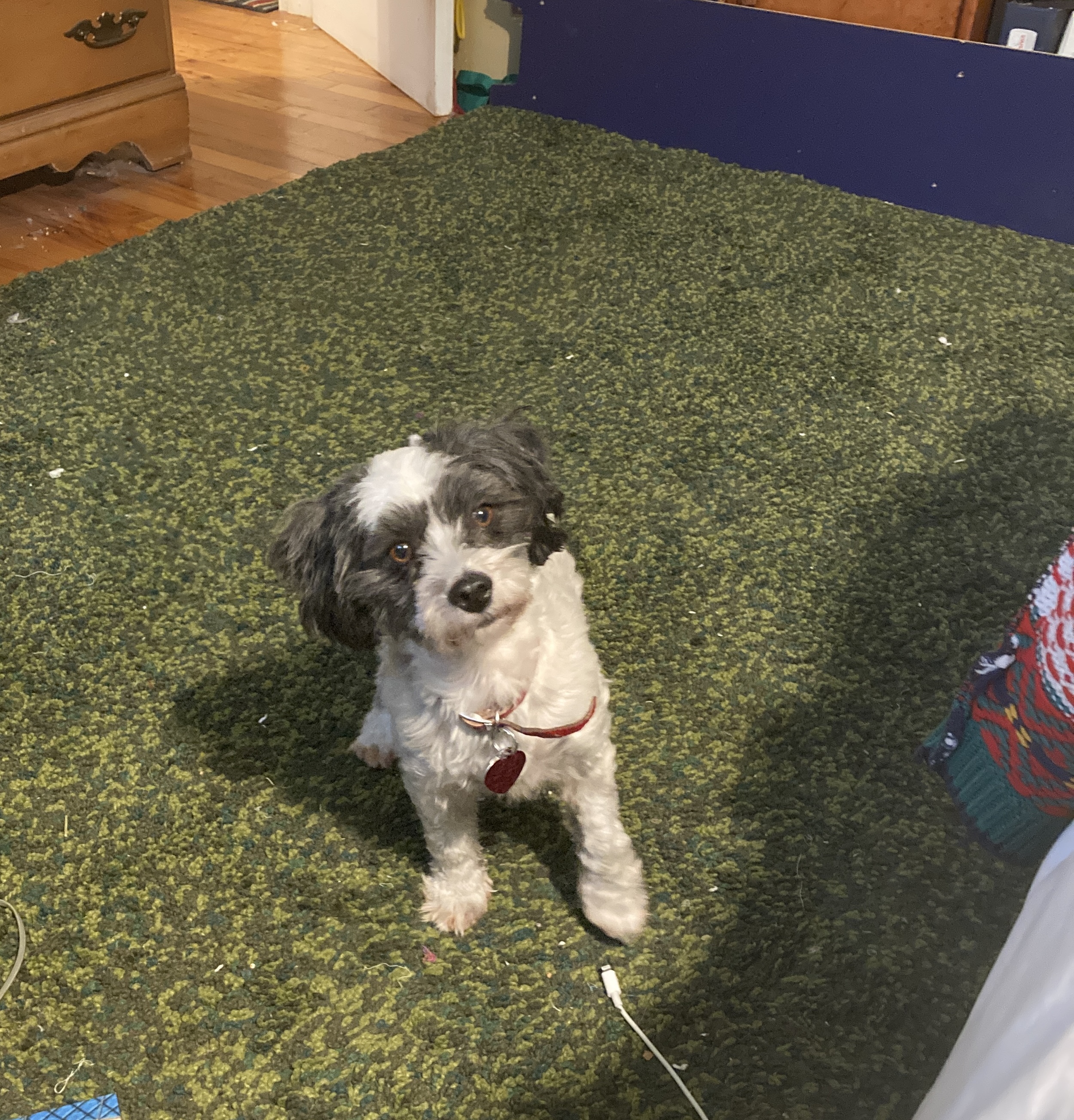
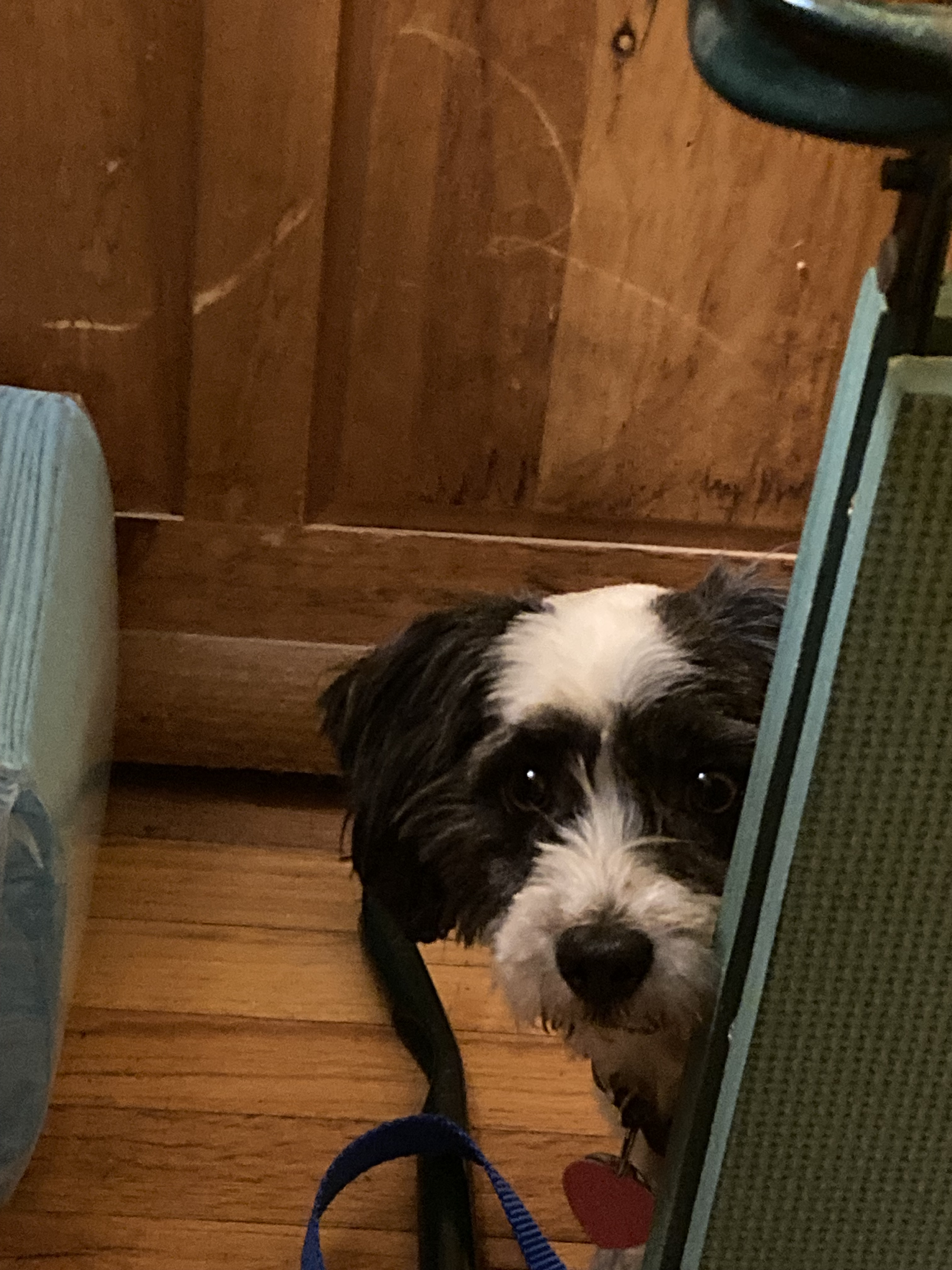
            “Someone” is a four-year-old Havanese, former breeding mama, just like Ellie, though with her black and white coloring, she doesn’t remind me of Ellie too much, thank God. She hasn’t barked at all yet, and for the first few days the only thing I could see in her eyes was fear. But as time has passed, I’ve seen more and more curiosity. She’s eating well, and pooping in all the wrong places, but they are healthy poops. She spends most of her time sleeping, as if she is beyond exhausted and needs to fill up a tank that has never really been filled before.

            Two weeks before we adopted her, she was driven up from a puppy mill in Missouri that had decided to “retire” a bunch of mamma dogs (I assume all of the puppies had already been sold). Mom had been calling the shelter (North Shore Animal League America, of Late Show with Stephen Colbert fame) for months, and then daily since news of the rescue of the little dogs. On the Tuesday before Thanksgiving, Mom was told that the dogs wouldn’t be ready for adoption until after Thanksgiving, but by Wednesday, adoption day was scheduled for Friday morning at ten (technically after Thanksgiving, but just barely). My brother and one of my nephews came along with us, because it was the only time they could come for a Thanksgiving visit, and because, you know, dogs. We weren’t the first ones online, but we weren’t the last either. For our entertainment, or just because, the shelter workers kept walking past the line of potential adopters with different dogs, including two Shiba Inu puppies who seemed to be dancing and doing a comedy act. At some point, one of the shelter workers came out to tell us to make two lines, one for dogs and one for cats, and no one moved. We were clearly all there waiting for the small dogs, and I was convinced that there would be no dogs left by the time we got inside.

            But thankfully, I was wrong.

            The way the shelter is set up, you have to walk through the long hallway of big dogs in order to get to the small dogs, in the hopes that someone will fall in love along the way and forget that they live in an apartment. 

When we got to the small dog room, the first dog I noticed was a ten-year-old miniature poodle who was standing on her back legs and demanding attention from everyone who walked by. The dogs were kept in little glass-fronted apartments, with description cards on each door describing the dog or dogs inside: age, breed, gender, health issues, and any specifications (good with kids, needs to be with other dogs, needs to be an only dog, etc.). There were already a bunch of adorable little dogs being held by various humans, seemingly claimed. Then we saw the two Shiba Inu puppies, playing and laughing together, and my nephew said he’d want one of them, if only he wasn’t still living in a college dorm. The two five-month-old Shiba Inu brothers were the exception, though, because most of the dogs were former breeding mamas, from age four to age twelve (I can’t even fathom why a puppy mill still had a twelve-year-old breeding dog). I felt dizzy and overwhelmed by the noise and chaos, but then I saw a six-year-old apricot and white miniature poodle, who looked way too much like Cricket for my comfort, and just behind her, in the same little apartment, was a black and white Havanese. The card said she was four years old and that her name was “Bandita.” Both of the dogs were sleeping, but I asked to see “Bandita” anyway.

            The reason for her name became clear right away, with her raccoon-like eye markings, and she looked terrified, but as soon as she was in my arms I was not willing to give her back. I was still curious about the other dogs in the room, of course, and started wondering if I could adopt two or three dogs at once, or if that would be selfish, given all of the other people still waiting in line. It took me just a minute or two to get the volunteer’s attention and tell her that we had chosen our new dog.

            And then came the paperwork. They had to take “Bandita” from me and put her in another room, so she wouldn’t be claimed by anyone else, and then we waited on line and were given a three-page form to fill out in pencil, and then we waited on line again to review it all with one of the shelter workers, in pen. They needed names and phone numbers for three references, and our vet, and the manager of the co-op where we live. They also wanted information about our previous dogs: health, training habits, living conditions, etc. The shelter worker passed over the fenced-in yard requirement quickly, thank God, and told us that at four years old, “Bandita” qualified for the same senior to senior program under which we’d adopted Butterfly ten years earlier, which meant that the already low adoption fee would be reduced again, down to $25, and any health care provided by the clinic at the shelter would be subsidized. And then we were sent away while they checked through all of our information, in order to decide if we were qualified to adopt a puppy mill survivor.

Miss Butterfly

            We sat at home for two hours waiting for the phone call, trying to distract ourselves, worried they’d find a reason to deny the adoption. In the meantime, I started thinking about names. I had promised myself I would give our next dog a Hebrew name, and my first thought was Tikvah, which means “hope.” But I was worried that calling her “hope” would put too much weight on her tiny shoulders, so I started researching Hebrew girl names: Aviva (spring), Ilana (young tree), Tzipporah (bird), Shir (song or poem), Yaffa (beautiful), Yofi (beauty), Dvash (honey), Rina (singing and joy), Osher (happiness), Adina (gentle), Dafna, Dahlia, Tiferet, Hadassah, and on and on.

            When we finally got the call that “Bandita” was ours, I was thrilled! I didn’t expect to be so happy. I thought I would only feel relieved, or even trepidatious, but I was giddy. It was puppy time!!!

            When we got back to the shelter, all of the parking spots within six blocks were taken by other potential adopters, so I dropped Mom at the front door and drove up the hill to find a spot on a side street.

            While I was parking, Mom signed us up for pet insurance that would cover 80% of her health care, no matter where we chose to take her, and by the time I arrived it was time to read and sign a ton more paperwork, and visit with the vet tech to make sure we understood her health situation (spayed, still has a small scar, had a dental and would need one every year, would need two more vaccinations in two weeks), and then we were loaded up with gifts from the shelter’s corporate sponsors (a Swiffer wet jet, a bag of Rachel Rae dog food, and a dog toy from Subaru and one from a coffee company I didn’t recognize).

            There was so much to carry that I left Mom with the baby, to take an adoption picture and buy some wet dog food, while I dragged all of the loot back to the car. Mom and puppy were waiting for me when I returned, and then they were safely ensconced next to the Swiffer box in the back seat, and we made our way home.

            The first person we met in the back yard at the co-op was Kevin, the mini-goldendoodle who loved (and was very much loved by) Cricket, and he was very enthusiastic about sniffing the new dog and telling her all the news. She was, of course, terrified, of him, and of the grass, and of the leash, and of me, but she made a point of sniffing Kevin’s butt anyway.

            As soon as we got into the apartment, I sat down on the couch, still wearing my winter jacket, and held her on my chest for the next few hours, afraid to move. When I finally put her down on the floor (because I really had to go to the bathroom), she ran for the smallest hiding spot she could find, which turned out to be Mom’s garden kneeler, which was sitting on its side in a corner of the dining room. She peeked out from behind the bench of the kneeler and then curled up behind it, using it as a shield.

We’d thought we still had a pet gate in storage, and had planned to put her and her food and bed and wee wee pad in the kitchen, but without the pet gate we couldn’t reinforce the boundary, so even though she started her first night in her bed in the kitchen, she quickly found her way down the hall to a little round rug on Grandma’s bedroom floor, where she spent the rest of the first night.

Without the pet gate, trying to explain to her where to pee and poop has been difficult (or impossible), but she’s been making progress anyway. We take her outside a few times a day, even though she has no idea what to do out there and just sits on the grass, waiting to be picked up and brought back inside.

By Sunday morning, we’d narrowed the name choices down to Tzipporah, Tikvah and Shir (or Shira or Shiri), but I still couldn’t quite figure out who she was, and I was afraid of getting her name wrong, forever and ever amen.

            By Monday afternoon, she wasn’t shaking anymore, though she was still skittish when the humans came too close. Pretty quickly, she found the two dog beds, filled with Cricket and Ellie’s toys and blankets, and spent many hours making herself cozy in the midst of her sisters’ smells. We set up a cushion and blanket for her in my room., so she could feel safe and welcome there too, and she was beginning to venture further into the corners of the apartment, examining all of the smells and sounds and textures of her new world. She was starting to stretch out and try different sleeping spots and positions, instead of always being curled in a ball on the round rug in Mom’s room. She even started to look at us, and to continue eating while we were in the room. By then, I had narrowed the choices to Tikvah and Tzipporah. I was leaning more towards Tzipporah (bird), because the sound of it seemed to fit her, and because I could already see her yearning to fly. But I was still holding onto the idea of “hope,” for myself, and wasn’t quite ready to let it go.

            By midweek, when we lit the (vanilla scented) candle for Ellie’s Yahrzeit, and sat with that grief again, something had shifted inside of me and I decided that I was ready to let go of my expectations, and hopes, and “someone” finally became Tzipporah (Tzippy for short).      

Ellie’s Yahrzeit

Her fears are still prominent. She had an encounter with the vacuum cleaner the other day, a previously unknown evil, that sent her back to bed for half a day. She refused to crawl out from under her blankets for anything, even dinner. But we can already see a glimmer of her adventurous spirit hidden underneath the fear. Step by step, chicken treat by chicken treat, I hope that she will eventually decide that she was adopted by the right family, and she’ll discover that good things really are possible, especially love.

Tzipporah

If you haven’t had a chance yet, please check out my novel, Yeshiva Girl, on Amazon. And if you feel called to write a review of the book, on Amazon, or anywhere else, I’d be honored.

            Yeshiva Girl is about a Jewish teenager on Long Island, named Isabel, though her father calls her Jezebel. Her father has been accused of inappropriate sexual behavior with one of his students, which he denies, but Izzy implicitly believes it’s true. As a result of his problems, her father sends her to a co-ed Orthodox yeshiva for tenth grade, out of the blue, and Izzy and her mother can’t figure out how to prevent it. At Yeshiva, though, Izzy finds that religious people are much more complicated than she had expected. Some, like her father, may use religion as a place to hide, but others search for and find comfort, and community, and even enlightenment. The question is, what will Izzy find?

The Choir

In my head there is a large choir

full of cacophony

and also harmony, sometimes.

I have all kinds of voices in my choir,

from too high to too low,

from too loud to too quiet,

from chaotic to orderly,

and everything in between.

I’m still not used to singing with my choir.

I don’t know how to train it

or coordinate it

or control it the way it needs.

There is no one conductor.

There is no one composer.

And there is no silence.

But there are moments

that sound beautiful to me.

And there are notes that I am happy to hear,

even just once in my life.

Maybe one day,

soon or in the future,

my choir will be able to create the beauty

and the complexity

and the hope

that lives in my imagination.

That is my prayer.

המקהלה

בָּרֹאשׁ שֶׁלִי יֵשׁ מַקְהֵלָה

מְלֵאָה בְּקָקוֹפוֹנִיָה

וְגָם הַרמוֹנִיָה, לִפְעָמִים.

יֵשׁ לִי כֹּל מִינֵי קוֹלוֹת בָּמַקְהֵלָה שֶׁלִי,

מְגבוֹהוֹת מִדַי לְנְמוּכוֹת מִדַי,

מְחָזָק מִדַי עַד שָׁקֶט מִדַי,

מְכֵּאוֹטִי לְמְסוּדָר,

וְכֹּל מָה שְׁבֵּינֵיהֶם.

עוֹד לֹא הִתרָגָלתִי לָשִׁיר עִם הָמַקְהֵלָה שֶׁלִי.

אַנִי לֹא יוֹדַעַת אֵיך לְהִתאָמֵן אוֹתָה

אוֹ לְתָאֵם אוֹתָה

אוֹ לִשׁלוֹט בָּה כּמוֹ שְׁצָרִיך.

אֵין מְנָצָחָת אָחַת.

אֵין מָלחִינָה אָחָת.

וְאֵין שֶׁקֶט.

אָבָל יֵשׁ רְגָעִים

שְׁנִשׁמָעִים לִי יָפִים.

וְיֵשׁ צלִילִים שְׁטוֹבִים לִי לִשׁמוֹעַ,

אָפִילוּ רָק פָּעָם בָּחַיִים.

אוּלַי יוֹם אֶחָד,

בְּקָרוֹב אוֹ בָּעָתִיד,

הָמָקהֵלָה שֶׁלִי תוּכָל לִיצוֹר אֶת הָיוֹפִי

וְהָמוּרכַּבוּת

וְהָתִקוָוה

שְׁחַי עָכשַׁיו רָק בָּדִמיוֹן שֶׁלִי.

זוֹ הָתפִילָה שֶׁלִי.

If you haven’t had a chance yet, please check out my novel, Yeshiva Girl, on Amazon. And if you feel called to write a review of the book, on Amazon, or anywhere else, I’d be honored.

Yeshiva Girl is about a Jewish teenager on Long Island, named Isabel, though her father calls her Jezebel. Her father has been accused of inappropriate sexual behavior with one of his students, which he denies, but Izzy implicitly believes it’s true. As a result of his problems, her father sends her to a co-ed Orthodox yeshiva for tenth grade, out of the blue, and Izzy and her mother can’t figure out how to prevent it. At Yeshiva, though, Izzy finds that religious people are much more complicated than she had expected. Some, like her father, may use religion as a place to hide, but others search for and find comfort, and community, and even enlightenment. The question is, what will Izzy find?
Dominos

Everything seems like a game of dominos to me.

One mistake leads to another,

and mistakes lead to intentional responses,

and one thing causes another and another,

but when we see the dominos fall

we can never remember the domino that started it all,

and that it was a mistake,

and that there were many choices throughout this process.

We only remember the last thing,

the crisis,

the violence,

or even the death,

and we are sure we know who is to blame,

the only one,

who is responsible for all of it.

No one believes it starts with them.

And no one wants to be

the only domino to fall.

When all the damage is done,

and the accidents are forgotten

and the responsibility is assigned

and the punishment given,

the story ends.

But only until the story begins again.

דוֹמִינוֹס

הָכֹּל נִראָה לִי כְּמוֹ מִשׂחָק דוֹמִינוֹס.

טָעוּת אַחַת מוֹבִילָה לְאַחֶרֶת

וְטָעוּיוֹת מוֹבִילוֹת לְתגוּבוֹת מְכָוָונוֹת,

וְדָבָר אֶחָד גוֹרֵם לְאַחֵר וְאַחֵר.

אַבַל, כְּשְׁאַנָחנוּ רוֹאִים אֶת הָדוֹמִינוֹס נוֹפלִים

אָנַחנוּ אָף פָּעַם לֹא זוֹכרִים אֶת הָדומִינוֹ שְׁהִתחִיל אֶת הָכֹּל,

וְשְׁזֶה הָיָה טָעוּת,

וְשְׁיֵשׁ בָּתָהָלִיך הָזֶה הָרבֵּה בְּרֵירוֹת.

אַנָחנוּ רָק זוֹכרִים אֶת הָדָבָר הָאָחָרוֹן,

הָמָשְׁבֵּר,

הָאָלִימוּת,

אוֹ אָפִילוּ הָמָוֶות,

וְאַנָחנוּ בְּטוּחִים שְׁאַנָחנוּ יוֹדעִים מִי הָאָשָׁם,

הָיְחִיד,

שְׁיֵשׁ לוֹ אַחְרַיוּת עַל הָכֹּל.

אַף אֶחָד לֹא מָאָמִין שְׁזֶה הִתחִיל אִיתָם.

וְאַף אֶחָד לֹא רוֹצֶה לִהִיוֹת

הָדוֹמִינוֹ הָיְחִיד שְׁלִיפּוֹל.

כָּאָשֶׁר כֹּל הָנֶזֶק נָעַשֶׂה,

וְהָתְאוּנוֹת נִשׁכָּחוֹת

וְהָאַחרַיוּת מוֹקצִית

וְהָעוֹנֶשׁ נִיתֵן,

הָסִיפּוּר הִסתָיֵים.

אָבָל, רָק עַד שְׁהָסִיפּוֹר מָתחִיל מְחָדָשׁ.

If you haven’t had a chance yet, please check out my novel, Yeshiva Girl, on Amazon. And if you feel called to write a review of the book, on Amazon, or anywhere else, I’d be honored.

            Yeshiva Girl is about a Jewish teenager on Long Island, named Isabel, though her father calls her Jezebel. Her father has been accused of inappropriate sexual behavior with one of his students, which he denies, but Izzy implicitly believes it’s true. As a result of his problems, her father sends her to a co-ed Orthodox yeshiva for tenth grade, out of the blue, and Izzy and her mother can’t figure out how to prevent it. At Yeshiva, though, Izzy finds that religious people are much more complicated than she had expected. Some, like her father, may use religion as a place to hide, but others search for and find comfort, and community, and even enlightenment. The question is, what will Izzy find?

The Basement

In the basement

In the green house

There were all kinds of tools.

My father collected them.

He taught Industrial Arts to teenagers,

And he loved to build things,

And fix things,

And take things apart,

With his own hands.

Sometimes,

We would go down to the basement to visit our father

On the steep staircase,

Stairs that always creaked.

It seemed like the stairs were warning of something.

The smell in the basement was, in large part, sawdust.

There was sawdust in every corner, and in the air.

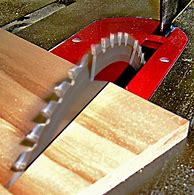
The table saw was in the middle of the room,

And the jigsaw,

And all of the handsaws in a line hanging from the ceiling.

The floor of the basement was made of concrete

And the walls were painted grey

And it all looked like a bomb shelter.

There were metal exit doors parallel to the floor

At the end of a set of additional steps

And I always thought that these doors were there to let us out

After the dust settled, after the end of the world.

There was a darkroom in the basement, to develop photos,

In black and white and color.

I didn’t like the red light in the darkroom,

Even more so the darkness itself.

And there was a corner of the basement for making bullets

With gun powder and casings.

My father had more than one gun.

Everywhere, my father had Philips head screwdrivers and

Flat head screwdrivers and wrenches and drills in every size.

He had a wood lathe and a metal lathe

And hammers and nails and an anvil screwed to the floor.

There was also a ceramics kiln and a jewelry kiln.

There were clay molds

And a printing press that had to be used carefully,

One letter at a time.

There were all kinds of things in my father’s basement,

Loud noises

And smells that burned the inside of my nose,

Smells like turpentine and sawdust and metal,

And maybe blood, or maybe that was just in my imagination.

not my pictures, but very familiar

בָּמָרתֵף

בָּבַּיִת הָיָרוֹק

הָיוּ כֹּל מִינֵי כְּלֵי עָבוֹדָה.

אָבָּא שֶׁלִי אָסָף אוֹתָם.

הוּא לִימֵד אָמַנוּיוֹת תָעָשִׂייתִיוֹת לְבּנֵי נוֹעָר,

וְהוּא אָהָב לִבנוֹת דְבָרִים,

וְלְתָקֵן דְבָרִים,

וְלְפָרֵק דְבָרִים,

עִם הָיָדַיִים שֶׁלוֹ.

לִפְעָמִים

יָרָדנוּ לָמָרתֵף לְבָקֵר אֶת אָבָּא

בְּמָדרֵגוֹת הָתלוּלוֹת,

מָדרֵגוֹת שְׁכֹּל פָּעַם חָרקוּ.

נִרְאָה שְׁהָמָדרֵגוֹת הִזהִירוּ מִמָשְׁהוּ.

הָרֵיחַ בָּמָרתֵף הָיָה, בְּגָדוֹל, נָסוֹרֶת.

הָייתָה נְסוֹרֶת בְּכֹּל פִּינָה, וְבָּאָוִויר.

הָמָסוֹר שׁוּלחָן הָיָה בְּאֶמצַע הָחֶדֶר,

וְהָמָסוֹר פָּאזֶל,

וְכֹּל מסוֹרֵי הָיָדנַיִים בְּשׁוּרָה וְתָלוּי מְהָתִקרָה.

הָרִצפָּה שֶׁל הָמָרתֵף הָייתָה עָשׂוּיָה מִמֶלֶט

וְהָקִירוֹת נִצבְּעוּ בְּאָפוֹר,

וְהָכֹּל נִראָה כּמוֹ מִקלָט.

הָיוּ דלָתוֹת יְצִיאָה מִמָתֶכֶת מָקבִילִם לָרִצפָּה

בְּסוֹף סֶט מָדרֵגוֹת נוֹסָף

וְכֹּל הָזמָן חָשָׁבתִי שְׁהָדלָתוֹת הָאֵלֶה הָיוּ שָׁם לְשָׁחרֵר אוֹתָנוּ

אַחָרֵי שְׁהָאַבָק שָׁקָע, אָחַרֵי סוֹף הָעוֹלָם.

הָיָה חֶדֶר חוֹשֶׁך בָּמָרתֵף, לִפִיתוֹחַ תְמוּנוֹת,

בְּשָׁחוֹר לָבָן וְגָם בְּצֶבָע.

לֹא אָהָבתִי אֶת הָאוֹר הָאָדוֹם בָּחָדָר הָחוֹשֶׁך,

עוֹד לֹא אֶת הָחוֹשֶׁך עָצמוֹ.

וְהָייתָה פִּינָה בָּמָרתֵף לְהָכָנָת כָדוּרִים

עִם אָבָקָת רוֹבָה וְתָרמִילִים.

הָיוּ לְאָבָּא יוֹתֵר מְאֶקדַח אֶחָד.

בּכֹל מָקוֹם, הָיוּ לְאָבָּא מִבגָרִים בְּרֹאשׁ פִילִפּס וְבְּרֹאשׁ שָׁטוּחַ

וְמִפתַחֵי בָּרגִים וְמָקדָחִים בְּכֹּל מִידָה.

הָיָה לוֹ מְחַרטֵת עֵץ וְמְחַרטֵת מַתֶכֶת,

וְפְּטִישִׁים וְמָסמָרִים וְסָדָן מוּברָג לָרִצפָּה.

גָם הָיָה כָּבשָׁן קָרָמִיקָה וְכָּבשָׁן תָכשִׁיטִים.

הָיוּ לוֹ תָבנִיוֹת חִמֵר

וְבֵית דְפוּס שְׁצרִיכִים לְהִשׁתָמֵשׁ בָּה בְּזְהִירוּת,

אוֹת אַחַת בְּכֹּל פָּעָם.

הָיוּ כֹּל מִינֵי דבָרִים בָּמָרתֵף שֶׁל אָבָּא,

רָעָשִׁים חָזָקִים

וְרֵיחוֹת שְׁצָרבּוּ אֶת הָחֵלֶק הָפְּנִימִי שֶׁל הָאָף שֶׁלִי,

רֵיחוֹת כְּמוֹ טֶרפַּנטִין וְנְסוֹרֶת וְמָתֶכֶת,

וְאוּלַי דָם, אוֹ אוּלַי זֶה הָיָה רַק בָּדִמיוֹן שֶׁלִי.

If you haven’t had a chance yet, please check out my novel, Yeshiva Girl, on Amazon. And if you feel called to write a review of the book, on Amazon, or anywhere else, I’d be honored.

            Yeshiva Girl is about a Jewish teenager on Long Island, named Isabel, though her father calls her Jezebel. Her father has been accused of inappropriate sexual behavior with one of his students, which he denies, but Izzy implicitly believes it’s true. As a result of his problems, her father sends her to a co-ed Orthodox yeshiva for tenth grade, out of the blue, and Izzy and her mother can’t figure out how to prevent it. At Yeshiva, though, Izzy finds that religious people are much more complicated than she had expected. Some, like her father, may use religion as a place to hide, but others search for and find comfort, and community, and even enlightenment. The question is, what will Izzy find?

Hebrew Practice Groups

            At our first professional development of the year, we were asked which sound most characterized our summer, and I realized that mine was laughter, because the laughter in my online Hebrew class this summer was constant, even when we were on mute and could only see each other’s laughing faces. We became a tight knit group, with our young Israeli teacher, able to cover all of the emotional ground that came our way, without ever getting too depressed, because we knew we would be laughing again soon.

            But actually, I spent even more time in Hebrew practice groups this summer than in the class itself, because I had the time and because I finally felt like I could handle the social anxiety that comes with meeting so many strangers and making mistakes in front of them. It was all under the safe canopy of the same online Hebrew language program as my class, but in the practice groups I was meeting dozens of people from different Hebrew levels, and time zones, and ages and cultures.

            There are so many strange topics for discussion in the practice groups. Of course there are the standards: favorite food, favorite movie, what would you bring to a desert island. But then they start to get creative: what’s the weirdest food you’ve ever eaten (Ptcha – calf’s foot jelly); how would you solve global warming? (teach everyone how to fly: Laoof, like a bird, instead of Latoos, on a plane); how many languages can you speak (this one gets very competitive, and more than a few people have tried to count Spanish because they know how to say “Hola.”)

“I can teach you how to fly, if you want.”

            But we are always free to talk about something else in the breakout rooms, as long as we say it in Hebrew, so I’ve had long conversations about my dogs, or teaching, or growing up Jewish on Long Island. And if we’re pretty sure the teacher isn’t about to pop into the breakout room, we can discuss our favorite and least favorite teachers. You’d be amazed how diligently we can stick to Hebrew in the midst of a good gossip session. Because, you know, we’re studying here. We take it very seriously.

            The way the teachers lurk in the breakout rooms is always a topic of conversation. First of all, because they just appear and disappear without warning, like spies. But also, they keep their cameras off, as if we’re supposed to pretend they’re not really there. So, if I make a point of saying hello to the other students in the breakout room and don’t specifically say hello to the teacher, a disembodied voice might say, “Whatever, I’m not here, just ignore me,” which means, Hey, how dare you ignore me!

            Sometimes we’ll talk directly to the teacher – or to the box on the screen with the school logo on it – and ask for the Hebrew word for this or that, and the teacher will pop up on screen to answer “in person.” One time, a friend of mine asked her question, got her answer, and then said, “okay, you can go back into your little box now.”

            We get to meet a lot of teachers in the practice groups and see what their styles are – how they do corrections, how rigidly (or not) they follow their lesson plans, whether or not they have a sense of humor – and I’ve been able to get a much better idea of what works for me and what doesn’t, so that when a teacher’s style starts to get on my nerves, or leaves me feeling stupid, I’m less likely to assume it’s my fault (but only a little less likely).

            Our young Israeli teachers have also introduced us to something called pitzuchim – which literally translates to cracking nuts or seeds, but is used in Hebrew to refer to the way Israelis are always trying to figure out where they might know each other from (among American Jews this is called Jewish geography). It turns out that a lot of the teachers and students in the program have connections, through second cousins or long lost neighbors or who knows what else. So far, though, I have cracked no nuts or seeds on these zooms, which is kind of disappointing. Getting to Israel would be so much easier if I discovered a long lost wealthy relative with an empty apartment by the beach.

(Not my picture)

            This time spent in breakout rooms used to be the most stressful part of practice groups for me, and the reason why I avoided them so assiduously for years, but now, after the first few twinges of anxiety, I’ve come to really enjoy hearing everyone’s stories, and I’m less self-conscious about my broken Hebrew (though I still feel grumpy each time I make a mistake, which happens often).

            The most stressful part for me now is when we have to translate sentences from English to Hebrew, often using words I haven’t practiced recently (because I’m visiting practice groups at different levels from my own); but I’m getting used to laughing at my mistakes, and I’ve noticed that when I screw up, and laugh at myself, other people start to relax about their own mistakes. It’s almost like I’m doing a service.

            In some of the practice groups, after we go over some grammar from previous levels, we’ll read short articles together, or even just headlines, from online Hebrew language newspapers – often about food or travel or popular culture, so we can learn words we wouldn’t come across in class, like how to say “laundering money” in Hebrew. The words that are hardest to read in these articles are often borrowed from other languages. So, more often than not, our Israeli teachers will start to giggle when we can’t figure out how to pronounce “Mexico,”when it’s written in Hebrew letters.   

One of the lowest stress exercises that we do in practice group – though I can make anything feel stressful without really trying – is when the teacher puts an article on the screen and instead of asking us to read, and, God forbid, translate it, we just have to find one word at a time. It reminds me of being in first grade or so and realizing that there were English words I could just recognize on the page, without needing to sound them out, because they had become so familiar to me just by their shape.

            As a result of all of this time in the practice groups, I sometimes hear myself speaking in Hebrew, without having planned what to say ahead of time; the words just come out of my mouth, and I kind of look around the room, wondering who said that.

            And, really, during a summer where, aside from Mom, most of my in-person human interactions were at supermarkets or doctors’ offices, these practice groups gave me the chance to meet and chat with and learn from dozens of real people, who are fascinating and funny and weird and challenging. It’s still strange to me how real a community can feel, even when it only exists online; but in a way, the boundaries created by the computer (of time, and purpose, and mute buttons) creates a sense of safety that allows me to say what I really mean more often. Now, if only I could translate those safe boundaries into the real world…

“Pfft. Who needs the real world?”

If you haven’t had a chance yet, please check out my novel, Yeshiva Girl, on Amazon. And if you feel called to write a review of the book, on Amazon, or anywhere else, I’d be honored.

            Yeshiva Girl is about a Jewish teenager on Long Island, named Isabel, though her father calls her Jezebel. Her father has been accused of inappropriate sexual behavior with one of his students, which he denies, but Izzy implicitly believes it’s true. As a result of his problems, her father sends her to a co-ed Orthodox yeshiva for tenth grade, out of the blue, and Izzy and her mother can’t figure out how to prevent it. At Yeshiva, though, Izzy finds that religious people are much more complicated than she had expected. Some, like her father, may use religion as a place to hide, but others search for and find comfort, and community, and even enlightenment. The question is, what will Izzy find?

The End of Summer

I’m not ready for the summer to end. I still have writing to do, and doctors’ appointments to go to, and lesson plans to revise. I still want to go to every online Hebrew practice group I possibly can, and see if more poems arrive (I have no idea what makes them bubble up, though there may be storks involved). I tried to get so much done this summer: rebuilding my exercise practice, working on nutrition, changing medications, taking continuing education social work classes, working on therapy, and writing, and Hebrew, and social skills, and on and on. But it’s not enough. I still don’t have a dog. The novel still isn’t finished. My health is still whatever it is. There are still tons of movies I want to see, and issues I wish I could resolve. I’m not ready to go back to work, and choir practice, and trying to find time for my writing in the spaces in between.

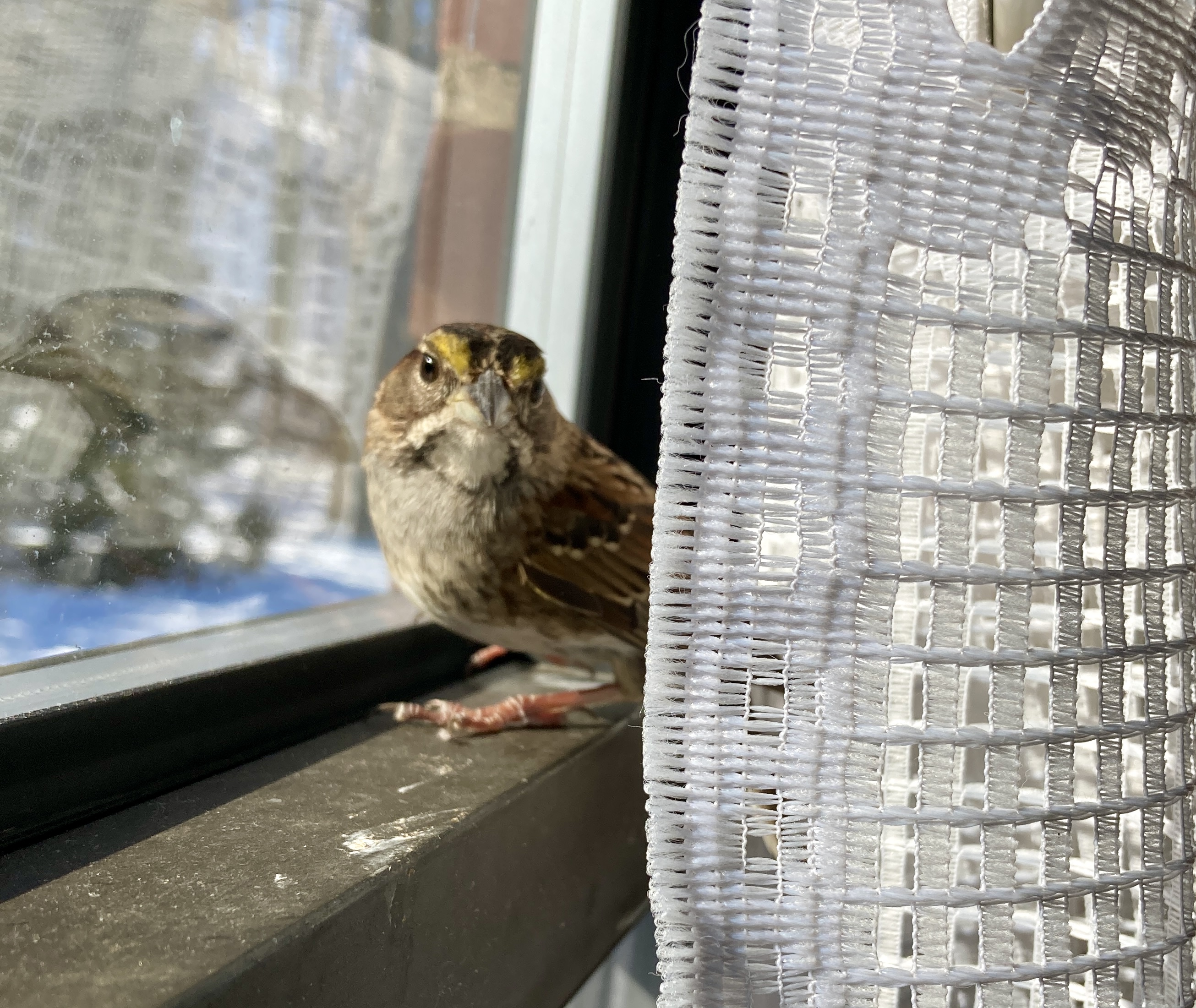
This is not my picture, but this is how I picture the poetry stork.

            I’m pretty sure I feel this way at the end of every summer, wishing for another month of “vacation” in order to get more of my work done, before the new school year can make me feel like I’m being tied to the back of a speeding train.

            I know I will enjoy getting back to the kids, and singing with the choir, but I also know that I will miss this feeling of open time, where I can do things at my own pace and give myself enough time to recover from one panic attack before embarking on the next one.

            Here’s hoping that all of the work I’ve done this summer will have shifted something inside of me, creating more space for my summer self to exist during the school year. Because I really want to feel more like myself all year, and not just for a few months at a time.

            Fingers crossed.

“Um, I don’t think I have fingers.”

If you haven’t had a chance yet, please check out my Young Adult novel, Yeshiva Girl, on Amazon. And if you feel called to write a review of the book, on Amazon, or anywhere else, I’d be honored.

            Yeshiva Girl is about a Jewish teenager on Long Island, named Isabel, though her father calls her Jezebel. Her father has been accused of inappropriate sexual behavior with one of his students, which he denies, but Izzy implicitly believes it’s true. As a result of his problems, her father sends her to a co-ed Orthodox yeshiva for tenth grade, out of the blue, and Izzy and her mother can’t figure out how to prevent it. At Yeshiva, though, Izzy finds that religious people are much more complicated than she had expected. Some, like her father, may use religion as a place to hide, but others search for and find comfort, and community, and even enlightenment. The question is, what will Izzy find?

Two More Poems

            I recently went to a zoom presentation on Modern Israeli poetry, and both the presentation and the poetry were down to earth and unpretentious and grounded in daily life in a way that made me think, hmm, maybe I am writing real poetry after all, and not just noodling around. I was even more encouraged to find out that, for poetry as opposed to for everything else, Israelis use the vowels under the letters (Nikud in Hebrew) to make sure each word is read correctly, and because it looks cool. The thing is, I grew up learning Hebrew with the vowels intact, and trying to get used to Israeli newspapers and blog posts and books, where there is no Nikud and you have to guess at the pronunciation of new words, has been breaking my brain.

            I gave up on writing poetry in English a long time ago, after a lot of rejection, mostly from classmates who thought I was crap at it. But writing poetry in Hebrew seems to bypass a lot of that noise in my head. I’m still self-conscious, of course, and I worry that I’m going to depress people, or that my Hebrew is less real Hebrew than my own invention. But whereas when I try to write poetry in English the words just drip drip like a leaky faucet, in Hebrew they come out with more force, as if they actually have something they want to say.

            I’m not sure if these two poems are finished. In fact, I’m pretty sure they’re not, despite many edits, but I wanted to reward myself a little bit for trying to write them at all, so I’m sharing them here. And then sharing links to some actual Israeli poetry, in English Translation.

הכאבים שלי

כּוֹאֶבֶת לִי הַבֶּטֶן.

אוּלַי זֶה נִגְרָם מְהַתרוּפוֹת

נֶגֶד הַחָרָדָה, נֶגֶד הַדִיכָּאוֹן,

נֶגֶד כֹּל הַכְּאֵבִים הַאַחֵרִים,

אוֹ אוּלַי זֶה נִגְרָם מְהַפָּסטָה שְׁאַכַלתִי בַּצַהַרַיִים.

כּוֹאֵב לִי הַגַב

כּאִילוּ מִישׁהוּ בַּעַט בִּי,

אַבַל אַנִי לֹא זוֹכֶרֶת אֶת הַמָכּוֹת,

אוֹ לָמָה מִישֶׁהוּ הָיָה רוֹצֶה לִפגוֹעַ בִּי.

כּוֹאַבוֹת לִי גַם הַכּתֵפַיִים וְהַמוֹתְנַיִים

וְהַבִּרכַּיִים וְהַקַרסוֹלַיִים

כּאִילוּ מִישׁהוּ מְנָסֶה לְפָרֵק אוֹתִי

כּמוֹ עוֹף מְבוּשָׁל.

כּוֹאֶבֶת לִי הָנְשָׁמָה

אַבַל עַל זֶה אֵין לִי מִילִים.

אַנִי מְפַחֶדֶת שְׁאִם כֹּל הַכְּאֵבִים הַיוּ מִתְרַחְשִׁים בְּבַת אַחַת

לֹא הַיִיתִי מְסוּגֶלֶת לִשׂרוֹד.

מָזָל שְׁכֹּל יוֹם יֵשׁ לִי רַק חֵלֶק מִכֹּל הַכְּאֵבִים

וְאַנִי יְכוֹלָה לִקְפּוֹץ מִכּאֵב לְכּאֵב

כְּמוֹ צפַרְדֵעַ שְׁמְדַלֶגֶת עַל פּנֵי הַמַיִם

וְלְעוֹלָם לֹא נוֹפֶלֶת פְּנִימָה.

אוּלַי יוֹם אֶחַד אַנִי אַרגִישׁ אֶת כֹּל הַכְּאֵבִים בְּאוֹתוֹ זמַן,

וְבַּיוֹם הַהוּא,

אַנִי מְקַוָוה,

שְׁאִם הַיִיתִי נוֹפֶלֶת לְתוֹך הַמַיִם

בָּסוֹף, הַיִיתִי מְסוּגֶלֶת לִשְׂחוֹת.

My Pains

My stomach hurts,

maybe from the medications

against anxiety, against depression

against all the other pains,

or maybe from the pasta I ate in the afternoon.

My back hurts,

as if someone kicked me.

But I don’t remember the beating,

or why someone would want to hurt me.

My shoulders and hips and knees and ankles

also hurt,

as if someone is trying to take me apart

like a cooked chicken.

My soul hurts,

but about that I have no words.

I’m afraid that if all of these pains

took place at the same time,

I wouldn’t be able to survive.

Thank God, each day I only feel some of the pain,

and I can jump from pain to pain,

like a frog skipping over the surface of the water,

and never falling in.

Maybe one day I will feel all of the pain

all at once.

And on that day,

I hope,

if I fell into the water,

in the end I would be able to swim.

אני כמו אבן

לִפְעַמִים,

אַנִי מָרגִישָׁה כּמוֹ אֶבֶן כִּי אַנִי לֹא יָכוֹלָה לָצוּף.

נִראָה לִי שְׁהָאַוִויר סבִיבִי מָלֵא

בְּמָחשַׁבוֹת וְכּאֵבִים וְחַרַדוֹת,

שְׁיוֹצְרִים חוֹמָה שׁקוּפָה

מָחזִיקָה אוֹתִי בָּמָקוֹם.

לִפְעַמִים,

אַנִי מָרגִישָׁה כּמוֹ אֶבֶן

שְׁתָמִיד נוֹפֶלֶת עָמוֹק יוֹתֵר

לְתוֹך הָמַיִם הָשׁחוֹרִים.

יוֹם אַחַרֵי יוֹם,

אַנִי מְנָסָה לְהַפסִיק לִיפּוֹל

וְלִמתוֹחַ מֵעֵבֶר לָחוֹמָה הַשׁקוּפָה.

הַעָבוֹדָה הַזֹאת מְתִישָׁה

וְבִּלתִי נִראֵית מִכּוּלָם מִלְבַדִי.

אוּלַי בְּקָרוֹב,

אוֹ בַּסוֹף,

אַנִי אַצלִיחַ בָּעָבוֹדָה הַקָשָׁה שֶׁלִי

וְאִנִי אוּכַל לְהַרגִישׁ יוֹתֵר כְּמוֹ צִיפּוּר

שְׁעוֹמֶדֶת גַבוֹהַה

עִם כְּנָפַיִים פּרוּשׁוֹת

מוּכן לַעוּף.

I am like a Stone

Sometimes,

I feel like a stone because I cannot float.

It seems like the air is full

of thoughts and pain and anxieties

that create a transparent wall around me

that keeps me in place.

Sometimes,

I feel like a stone that is always falling deeper

into the black water.

Day after day,

I try to stop falling,

and to stretch beyond the transparent wall.

This work is exhausting

and invisible to everyone but me.

Maybe soon,

or in the end,

I will succeed in my difficult task,

and I will be able to feel more like a bird

who stands tall

with wings outstretched,

ready to fly.

Some Israeli poetry to try:

Yehuda Amichai – https://allpoetry.com/An-Arab-Shepherd-Is-Searching-For-His-Goat-On-Mount-Zion, https://allpoetry.com/poem/8513161-Jerusalem-by-Yehuda-Amichai, https://allpoetry.com/The-Diameter-Of-The-Bomb

Maya Tevet Dayan – https://www.worldliteraturetoday.org/2021/winter/land-maya-tevet-dayan

If you haven’t had a chance yet, please check out my Young Adult novel, Yeshiva Girl, on Amazon. And if you feel called to write a review of the book, on Amazon, or anywhere else, I’d be honored.

            Yeshiva Girl is about a Jewish teenager on Long Island, named Isabel, though her father calls her Jezebel. Her father has been accused of inappropriate sexual behavior with one of his students, which he denies, but Izzy implicitly believes it’s true. As a result of his problems, her father sends her to a co-ed Orthodox yeshiva for tenth grade, out of the blue, and Izzy and her mother can’t figure out how to prevent it. At Yeshiva, though, Izzy finds that religious people are much more complicated than she had expected. Some, like her father, may use religion as a place to hide, but others search for and find comfort, and community, and even enlightenment. The question is, what will Izzy find?

I Wrote a Poem in Hebrew

            It started as a song. I was in my car (on the way to yet another doctor’s appointment) and singing harmony along to some of the Israeli songs on my playlist, and I started to think about how I could write a song specifically for an alto (like me) where the harmony line becomes the melody of the song. But I was too busy driving to record what I was singing, and by the time I got to the doctor’s office and tried to record the tune on my phone, I’d forgotten most of it. But while I was in the waiting room, and then waiting again in the exam room, I wrote down some of the lyrics that had come to mind while I was singing, and the words kept coming, all in Hebrew.

            By the time I got home from the appointment, I had four or five pages of potential lyrics, but no music to sing them to, and no idea how to get the music back. I decided to keep working on the lyrics anyway, shaping them into verses and a chorus and a bridge, in the hope that the melody would come back to me; but I found myself writing a poem instead, without any strict rhymes or rhythms. And after ten or fifteen drafts, and some help from Google Translate, I ended up with a poem I was happy with, about returning to my online Hebrew classes after a year away.

            It took me a while to get up the nerve to send the poem to my current Hebrew teacher and ask for her corrections, though. I felt self-conscious about presuming to write a poem in Hebrew, and embarrassed to share what had turned out to be an ode, and kind of emotional and squishy (AKA not cool).

            My teacher made a few corrections to the Hebrew, but mostly she just showered me with praise. She told me how meaningful it was to her, after teaching through the past year in Israel, to see that her work was paying off and reaching people at such a deep level. She also asked if she could send it to some of her friends, who also teach at the school, and I jumped up and down for a while before I could calmly type back, Sure. It took me a few more days to get up the nerve to ask her if I could send the poem to our WhatsApp group, to share it with my classmates, but when I finally sent it I got some very nice responses, and I felt great for a whole minute, maybe even two!

            Then, of course, the letdown kicked in and I thought, ugh, I’ll have to keep writing poems in Hebrew to keep getting this much attention, and each poem will have to be better than the one before it or else they’d get bored and, really, over it. Or, maybe I could send the poem to new people, so they could be impressed, and then I wouldn’t have to write a whole new thing. And I thought, Aha! The blog! But, most of my readers are not fluent in Hebrew, so I would have to translate it, but I could also include the Hebrew, so they could be impressed in theory, if not in fact.

            And as I started to translate the poem I realized that, except for a few details, this poem could just as easily be about the blogging world, and the kindness and curiosity and love we share here, in this place that doesn’t quite exist in the real world, but is very real, for us.

            So, thank you for being such amazing, passionate, and compassionate people, and I hope you like the poem.

            Hinei! (Here it is!)

An Ode to Citizen Café Tel Aviv

A year ago, I thought I was done with this,

I thought I’d finished learning Hebrew

After two years in the Zoom rooms.

Maybe, I thought, this is my Hebrew

And it can’t improve anymore.

And so, I closed the door on this world.

But,

I still dreamt about the zoom rooms

That existed outside of space, or

I worried,

That didn’t exist in reality at all.

Those zoom rooms were closed to me for almost a year,

And what a year,

In which the world shattered into many little pieces.

I watched the news and said to myself,

Maybe the whole world is different from what I imagined

And there’s nowhere to go for comfort.

Finally I understood

That I missed the zoom rooms

That exists outside of space or that I’d imagined completely,

But,

I’d lost the key

Or I’d lost the path to the rooms

Just when I needed them the most.

I missed all of the weird sentences,

About the beach and the traffic in Tel Aviv,

And about Ross and Rachel from Friends

And about Beyoncé the queen.

I missed all of the speed dating questions that we answered in the rooms,

And I missed this place where love is in the air,

Love of languages, love of food, love of music and laughter,

Love of the land of Israel and the Jewish people.

And so I decided to return

Even if these rooms only exist in my imagination,

Because I remembered that here everyone believes in this world that we create together.

This world isn’t perfect, I know.

Here everyone speaks Hebrew with a different accent,

And they don’t agree on a lot of things.

One man believes in every word of the Torah, and one doesn’t believe in anything.

One woman believes in world peace, and one thinks it’s impossible.

But,

In these rooms, all that matters to us

Is to learn from each other and to support each other

And to create a different world,

A world filled with kindness and curiosity.

That’s why we’re here

From Barcelona, and New York, and Berlin,

And Tel Aviv, and Jerusalem, and London,

And Argentina, and Toronto, and Arizona

To create a beautiful world together,

With all of our words and all of our love.

And because of this, our world, which exists outside of space, is real

For us and for always.

עוד (או אודה ל)סיטיזן קפה תל אביב

לפני שנה, חשבתי שמיציתי את זה,

חשבתי שסיימתי ללמוד עברית,

אחרי שנתיים בחדרי הזום.

אולי, חשבתי, זאת העברית שלי

והיא לא יכולה להשתפר עוד.

ואז, סגרתי את הדלת לעולם הזה.

אבל,

עדיין חלמתי על חדרי הזום

שהיו קיימים מחוץ לחלל, או

דאגתי,

שלא היו קיימים במציאות בכלל.

חדרי הזום האלה היו סגורים לי כמעט שנה,

ואיזו שנה,

שבה העולם התנפץ להרבה חלקים קטנים.

צפיתי בחדשות ואמרתי לעצמי,

אולי כל העולם שונה ממה שדמיינתי

ואין לאן ללכת לנחמה.

סוף סוף הבנתי

שהתגעגעתי לחדרי הזום

שקיימים מחוץ לחלל, או שדמיינתי לגמרי.

אבל,

פספסתי את המפתח

או פספסתי את הדרך לחדרים,

פשוט כשהכי הייתי צריכה אותם.

התגעגעתי לכל המשפטים המוזרים,

על הים והפקקים בתל אביב,

ועל רוס ורייצ׳ל מחברים,

ועל ביונסה המלכה.

התגעגעתי לכל השאלות הספיד דייטינג שעשינו בחדרים,

והתגעגעתי למקום הזה שבו אהבה נמצאת באוויר,

אהבת שפות, אהבת אוכל, אהבת מוזיקה וצחוקים,

אהבת מדינת ישראל והעם היהודי.

ואז החלטתי לחזור,

אפילו אם החדרים האלה רק קיימים בדמיון שלי,

כי זכרתי שפה כולם מאמינים בעולם הזה שאנחנו יוצרים ביחד.

העולם הזה לא מושלם, אני יודעת.

פה כולם מדברים עברית עם מבטא אחר,

ולא מסכימים על הרבה דברים.

איש אחד מאמין בכל מילה בתורה, ואחד לא מאמין בכלום.

אישה אחת מאמינה בשלום עולמי, ואחת חושבת שזה בלתי אפשרי.

אבל,

בחדרים האלה כל מה שחשוב לנו

זה ללמוד אחד מהשני ולתמוך אחד בשני

ולהמציא עולם אחר,

עולם מלא חסד וסקרנות.

בגלל זה אנחנו פה

מברצלונה, וניו יורק, וברלין,

ותל אביב, ויורשלים, ולונדון,

וארגנטינה, וטורונטו, ואריזונה

ליצור עולם יפה ביחד,

עם כל המילים שלנו, וכל האהבה שלנו.

ובגלל זה העולם שלנו, שקיים מחוץ לחלל, הוא אמיתי

לנו ולתמיד.

If you haven’t had a chance yet, please check out my Young Adult novel, Yeshiva Girl, on Amazon. And if you feel called to write a review of the book, on Amazon, or anywhere else, I’d be honored.

            Yeshiva Girl is about a Jewish teenager on Long Island, named Isabel, though her father calls her Jezebel. Her father has been accused of inappropriate sexual behavior with one of his students, which he denies, but Izzy implicitly believes it’s true. As a result of his problems, her father sends her to a co-ed Orthodox yeshiva for tenth grade, out of the blue, and Izzy and her mother can’t figure out how to prevent it. At Yeshiva, though, Izzy finds that religious people are much more complicated than she had expected. Some, like her father, may use religion as a place to hide, but others search for and find comfort, and community, and even enlightenment. The question is, what will Izzy find?

Back in Hebrew Class

            I’m back in my online Hebrew classes and it is such a relief. I didn’t realize how much I missed this imaginary place, this zoom class that exists somewhere outside of space and which I can get to without leaving my apartment. After almost a year away – and such a year – I feel so much gratitude to be back.

            Up until the moment class started, though, I wasn’t sure how I would feel. I was already feeling guilty for spending the money on this instead of on ten other things that seemed more important, and I felt needy and silly for wanting to be taught instead of teaching, and I felt ridiculous for not having been to Israel yet after so many years of wanting to go.

            And then, because I was out of practice with the time difference between New York and Israel, I thought the class started at 2:30 PM and was surprised when I checked my email and found out that the class had already started, at 1:30, and I was late. I still had to set up my computer and brush my hair and change my shirt (I wear my pajamas all day every day when I’m not at work) and log into the new learning system the school had created while I was away, and by the time I finally popped up on screen I was fifteen minutes late.

            But I was fine. No, better than fine.

            The class (or the screen) was full and there were some familiar faces, but mostly the faces were new to me, including the teacher. And yet I was able to keep up, and my Hebrew was much closer to the tip of my tongue than I’d feared. We didn’t talk about the news, much, instead we focused on the things we could control, like how to be kind and generous with each other and leave room for making mistakes. I’m a big fan of being treated like a big puppy dog when I make mistakes, instead of hit over the head with a hammer.

“No ouchies for me!”

            During my first week back in class I went to every practice group I could get to, which ended up being more than I’d gone to in the two years I’d spent in the program before. I wanted to challenge myself, socially and with my Hebrew, to get back into the stream as quickly as possible. And I didn’t realize until afterwards how easy it was, compared to even a year ago, to manage the social anxiety and fear of the unknown that comes with the practice groups – especially in week one when I had no idea who my teachers or fellow classmates would be. In our regular classes things are more predictable: you get a class list ahead of time, and an introduction from your teacher, and that’s your group for the semester. But in practice groups we’re dropped into breakout rooms with random strangers to discuss random topics and then we’re being tested on things we’ve learned in previous semesters, generally using vocabulary I forgot long ago.

I don’t think I’ll be able to do this many groups every week, both because I have doctors’ appointments coming up and other things I need to get done this summer, but I’d really like to work harder this summer than in the past and push myself and my Hebrew as far as possible.

            Except, despite all of the progress I’ve made on my mental health, somewhere around the third or fourth practice group the negative voices in my head returned: Why am I such a loser that I have to pay people to spend time with me and laugh at my jokes, why is everyone else so much more impressive and successful than me, why does everyone else get to be married and have children and travel around the world and have so much more energy and good health than me?

            I’m not sure why the negative voices were on pause for the first few days, but at least that gave me a few moments to revel in the joy of being back in class. But then the avalanche of pain made me realize that this was probably why I’d decided to stop taking classes last year. I thought, at the time, that I had run out of ambition to learn more Hebrew, but I think it was more that the classes were bringing up too much internal noise that I couldn’t handle and couldn’t drown out.

            The anxiety I used to be so focused on, around making mistakes and saying the wrong thing, seems to have been hiding a much deeper pool of anxiety around all of the things I want to have in my life and believe I can’t have. Being in class seems to bring up so much longing – to go to Israel, to have more friends, to be more successful in my career, and to be in love – and when all of that longing comes up to the surface, my deeply felt belief is that none of that is possible for me.

            In the past, when these feelings overwhelmed me, my answer was to turn off the faucet altogether, usually without realizing what I was doing. But now, it seems like my brain is telling me that I am ready for more, or should be, and therefore it’s time to let me know that I want more; but I still feel like the things I long for are impossible, and I don’t know why my brain believes I’m closer to ready.

            So, in the midst of seeing real progress, and feeling real joy, I’m also feeling awful at the same time, and it sucks. I’m so frustrated by how long it takes to make progress in my life, and how often I have to stomp the brakes to avoid falling off cliffs that seem to come out of nowhere. I wish I knew how long each step forward would take, and which goals would actually be reachable, because then I could plot it all out on a calendar and be comforted that it’s all going to happen when it needs to happen; but instead I have no idea what will be possible next week, let alone next year.

            My brain remains mysterious to me, and I don’t understand what it is about Hebrew in particular that has opened this door for me, but I am committed to continuing to go forward in whichever ways feel possible. So I will make as much of this summer of Hebrew as possible, enjoying the laughter and the challenges and the friendships, and I will also try to make sense of the pain and confusion that come along with them. And I will keep trying to remind myself that this is what progress looks like and feels like, for me, even if I wish it could be different.

“Hiding is always a good idea.”

If you haven’t had a chance yet, please check out my Young Adult novel, Yeshiva Girl, on Amazon. And if you feel called to write a review of the book, on Amazon, or anywhere else, I’d be honored.

            Yeshiva Girl is about a Jewish teenager on Long Island, named Isabel, though her father calls her Jezebel. Her father has been accused of inappropriate sexual behavior with one of his students, which he denies, but Izzy implicitly believes it’s true. As a result of his problems, her father sends her to a co-ed Orthodox yeshiva for tenth grade, out of the blue, and Izzy and her mother can’t figure out how to prevent it. At Yeshiva, though, Izzy finds that religious people are much more complicated than she had expected. Some, like her father, may use religion as a place to hide, but others search for and find comfort, and community, and even enlightenment. The question is, what will Izzy find?

The Trip I Want to Take

            My synagogue had planned a big trip this spring – to Germany, Israel, and Jordan. It was originally planned for 2020, and then Covid hit; and it was rescheduled for this spring, and then October 7th happened. The plan for the trip was still up in the air for months, as the clergy watched to see how long the war would last, and what conditions would be like for tourism, but somewhere along the way the decision was made that they would just do the Germany leg of the trip this year, for the people who were still interested in going. A small group of congregants went to Berlin, with the same tour guide who was going to lead the big trip, to experience the different ways Germany has memorialized the Holocaust, and how they are dealing with Jews and anti-Semitism today.

            I was not planning to go on the trip this Spring, even if October 7th hadn’t happened, because I wasn’t interested in the Jordan and Germany legs of the trip, and because it was going to take place during the school year and I hate missing time with my students if I can help it, and probably most of all because it was going to be expensive and I am still paying off steep medical loans and I feel guilty being in so much debt at one time.

            But if the synagogue group had gone to Israel, in this post October 7th landscape, I would have been jealous of everyone who was able to go.

            I have wanted to go to Israel for a long time now, and I’ve gone over and over all of my internal conflicts around the costs, the weather, the social issues, the health issues, and the security issues, without really coming to any conclusions. But post October 7th the drive to go to Israel has increased tenfold.

            Don’t get me wrong, I’m not blind to the security issues, or to the parts of the country that are still off limits because they are under direct attack by Hezbollah; and I still have money issues, and health limitations, and I still worry about being lonely and feeling lost and alienated while I’m there. But the part of me that wants to be there, not to see the Western Wall or the Dead Sea or other touristy things, but just to be there in solidarity and offer my presence and compassion and love, feels newly strong. Maybe because, until now, I felt like I had nothing to offer my Israeli cousins; I even expected them to reject me, because of so many of the clichés about Israelis, that they feel superior and look down on weakness, be it emotional, or physical, or psychological.

            But on and after October 7th it became clear to me that Israelis aren’t really the image they project to the world, or at least they’re not only that; they are human like the rest of us. Yes they are courageous, but they are also frightened. Yes, many of them are adventurous and confident, but a lot of their bravado is a defense mechanism against lives lived in a very small country surrounded by people who hate them and keep trying to kill them.

            I wish, with all my heart, that this unveiling of their true selves had happened any other way, but I am truly grateful to feel more connected to them and to learn more about who they really are. There are, of course, some people who are so frightened and defensive, like Benjamin Netanyahu and his fellow politicians on the far right, that they never let the facade drop, even on October 7th itself.

            I am also aware of, and overwhelmed by, the news about the war itself and how it is being conducted. It has been especially difficult to watch the news about the seven aid workers from World Central Kitchen who were killed by an Israeli airstrike in Gaza. It’s painful and disheartening to see something so awful happen to people who are there only to offer help to those who need it. And I don’t understand how a mistake like this could have happened when the aid workers and the IDF say they had deconflicted their itinerary ahead of time to keep the workers safe. But it’s also heartbreaking to hear people insist that this was an intentional, rather than accidental, killing. I don’t believe that the Israeli army would target innocent aid workers intentionally, but, given the complications of managing a war in this territory, with so many voices pulling in different direction, I don’t understand how the army hasn’t become more and more careful over time, and I don’t understand why mistakes like this are still possible. At the beginning, when they were first trying to figure out how to fight a war like this, the mistakes in targeting and choice of munitions that led to so many civilian deaths was horrifying, but maybe understandable. But now? I don’t know what to think.

            And yet, with all of my questions, and however conflicted I may feel about how the war is being waged, and interpreted, Israel and Israelis themselves are still very close to my heart. If I could plan the perfect trip right now I would want to visit my niece at her school and go with her and her friends to volunteer somewhere, picking clementines or folding uniforms or whatever volunteer activity the girls are doing now; and I would want to stay with my best friend from high school, and hear from her kids and their friends about what their lives are like right now; and I’d want to sit on trains and buses and listen to the conversations around me; and I’d also want to go to every concert in every venue possible; and visit my teachers in Tel Aviv, and finally taste real Chummus, since I’ve been told over and over that the Chummus I can get in New York is a pale imitation of the real thing.

            Knowing me, though, I would be too shy to really talk to anyone, or to ask the questions I really want to ask, and I would spend half my time beating myself up for not having the courage to go and do and say what I want. But that’s still the trip I’d want to take, if I could. Those are the experiences I wish I could collect and bring back home with me.

            For now, accepting my own limitations and the state of the war, my plan is to take another online class through the Hebrew language school in Tel Aviv, where I’ve taken classes in the past. That way I can continue to build my confidence in speaking Hebrew and listening to Israelis, for when I’m ready to go in person. And, through the zoom screen at least, I will still be able to make some of the connections I’ve been looking for, with my teachers and classmates, and through the music and stories and culture of Israel.

            As always, I’m listening to podcasts and music to try to understand what’s going on. The latest podcast episode of For Heaven’s Sake, hosted by Donniel Hartman and Yossi Klein Halevy, is an honest accounting of how things feel for Israelis after six months of war.

For Heaven’s Sake – https://podcasts.apple.com/us/podcast/for-heavens-sake/id1522222281

            And I’ve been listening to a lot of music by Idan Amedi, an Israeli musician who was injured while serving in the reserves in this war. He wrote a song twelve years ago about how hard it is to talk about the pain and memories of life as a soldier, even to the ones you love most, and the song still resonates.

Idan Amedi – The Pain of Warriors – https://youtu.be/cBlqSLXgZG8?si=j8WXSN0tt8lfOqEW

If you haven’t had a chance yet, please check out my Young Adult novel, Yeshiva Girl, on Amazon. And if you feel called to write a review of the book, on Amazon, or anywhere else, I’d be honored.

            Yeshiva Girl is about a Jewish teenager on Long Island, named Isabel, though her father calls her Jezebel. Her father has been accused of inappropriate sexual behavior with one of his students, which he denies, but Izzy implicitly believes it’s true. As a result of his problems, her father sends her to a co-ed Orthodox yeshiva for tenth grade, out of the blue, and Izzy and her mother can’t figure out how to prevent it. At Yeshiva, though, Izzy finds that religious people are much more complicated than she had expected. Some, like her father, may use religion as a place to hide, but others search for and find comfort, and community, and even enlightenment. The question is, what will Izzy find?